Blog

  • The Kolling welcomes Australia’s leading genomics provider to the institute

    The Kolling welcomes Australia’s leading genomics provider to the institute

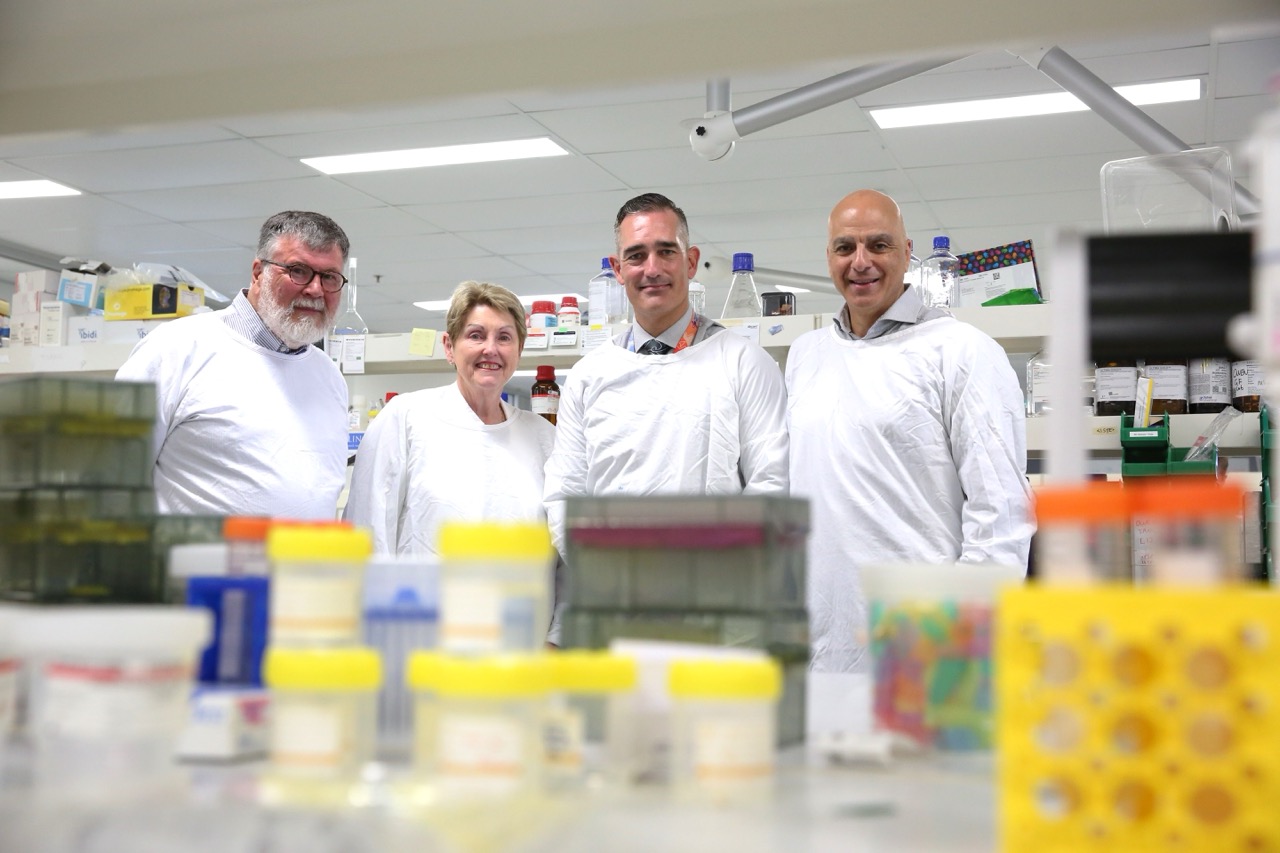
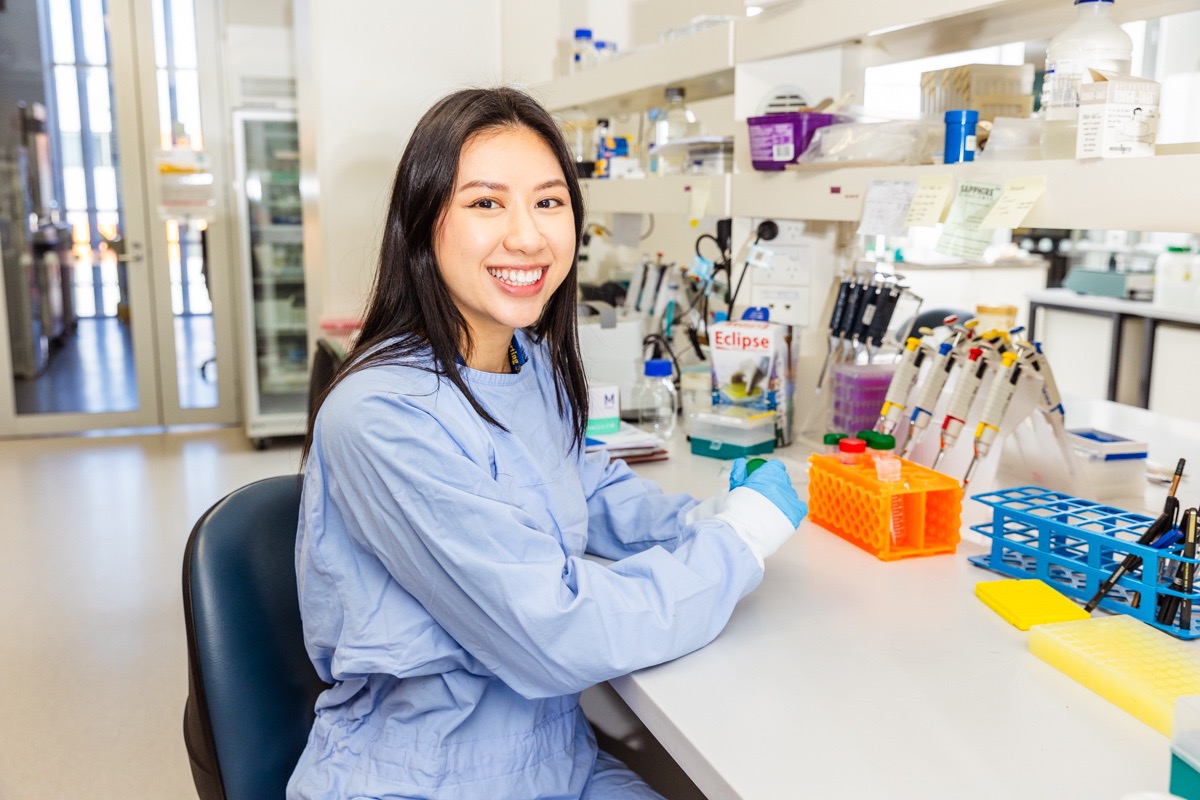
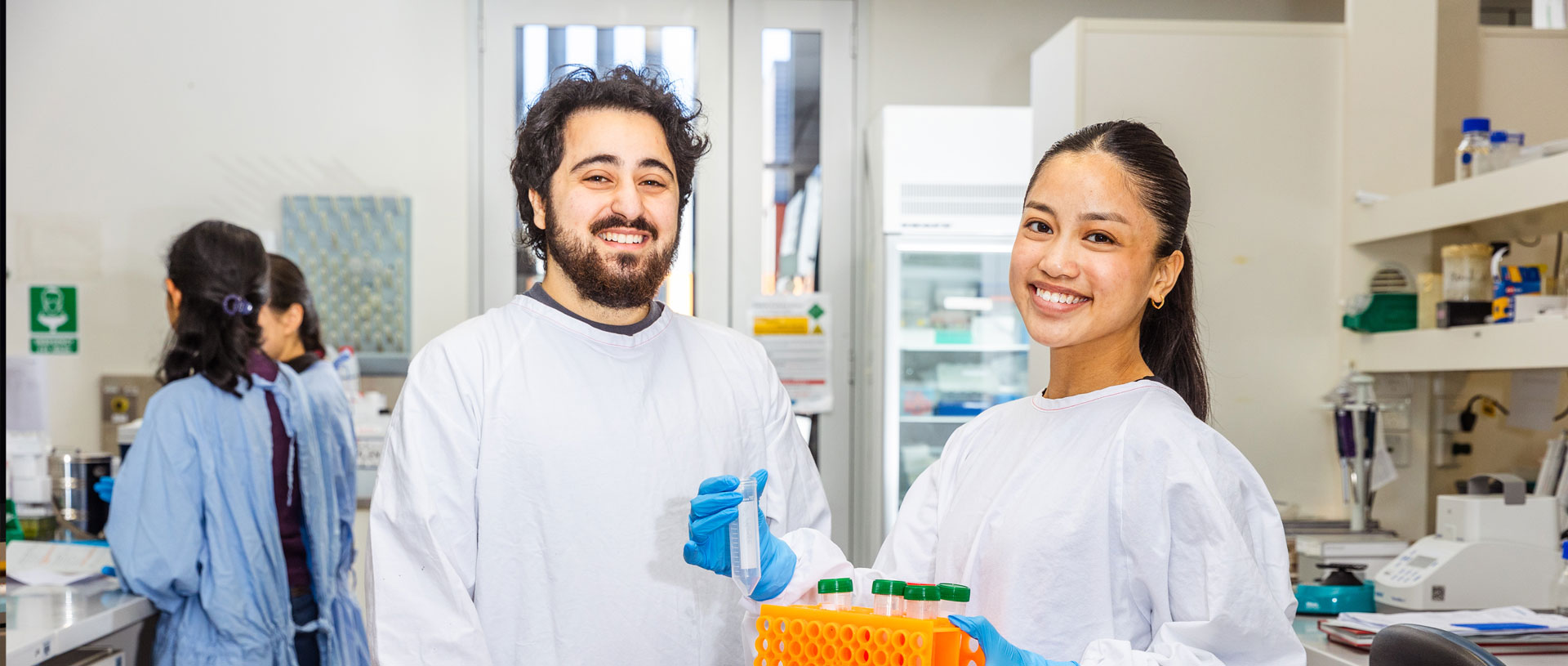
    Researchers within the Kolling Institute will shortly have the chance to strengthen their genomics capabilities, with AGRF – the Australian Genome Research Facility – establishing a laboratory within the institute.

    The new lab is part of an exciting partnership between AGRF, the University of Sydney and the Kolling which will see a specialised team and cutting-edge technology located within the institute.

    As Australia’s largest provider of genomic services, AGRF supports researchers and organisations to drive discovery across clinical genomics, translational research, agriculture and environmental science.

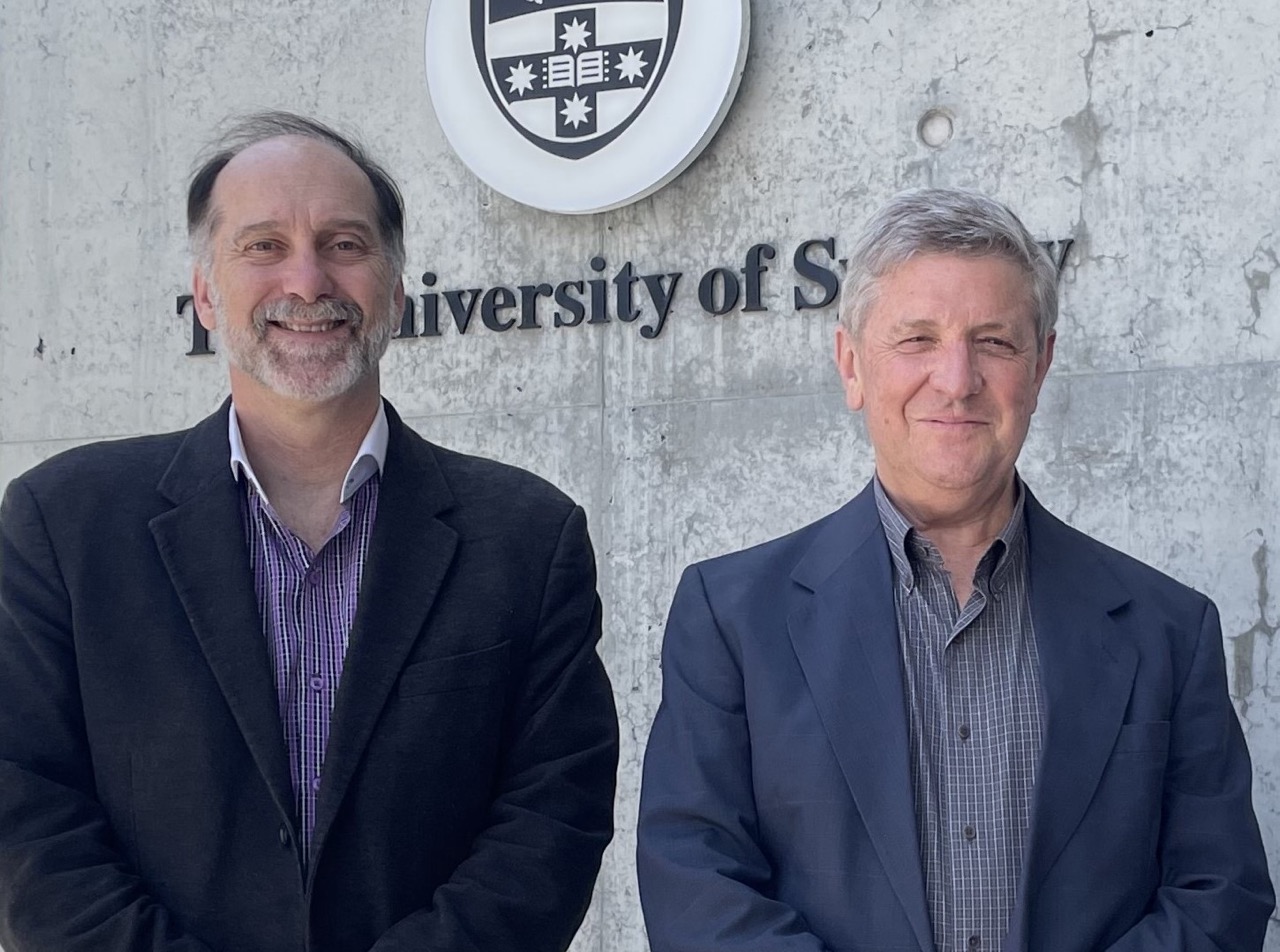
    The Kolling’s Academic Director Professor James Elliott welcomed the collaboration saying we are proud to partner with AGRF.

    “By establishing a translational genomics facility within the Kolling Institute, we will be well placed to progress innovative research and directly improve health outcomes,” he said.

    “The partnership will not only benefit our researchers within the Kolling, but clinicians and researchers across Northern Sydney. It will help speed the translation of genomics research into patient care with direct input from clinicians and health providers.

    “The new lab will foster discovery science and a pathway to incorporate new knowledge and capabilities into clinical care.

    “We are looking forward to exploring collaborative research and educational opportunities with the leading genomics provider, and we are excited to see the advancements in care this partnership will deliver.”

    AGRF provides world-class expertise and high-quality genomic data from single-gene analysis to whole genome sequencing and biomarker discovery.

    From the time of opening, AGRF will offer its full suite of genomics and proteomics services to Kolling researchers, including project consultations, sample drop-off, high-quality sequencing, genotyping, transcriptomics, epigenomics, Olink proteomics and bioinformatics.

    These services will be backed by AGRF’s national network of specialist laboratories and technical experts.

    The on-site presence will make it easier for investigators to connect directly with AGRF’s team for project planning, study design and genomics research support.

    All services provided through AGRF’s national network can be accessed via the Kolling site, with sample drop-off and project co-ordination available.

    AGRF’s team will work closely with Kolling researchers to identify future opportunities for expanded workflows, pilot projects, and new technology implementations.

    Head of Strategic Business Desley Pitcher said we are thrilled to be joining the Kolling Institute community.

    “Our mission has always been to power discovery through genomics, and we look forward to partnering with Kolling researchers to bring that to life,” she said.  

    If you would like to know more, contact Oliver Distler – AGRF Senior Account Manager oliver.distler@agrf.org.au

  • New study tests how stress and big meals can trigger a heart attack

    New study tests how stress and big meals can trigger a heart attack

    A heavy Christmas lunch, an argument or even smoke from a bushfire may seem harmless, but for people at risk of heart disease, they could be deadly.

    A new study is investigating how emotional stress, pollution, chest infections, and large meals can trigger heart attacks in vulnerable people, and importantly, how to manage those triggers in the moment.

    Royal North Shore Hospital cardiologist and Kolling Institute researcher Professor Geoffrey Tofler is leading the clinical trial, which is now recruiting people to test whether taking aspirin or beta blockers at the time of a trigger can help prevent cardiac events.

    During the trial, participants will use an app to log symptoms and receive stress-reduction advice.

    Professor Tofler, who has researched heart attacks for close to 40 years, says the science tells us that some heart attacks aren’t random.

    “If people are aware of the triggers, there’s something they can do about them,” he said.

    The research team is looking for 120 people over 40 to join the seven-month study dubbed the Triggered Acute Risk Prevention study or TARP. Three sites are involved in the trial including Royal North Shore Hospital, North Shore Private and Westmead Hospitals.

    Participants must have at least two risk factors for heart disease – such as high cholesterol, blood pressure, smoking or diabetes – or known heart disease.

    “If you’ve just had an argument or know you’re heading into a big meal, the app helps you act,” says Geoffrey.

    “You log the trigger, like anger or a heavy meal, and it guides you through what to do.

    “Despite all the advances in understanding about risk factors like high blood pressure and high cholesterol, and the treatments, heart attacks remain a leading cause of death,” he said.

    For further information on how to take part in this study, please email your closest site: For Royal North Shore and North Shore Private: Cheryl.Macadam@health.nsw.gov.au or Anjani.Meka@health.nsw.gov.au for Westmead Hospital.

    The study has been approved through HREC 2024/ETH02331. 

  • New report identifies key health challenges

    New report identifies key health challenges

    The latest global health check has confirmed heart disease remains the world’s biggest killer.

    The concerning trend was identified through the Global Burden of Disease study which analysed health challenges and the leading cause of death in Australia and across the world. The study looked at data over more than three decades from 1990 to 2023.

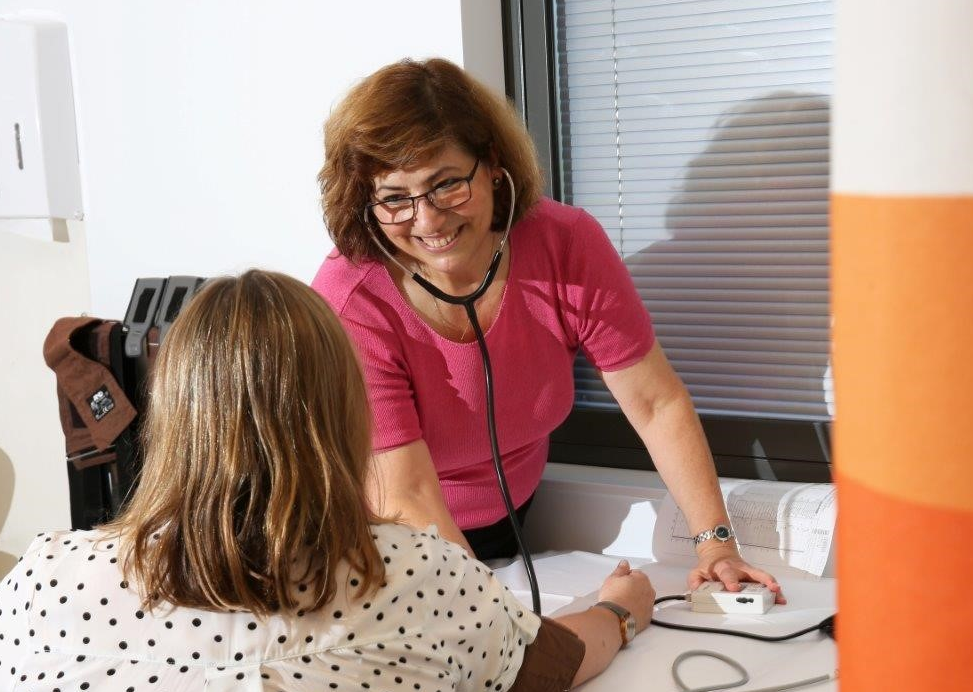
    Kolling Institute researcher and Royal North Shore Hospital senior scientist Dr Anastasia Mihailidou said the research serves as an alarm clock to alert us to the leading health issues, and to encourage us to reduce their impact.

    In Australia, life expectancy has increased by seven years to an average of 84 years. This means the life expectancy for women is now 86 years, compared to 82 years for men.

    “The data from the research will be helpful as an older life expectancy will require communities and health systems to adjust to the growing demand for healthcare,” said Dr Mihailidou.

    “While we are living longer, the leading cause of death in Australia and globally remains ischemic heart disease.

    “This is a disappointing trend, but a timely reminder to do what we can to reduce the disease, to consistently monitor blood pressure and to regularly undergo heart health checks.”

    The study found the second leading cause of death in Australia is Alzheimer’s disease, followed by lung cancer.

    It also found that air pollution and heat, as well as anxiety and depression were significantly impacting our health.

    “Importantly, the report provided information about how the world’s disease burden can be prevented by modifying risk factors such as high blood pressure, obesity, smoking and air pollution.

    “In Australia, the leading preventable risk factor was high blood pressure, but the data now shows being overweight, smoking and a high blood sugar are the biggest issues which the community can work to overcome.

    “I would still encourage the community to monitor their blood pressure, especially as they got older.

    “Blood pressure is a key indicator for heart and general health.”  

  • September 2025 Kolling NEWS

    September 2025 Kolling NEWS

    Our latest Kolling Institute newsletter is out detailing the very latest updates from our expert team of researchers, including some promising progress with our bowel cancer investigators. 

    There’s an opportunity to join a clinical trial to minimise the impact of osteoarthritis, a new approach to reduce spinal cord injury related pain and an international award recognising 40 years of service to health and research…. and much more:

    Click here to read through this edition.

  • Kolling Institute Year in Review

    Kolling Institute Year in Review

    The Kolling Institute Year in Review profiles our impressive and unique teams, and the impact of their crucial research.

    Our investigators are driving world-leading research into some of the most significant health challenges, from heart and kidney disease, chronic pain and cancer, to musculoskeletal, neurological and age-related conditions.

    With a large share of our researchers named amongst the top two per cent in the world, the Kolling Institute continues to build on its research success.

    As you read through the Year in Review, we would like to extend our thanks to our dedicated researchers and the many wonderful donors who help us deliver real improvements to the care we receive.

    Click here to check it out:

  • Podcast offers insight into the future of healthcare

    Podcast offers insight into the future of healthcare

     A fascinating and informative podcast has been launched showcasing groundbreaking research, innovative healthcare, and inspiring stories from across Northern Sydney.

    Tomorrow’s Medicine Today is an initiative of the Northern Sydney Local Health District and the Kolling Institute, New South Wales’ oldest medical research institute.

    Co-hosted by the Kolling Institute’s Academic Director Professor James Elliott and leading Royal North Shore Hospital anaesthetist Dr Matthew Doane, the series offers an insight into the impressive clinicians and researchers driving innovation and life-changing healthcare.

    It’s a behind the scenes look at the latest advances in healthcare, as well as some inspiring stories from clinicians, researchers and their broader teams.

    Anthony Schembri, Chief Executive of the Northern Sydney Local Health District, said the podcast offers a great opportunity to highlight our strength in research and innovation.

    “Our teams are delivering truly outstanding work in healthcare and medical research,” he said.

    “This podcast is a fantastic platform to share that work with our community and direct the spotlight to the people behind the breakthroughs.”

    Co-host Professor James Elliott said the series demonstrates the depth of talent and discovery in Northern Sydney.

    “Each year, Stanford University publishes a list of the top two per cent of researchers globally, and many of those names are my colleagues right here at the Kolling Institute and the local health district,” he said.

    “That’s what inspired this podcast. It’s a chance to share details of the world-class research and healthcare here in Northern Sydney with a wider audience.”

    The first episode is now available featuring Associate Professor Sarah Glastras on the future of diabetes care and prevention.

    Listen here:

    New episodes will be released fortnightly. You can also check them out on Spotify: 

  • Celebrating over 100 years of innovation

    Celebrating over 100 years of innovation


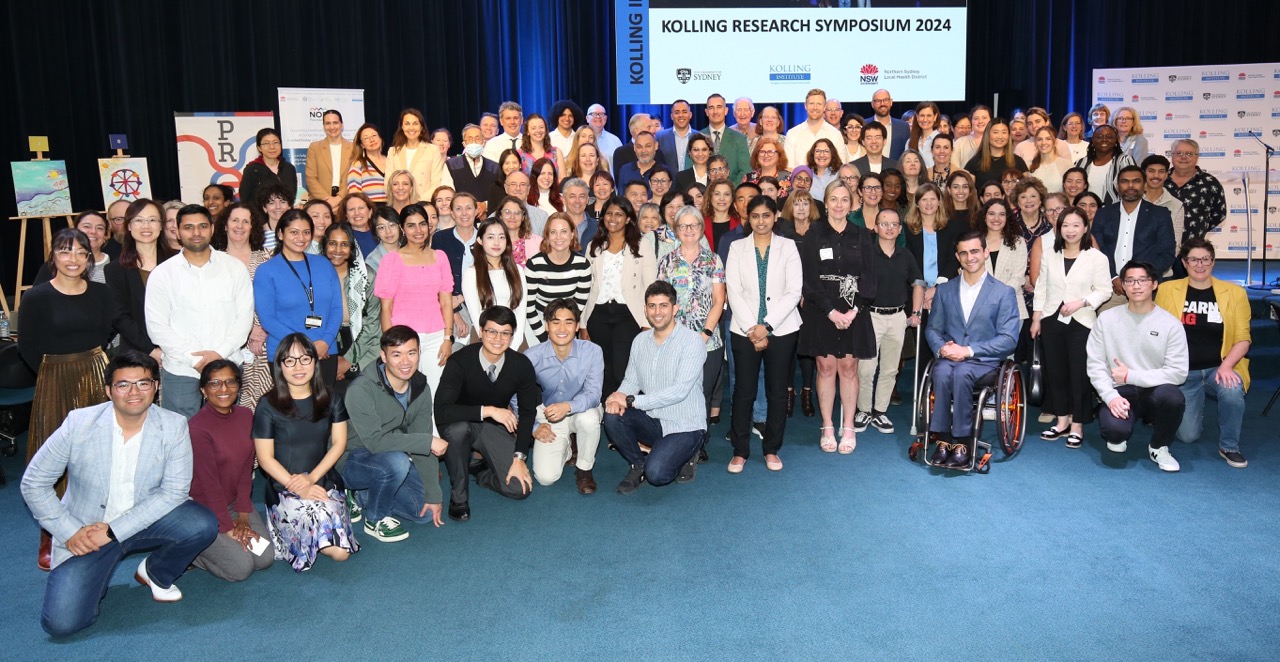
    The inaugural Eva Kolling Research Day was staged within Royal North Shore Hospital, providing the perfect chance to celebrate the vision and generosity of a true pioneer.

    Established in 1920, the Kolling Institute is the oldest medical research institute in New South Wales. It has been at the forefront of cutting-edge research for more than a hundred years, with its founding director Dr W. Wilson Ingram opening the first clinic for diabetes treatment in Australia.

    In 1931, a new two-storey building was officially opened and named the Kolling Institute of Medical Research after businessman Charles Kolling. His widow Eva was a strong supporter of research and made a substantial donation towards the development of the new building.

    The Kolling Institute’s iconic photo features Eva laying a foundation stone. 

    Her vision and the long-standing impact of the Kolling were highlighted at the inaugural research day by Royal North Shore Hospital honorary archivist Catherine Storey OAM, who shared insights into the Kolling’s remarkable journey.

    The institute’s Academic Director Professor James Elliott said the event offered the chance for researchers to engage with visitors, to learn more about the health challenges facing the community, and to share details of their current research.

    “A key part of our research success will depend on the strength of our community ties, including community driven clinical trials and broad community involvement,” he said.

    “I would also like to thank the NORTH Foundation for their unrelenting support, and for raising awareness of the dedicated and skilled clinician researchers within the Kolling Institute.”

    Early-to-mid-career researchers presented a poster display, illustrating their commitment to improving health outcomes, driving new health policy, and realising global reach.

    Two awards were announced on the day, including an Excellence in Clinical Translation Science gong to Temitope Esther Afolabi from the Kolling’s Lab of Ageing and Pharmacology, and an Excellence in Basic Science award to Daisy (Qinrui) Chen from the Renal Research Lab. 

  • Kolling Institute Newsletter May 2025

    Kolling Institute Newsletter May 2025

    Check out our latest newsletter

    • Researchers target sleep for muscle pain relief
    • Landmark clinical trial to improve lung cancer treatment
    • Pioneering Muscle Map project receives funding support
    • Travel awards for emerging research leaders
    • And much more: 

    Click here:

  • Crucial new funds to help improve heart and kidney disease treatment

    Crucial new funds to help improve heart and kidney disease treatment

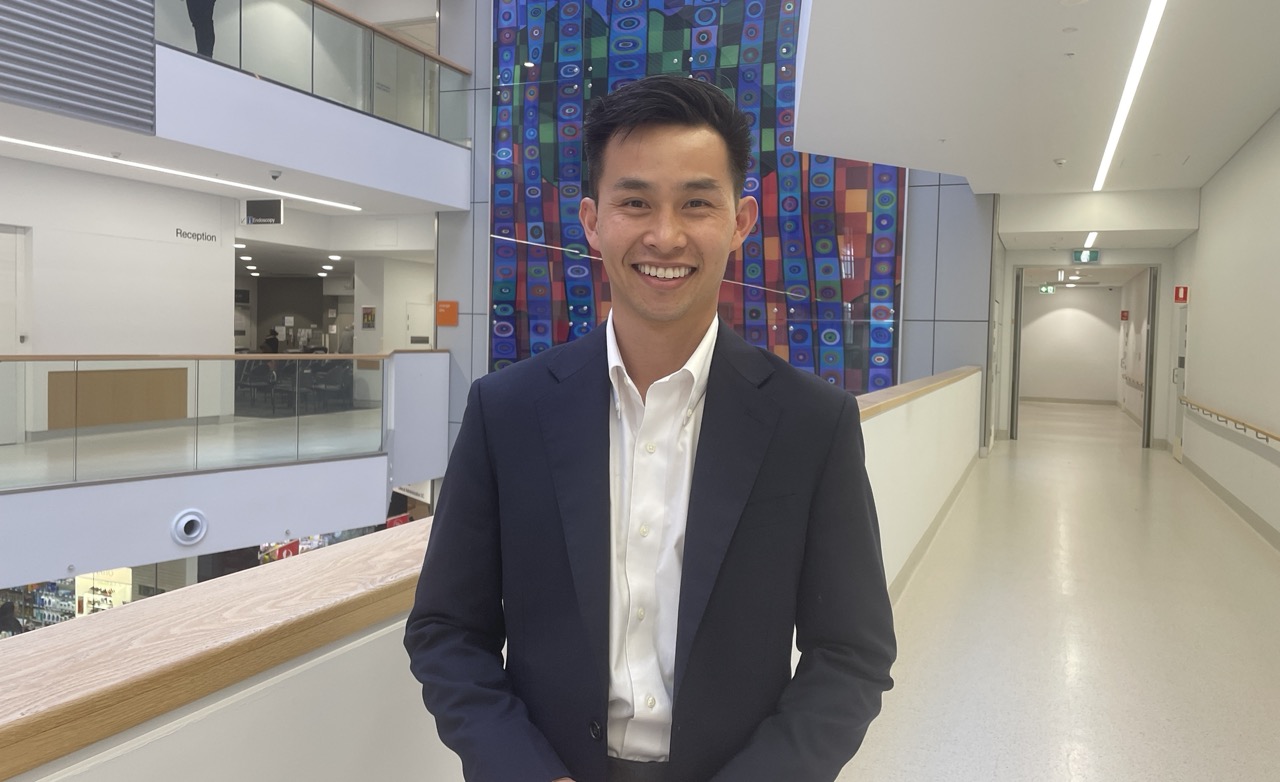
    Royal North Shore Hospital’s Associate Professor Brendon Neuen will establish an international consortium to support those with both heart and kidney disease.

    The nephrologist and Director of Kidney Trials will lead the collaboration after being awarded close to $500,000 from NSW Health through a program to drive groundbreaking projects in heart disease.

    The grant will support the establishment of the ROCKET Consortium, a global initiative to determine the best way to assess kidney disease progression in people with heart failure.

    The collaboration will bring together the team at Royal North Shore Hospital with world leading experts at Harvard Medical School and Tufts Medical Center in Boston, and the University of Groningen in the Netherlands.

    The project will analyse data from 12 landmark heart failure trials involving more than 50,000 patients to confirm the best approach to track the loss of kidney function in heart failure trials.

    As researcher with the Kolling and The George Institute, Associate Professor Neuen said their work has the potential to shape how future clinical trials are designed for those with heart and kidney disease, and improve outcomes for people with both conditions.

    “Nearly half of those with heart failure also have chronic kidney disease, which means they generally do worse overall and are admitted to hospital more often,” he said.

    “However, without a standard method of measuring loss of kidney function in heart failure trials, we are potentially missing opportunities to identify treatments which could protect the heart and kidneys.”

    He says the international team is excited by the broad interest in their work to date.

    “Our research is already drawing attention from the U.S. Food and Drug Administration as it has the potential to inform regulatory standards and the development of new medications for both heart failure treatments and kidney disease.

    “With a large share of the community living with heart and kidney disease, we are hopeful our work will improve the long-term health and wellbeing of people affected by both conditions.”

  • Partnership to drive innovation in genomic science

    Partnership to drive innovation in genomic science

    An exciting partnership between AGRF Ltd (Australian Genome Research Facility) and the University of Sydney and the Kolling Institute will help strengthen genomic capabilities.

    The partnership will see a specialised team and cutting-edge technology located within the institute to progress research in this increasingly crucial field.

    As Australia’s largest provider of genomic services, AGRF supports researchers and organisations to drive discovery across clinical genomics, translational research, agriculture and environmental science.

    AGRF partners with medical and scientific communities to provide world class expertise and high quality genomic data from single-gene analysis to whole genome sequencing and biomarker discovery.

    Professor Robyn Ward, Executive Dean and Pro-Vice Chancellor of the Faculty of Medicine and Health at the University of Sydney welcomed the announcement saying there is a growing awareness of the need for genomics in healthcare.

    “We are proud to partner with AGRF, and we are looking forward to exploring collaborative research and educational opportunities with this leading genomics provider,” she said.

    “By establishing a translational genomics facility within the Kolling Institute, we will be well placed to progress innovative research and directly improve health outcomes.”

    AGRF Chairman Professor Simon Foote said he was pleased the partnership had been forged, saying genomics will increasingly help address some of society’s biggest challenges.

    “As Australia’s premier provider of genomic solutions, AGRF is delighted to partner with the University of Sydney and the Kolling Institute, where our shared strengths and synergies can advance cutting edge translational research,” he said.

    “This collaboration reflects our commitment to enable genomic discoveries to drive innovation, improve lives and build awareness of the transformative potential of genomics.”

    Northern Sydney Local Health District Chief Executive Adjunct Professor Anthony Schembri said it was an important step to establish the genomics facility within the institute which is located alongside Royal North Shore Hospital.

    “This specialised facility will help speed the translation of genomics research with direct input from leading clinicians and health providers,” he said.

    “The partnership will foster discovery science and a pathway to incorporate new knowledge and capabilities into clinical care.

    “We are excited to see the advancements in care by bringing together our collective strengths.”

    Professor James Elliott, the Kolling Institute’s Academic Director said a collection of our researchers are already working with experts from AGRF.

    “We are looking forward to strengthening that relationship and the exciting opportunities and innovations to come from this strategic partnership,” he said. 

NSWGOV logo