Blog

  • Exciting study to investigate new treatment for acute myeloid leukaemia

    The Cancer Council NSW today announced funding for a new stem cell team at the Kolling Institute to examine a revolutionary approach to treatment for those with acute myeloid leukaemia.

    This aggressive form of blood cancer has a tragically poor survival rate, and while we have seen tremendous progress for many other types of cancer in recent years, there have been very limited improvements in treatment for this deadly form of blood cancer.

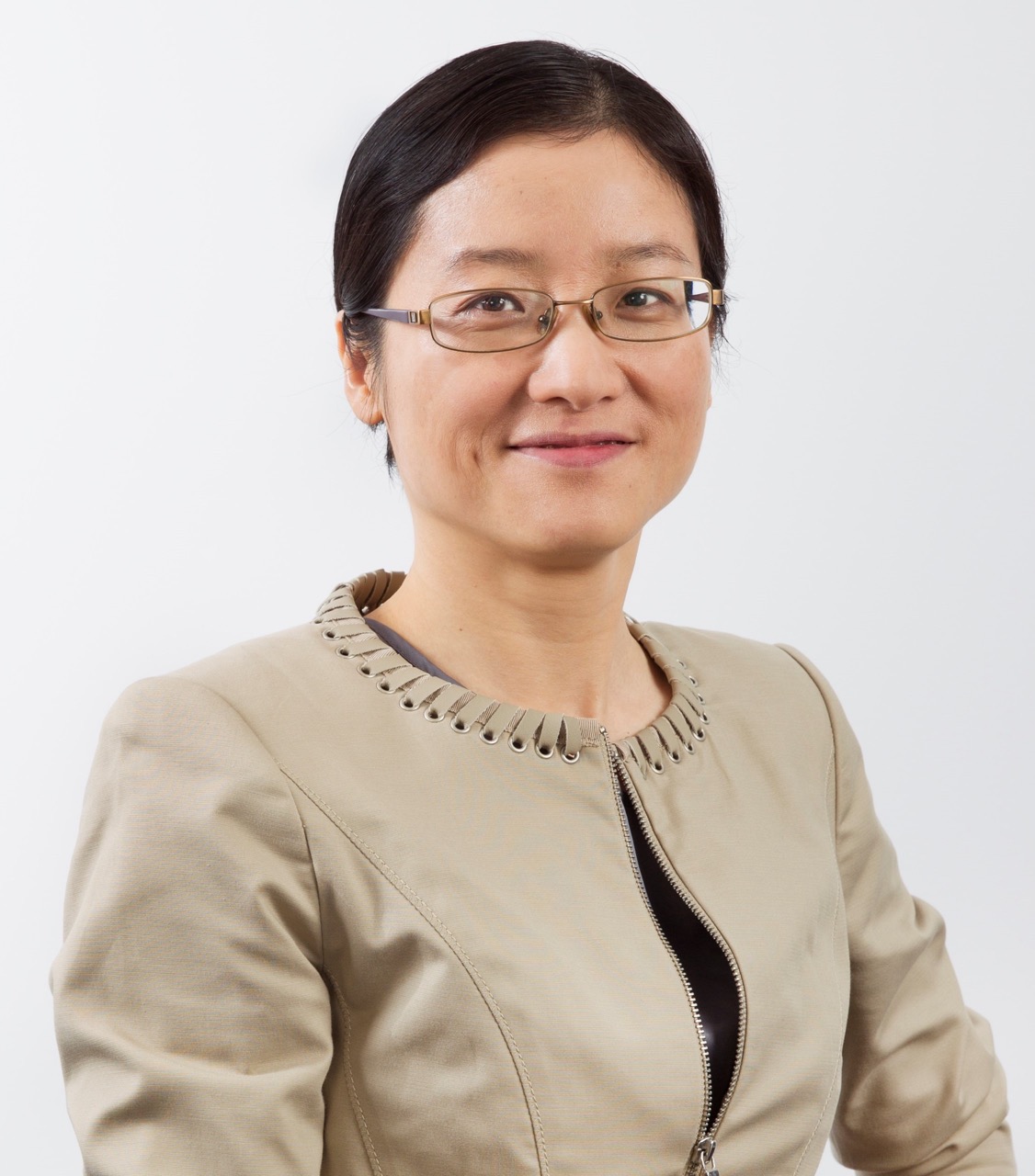
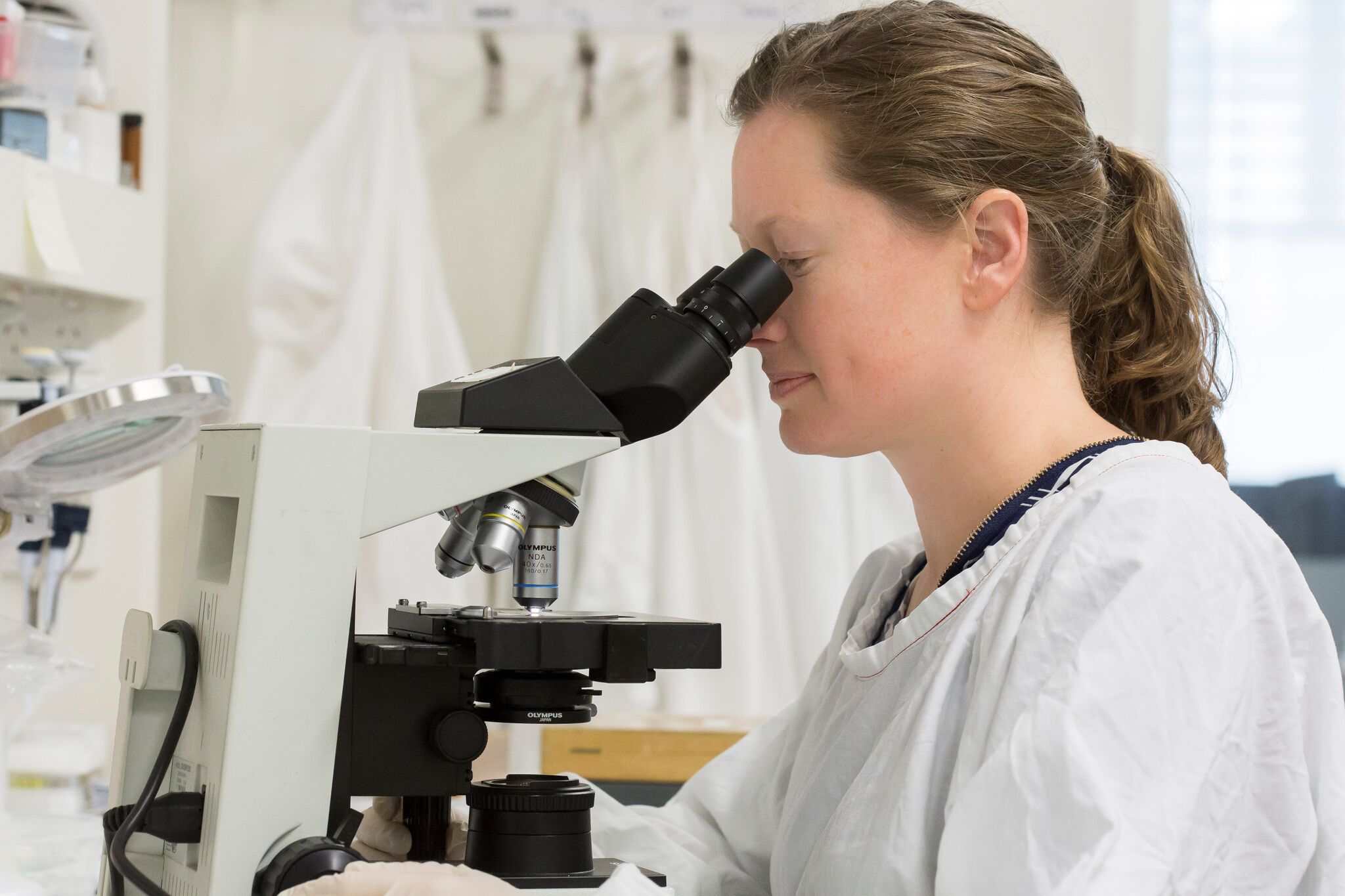
    Internationally respected researcher Dr Jenny Wang will lead the promising new study following the Cancer Council NSW grant of $450,000.

    “We are thrilled to have received this generous funding for our project which we hope will lead to an effective, new therapy for this complex cancer,” said the University of Sydney researcher.

    “Chemotherapy is currently the first-line treatment for acute myeloid leukaemia.

    “There are however, high rates of relapse as this form of cancer is protected by a rare group of cells known as leukaemic stem cells, which have the ability to lay dormant and evade chemotherapy. They then reactivate and renew themselves to drive fresh cancer growth.

    “My team and I recently uncovered a mechanism which is crucial to the survival of leukaemic stem cells. This mechanism is only found in leukaemic stem cells, not in normal human stem cells, making it a promising target for a new treatments.”

    In this project, Dr Wang and her team will investigate how leukaemic stem cells are able to survive and renew. The team will then develop a treatment strategy to inhibit this unique mechanism in clinically relevant experimental models.

    “We are very excited by this approach targeting leukaemic stem cells, as this potential new treatment could eradicate acute myeloid leukaemia at its root,” she said.

    “If our pre-clinical tests are successful, we hope to start clinical trials of this innovative approach in collaboration with clinicians and our longstanding industry partner.

    “Today’s funding announcement represents an important step towards a greater understanding of this complex cancer and promising new treatment options to improve outcomes for those with this form of blood cancer.”

    Dr Wang returned to Sydney in 2011 from Harvard Medical School where she undertook postdoctoral research in cancer and stem cell biology. She subsequently established an independent stem cell laboratory at Children’s Cancer Institute/UNSW in 2013, before her recent transition to the Kolling Institute.

  • New cutting-edge technology coming to the Kolling

    New cutting-edge technology coming to the Kolling

    The Kolling is set to be one of the first institutes in New South Wales to introduce new world-leading technology, boosting our cancer and neuroscience research capabilities.

    The Digital Spatial Profiling System has been made possible following a $535,000 grant from the Australian Research Council LIEF scheme. The project is being co-funded by the University of Sydney with a $250,000 contribution, and Macquarie University with a $50,000 commitment.

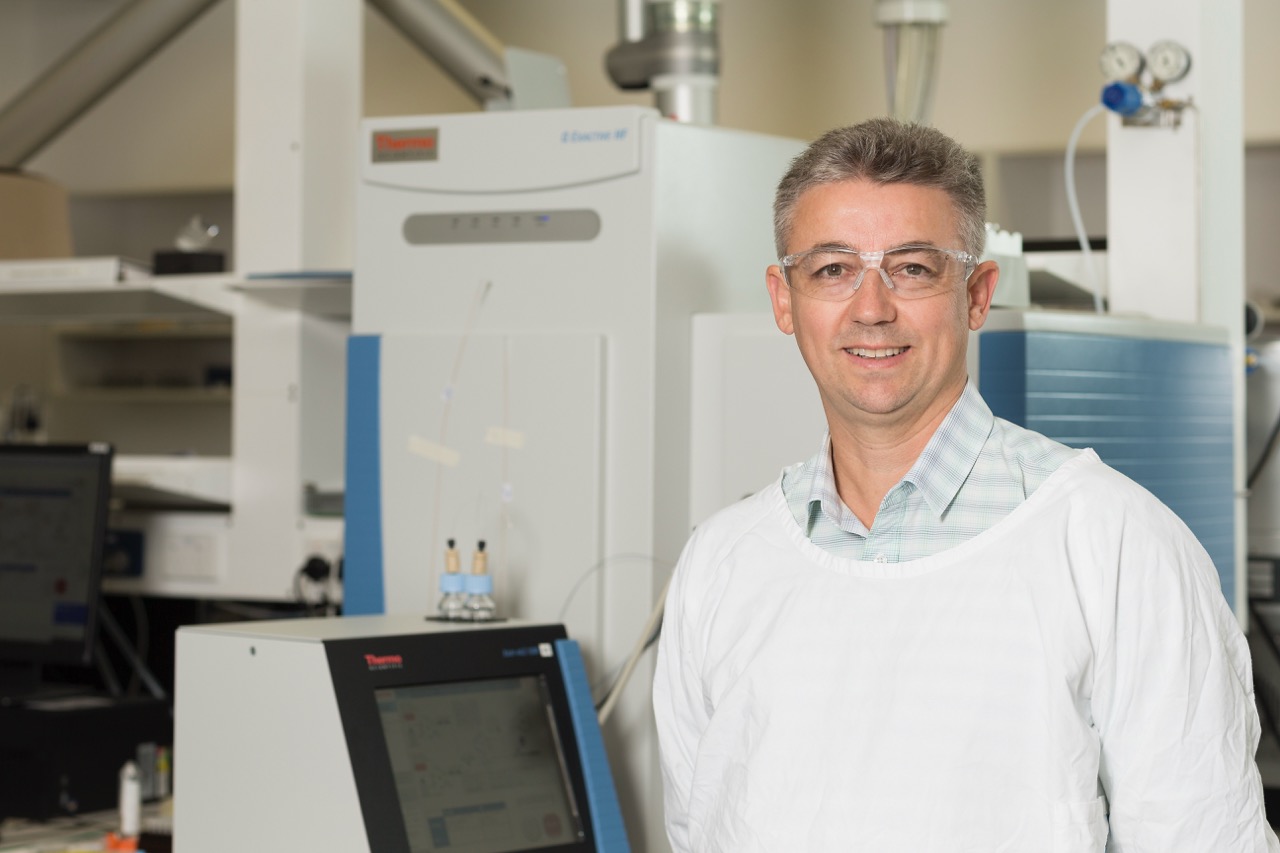
    Grant leader and cancer researcher Professor Mark Molloy has welcomed the establishment of the microscopy system, which has been recognised as one of the most exciting technological advances in the investigation of biological samples globally.

    “This is wonderful news for our researchers, the Kolling, our partners and ultimately the community of patients we serve,” said the Lawrence Penn Chair of Bowel Cancer Research.

    “It will significantly extend our research capabilities and represents an important step towards new treatments.

    “The digital spatial profiling technology will allow researchers to divide tissues into spatial regions to study how proteins and genes are regulated within parts of the tissues.

    “Importantly, this will address the limitations of conventional gene and protein profiling methods that produce averaged data which fail to consider the discrete spatial organisation that occurs within tissues.

    “This will lead to new discoveries around the intricate biological processes that go wrong in diseased tissues, a key step towards finding new drug targets and treatments.”

    During its initial phase, the new equipment will be used in the study of cancers and neuroscience. This will be extended to include investigators from molecular biosciences, bioengineering, plant biology and bioinformatics.

    The Kolling’s Executive Director Professor Carolyn Sue and her neuroscience team have welcomed the chance to utilise the new technology in their innovative research projects, especially with their Parkinson’s disease research.

    “Using this system will enable us to understand how we can protect neurons from degenerating. I am excited to gain insights into how we can intervene in this process so that we can improve the lives of our patients with this debilitating disease,” said Professor Sue.

    It’s anticipated the new system will deliver broad ranging and long term benefits, with the next generation of research students expected to be trained in this technology.

  • The Kolling’s up and coming talent recognised

    The Kolling’s up and coming talent recognised

    Acting Executive Director Professor Jim Elliott has announced the winners of the inaugural Kolling Institute Emerging Leader Awards, saying there’s an inspiring depth of expertise throughout the institute.

    Professor Elliott said the new awards recognise our young leaders across our basic and translational research, and were initiated by the institute’s Workforce and Culture Enabler Committee.

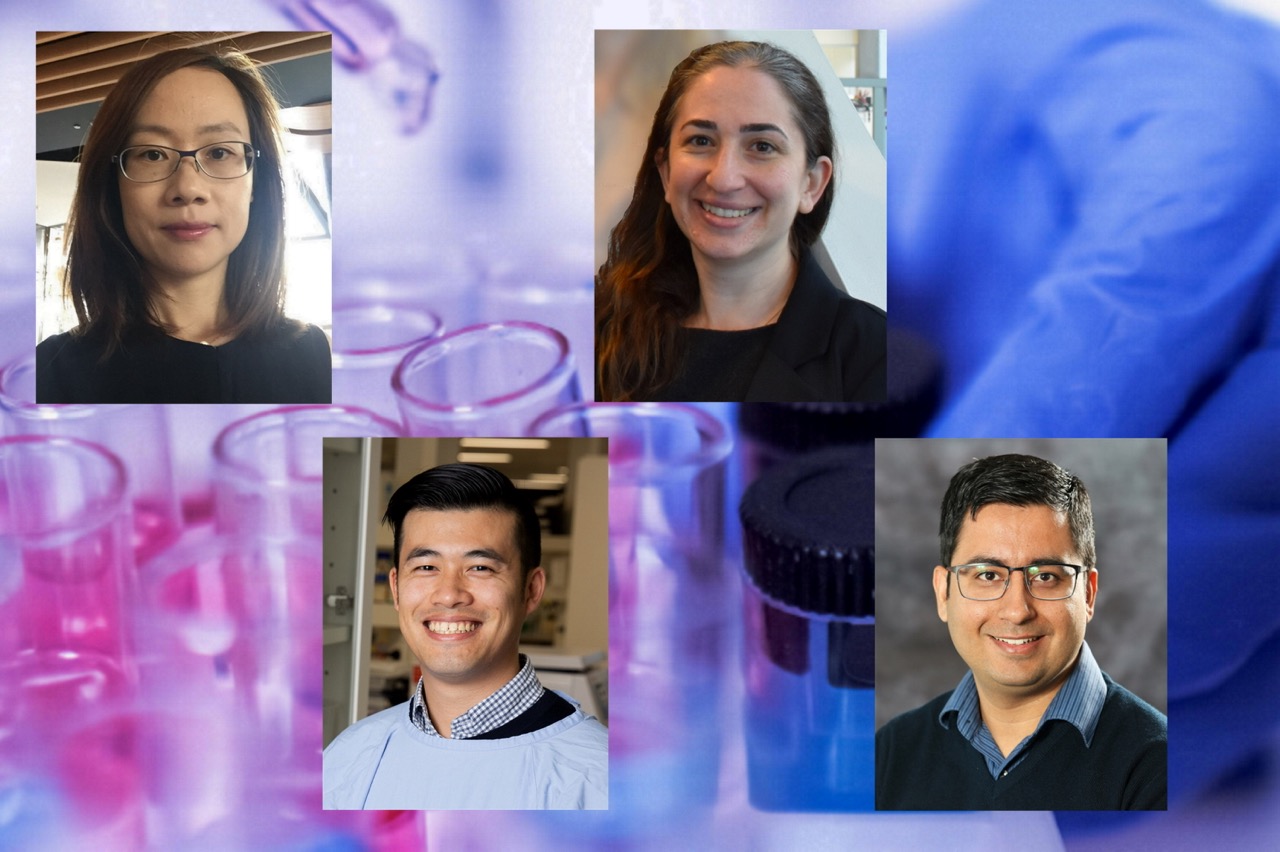
    “Four awards are being presented in 2021 and I’m delighted to announce the successful applicants,” he said.

    “In the EL1 category, Dr Qinghua Cao, a postdoctoral research associate with the Renal Research Team and Dr Lisa Kouladjian O’Donnell, a research fellow with the Laboratory of Ageing and Pharmacology, have taken out the awards.

    “While in the EL2 category, Dr John Mach a post-doctoral research fellow from the Laboratory of Ageing and Pharmacology, and Dr Sumit Sahni, a research fellow with the Bill Walsh Translational Cancer Research Laboratory have been presented with awards.

    “I would like to congratulate this year’s award winners for their outstanding track record and tremendous efforts to drive our research progress and improve the care our community receives.

    “I understand the selection committee was impressed by the quality of the submissions, the scientific rigour and the commitment to research excellence.

    “Each award recipient has demonstrated a strong focus with their individual research, a collaborative approach and a commitment to improving a significant health challenge.

    “I would like to commend this year’s successful recipients, and mention that we are already looking to expand the awards program next year so that a larger number of researchers can be recognised.

    “These new awards are one key part of a broader approach to ensure our day-to-day core business fosters a supportive and collaborative working culture.” 

  • First Australian imaging technology to deliver research windfall

    First Australian imaging technology to deliver research windfall

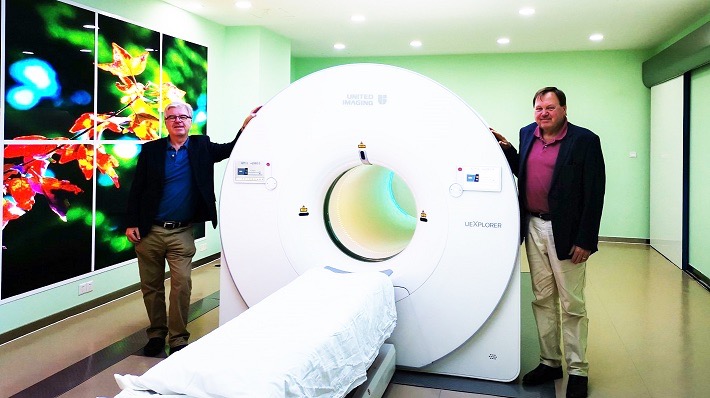
    An exciting project between the University of Sydney and the Northern Sydney Local Health District will see a $15 million, revolutionary scanner installed at Royal North Shore Hospital, greatly improving patient care and research capabilities.

    Australia’s first Total Body Positron Emission Tomography (TB-PET) scanner will produce faster and higher quality whole-body PET/CT scans, with less exposure to radiation than current scanners.

    It will capture the whole body in a single scan, allowing doctors to diagnose, guide treatment and track patient’s progress more accurately.

    In addition to the direct clinical benefits, there will be wide sweeping benefits for research.

    Professor of Medical Imaging Physics Steve Meikle said the TB-PET will be able to capture dynamic, physiological information from all organs at the same time.

    “This will be incredibly useful as researchers seek to understand how chemical signals within and between organs regulate their function, and how these processes go awry in chronic diseases,” he said.

    “Crucially, it’ll allow researchers to evaluate the effects of new drugs on the whole body, including the targets they’re designed to interact with and non-target sites.”

    The high-tech scanner could improve treatment for a wide range of chronic diseases, including cancer, neuromuscular conditions and infectious diseases.

    “By identifying new disease targets and biomarkers, or evaluating new therapies, the scanner could greatly assist patients with an earlier diagnosis or access to more effective, personalised treatments.

    “Importantly, researchers from across the country and international collaborators will have access to the facility. It will be the only one in Australia with a dedicated research capacity.”

    The machine, which will be a flagship of the National Imaging Facility, is expected to be operational by 2022. 

  • Cancer expertise recognised

    Cancer expertise recognised

    The Kolling’s Dr Amanda Hudson will lead an exciting pilot study after being awarded an innovation grant by the Mark Hughes Foundation for brain cancer research.

    The Bill Walsh Lab scientist is one of a select group to have received funding from the foundation. Her research will now investigate the early detection of disease progression in brain cancer.

    Dr Hudson said identifying changes in tumour growth early is the key to maintaining the wellbeing of cancer patients.

    “Our project aims to improve the monitoring of patients with brain cancer, so that we can identify if a tumour has begun to grow, even before any symptoms develop,” she said.

    “This would allow ineffective treatments to be stopped, and other treatments that may be able to control the tumour to begin as soon as possible.”

    Currently brain tumours are monitored with imaging or through surgery, but these techniques have limitations.

    This project will use simple blood tests to find factors or protein biomarkers in the blood that change as tumours change.

    “Blood samples will be taken at routine clinical check-ups so that patients don’t need to come to the clinic more than necessary.

    “This will allow us to follow these factors along each patient’s journey with brain cancer.

    We’ll be able to see how the factors change with treatment and over time, and we may be able to predict if the tumour will respond to the treatment.

    “We’ve already identified some protein biomarkers in the tumours that change as the tumours starts to grow. We will now test these in the blood to see if those levels also change.

    “We will also be looking for all of the proteins in blood, which will help predict the behaviour of the tumour.

    “If this project is successful, it will greatly assist the management of patients with brain cancer. “

  • New funding launches exciting project to detect cancer earlier

    New funding launches exciting project to detect cancer earlier

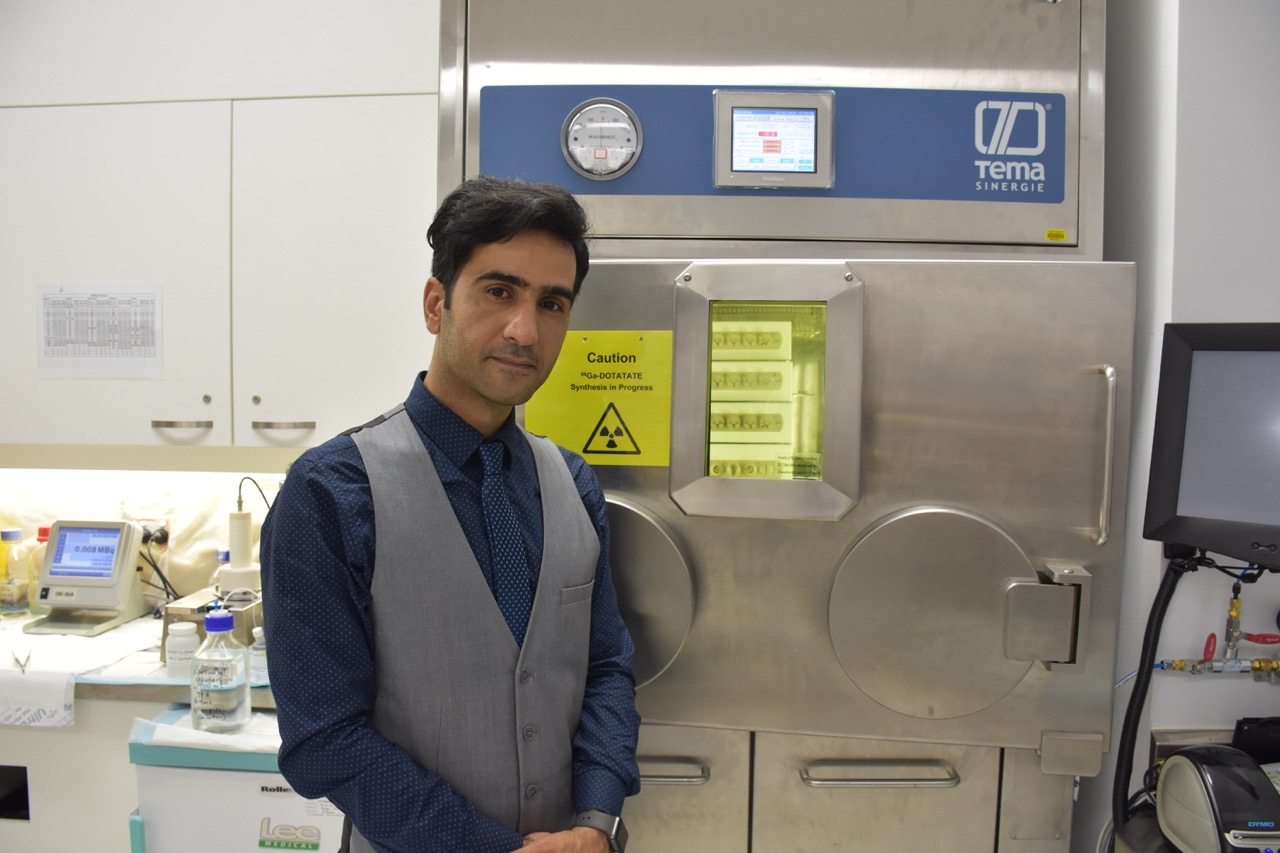
    Congratulations to Kolling cancer researcher and Sydney Vital fellow Dr Yaser Hadi Gholami on being awarded the prestigious 2020 Physics Grand Challenges grant.

    The Grand Challenges project was initiated by the University of Sydney’s School of Physics to drive new discoveries and breakthroughs that will transform the world.

    $250,000 will be directed to Dr Gholami’s innovative research which aims to significantly improve diagnostic techniques for cancer.

    Dr Gholami is thrilled to have received the large, competitive grant.

    “This has been my dream since I started studying physics. I strongly believe this will be the first step towards establishing the field of quantum medicine in the diagnosis of cancer,” he said.

    “Our project will involve fundamental work which I believe will support generations to come in the diagnosis and treatment of a range of cancers.”

    Clinicians currently use MRI or PET scans to detect cancer, but the imaging devices can only detect the cancer at a certain size. There are also some limits with existing blood, urine and tissue testing.

    “Our approach will mean that we can detect cancer at a very early stage, and in many cases, before the cancer has had the chance to spread to other parts of the body. This will be a real game changer.

    “Our technique will be able to detect malignant cells with quantum specificity, meaning that we can detect even a very small number of cancer cells in a liquid biopsy or nano-scale metastases in a solid biopsy sample.

    “Importantly, this will be a large-scale, collaborative project bringing doctors and physicists together to solve one of the community’s biggest health challenges.

    “My multidisciplinary physics team, including medical, nuclear, particle and quantum physicists from the University of Sydney will be working with the nuclear medicine team at Royal North Shore Hospital, including Professor Dale Bailey, and researchers Prof Alexander Engel and Prof Mark Molloy.

    “We also anticipate international collaboration with colleagues at the Harvard Medical School to help translate our research into practical application.”

  • Congratulations Professor Rob Baxter

    Congratulations Professor Rob Baxter

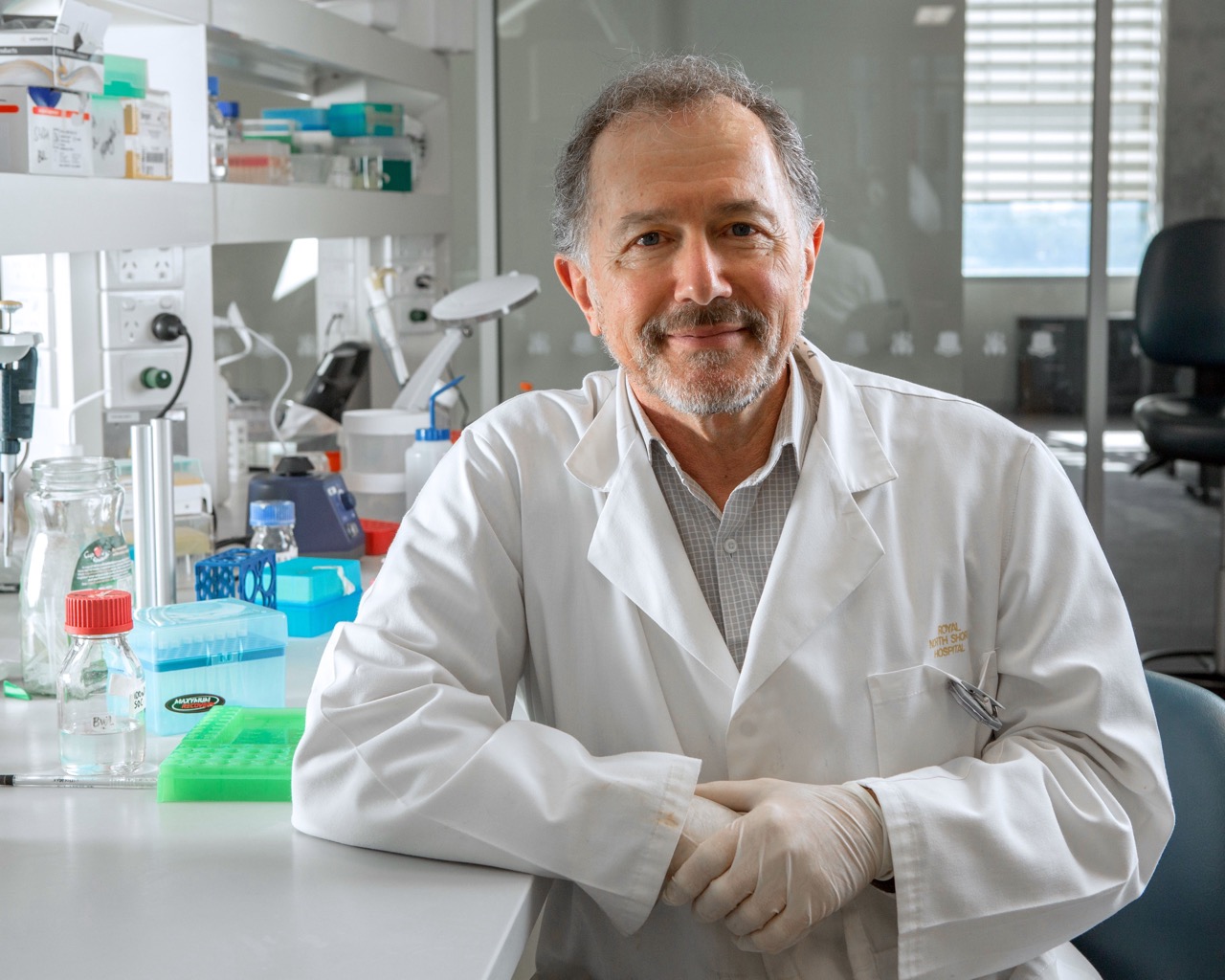
    Former Kolling Institute director Professor Rob Baxter received an Order of Australia medal in the Queen’s Birthday honour roll for his significant service to medical research, endocrinology and tertiary education.

    Professor Baxter has more than 20 years experience in breast cancer research, with expertise in cell biology, endocrinology and metabolic regulation.

    He has been a Professor in the Sydney Medical School since 1992 and was Director of the Kolling from 1994 to 2011.

    Professor Baxter said he was surprised to receive the award.

    “I greatly appreciate the recognition and hope that community support for basic and pre-clinical research will be reflected in an improved funding environment,” he said.

    Professor Baxter has led a long standing program of pre-clinical breast cancer research within the Kolling, and hopes this award will highlight this area of research.

    “My research into cell and tissue growth led me from the endocrinology of normal childhood growth, to cancer research, studying the abnormal growth of breast cancer cells.

    “I hope this award will give greater recognition to our efforts to improve treatment, and overcome chemotherapy resistance for women with triple-negative breast cancer.

    “Our current pre-clinical studies are aiming to develop a targeted therapy for this type of breast cancer, which typically affects women at a younger age, and is more difficult to treat than other breast cancers.”

  • Delivering presentations people remember

    Delivering presentations people remember

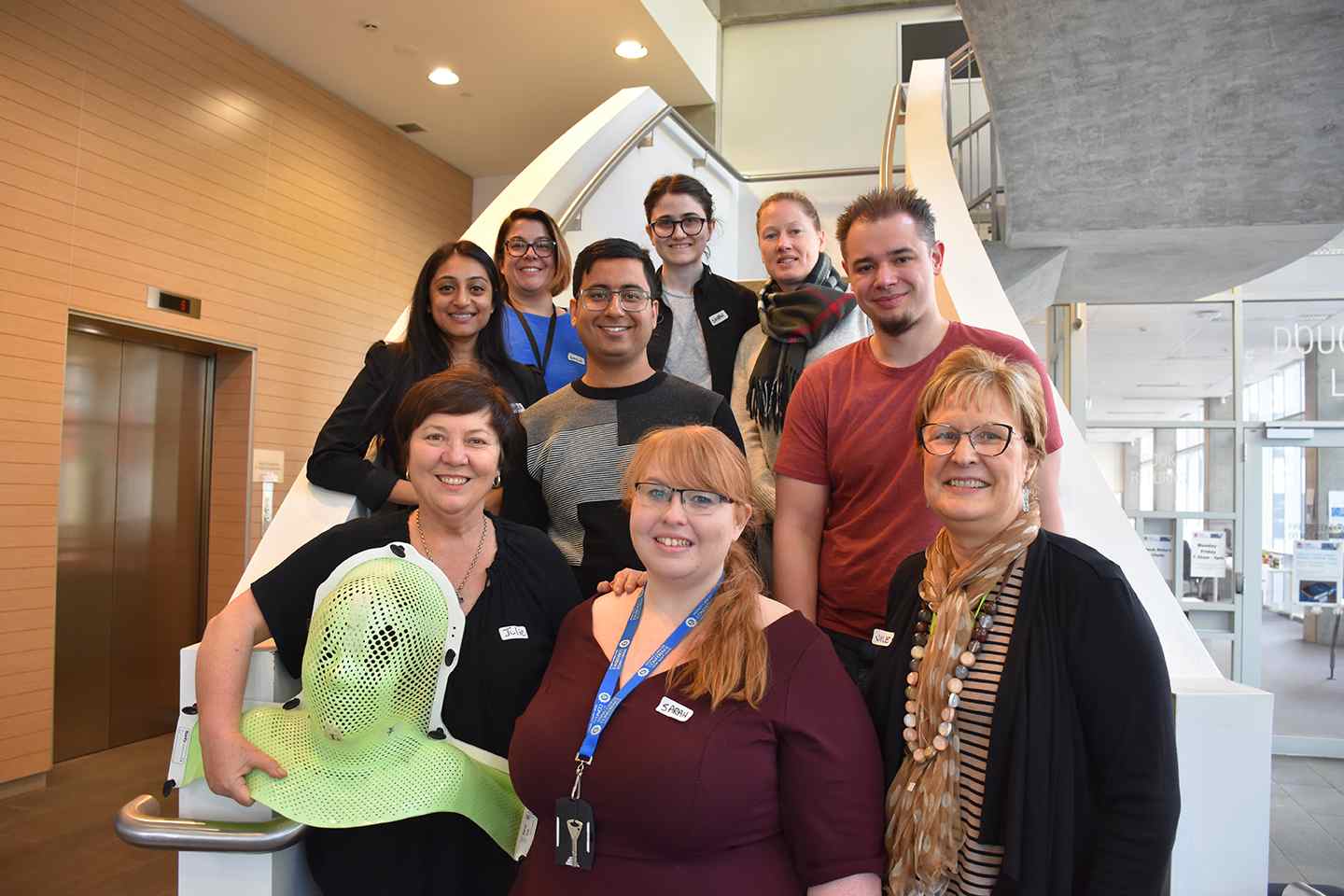
    Kolling Institute cancer researchers were given an opportunity to spend the day with presenter Julie McCrossin.

    Julie spent more than 20 years as a radio broadcaster and is now a freelance journalist, facilitator, trainer and speaker. Julie invests a large share of her time supporting research initiatives, and in recent years has received treatment for head and neck cancer.

    Julie delivered an impressive workshop for the Kolling team, discussing the secrets to a successful presentation, where audiences are engaged and enthusiastic participants.

    Bill Walsh Lab Research Director Viive Howell said the workshop was tremendously valuable as it gave the researchers some clear guidelines to consider for their next presentation.

    “We are often required to speak to a group of people and the workshop provided us with a checklist for success to help us illustrate key points in memorable ways.

    “It was an amazing experience as Julie taught us how to actively involve our audience to give an authentic and engaging presentation,” she said.

NSWGOV logo