Blog

  • New Academic Director shares vision for research success

    New Academic Director shares vision for research success

    Ambitious leadership, functional wellbeing and a passion for collaboration

    An international healthcare destination celebrated for its collaborative spirits and dedication to human health and wellbeing. This is Professor Jim Elliott’s vision for how the collaboration between the Kolling Institute, the Faculty of Medicine and Health and the Northern Sydney Local Health District will evolve.

    Highly respected in the global research community, Professor Elliott was recently appointed the Kolling Institute’s Academic Director. His past careers in professional baseball, physiotherapy and research academia have offered Jim a wealth of wisdom to draw from and have shaped his positive, enthusiastic and empathetic mindset. When listing the advice he has picked up along the way, he includes, “Do simple better” and “Be present, not perfect.”

    Common goals
    In his new role, Jim will work towards the shared strategic goals of the Kolling, the Faculty of Medicine and Health and the NSLHD. These goals also align with the Northern Health Precinct model, leveraging the strength of joint-venture partners and enabling all to reach shared goals. Jim understands that “we share a common vision to support world-leading translational research, increase our research impact and consistently improve health outcomes.”

    In his new role, Jim looks forward to working collaboratively “inside and outside the building” to address and report against the growth and sustainability of the Kolling Institute.

    From his days as a professional baseballer, Jim applies the advice, “Don’t give folks an opportunity to misquote you in the press.” He believes that having a clear and consistent media and communications strategy is crucial for internal and external facing messaging, which also supports the recruitment and retainment of new high-flying faculty, clinical staff and students.

    Together, we will determine how our impact will be measured, recorded, and shared through a strategic and wide-reaching communications plan. Our approach will work towards ensuring the Kolling Institute is an international healthcare destination – one that the NSLHD and the faculty can be proud of.

    Jim’s experience as a Professor of Allied Health makes it feel like a natural fit for him when it comes to putting the Northern Health Precinct’s key theme of Functional Wellbeing into action. Wellbeing represents a complex combination of physical, mental, emotional and social health and is strongly linked to happiness and life satisfaction. Additionally, allied health professionals offer a broad range of diagnostic, technical, therapeutic and direct health services to improve the health and wellbeing of the patients they work with.

    Jim’s vision
    Jim’s respect for interdisciplinary collaboration has grown following a career as a research academic trained as a physiotherapist.

    In short, our successes are a sum of all the parts and that goes a long way towards translation of research into clinical practice where it can positively influence patient-outcomes on a patient-by-patient basis. This requires trusting and productive collaboration between our medical, nursing and allied health colleagues.

    Jim highlights that traditional models of healthcare are delivered and evaluated in isolation, where patients are expected to seek individual services with little or no collaboration between healthcare providers. He recognises that the current health professional educational models, which operate the same way, as unintentional contributors to the development and maintenance of siloed areas of health. They reinforce the lack of valuable interdisciplinary collaboration between staff and students from various professions.

    Jim hopes to meet the need for developing new models of student and staff interaction, education, clinician research pathways and patient service delivery through creating best-practice interdisciplinary student placements. These models will aim to enhance functional wellbeing with the ability to be delivered across a range of settings and populations.

    He predicts that by leveraging the strengths, resources and expertise of the Kolling Institute, the Faculty of Medicine and Health and the NSLHD, we will be well placed to expand our research success.

    This approach will help position us as global leaders in health and medicine, and ensure we deliver research outcomes that ultimately improve the care our community members receive.

    The innovative and diverse nature of this partnership delivers best-practice interdisciplinary models of education and care-pathways by which the NSLHD, the University, NSW TAFE and our local community members can work together.

    A passionate HDR Supervisor
    Among a remarkable list of achievements, Jim has directly improved health practices around neck pain, broadened our understanding of whiplash injuries and embraced cutting-edge technology to progress research in the complex trauma and pain fields. Jim remembers when a clinical mentor of his quoted renowned nurse, Margo McCaffery, ‘Pain is whatever the experiencing person says it is, existing whenever and wherever the experiencing person says it does’. “To me, if we are to believe McCaffery’s statement (and I do), then it means the patient is the closest thing to a gold-standard measure of pain there is,” he adds.

    Jim’s career in research academia and collaborative spirit is influenced by the African proverb, “If you want to go fast, go alone. If you want to go far, go together.” When reminiscing on his favourite memory since joining the University, he recalls when his first PhD student, Dr Danielle Stone, Speech Pathologist at Royal North Shore Hospital, enrolled in 2019. “In the blink of an eye, she received word she had been recommended for the award of the degree of Doctor of Philosophy, WITHOUT FURTHER CONDITIONS!”

    It was very pleasing to witness Danielle’s growth and development in this interdisciplinary environment and the respect she gained from her team. It is also noteworthy, that Danielle completed her PhD studies in the university timeline while working clinically as a speech pathologist at Royal North Shore Hospital and is a mum of three young children.

    Danielle’s thesis, Dysphagia, Dysphonia, and Laryngeal Hypersensitivity following Whiplash, brought together an international team of leading research academics from Speech Pathology, Physiotherapy, Magnetic Resonance Physics, Genetics and Molecular Biology, and Psychology.

    “A true interdisciplinary collaborative,” as Jim hails it, making it only fitting that he respectfully quotes Ginger Rogers as some of the most important advice he’s learnt, “I did everything Fred Astaire did, backwards and in heels.”

  • Innovative research on show

    Innovative research on show

    An impressive group of emerging leaders addressed the Kolling’s Neuroscience and Pain Showcase, sharing details of their diverse and exciting research projects.

    With a broad range of expertise in this field, the showcase involved representatives from the pain management and rehabilitations teams, as well as the ageing, mental health, neurogenetics and neuromuscular imaging groups.

    The early and mid-career researchers discussed their latest progress across the scientific spectrum from their ground-breaking discovery projects through to their potentially life-changing translation and implementation work.

    Co-chair of the Neuroscience and Pain Priority Research Area and pain specialist Professor Paul Glare said there is a tremendous need for new approaches and models of care with an escalating number of people living with conditions impacting the mind, brain and nervous system.

    “We have a large number of researchers making important inroads in this field, and it was encouraging to learn more about their innovative work from an award-winning program to help injured workers get back to work faster to new treatments for Parkinson’s disease,” he said.

    “With the return-to-work initiative, we learnt extra support for injured workers saw them return to the workplace in half the time of those who didn’t receive the extra care. This is a good example of high quality research significantly improving health outcomes for our community.

    “Our researchers are leading a host of valuable projects, including a pilot intervention to reduce the inappropriate use of multiple medications in older in-patients. This program is optimising medication use, while minimising risks to a patients’ physical and cognitive function.”

    Researchers at the showcase also shared details of their work broadening our understanding of the debilitating Ehlers-Danlos Syndrome, as well as conditions characterised by irritability like depression and anxiety.

    We also learnt more about the role of autonomic function in injury recovery, and how it can delay a return to health. 

  • Australia to introduce ground breaking technology to target debilitating Mito disease

    Australia to introduce ground breaking technology to target debilitating Mito disease

    Clinicians, researchers and patients have welcomed a landmark law which will pave the way for remarkable new IVF technology to prevent mitochondrial disease.

    Known as “Maeve’s law” after a young Victorian girl with a rare genetic disorder, the legislation was passed by Federal Parliament allowing the specialised IVF procedure to be carried out in Australia.

    It will involve replacing faulty mitochondria with healthy mitochondria to greatly reduce the risk of a child inheriting the disease.

    Mitochondrial disease can be devastating, causing major organ failure, blindness, deafness, brain disorders, muscular problems and early death. About 50 babies are born with a severe form each year, and many die before the age of five.

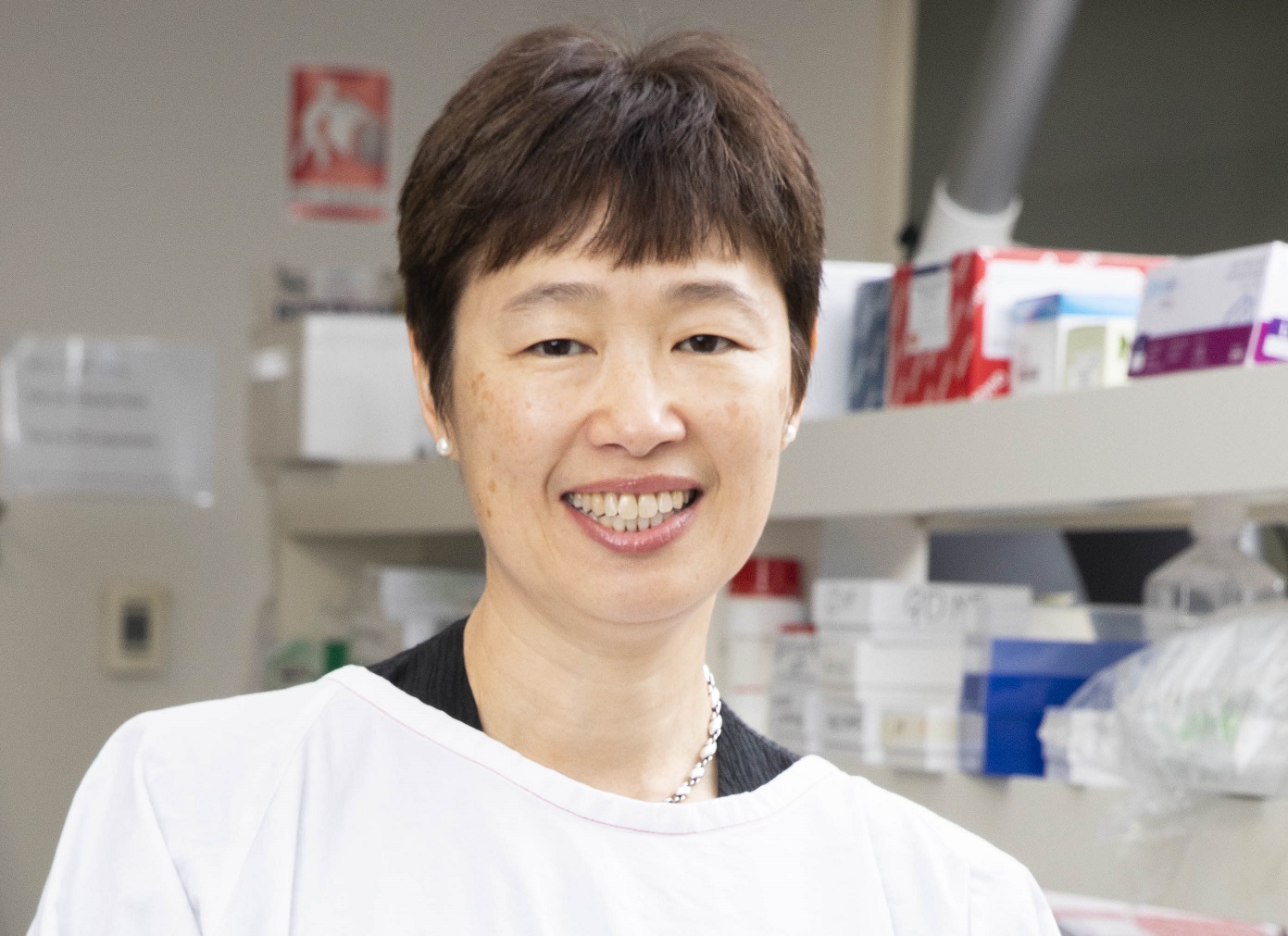
    The Kolling’s Executive Director Professor Carolyn Sue is a globally recognised expert in this field, and says the new law is a tremendously important step for many families impacted by Mitochondrial disease.

    “Maeve’s Law will help provide families affected by this inherited disease with the best opportunity to have a healthy, biologically related child,” she said.

    “It will provide hope and may be life-changing for many families, particularly those where multiple generations are affected. It may help relieve the enormous emotional, physical, social and financial burden on affected families.

    “Australia has a long history with procedures involving assisted reproductive technologies and an excellent regulatory environment. This new step will provide families with access to the most advanced technology, and will give them the best chance of having healthy children in the safest possible way.”

    One woman who may benefit from the landmark decision is 37 year old Shelley Beverley. She discovered she had Mitochondrial disease just five years ago following the death of her mother. Her brother Neil also tragically died from the condition at just 34.

    Shelley has a heart condition, hearing loss, muscle weakness and diabetes, which are all linked to the disease.

    Shelley and her husband James have welcomed the passing of the landmark law.

    “This law gives us new hope of having our own healthy biological child without the fear of passing on this devastating disease,” she said.

    “Having lost so much already, it is a dream come true, one that we have longed for. This procedure is a huge milestone that will genuinely save lives and an incredible amount of unimaginable heartache.”

    It’s anticipated women undergoing the new procedure will be supported by Royal North Shore Hospital’s clinic for Mitochondrial disease patients. It is the largest Mitochondrial disease clinic in Australia and well placed to provide the latest treatments to patients across the country.

    Professor Sue said we have the clinical experience and an established specialised clinic that is well known for our expertise and ability to care for patients with mitochondrial disease.

    “Our job would be to identify, prepare and treat those patients with mitochondrial disease to undertake the procedure. We would work to provide these patients with the support they need to have biologically related children and find the optimal path as they plan their future families.” 

  • New cutting-edge technology coming to the Kolling

    New cutting-edge technology coming to the Kolling

    The Kolling is set to be one of the first institutes in New South Wales to introduce new world-leading technology, boosting our cancer and neuroscience research capabilities.

    The Digital Spatial Profiling System has been made possible following a $535,000 grant from the Australian Research Council LIEF scheme. The project is being co-funded by the University of Sydney with a $250,000 contribution, and Macquarie University with a $50,000 commitment.

    Grant leader and cancer researcher Professor Mark Molloy has welcomed the establishment of the microscopy system, which has been recognised as one of the most exciting technological advances in the investigation of biological samples globally.

    “This is wonderful news for our researchers, the Kolling, our partners and ultimately the community of patients we serve,” said the Lawrence Penn Chair of Bowel Cancer Research.

    “It will significantly extend our research capabilities and represents an important step towards new treatments.

    “The digital spatial profiling technology will allow researchers to divide tissues into spatial regions to study how proteins and genes are regulated within parts of the tissues.

    “Importantly, this will address the limitations of conventional gene and protein profiling methods that produce averaged data which fail to consider the discrete spatial organisation that occurs within tissues.

    “This will lead to new discoveries around the intricate biological processes that go wrong in diseased tissues, a key step towards finding new drug targets and treatments.”

    During its initial phase, the new equipment will be used in the study of cancers and neuroscience. This will be extended to include investigators from molecular biosciences, bioengineering, plant biology and bioinformatics.

    The Kolling’s Executive Director Professor Carolyn Sue and her neuroscience team have welcomed the chance to utilise the new technology in their innovative research projects, especially with their Parkinson’s disease research.

    “Using this system will enable us to understand how we can protect neurons from degenerating. I am excited to gain insights into how we can intervene in this process so that we can improve the lives of our patients with this debilitating disease,” said Professor Sue.

    It’s anticipated the new system will deliver broad ranging and long term benefits, with the next generation of research students expected to be trained in this technology.

  • High-profile appointment

    High-profile appointment

    The Kolling Institute’s Executive Director Professor Carolyn Sue will join a dynamic group of Australian leaders on the new National Health and Medical Research Council.

    Professor Sue has been appointed to the high profile body for a three-year term until June 2024. A record number of women are represented on the new council, including chair and internationally-renowned researcher Professor Caroline Homer.

    Health Minister Greg Hunt said the council brings together expertise in biomedical science, clinical and public health, nursing, health care training and the medical profession, as well as business and consumer perspectives, and expertise in the health needs of Aboriginal and Torres Strait Islander people.

    Professor Sue will join the chief health officers from across the country on the influential council, which is charged with supporting the best research and researchers in Australia to improve health outcomes. It also helps set the agenda for future funding.

    A broad range of health and medical professionals have been appointed to the advisory body, with Professor Sue’s knowledge and world-leading research experience in rare diseases set to be called upon.

    Professor Sue said she is honoured to be appointed to the NHMRC council during such an important and exciting time for medical research.

    “Throughout the pandemic, we have really seen the transformative impact that medical research can have on healthcare and the broader community,” she said.

    “I’m delighted that I’ll be able to share my experience with rare diseases and that this important area of research will be represented on the council.

    “By broadening our knowledge of rare diseases and their processes, we develop a better understanding of the basic fundamentals of disease, giving us a much clearer insight into the bigger picture.”

    Minister Hunt thanked the former Chair of the NHMRC Council and Kolling Institute clinician/researcher Professor Bruce Robinson for his contribution to the NHMRC from 2018–2021.

  • Living with Parkinson’s disease

    Living with Parkinson’s disease

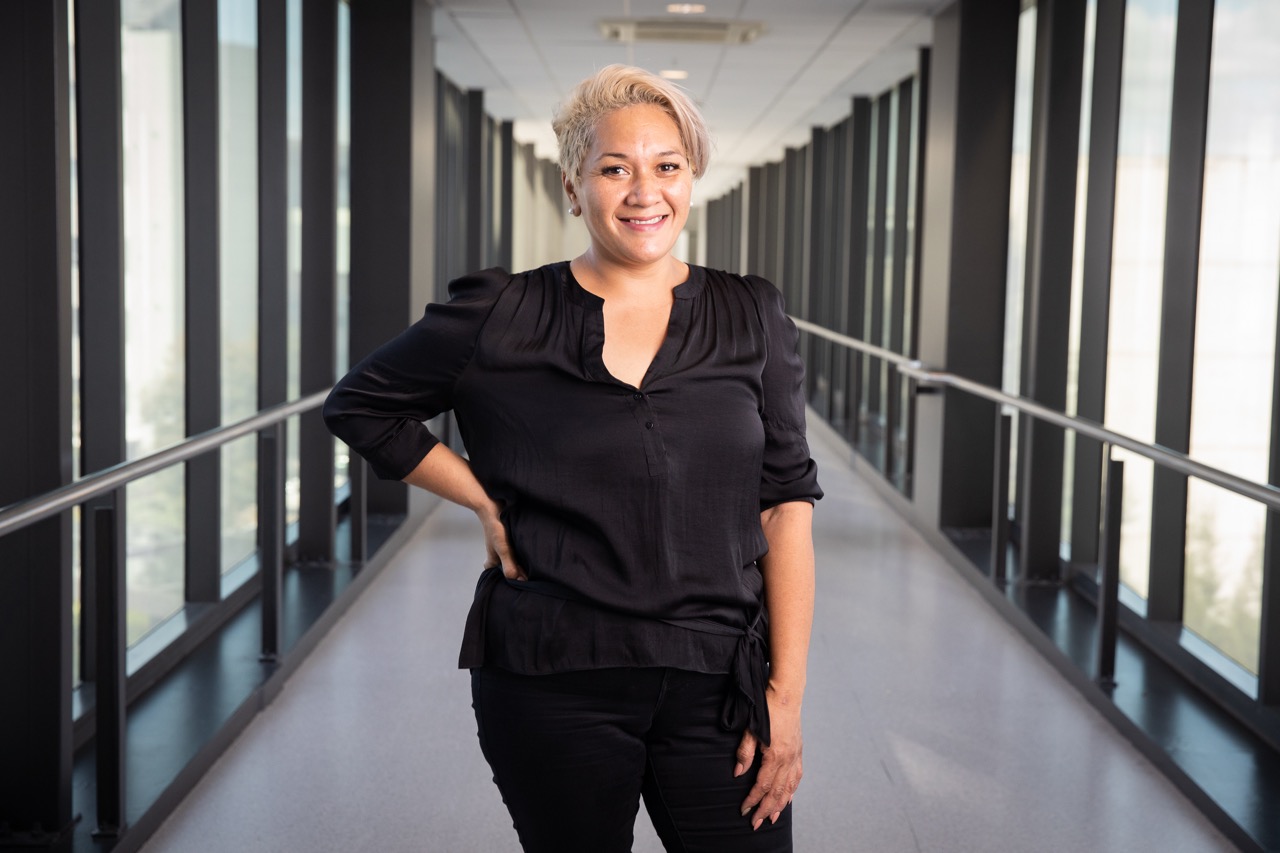
    As a single mum of four children, Jo Makamaka is juggling many responsibilities. She is not complaining though, just cherishing the opportunity to look after her children and take part in a host of activities which were not always within her reach.

    Jo first saw a neurologist in her early-20s in response to a collection of unusual symptoms, but it was not until many years later that she was diagnosed with Parkinson’s disease after seeing neurologist and Kolling Institute Executive Director Professor Carolyn Sue.

    “I was just relieved to get the diagnosis, not mad,” Jo said.

    “There was tremendous pressure with having something wrong, but not knowing what is was. It had a huge emotional toll and was a very challenging time, with plenty of tears.”

    The diagnosis of Parkinson’s disease and tailored treatment approach has transformed Jo’s life.

    “What this has done for me is give me my life back. It’s meant I’ve been able to be a mum, to take my kids to school, to make lunches and even drive.

    “Before, I would never put my hand up for simple activities like helping out at the school canteen, or signing my kids up for weekend sport.

    “I couldn’t do that as I wasn’t reliable, but I’m now able to do things everyone else can do. I can make plans and commit to activities, and be confident I will be able to follow through.

    “The medication is not only helping me physically, but mentally as well as I am more confident and less anxious.”

    Jo is tremendously grateful to Professor Sue, an internationally recognised expert on movement disorders and mitochondrial diseases. Professor Sue runs the largest clinic in Australia for patients with Mitochondrial disease, while also driving globally significant research.

    Jo’s tailored treatment was informed by the latest research and clinical experience, and she is thankful for the care she has received.

    “Professor Sue is really special and her passion for what she does is amazing. Her work is really valuable and I have benefitted greatly from her expertise and experience.

    “I have greatly welcomed her understanding, as she carefully listened to what I was going through.

    “Everything she does she cares about, putting her heart and soul into it.

    “I am so appreciative of the care I’ve had access to. The advice that I received, backed by research, has not only changed my life, but my family’s experience as well.”

  • World-leading research in the spotlight

    World-leading research in the spotlight

    The Neuroscience and Pain Research Showcase provided a timely opportunity to demonstrate the breadth of expertise across this priority research area at the Kolling.

    Co-ordinated by Professors Paul Glare and Lisa Harvey, the online event attracted more than 250 people.

    A diverse range of presentations focused on the cutting-edge research targeting mitochondrial disease, psychiatric disorders, spinal cord injuries and traumatic brain injuries. Researchers shared details too of world-leading projects to reduce the damaging impact of multiple medications.

    Senior researcher Professor Lisa Harvey said it was an important opportunity to promote the talented researchers across this priority research area and their significant achievements.

    “Our neuroscience and pain researchers have a unique breadth of skills, with their research progress directly influencing clinical practice and policy frameworks, and improving community health,” she said.

    “Our research ranges from investigations into new stem cell technologies through to large international clinical trials, and it was great to hear more about these exciting projects.

    “It was also encouraging to hear from the impressive early and mid-career researchers, who shared details of their ground breaking work.”

    Pain Management Research Institute Director Professor Paul Glare said the presentations aligned well with the keynote talks from Professor Don Nutbeam, the Executive Director of Sydney Health Partners and Dr Tony Penna, the Executive Director of the Office for Health and Medical Research, who both highlighted the importance of translating research into clinical practice.

    “The showcase emphasised the importance of research collaborations, including existing partnerships within the priority research area, and the development of new opportunities with national and international collaborators,” he said.

    “The Pain Management Research Institute for instance is already working closely with our Ageing and Pharmacology team around opioid tapering, and is looking towards closer ties with the John Walsh Centre for Rehabilitation Research.

    “Stronger national and international partnerships will also bolster our efforts to improve the lives of people living with neurological conditions and disabling pain.

    “We’re looking forward to our next showcase which will hopefully be run in-person at a time that looks very different to now.”

  • Researchers to improve diagnosis for genetic disorders

    Researchers to improve diagnosis for genetic disorders

    Kolling researchers will drive a large, national research project to improve diagnostic rates for those with mitochondrial diseases and broaden treatment pathways.

    A $3 million grant from the Medical Research Future Fund is being invested in the project, which will involve clinicians, researchers and diagnostic scientists from a host of organisations including the Kolling and the Murdoch Children’s Research Institute.

    Kolling Executive Director and project clinical lead Professor Carolyn Sue has welcomed the funding, saying the study will use the latest technology of genome sequencing to help diagnose those with mitochondrial diseases.

    “This technology will build on our earlier research which demonstrated that whole genome sequencing was the best way to identify these diseases,” she said.

    “In recent years, new DNA technologies have increased our ability to diagnose mitochondrial diseases by more than doubling the detection rate of genetic mutations in affected patients.

    “Importantly, we anticipate this new approach with combined omic technologies will raise diagnostic rates to over 70 per cent.

    “This landmark improvement will lead to more patients being diagnosed, opening up more effective treatment pathways and crucially, improving long-term health outcomes.”

    The technology will offer greater support with family planning and prevent some diseases from being passed on from generation to generation.

    “Mitochondrial diseases are very difficult to diagnose, and in some cases it has taken many decades for an accurate diagnosis to be confirmed.

    “I’m really pleased to be leading our talented, multi-disciplinary clinical team on this project, which may offer support to a large number of people.

    “Mitochondrial diseases can have a devastating impact on individuals and their families. The disease robs people of their energy and can affect any organ in the body.

    “That’s why this research is so important and has a great potential to make a significant improvement to many people’s lives, and not just their lives, but their children’s lives as well.”

    The project is a collaborative study also involving Kolling researcher Dr Ryan Davis and teams from the Murdoch Children’s Research Institute, Telethon Kids Institute, the University of Melbourne, Monash University, Queensland Children’s Hospital and the Mito Foundation.

  • High tech project offers hope for Parkinson’s treatment

    High tech project offers hope for Parkinson’s treatment

    Kolling researchers are set to lead a ground-breaking project to identify new drug therapies for those with Parkinson’s disease.

    The project has been made possible following Federal Government funding through the National Drug Discovery Centre.

    Senior Kolling researcher Dr Daniel Whiten has welcomed the announcement, saying the funding will help our team translate our scientific progress into an effective treatment for Parkinson’s disease patients.

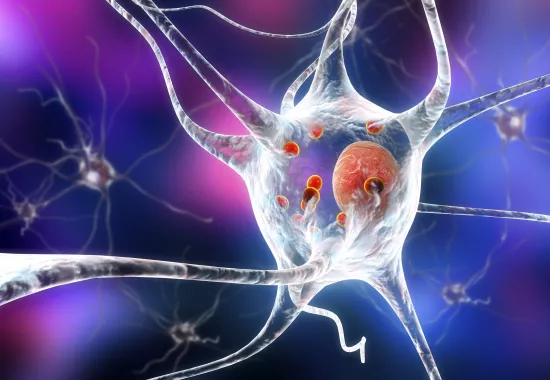
    “Parkinson’s disease affects approximately one per cent of the population over 65, leading to a continual loss of neurons in the brain, and loss of function,” he said.

    “Currently, we are unable to slow or stop this process with medication, but we have identified a new pathway to restore cellular function in the brain, and this project will help us identify the compounds which can activate this pathway and reduce the impact of Parkinson’s disease.

    “The funding means we will now have access to highly specialised robotic screening at the Walter and Eliza Hall Institute, allowing us to test several hundred thousand compounds in a relatively short amount of time.

    “This approach will give us the best chance of identifying the most effective compounds for new drug therapies.

    “I’m looking forward to working with Professor Carolyn Sue, Dr Gautam Wali and Professor Michael Kassiou from the University of Sydney on this exciting project.

    “It is an important step in the development of new treatments for Parkinson’s disease and highlights the translational strength of the Kolling, where we are able to directly transfer our breakthroughs in research into better treatment options for patients and ultimately better health outcomes.”

    Professor Sue said the project was a wonderful opportunity to work collaboratively with the National Drug Discovery Centre team at the Walter and Eliza Hall Institute.

    “This is a tremendously exciting project as it’s investigating new ways to treat Parkinson’s disease,” she said.

    “Currently, all treatments are aimed at reducing the symptoms of the condition. This project however, will look to halt the symptoms and reduce the progression of the disease.”

    The large scale screening campaign will be carried out over the coming months.

  • First Australian imaging technology to deliver research windfall

    First Australian imaging technology to deliver research windfall

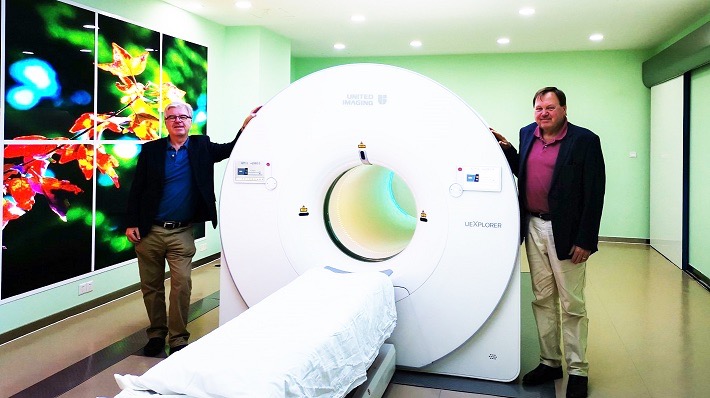
    An exciting project between the University of Sydney and the Northern Sydney Local Health District will see a $15 million, revolutionary scanner installed at Royal North Shore Hospital, greatly improving patient care and research capabilities.

    Australia’s first Total Body Positron Emission Tomography (TB-PET) scanner will produce faster and higher quality whole-body PET/CT scans, with less exposure to radiation than current scanners.

    It will capture the whole body in a single scan, allowing doctors to diagnose, guide treatment and track patient’s progress more accurately.

    In addition to the direct clinical benefits, there will be wide sweeping benefits for research.

    Professor of Medical Imaging Physics Steve Meikle said the TB-PET will be able to capture dynamic, physiological information from all organs at the same time.

    “This will be incredibly useful as researchers seek to understand how chemical signals within and between organs regulate their function, and how these processes go awry in chronic diseases,” he said.

    “Crucially, it’ll allow researchers to evaluate the effects of new drugs on the whole body, including the targets they’re designed to interact with and non-target sites.”

    The high-tech scanner could improve treatment for a wide range of chronic diseases, including cancer, neuromuscular conditions and infectious diseases.

    “By identifying new disease targets and biomarkers, or evaluating new therapies, the scanner could greatly assist patients with an earlier diagnosis or access to more effective, personalised treatments.

    “Importantly, researchers from across the country and international collaborators will have access to the facility. It will be the only one in Australia with a dedicated research capacity.”

    The machine, which will be a flagship of the National Imaging Facility, is expected to be operational by 2022. 

NSWGOV logo