Blog

  • Technology to bring relief to those with low back pain

    Technology to bring relief to those with low back pain

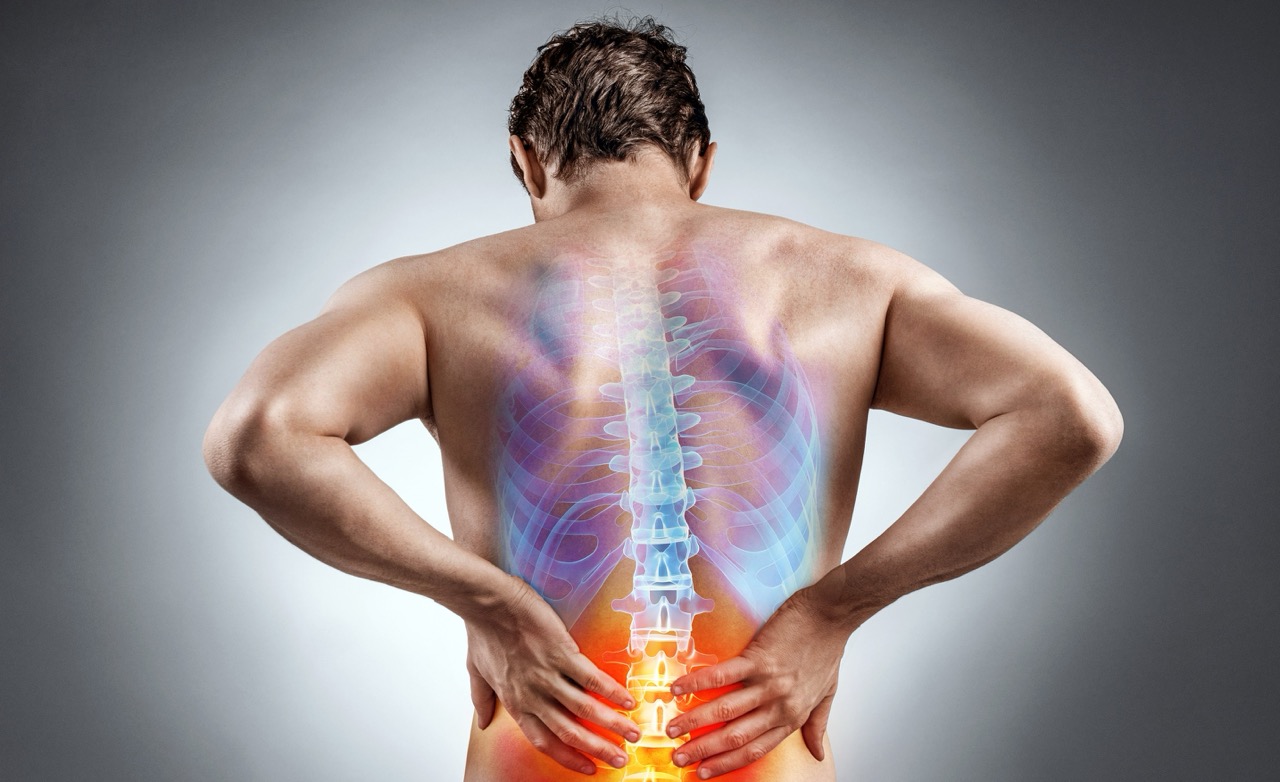
    With many of us looking to adopt a healthier lifestyle, researchers say a new approach may not only deliver benefits for your heart and waistline but may reduce low back pain as well.

    The condition affects one in six Australians or four million people and is the leading cause of adult musculoskeletal pain worldwide.

    Researchers from the University of Sydney and the Kolling Institute have launched an innovative study to assist those with low back pain, and they’re urging those with the debilitating condition to join the trial.

    Professor Manuela Ferreira said research has shown us that low back pain is the number one cause of disability worldwide, greatly impacting social, family and work activities.

    “We know low back pain is the main reason Australians miss work and retire involuntarily,” she said.

    “Low back pain also contributes to a lack of physical activity, increasing the risk of other chronic diseases.”

    Professor Ferreira said learning how to self-manage low back pain is particularly important, and the TEXT4myBACK study will investigate whether a lifestyle-based text message intervention can help people do just that.

    Two different formats of text message interventions are being assessed and participants will receive one of two interventions which differ in their frequency and content.

    The messages will contain educational information about low back pain and self-management strategies.

    The study will measure whether the text messages improve function and patient confidence in managing their symptoms.

    “We’re keen to measure the effectiveness of this new mobile health approach.

    “Text messaging is an easy, accessible and affordable intervention that can empower people with low back pain to better manage their own symptoms. It can be used to remotely support people anywhere, at any time of the day.

    “It has been shown to help people with other chronic diseases, such as cardiovascular disease and diabetes engage in a healthier lifestyle.

    “Text messages have helped people lose weight, stop smoking and increase their exercise participation levels.

    “The study is receiving a positive response, with participants able to join remotely, as long as they have access to a phone and internet coverage.

    “This is a great option for many Australians who do not have easy access to specialised care or support to receive evidence-based information on how to care for their spinal health.”

    To find out more, follow ibjr.sydney.edu.au/volunteer/text4myback/

  • First large-scale trial of stem cell therapy for knee osteoarthritis launched

    First large-scale trial of stem cell therapy for knee osteoarthritis launched

    Kolling researcher Professor David Hunter will lead one of the world’s largest clinical trials into the effectiveness of stem cell therapy for those with knee osteoarthritis.

    More than 400 participants will be recruited for the SCUlpTOR study which will see trial sites established at Royal North Shore Hospital and the Menzies Institute in Hobart.

    Professor Hunter, the Florance and Cope Chair of Rheumatology at the University of Sydney, said the two-year study represents the first of its type to test stem cell therapy for osteoarthritis.

    “We will evaluate whether stem cell injections can improve symptoms and slow the progression of the disease in people with mild to moderate knee osteoarthritis,” he said.

    “Participants will receive three injections over a 12 month period, with researchers to assess levels of pain, physical activity and quality of life throughout the trial.”

    All participants will receive the same stem cell product, developed from cells from a single young healthy person.

    The study follows some small trials which have indicated stem cell therapy may reduce inflammation, and help the body repair cartilage.

    Professor Hunter said there is tremendous community interest and many stem cell products available, but to date, there has been no good, rigorous evidence to suggest these products are effective in this context.

    “It’s really important that we have high-quality trials like this one to produce the evidence that we need around efficacy and safety.

    “Osteoarthritis is steadily increasing in prevalence due to our ageing population and the high numbers of people above a healthy weight.

    “It’s important that we can offer those managing the condition a range of treatment options, on top of the existing conservative approach of weight loss and exercise.”

    The trial has been welcomed by 61 year old Tom Buttel who has experienced knee osteoarthritis for most of his life after a rugby injury in his teens.

    “Osteoarthritis has had a big impact on my life, causing considerable pain and limiting quite a few daily tasks,” he said.

    “I have found, however, that by maintaining my weight and adhering to a personally-tailored exercise program, I’ve been in a much better position to manage my condition.

    “I’m very excited by the trial and encouraged that it may be an important step towards a safe and effective treatment for people with osteoarthritis.”

  • First Australian imaging technology to deliver research windfall

    First Australian imaging technology to deliver research windfall

    An exciting project between the University of Sydney and the Northern Sydney Local Health District will see a $15 million, revolutionary scanner installed at Royal North Shore Hospital, greatly improving patient care and research capabilities.

    Australia’s first Total Body Positron Emission Tomography (TB-PET) scanner will produce faster and higher quality whole-body PET/CT scans, with less exposure to radiation than current scanners.

    It will capture the whole body in a single scan, allowing doctors to diagnose, guide treatment and track patient’s progress more accurately.

    In addition to the direct clinical benefits, there will be wide sweeping benefits for research.

    Professor of Medical Imaging Physics Steve Meikle said the TB-PET will be able to capture dynamic, physiological information from all organs at the same time.

    “This will be incredibly useful as researchers seek to understand how chemical signals within and between organs regulate their function, and how these processes go awry in chronic diseases,” he said.

    “Crucially, it’ll allow researchers to evaluate the effects of new drugs on the whole body, including the targets they’re designed to interact with and non-target sites.”

    The high-tech scanner could improve treatment for a wide range of chronic diseases, including cancer, neuromuscular conditions and infectious diseases.

    “By identifying new disease targets and biomarkers, or evaluating new therapies, the scanner could greatly assist patients with an earlier diagnosis or access to more effective, personalised treatments.

    “Importantly, researchers from across the country and international collaborators will have access to the facility. It will be the only one in Australia with a dedicated research capacity.”

    The machine, which will be a flagship of the National Imaging Facility, is expected to be operational by 2022. 

  • A simple mix of treatments holds the key to better hand function

    A simple mix of treatments holds the key to better hand function

    The base of our thumb may just be a small part of our hand, but osteoarthritis in that area can have a significant impact, making the simplest tasks difficult.

    The condition especially affects post-menopausal women, with figures indicating up to a third of women over 70 have this type of osteoarthritis.

    Increasing numbers of people are experiencing the condition, and yet current treatments still leave patients with limited use of their hand.

    Researchers from the Kolling’s, Institute of Bone and Joint have completed a clinical trial finding a combined approach of education, a splint to support the thumb, hand exercises and a pain relief gel, were a promising lead in helping people regain hand function.

    More than 200 people, in two groups, were involved in the COMBO study, which assessed pain and hand function, grip strength, thumb base stiffness, and overall quality of life.

    Findings:

    • After six weeks, there was increased hand function for people who undertook the treatments and exercises compared to the control group.
    • After 12 weeks, participants also reported a better quality of life and reduction in pain.

    Senior author Professor David Hunter said many older adults affected by thumb base osteoarthritis feel there is nothing that can be done for the condition.

    “This trial demonstrates clinically beneficial effects on hand function with readily available interventions,” he said.

    “It indicates a simple mix of treatments can improve range of hand motion and make daily tasks, like opening a door or picking up an object, easier.”

    The study, published in JAMA Internal Medicine, was led by the Kolling Institute’s Dr Leticia Deveza and Sarah Robbins.

    “Previous studies on combined treatments in thumb base osteoarthritis have provided conflicting results,” said Dr Deveza.

    “To our knowledge, ours is the first study to investigate a combination of treatments in thumb base osteoarthritis, and importantly, we’ve found a solution that could be of clinical benefit,” she said.

  • Research identifies long-term health impacts of minor crashes

    Research identifies long-term health impacts of minor crashes

    Treatment of whiplash injuries may be modified following research which has found even minor motor vehicle accidents can cause a long-term spinal cord injury.

    Researchers from the Kolling Institute along with scientists from Northwestern, Stanford and the University of Oklahoma conducted the longitudinal study involving participants who had been involved in a relatively simple rear-end motor vehicle collision.

    Using advanced MRI imaging, the research team identified profound changes in the health and integrity of spinal cord pathways of female participants who were still experiencing health issues one year after their crash.

    Acting Kolling Institute Executive Director Professor Jim Elliott said we believe these changes represent a more severe injury than what might be expected from a typical low-speed car crash, and would not normally be detected with conventional imaging scans.

    The research indicates these patients may have experienced an incomplete spinal cord injury, which could be linked to a range of associated health issues.

    The news has been welcomed by academic Jade Barclay who experienced decades of unexplained symptoms after a car accident when she was just 15.

    “It was a very tough time managing fluctuating disability, debilitating fatigue, tinnitus, nausea, as well as ongoing cognitive difficulties with speech, memory, and reading,” she said.

    “I was sent for MRI scans every few years, and was always told the scans were normal.”

    “It wasn’t until a few years ago that a neurosurgeon investigated my case despite another normal MRI, and now they believe the whiplash I experienced all those years ago could have contributed to my symptoms.

    “My cognitive symptoms are now much improved and I appreciate the research spotlight on this area.”

    Professor Elliott said these latest findings are significant.

    “Whiplash-associated-disorders are the most common outcome for the 2.6 million Australians and four million Americans involved in a non-catastrophic motor vehicle collision every year,” he said.

    “Half of those injured recover rapidly, but the other half continue to experience long-term health issues, with neck pain the most common symptom.

    “Whiplash-associated-disorders are the fourth leading cause of disability. They represent a considerable financial burden, costing the Australian economy around a $1 billion a year, and the American economy more than $100 billion.

    “Within this context, there is an urgent need for new diagnostics and effective strategies to identify and mitigate the risk of chronic whiplash-associated-disorders.”

    Professor Elliott said the findings encourage health care providers treating these patients to dig deeper if the clinical signs and symptoms suggest a potential injury involving the spinal cord, and adjust treatment accordingly.

    “If you’re a patient with ongoing chronic pain following a whiplash injury, but no objective imaging finds anything wrong, people are frequently informed that nothing is wrong with them.

    “We now have a broader understanding of the condition and can assure patients their chronic pain is not all in their heads.

    “Additional treatment options could be considered including a more targeted approach to pain management and possibly help from a psychologist.

    “The findings highlight the potential value of changing standard imaging protocols to identify these individuals early and start accelerated treatment.

    “Not everyone needs an MRI scan after a whiplash injury from a motor vehicle collision, but this research has demonstrated the importance of additional screening in individual circumstances.”

  • Technology to support new approach to back pain

    Technology to support new approach to back pain

    If you have low back pain, you could be the perfect candidate for a new study using text messages to support those with the condition.

    Named TEXT4myBACK, the University of Sydney and Kolling Institute study will compare two different formats of text message interventions to help people better manage their symptoms.

    Professor Manuela Ferreira would like to see broad participation in the study with large numbers of people across the community experiencing back pain.

    “Research has shown us that low back pain is the number one cause of disability worldwide, greatly impacting social, family and work activities,” she said.

    “We’re keen to measure the effectiveness of a new approach using technology.

    “Text messaging is an easy, accessible and affordable intervention that can empower people with low back pain to better manage their own symptoms.

    “Our TEXT4myBACK study will assess whether text messages are able to improve patients’ knowledge about their condition and decrease the costs associated with alleviating their pain.”

    To find out more, watch the TEXT4myBACK video below or complete a pre-screening survey at bit.ly/TEXT4myBACK.

  • Gout cases increasing worldwide

    Gout cases increasing worldwide

    The prevalence of gout – a form of arthritis characterised by severe pain, redness and joint tenderness has increased across the world at an alarming rate.

    That’s according to Kolling Institute researcher Dr Emma Smith, who was the senior author of a research paper analysing the condition from 1990 to 2017.

    The paper, published in Arthritis & Rheumatology, found there were more than 41 million cases of gout in 2017, representing an increase of over five per cent from 1990.

    Dr Smith said her analysis showed gout was more common in males and in older individuals, and generally higher in developed regions and countries.

    “We also found high body mass index and impaired kidney function were risk factors for gout, and we expect the number of cases will continue to climb,” she said.

    “The increasing trend of gout burden is likely to continue, with the global ageing population on the rise.

    “Greater efforts are needed to reduce the burden of gout through early diagnosis and treatment, and better awareness of the risk factors.”

  • Which jobs put you at risk of developing a disabling knee condition?

    Which jobs put you at risk of developing a disabling knee condition?

    A global review has identified the jobs most likely to lead to knee osteoarthritis, prompting calls for greater measures to reduce the painful condition.

    More than 70 studies, involving nearly a million people were analysed as part of the biggest review of the knee condition.

    The international study brought together teams from the Universities of Sydney, Oxford and Southampton.

    Researchers found construction workers, cleaners, miners, farmers and surprisingly stay-at-home parents were all more likely to develop osteoarthritis.

    Professor David Hunter, from the Kolling’s Institute of Bone and Joint Research, said they also identified the activities which increased the risk of joint disease, like excessive kneeling, squatting, standing, lifting and climbing stairs.

    “This large scale review was important to highlight the direct link between specific jobs and knee osteoarthritis, a leading cause of loss of work and disability worldwide.

    “One in eight people currently have the condition, and that number is expected to jump by 50 per cent in the next 15 years.”

    Lead author Dr Xia Wang, also from the Institute of Bone and Joint Research said knee osteoarthritis can lead to invasive surgery including total knee replacements.

    “We hope this research will lead to additional measures to reduce the occupational hazards across a broad range of jobs,” she said.

    “We also hope it will promote the steps individuals can take to reduce their risk, such as reducing their weight, improving the strength of the muscles around the joint, and reducing the load on the joint when working.”

  • New research challenges long-held views about high heels and joint pain

    New research challenges long-held views about high heels and joint pain

    New research has produced a surprising result, indicating high heel shoes may not be a problem for those with hip osteoarthritis.

    The condition is a very common joint disorder, contributing to tremendous pain for many older people and significant disability.

    Researchers from the Kolling Institute and the University of Sydney adopted an innovative approach, and evaluated the link between wearing shoes with higher heels and hip pain in those with symptomatic hip osteoarthritis. They also investigated whether the length of time in high heels influenced the pain.

    Florance and Cope Chair of Rheumatology Professor David Hunter said it had been difficult in the past to measure the symptoms of hip osteoarthritis, with hip pain fluctuating so greatly and traditional research methods not able to adequately measure short-term risk factors.

    “Our research team adopted a new approach, using an internet-based study of participants with hip osteoarthritis, and recruiting more than 250 people for the study,” Professor Hunter said.

    PhD student Dr Kai Fu, who helped drive the research project, said we found more than 54 per cent of people had experienced pain in the last 90 days, and those who had worn heels over 2.5 centimetres high in the last day had lower levels of pain.

    “In fact, they were 50 per cent less likely to have experienced pain,” he said.

    “Perhaps surprisingly, those who had worn heels for more than six hours the previous day also reported lower levels of pain. This group was 70 per cent less likely to have had pain.

    “These results suggest that heels up to 5 centimetres could be worn without increasing the risk of hip pain.

    “The findings challenge long-held views that high heels exacerbate all musculoskeletal complaints, but we would like to see further research to clearly determine the ideal heel height before more definitive conclusions can be drawn.”

  • New investment in innovative approach to osteoarthritis treatment

    New investment in innovative approach to osteoarthritis treatment

    Key research into the treatment of osteoarthritis is set to be strengthened with the Kolling’s Professor David Hunter receiving a large NHMRC investigator grant.

    The highly competitive grant was awarded to the Florance and Cope Chair of Rheumatology for a five-year project to transform treatment options and delivery of care for osteoarthritis.

    Professor Hunter welcomed the grant, saying osteoarthritis is a leading cause of disability in Australia and across the world.

    “Despite the burden of the disease on the community, the current management of the condition is frequently inappropriate and costly. This is despite safe and effective options being available,” he said.

    Professor Hunter will lead a team of more than 20 researchers to conduct a series of studies to improve osteoarthritis treatment programs.

    “Our program of research will enhance the methods for disease modification trials and initiate novel trials to optimise the delivery of care for those with the disease.

    “These research initiatives, which can be directly incorporated into clinical practice, will make inroads into this prevalent and disabling disorder, and I anticipate will have an international impact.

    “The grant is a credit to my wonderful team, the marvellous colleagues I collaborate with and I remain humbled by the opportunity to make a difference for those living with osteoarthritis.”

NSWGOV logo