Blog

  • The Kolling welcomes Australia’s leading genomics provider to the institute

    The Kolling welcomes Australia’s leading genomics provider to the institute

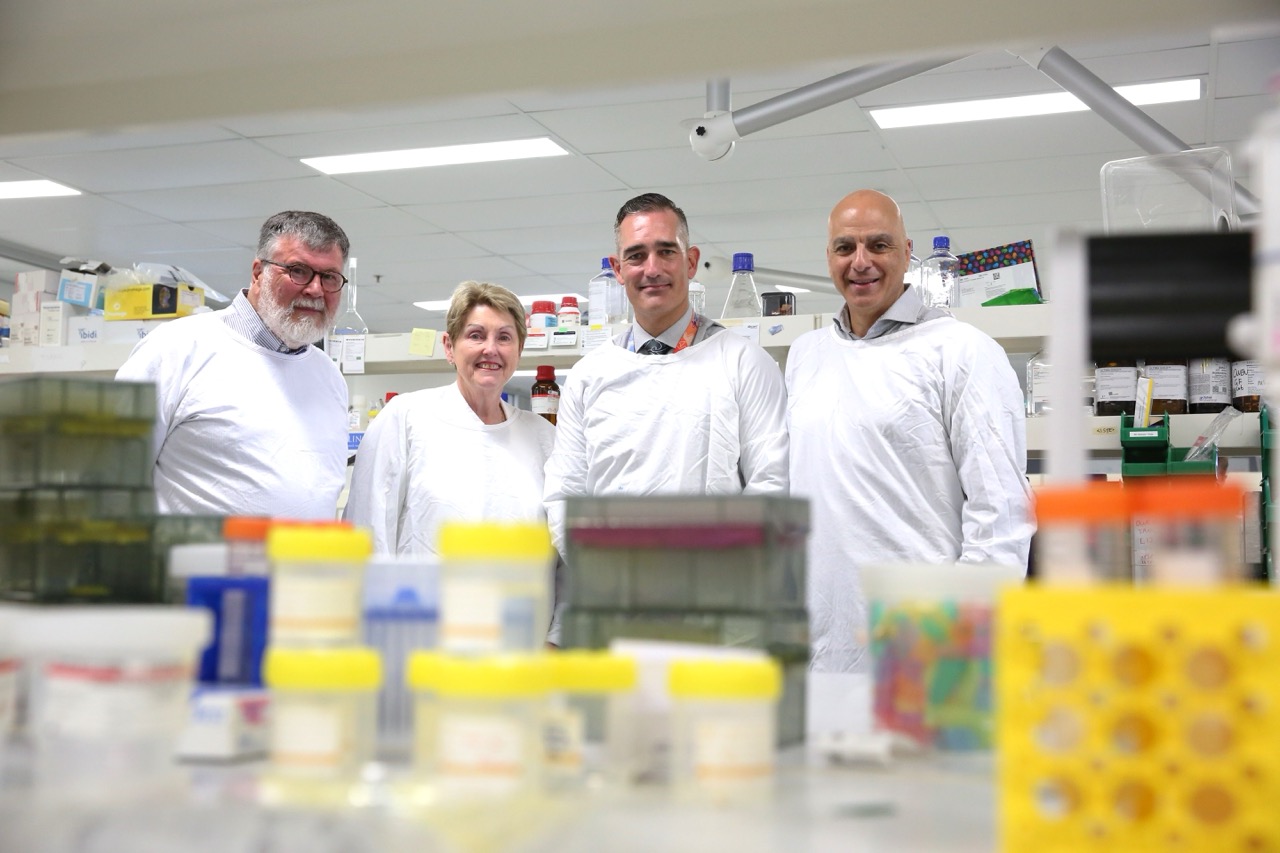
    Researchers within the Kolling Institute will shortly have the chance to strengthen their genomics capabilities, with AGRF – the Australian Genome Research Facility – establishing a laboratory within the institute.

    The new lab is part of an exciting partnership between AGRF, the University of Sydney and the Kolling which will see a specialised team and cutting-edge technology located within the institute.

    As Australia’s largest provider of genomic services, AGRF supports researchers and organisations to drive discovery across clinical genomics, translational research, agriculture and environmental science.

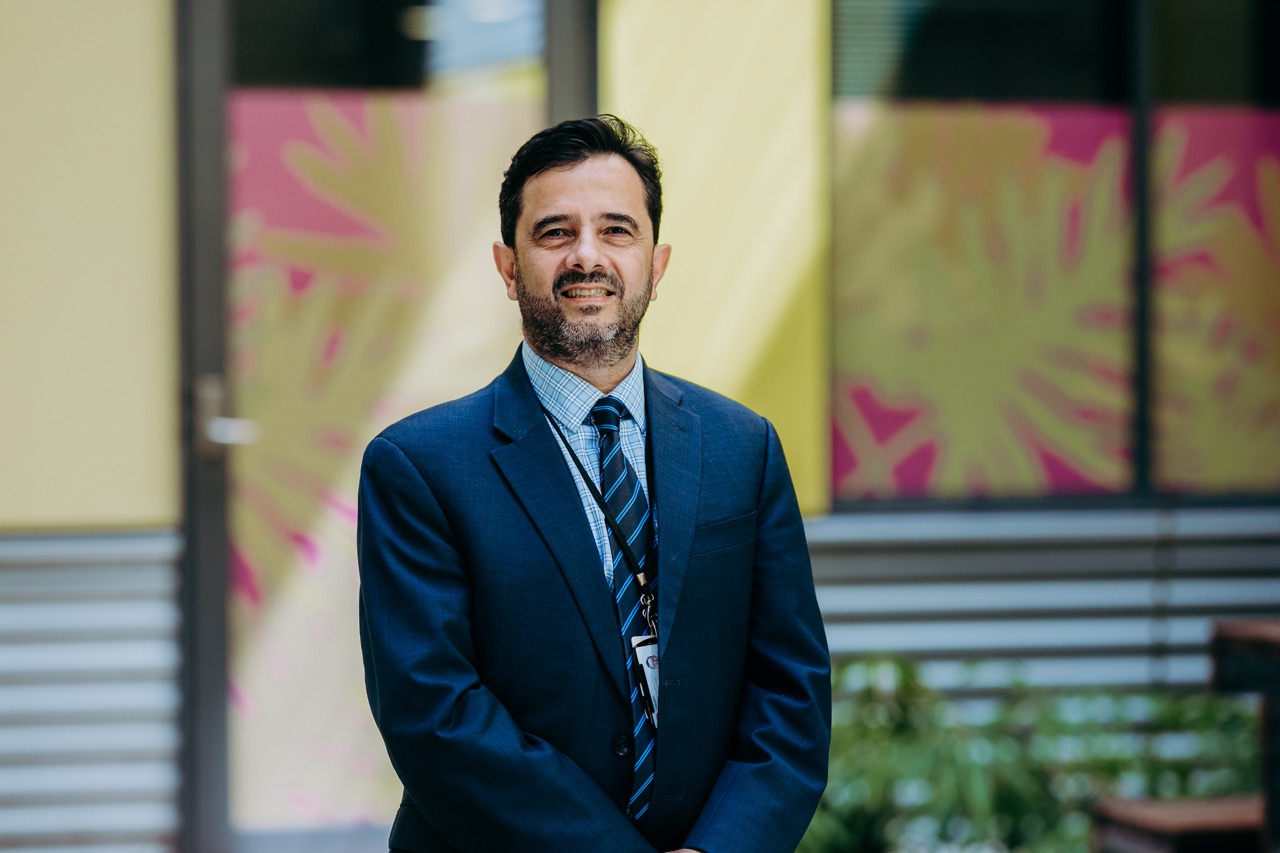
    The Kolling’s Academic Director Professor James Elliott welcomed the collaboration saying we are proud to partner with AGRF.

    “By establishing a translational genomics facility within the Kolling Institute, we will be well placed to progress innovative research and directly improve health outcomes,” he said.

    “The partnership will not only benefit our researchers within the Kolling, but clinicians and researchers across Northern Sydney. It will help speed the translation of genomics research into patient care with direct input from clinicians and health providers.

    “The new lab will foster discovery science and a pathway to incorporate new knowledge and capabilities into clinical care.

    “We are looking forward to exploring collaborative research and educational opportunities with the leading genomics provider, and we are excited to see the advancements in care this partnership will deliver.”

    AGRF provides world-class expertise and high-quality genomic data from single-gene analysis to whole genome sequencing and biomarker discovery.

    From the time of opening, AGRF will offer its full suite of genomics and proteomics services to Kolling researchers, including project consultations, sample drop-off, high-quality sequencing, genotyping, transcriptomics, epigenomics, Olink proteomics and bioinformatics.

    These services will be backed by AGRF’s national network of specialist laboratories and technical experts.

    The on-site presence will make it easier for investigators to connect directly with AGRF’s team for project planning, study design and genomics research support.

    All services provided through AGRF’s national network can be accessed via the Kolling site, with sample drop-off and project co-ordination available.

    AGRF’s team will work closely with Kolling researchers to identify future opportunities for expanded workflows, pilot projects, and new technology implementations.

    Head of Strategic Business Desley Pitcher said we are thrilled to be joining the Kolling Institute community.

    “Our mission has always been to power discovery through genomics, and we look forward to partnering with Kolling researchers to bring that to life,” she said.  

    If you would like to know more, contact Oliver Distler – AGRF Senior Account Manager oliver.distler@agrf.org.au

  • September 2025 Kolling NEWS

    September 2025 Kolling NEWS

    Our latest Kolling Institute newsletter is out detailing the very latest updates from our expert team of researchers, including some promising progress with our bowel cancer investigators. 

    There’s an opportunity to join a clinical trial to minimise the impact of osteoarthritis, a new approach to reduce spinal cord injury related pain and an international award recognising 40 years of service to health and research…. and much more:

    Click here to read through this edition.

  • Game-changing blood test to detect bowel cancer

    Game-changing blood test to detect bowel cancer

    Bowel cancer is the third most common type of cancer in Australia and treating it is both costly and complex. Alarmingly, rates are rising among people under 50, and researchers still don’t know why.

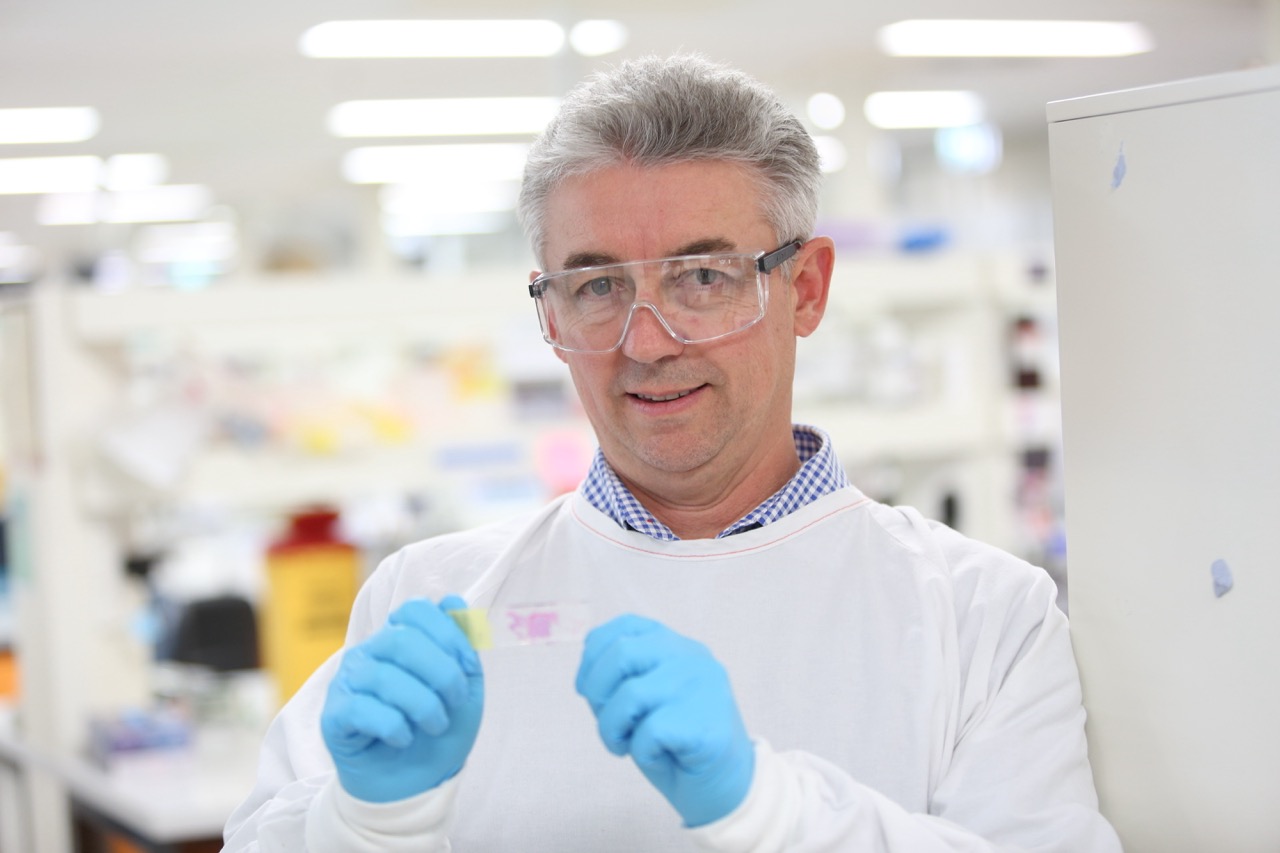
    It is for these reasons that Professor Mark Molloy is on a mission to prevent the disease in the first place. Based in the Kolling Institute, the leading bowel cancer research specialist is running several projects looking at early detection.

    He says the first promising pathway is a blood test.

    Currently, the main screening method is a government-funded test that detects blood in the stool. It’s mailed to people over 50, but Professor Molloy says because it requires them to collect the sample themselves, only around 40 per cent return a completed test.

    “They don’t like handling a stool sample, and early cancers may not leak blood they can go undetected by this method,” he said.

    “We’re very interested in whether we can move to a blood test — and not just any blood test. We’re working to do this from a few drops of blood collected from a finger prick.”

    Working with scientists from Sangui Bio, a biotechnology partner of the Kolling Institute, Professor Molloy has analysed proteins in blood samples from around 1,200 patients. “We can definitely see a signature in the blood from the finger prick sampling that’s linked to the presence of polyps and early cancers, but more research is needed.”

    Studying polyps

    Another focus of the research is improving the follow-up process after a positive screening result. Currently, patients with a positive stool test undergo a colonoscopy, where clinicians look for polyps — small growths in the gut lining that can develop into cancer if not removed.

    Gastroenterologists and colorectal surgeons remove the polyps which are then assessed by pathologists, who examine their size and appearance to determine when the patient should return for a follow-up “surveillance” colonoscopy. But current guidelines as to when this should happen is based on limited evidence and can be improved.

    “Colonoscopies are a massive resourcing problem for the health system and patients can face delays,” he said.

    To address this, Mark and his team are researching a more personalised way to improve the timing of a colonoscopy for higher risk patients with polyps. They recruited patients undergoing a colonoscopy and collected small biopsies from polyps and nearby healthy gut tissue. These samples were then analysed at a molecular level.

    “We’ve now identified a number of genes that appear to be linked to higher risk, and this seems to be independent of polyp size” he said.

    Following publication of this finding, the team is doing a follow-on study to confirm whether these gene mutations predict future polyp development. If successful, the research could lead to a test that helps prioritise patients for follow-up colonoscopies based on molecular risk — allowing those patients with the highest risks to be seen more quickly than current guidelines dictate.

    It is estimated 15,000 Australians are diagnosed with bowel cancer each year. “If you vox popped people in the street, a lot of people would be touched by bowel cancer in some way, if not directly, they would know of someone in their circle.”

    He said it is unclear why bowel cancer is on the rise, particularly amongst younger people. “Ideas include changing nutrition over time causing changes in our gut microbiome that are known now to be facilitators of some bowel cancers. Then there’s thoughts about the environment – like the abundance of microplastics that we breathe in and consume – or it could be our more sedentary lifestyle.”

    He said research is ongoing but there is no agreed upon evidence.

    The science is still unfolding, but Professor Molloy’s direction is clear: user-friendly screening, targeted follow-up, and a deeper genetic understanding of what drives this deadly cancer. His various avenues of research will hopefully find more answers and help redefine the future of bowel cancer care. 

  • Podcast offers insight into the future of healthcare

    Podcast offers insight into the future of healthcare

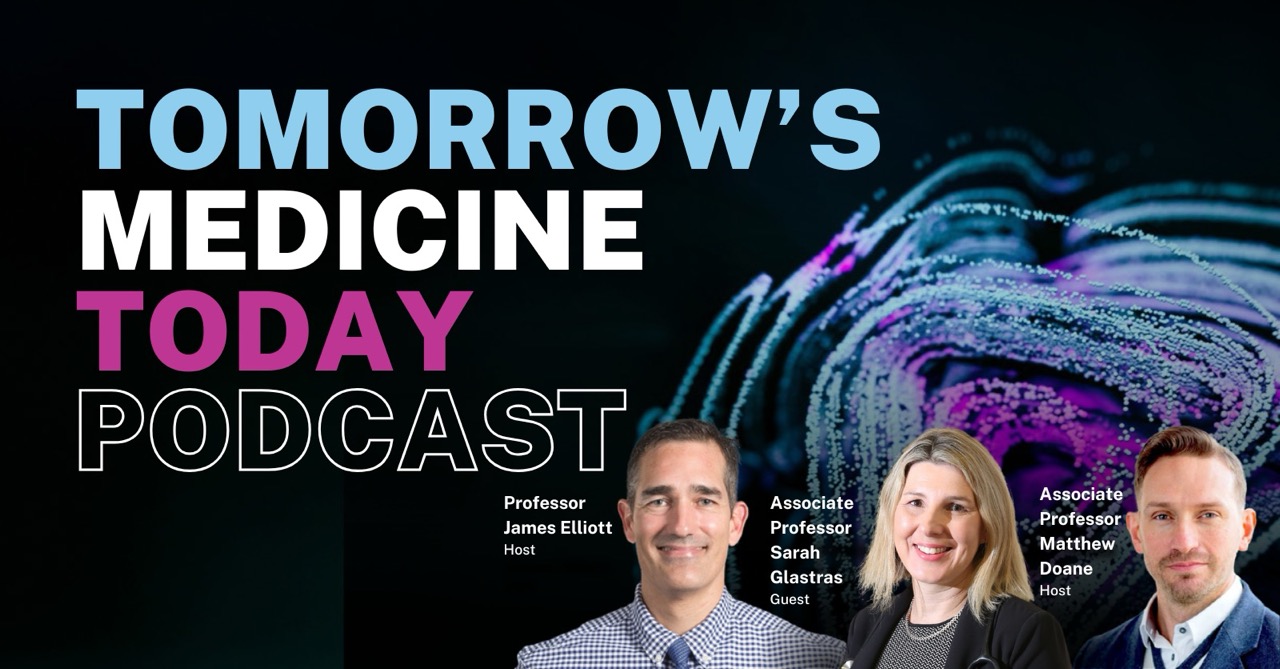
     A fascinating and informative podcast has been launched showcasing groundbreaking research, innovative healthcare, and inspiring stories from across Northern Sydney.

    Tomorrow’s Medicine Today is an initiative of the Northern Sydney Local Health District and the Kolling Institute, New South Wales’ oldest medical research institute.

    Co-hosted by the Kolling Institute’s Academic Director Professor James Elliott and leading Royal North Shore Hospital anaesthetist Dr Matthew Doane, the series offers an insight into the impressive clinicians and researchers driving innovation and life-changing healthcare.

    It’s a behind the scenes look at the latest advances in healthcare, as well as some inspiring stories from clinicians, researchers and their broader teams.

    Anthony Schembri, Chief Executive of the Northern Sydney Local Health District, said the podcast offers a great opportunity to highlight our strength in research and innovation.

    “Our teams are delivering truly outstanding work in healthcare and medical research,” he said.

    “This podcast is a fantastic platform to share that work with our community and direct the spotlight to the people behind the breakthroughs.”

    Co-host Professor James Elliott said the series demonstrates the depth of talent and discovery in Northern Sydney.

    “Each year, Stanford University publishes a list of the top two per cent of researchers globally, and many of those names are my colleagues right here at the Kolling Institute and the local health district,” he said.

    “That’s what inspired this podcast. It’s a chance to share details of the world-class research and healthcare here in Northern Sydney with a wider audience.”

    The first episode is now available featuring Associate Professor Sarah Glastras on the future of diabetes care and prevention.

    Listen here:

    New episodes will be released fortnightly. You can also check them out on Spotify: 

  • Celebrating over 100 years of innovation

    Celebrating over 100 years of innovation


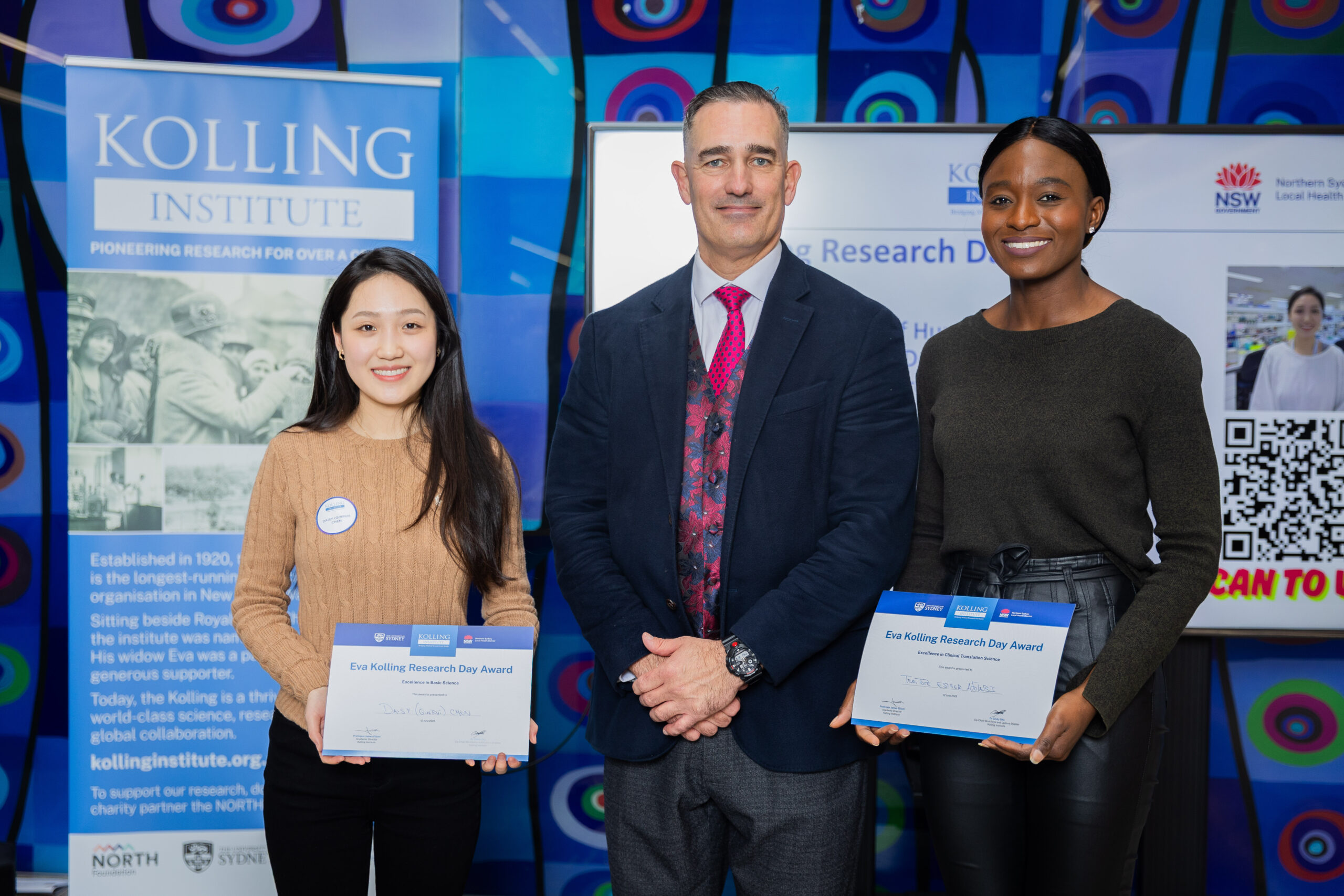
    The inaugural Eva Kolling Research Day was staged within Royal North Shore Hospital, providing the perfect chance to celebrate the vision and generosity of a true pioneer.

    Established in 1920, the Kolling Institute is the oldest medical research institute in New South Wales. It has been at the forefront of cutting-edge research for more than a hundred years, with its founding director Dr W. Wilson Ingram opening the first clinic for diabetes treatment in Australia.

    In 1931, a new two-storey building was officially opened and named the Kolling Institute of Medical Research after businessman Charles Kolling. His widow Eva was a strong supporter of research and made a substantial donation towards the development of the new building.

    The Kolling Institute’s iconic photo features Eva laying a foundation stone. 

    Her vision and the long-standing impact of the Kolling were highlighted at the inaugural research day by Royal North Shore Hospital honorary archivist Catherine Storey OAM, who shared insights into the Kolling’s remarkable journey.

    The institute’s Academic Director Professor James Elliott said the event offered the chance for researchers to engage with visitors, to learn more about the health challenges facing the community, and to share details of their current research.

    “A key part of our research success will depend on the strength of our community ties, including community driven clinical trials and broad community involvement,” he said.

    “I would also like to thank the NORTH Foundation for their unrelenting support, and for raising awareness of the dedicated and skilled clinician researchers within the Kolling Institute.”

    Early-to-mid-career researchers presented a poster display, illustrating their commitment to improving health outcomes, driving new health policy, and realising global reach.

    Two awards were announced on the day, including an Excellence in Clinical Translation Science gong to Temitope Esther Afolabi from the Kolling’s Lab of Ageing and Pharmacology, and an Excellence in Basic Science award to Daisy (Qinrui) Chen from the Renal Research Lab. 

  • Improving cancer detection in young people with neurofibromatosis type 1

    Improving cancer detection in young people with neurofibromatosis type 1

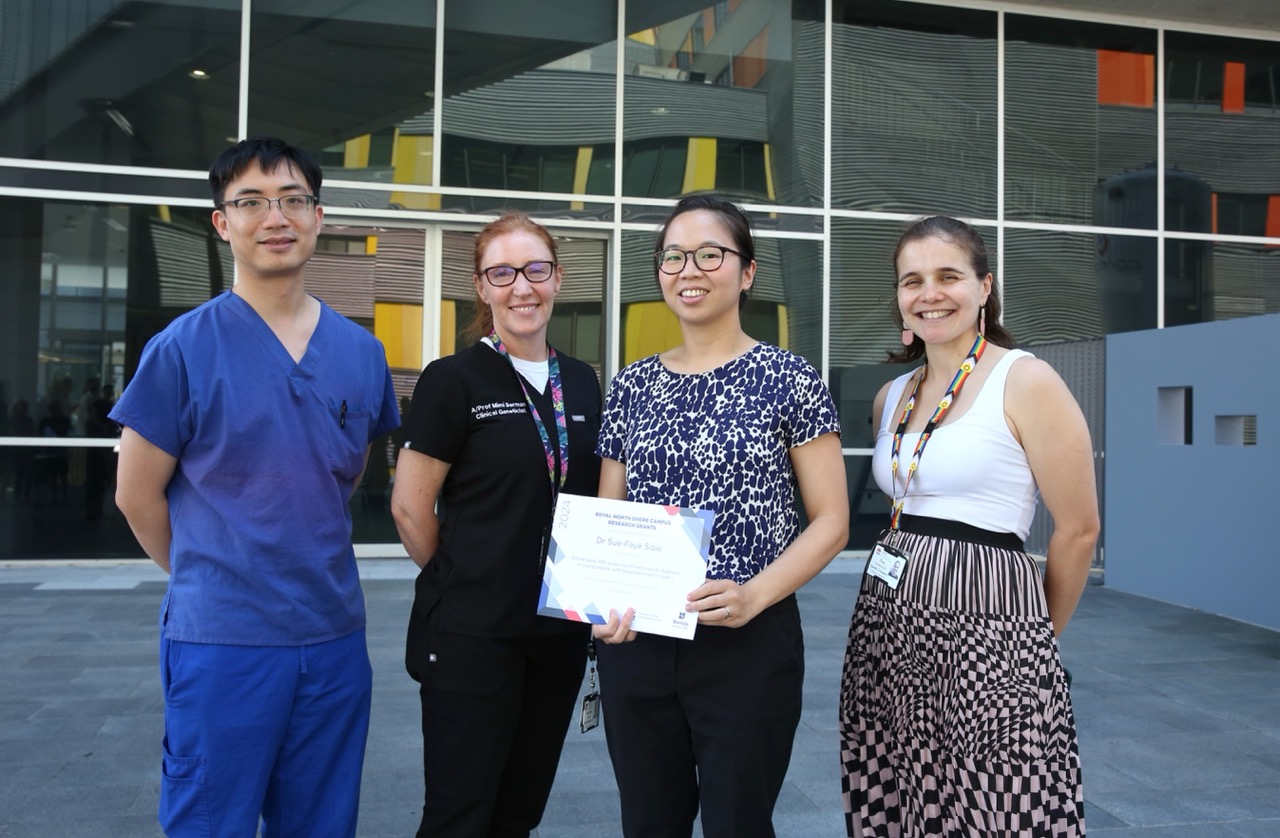
    Researchers from Royal North Shore Hospital and the Kolling Institute will lead Australia’s first study of whole-body screening for young people with neurofibromatosis type 1.

    Led by Dr Sue-Faye Siow from the department of clinical genetics, the study was awarded a grant through the RNSH Campus Research Grants Scheme, and an additional $30,000 in support from the NORTH Foundation.

    Neurofibromatosis type 1 (NF1) is an inherited condition that affects 1 in 2,500 people.

    Young adults with the condition face a 20-fold increase in cancer-related mortality, yet there are currently no routine imaging guidelines in Australia.

    The study will recruit 50 patients aged 18-40 years old to assess the feasibility and psychosocial impacts of the whole-body MRI screening program.

    Dr Siow said their project could be life-changing.

    “This is the first study of whole-body MRI screening of people with neurofibromatosis type 1 in Australia,” she said.

    “We have the opportunity for early detection in this group of young people who have a high cancer risk.”

    The research will be conducted through the Royal North Shore Neurofibromatosis Clinic, a statewide service led by Associate Professor Mimi Berman, in collaboration with national partner Omico.

    The project aims to inform national guidelines and significantly improve outcomes through earlier detection and treatment of cancer. 

    The Royal North Shore Campus Research Grants scheme funds exceptional research to improve standards of care and health outcomes locally and regionally.

    Applications for the 2025 grants are now open, offering grants of up to $150,000.

    Researchers interested in the opportunity can email nslhd-researchgrants@health.nsw.gov.au

  • Kolling Institute Newsletter May 2025

    Kolling Institute Newsletter May 2025

    Check out our latest newsletter

    • Researchers target sleep for muscle pain relief
    • Landmark clinical trial to improve lung cancer treatment
    • Pioneering Muscle Map project receives funding support
    • Travel awards for emerging research leaders
    • And much more: 

    Click here:

  • Multi-million dollar grant to improve treatment for lung cancer

    Multi-million dollar grant to improve treatment for lung cancer

    Leading Royal North Shore Hospital clinician researcher Professor Nick Pavlakis and Professor Ben Solomon have secured a $14.7 million MRFF grant for a clinical trial which will explore the use of a liquid biopsy to inform treatment for lung cancer.

    The condition is the leading cause of cancer death in Australia and worldwide, claiming an estimated 9,000 lives in Australia each year.

    The pioneering study will place Australia at the forefront of global precision medicine by using liquid biopsies to revolutionise personalised lung cancer treatment.

    It will involve some of the country’s most respected lung cancer clinicians and researchers and will be available to patients across Australia.

    Professor Pavlakis said the large-scale clinical trial will involve more than 500 people with advanced non-small cell lung cancer, offering them access to the exciting new treatment.

    “Over the last decade, treatment for non-small cell lung cancer has been transformed by the discovery of several genomic mutations that drive tumour growth,” he said.

    “This has led to effective new therapies which specifically target the mutation, moving away from general chemotherapy to daily tablets at home with tolerable side effects.

    “Many patients have survived up to 10 years living with their lung cancer, but in most cases, the cancer inevitably develops resistance to the targeted therapies.”

    To date, clinicians have relied on invasive tissue biopsies to inform treatment options, but this new clinical trial will investigate the use of a liquid biopsy (circulating tumour DNA) to guide a personalised approach throughout a patient’s journey.

    It could change the way lung cancer is treated and provide a model for other cancers as well.

    “A simple blood test will be less invasive, provide quicker results and will enable more frequent feedback on what genomic changes have occurred in response to treatment,” said Professor Pavlakis.

    “This will inform what treatments will be the best for a given patient.

    “The approach represents a unique opportunity to refine personalised medicine for lung cancer, not just at the time of diagnosis, but throughout treatment.

    “It is a major step forward and a testament to the many people involved in progressing our work to this point.

    “We anticipate it will lead to improved survival and quality of life, and may provide supporting evidence for broader liquid biopsy application to transform the treatment for other cancers as well.”

    The trial, named Aspiration 2L, will be led by the Thoracic Oncology Group of Australasia.

    NORTH STAR VNP will be participating in the transformative study, utilising the telehealth platform to provide access to patients across its network.

  • Prestigious grant for groundbreaking blood cancer research at the Kolling

    Prestigious grant for groundbreaking blood cancer research at the Kolling

    A two-decade long commitment to reducing blood cancers has delivered coveted national funding to Associate Professor Jenny Wang to progress her vital cancer research.

    As the head of the Kolling Institute’s Cancer and Stem Cell Laboratory, Associate Professor Wang has secured a $2.95 million investigator grant from the National Health and Medical Research Council to advance her pioneering research into acute myeloid leukaemia.

    Jenny said she was overwhelmed by the grant success.

    “It was thrilled to hear the news,” she said.

    “To secure a large National Health and Medical Research Council grant is challenging, so I’m really pleased to be able to accelerate our research with this significant funding boost.”

    Acute myeloid leukaemia is the deadliest form of blood cancer, with only 27 per cent of patients surviving more than five years after treatment.

    “Our research aims to revolutionize treatment by targeting leukaemia stem cells,” she said.

    “These cells are resistant to conventional chemotherapy, and are believed to be the primary cause of treatment failure and relapse.

    “Currently, more than 80 per cent of people with this type of blood cancer will experience a relapse, and the majority will have a poor outcome.

    “Our research is working to develop stem cell-targeted therapies where we eliminate the leukaemia stem cells altogether.

    “Encouragingly, this would potentially replace intensive chemotherapy with more targeted treatments.

    “This wonderful funding boost will enable my team and I to progress these promising new therapies and offer hope to people with this aggressive cancer.

    “We expect this funding will lead to renewed optimism for improved outcomes in the fight against acute myeloid leukaemia and other deadly blood cancers.”

  • Cancer experts going from strength to strength

    Cancer experts going from strength to strength

    A special visit by two international cancer specialists could mark the start of a valuable collaborative partnership.

    Professor Matthew Katz from the MD Anderson Cancer Centre in Houston Texas is recognised as a pioneer in the treatment of pancreatic cancer, while Professor Cynthia Sears from the Johns Hopkins University School of Medicine in Baltimore is a global leader in colorectal cancer research.

    The pair discussed the role of microbiome in colorectal cancer progression, and peri-operative treatment options for pancreatic cancer patients.

    Senior Kolling Institute cancer researcher Dr Sumit Sahni said the event focused on the clinical management of colorectal and pancreatic cancers, and recent advances in the development of organoid models for cancer.

    Dr Sumit said we also had the chance to present our promising data on the development of a urinary biomarker test for early detection of pancreatic cancer.

    “The day provided a wonderful chance to meet the two leading international experts and to explore collaborative opportunities between clinicians and scientists working in this field,” he said.

    “It was exciting to hear the latest research with these complex gastrointestinal cancers, including the role of microbiome in promoting colon cancer and influencing cancer immunotherapy responses.”  

    The event was co-ordinated by the University of Sydney’s Cancer Research Network and Northern Sydney Local Health District.

NSWGOV logo