Blog

  • Kolling NEWS

    Kolling NEWS

    Our Kolling Institute newsletter brings together a collection of profiles on our impressive researchers. Flip through our flipping book to discover more about our leading research into kidney disease, rare cancers and the use of supplements for osteoarthritis. There’s a focus too on the first steps towards gene therapy for Meniere’s disease, the latest research into treatments for dementia and an innovative program taking musculoskeletal care to the bush.

  • Significant investment in our research announced

    Significant investment in our research announced

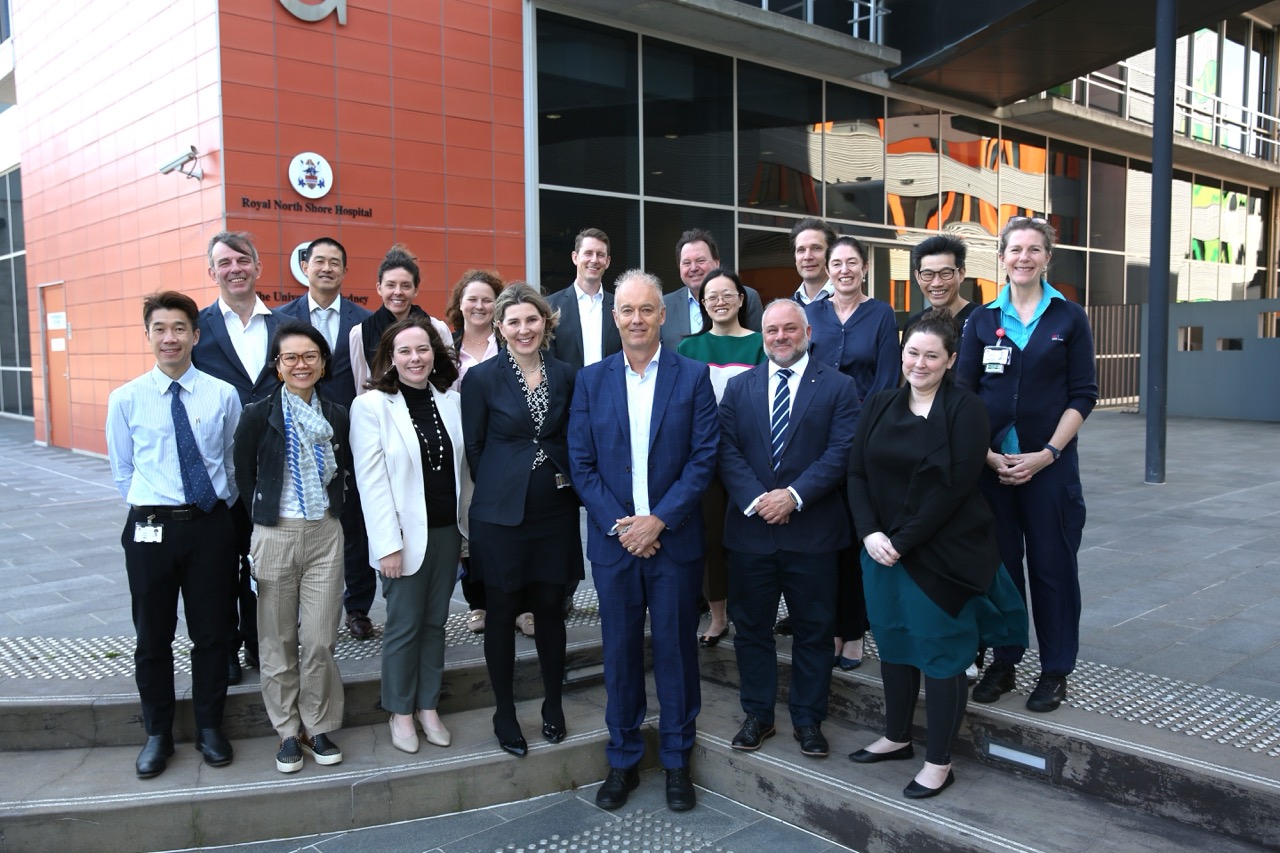
    A large collection of research projects will get off the ground following generous funding through the Ramsay Research and Teaching Fund Scheme.

    The scheme has directed more than $10 million to research on the Royal North Shore Hospital campus over the last 20 years, and this year a further $850,000 will be shared across 17 projects.

    A diverse range of studies will be supported, strengthening investigations into cardiovascular disease, cancer and diabetes as well as osteoarthritis, neonatal care, thyroid function and physiotherapy programs.

    The successful recipients this year are:

    • Professor Dale Bailey
    • Professor Roderick Clifton-Bligh
    • Professor Gemma Figtree
    • Professor David Hunter
    • Associate Professor Sarah Glastras
    • Associate Professor Joanne Glinsky
    • Associate Professor Karl Ng
    • Associate Professor Sean Seeho
    • Dr Sally Baron-Hay
    • Dr Grace Gifford
    • Dr Matti Gild
    • Dr Pierre Janin
    • Dr Barbara Lucas
    • Dr Sharon McCracken
    • Dr Lauren Monds
    • Dr Leo Pang
    • Dr Kathy Willowson     

    NSLHD CE Adjunct Professor Anthony Schembri AM welcomed the investment saying it will help the district maintain its reputation as a hub of research excellence and high value care.

    “We know that districts with an active research culture, where research is embedded as part of clinical care have a higher patient experience, less errors and better health outcomes,” he said.

    “I look forward to following the progress of these projects, as well as their impact on lifting our standard of care and our understanding of a broad range of conditions.

    “Personally, as a fellow allied health worker, it’s great to see our allied health practitioners being recognised with these important research grants.”

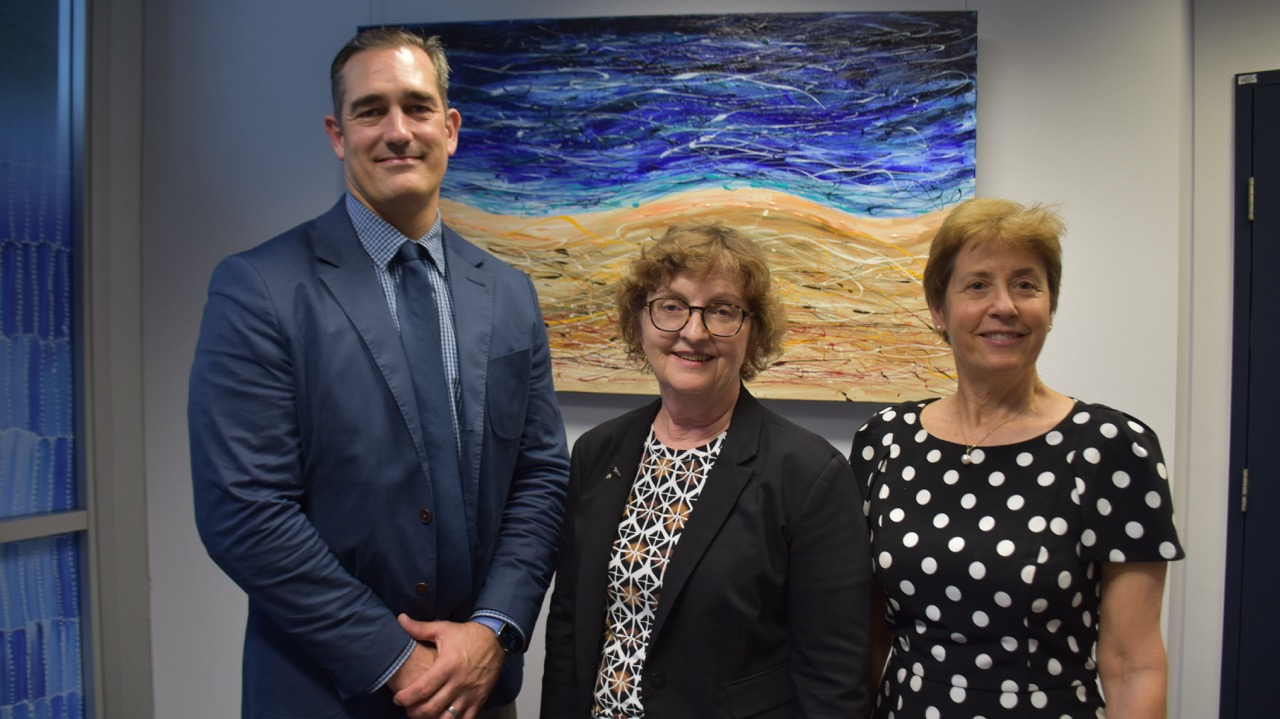
    The recipients were congratulated by North Shore Private, Ramsay Healthcare Acting CEO Christian Hoengaard, who said the grants represented a tremendous investment.

    “We look forward to all the good outcomes that will flow as a result of this research and I’m sure it will help us continue to deliver world leading care,” he said.

    “We have a long history of collaboration and I look forward to building on that partnership for another two decades.” 

  • Research expertise on show

    Research expertise on show

    The diverse range of exciting research underway across the Northern Health Precinct was profiled during a recent showcase, highlighting the impact of research throughout Northern Sydney Local Health District.

    The event directed the spotlight to a range of disciplines driving research including nursing, midwifery, and pharmacy, as well as allied health and public health.

    Precinct Academic Director Professor Robyn Gallagher co-ordinated the event, saying it was a wonderful opportunity to showcase a collection of emerging leaders and present details of their valuable projects.

    “Our event provided an insight into the successful collaborative efforts involving the University of Sydney and the Northern Sydney Local Health District, and the tangible impact these projects are having on the delivery of care,” she said.

    “There are so many dynamic projects underway from a mobile app to support pulmonary rehabilitation to the delivery of remote cardiac rehabilitation, and programs to improve cancer care.

    “It was encouraging to hear our researchers are enhancing the delivery of care with nutrition services, speech pathology and sleep programs to name just a few.”

    One clinician researcher to present at the event was Associate Professor Tom Buckley – a registered ICU nurse and Precinct Research Education Academic Director.

    Tom shared details of his work investigating the physical and psychological impact of bereavement. He has particularly focused on the impact on heart health with research indicating there is an increased cardiovascular risk for both men and women in the weeks and months after they lose a loved one.

    “We know that death from a cardiac related event is one of the highest causes of mortality during bereavement,” he said.

    His research also assessed the benefits of Aspirin and the heart lowering drug Metoprolol and their ability to reduce cardiovascular risk factors in the weeks after the death of a loved one.

    “Our research has shown the use of medication not only lowers the cardiovascular risk factors, but also reduces depression and anxiety symptoms in the early bereavement period.

    “Interestingly, we found this trend continued even after people came off the medication, providing a longer-term benefit for this group.”

    The showcase profiled the development of Australia’s first mobile health platform which supports those with respiratory disease to complete a virtual rehabilitation program.

    The app, originally developed with the CSIRO, is driven by globally recognised experts and offers individualised exercise and education programs.

    NSLHD clinical specialist physiotherapist and University of Sydney honorary lecturer Dr Sally Wootton said the team is tremendously proud of the platform.

    “It has taken five years to develop our innovative app but we are thrilled to now have a commercial partner and to be supporting a large number of people living with chronic respiratory disease with this virtual rehabilitation program,” she said.

    The showcase also focused on research comparing in-person and remotely-delivered cardiac rehabilitation.

    PhD candidate Dion Candelaria said services pivoted to remote delivery with the onset of COVID-19, and this provided a chance to measure the benefits of each model of care.

    “We found positives with both approaches, with some patients preferring face to face communication with clinicians and other patients, while others welcomed the convenience of the remote service with no travel and quicker access to care.

    “We know that the sooner patients access care the better the health outcomes, so there are clearly benefits with remote services.

    “We will continue to develop a hybrid model of cardiac rehabilitation care, combining the best components of in-person and remote care.”

    The showcase broadened awareness of the diversity of research across the Northern Health Precinct, and encouraged further collaboration.

  • Innovative research on show

    Innovative research on show

    An impressive group of emerging leaders addressed the Kolling’s Neuroscience and Pain Showcase, sharing details of their diverse and exciting research projects.

    With a broad range of expertise in this field, the showcase involved representatives from the pain management and rehabilitations teams, as well as the ageing, mental health, neurogenetics and neuromuscular imaging groups.

    The early and mid-career researchers discussed their latest progress across the scientific spectrum from their ground-breaking discovery projects through to their potentially life-changing translation and implementation work.

    Co-chair of the Neuroscience and Pain Priority Research Area and pain specialist Professor Paul Glare said there is a tremendous need for new approaches and models of care with an escalating number of people living with conditions impacting the mind, brain and nervous system.

    “We have a large number of researchers making important inroads in this field, and it was encouraging to learn more about their innovative work from an award-winning program to help injured workers get back to work faster to new treatments for Parkinson’s disease,” he said.

    “With the return-to-work initiative, we learnt extra support for injured workers saw them return to the workplace in half the time of those who didn’t receive the extra care. This is a good example of high quality research significantly improving health outcomes for our community.

    “Our researchers are leading a host of valuable projects, including a pilot intervention to reduce the inappropriate use of multiple medications in older in-patients. This program is optimising medication use, while minimising risks to a patients’ physical and cognitive function.”

    Researchers at the showcase also shared details of their work broadening our understanding of the debilitating Ehlers-Danlos Syndrome, as well as conditions characterised by irritability like depression and anxiety.

    We also learnt more about the role of autonomic function in injury recovery, and how it can delay a return to health. 

  • First Australian imaging technology to deliver research windfall

    First Australian imaging technology to deliver research windfall

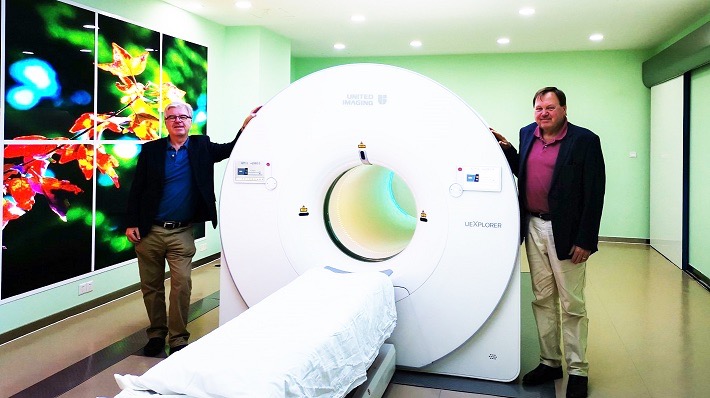
    An exciting project between the University of Sydney and the Northern Sydney Local Health District will see a $15 million, revolutionary scanner installed at Royal North Shore Hospital, greatly improving patient care and research capabilities.

    Australia’s first Total Body Positron Emission Tomography (TB-PET) scanner will produce faster and higher quality whole-body PET/CT scans, with less exposure to radiation than current scanners.

    It will capture the whole body in a single scan, allowing doctors to diagnose, guide treatment and track patient’s progress more accurately.

    In addition to the direct clinical benefits, there will be wide sweeping benefits for research.

    Professor of Medical Imaging Physics Steve Meikle said the TB-PET will be able to capture dynamic, physiological information from all organs at the same time.

    “This will be incredibly useful as researchers seek to understand how chemical signals within and between organs regulate their function, and how these processes go awry in chronic diseases,” he said.

    “Crucially, it’ll allow researchers to evaluate the effects of new drugs on the whole body, including the targets they’re designed to interact with and non-target sites.”

    The high-tech scanner could improve treatment for a wide range of chronic diseases, including cancer, neuromuscular conditions and infectious diseases.

    “By identifying new disease targets and biomarkers, or evaluating new therapies, the scanner could greatly assist patients with an earlier diagnosis or access to more effective, personalised treatments.

    “Importantly, researchers from across the country and international collaborators will have access to the facility. It will be the only one in Australia with a dedicated research capacity.”

    The machine, which will be a flagship of the National Imaging Facility, is expected to be operational by 2022. 

  • Delivering presentations people remember

    Delivering presentations people remember

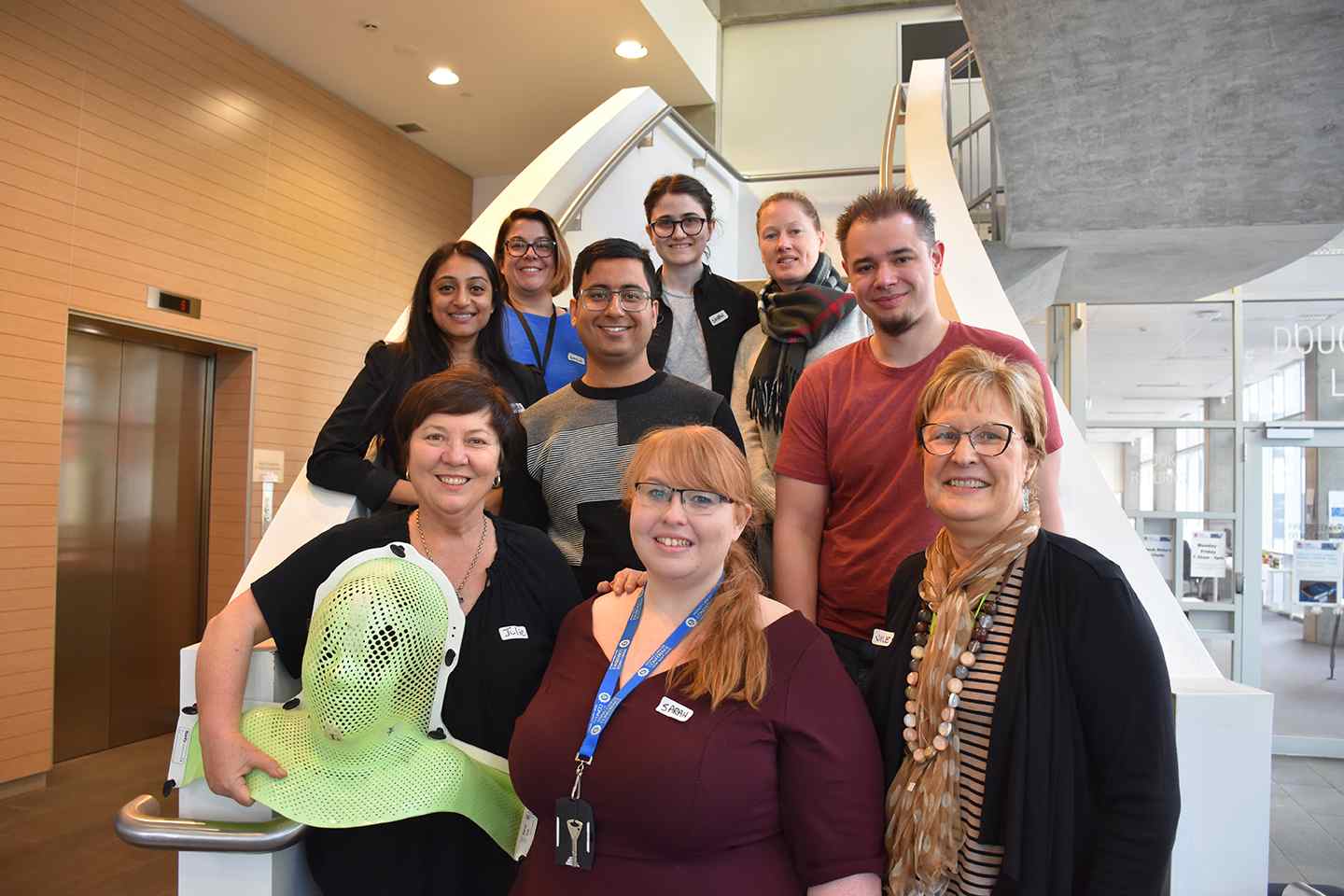
    Kolling Institute cancer researchers were given an opportunity to spend the day with presenter Julie McCrossin.

    Julie spent more than 20 years as a radio broadcaster and is now a freelance journalist, facilitator, trainer and speaker. Julie invests a large share of her time supporting research initiatives, and in recent years has received treatment for head and neck cancer.

    Julie delivered an impressive workshop for the Kolling team, discussing the secrets to a successful presentation, where audiences are engaged and enthusiastic participants.

    Bill Walsh Lab Research Director Viive Howell said the workshop was tremendously valuable as it gave the researchers some clear guidelines to consider for their next presentation.

    “We are often required to speak to a group of people and the workshop provided us with a checklist for success to help us illustrate key points in memorable ways.

    “It was an amazing experience as Julie taught us how to actively involve our audience to give an authentic and engaging presentation,” she said.

NSWGOV logo