Blog

  • Recognition of our impact on the world stage

    Recognition of our impact on the world stage

    Kolling Institute Governance Committee Chair Michael Nugent said it is encouraging to see more than a dozen researchers from the Kolling have been profiled in an international study recognising the world’s best.

    Published by Stanford University, the study has identified the top two per cent of researchers in the world across individual fields.

    The study is based on metrics from Scopus, a database of peer-reviewed literature including scientific journals, books and conference proceedings. Researchers were ranked on standardised information including citations, h-index, authorship positions and a composite indicator.

    “I am pleased to confirm 16 researchers from the Kolling have been highlighted in the study, demonstrating the unique expertise and experience we have across the institute,” Michael said.

    “These results are a further indication of the ground-breaking scientific progress we’re making, and the tangible impact we’re having on healthcare models of care and quality of life. Importantly, this impact is benefitting communities on a national and international scale.

    “I would like to acknowledge the following outstanding group of researchers, who all have an unrelenting commitment to improving the care we receive.”

    • Professor Rob Baxter (AM) – Breast Cancer Research
    • Professor Ian Cameron – John Walsh Centre for Rehabilitation Research
    • Professor Ashley Craig – John Walsh Centre for Rehabilitation Research
    • Professor Jim Elliott – Neuromuscular Imaging Research Lab
    • Professor Manuela Ferreira – Back Pain Research Group
    • Professor Gemma Figtree (AM) – Cardiovascular Discovery Group
    • Professor Paul Glare – Pain Management Research Centre
    • Professor Lisa Harvey – John Walsh Centre for Rehabilitation Research
    • Professor Sarah Hilmer (AM) – Laboratory of Ageing and Pharmacology
    • Professor David Hunter – Osteoarthritis Research Team
    • Professor Chris Little – Raymond Purves Bone and Joint Research Lab
    • Professor Gin Malhi – Academic Psychiatry and CADE Clinic
    • Professor Lyn March (AM) – Rheumatology Department
    • Professor Mark Molloy – Bowel Cancer Research
    • Professor Michael Nicholas – Pain Management Research Centre
    • Professor Carol Pollock (AO) – Renal Research Team

    “I would also like to acknowledge the Kolling’s former Executive Director Professor Carolyn Sue who has been recognised in the study profiling the global leaders in research.

    “It is wonderful that so many of our researchers are among the world’s best, driving significant improvements in research and clinical care.”

  • Philanthropic funds creating travel opportunities

    Philanthropic funds creating travel opportunities

    A collection of emerging research leaders will have the chance to broaden their research experience thanks to funding provided through the Skipper Jacobs Charitable Trust.

    Close to $40,000 will be shared amongst five early-to-mid career researchers, allowing them to travel nationally and internationally expanding their research and developing new skills.

    It’s anticipated the travel program will not only benefit the Kolling Institute, but will assist international collaborators, and improve health outcomes in Australia and beyond.

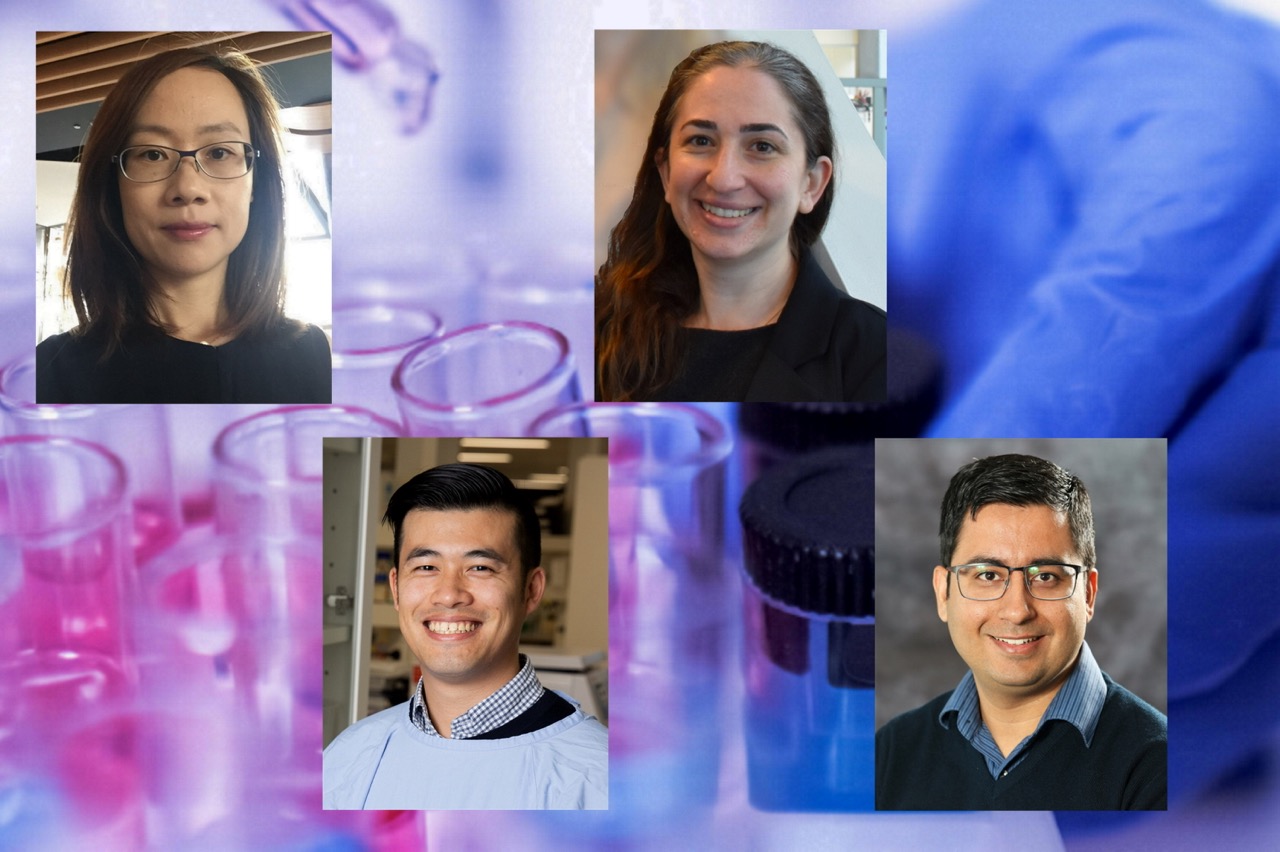
    PhD student Lionel Leck from the Cancer Drug Resistance and Stem Cell Program will take part in an internship at the Seoul National University to gain first-hand experience of a new technique looking at the molecular mechanisms of specific cancers.

    Lionel said this method of studying how proteins interact with each other in cancer stem cells will lead to better detection and a greater understanding of their behaviour, which will in turn, help develop new drugs to eradicate them effectively.

    “I’m really humbled and ecstatic to have received this award,” he said.

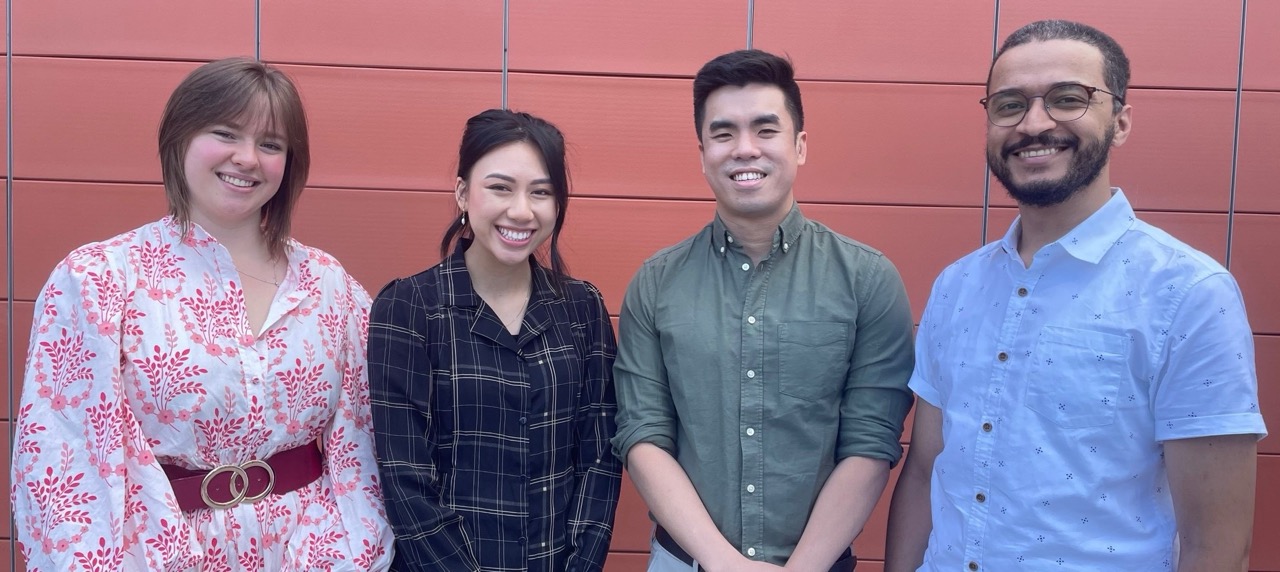
    “I would like to acknowledge the Skipper Jacobs Charitable Trust and the NORTH Foundation for this valuable and amazing opportunity.”

    Fellow PhD student Pich Chhay from the Cardiovascular Discovery Group will visit the South Australian Health and Medical Research Institute in Adelaide. There she will learn an innovative technique using gas chromatography to measure omega-3 in blood samples as an indicator of early heart disease.

    Pich said the research has the potential to identify those who are susceptible to heart disease, without the traditional risk factors. They can then be provided with prevention strategies including targeted medications.

    “I am delighted to receive this travel grant supported by the Skipper Jacobs Charitable Trust as it will enable me to develop new skills and present the fantastic work that is being done at the Kolling Institute to a wider science community,” she said.

    “This will help foster collaboration with multidisciplinary teams which will be invaluable in translating science through shared networks and resources.”

    Samantha Hefferan from the Murray Maxwell Biomechanics Laboratory will visit the University of Auckland, working in the Department of Chemical and Materials Engineering to broaden her understanding of the ultrastructure of human tendons.

    There she will use the lab’s new imaging methods to explore tendon structure and the impact of disease and injury.

    “It is such a pleasure to be granted this award. Without it I would not be able to participate in this amazing study opportunity.”

    “I look forward to the chance to improve my research skillset while engaging with an exciting new project.”

    “This initiative is part of an ongoing collaboration between the Kolling and an international expert at the University of Auckland. It will broaden my professional development as a scientist, while also enhancing the research partnership between the Kolling and the New Zealand university.”

    Dr Mounir Boudali is an early-career engineer with specialisation in robotics. He will visit the renowned Cleveland Clinic in the USA to enhance his knowledge of using robotics in biomechanical research for joint replacements.

    Mounir will visit the development team behind the Sim Vitro software, the software which is driving the Kolling’s new biomechanical robot.

    “I am thrilled to receive the Beryl and Jack Jacobs travel grant,” he said.

    “Nothing can beat learning from the source. We will learn how to use a sophisticated platform for biomechanical testing, while generating a huge amount of knowledge in orthopaedics and developing important collaborations.”

    Dr Kenji Fujita is an early-career pharmacist with a PhD working in the Ageing and Pharmacology Research Group at the Kolling. Kenji has helped to develop techniques to calculate the frailty index in patients undergoing surgeries, while also leading research on the quality of pharmaceutical care.

    He is keen to share his knowledge and experience with international collaborators and will visit Denmark, Norway and Japan.

    “I am thrilled to have been selected for this grant and incredibly thankful for all the support,” he said.

    “As countries recover from the pandemic and international travel picks up, I am keen to connect with like-minded professionals in my field.

    “I’ll be leading a three-day workshop in Denmark, visiting collaborators in Norway and delivering a presentation in Japan, a country with the highest proportion of older adults in the world.

    “I’m sure my trip will strengthen international collaborations and promote our translational research at the Kolling, while also lifting my international profile.”  

  • Recognition for our up and coming stars

    Recognition for our up and coming stars

    Several high profile awards are highlighting the emerging talent within the Kolling’s Laboratory of Ageing and Pharmacology.

    Led by Professor Sarah Hilmer, the team is driving research to improve the quality use of medicines particularly by older adults.

    Two prestigious awards were presented to researchers at a national event in Perth showcasing new investigators in clinical and experimental pharmacology and toxicology.

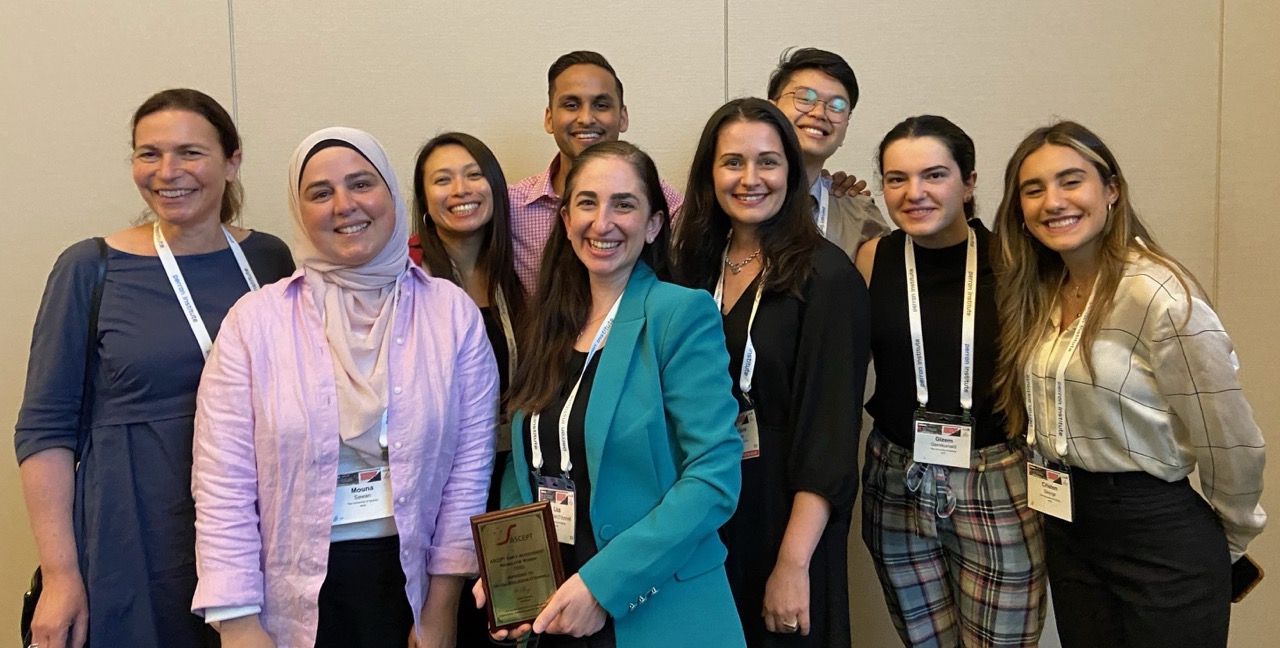
    Dr John Mach received the ASCEPT Early Career Investigator Award while Dr Lisa Kouladjian O’Donnell received the Early Achievement in Women Award. Both these awards are significant given the large and competitive field vying for the recognition.

    In a further sign of the developing strength within the team, honours student Kevin Winardi was awarded the University Medal.

    His outstanding honours and undergraduate performances helped secure the prestigious medal.

    Professor Hilmer said Kevin is not only an impressive student, but also generously helped out in our lab through periods where we had staff shortages.

    “I am tremendously proud of John, Lisa and Kevin for their remarkable commitment to their work and the tangible impact of their research success,” she said.

    The team is developing digital health interventions to identify high risk medicines.

    Further information about the program to ensure the safe use of medications is available at https://gmedss.com

  • Kolling researcher recognised on the international stage

    Kolling researcher recognised on the international stage

    Congratulations to research fellow Dr Lisa Kouladjian O’Donnell who has received a prestigious award for her contribution to pharmacology.

    Lisa was presented with the ASCEPT Early Achievement Award for Women during the annual meeting of the Australasian Society of Clinical and Experimental Pharmacologists and Toxicologists.

    This year’s event was held in Perth in collaboration with the Australasian Pharmaceutical Sciences Association. For the first time in three years, it attracted clinicians and researchers from across the globe.

    Lisa’s award is a highly coveted accolade – designed to recognise significant achievement in research in pharmacology or toxicology. It was established to foster gender equality across the field and in future leadership roles.

    The University of Sydney’s Emeritus Professor Graham Johnston and Associate Professor Tina Hinton were instrumental is establishing the award, convinced of the need to achieve greater gender equity in pharmacology.

    Lisa has welcomed the special award, saying it is a tremendous honour.

    “I’m very humbled to receive this award. I’m supported by many women in pharmacology and receiving this award also recognises their achievements.”

    As part of the Kolling Institute’s Laboratory of Ageing and Pharmacology, Lisa drives research to improve the quality use of medicines in older adults. She specifically helps develop digital health interventions to identify high risk medicines.

    Her main project involves the development and implementation of the Goal-directed Medication review Electronic Decision Support System known as G-MEDSS.

    Further information about this system to ensure the safe use of medications is available at https://gmedss.com

  • Study finds multiple medications impact how we age and the health of our gut

    Study finds multiple medications impact how we age and the health of our gut

    A new study by researchers at the Kolling Institute, in collaboration with the Microbiome Research Centre, has shown that multiple medication use impacts gut microbiome, and may influence the ageing process.

    Gizem Gemikonakli, a PhD student at the University of Sydney, said their findings followed a longitudinal, in vivo study.

    “Interestingly, mice that were given a regimen of five therapeutic medications from middle-age experienced more functional deficits as they grew older, and their gut microbiome was different to mice not taking the medications,” she said.

    “This project represents an important step towards broadening our knowledge of the interaction between medications, microbiome and the ageing process.

    “The microbiome is a developing area of research and we don’t quite know what a healthy microbiome looks like.

    “We do know however, that microbiome affects a wide range of body functions, and is affected by diet, lifestyle factors, disease and medications.”

    In a previous study published on the same cohort of mice, the Kolling researchers showed that the multiple medication or polypharmacy treatment increased frailty among the mice.

    Gizem explained that like other studies, we found the diversity of the microbiome was associated with functional measures, including frailty and activities of daily living in mice.

    “However, in our case it is likely the polypharmacy medications were driving both the microbiome effects and the functional deficits.”

    At 21 months, which is old age, half of the mice had the medications withdrawn, and their microbiome was collected again three months later. Taking these mice off the multiple medication regimen reversed the changes that initially occurred when they started treatment.

    The microbiome however did not recover completely. It was different compared to its composition before starting the medications, and also different to the mice at the same age which were not given any medications throughout the study.

    Professor Sarah Hilmer, Gizem’s supervisor at the Kolling said the two-way interactions between the gut microbiota and medications are very complex.

    “Our translational study describes effects of one high risk polypharmacy regimen on the microbiome, and its partial reversibility with de-prescribing,” she said.

    “This opens up exciting avenues for further research, including understanding the effects of different drugs on the microbiome and understanding how the microbiota impact on drug effects.

    “Differences in microbiome might explain why some people respond better than others to polypharmacy.”

  • Outstanding career recognised with national accolade

    Outstanding career recognised with national accolade

    We would like to congratulate Kolling Institute researcher Professor Sarah Hilmer who has been elected a Fellow of the prestigious Australian Academy of Health and Medical Sciences.

    Professor Hilmer is part of a select group of researchers who have been admitted to the academy, which works to advance health and medical research across Australia. She has joined the highly-respected organisation in recognition of her important contribution to healthcare and research.

    Sarah has welcomed the election, saying it was not expected.

    “I was surprised and honoured to be elected a fellow of the Australian Academy of Health and Medical Sciences,” she said.

    “I have great respect for the work of many of the current fellows and I look forward to contributing to the activities of the academy, particularly supporting younger researchers.

    “Mentorship for health and medical researchers is a priority for me in my roles at RNSH, the University of Sydney and the Kolling, as well as through the Sydney Health Partners Geriatric Medicine Clinical Academic Group.”

    Sarah has worked as the Head of Clinical Pharmacology and as a geriatrician at Royal North Shore Hospital since 2005. Her research and clinical expertise is respected both nationally and internationally.

    Sarah leads a research program in ageing and pharmacology at the Kolling Institute and has contributed widely to the management of medication. Her research focuses on understanding and optimising medication use and improving outcomes in older people, particularly those living with multiple conditions.

    Sarah has developed the Drug Burden Index, a tool to measure the overall risk of a person’s medicines to their physical and cognitive function. This tool is being used widely across the Northern Sydney and Central Coast local health districts.

    Sarah said she has been tremendously fortunate to have worked across clinical practice, research and policy, and to have worked with a wonderful network of mentors, colleagues and mentees.

    “I am particularly glad that I have helped train clinicians and researchers with backgrounds in medicine, pharmacy, nursing and basic science in geriatric pharmacology, who can help build this emerging field.”

  • Innovative research on show

    Innovative research on show

    An impressive group of emerging leaders addressed the Kolling’s Neuroscience and Pain Showcase, sharing details of their diverse and exciting research projects.

    With a broad range of expertise in this field, the showcase involved representatives from the pain management and rehabilitations teams, as well as the ageing, mental health, neurogenetics and neuromuscular imaging groups.

    The early and mid-career researchers discussed their latest progress across the scientific spectrum from their ground-breaking discovery projects through to their potentially life-changing translation and implementation work.

    Co-chair of the Neuroscience and Pain Priority Research Area and pain specialist Professor Paul Glare said there is a tremendous need for new approaches and models of care with an escalating number of people living with conditions impacting the mind, brain and nervous system.

    “We have a large number of researchers making important inroads in this field, and it was encouraging to learn more about their innovative work from an award-winning program to help injured workers get back to work faster to new treatments for Parkinson’s disease,” he said.

    “With the return-to-work initiative, we learnt extra support for injured workers saw them return to the workplace in half the time of those who didn’t receive the extra care. This is a good example of high quality research significantly improving health outcomes for our community.

    “Our researchers are leading a host of valuable projects, including a pilot intervention to reduce the inappropriate use of multiple medications in older in-patients. This program is optimising medication use, while minimising risks to a patients’ physical and cognitive function.”

    Researchers at the showcase also shared details of their work broadening our understanding of the debilitating Ehlers-Danlos Syndrome, as well as conditions characterised by irritability like depression and anxiety.

    We also learnt more about the role of autonomic function in injury recovery, and how it can delay a return to health. 

  • Remarkable service recognised in Queen’s birthday honours

    Remarkable service recognised in Queen’s birthday honours

    We would like to congratulate our Kolling Institute researcher Professor Sarah Hilmer who’s been awarded an AM for her service to clinical and geriatric pharmacology as part of the Queen’s birthday honours.

    Professor Hilmer has worked as the Head of Clinical Pharmacology and as a geriatrician at Royal North Shore Hospital since 2005. Her research and clinical expertise is respected both nationally and internationally.

    Sarah leads a research program in ageing and pharmacology at the Kolling Institute and has contributed widely to the management of medication across the community. She chairs the Royal North Shore/Ryde Hospital Drug and Therapeutics Committee, the NSW Therapeutic Advisory Group, and initiated the NSW Health COVID-19 Drug and Therapeutic Advisory Community of Practice.

    Her research focuses on understanding and optimising medication use and improving outcomes in older people, particularly those living with multiple conditions. She developed the Drug Burden Index, a tool to measure the overall risk of a person’s medicines to their physical and cognitive function. This tool is being used widely across the Northern Sydney and Central Coast local health districts, supporting thousands of people.

    Professor Hilmer has welcomed her award.

    “I am lucky to have worked in clinical practice, research and policy, with a wonderful network of mentors, colleagues and mentees,” she said.

    “I am particularly glad that I have helped train clinicians and researchers with backgrounds in medicine, pharmacy, nursing and basic science in geriatric pharmacology, who can help build this emerging field.

    “I hope that our work improves medicines use and outcomes for older people, whether they’re at home, in a residential aged care facility or in hospital.”

  • The Kolling’s up and coming talent recognised

    The Kolling’s up and coming talent recognised

    Acting Executive Director Professor Jim Elliott has announced the winners of the inaugural Kolling Institute Emerging Leader Awards, saying there’s an inspiring depth of expertise throughout the institute.

    Professor Elliott said the new awards recognise our young leaders across our basic and translational research, and were initiated by the institute’s Workforce and Culture Enabler Committee.

    “Four awards are being presented in 2021 and I’m delighted to announce the successful applicants,” he said.

    “In the EL1 category, Dr Qinghua Cao, a postdoctoral research associate with the Renal Research Team and Dr Lisa Kouladjian O’Donnell, a research fellow with the Laboratory of Ageing and Pharmacology, have taken out the awards.

    “While in the EL2 category, Dr John Mach a post-doctoral research fellow from the Laboratory of Ageing and Pharmacology, and Dr Sumit Sahni, a research fellow with the Bill Walsh Translational Cancer Research Laboratory have been presented with awards.

    “I would like to congratulate this year’s award winners for their outstanding track record and tremendous efforts to drive our research progress and improve the care our community receives.

    “I understand the selection committee was impressed by the quality of the submissions, the scientific rigour and the commitment to research excellence.

    “Each award recipient has demonstrated a strong focus with their individual research, a collaborative approach and a commitment to improving a significant health challenge.

    “I would like to commend this year’s successful recipients, and mention that we are already looking to expand the awards program next year so that a larger number of researchers can be recognised.

    “These new awards are one key part of a broader approach to ensure our day-to-day core business fosters a supportive and collaborative working culture.” 

  • Researchers develop new program to reduce medication burden

    Researchers develop new program to reduce medication burden

    A team from the Kolling Institute led by Professor Sarah Hilmer has helped develop a valuable, new national program to reduce the adverse impacts of taking multiple medicines.

    Medicines with an anticholinergic effect can successfully treat many conditions such as depression, dementia and chronic non-cancer pain.

    Cumulatively however, they can cause serious adverse effects such as falls, confusion, cognitive decline, dry mouth, constipation and urinary retention. They are linked to a 60 per cent increase in fall-related hospitalisations, a 50 per cent increased risk of dementia and a 30 per cent increase in mortality.

    Now a new program has been produced by NPS MedicineWise to encourage the safe and effective use of these medicines with anticholinergic effects by older people in the community and residential aged care.

    The program involves a collection of practical resources to support conversations with patients about anticholinergics, deprescribing and medicine reviews.

    One of the key resources includes the Goal-directed Medication review Electronic Decision Support System which has been developed within NSLHD, and informed by the expertise of a group of Kolling researchers, including Professor Sarah Hilmer, Dr Lisa Kouladjian O’Donnell and Associate Professor Danijela Gnjidic.

    The team helped develop a report for GPs to reduce the burden of multiple medications, particularly for patients who are exposed to high anticholinergic burden.

    Dr Lisa Kouladjian O’Donnell has welcomed the opportunity to contribute to this important initiative.

    “This collaboration with NPS MedicineWise has led to the development of important and easy-to-use tools that clinicians can adopt within their practice,” she said.

    “It is great to see the Goal-directed Medication Review Electronic Decision Support System rolled out nation-wide and broadly adopted.”

    Further details of the program Anticholinergic burden: the unintended consequences for older people are available.

NSWGOV logo