
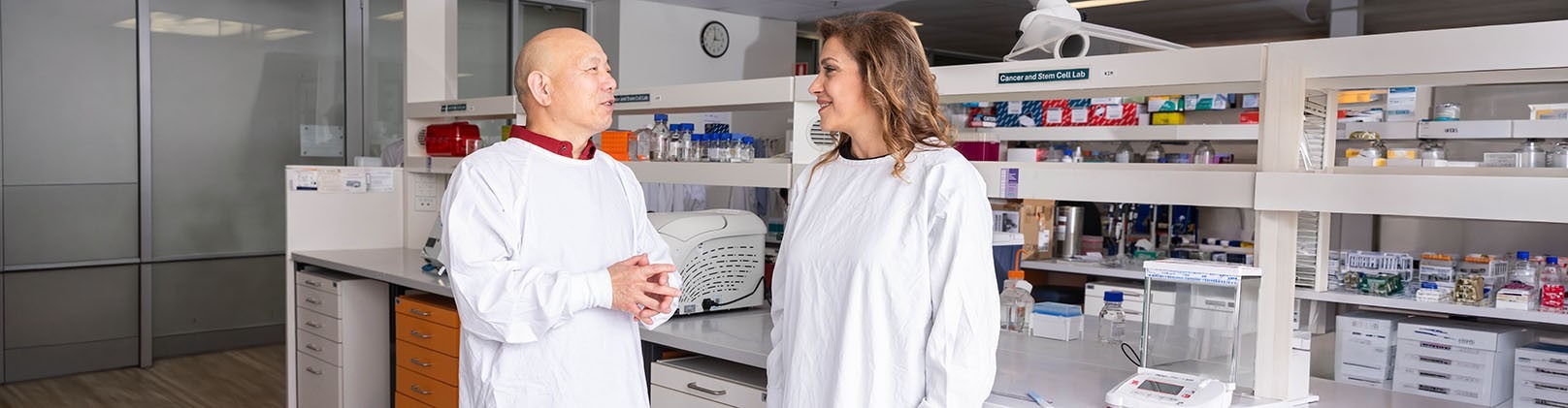
The Renal Research Group at the Kolling Institute and the University of Sydney is dedicated to improving the lives of people living with chronic kidney disease, diabetic kidney disease, kidney transplantation complications, and cardiorenal disease. Our research focuses on discovering the causes of progressive kidney damage, developing new diagnostic tests, and creating safer and more effective treatments that can be translated into clinical care.
Our team combines laboratory research, advanced disease models, patient-derived technologies, and clinical studies to develop innovative therapies, precision medicine approaches, regenerative strategies, and kidney-targeted drug delivery systems. We are also developing non-invasive urine-based tests to improve diagnosis and monitoring after kidney transplantation, reducing the need for invasive procedures.
Our work aims to deliver real-world benefits for patients by improving treatment outcomes, reducing complications, slowing disease progression, and helping patients avoid dialysis or transplantation where possible. The broader healthcare system benefits through more cost-effective and personalised care, while industry partnerships help accelerate the development and translation of new therapies and diagnostic technologies into clinical practice.
We work closely with international collaborators, hospitals, pharmaceutical companies, and Australian biotechnology partners to ensure our discoveries lead to meaningful health outcomes for the community.

Team Lead
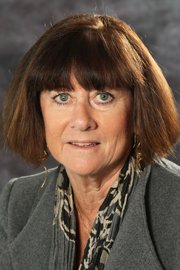
Professor Carol Pollock
Team Lead, Renal Research
Nephrologist
Clinical Professor, Faculty of Medicine and Health
The University of Sydney
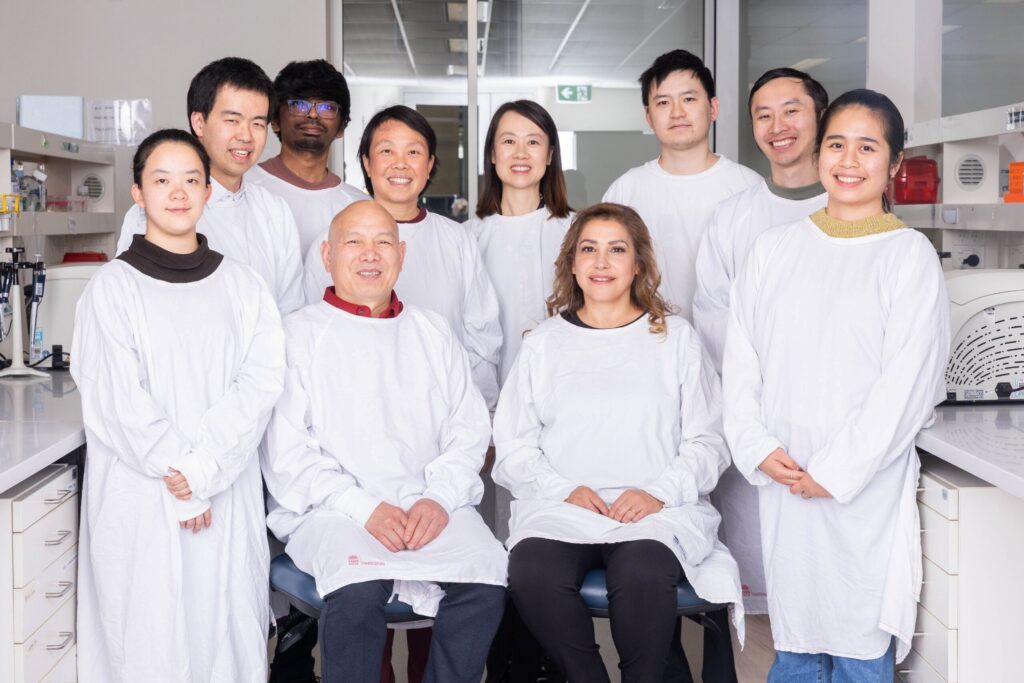
Team Members
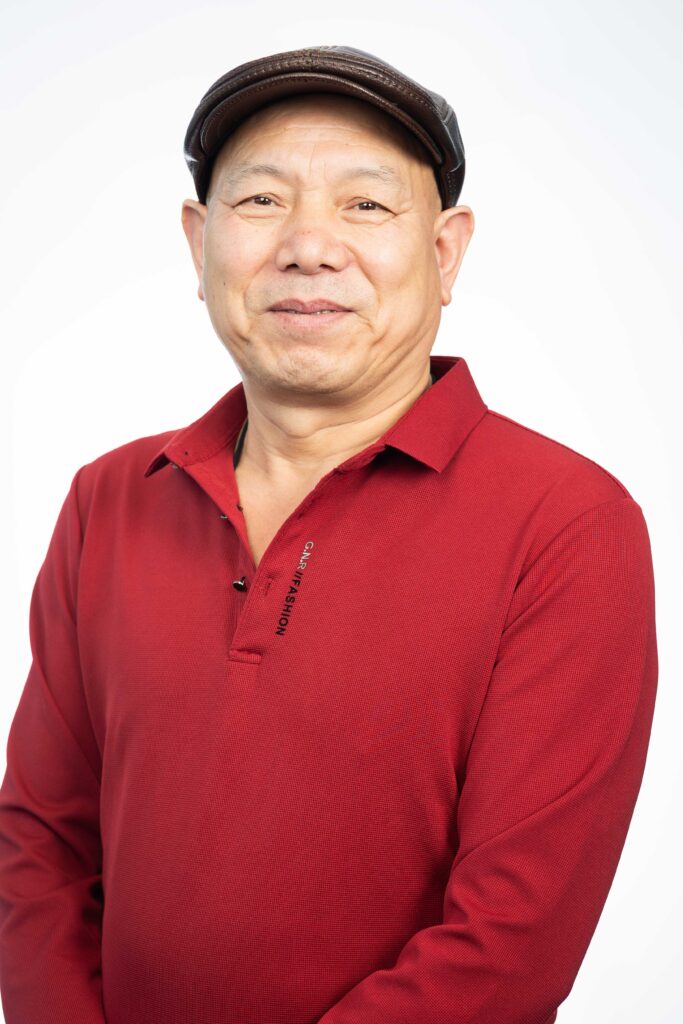
Associate Professor Xin-Ming Chen
Laboratory Manager, Renal Research
Postdoctoral Scientist
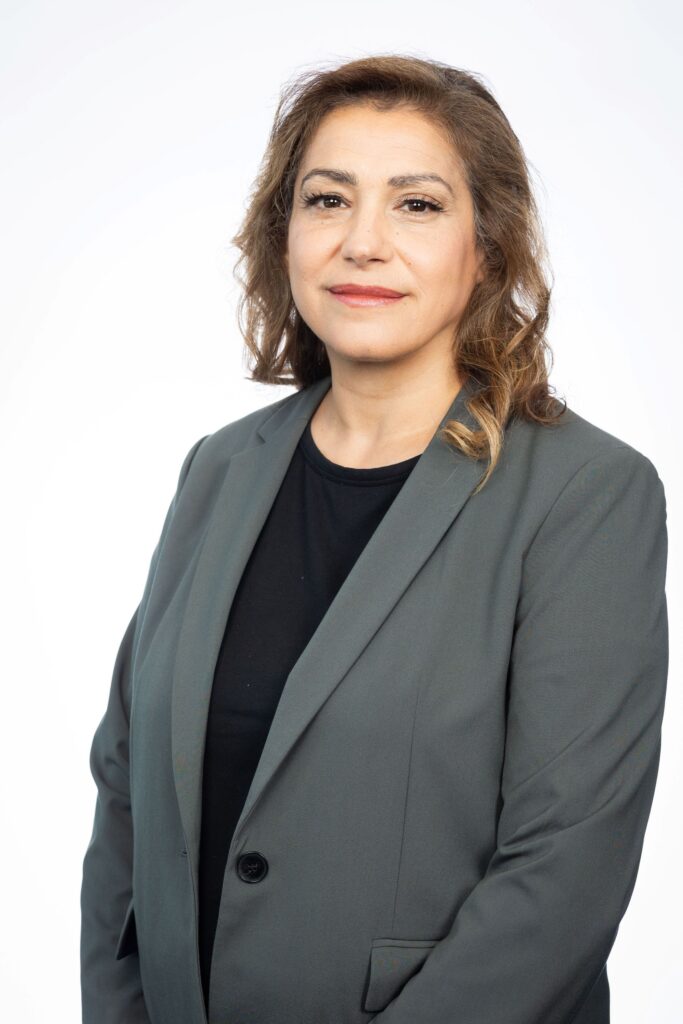
Associate Professor Sonia Saad
Co- Chair, Cardiovascular, Renal and Metabolic
Postdoctoral Scientist, Renal Research
The University of Sydney

Dr Chunling Huang
Senior Research Fellow
Faculty of Medicine and Health
The University of Sydney
Dr Long Nguyen
Research Fellow
Faculty of Medicine and Health
The University of Sydney

Dr Jessica (Qinghua) Cao Dr
Research Fellow
Faculty of Medicine and Health
The University of Sydney

Dr Peter Bian
Research Fellow
Faculty of Medicine and Health
The University of Sydney

Henry Wu
Postdoctoral Researcher
Senior Resident Medical Officer
Royal North Shore Hospital
Dr Evelyn Staub
PhD Student
Head of Department Neonatology
Royal North Shore Hospital
Qinrui (Daisy) Chen
PhD Student
Faculty of Medicine and Health
The University of Sydney
Wenyang (Roland) Shi
PhD Student
Faculty of Medicine and Health
The University of Sydney
(Thi Kim) Chi Tran
PhD Student
Faculty of Medicine and Health
The University of Sydney
Yuting (Leonie) Zhang
PhD Student
Faculty of Medicine and Health
The University of Sydney
Naveen Parthiban
PhD Student
Faculty of Medicine and Health
The University of Sydney
Xindi Chen
MPhil Student
Chronic kidney disease (CKD) is a leading cause of morbidity and mortality worldwide, with kidney fibrosis being a hallmark of disease progression. Although multiple drugs have demonstrated anti-fibrotic effects in animal studies, reversing kidney disease has been a challenge in human due to difficulty in specifically targeting the kidney.
This research focuses on developing a targeted drug delivery system to enhance the specificity and efficacy of drug delivery to the kidney and ability to reverse kidney fibrosis. The outcomes of this research are expected to pave the way for targeted and efficient treatments, significantly improving patient outcomes in kidney diseases.
Despite recent advances in the use of SGLT2 inhibitors for diabetic kidney disease (DKD), major challenges remain, including variable treatment response and adverse effects. Current management increasingly involves a “4 pillars” approach combining SGLT2 inhibitors, GLP1RAs, nsMRAs, and RAS blockade, with additional therapies continuing to emerge. As treatment options expand, patients face increasing medication burden and risk of side effects. This project aims to develop reliable screening tools/diagnostic markers to identify patients most likely to benefit from specific therapies or combinations, thereby enabling more targeted, effective and cost-effective clinical decision-making.
Kidney biopsy remains the only validated method to diagnose kidney transplant dysfunction accurately; however, it is invasive, requires hospitalization, and carries substantial time and healthcare costs. We have developed a non-invasive test that accurately distinguishes between causes of delayed graft function by assessing exfoliated kidney cells from patient’s urine (PCT/AU2025/051427). We now aim to validate our data and confirm efficacy in diagnosing different aetiological causes of post-transplant pathology. A urine-based test for kidney transplant recipients will potentially transform how transplant recipients are assessed, improve accessibility to post-transplant care and provide significant health and economic benefits, particularly for Australians in regional communities.
These projects focus on developing innovative therapies and mechanistic insights for chronic kidney disease and cardiorenal syndrome using advanced preclinical and translational approaches. Projects include evaluation of novel therapeutics such as the Kv1.3 inhibitor HsTX1[R14A], CXCR4 inhibitor AD-214, EN-1-targeted CRISPR-Cas9 gene editing, and the aldosterone synthase inhibitor Baxdrostat, alongside drug-free photobiomodulation therapy. Additional research investigates the gut-kidney axis, ageing, sex differences, and polypharmacy in kidney injury susceptibility. Using animal models, organoids, multi-omics, and humanized mouse systems, these studies aim to identify disease mechanisms, reduce fibrosis and inflammation, improve renal and cardiac outcomes, and advance safer, disease-modifying therapies toward clinical translation.
These projects explore the transformative applications of kidney organoids and tubuloids in chronic kidney disease (CKD) and acute kidney injury (AKI). Patient-derived urine tubuloids provide a non-invasive, personalised platform that preserves disease heterogeneity, enabling improved modelling of CKD mechanisms and precision medicine approaches. In parallel, kidney organoid are being investigated as innovative regenerative therapies to reduce inflammation, fibrosis, and kidney injury progression in AKI, AKI-to-CKD transition, diabetic kidney disease, and obesity-related nephropathy. Using advanced multi-omics technologies, these projects aim to uncover therapeutic mechanisms and develop safer, more effective treatments that may reduce reliance on dialysis and kidney transplantation.
The Renal Clinical Trial Unit at Royal North Shore Hospital has a longstanding track record of delivering high-quality clinical research, with over two decades of experience across Phase II–IV trials. We are a high-performing, research-focused team committed to advancing evidence-based care and improving outcomes for people with kidney disease.
Collaboration is central to our work. We partner closely with patients, clinicians, medical research institute, universities and industry to design and deliver clinically meaningful studies that can directly inform clinical practice.
The Unit is led by Associate Professor Brendon Neuen and supported by multiple investigators and a dedicated team, including three full-time trial coordinators, a part-time research associate, and a clinical trials fellow. The broader team also includes nephrologists undertaking higher degree research. At any one time, we coordinate 15–25 investigator-initiated and industry-sponsored trials while embedded within a busy tertiary clinical service.
Our research spans the spectrum of kidney disease, including chronic kidney disease, glomerular disease, hypertension, dialysis, transplantation, cardiovascular prevention, renal supportive care, and maternal health.
Leadership
- Associate Professor Brendon Neuen (Director)
- Dr Amanda Siriwardana (Deputy-Director)
Investigators
- Professor Carol Pollock AO – Kolling Institute, University of Sydney
- Dr Amanda Mather – Head of Department, Senior Staff Specialist, Department of Renal Medicine
- Dr Sarah Roxburgh
- Dr Emma O’Lone
- Dr Stefanie Stangenberg
- Dr Lauren Heath
- Dr Bruce Cooper
- Dr Stella McGinn
- Dr Yan Li
- Dr Susan Wan
- Dr Justin Mowbray (Clinical Trials Fellow, 2026)
Staff
- Rebecca Stevenson – Manager Renal Clinical Trials Unit
- Jordan Rogers – Senior Clinical Trial Coordinator
- Farhana Parvin – Clinical Trial Coordinator
Projects
Industry-sponsored:
A pivotal Phase 3, multicenter, randomized, double-blind, placebo-controlled study of the efficacy and safety of DMX-200 in patients with focal segmental glomerulosclerosis (FSGS) who are receiving an angiotensin II receptor blocker (ARB)
Populations: Focal Segmental Glomerulosclerosis (FSGS)
PI: Dr Yan Li
Sponsor: Dimerix
Trial Details: A Phase 2b/3, Multicenter, Randomised, Double-blind Placebo-controlled Combined Dose-Finding and Cardiovascular Outcome Study to Investigate the Efficacy and Safety of CSL300 (Clazakizumab) in Subjects with End Stage Kidney Disease Undergoing Dialysis.
Populations: ESKD – on dialysis
PI: Dr Emma O’Lone
Sponsor: CSL Behring
A Phase III, Randomised, Double-blind Study to Assess the Efficacy, Safety, and Tolerability of Baxdrostat in Combination with Dapagliflozin Compared with Dapagliflozin Alone on Chronic Kidney Disease (CKD) Progression in Participants with CKD and High Blood Pressure
Populations: CKD
PI: A/Prof Brendon Neuen
Sponsor: AstraZeneca
A Phase III, Randomised, Double-blind, Placebo-controlled, Event-driven Study to Assess the Efficacy, Safety and Tolerability of Baxdrostat in Combination with Dapagliflozin Compared with Dapagliflozin Alone on Renal Outcomes and Cardiovascular Mortality in Participants with Chronic Kidney Disease and High Blood Pressure.
Populations: CKD
PI: A/Prof Brendon Neuen
Sponsor: AstraZeneca
A Phase 3, Randomized, Double-blind, Placebo-controlled Study of Zigakibart in Adults with IgA Nephropathy (The BEYOND Study)
Populations: IgA Nephropathy
PI: A/Prof Brendon Neuen
Sponsor: Novartis
A Phase 2 Study to Evaluate the Safety and Efficacy of Atacicept in Multiple Autoimmune Glomerular Diseases (PIONEER)
Populations: IgA Nephropathy
PI: A/Prof Brendon Neuen
Sponsor: Vera Therepeutics
A Phase 3 Study to Learn About the Effects of Felzartamab Infusions on Adults With Immunoglobulin A Nephropathy(PREVAIL)
Populations: IgA Nephropathy
PI: A/Prof Brendon Neuen
Sponsor: Biogen
Investigator-initiated/collaborative trials:
Albuminuria Reduction Trial Investigating Survodutide Treatment in Chronic Kidney Disease (ARTIST-CKD)
Populations: CKD
PI: A/Prof Brendon Neuen
Sponsor: The George Institute for Global Health + University Medical Center Groningen
Implementation of Metformin theraPy to Ease Decline of kidney function in Polycystic Kidney Disease (IMPEDE-PKD) Randomised Placebo-Controlled Trial
Populations: Polycystic Kidney Disease
PI: Dr Sarah Roxburgh
Sponsor: University of Queensland – Australian Kidney Trials Network (AKTN)
Trial Details: Screening for Asymptomatic Coronary Artery Disease in Kidney Transplant Candidates Populations
Populations: Cardiovascular Diseases, End Stage Renal Disease, Kidney Transplantation, Dialysis Related Complication
PI: Dr Stella McGinn
Sponsor: University of British Columbia
Trial Details: A Large Simple Trial (LST) to Determine Whether the Currently Recommended Strategy of Intensive Reduction of Serum Phosphate Concentration Towards the Normal Level Results in Significant Patient-centred Benefits in End-stage Kidney Disease (ESKD) Patients Receiving Dialysis
Populations: Kidney Failure, Chronic Hyperphosphatemia
PI Dr Emma O’Lone
Sponsor: The University of Queensland, NHMRC
Trial Details: Randomised Evaluation of Sodium Dialysate Levels on Vascular Events
Populations: Chronic Kidney Diseases, End-Stage Kidney Disease, Cardiovascular Disease
PI: Dr Yvonne Shen
Sponsor: The George Institute
A Randomized Controlled Clinical Trial to Assess the Effect of Dapagliflozin on Renal and Cardiovascular Outcomes in Patients with Severe Chronic Kidney Disease
Populations: Chronic Kidney Disease (CKD)
PI: Dr Amanda Mather
Sponsor: The George Institute for Global Health + University Medical Center Groningen
Trial Details: A Randomized, Multicenter, study to validate the efficacy of a novel non-invasive diagnostic method for allograft dysfunction in kidney transplant recipients.
Populations: kidney transplant recipients
PI: Sonia Saad
Sponsor: Yet to be funded
Details: A Retrospective study to guide precision therapy in patients with diabetic kidney disease
Populations: patients with diabetic kidney disease
PI: Sonia Saad
Sponsor: Yet to be funded
Project Title: An Open-Label Pilot Clinical Investigation to Evaluate the Safety, Performance, and Clinical Feasibility of Photobiomodulation (PBM) in Adults with Chronic Kidney Disease.
Populations: Chronic Kidney Disease
PI: Prof Carol Pollock
Sponsor: NSLHD
Current Internal Collaborations: Clinical Research followed by Academic partnership
- Professor Germaine Wong, Western Sydney Local Health District, University of Sydney
- Professor Kate Wyburn, Sydney Local Health District, RPA, University of Sydney
- Dr Henry Wu, Northern Sydney Local Health District, University of Sydney
- Professor Sarah Glastras, Endocrinology, University of Sydney
- Professor Anthony Gill, Clinical Pathology, University of Sydney
- Dr Nicole Scholes-Robertson, The Australasian Clinical Trial Network, University of Sydney
- Dr Priya Iyer- Dietics and food service, University of Sydney
- Dr Malcolm Possell, School of Life and Environmental Sciences, University of Sydney
- Dr Ben Crossett, Sydney Mass Spectrometry, University of Sydney
- Dr Chandana Guha, Sydney School of Public Health, University of Sydney
- Prof Rachael Morton, Economics, University of Sydney
- Professor Fariba Dehghani Faculty of Engineering, University of Sydney
- Professor Wojciech Chrzanowski, Pharmaceutical Science, Faculty of Medicine and Health, University of Sydney
- Dr Sepehr Talebian, ECR- Faculty of Engineering, University of Sydney
- Prof Sarah Hilmer, Laboratory of Ageing and Pharmacology, Kolling Institute, University of Sydney
- Dr Brian Bicknell, Brain and Mind Centre, University of Sydney
- Associate Professor, Melanie White, Cardiometabolic Proteomics, Charles Perkins Centre, University of Sydney
- Professor Gemma Figtree, Cardiovascular Discovery Group, University of Sydney
External Collaborations- Clinical Research followed by Academic partnership
- Dr Muralikrishna Gangadharan Komala- Nephrology- Nepean Clinical Hospital
- Dr Seethalakshmi Viswanathan: Pathology- Western Sydney Local Health District
- A/Prof MuhGeot Wong, Nephrology- Concord Repatriation
- A/Prof Brendon Neuen- Global Clinical Trialist, Royal North Shore Hospital, The George Institute, UNSW
- Dr John-Paul Killen, Nephrology, Northern Beaches Hospital and Macquarie University
- Dr Angela Shih Yuan Chou, Clinical Pathology, NSW Health Pathology
- Dr Kushalee Jayawickreme, Endocrinology, Northern Sydney Local Health District
- Prof Ewa Goldys, ARC Centre of Excellence for Nanoscale Biophotonics, UNSW
- Prof Hui Chen, Faculty of Science, University of Technology Sydney
- Dr Fei Deng, University of New South
- Dr Wenbo Peng- Biostatistics-Public Health, University of Technology Sydney
- Dr Brian Gloss- Bioinformatics- Westmead Institute of Medical Research
- Dr Dawei Zheng- Advanced Genomics Specialist at Westmead Institute for Medical Research
- Dr Joey Lai, Westmead Institute for Medical Research
- Dr Meena Mikhael- proteomics Macquarie University
- Dr David Cantor- Metabolomics, Macquarie University
- Dr Ana Nunez-Nescolarde, the Harry Perkins Institute, University of Western Australia
- Prof Ryan Lister, School of Molecular Science, University of Western Sydney
- Dr Jantina Manning, Adelaide University
- Dr Jiao-Jiao Li, Biomedical Engineering, University of Technology Sydney
- Dr Kamal Dua, BPharm, Lead, Drug Delivery Node, Respiratory Pharmaceutical Research Team, Discipline of Pharmacy, University of Technology Sydney
- Processor Josephine Forbes, the Diabetes and Metabolism Research Group at Mater Research, University of Queensland
- Professor Michael Cowley, Department of Physiology Monash University
- Prof Raymond Norton, Monash Institute of Pharmaceutical Sciences, Monash University.
- Dr Ann Liebert, Sydney Adventist Hospital.
- Prof Emad El-Omar, Microbiome Research Centre, School of Clinical Medicine, University of New South Wales
- Prof Michael Foley, Biochemistry and Genetics, La Trobe University
- Professor Richard Harvey, Developmental and Regeneration Biology Division Laboratory, Victor Chang Cardiac Research Institute
International Collaborations
- Prof Philip Kalra, Nephrology, Salford Royal Hospital (UK)
- Dr Grahame Wood, Nephrology, Salford Royal Hospital (UK)
- Dr Rajkumar Chinnadurai, Nephrology, Salford Royal Hospital (UK)
- A/Prof I-wen Wu: Department of Nephrology, Taipei Medical University Hospital, Taiwan
- Dr Anand Krishnan: Chemical Pathology, Precision Medicine & Integrated Nano-Diagnostics (P-MIND) Research Group,Office of the Dean: Fac
Current industrial collaborations
- AstraZeneca
- Revvity PTY/LTD
- Syntara PTY/LTD
- TEKv Therapeutics, the USA.
- Adalta Ltd

