Bowel cancer, also known as colorectal cancer, is the second most common cancer in Australian men and women. It affects 1 in 13 people. It is also Australia’s second deadliest cancer, with over 5,000 people dying each year. Early detection through screening can improve survival rates, however further research is needed to help find cures and prevent the disease.
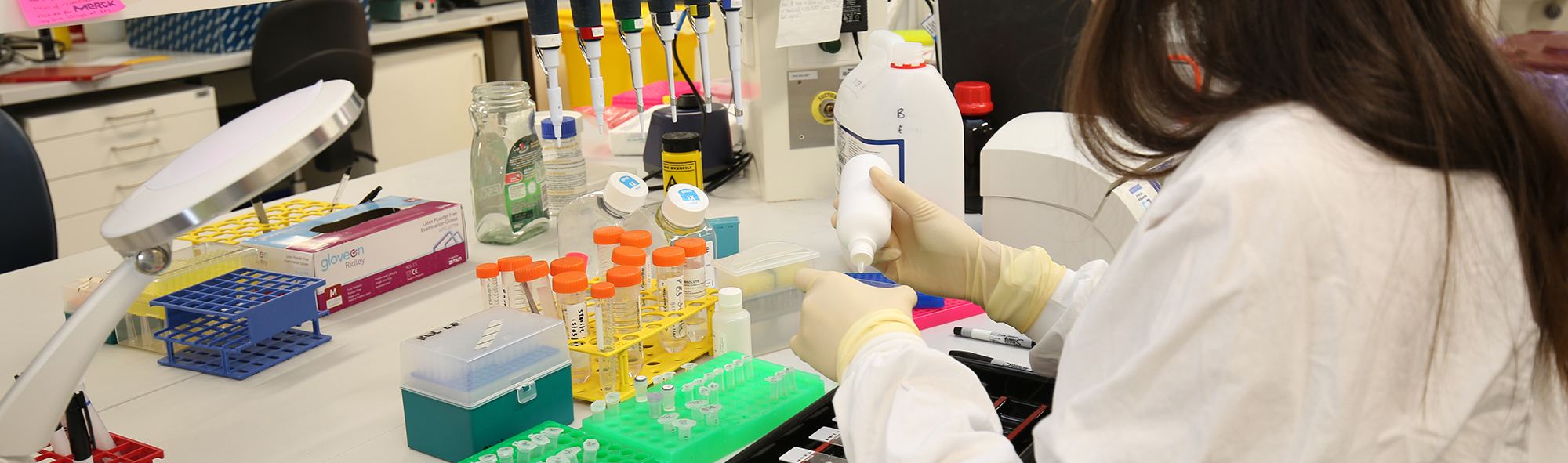
The Bowel Cancer and Biomarker Laboratory at the Kolling Institute uses advanced technologies to study the genes and proteins responsible for bowel cancers growing and spreading. Our aim is to use a patient’s own molecular information to understand the risk of bowel cancer developing and to guide treatment options. As part of our research, we are studying how to control bowel polyp growth, which are precursors to cancer. We are doing this through diet and chemotherapy drugs.

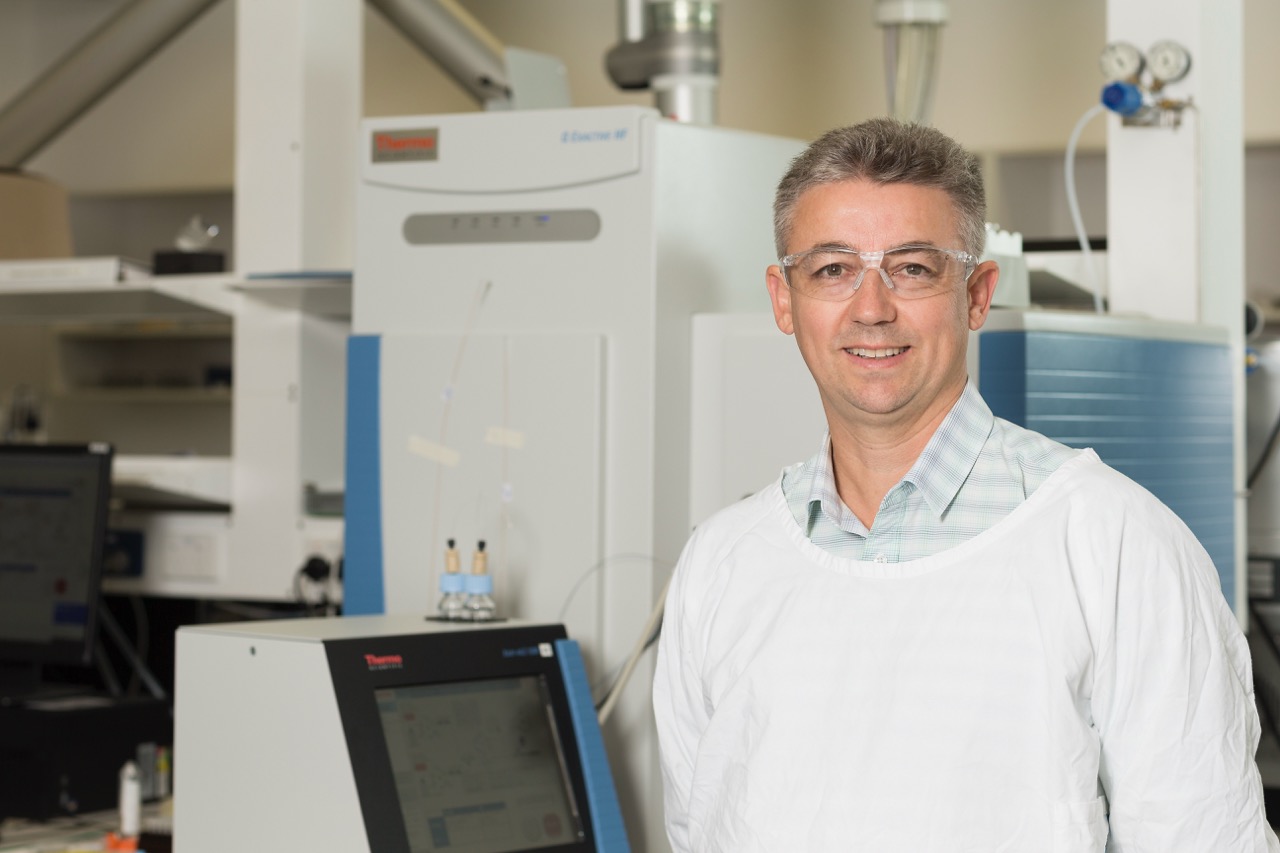

Lead

People

Network

Projects

Publications

Prof Mark P. Molloy, PhD | Lawrence Penn Chair of Bowel Cancer Research
The University of Sydney | Northern Clinical School
Faculty of Medicine and Health
Honorary Professor | Dept. Molecular Sciences, Macquarie University
Secretary | Australasian Proteomics Society

Dr Benita Tse
Research Fellow
Matthew McKay
Senior Research Officer
Bharat Venkatesh Gunappa
Research Officer
(Vo Van) Anh Pham
PhD Student
YuHong Fu
Visiting Researcher
Ping (Wendy) Wu
Visiting Research Assistant
Kiera Hicks
Honours Student
Colby Stevenson
PhD Student
Eve Hopping
Masters Student
Gabriella Parrilla
Research Assistant
Samuel Pheeney
Honours Student
(Hafiz) Saad Ahmad
PhD Student
Orsolya Kekesi
Postdoctoral Research Associate
Sarah Ivanhoe
Honours Student
Jie (Oliver) Huang
Honours Student