
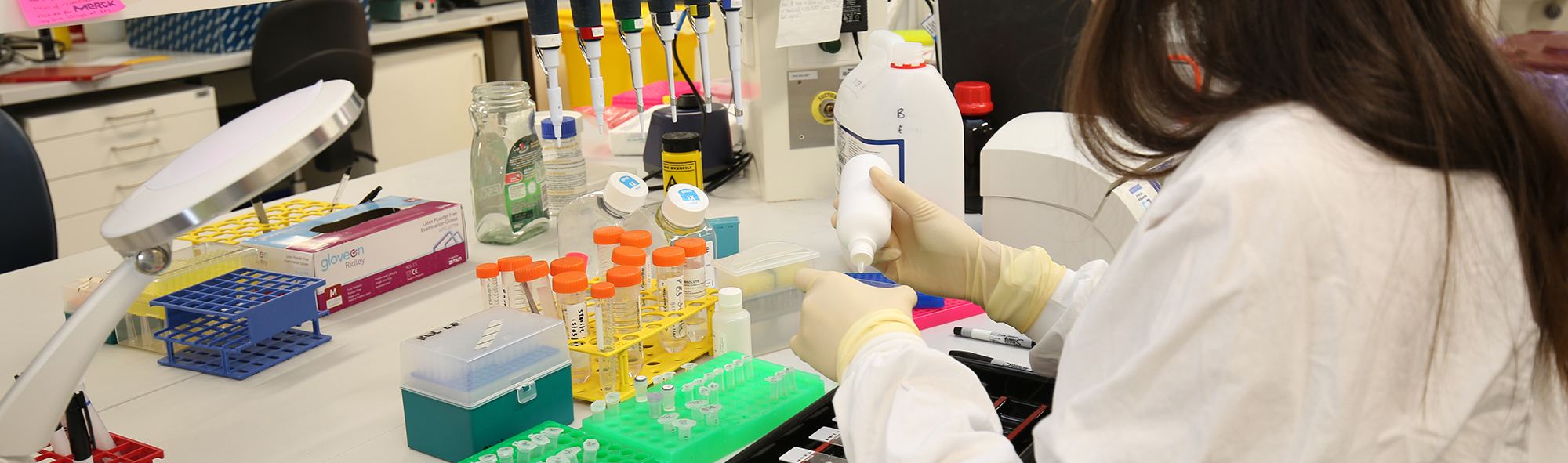
The Bill Walsh Translational Cancer Research Laboratory is the research arm of the Medical Oncology Department at Royal North Shore Hospital.
We focus on increasing our understanding of cancer biology and how cancer will behave. We are also working to identify better ways to diagnose cancer.
Through our research we are improving cancer treatment and offering better outcomes for those with the disease.

Cancer
Team Lead
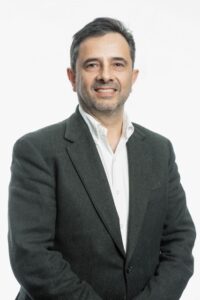
Professor Nick Pavlakis
Co-head, Bill Walsh Translational Cancer Research Laboratory
Associate Professor
Faculty of Medicine and Health
The University of Sydney
Senior Staff Specialist, Dept of Medical Oncology
Royal North Shore Hospital
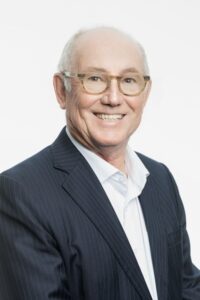
Professor Stephen Clarke
Co-head, Bill Walsh Translational Cancer Research Laboratory
Professor
Faculty of Medicine and Health
The University of Sydney
Senior Staff Specialist, Dept. Medical Oncology
Royal North Shore Hospital
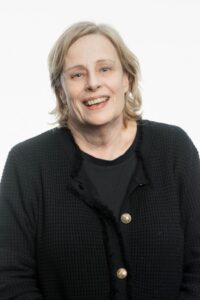
Associate Professor Helen Wheeler
Associate Professor
Faculty of Medicine and Health
The University of Sydney
Co-team lead, Bill Walsh Translational Cancer Research Laboratory
Senior Staff Specialist
Head Department of Medical Oncology, Royal North Shore Hospital
Co-Lead, Inflammation Flagship
Sydney Vital Translational Cancer Research Centre
Team Members
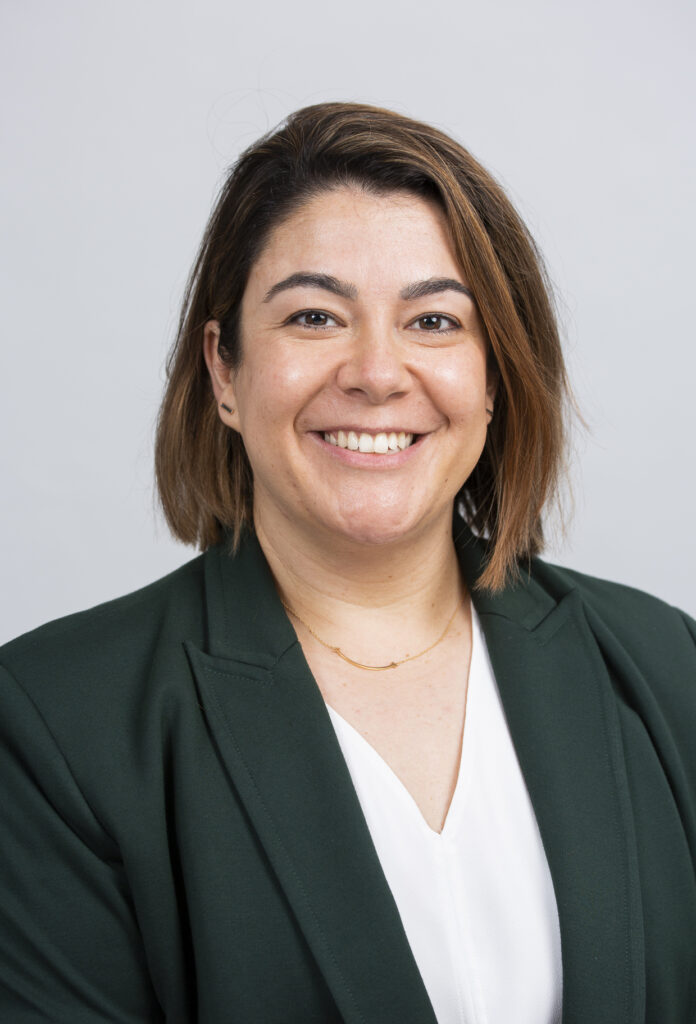
Dr Emily Colvin
Bill Walsh Translational Cancer Research Laboratory
Lecturer
Faculty of Medicine and Health
The University of Sydney
Associate Professor Connie Diakos
Co-Chair, Cancer
Bill Walsh Translational Cancer Research Laboratory
Conjoint Senior Lecturer
Faculty of Medicine and Health
The University of Sydney
Dr Amanda Hudson
Research Fellow, Bill Walsh Translational Cancer Research Laboratory
Faculty of Medicine and Health
The University of Sydney
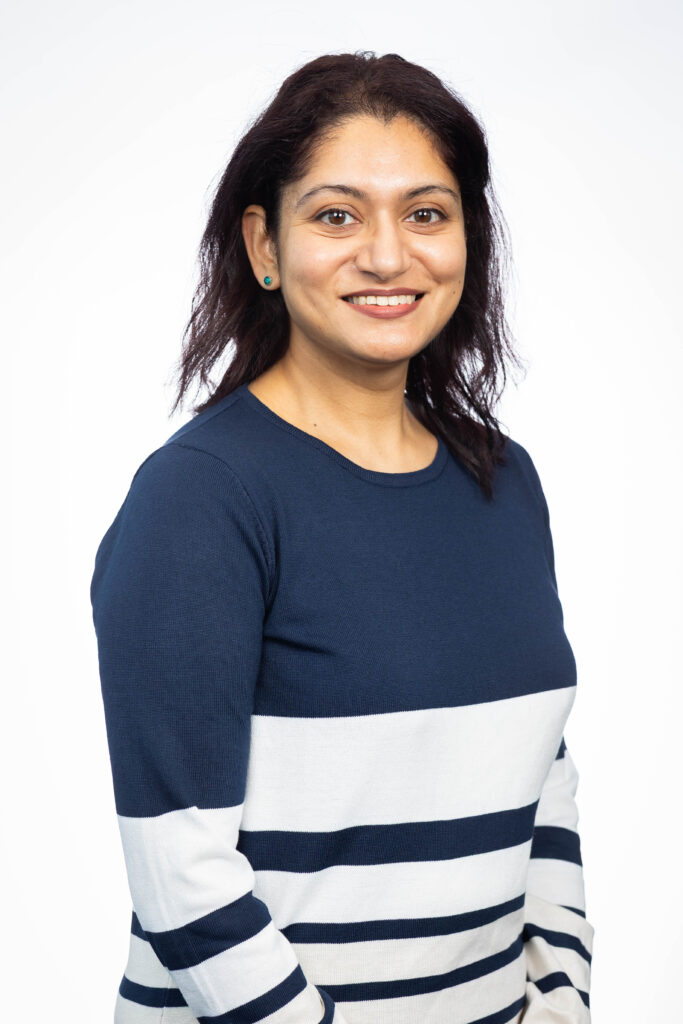
Shihani Stoner
Senior Project Officer

Sooin Byeon
Research Assistant
Taymin du Toit-Thompson
PhD Student
Faculty of Medicine and Health
The University of Sydney
Farah Abu Al-Hial
Research Officer
Nada Cheikh-Ali
Clinical Researcher
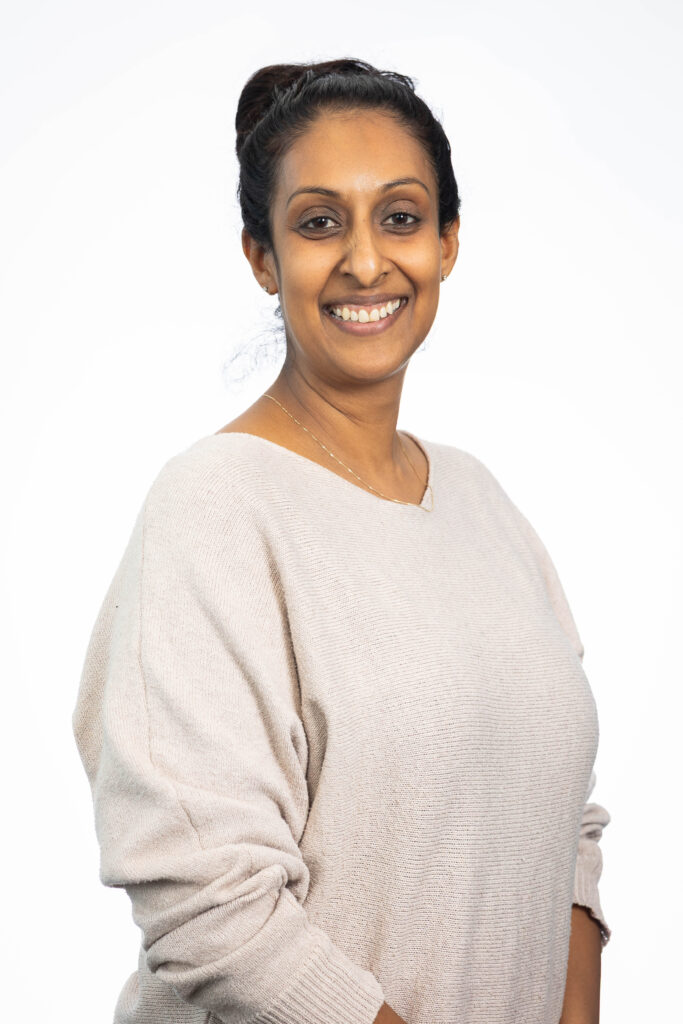
Hasanthi De Silva
Senior Research Officer
Liz Millar
Research Assistant
Sara Mokhtar
Research Assistant
Narjis Fatima
Postdoctoral Research Associate
Hye Soo Lee
Medical Placement Student
Krishna Kotecha
PhD Student
Faculty of Medicine and Health
The University of Sydney
Joe Wei
Researcher
Dr Alexander Yuile
Bill Walsh Translational Cancer Research Laboratory
Medical Oncologist
Royal North Shore Hospital
- Teaching an Old Drug New Tricks: Can we repurpose an old drug as a new brain cancer treatment?
- The immuno-coagulome: an untapped pathway for new therapeutics in glioma
- Investigating how glioblastoma tumours change over time to become resistant to treatment
- Unravelling the tumour micro-environment to combat brain cancer
- Laying the foundations for improved treatments for IDH-mutated glioma
- The interaction between coagulation, angiogenesis and inflammatory pathways in glioblastoma
- MHF Brain Cancer PACT: Mark Hughes Foundation Collaborative Brain Cancer Pre-clinical pipeline for Advancing Cancer Therapeutics
- Development of non-invasive monitoring for brain tumour recurrence and treatment resistance
- A new class of theranostics for malignant brain cancer
- Radiosensitisation of high-grade gliomas by modulating glucose metabolism
- New Horizons: Therapeutic applications for medicinal cannabis in the treatment of brain cancer
- The role ofIinflammation in colorectal cancer
- Identifying prognostic protein markers in colorectal cancer tumour
- Exploring a new nanotechnology strategy for the neo-adjuvant treatment of colorectal cancer by photodynamic therapy and ionising radiation
- Investigating patterns of drug resistance in ALK rearranged non-small cell lung cancer
- Exploring methods to improve efficacy of immunotherapy in non-small cell lung cancer
- Identification of biomarkers for non-small cell lung cancer
- Chemotherapy resistance in non-small cell lung cancer
- The exhaled breath condensate proteome: a promising source of biomarkers for lung cancer
- Improved treatment for mesothelioma: Can cannabinoids address this unmet need?
- The role of dual PET scans in understanding neuroendocrine tumour behaviour
- Analysing PET scans for neuroendocrine tumours
- Evaluation of lysyl oxidase inhibitors as a new treatment for ovarian cancer
- Investigating the role of long non-coding RNA (ribonucleic acid) in the ovarian cancer microenvironment
- Improving ovarian cancer treatment using nanoparticles
- Biomarker identification for pancreatic cancer diagnosis
- Biomarker identification for pancreatic cancer prognosis.
- Identification of new drug targets for pancreatic cancer treatment
- Understanding the role of tumour microenvironment in pancreatic cancer progression
The inspirational story behind the Bill Walsh Translational Cancer Research Lab
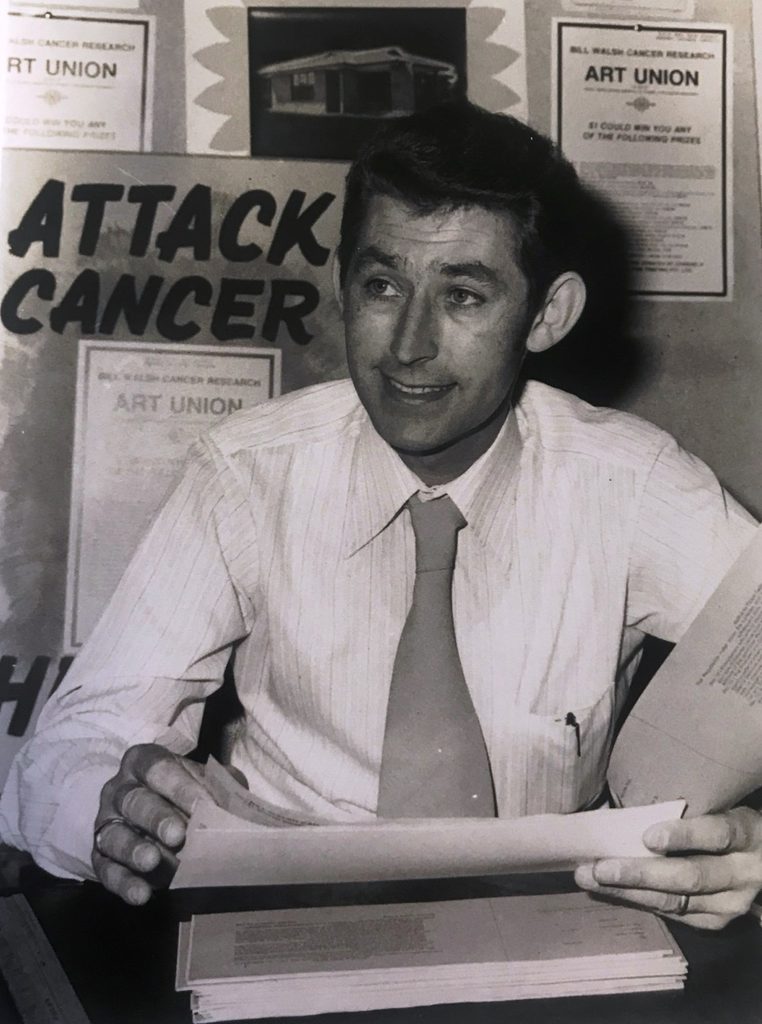
“I have two young children and I want them to have a better chance of survival when they are 37.” – Bill Walsh
In 1975, Bill Walsh was diagnosed with terminal cancer and he was one of the first patients to be treated with chemotherapy at Royal North Shore Hospital. During his treatment he discovered that funds for cancer research at the hospital were very low, and he was concerned about the lack of hope for those with the condition.
Determined to raise money for a cancer research unit, Bill organised the Bill Walsh Art Union. Despite being told that no one can start their own Art Union, Bill raised almost $500,000 in the most successful Art Union of the time. His donation was the largest single gift the hospital had received, and it established the Bill Walsh Cancer Research Fund.
Bill was determined to go further and he set up an ongoing employee contribution scheme with the Electricity Commission to ensure funding for cancer research would continue beyond his lifespan, leaving a lasting legacy.
In 1978, Bill was awarded the British Empire Medal for Services to the Community. Sadly, he died in 1979 and did not see the realisation of his dream, the Bill Walsh Cancer Translational Research Laboratory, which opened in 1980 due to fundraising efforts.
Bill was an inspiration to everyone and a pioneer of fundraising for cancer research. His courage in the face of adversity led to hope for all cancer sufferers. Today, the Bill Walsh Translational Cancer Research Laboratory continues to represent Bill’s dream – a future without cancer.
Related story:
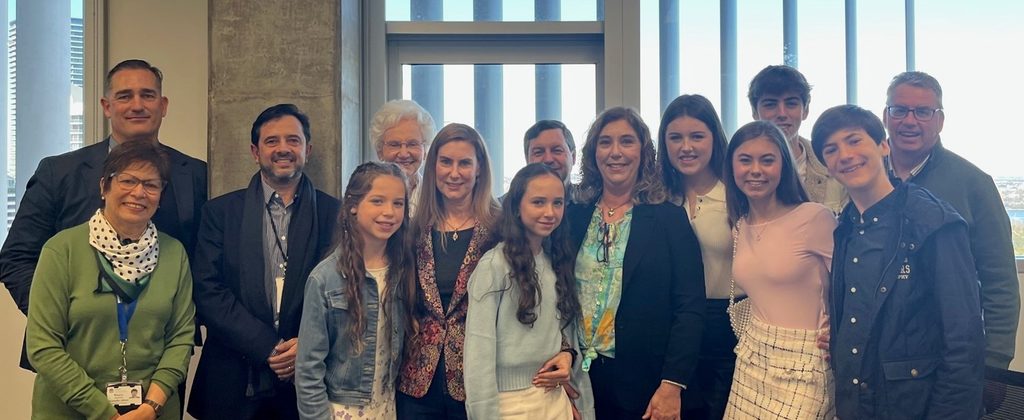
Bill Walsh’s family continues to foster long-term connection with the Bill Walsh Translational Cancer Research Laboratory.
Act of generosity continues to deliver hope for those with cancer – Kolling Institute

