Blog

  • Collaboration driving research impactc

    Collaboration driving research impactc

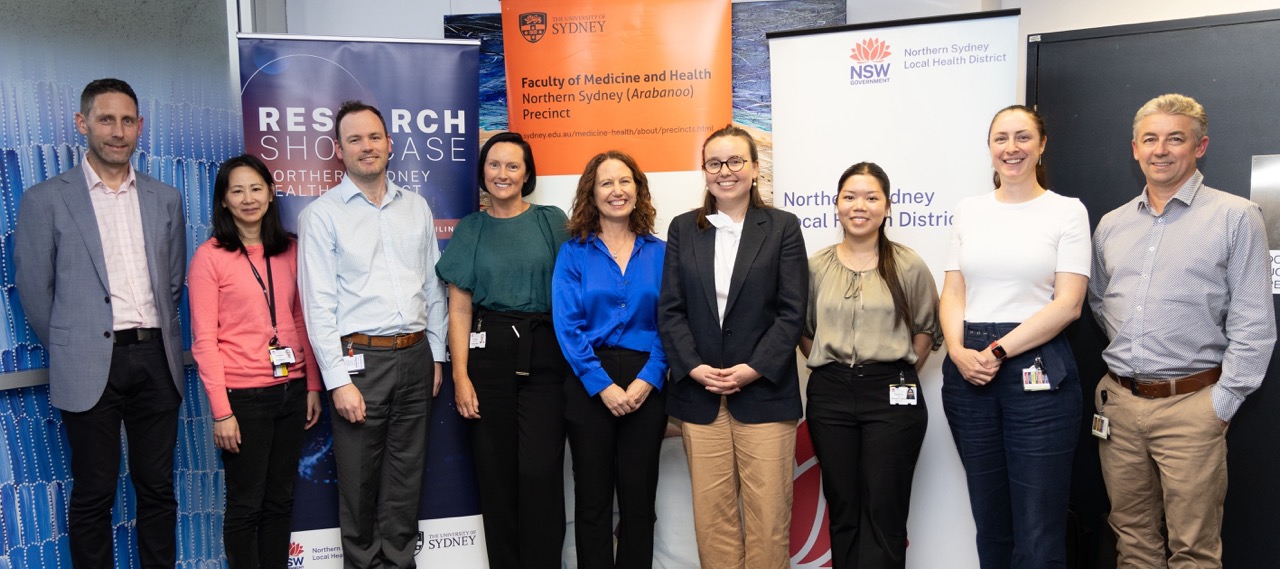
    The strength of interdisciplinary research across the Northern Sydney (Arabanoo) Precinct was highlighted during a dynamic showcase at the Kolling Institute.

    The annual event, which has been steadily lifting its profile, featured the latest research progress across allied health, nursing, medicine, as well as pharmacy, dentistry and public health.

    More than a hundred people attended this year’s event hosted by the Precinct academic directors Professors Jim Elliott and Robyn Gallagher, and Associate Professor Margaret Schnitzler.

    The showcase provided an insight into the successful collaborations between the University of Sydney and the Northern Sydney Local Health District, and their impact on the delivery of care.

    Associate Professor Elizabeth Clarke detailed her interdisciplinary research investigating the use of kangaroo tendons for human ACL reconstructions. This project involved engineers and medical scientists from the Kolling, along with orthopaedic surgeons and an Australian industry partner.

    A/Prof Clarke also discussed the Kolling Orthopaedic Biomechanics Robotic Arm, an exciting collaboration between engineers from the University of Sydney, orthopaedic surgeons from the NSLHD and global industry partners.

    Elizabeth said these two examples highlight how interdisciplinary collaboration can achieve outcomes far greater than the sum of the parts.

    “We would not have achieved the research and innovation goals without any one of the partners and team members on these projects,” she said.

    Exercise physiologist Rosanna Tran delivered her presentation on the FORTRESS trial, which is assessing a frailty intervention in hospitals. Funded by the NHMRC, the trial is using a validated screening tool and an evidence-based intervention.

    Rosanna, who is based at Hornsby Hospital, said the collaborative research will help establish a cost-effective model of care to help manage frailty and its adverse impacts.

    Professor Mark Molloy from the University of Sydney discussed his collaboration with Royal North Shore Hospital colorectal surgeon Professor Alexander Engel to identify molecular markers of disease risk for bowel cancer.

    “This project demonstrates how clinical services can be an important contributor to interdisciplinary research through linking our own strengths,” he said

    “Collaborating with clinicians helps to make my research more impactful by bringing a patient-centric perspective.”

    It’s anticipated there’ll be further interdisciplinary collaboration following the showcase event.

  • Researchers call for a greater focus on the physical impact of whiplash injuries

    Researchers call for a greater focus on the physical impact of whiplash injuries

    Researchers from the Kolling Institute have led an international study investigating why some people spontaneously recover from whiplash following a motor vehicle collision, while others don’t. Their work has uncovered new evidence indicating it may relate to the health of muscles and stress.

    More than 140 people were recruited to the longitudinal study, which involved research teams from the United States, Canada, and Australia.

    The study ran for more than five years, with participants undergoing a series of ultra-high resolution MRIs of the spine and neck.

    Researchers analysed pain, psychological distress, as well as physiological measurements of muscle fat in the neck.

    Following the extensive analysis, researchers found higher neck muscle fat infiltration and distress may be a risk factor for whiplash related injury, although it was unclear whether this was a pre-existing condition or the result of the trauma.

    Lead researcher Professor Jim Elliott, Academic Director of the Kolling Institute said it’s known that higher levels of stress can have a negative effect on overall health and wellbeing, but in particular, the health and functioning of our skeletal muscles.

    “This study provided more evidence that those reporting higher levels of post-traumatic distress had higher levels of muscle fat infiltration,” he said.

    “Future work needs to determine if these conditions were present before the injury, and whether pre-traumatic life stress is accompanied by poor muscle health and function.”

    Professor Elliott said the study represented an important body of work with 1.3 million Australians alone experiencing chronic whiplash associated disorder.

    “We know that half of those who experience whiplash during a collision recover rapidly, while the other half do not recover and 20 per cent have severe ongoing pain and disability.

    “This causes a significant personal toll, as well as an economic burden of close to a billion dollars a year just in Australia.

    “Research to date has generally focused on secondary prevention rather than primary prevention of whiplash associated disorder.

    “Nearly all the high quality trials over the last 25 years have tested interventions to reduce adverse outcomes, yet these trials have done little to reduce the burden of the disorder.

    “In fact, neck pain, the most common symptom of chronic whiplash remains the fourth leading cause of Years Lived with Disability, a ranking which has not changed in over 30 years.

    “There is a clear need for innovation in diagnosis and prognosis, as well as effective strategies to mitigate the risks for the large number of people living with the chronic disorder.

    “Currently, the focus is on the consequences of a collision, such as post-traumatic psychological distress and disability. Following our research, we would like to see greater attention directed to the biological and biomechanical mechanisms involved in the disorder.

    “We believe this broader approach could improve the prediction of the clinical course and therefore the management of the condition.

    “It could offer valuable information and treatment options for the 25 per cent of people who suffer a whiplash injury and then transition from acute to chronic pain and disability.”

    The study was funded by the National Institutes of Health in the USA. It has been published in the prestigious Spine Journal.

  • New robot driving innovation in joint surgery

    New robot driving innovation in joint surgery

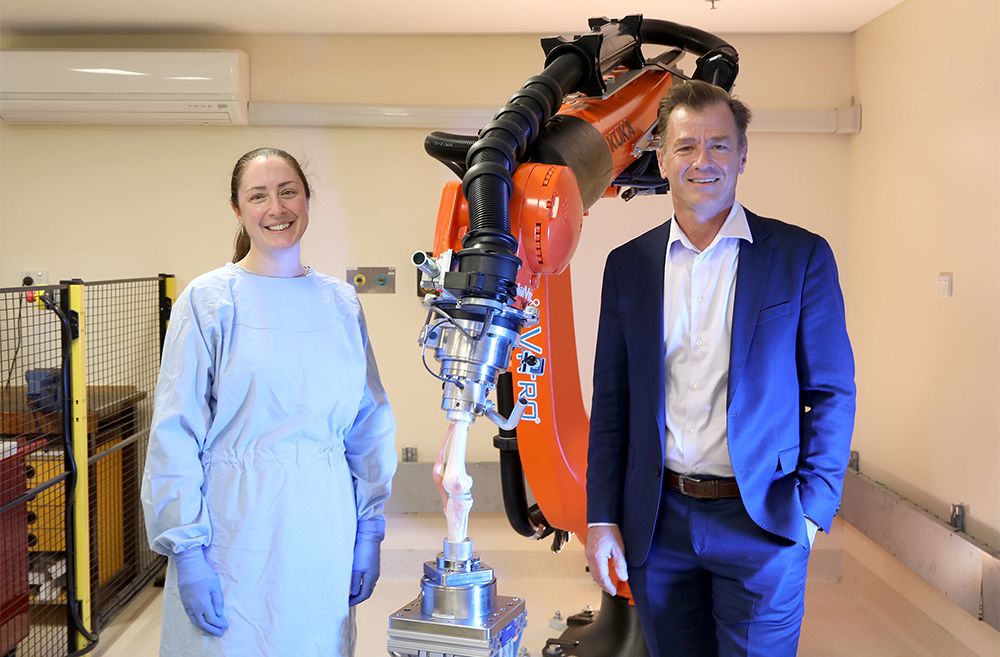
    A $400,000 robot which may hold the key to significant improvements in hip and knee replacements is now operational at the Kolling Institute.

    Known as KOBRA or the Kolling Orthopaedic Biomechanics Robotic Arm, the new technology delivers an advanced testing facility, while greatly increasing research capabilities.

    It is the largest of its kind in Australia and one of just two SimVitro robots in the country.

    Director of the Kolling’s Murray Maxwell Biomechanics Lab Associate Professor Elizabeth Clarke has welcomed its installation, saying it represents a significant step for orthopaedic and biomedical engineering research, new surgical techniques and medical technologies.

    “KOBRA will be used to simulate complex human movements on joints. This is a new way of working and very few other machines have this capability where they can test joints through a broad range of life-like manoeuvers, like hip flexing, squatting, walking and throwing.

    “We expect to use the robot in the testing of implants, particularly for hip and knee replacements, to gauge how the implants will function and to help ensure the movement is as life-like as possible,” Associate Professor Clarke said.

    The orthopaedic biomechanics robotic is not only expected to advance hip and knee replacements, but is also likely to assist surgeons working to repair chronic shoulder instability. Large numbers of patients are presenting with this injury and the information provided by the robot will help to improve the quality of research and optimise surgical approaches.

    Professor Bill Walter, Royal North Shore Hospital orthopaedic surgeon and Professor of Orthopaedics and Traumatic Surgery at the University of Sydney has witnessed advances in surgical techniques over many years.

    He said the next improvements will be delivered through new technologies provided by robots like KOBRA.

    “We have seen that previous innovations have come through new materials and design. The next innovations however in joint replacement surgery will be delivered through improved biomechanics of the artificial joints,”

    “It’s tremendously encouraging to see this world-leading technology coming to the Kolling. It will assist researchers, engineers and surgeons, and ultimately lead to improved surgical techniques, better placement of implants and good long-term health outcomes for our community.”

    The robot has been made possible following a collaboration between the Northern Sydney Local Health District, the University of Sydney, the Kolling Institute, the NSW Investment Boosting Business Innovation program and the RNSH Staff Specialist Trust Fund. 

  • Australia to introduce ground breaking technology to target debilitating Mito disease

    Australia to introduce ground breaking technology to target debilitating Mito disease

    Clinicians, researchers and patients have welcomed a landmark law which will pave the way for remarkable new IVF technology to prevent mitochondrial disease.

    Known as “Maeve’s law” after a young Victorian girl with a rare genetic disorder, the legislation was passed by Federal Parliament allowing the specialised IVF procedure to be carried out in Australia.

    It will involve replacing faulty mitochondria with healthy mitochondria to greatly reduce the risk of a child inheriting the disease.

    Mitochondrial disease can be devastating, causing major organ failure, blindness, deafness, brain disorders, muscular problems and early death. About 50 babies are born with a severe form each year, and many die before the age of five.

    The Kolling’s Executive Director Professor Carolyn Sue is a globally recognised expert in this field, and says the new law is a tremendously important step for many families impacted by Mitochondrial disease.

    “Maeve’s Law will help provide families affected by this inherited disease with the best opportunity to have a healthy, biologically related child,” she said.

    “It will provide hope and may be life-changing for many families, particularly those where multiple generations are affected. It may help relieve the enormous emotional, physical, social and financial burden on affected families.

    “Australia has a long history with procedures involving assisted reproductive technologies and an excellent regulatory environment. This new step will provide families with access to the most advanced technology, and will give them the best chance of having healthy children in the safest possible way.”

    One woman who may benefit from the landmark decision is 37 year old Shelley Beverley. She discovered she had Mitochondrial disease just five years ago following the death of her mother. Her brother Neil also tragically died from the condition at just 34.

    Shelley has a heart condition, hearing loss, muscle weakness and diabetes, which are all linked to the disease.

    Shelley and her husband James have welcomed the passing of the landmark law.

    “This law gives us new hope of having our own healthy biological child without the fear of passing on this devastating disease,” she said.

    “Having lost so much already, it is a dream come true, one that we have longed for. This procedure is a huge milestone that will genuinely save lives and an incredible amount of unimaginable heartache.”

    It’s anticipated women undergoing the new procedure will be supported by Royal North Shore Hospital’s clinic for Mitochondrial disease patients. It is the largest Mitochondrial disease clinic in Australia and well placed to provide the latest treatments to patients across the country.

    Professor Sue said we have the clinical experience and an established specialised clinic that is well known for our expertise and ability to care for patients with mitochondrial disease.

    “Our job would be to identify, prepare and treat those patients with mitochondrial disease to undertake the procedure. We would work to provide these patients with the support they need to have biologically related children and find the optimal path as they plan their future families.” 

  • New cutting-edge technology coming to the Kolling

    New cutting-edge technology coming to the Kolling

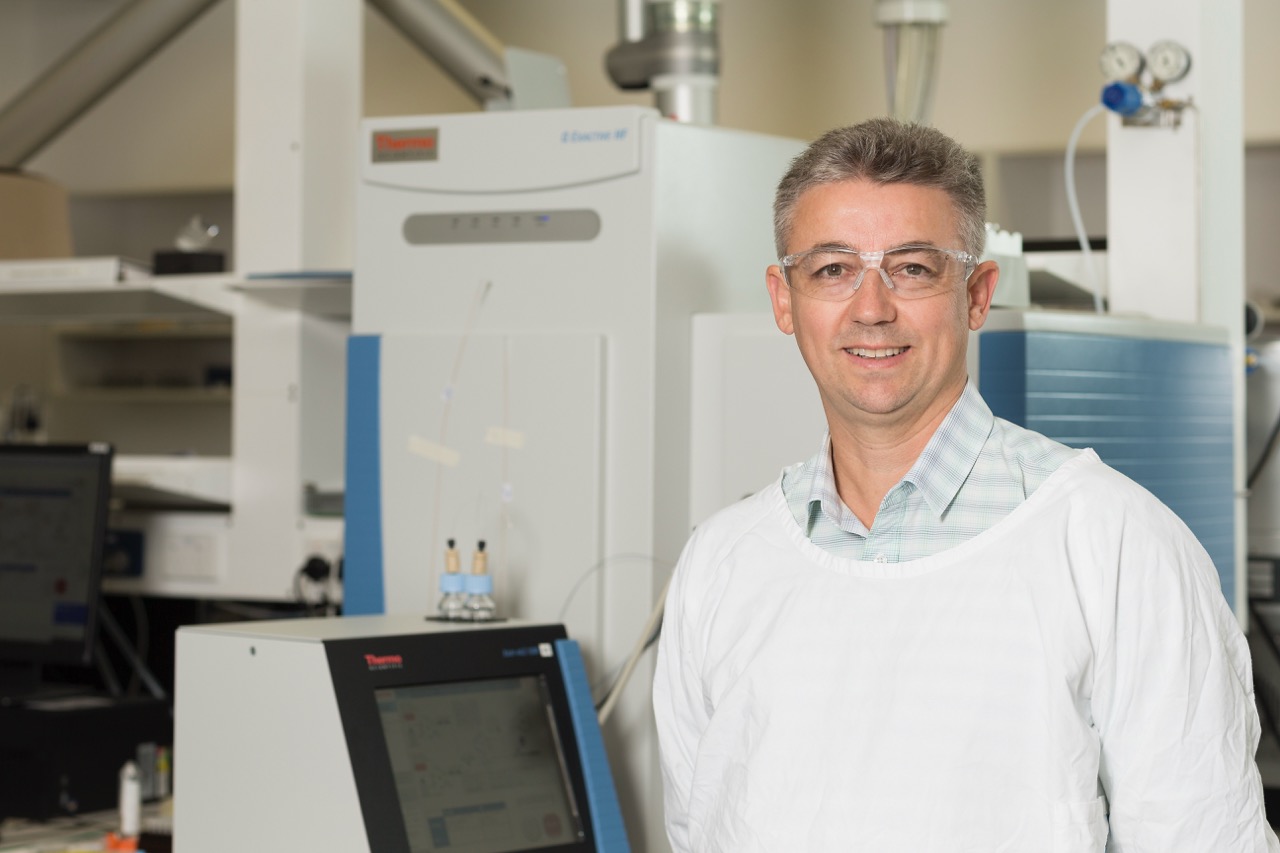
    The Kolling is set to be one of the first institutes in New South Wales to introduce new world-leading technology, boosting our cancer and neuroscience research capabilities.

    The Digital Spatial Profiling System has been made possible following a $535,000 grant from the Australian Research Council LIEF scheme. The project is being co-funded by the University of Sydney with a $250,000 contribution, and Macquarie University with a $50,000 commitment.

    Grant leader and cancer researcher Professor Mark Molloy has welcomed the establishment of the microscopy system, which has been recognised as one of the most exciting technological advances in the investigation of biological samples globally.

    “This is wonderful news for our researchers, the Kolling, our partners and ultimately the community of patients we serve,” said the Lawrence Penn Chair of Bowel Cancer Research.

    “It will significantly extend our research capabilities and represents an important step towards new treatments.

    “The digital spatial profiling technology will allow researchers to divide tissues into spatial regions to study how proteins and genes are regulated within parts of the tissues.

    “Importantly, this will address the limitations of conventional gene and protein profiling methods that produce averaged data which fail to consider the discrete spatial organisation that occurs within tissues.

    “This will lead to new discoveries around the intricate biological processes that go wrong in diseased tissues, a key step towards finding new drug targets and treatments.”

    During its initial phase, the new equipment will be used in the study of cancers and neuroscience. This will be extended to include investigators from molecular biosciences, bioengineering, plant biology and bioinformatics.

    The Kolling’s Executive Director Professor Carolyn Sue and her neuroscience team have welcomed the chance to utilise the new technology in their innovative research projects, especially with their Parkinson’s disease research.

    “Using this system will enable us to understand how we can protect neurons from degenerating. I am excited to gain insights into how we can intervene in this process so that we can improve the lives of our patients with this debilitating disease,” said Professor Sue.

    It’s anticipated the new system will deliver broad ranging and long term benefits, with the next generation of research students expected to be trained in this technology.

  • New test for high blood pressure to save lives

    New test for high blood pressure to save lives

    Researchers and clinicians have welcomed Federal Government funding to improve the diagnosis and treatment of high blood pressure.

    The condition affects around 1 in 3 people in Australia, significantly increasing the risk of stroke, coronary heart disease, heart failure and chronic kidney disease.

    Men are more likely to have uncontrolled high blood pressure, with 1 in 4 men suffering untreated high blood pressure, compared to 1 in 5 women.

    Many people don’t experience any symptoms and don’t realise they have the condition, raising their chances of serious illness.

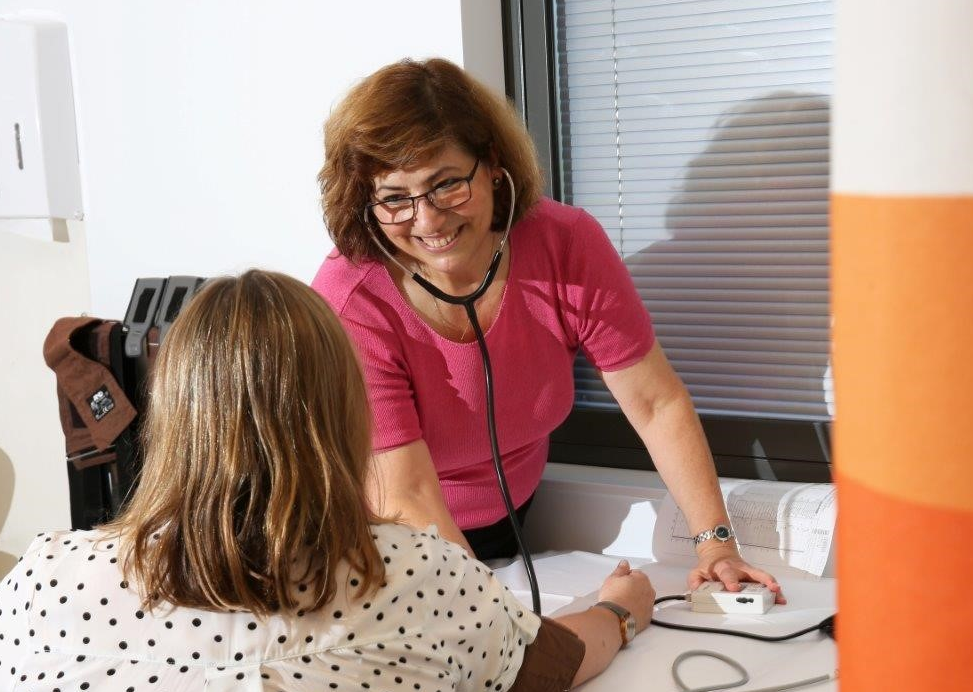
    From next month however, the community will have greater access to ambulatory blood pressure monitoring, regarded as the best available test to confirm the diagnosis of hypertension.

    It involves wearing a device which can monitor blood pressure continuously over 24 hours, rather than the snapshot generally provided by GP blood pressure monitoring.

    Senior hospital scientist within the Department of Cardiology and Kolling researcher Dr Anastasia Mihailidou has welcomed the announcement.

    As one of the initiating members of a select committee of the High Blood Pressure Research Council of Australia, Dr Mihailidou advocated for greater access to ambulatory blood pressure monitoring.

    She has backed the listing of the test on the Medicare Benefits Schedule, saying it’s an important milestone in tackling the silent killer of high blood pressure and hypertension.

    “Ambulatory blood pressure monitoring is the gold standard diagnostic test for improving the diagnosis of hypertension and much better than in-clinic blood pressure measurement,” she said.

    “I am delighted this important step has been taken and grateful that Health Minister Greg Hunt has recognised our work on the committee.”

    It’s anticipated more than 400,000 people will benefit from the improved testing over the next 12 months.

  • World-leading research in the spotlight

    World-leading research in the spotlight

    The Neuroscience and Pain Research Showcase provided a timely opportunity to demonstrate the breadth of expertise across this priority research area at the Kolling.

    Co-ordinated by Professors Paul Glare and Lisa Harvey, the online event attracted more than 250 people.

    A diverse range of presentations focused on the cutting-edge research targeting mitochondrial disease, psychiatric disorders, spinal cord injuries and traumatic brain injuries. Researchers shared details too of world-leading projects to reduce the damaging impact of multiple medications.

    Senior researcher Professor Lisa Harvey said it was an important opportunity to promote the talented researchers across this priority research area and their significant achievements.

    “Our neuroscience and pain researchers have a unique breadth of skills, with their research progress directly influencing clinical practice and policy frameworks, and improving community health,” she said.

    “Our research ranges from investigations into new stem cell technologies through to large international clinical trials, and it was great to hear more about these exciting projects.

    “It was also encouraging to hear from the impressive early and mid-career researchers, who shared details of their ground breaking work.”

    Pain Management Research Institute Director Professor Paul Glare said the presentations aligned well with the keynote talks from Professor Don Nutbeam, the Executive Director of Sydney Health Partners and Dr Tony Penna, the Executive Director of the Office for Health and Medical Research, who both highlighted the importance of translating research into clinical practice.

    “The showcase emphasised the importance of research collaborations, including existing partnerships within the priority research area, and the development of new opportunities with national and international collaborators,” he said.

    “The Pain Management Research Institute for instance is already working closely with our Ageing and Pharmacology team around opioid tapering, and is looking towards closer ties with the John Walsh Centre for Rehabilitation Research.

    “Stronger national and international partnerships will also bolster our efforts to improve the lives of people living with neurological conditions and disabling pain.

    “We’re looking forward to our next showcase which will hopefully be run in-person at a time that looks very different to now.”

  • New fellowship to strengthen commercial research opportunities

    New fellowship to strengthen commercial research opportunities

    Dr Cindy Shu will have a key role in building commercial capabilities at the Kolling after receiving a fellowship from the REDI (Researcher Exchange and Development within Industry) program.

    The program provides financial support to Australian and international medical technology and pharmaceutical companies to bring the best talent in-house to work on priority medical research projects.

    Cindy is one of just two researchers to receive the fellowship, which represent the first industry-led positions in NSW through the REDI program.

    Cindy, a University of Sydney researcher at the Kolling Institute, will be embedded in a regenerative medicine company called Regeneus to broaden her skills in translational research. She will progress clinical trials, while also developing assays and models for pre-clinical trials for osteoarthritis treatments.

    MTPConnect Managing Director and CEO Dr Dan Grant said supporting researchers to move seamlessly between research and industry is critical for the growth of Australia’s medical technology and pharmaceutical sector.

    “Our program expects researchers to return to their home institution so this ensures we embed high-level, industry-ready experience in the research sector,” he said.

    Cindy has welcomed the chance to be involved in the program.

    “This opportunity will enable me to develop and drive my research interest in osteoarthritis, and apply these laboratory skills in a pre-clinical capacity. Importantly, this will ensure research translation rather than having the valuable data remain solely in the research-publication loop,” she said.

    “I am very excited to be learning from and collaborating with Regeneus, and their mentoring program will guide me through the pathway between bench and bedside.”

    The Kolling’s Professor Chris Little said the REDI program is an exciting initiative aligned with our key goal to bridge medical research and health.

    “Improving collaboration and knowledge transfer between academic medical research and industry partners is critical in actually translating fundamental science discovery into successful treatments for patients,” he said.

    “I’m thrilled that Cindy has been selected for an MTP connect REDI fellowship. What she learns at Regeneus about the pathways in commercial research and development will not only advance her career, but will help the wider Kolling research community improve the care our patients receive.”

  • New technology holds the key to better care for whiplash injuries

    New technology holds the key to better care for whiplash injuries

    New research is set to revolutionise the diagnosis and treatment of whiplash injuries, one of the most common and challenging injuries following a non-catastrophic motor vehicle collision.

    The longitudinal study, conducted over more than five years, involved researchers from the Kolling Institute along with scientists from Northwestern University, University of Colorado and Stanford University.

    Close to 100 people were recruited to the trial soon after experiencing a motor vehicle collision. 84 of those underwent MRI scans of their neck two weeks after their crash and then again at 12 months.

    The scans measured muscle composition, a key indicator of whiplash injury and other disorders of the cervical spine.

    The Kolling’s Acting Executive Director Professor Jim Elliott said the project took advantage of improvements in the evolution of high resolution MRI and rapid acquisition and measurement techniques.

    “We innovatively applied artificial intelligence, dramatically reducing the processing times of measuring muscle composition from hours to seconds with automatic segmentation,” he said.

    “We found the changes in muscle composition occurred in both men and women, but to a larger extent in women and in the deep muscles, attaching directly to the spine. These findings raise questions around why these changes occurred and how they should be managed.

    “Our study demonstrated a game-changing approach which may have significant implications for the diagnosis and treatment of those with a whiplash injury or other disorders of the cervical spine.

    “The gains in MRI technology and the rapid acquisition techniques mean we are able to diagnose injuries which wouldn’t have been captured in the past, opening up new treatment pathways.

    “The technique provides accurate and rapid, quantitative assessment of the complex muscles traversing the cervical spine, and importantly, this process could be incorporated into clinical radiology practice.”

    The Professor of Allied Health in the Northern Sydney Local Health District and the Faculty of Medicine and Health at the University of Sydney said the findings are significant.

    “Whiplash-associated-disorders are the most common outcome for the 2.6 million Australians and four million Americans involved in a non-catastrophic motor vehicle collision every year.

    “Half of those injured recover rapidly, but the other half continue to experience long-term health issues, with neck pain the most common symptom.

    “Whiplash-associated-disorders are a leading cause of disability worldwide. They represent a considerable financial burden, costing the Australian economy around a $AUD1 billion a year, and the American economy more than $USD100 billion per annum.

    “Given these circumstances, there is an urgent need for new diagnostics and effective strategies to identify and mitigate the risk of chronic whiplash-associated-disorders.

    “We believe this new technological approach will deliver diagnostic, predictive and clinical benefits.”

    Other authors on the paper include Todd B. Parrish, Rebecca Abbott, Marie Wasielewski (Northwestern University), Andrew C. Smith (University of Colorado) and Kenneth A Weber II, Vivie Bojilov, Trevor Hastie and Sean Mackey (Stanford University).

    The study has been published in Scientific Reports.

  • First Australian imaging technology to deliver research windfall

    First Australian imaging technology to deliver research windfall

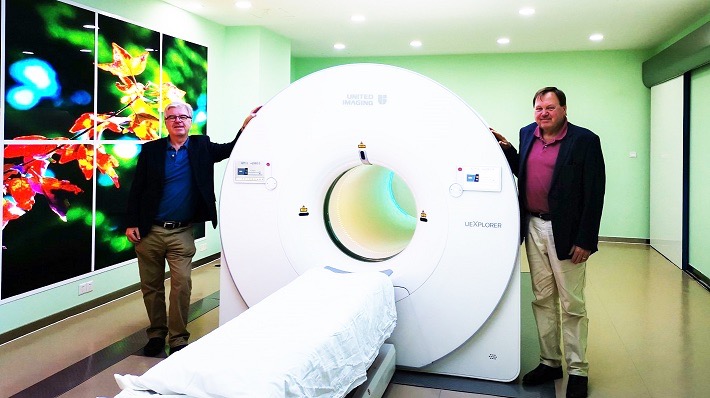
    An exciting project between the University of Sydney and the Northern Sydney Local Health District will see a $15 million, revolutionary scanner installed at Royal North Shore Hospital, greatly improving patient care and research capabilities.

    Australia’s first Total Body Positron Emission Tomography (TB-PET) scanner will produce faster and higher quality whole-body PET/CT scans, with less exposure to radiation than current scanners.

    It will capture the whole body in a single scan, allowing doctors to diagnose, guide treatment and track patient’s progress more accurately.

    In addition to the direct clinical benefits, there will be wide sweeping benefits for research.

    Professor of Medical Imaging Physics Steve Meikle said the TB-PET will be able to capture dynamic, physiological information from all organs at the same time.

    “This will be incredibly useful as researchers seek to understand how chemical signals within and between organs regulate their function, and how these processes go awry in chronic diseases,” he said.

    “Crucially, it’ll allow researchers to evaluate the effects of new drugs on the whole body, including the targets they’re designed to interact with and non-target sites.”

    The high-tech scanner could improve treatment for a wide range of chronic diseases, including cancer, neuromuscular conditions and infectious diseases.

    “By identifying new disease targets and biomarkers, or evaluating new therapies, the scanner could greatly assist patients with an earlier diagnosis or access to more effective, personalised treatments.

    “Importantly, researchers from across the country and international collaborators will have access to the facility. It will be the only one in Australia with a dedicated research capacity.”

    The machine, which will be a flagship of the National Imaging Facility, is expected to be operational by 2022. 

NSWGOV logo