Blog

  • Sydney Health Partners Roadshow heads North

    Sydney Health Partners Roadshow heads North

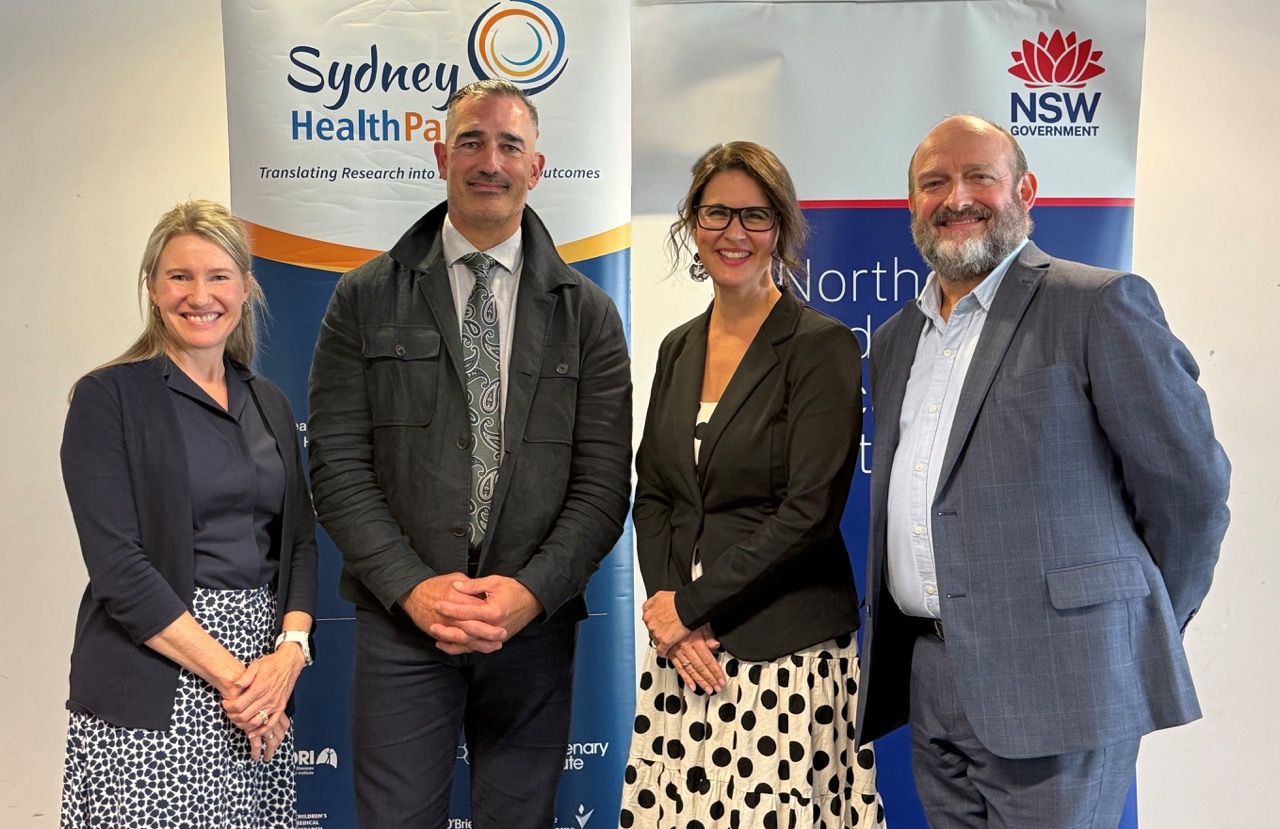
    Northern Sydney Local Health District hosted the latest stop on Sydney Health Partners’ 2025 roadshow, Translation in Action.

    More than 70 researchers and clinicians gathered at the Kolling Institute to hear presentations by colleagues involved in translational research projects, and to see how Sydney Health Partners is assisting research translation.

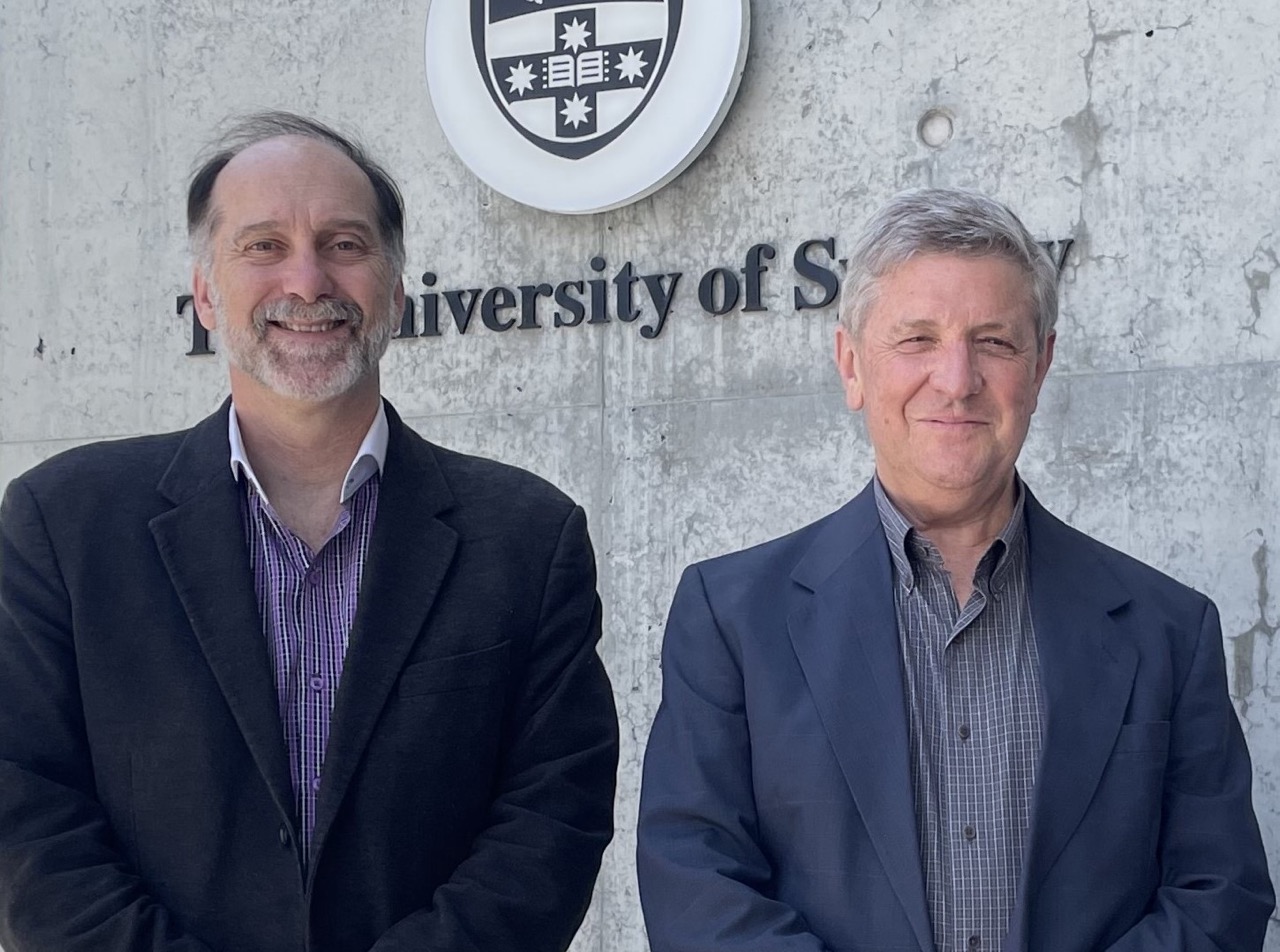
    The Kolling’s Academic Director Professor James Elliott said the district is proud to work with Sydney Health Partners to support the introduction of new approaches.

    “By introducing these better models of care on a bigger scale, we have the potential to reach large parts of the community within our district, and to test these approaches for a much larger population,” he said.

    He encouraged everyone to consider the research opportunities in their individual field.

    “We know that districts with an active research culture, where research is embedded as part of clinical care, deliver better patient experiences and better long-term health outcomes.”

    Acting Executive Director of Sydney Health Partners, Professor Andrew Baillie, described the research translation pipeline, from discovery to implementation.

    “The truth is that some great, evidence-based, interventions never make it to the other end of the pipe,” he said. “In that sense, Sydney Health Partners can be viewed as plumbers trying to fix a leaky and complicated set of pipes, and implementation science is one of our plumbing tools.”

    Leading medical oncologist Professor Stephen Clarke praised the efforts of everyone involved with SHP to embed research in the day-to-day operations of hospitals.

    “It used to be that research was almost regarded as the self-indulgence that interfered with core hospital business, and I think what we’re doing now is saying it’s an essential part of health services,” he said.

    Following the Roadshow NSLHD Executive Director of Research, Associate Professor Naomi Hammond said the information presented had been timely.

    “What I’m seeing is that there’s more and more people coming now to ask what they can do to get research happening in their area,” she said.

    “I think this is where Sydney HealthPartners comes in: an expert research group that can support clinician researchers to bring research into their practice.”  

  • The Kolling welcomes Australia’s leading genomics provider to the institute

    The Kolling welcomes Australia’s leading genomics provider to the institute

    Researchers within the Kolling Institute will shortly have the chance to strengthen their genomics capabilities, with AGRF – the Australian Genome Research Facility – establishing a laboratory within the institute.

    The new lab is part of an exciting partnership between AGRF, the University of Sydney and the Kolling which will see a specialised team and cutting-edge technology located within the institute.

    As Australia’s largest provider of genomic services, AGRF supports researchers and organisations to drive discovery across clinical genomics, translational research, agriculture and environmental science.

    The Kolling’s Academic Director Professor James Elliott welcomed the collaboration saying we are proud to partner with AGRF.

    “By establishing a translational genomics facility within the Kolling Institute, we will be well placed to progress innovative research and directly improve health outcomes,” he said.

    “The partnership will not only benefit our researchers within the Kolling, but clinicians and researchers across Northern Sydney. It will help speed the translation of genomics research into patient care with direct input from clinicians and health providers.

    “The new lab will foster discovery science and a pathway to incorporate new knowledge and capabilities into clinical care.

    “We are looking forward to exploring collaborative research and educational opportunities with the leading genomics provider, and we are excited to see the advancements in care this partnership will deliver.”

    AGRF provides world-class expertise and high-quality genomic data from single-gene analysis to whole genome sequencing and biomarker discovery.

    From the time of opening, AGRF will offer its full suite of genomics and proteomics services to Kolling researchers, including project consultations, sample drop-off, high-quality sequencing, genotyping, transcriptomics, epigenomics, Olink proteomics and bioinformatics.

    These services will be backed by AGRF’s national network of specialist laboratories and technical experts.

    The on-site presence will make it easier for investigators to connect directly with AGRF’s team for project planning, study design and genomics research support.

    All services provided through AGRF’s national network can be accessed via the Kolling site, with sample drop-off and project co-ordination available.

    AGRF’s team will work closely with Kolling researchers to identify future opportunities for expanded workflows, pilot projects, and new technology implementations.

    Head of Strategic Business Desley Pitcher said we are thrilled to be joining the Kolling Institute community.

    “Our mission has always been to power discovery through genomics, and we look forward to partnering with Kolling researchers to bring that to life,” she said.  

    If you would like to know more, contact Oliver Distler – AGRF Senior Account Manager oliver.distler@agrf.org.au

  • New study tests how stress and big meals can trigger a heart attack

    New study tests how stress and big meals can trigger a heart attack

    A heavy Christmas lunch, an argument or even smoke from a bushfire may seem harmless, but for people at risk of heart disease, they could be deadly.

    A new study is investigating how emotional stress, pollution, chest infections, and large meals can trigger heart attacks in vulnerable people, and importantly, how to manage those triggers in the moment.

    Royal North Shore Hospital cardiologist and Kolling Institute researcher Professor Geoffrey Tofler is leading the clinical trial, which is now recruiting people to test whether taking aspirin or beta blockers at the time of a trigger can help prevent cardiac events.

    During the trial, participants will use an app to log symptoms and receive stress-reduction advice.

    Professor Tofler, who has researched heart attacks for close to 40 years, says the science tells us that some heart attacks aren’t random.

    “If people are aware of the triggers, there’s something they can do about them,” he said.

    The research team is looking for 120 people over 40 to join the seven-month study dubbed the Triggered Acute Risk Prevention study or TARP. Three sites are involved in the trial including Royal North Shore Hospital, North Shore Private and Westmead Hospitals.

    Participants must have at least two risk factors for heart disease – such as high cholesterol, blood pressure, smoking or diabetes – or known heart disease.

    “If you’ve just had an argument or know you’re heading into a big meal, the app helps you act,” says Geoffrey.

    “You log the trigger, like anger or a heavy meal, and it guides you through what to do.

    “Despite all the advances in understanding about risk factors like high blood pressure and high cholesterol, and the treatments, heart attacks remain a leading cause of death,” he said.

    For further information on how to take part in this study, please email your closest site: For Royal North Shore and North Shore Private: Cheryl.Macadam@health.nsw.gov.au or Anjani.Meka@health.nsw.gov.au for Westmead Hospital.

    The study has been approved through HREC 2024/ETH02331. 

  • New report identifies key health challenges

    New report identifies key health challenges

    The latest global health check has confirmed heart disease remains the world’s biggest killer.

    The concerning trend was identified through the Global Burden of Disease study which analysed health challenges and the leading cause of death in Australia and across the world. The study looked at data over more than three decades from 1990 to 2023.

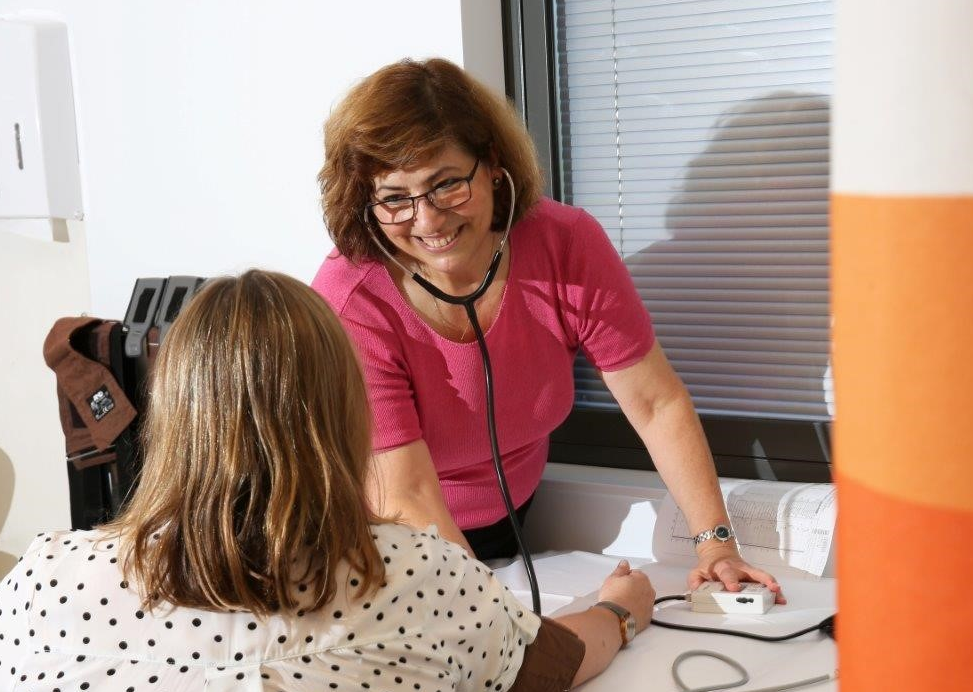
    Kolling Institute researcher and Royal North Shore Hospital senior scientist Dr Anastasia Mihailidou said the research serves as an alarm clock to alert us to the leading health issues, and to encourage us to reduce their impact.

    In Australia, life expectancy has increased by seven years to an average of 84 years. This means the life expectancy for women is now 86 years, compared to 82 years for men.

    “The data from the research will be helpful as an older life expectancy will require communities and health systems to adjust to the growing demand for healthcare,” said Dr Mihailidou.

    “While we are living longer, the leading cause of death in Australia and globally remains ischemic heart disease.

    “This is a disappointing trend, but a timely reminder to do what we can to reduce the disease, to consistently monitor blood pressure and to regularly undergo heart health checks.”

    The study found the second leading cause of death in Australia is Alzheimer’s disease, followed by lung cancer.

    It also found that air pollution and heat, as well as anxiety and depression were significantly impacting our health.

    “Importantly, the report provided information about how the world’s disease burden can be prevented by modifying risk factors such as high blood pressure, obesity, smoking and air pollution.

    “In Australia, the leading preventable risk factor was high blood pressure, but the data now shows being overweight, smoking and a high blood sugar are the biggest issues which the community can work to overcome.

    “I would still encourage the community to monitor their blood pressure, especially as they got older.

    “Blood pressure is a key indicator for heart and general health.”  

  • National campaign to combat misinformation about osteoarthritis care

    National campaign to combat misinformation about osteoarthritis care

    Co-inciding with World Arthritis Day (12 October), researchers from the University of Sydney and the Kolling Institue are urging the community to avoid low-value osteoarthritis care, in favour of evidenced-based resources to help manage the condition.

    Osteoarthritis is the most common form of arthritis and one of the leading causes of disability globally. It affects over 2 million people in Australia alone, and yet there is a critical gap in care, with the majority of people often provided with outdated advice, and low-value treatments.

    Leading rheumatologist, and University of Sydney and Kolling Institute researcher Professor David Hunter said when it comes to osteoarthritis treatments, many people are wasting their time and money.

    “By dispelling common myths and providing people with evidence-based knowledge, we can empower them to improve their pain, mobility, and quality of life,” he said.

    Researchers have joined a campaign with Arthritis Australia to focus on empowerment through knowledge. It directs people to four trusted, easy-to-access resources to broaden their understanding of the condition and practical steps to manage it.

    Practical, Proven, and Free – Four Resources That Make a Difference:

    ● Read: MyOA – Plain-language guides, tools, and strategies for daily management

    ● Listen: Joint Action Podcast – Expert and lived experience episodes

    ● Watch: OA Essentials Webinar – Practical tips for managing OA pain in just 30 minutes

     Participate: OA Research Participant Network – Connects Australians with relevant research opportunities. Click here for more details:

    “These resources are clear, credible, and freely available,” said Louise Hardy, Interim CEO of Arthritis Australia.

    “The more people we can reach through trusted organisations, newsletters, and social media, the more likely they are to feel confident in managing their condition.”

    Many Australians are still managing osteoarthritis based on myths and misinformation like:

    ● Avoiding exercise out of fear — when movement is one of the most effective ways to reduce pain and improve function
    ● Using opioids — despite strong recommendations against their use for OA
    ● Paying for expensive treatments like stem cells and platelet rich plasma — current evidence suggests these are no more effective than salt water injections
    ● Believing surgery is inevitable — when a joint replacement isn’t in most people’s future
    ● Overlooking the impact of small changes — even modest weight loss and diet shifts reduce pain and load

    “Too many Australians are still being told there’s nothing they can do, and that’s simply not true,” said Professor Hunter.

    “The key is making small, consistent changes in line with what the evidence supports. If in doubt, stick to the basics: move regularly and gently, understand which treatments are truly effective, and surround yourself with a support network that helps motivate you.” 

  • September 2025 Kolling NEWS

    September 2025 Kolling NEWS

    Our latest Kolling Institute newsletter is out detailing the very latest updates from our expert team of researchers, including some promising progress with our bowel cancer investigators. 

    There’s an opportunity to join a clinical trial to minimise the impact of osteoarthritis, a new approach to reduce spinal cord injury related pain and an international award recognising 40 years of service to health and research…. and much more:

    Click here to read through this edition.

  • Game-changing blood test to detect bowel cancer

    Game-changing blood test to detect bowel cancer

    Bowel cancer is the third most common type of cancer in Australia and treating it is both costly and complex. Alarmingly, rates are rising among people under 50, and researchers still don’t know why.

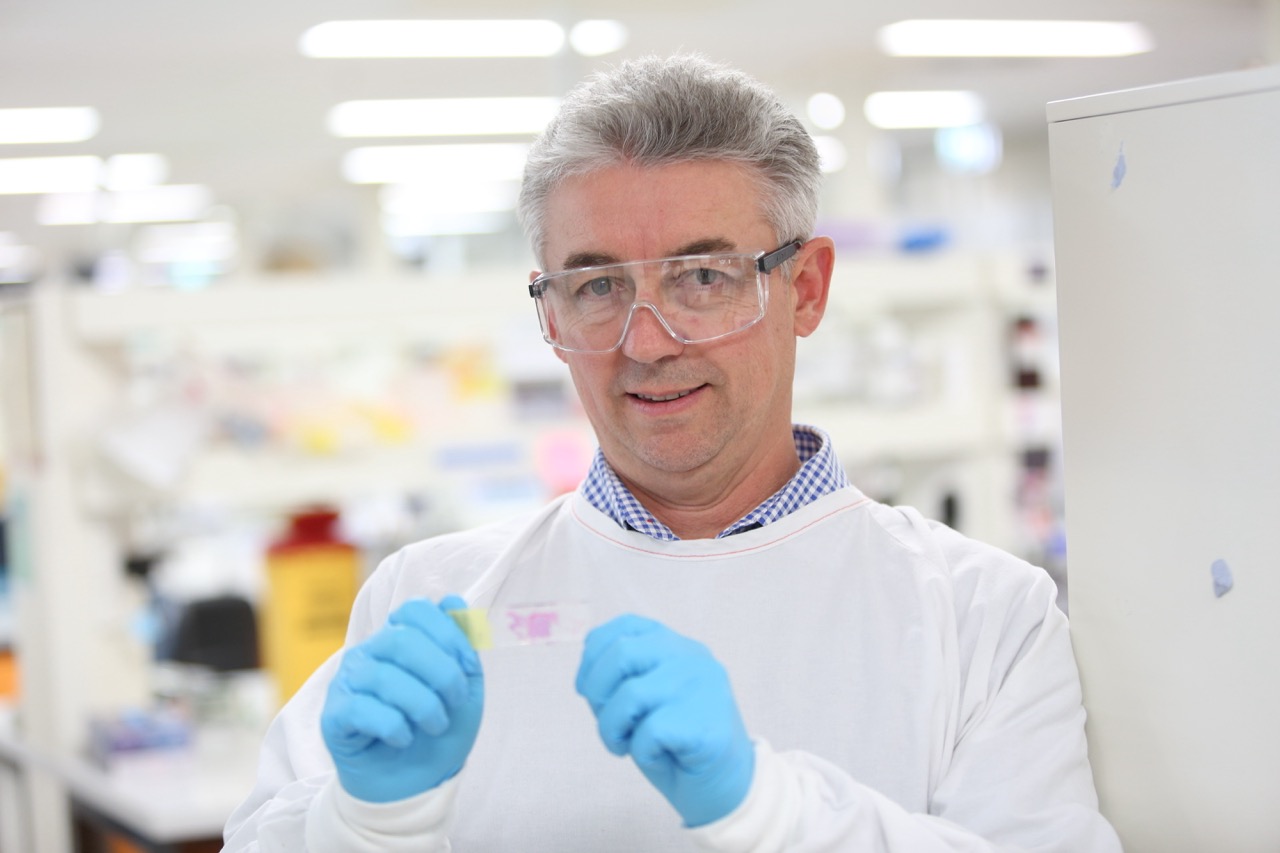
    It is for these reasons that Professor Mark Molloy is on a mission to prevent the disease in the first place. Based in the Kolling Institute, the leading bowel cancer research specialist is running several projects looking at early detection.

    He says the first promising pathway is a blood test.

    Currently, the main screening method is a government-funded test that detects blood in the stool. It’s mailed to people over 50, but Professor Molloy says because it requires them to collect the sample themselves, only around 40 per cent return a completed test.

    “They don’t like handling a stool sample, and early cancers may not leak blood they can go undetected by this method,” he said.

    “We’re very interested in whether we can move to a blood test — and not just any blood test. We’re working to do this from a few drops of blood collected from a finger prick.”

    Working with scientists from Sangui Bio, a biotechnology partner of the Kolling Institute, Professor Molloy has analysed proteins in blood samples from around 1,200 patients. “We can definitely see a signature in the blood from the finger prick sampling that’s linked to the presence of polyps and early cancers, but more research is needed.”

    Studying polyps

    Another focus of the research is improving the follow-up process after a positive screening result. Currently, patients with a positive stool test undergo a colonoscopy, where clinicians look for polyps — small growths in the gut lining that can develop into cancer if not removed.

    Gastroenterologists and colorectal surgeons remove the polyps which are then assessed by pathologists, who examine their size and appearance to determine when the patient should return for a follow-up “surveillance” colonoscopy. But current guidelines as to when this should happen is based on limited evidence and can be improved.

    “Colonoscopies are a massive resourcing problem for the health system and patients can face delays,” he said.

    To address this, Mark and his team are researching a more personalised way to improve the timing of a colonoscopy for higher risk patients with polyps. They recruited patients undergoing a colonoscopy and collected small biopsies from polyps and nearby healthy gut tissue. These samples were then analysed at a molecular level.

    “We’ve now identified a number of genes that appear to be linked to higher risk, and this seems to be independent of polyp size” he said.

    Following publication of this finding, the team is doing a follow-on study to confirm whether these gene mutations predict future polyp development. If successful, the research could lead to a test that helps prioritise patients for follow-up colonoscopies based on molecular risk — allowing those patients with the highest risks to be seen more quickly than current guidelines dictate.

    It is estimated 15,000 Australians are diagnosed with bowel cancer each year. “If you vox popped people in the street, a lot of people would be touched by bowel cancer in some way, if not directly, they would know of someone in their circle.”

    He said it is unclear why bowel cancer is on the rise, particularly amongst younger people. “Ideas include changing nutrition over time causing changes in our gut microbiome that are known now to be facilitators of some bowel cancers. Then there’s thoughts about the environment – like the abundance of microplastics that we breathe in and consume – or it could be our more sedentary lifestyle.”

    He said research is ongoing but there is no agreed upon evidence.

    The science is still unfolding, but Professor Molloy’s direction is clear: user-friendly screening, targeted follow-up, and a deeper genetic understanding of what drives this deadly cancer. His various avenues of research will hopefully find more answers and help redefine the future of bowel cancer care. 

  • Changing of the guard

    Changing of the guard

    After more than 25 years leading visionary research, Professor Ian Cameron has stepped down as the head of the internationally respected John Walsh Centre for Rehabilitation Research.

    Accomplished researcher, educator and clinician Professor Ashley Craig has been appointed to the role and will lead a large team of experienced and emerging investigators.

    Dr Mohit Arora steps into the new position of Deputy Head, with Dr Kishan Kariippanon the John Walsh Centre for Rehabilitation Research Manager.

    Professor Craig has paid tribute to his long-standing colleague.

    “Ian Cameron is one of Australia’s leading rehabilitation specialists and a world leader in complex injuries and physical outcomes, compensation issues, and ageing complications,” he said.

    “He was instrumental in the establishment and growth of the John Walsh Centre and has long advocated for rehabilitation to be recognised as a specific research area.

    “He has led many clinical trials related to rehabilitation, disability and ageing, while fostering a new generation of researchers, and encouraging them to develop their research careers.”

    Professor Cameron also played a key role in driving reforms within the CTP injury compensation scheme in NSW and developing best practice guidelines.

    Pioneering Rehabilitation Research

    Appointed in 1997, Professor Cameron’s vision was to develop an interdisciplinary research centre focusing on injury related disability and rehabilitation. The centre was to have both research and education roles, and these strengths were realised over time.

    NSW government funding supported the appointment of academic staff with backgrounds in rehabilitation medicine, neuropsychology, physiotherapy, occupational therapy and clinical psychology and psychophysiology.

    As part of Sydney University’s Faculty of Medicine, the centre had strong links with local, interstate and international researchers. The ties with the university also enabled the establishment of a rehabilitation stream in the Sydney Medical Program.

    Significant research support continues to be received from core funders icare NSW and the NSW State Insurance Regulatory Authority or SIRA. The centre has also been successful in achieving multiple National Health and Medical Research Council/ MRFF grants. Its research focus centres on musculoskeletal injury, spinal cord injury, traumatic brain injury, and psychological injury.

    Many PhD and other higher degree students have been supervised, and some have become leaders in health and related areas. Two are now mid-career researchers in the centre.

    The centre was located at Royal Rehab at Ryde until 2015 when it was renamed the John Walsh Centre for Rehabilitation Research and moved to the Kolling Institute. Increased funding for academic salaries was achieved in 2021 from icare and SIRA, which allowed the appointment of the next generation of researchers and educators.

    A new era

    Today, the centre continues to increase its research impact.

    Professor Craig said that in recent months, researchers have received several top international awards, including the International Spinal Cord Society gold medal, which was presented to Professor Lisa Harvey for her remarkable services to spinal cord injury research over many years.

    “There have been some major publications, including a breakthrough paper on the cumulative health burden following road traffic injuries in BMC Medicine, and Hannah Withers’ award for the best paper at the World Physiotherapy Conference,” he said.

    “The centre continues to encourage the next generation of early and middle-career researchers, with senior rehabilitation researchers holding leadership roles within the Kolling Institute.

    “Our investigators are also strengthening our research and educational collaborations with The University of Sydney, the Northern Sydney Local Health District, the NSW Health Agency for Clinical Innovation and through professional networks.

    “This is crucial as we work to extend our impact, support the community and improve long-term health outcomes.”  

  • Awards point to world-leading cardiac care

    Awards point to world-leading cardiac care

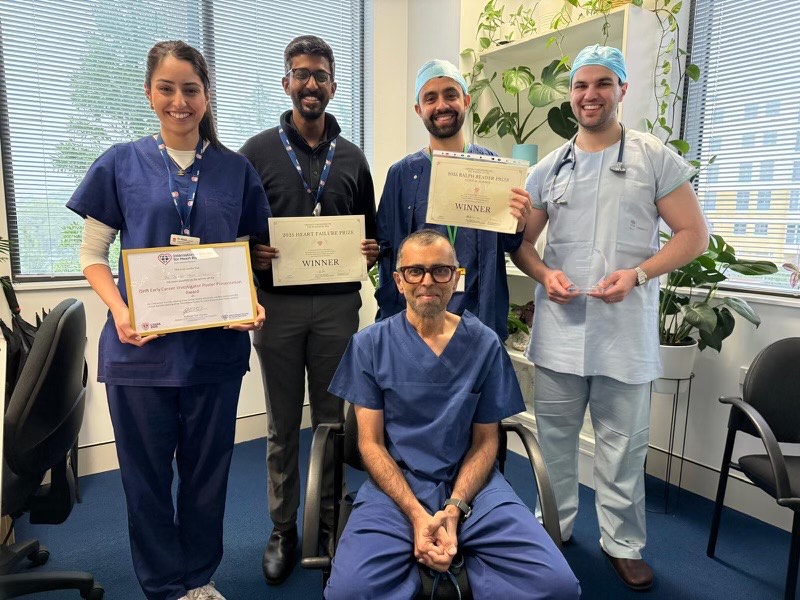
    Highlighting the talent and expertise at Royal North Shore Hospital and the Kolling Institute, a group of clinicians took out a collection of coveted awards at the Cardiac Society (CSANZ) scientific meeting.

    The most prestigious research award for young investigators across Australia and New Zealand was awarded to cardiologist Dr Karan Rao.

    He was presented with the Clinical Ralph Reader Prize for his valuable study of 200 TAVI patients, which used an implantable loop‑recorder to guide post‑procedural care and risk classification.

    Dr Hari Sritharan received the Heart Failure Prize for PREDICT‑TAVI, a machine‑learning model that improves individualised mortality prediction after TAVI.

    Dr Jonathan Ciofani was named Editorial Fellow of the Year for his leadership at Heart, Lung and Circulation, and Dr Neila Litkouhi won Best Research Poster for the DAY‑STAY TAVI study demonstrating the feasibility and safety of same‑day discharge for selected low‑risk patients after TAVI.

    Head of Cardiology at Royal North Shore Hospital Professor Ravinay Bhindi said it was encouraging to see the focus on this group of emerging research leaders.

    “As their research supervisor, I felt immense pride watching Karan, Hari, Jonathan and Neila receive well‑deserved recognition for their relentless dedication to cardiovascular research,” he said.

    “Their work blends rigorous data collection, machine-learning analytics as well as practical innovation. It is already reshaping clinical practice and promises to drive even greater advances in patient care.”

  • Kolling Institute Year in Review

    Kolling Institute Year in Review

    The Kolling Institute Year in Review profiles our impressive and unique teams, and the impact of their crucial research.

    Our investigators are driving world-leading research into some of the most significant health challenges, from heart and kidney disease, chronic pain and cancer, to musculoskeletal, neurological and age-related conditions.

    With a large share of our researchers named amongst the top two per cent in the world, the Kolling Institute continues to build on its research success.

    As you read through the Year in Review, we would like to extend our thanks to our dedicated researchers and the many wonderful donors who help us deliver real improvements to the care we receive.

    Click here to check it out:

NSWGOV logo