Blog

  • Researchers to join leading cancer care centres in exciting new trial

    Researchers to join leading cancer care centres in exciting new trial

    Researchers from the Kolling Institute and Royal North Shore Hospital will help drive a new project investigating a revolutionary approach to care for those with neuroendocrine tumours.

    Cancer specialists Professor Nick Pavlakis and Dr David Chan will join the AUS-NET trial after a funding announcement by Health Minister Greg Hunt.

    The study will assess whether a new patient-specific care model improves health outcomes and quality of life for patients with the rare neuroendocrine cancers.

    Around 500 patients from five centres across Australia are set to be involved in the clinical trial and Dr Chan said the local team is thrilled to have been chosen to participate.

    “This is a really important study which we hope will improve the experience of patients going forward and lead to a better model of care with additional resources,” he said.

    “The clinical trial will examine a multi-disciplinary, shared-care approach involving greater specialised support and follow-up.

    “Importantly, this tailored treatment could be adopted in both metropolitan and regional centres where access to specialised care is a significant challenge for patients with this uncommon and complex cancer.

    “We hope this new model could be broadly adopted with the support of clinicians, GPs and nurses.

    “Currently, some of our patients spend a large amount of time travelling hundreds of kilometres to receive the care, knowledge and advice they need. Patients requiring lutate treatment for instance, can only receive this care at Royal North Shore Hospital and one other site in New South Wales.

    “We expect this new approach will make a marked difference to their lives if they’re able to access comprehensive, tailored care close to home, and have confidence that they’re receiving the same care that they would in a larger, metropolitan centre.

    “Our research and clinical teams have helped to develop this care model and are looking forward to trialling this promising initiative.” 

  • Exciting study to investigate new treatment for acute myeloid leukaemia

    The Cancer Council NSW today announced funding for a new stem cell team at the Kolling Institute to examine a revolutionary approach to treatment for those with acute myeloid leukaemia.

    This aggressive form of blood cancer has a tragically poor survival rate, and while we have seen tremendous progress for many other types of cancer in recent years, there have been very limited improvements in treatment for this deadly form of blood cancer.

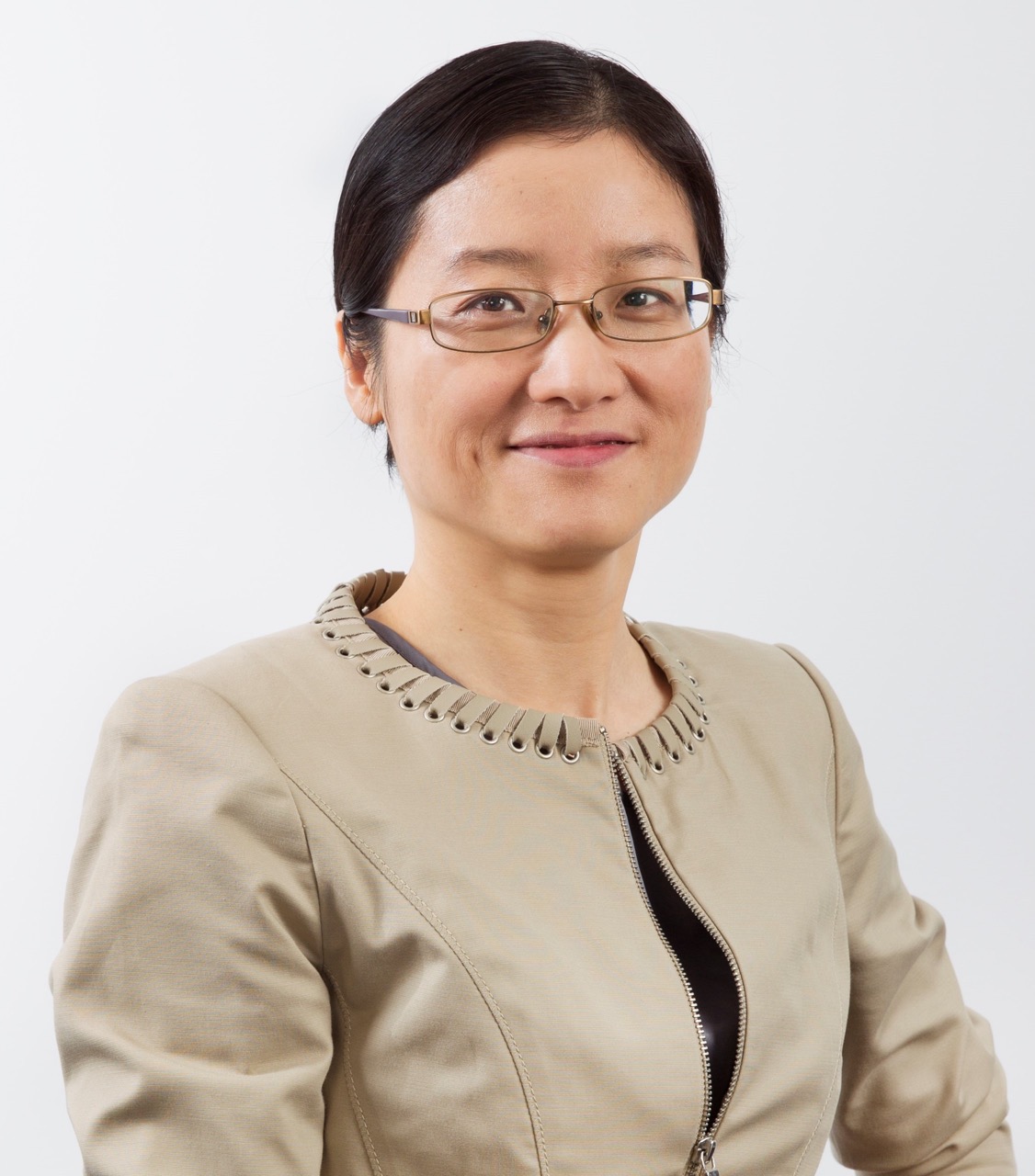
    Internationally respected researcher Dr Jenny Wang will lead the promising new study following the Cancer Council NSW grant of $450,000.

    “We are thrilled to have received this generous funding for our project which we hope will lead to an effective, new therapy for this complex cancer,” said the University of Sydney researcher.

    “Chemotherapy is currently the first-line treatment for acute myeloid leukaemia.

    “There are however, high rates of relapse as this form of cancer is protected by a rare group of cells known as leukaemic stem cells, which have the ability to lay dormant and evade chemotherapy. They then reactivate and renew themselves to drive fresh cancer growth.

    “My team and I recently uncovered a mechanism which is crucial to the survival of leukaemic stem cells. This mechanism is only found in leukaemic stem cells, not in normal human stem cells, making it a promising target for a new treatments.”

    In this project, Dr Wang and her team will investigate how leukaemic stem cells are able to survive and renew. The team will then develop a treatment strategy to inhibit this unique mechanism in clinically relevant experimental models.

    “We are very excited by this approach targeting leukaemic stem cells, as this potential new treatment could eradicate acute myeloid leukaemia at its root,” she said.

    “If our pre-clinical tests are successful, we hope to start clinical trials of this innovative approach in collaboration with clinicians and our longstanding industry partner.

    “Today’s funding announcement represents an important step towards a greater understanding of this complex cancer and promising new treatment options to improve outcomes for those with this form of blood cancer.”

    Dr Wang returned to Sydney in 2011 from Harvard Medical School where she undertook postdoctoral research in cancer and stem cell biology. She subsequently established an independent stem cell laboratory at Children’s Cancer Institute/UNSW in 2013, before her recent transition to the Kolling Institute.

  • Kolling teams driving world-leading research into arthritis care

    Kolling teams driving world-leading research into arthritis care

    A Centre for Research Excellence to improve care for inflammatory arthritis will be based at the Kolling following an exciting announcement by Health Minister Greg Hunt.

    The minister revealed the latest round of National Health and Medical Research Council funding, which will see $2.5 million invested in the centre and its related projects over the next five years.

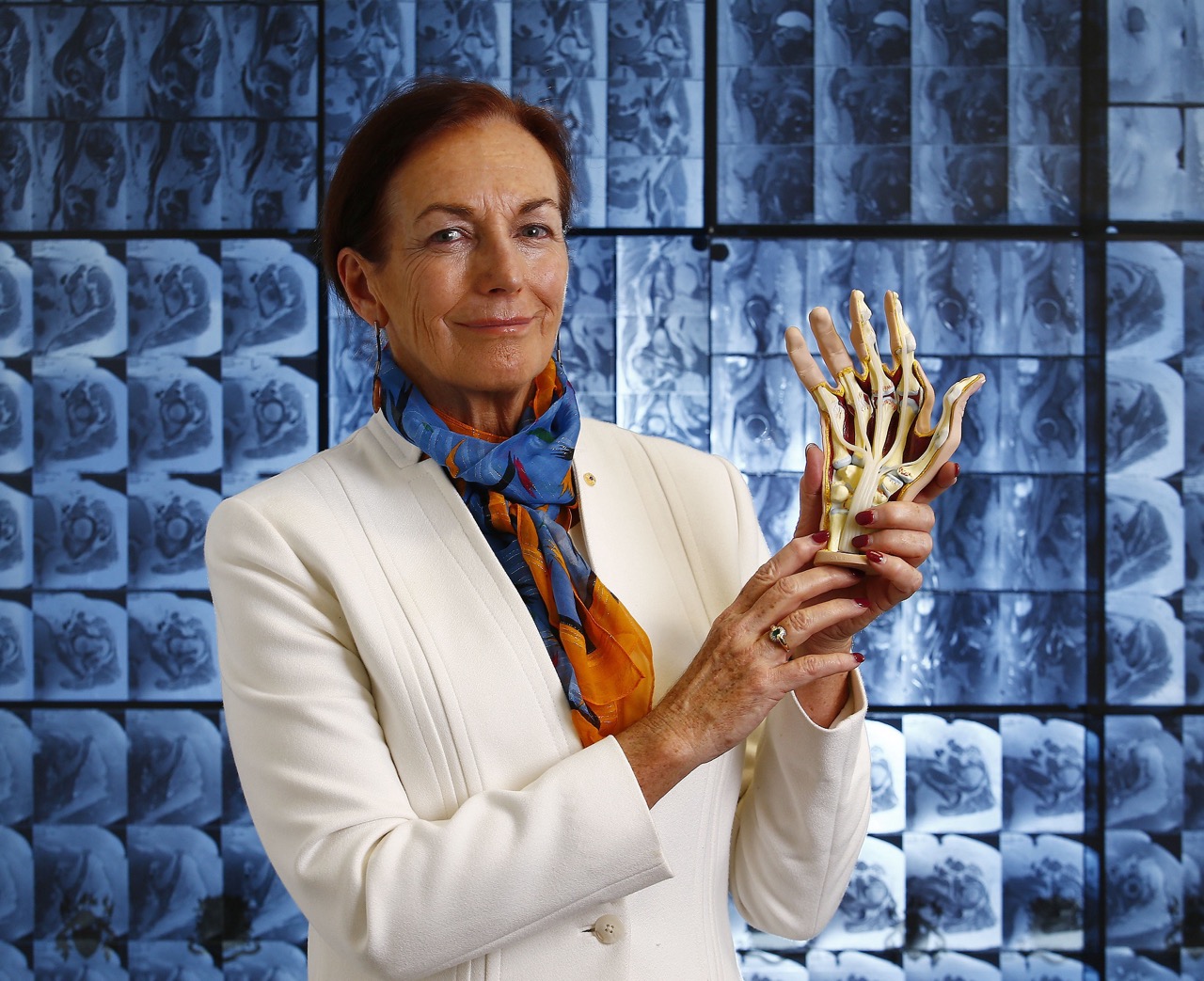
    Professor Lyn March will lead the research efforts, backed by a large team within the Kolling as well as leading national collaborators from universities across the country. Researchers from the A3BC, the Institute of Bone and Joint Research and the Sutton Arthritis Laboratory will have a key role.

    Professor March said the Centre for Research Excellence represents a tremendous achievement and follows many years of work developing a national registry and biospecimens collection to improve health outcomes for those living with inflammatory arthritis and autoimmune conditions.

    “We are delighted to launch this nationally significant program which aims to identify the best treatment pathways for men, women and children living with inflammatory arthritis. Importantly, we’ll be working to confirm the best options for symptom relief, with the least risk of side effects,” she said.

    “As the lead national site, we will be looking to expand our national registry and biospecimens collection and our rheumatology research community. This will put us in the best position to broaden our understanding of the complex condition and improve health outcomes through prevention, prediction and precision medicine. And to one day find a cure.”

    “I would like to congratulate and extend my thanks to the local team who has developed this wonderful initiative including Associate Professor Meilang Xue, Dr Craig Willers, Dr Marita Cross, Dr Tom Lynch, Dr Lara Bereza-Malcolm, Dr Rani Sinnathurai, Haiyan Lin, Helen Martin, Associate Professor Sean ONeill and Professor Chris Jackson.

    “A key part of our project will see us partner with leading cardiologist Professor Gemma Figtree and her research team to explore the links between inflammation, microbiome, the heart and the joints.”

    “This is an exciting opportunity for collaboration between two unique longitudinal collections combining patient outcomes with biospecimens, being led out of the Kolling Institute and Northern Sydney Health, the BioHEART and the A3BC (Australian Arthritis and Autoimmune Biobank Collaborative).”

  • Kolling researchers to lead national project for better back pain care

    Kolling researchers to lead national project for better back pain care

    Researchers from the Kolling Institute will strengthen their expertise in the management of low back pain following a significant funding announcement by the Federal Government.

    Health minister Greg Hunt revealed the latest round of National Health and Medical Research Investigator Grants, which will see $2.5 million directed to a five-year program of research led by Professor Manuela Ferreira to improve care for low back pain.

    Professor Ferreira has welcomed the funding to focus on a condition which causes more disability than any other health challenge.

    “I am really honoured to have been awarded a Leadership 1 NHMRC Investigator Grant. This will allow me to continue working towards improving knowledge and care of low back pain in Australia and overseas,” she said.

    “Nearly 570 million people in the world suffer from debilitating low back pain, while in Australia the condition affects a quarter of the population, and costs more than $8 billion a year in healthcare expenses and lost work opportunities.

    “We know that low back pain is often poorly managed, with many current treatments causing more harm than good.

    “Many people turn to common pain medications which offer limited relief, and have a high risk of adverse events.

    “When patients fail to improve, they tend to seek more complex treatments such as surgery, but this option is not always supported by scientific evidence.

    “We are seeing a fragmented and inefficient approach which delays access to the right care for low back pain and delivers treatments which are not backed by robust evidence.”

    This important program of research will work towards improving care by broadening knowledge around the efficacy and safety of the most common surgical procedures, and by developing innovative digital approaches to bring high value care to patients with low back pain.

    “Part of the project will involve designing and conducting clinical trials that include placebo surgery, while we will also assess the use of technology to support the uptake of evidence-based care.

    “Ultimately, we’ll be working to deliver an approach will offers the right care, to the right patient, at the right time, while truly making an impact on the leading cause of disability in our community.”

  • Kolling centre guiding gold standard rehabilitation care

    Kolling centre guiding gold standard rehabilitation care

    The John Walsh Centre for Rehabilitation Research has been awarded close to $10 million to help improve the lives of those living with injury-related disability.

    The funding has been granted by the state’s compensation agencies icare NSW and the State Insurance Regulatory Authority, continuing a 20 year research partnership.

    icare NSW Managing Director and CEO Richard Harding said the research was invaluable in supporting people with injuries.

    “Getting the right care and support for injured people is paramount. This investment will ensure NSW stays at the forefront of treatments and recovery pathways for severely-injured people,” he said.

    Chief Executive of the State Insurance Regulatory Authority Adam Dent said the ongoing investment will ensure this specialised research continues over the next five years.

    “The John Walsh Centre for Rehabilitation Research has played a key role providing evidence-based advice, and informing policy and legislative changes to make personal injury schemes in NSW sustainable and meet the needs of scheme claimants,” Mr Dent said.

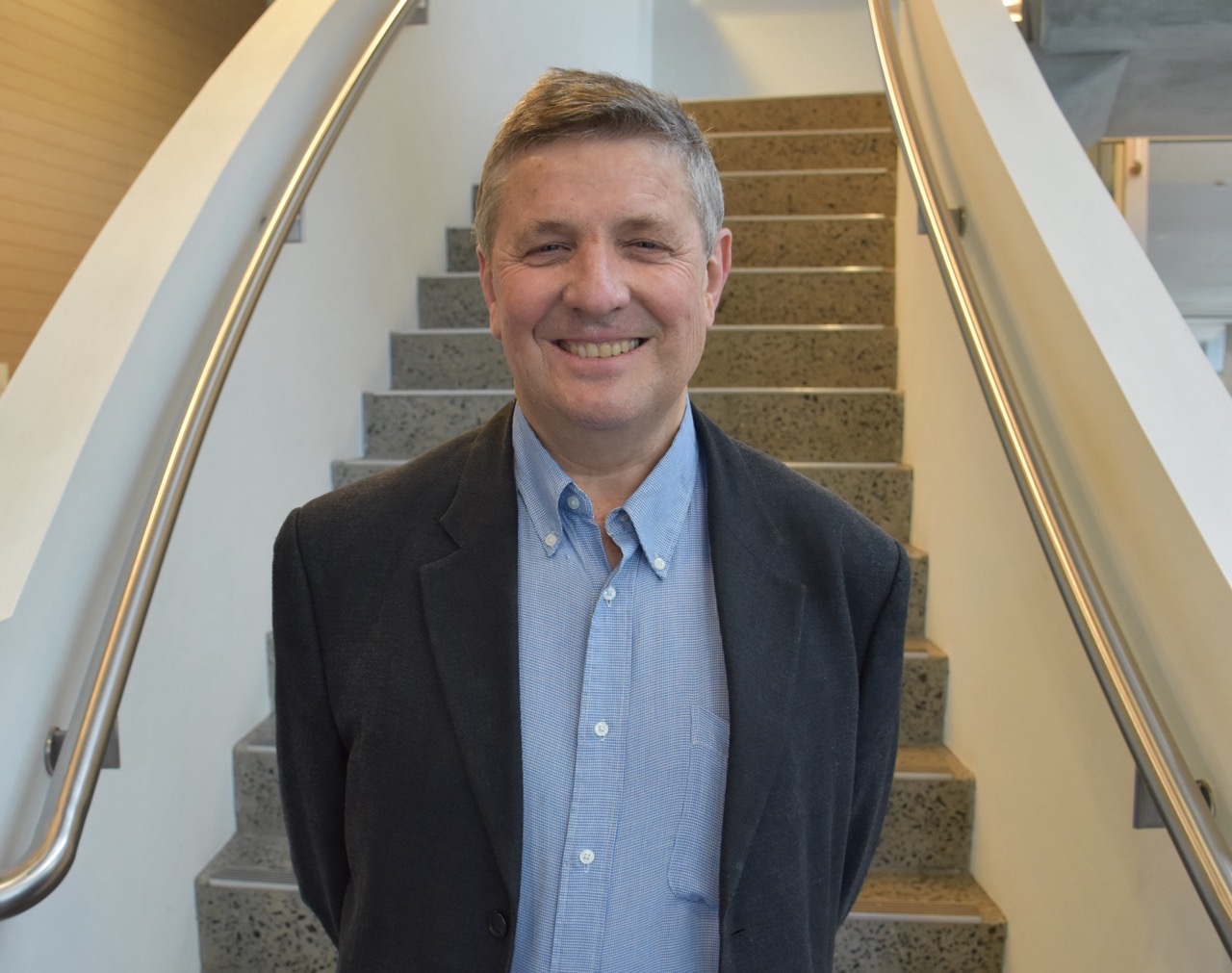
    Head of the centre Professor Ian Cameron has welcomed the substantial funding, saying it will allow them to expand their activities and increase the impact of their research.

    “While the emphasis of the funding is to support people injured in NSW workplaces and on NSW roads, the expanded work will directly impact on the health of people in the NSLHD who have experienced injury or illness causing disability,” he said.

    “Our research aims to improve rehabilitation services for people with severe injury, particularly traumatic brain injury and spinal cord injury, and also people with musculoskeletal and psychological injuries.

    “Our focus is on applying our research progress to clinical practice, so that we are directly improving the lives of people living with disabilities.

    “Importantly, a key part of our success will rely on our collaborations within the NSLHD and the Kolling Institute to broaden our research and educational activities.”

  • Australian first study to alleviate pain for those with spinal cord injuries

    Australian first study to alleviate pain for those with spinal cord injuries

    Researchers from the Kolling Institute will partner with international and Australian experts to examine an innovative approach to nerve pain for those with spinal cord injuries.

    The ground breaking study has been awarded more than $1.78 million through the Federal Government’s Medical Research Future Fund.

    Professors Ashley Craig, James Middleton and Paul Glare from the Kolling will join the study as chief investigators, with Associate Professor Sylvia Gustin from the University of NSW leading the trial.

    Professor Craig said the study will investigate the effectiveness of an advanced interactive intervention to reduce nerve pain and improve function.

    “We often regard loss of mobility as the most serious impact of a spinal cord injury, but we have found people with this injury consistently indicate nerve pain is their most difficult and debilitating challenge,” he said.

    “We know that nerve pain affects up to 75 per cent of people with a spinal cord injury, and they describe the pain as burning, sharp, unbearable, unremitting and terrifying. Such pain is often linked with serious depression.

    “Current treatments often involve the use of antidepressants, anti-epileptics and opioids, but these medications provide limited pain relief to around 30 per cent of people and have a host of adverse side-effects related to addiction and kidney failure.

    “This means a large number of people with a spinal cord injury continue to experience debilitating pain with no access to effective treatment options.”

    The five-year study will assess a new approach using an interactive gaming technology to reduce pain by helping to rectify the negative impact of the spinal cord injury on brain activity.

    Spinal cord injuries generally reduce the frequency of brain activity, so this highly-specialised game has been designed to encourage high frequency activity and beneficial changes to the brain.

    Professor Craig welcomed the opportunity to be involved in the promising, collaborative trial.

    “Around 200 people a year suffer a spinal cord injury in NSW, and while that number may not seem large, these catastrophic injuries have a tremendous impact on individuals and their families,” he said.

    “If we’re able to effectively reduce their nerve pain without major side effects, it’ll have an immeasurable impact on their health, their ability to work and function, and specifically their mental health as well.”

    The trial will bring together researchers from the Kolling as well as the University of Sydney, University of NSW, University of Technology and the University of Washington.

  • Research to inform new guidelines on the safe use of medicines

    Research to inform new guidelines on the safe use of medicines

    Two Royal North Shore Hospital clinician researchers will play a key role in a national research project to improve the use of medications across the community.

    Head of the Department of Clinical Pharmacology and Kolling researcher Professor Sarah Hilmer and Head of the Department of General Practice Associate Professor Fiona Robinson will help drive the project which has been awarded more than $2.4 million.

    The funds have been provided through the Federal Government’s Medical Research Future Fund to tackle the global challenge of medication safety.

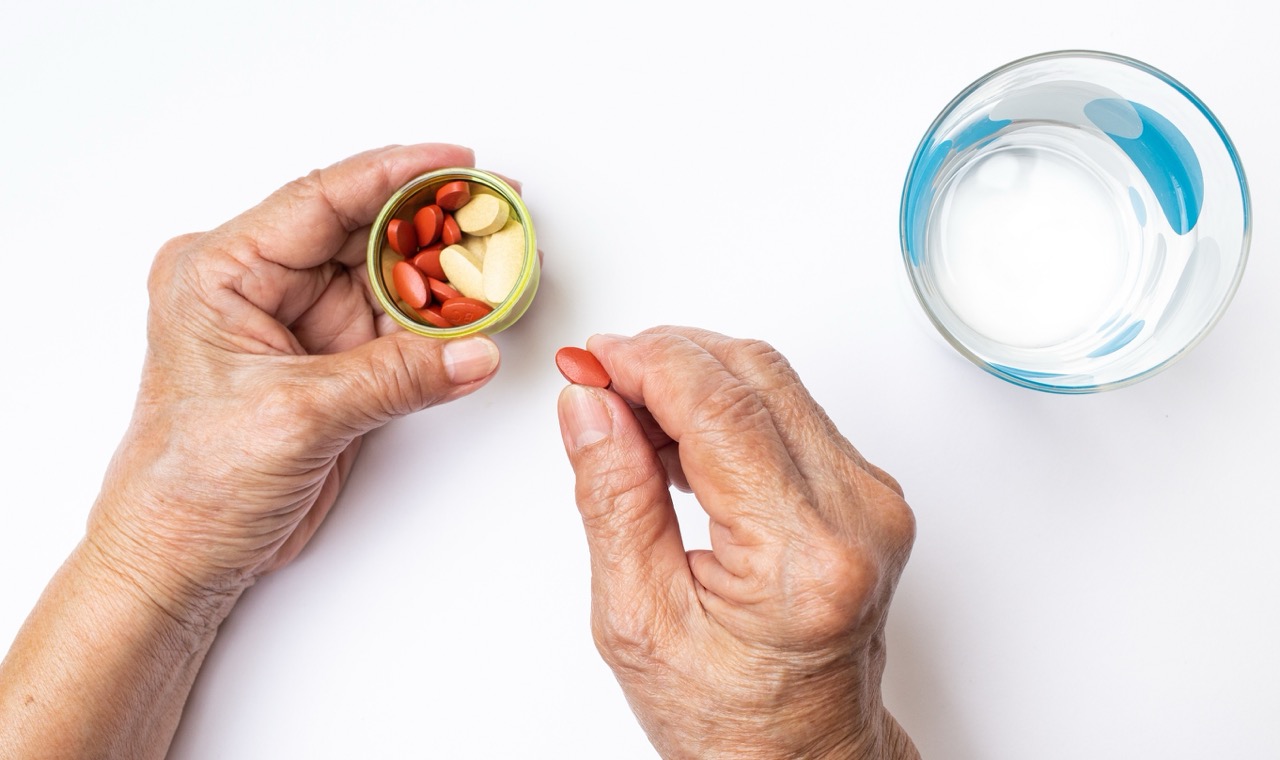
    Professor Hilmer said the project aims to improve the use of medicines by applying systems developed in our hospitals to the wider community.

    “As the chair of the RNSH/Ryde Drug and Therapeutics Committee and the NSW Therapeutic Advisory Group, I look forward to guiding the establishment of multidisciplinary committees for medication management outside the hospital. This will build on the progress we’ve made in our hospitals,” she said.

    The project will support pharmacists and medical practitioners to work together to assist patients at risk of medication harm as they transition from hospital to home.

    “The study will provide an opportunity at Royal North Shore and other hospitals, to actively identify patients who are at high risk of medication related harm. We will then refer these people for a comprehensive medication review after discharge.

    “We expect that this integrated approach will reduce re-admissions to hospital and improve the quality of life for our patients.”

    Associate Professor Robinson, who represents primary health care on the RNSH/Ryde Drug and Therapeutics Committee, has welcomed the chance to be involved in this research.

    ‘Medication management is an increasingly complex issue. This exciting project will have significant benefits for patient safety, through improved integration of information between primary and secondary care, enhanced system support, and better communication around hospital discharge medication management,” she said.

    “Importantly, all these factors will lead to improved patient care and outcomes.”

  • International knee transplant study to inform future care

    International knee transplant study to inform future care

    New funding announced by the Federal Government will see researchers from the Kolling Institute and the University of Sydney drive an international study to determine the best treatment for those with knee cartilage damage.

    More than $1 million dollars has been awarded through a collaborative research grant scheme involving Australia’s National Health and Medical Research Council and the National Institute for Health Research in the United Kingdom.

    Professor Manuela Ferreira from the University of Sydney’s Faculty of Medicine and Health and the Kolling Institute welcomed the announcement, saying the project will compare the outcomes of two approaches to rehabilitation and pain relief for people who have had their meniscus cartilage removed from their knee.

    The five-year study will determine the clinical and cost effectiveness of meniscus transplant surgery compared with non-surgical treatment of exercise and physiotherapy.

    Professor Manuela Ferreira said there is a significant need for this research with meniscal damage one of the most common knee injuries, affecting a large share of the community.

    “Degenerative meniscal damage is more common in the older population while acute traumatic tears predominantly occur in the younger population due to sporting injuries,” she said.

    “Regardless of how the damage is caused, it can lead to symptoms such as pain, stiffness and locking of the knee which can be debilitating.

    “The current treatments are determined by the extent of the damage. A small tear to the

    meniscus can be repaired with surgery, but generally the damage requires partial or total removal of the meniscus with a meniscectomy.

    “These treatments are often effective at relieving the symptoms of meniscal damage, but they leave the patient with a meniscal deficiency which will often lead to further knee damage, such as osteoarthritis.”

    There is increasing evidence demonstrating the effectiveness of meniscus transplant surgery, known as a meniscal allograft transplant, where a donor meniscus is inserted into the knee to reduce pain and improve function.

    The technique is currently being performed at some centres in Australia and the United Kingdom, yet there are few randomised trials or large scale studies supporting the use of the procedure.

    “Our study will comprehensively examine the clinical and cost-effectiveness of the technique, providing robust data to inform clinical practice and establish the best treatment strategy,” Professor Ferreira said.

    “If the meniscus transplant surgery proves effective, it may reduce pain and improve quality of life for many people.

    “However, if it is not clinically or cost effective, the results will halt the widespread use of an expensive intervention.

    “The study also represents an excellent opportunity to work with collaborators from the United Kingdom to tackle a shared health challenge.

    “The project will bring researchers from our two countries together to solve an important health issue and improve health outcomes across both countries.”

    More than 140 participants are set to be involved across the two sites in Australia and the UK.

  • Researchers to identify safer and more effective treatment pathways for rheumatoid and psoriatic arthritis

    Researchers to identify safer and more effective treatment pathways for rheumatoid and psoriatic arthritis

    Kolling researcher Professor Lyn March will lead a large, collaborative national trial to improve treatments and outcomes for those with disabling rheumatoid and psoriatic arthritis.

    Federal Government MRFF funding will see more than $2.7 million invested in the project which will involve 400 participants across the country.

    Professor March, who is also the head of the Department of Rheumatology at Royal North Shore Hospital, has welcomed the funding saying there’s a need for more robust evidence around existing treatment approaches.

    “Rheumatoid and psoriatic arthritis are autoimmune musculoskeletal diseases that can cause severe pain, joint destruction, disability and early death,” Professor March said.

    “Sadly there is no cure and while some people are able to achieve drug-free remission, the diseases often reoccur.”

    Existing treatments include the biologic disease modifying antirheumatic drugs, which suppress the overactive immune system. These medications have successfully improved people’s quality of life, but they come with risks of significant side effects, including serious infections.

    “Ideally, we would like to bring people off these medications when their symptoms subside, but there are no clear guidelines around the best time to do that, or how these therapies can be reduced and stopped,” she said.

    “Our study will aim to identify the optimal medication approaches towards achieving and maintaining drug free remission in as many patients as possible. Importantly, we’ll be looking to confirm the safest, most effective and most economical treatment strategies.”

    Professor March said this is an important national trial which will involve prominent rheumatology clinician researchers, leading scientists, economists and post-doctoral researchers from universities and hospitals across Australia.

    “We will also partner with the Australia and New Zealand Musculoskeletal Clinical Trials Network, the national Australian Arthritis and Autoimmune Biobank Collaborative (A3BC) registry/biobank network, and leading professional and consumer bodies.”

    “Importantly, the national infrastructure of the A3BC will allow us to generate new knowledge on rheumatoid and psoriatic arthritis through the trial and also optimise the Government’s return on investment by following participants long-term as a clinical registry/biobank cohort.”

    “The trial represents a wonderful collaborative opportunity to assist those with rheumatoid and psoriatic arthritis manage their condition in the safest and most effective way. This will deliver long term health and economic benefits to individuals and the broader community.”

    The trial will be open to any Australian adult living with rheumatoid and psoriatic arthritis, providing they meet the criteria and have the disease well-controlled with a biologic medication.

    Recruitment is anticipated to begin later this year.

  • High tech project offers hope for Parkinson’s treatment

    High tech project offers hope for Parkinson’s treatment

    Kolling researchers are set to lead a ground-breaking project to identify new drug therapies for those with Parkinson’s disease.

    The project has been made possible following Federal Government funding through the National Drug Discovery Centre.

    Senior Kolling researcher Dr Daniel Whiten has welcomed the announcement, saying the funding will help our team translate our scientific progress into an effective treatment for Parkinson’s disease patients.

    “Parkinson’s disease affects approximately one per cent of the population over 65, leading to a continual loss of neurons in the brain, and loss of function,” he said.

    “Currently, we are unable to slow or stop this process with medication, but we have identified a new pathway to restore cellular function in the brain, and this project will help us identify the compounds which can activate this pathway and reduce the impact of Parkinson’s disease.

    “The funding means we will now have access to highly specialised robotic screening at the Walter and Eliza Hall Institute, allowing us to test several hundred thousand compounds in a relatively short amount of time.

    “This approach will give us the best chance of identifying the most effective compounds for new drug therapies.

    “I’m looking forward to working with Professor Carolyn Sue, Dr Gautam Wali and Professor Michael Kassiou from the University of Sydney on this exciting project.

    “It is an important step in the development of new treatments for Parkinson’s disease and highlights the translational strength of the Kolling, where we are able to directly transfer our breakthroughs in research into better treatment options for patients and ultimately better health outcomes.”

    Professor Sue said the project was a wonderful opportunity to work collaboratively with the National Drug Discovery Centre team at the Walter and Eliza Hall Institute.

    “This is a tremendously exciting project as it’s investigating new ways to treat Parkinson’s disease,” she said.

    “Currently, all treatments are aimed at reducing the symptoms of the condition. This project however, will look to halt the symptoms and reduce the progression of the disease.”

    The large scale screening campaign will be carried out over the coming months.

NSWGOV logo