Blog

  • International recognition for remarkable Kolling researcher

    International recognition for remarkable Kolling researcher

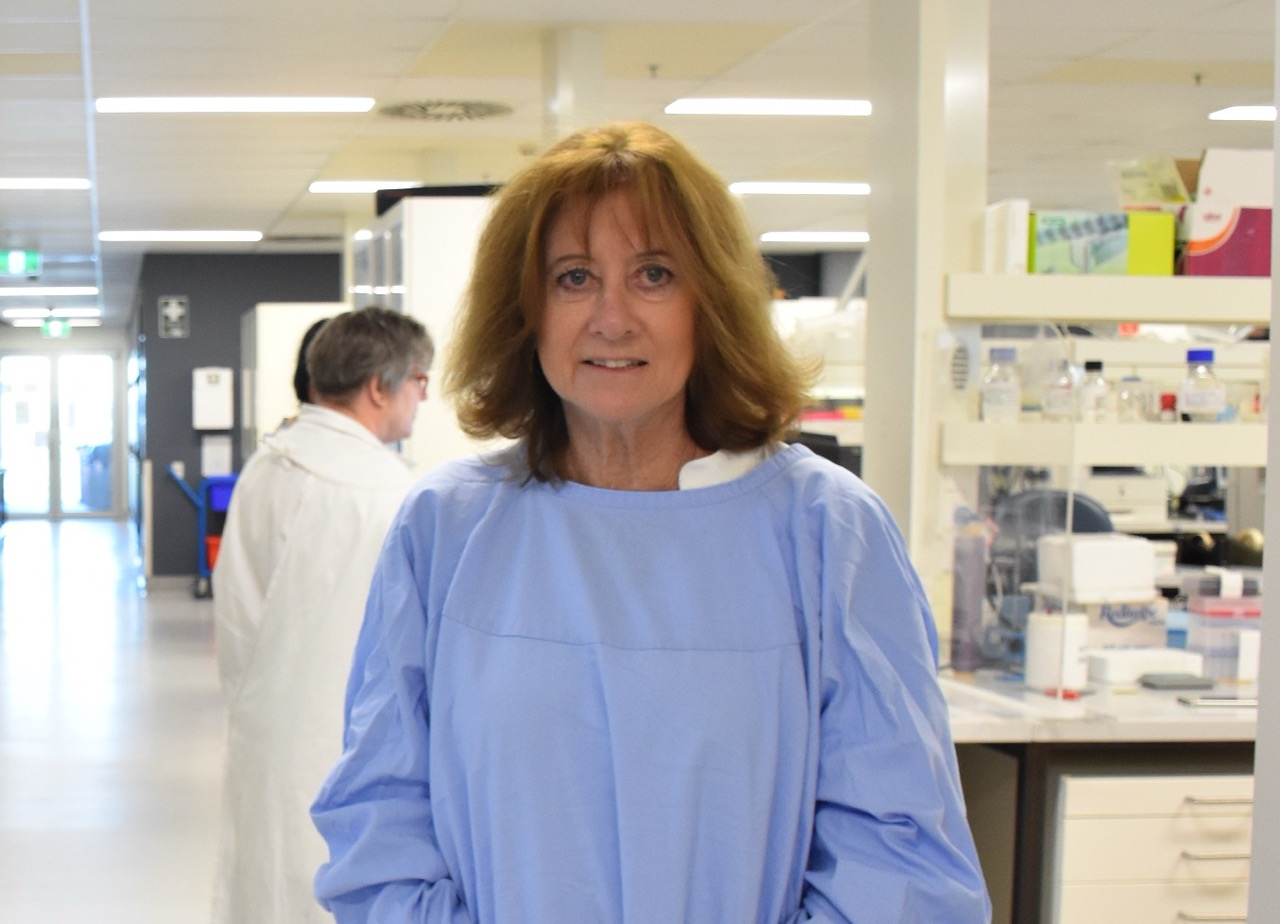
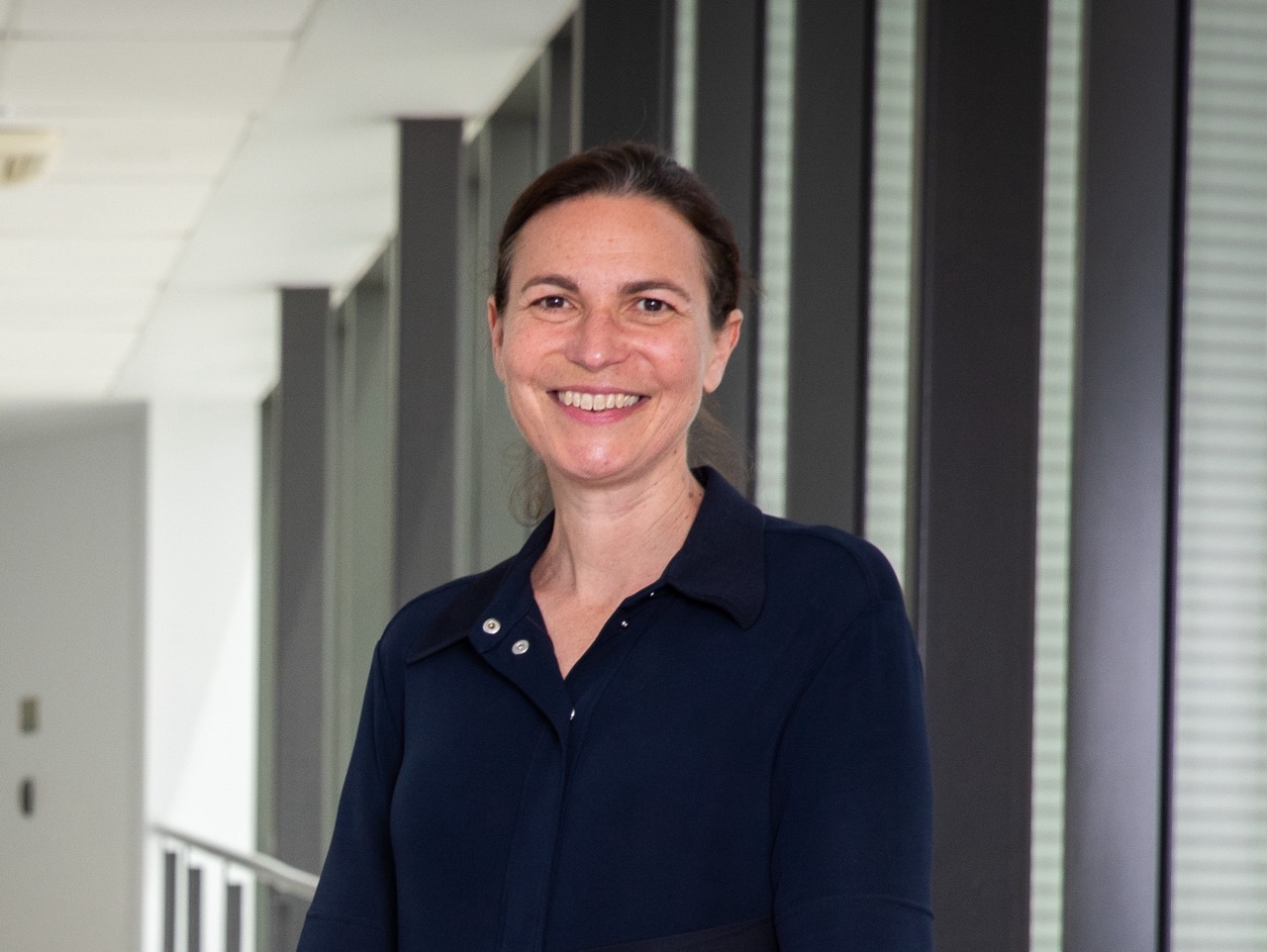
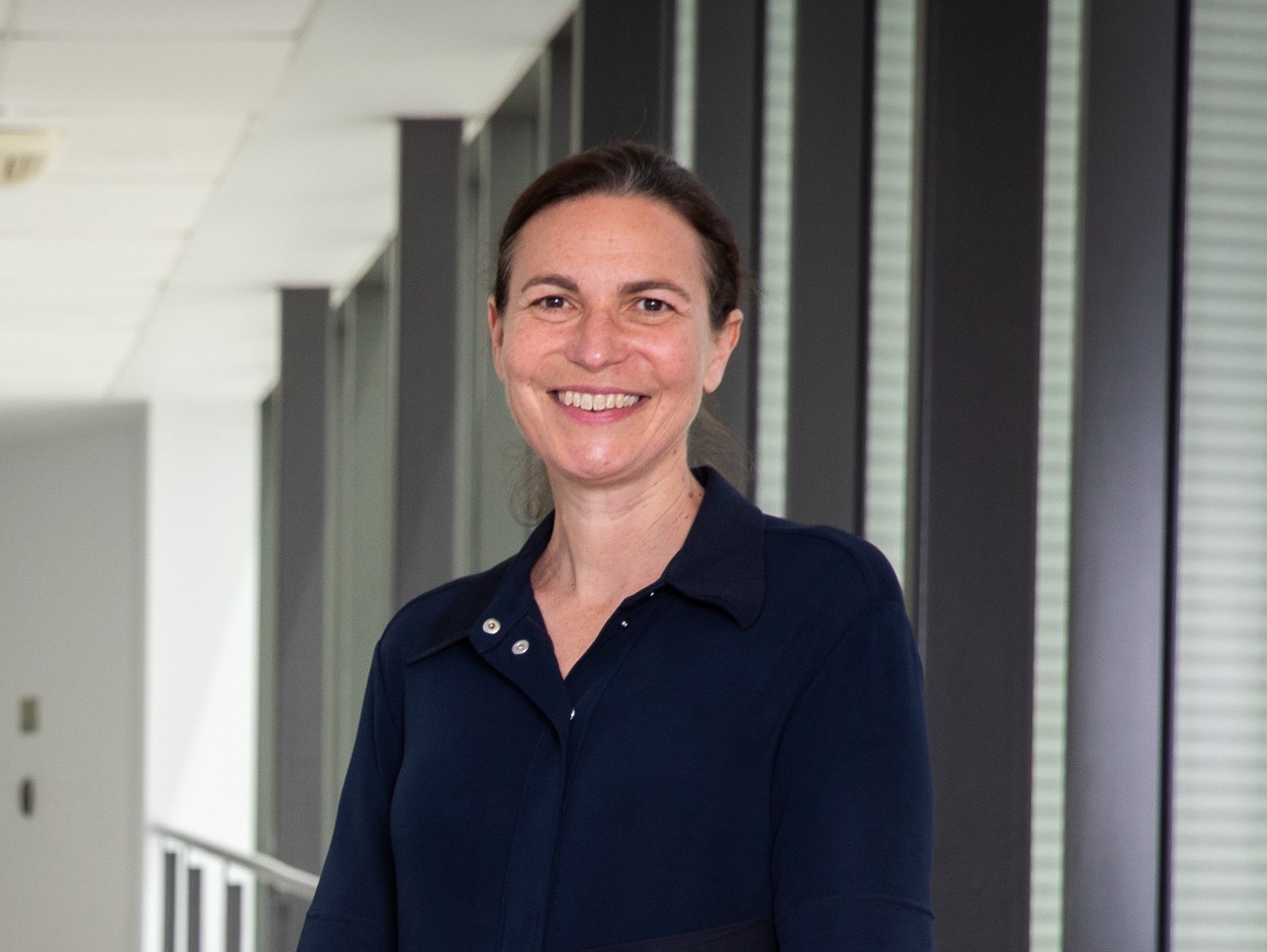
    We would like to congratulate Professor Carol Pollock who has received a highly prestigious award for her extraordinary commitment to research.

    The International Society of Nephrology has announced Professor Pollock is the 2023 recipient of the Alfred Newton Richards award for outstanding research in the field of nephrology.

    Carol has welcomed the news.

    “I am extremely honoured to be recognised by the ISN for the research my team and I have done over many years,” she said.

    “Prior recipients of the Alfred Newton Richards Award are exceptional and I am proud to be included in this relatively small group of nephrology researchers internationally.”

    As a renal medicine specialist and internationally respected academic, Professor Pollock has had a remarkable career as a clinician, researcher, lecturer, mentor and advocate.

    Carol has published over 440 papers in clinical medicine and basic science. She has over 32,000 citations and is an inaugural Fellow of the Australian Academy of Health and Medical Sciences.

    Carol has had an extensive range of health leadership roles, and is currently the Chair of Kidney Health Australia, Chair of the NSW Bureau of Health Information and Deputy Chair of the Australian Organ, Tissue and Transplant Authority. She was chair of the NSLHD Board from 2010-2016.

    Carol is on several industry boards and is an ambassador of Business Events Sydney.

    Her dedication to her clinical and research endeavours have been recognised with many accolades, including a ministerial award for excellence in cardiovascular research and a Vice Chancellors award for research supervision from the University of Sydney.

    In 2021, Carol received the Haiyan Wang Award which recognises individuals who have made substantial contributions to the clinical or translational science and development of nephrology service and education in the Asia Pacific Region.

    In that year, Carol was also appointed an officer of the Order of Australia (AO) for her distinguished service to medical research, education and science, nephrology and clinical practice. 

  • Recognition for our up and coming stars

    Recognition for our up and coming stars

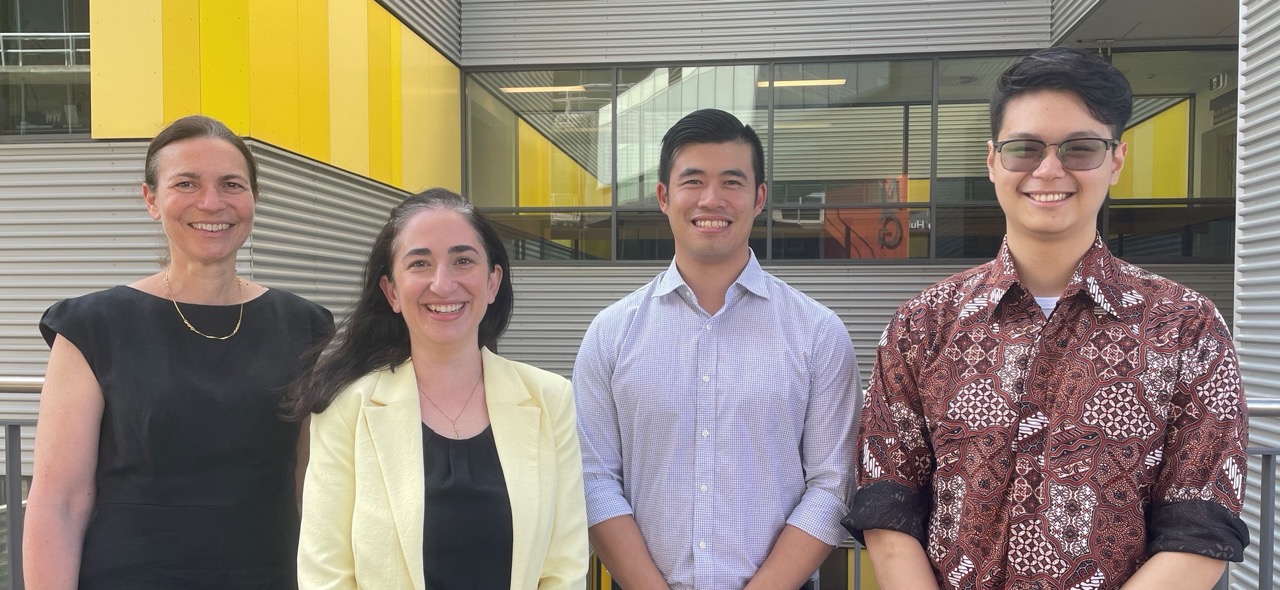
    Several high profile awards are highlighting the emerging talent within the Kolling’s Laboratory of Ageing and Pharmacology.

    Led by Professor Sarah Hilmer, the team is driving research to improve the quality use of medicines particularly by older adults.

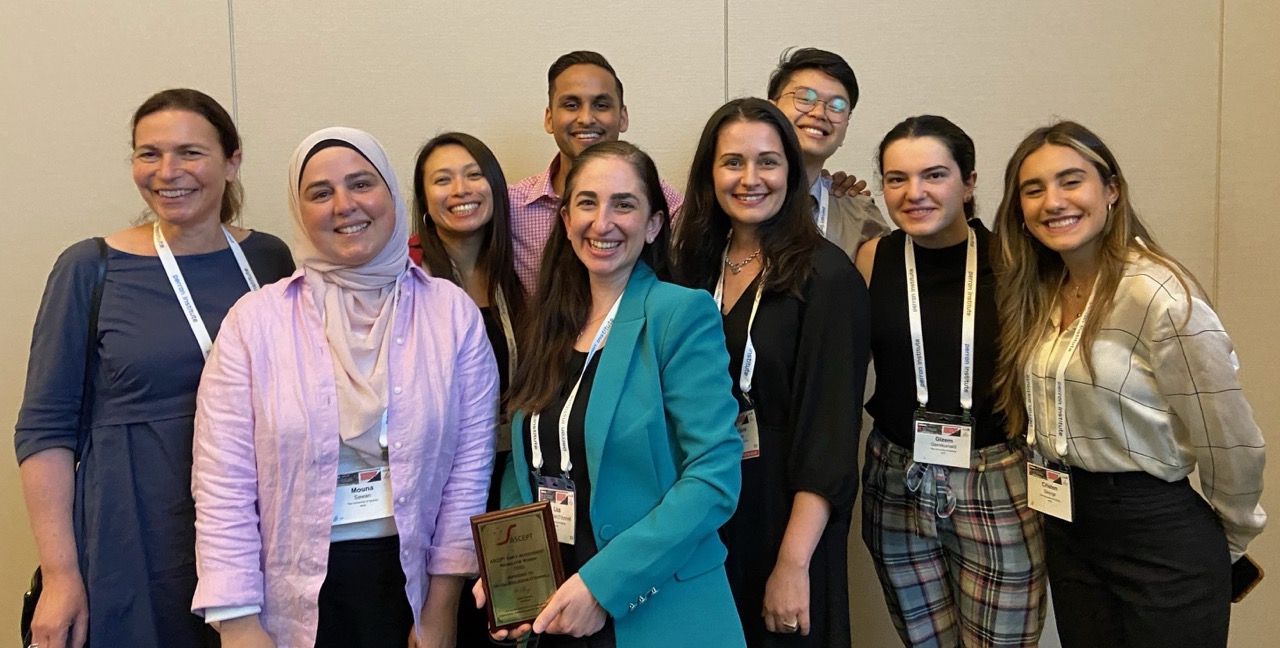
    Two prestigious awards were presented to researchers at a national event in Perth showcasing new investigators in clinical and experimental pharmacology and toxicology.

    Dr John Mach received the ASCEPT Early Career Investigator Award while Dr Lisa Kouladjian O’Donnell received the Early Achievement in Women Award. Both these awards are significant given the large and competitive field vying for the recognition.

    In a further sign of the developing strength within the team, honours student Kevin Winardi was awarded the University Medal.

    His outstanding honours and undergraduate performances helped secure the prestigious medal.

    Professor Hilmer said Kevin is not only an impressive student, but also generously helped out in our lab through periods where we had staff shortages.

    “I am tremendously proud of John, Lisa and Kevin for their remarkable commitment to their work and the tangible impact of their research success,” she said.

    The team is developing digital health interventions to identify high risk medicines.

    Further information about the program to ensure the safe use of medications is available at https://gmedss.com

  • Kolling researchers receive Australia Day honours

    Kolling researchers receive Australia Day honours

    Two of our outstanding Kolling Institute researchers have been recognised in this year’s Australia Day honours roll.

    Professor Sue Kurrle has been appointed an Officer of the Order of Australia (AO) for distinguished service to medicine as a geriatrician, and to research into dementia and cognitive decline.

    Sue works at Hornsby Ku-ring-gai and Batemans Bay Hospitals, specialising in dementia, frailty and falls. She is a key part of the Emmy-award winning documentary series ‘Old People’s Home for 4 Year Olds’.

    Sue is thrilled to receive the award.

    “I am still having trouble believing it,” she said.

    “I am very chuffed, and my hope is that it will help raise the profile of geriatric medicine and dementia, as we have a lot of work to do in this area.”

    Sue is also the Clinical Director for the NSLHD Rehabilitation and Aged Care Network, and co-chair of the NSLHD Clinical and Quality Council. Sue holds the Curran Chair in Health Care of Older People at the University of Sydney.

    “Over the past 30 years, all my research has been driven by problems seen in my clinical practice. This has included elder abuse, falls and hip fracture, frailty, and cognitive decline and dementia.

    “I’m also very interested in successful ageing, and work with councils and community groups to raise awareness in this area.

    “I’m currently involved in research in the areas of dementia and frailty, and have also been working with colleagues in Vietnam on their National Dementia Strategy.”

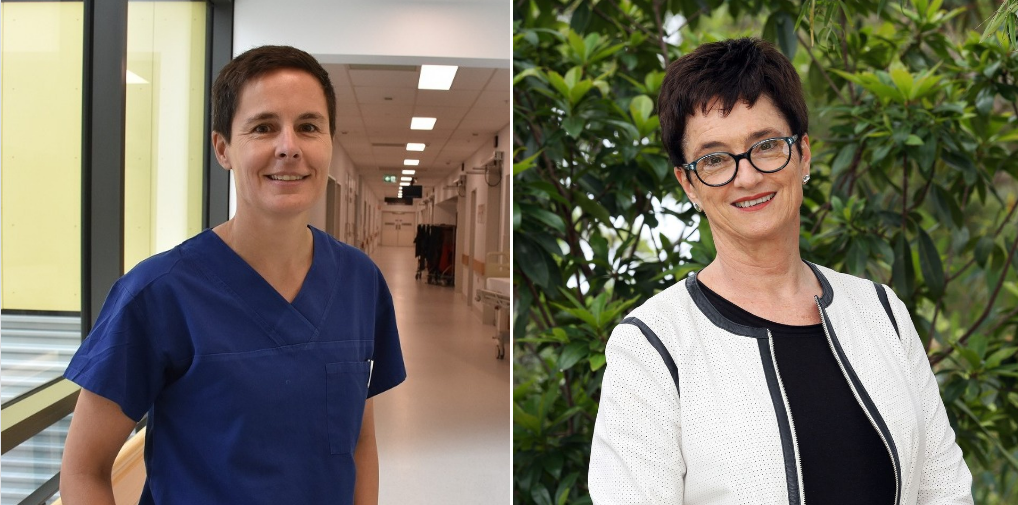
    RNSH interventional cardiologist and Kolling Institute researcher Professor Gemma Figtree has been appointed a Member of the Order of Australia (AM) for her significant service to medicine.

    As one of Australia’s most high-profile women in cardiology, Gemma is a Professor in Medicine at the University of Sydney, chair of the Federal Government’s 10-year Mission for Cardiovascular Health and co-leader of the Cardiovascular Theme for Sydney Health Partners.

    Gemma has dedicated her career to identifying the key mechanisms driving heart attack susceptibility. She combines her clinical work as an interventional cardiologist with lab research, involving large studies and clinical trials.

    Gemma said she was surprised by the news, but excited the prestigious award was raising awareness of the achievements of the cardiovascular research community in Australia.

    “I’m honoured to receive this award. I see it as an acknowledgement of how vital cardiovascular research is and the contribution that it makes to Australian lives.

    “There has been a sense of apathy around heart disease, with common perception that it’s all solved or understood, and that individuals who suffer events have somehow treated themselves badly. This is not the case.”

    “Cardiovascular disease is still Australia’s biggest killer. This is not an inevitable situation and Australian researchers can lead the way over the next 10 years to unravel answers to the significant variation in individual susceptibility to heart disease and stroke and improve personalised preventative strategies.”

    Gemma also thanked her family for their continued support, particularly after her diagnosis and treatment for breast cancer last year.

    “I owe a massive thank you to my family. I couldn’t do any of this without their support, especially during my treatment and recovery.” 

  • New funding to help drive vital research into heart disease

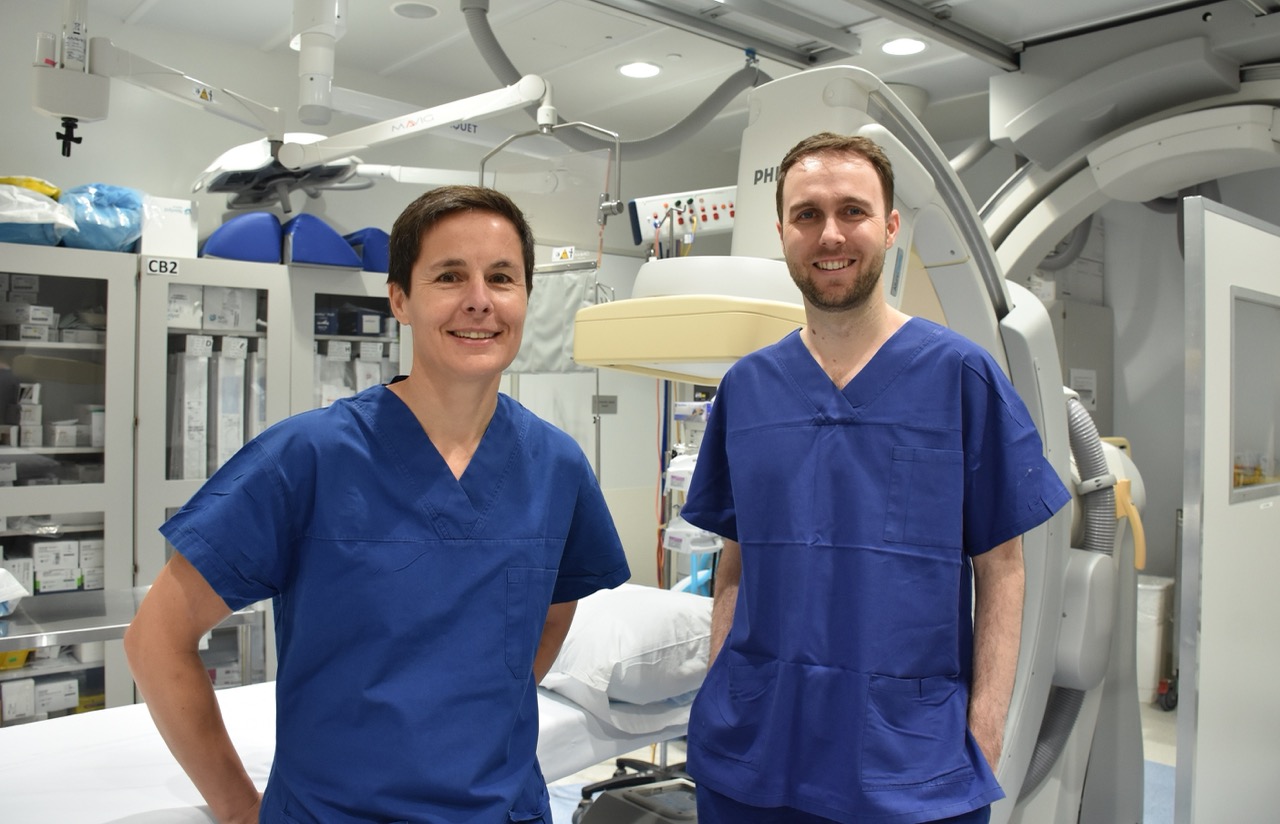
    Congratulations to Kolling Institute researcher and Royal North Shore Hospital cardiologist Dr Steve Vernon who’s been awarded a highly sought-after postdoctoral fellowship by the Heart Foundation.

    The fellowship is designed to support talented early career researchers and emerging leaders.

    Dr Vernon has welcomed the award.

    “I am delighted to receive this postdoctoral funding from the Heart Foundation as it will allow me to expand upon the work I completed during my PhD studies at the Kolling Institute and the University of Sydney.”

    Dr Vernon is a clinician researcher working to identify new risk factors and blood markers of early heart disease to help improve risk prediction and prevent heart attacks.

    The Heart Foundation fellowship will allow Dr Vernon to continue his work with the BioHEART study, which is using advanced imaging, risk factor and blood marker assessments to identify new signs of heart disease.

    This will be particularly important for people who are susceptible to heart disease, without the traditional risk factors.

    Dr Vernon will also be working on a study using a new genetic risk score, incorporating thousands of genetic markers, to identify people at risk of heart disease.

    This study will focus on designing a new pathway using the genetic risk score for people who are found to have a low or intermediate risk after a traditional heart health check.

    Currently, this group is offered counselling to modify their lifestyle, but they’re not offered medications to reduce their risk of heart disease.

    It’s estimated up to 20 per cent of this group may be at high risk of developing coronary artery disease in their lifetime based on their genetic risk.

    Dr Vernon plans to use the genetic risk score to identify patients at increased risk so that further investigations can be carried out using a CT scan coronary artery calcium score.

    This research has the potential to identify a group of people who will benefit from more proactive prevention strategies including targeted medications.

    “In my clinical practice as an Interventional Cardiologist, patients diagnosed with life-threatening heart attacks or unexpected cardiovascular disease commonly ask ‘why me?’

    “Inspired by my patients, this program of research aims to broaden our knowledge base to answer this question, but more importantly, it has the potential to identify people at risk well before they develop symptomatic heart disease so that we can implement effective preventative therapies.”

  • Kolling researcher recognised on the international stage

    Kolling researcher recognised on the international stage

    Congratulations to research fellow Dr Lisa Kouladjian O’Donnell who has received a prestigious award for her contribution to pharmacology.

    Lisa was presented with the ASCEPT Early Achievement Award for Women during the annual meeting of the Australasian Society of Clinical and Experimental Pharmacologists and Toxicologists.

    This year’s event was held in Perth in collaboration with the Australasian Pharmaceutical Sciences Association. For the first time in three years, it attracted clinicians and researchers from across the globe.

    Lisa’s award is a highly coveted accolade – designed to recognise significant achievement in research in pharmacology or toxicology. It was established to foster gender equality across the field and in future leadership roles.

    The University of Sydney’s Emeritus Professor Graham Johnston and Associate Professor Tina Hinton were instrumental is establishing the award, convinced of the need to achieve greater gender equity in pharmacology.

    Lisa has welcomed the special award, saying it is a tremendous honour.

    “I’m very humbled to receive this award. I’m supported by many women in pharmacology and receiving this award also recognises their achievements.”

    As part of the Kolling Institute’s Laboratory of Ageing and Pharmacology, Lisa drives research to improve the quality use of medicines in older adults. She specifically helps develop digital health interventions to identify high risk medicines.

    Her main project involves the development and implementation of the Goal-directed Medication review Electronic Decision Support System known as G-MEDSS.

    Further information about this system to ensure the safe use of medications is available at https://gmedss.com

  • Outstanding career recognised with national accolade

    Outstanding career recognised with national accolade

    We would like to congratulate Kolling Institute researcher Professor Sarah Hilmer who has been elected a Fellow of the prestigious Australian Academy of Health and Medical Sciences.

    Professor Hilmer is part of a select group of researchers who have been admitted to the academy, which works to advance health and medical research across Australia. She has joined the highly-respected organisation in recognition of her important contribution to healthcare and research.

    Sarah has welcomed the election, saying it was not expected.

    “I was surprised and honoured to be elected a fellow of the Australian Academy of Health and Medical Sciences,” she said.

    “I have great respect for the work of many of the current fellows and I look forward to contributing to the activities of the academy, particularly supporting younger researchers.

    “Mentorship for health and medical researchers is a priority for me in my roles at RNSH, the University of Sydney and the Kolling, as well as through the Sydney Health Partners Geriatric Medicine Clinical Academic Group.”

    Sarah has worked as the Head of Clinical Pharmacology and as a geriatrician at Royal North Shore Hospital since 2005. Her research and clinical expertise is respected both nationally and internationally.

    Sarah leads a research program in ageing and pharmacology at the Kolling Institute and has contributed widely to the management of medication. Her research focuses on understanding and optimising medication use and improving outcomes in older people, particularly those living with multiple conditions.

    Sarah has developed the Drug Burden Index, a tool to measure the overall risk of a person’s medicines to their physical and cognitive function. This tool is being used widely across the Northern Sydney and Central Coast local health districts.

    Sarah said she has been tremendously fortunate to have worked across clinical practice, research and policy, and to have worked with a wonderful network of mentors, colleagues and mentees.

    “I am particularly glad that I have helped train clinicians and researchers with backgrounds in medicine, pharmacy, nursing and basic science in geriatric pharmacology, who can help build this emerging field.”

  • Funding paves the way for crucial new research programs

    Funding paves the way for crucial new research programs

    A large collection of research projects will get underway at Royal North Shore Hospital following generous funding through the Ramsay Research Grants Program.

    The scheme has directed more than $10 million to research on the campus over the last 19 years.

    This year over $700,000 is being invested in a total of 14 innovative studies, all aimed at improving our research impact and the care delivered to our community.

    A diverse range of projects have received backing, including studies investigating cancer treatment, renal transplant care and the link between cardiovascular disease and sleep apnoea.

    Researchers will also examine new techniques to reduce pain, biomarkers for MS and programs to help clinicians identify and care for those with Fetal Alcohol Spectrum Disorder.

    One of the studies will investigate support for adolescents with diabetes as they transition from paediatric to adult services.

    Study lead Dr Shihab Hameed said this is often a very challenging time, marked by a deterioration in health and a loss of contact with treating teams.

    “Managing the condition requires a big commitment from patients to prevent long-term problems such as blindness, kidney failure, heart attacks, or early death, so it’s important to especially support young people as they become more independent and move into adult services,” he said.

    “Our project has the potential to substantially improve the health of young adults at this critical junction in their lives, and provide lifelong benefits by preventing irreversible damage.”

    Researchers will also launch a study to gain a better understanding of the perception of the medical forensic examination following a recent sexual assault.

    This will be from the point of view of patients who attend the district’s sexual assault service, victim-survivors who may not have presented to a service and the general population.

    Principal investigator Dr Mary Stewart said with sexual assault reports increasing, it is more important than ever that we ensure we are providing the care that victim-survivors need and that there’s a greater awareness of the services provided.

    “We hope to demonstrate the benefits of presenting for a health response after sexual assault, including the medical and psychosocial care and an optional forensic service. We also aim to identify the barriers to presenting after sexual assault so that these can be addressed.”

    A further study will assess a digital behavioural pain management intervention to improve pain relief and reduce a reliance on opioids in patients with rib fractures.

    Director of Acute Pain Services Associate Professor Damien Finniss said opioids are a key component of acute pain management, yet there are risks associated with over-reliance, particularly when patients transition from hospital to the community.

    “We know that patients who engage with behavioural pain management strategies have improved pain relief and show reduced reliance on opioids, so we expect that this low-cost intervention will help patients with pain transition more safely to the community.” 

  • Remarkable service recognised in Queen’s birthday honours

    Remarkable service recognised in Queen’s birthday honours

    We would like to congratulate our Kolling Institute researcher Professor Sarah Hilmer who’s been awarded an AM for her service to clinical and geriatric pharmacology as part of the Queen’s birthday honours.

    Professor Hilmer has worked as the Head of Clinical Pharmacology and as a geriatrician at Royal North Shore Hospital since 2005. Her research and clinical expertise is respected both nationally and internationally.

    Sarah leads a research program in ageing and pharmacology at the Kolling Institute and has contributed widely to the management of medication across the community. She chairs the Royal North Shore/Ryde Hospital Drug and Therapeutics Committee, the NSW Therapeutic Advisory Group, and initiated the NSW Health COVID-19 Drug and Therapeutic Advisory Community of Practice.

    Her research focuses on understanding and optimising medication use and improving outcomes in older people, particularly those living with multiple conditions. She developed the Drug Burden Index, a tool to measure the overall risk of a person’s medicines to their physical and cognitive function. This tool is being used widely across the Northern Sydney and Central Coast local health districts, supporting thousands of people.

    Professor Hilmer has welcomed her award.

    “I am lucky to have worked in clinical practice, research and policy, with a wonderful network of mentors, colleagues and mentees,” she said.

    “I am particularly glad that I have helped train clinicians and researchers with backgrounds in medicine, pharmacy, nursing and basic science in geriatric pharmacology, who can help build this emerging field.

    “I hope that our work improves medicines use and outcomes for older people, whether they’re at home, in a residential aged care facility or in hospital.”

  • Program supporting injured workers wins top award

    Program supporting injured workers wins top award

    Kolling researchers have taken out a highly-competitive, national award for an innovative program helping people get back to work after injury.

    Professor Michael Nicholas and Dr Manasi Mittinty from the Pain Management Research Centre were part of a team which received a National Safety Award of Excellence for their initiative targeting injured workers.

    The program was trialled with staff from Australia Post and involved early identification and intervention for workers at risk of delayed recovery following a work-related injury.

    Participants in the intervention arm of the trial were offered up to six sessions with a psychologist or counsellor, and a workplace rehabilitation provider to assist with barriers returning to work. This was in addition to the medical and physiotherapy care normally provided for such injured workers.

    Professor Nicholas said while the long-term follow-up is continuing, the benefits of this approach have been so clear that Australia Post has already implemented the program for injured workers across the country.

    “We have shown that by adopting this additional, targeted support, injured workers are getting back to their job in less than half the time of those receiving usual care,” he said.

    “Workers felt the connection to positive people and the consistent reassurance were particularly helpful.

    “This is a wonderful example of robust research influencing healthcare models and health outcomes, and improving real-life workplace protocols.

    “Importantly, the benefits of this research will not just impact workers and their individual organisations, but will extend to the broader community as well.”

    There has been further recognition of Professor Nicholas’ contribution to healthcare with the  announcement that he is to receive the International Association for the Study of Pain’s John D Loeser Prize for 2022.

    This award recognises the recipient’s distinguished lifetime achievement in the clinical science of pain and Professor Nicholas is the first Australian to receive the accolade.

    He has welcomed the honour, saying it reflects the standing of our work at the Pain Management Research Centre in pain education, research and clinical services. 

  • The Kolling’s up and coming talent recognised

    The Kolling’s up and coming talent recognised

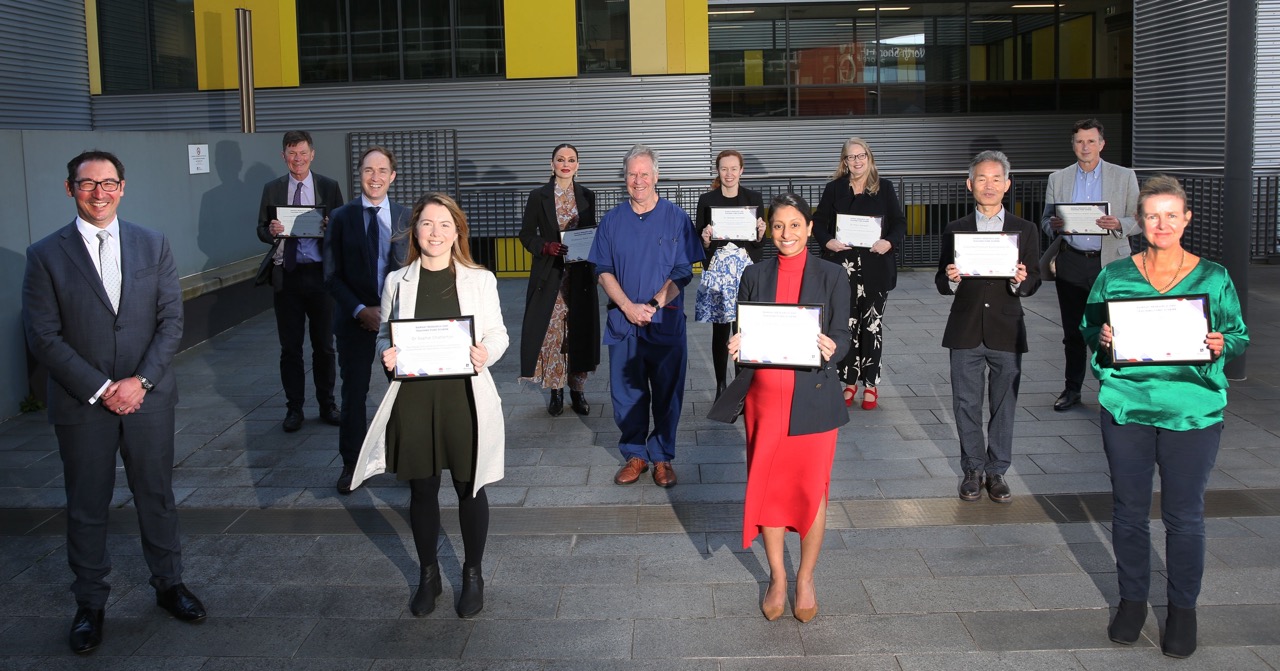
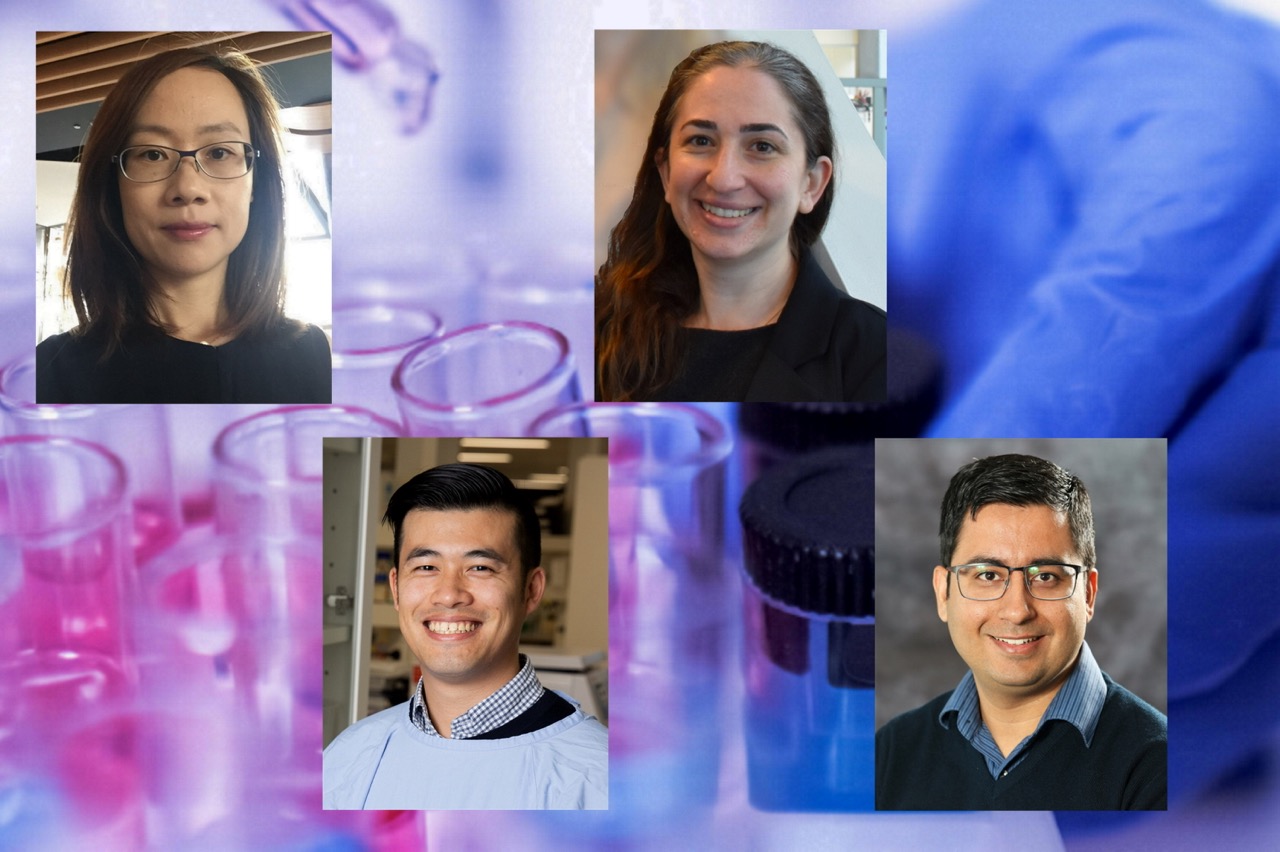
    Acting Executive Director Professor Jim Elliott has announced the winners of the inaugural Kolling Institute Emerging Leader Awards, saying there’s an inspiring depth of expertise throughout the institute.

    Professor Elliott said the new awards recognise our young leaders across our basic and translational research, and were initiated by the institute’s Workforce and Culture Enabler Committee.

    “Four awards are being presented in 2021 and I’m delighted to announce the successful applicants,” he said.

    “In the EL1 category, Dr Qinghua Cao, a postdoctoral research associate with the Renal Research Team and Dr Lisa Kouladjian O’Donnell, a research fellow with the Laboratory of Ageing and Pharmacology, have taken out the awards.

    “While in the EL2 category, Dr John Mach a post-doctoral research fellow from the Laboratory of Ageing and Pharmacology, and Dr Sumit Sahni, a research fellow with the Bill Walsh Translational Cancer Research Laboratory have been presented with awards.

    “I would like to congratulate this year’s award winners for their outstanding track record and tremendous efforts to drive our research progress and improve the care our community receives.

    “I understand the selection committee was impressed by the quality of the submissions, the scientific rigour and the commitment to research excellence.

    “Each award recipient has demonstrated a strong focus with their individual research, a collaborative approach and a commitment to improving a significant health challenge.

    “I would like to commend this year’s successful recipients, and mention that we are already looking to expand the awards program next year so that a larger number of researchers can be recognised.

    “These new awards are one key part of a broader approach to ensure our day-to-day core business fosters a supportive and collaborative working culture.” 

NSWGOV logo