Blog

  • Philanthropic support building our research expertise

    Philanthropic support building our research expertise

    A collection of researchers will develop their skills and establish crucial new collaborations following generous funding through the Skipper Charitable Trust.

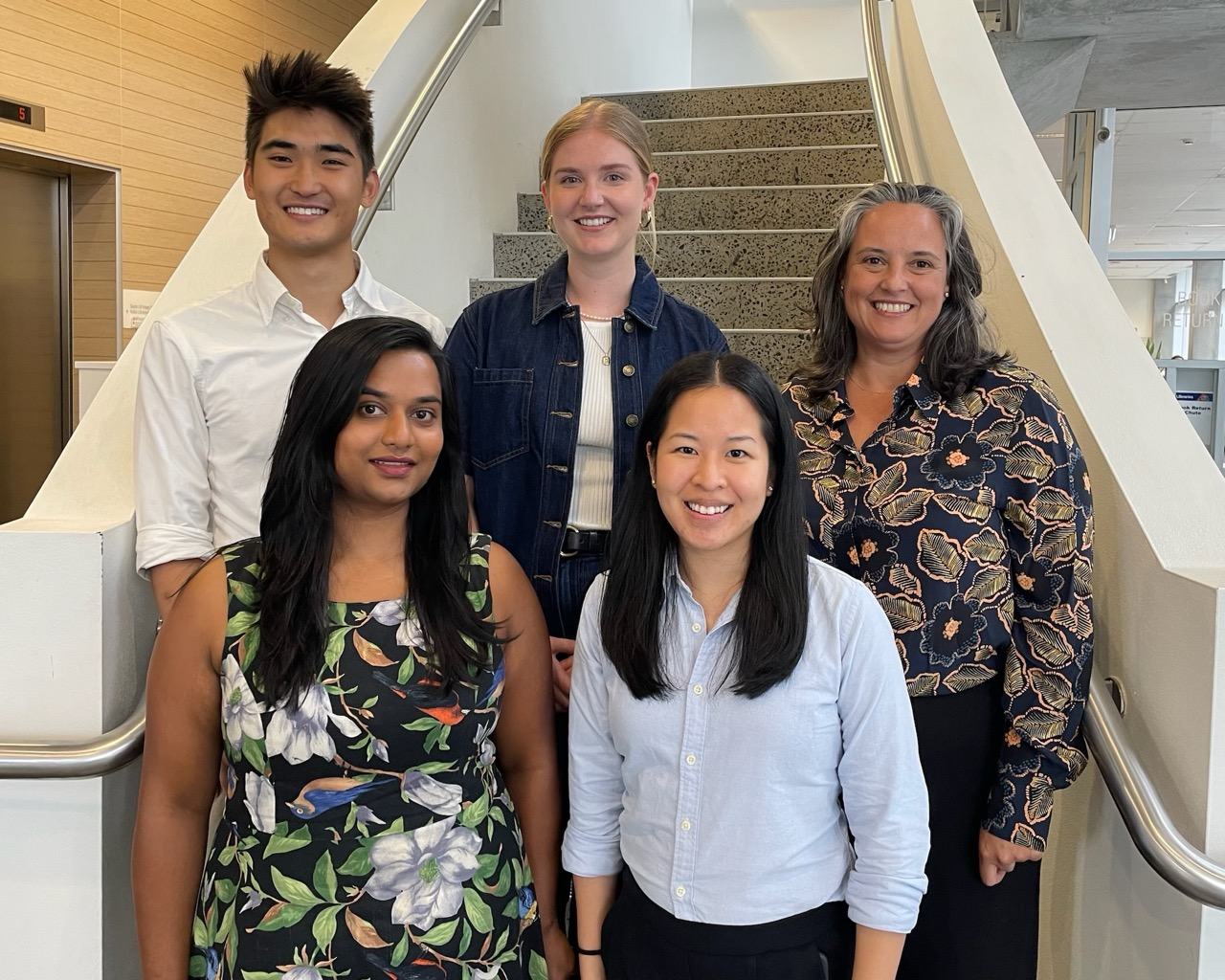
    Six researchers have received a 2024 Beryl and Jack Jacobs Travel Award, enabling them to travel for conferences and work with experts across the globe.

    Academic Director Professor James Elliott was thrilled to announce the successful recipients, saying each researcher demonstrated how their travel opportunity will broaden their research expertise and lead to exciting new progress.

    Dr Karen Bracken from the Osteoarthritis Clinical Research Group will travel to the University of Bristol to work with the team at the renowned Bristol Trials Centre. There she will gain a better understanding of recent advances in clinical trials, directly supporting her role as a clinical trials program lead.

    Dr Barbara Lucas from the John Walsh Centre for Rehabilitation Research will attend the Australasian Academy of Cerebral Palsy and Developmental Medicine Conference in Cairns to present her ground-breaking research from the Best START trial into early intervention in children with Cerebral Palsy.

    Dr Vicky Duong from the Osteoarthritis Clinical Research Group will travel to the United States and Canada to work with researchers at Harvard University, the University of North Carolina and the University of Toronto. This is set to be a valuable opportunity for Vicky to expand her international networks following her successful Category I NHMRC funded project in Australia.

    Brian Kim from the Neuromuscular Imaging Research Laboratory will visit the United States to work with colleagues at the Northwestern University in Chicago. Brian is establishing machine learning methods to automatically quantify the soft tissues of the shoulder in patients needing surgical repairs.

    Dr Vibha Patil from the Meniere’s Disease Neuroscience Lab will travel to Spain to build on her work into the genetics of Meniere’s Disease, a debilitating disorder of the inner ear.

    Amanda Purcell, a PhD student in the Renal Laboratory, will also travel to Spain and the UK to further her studies around predicting gestational diabetes in early pregnancy. Amanda is set to learn cutting-edge techniques, complementing her growing knowledge in this field and strong analytical skills.

    Professor Elliott said these opportunities would not be possible without the financial boost delivered through the Skipper Charitable Trust.

    “I would like to thank the family behind the trust for their wonderful ongoing support of our early and mid-career researchers,” he said.

    “Their help is directly strengthening our research expertise and increasing our long term impact.”

  • Significant investment in our research announced

    Significant investment in our research announced

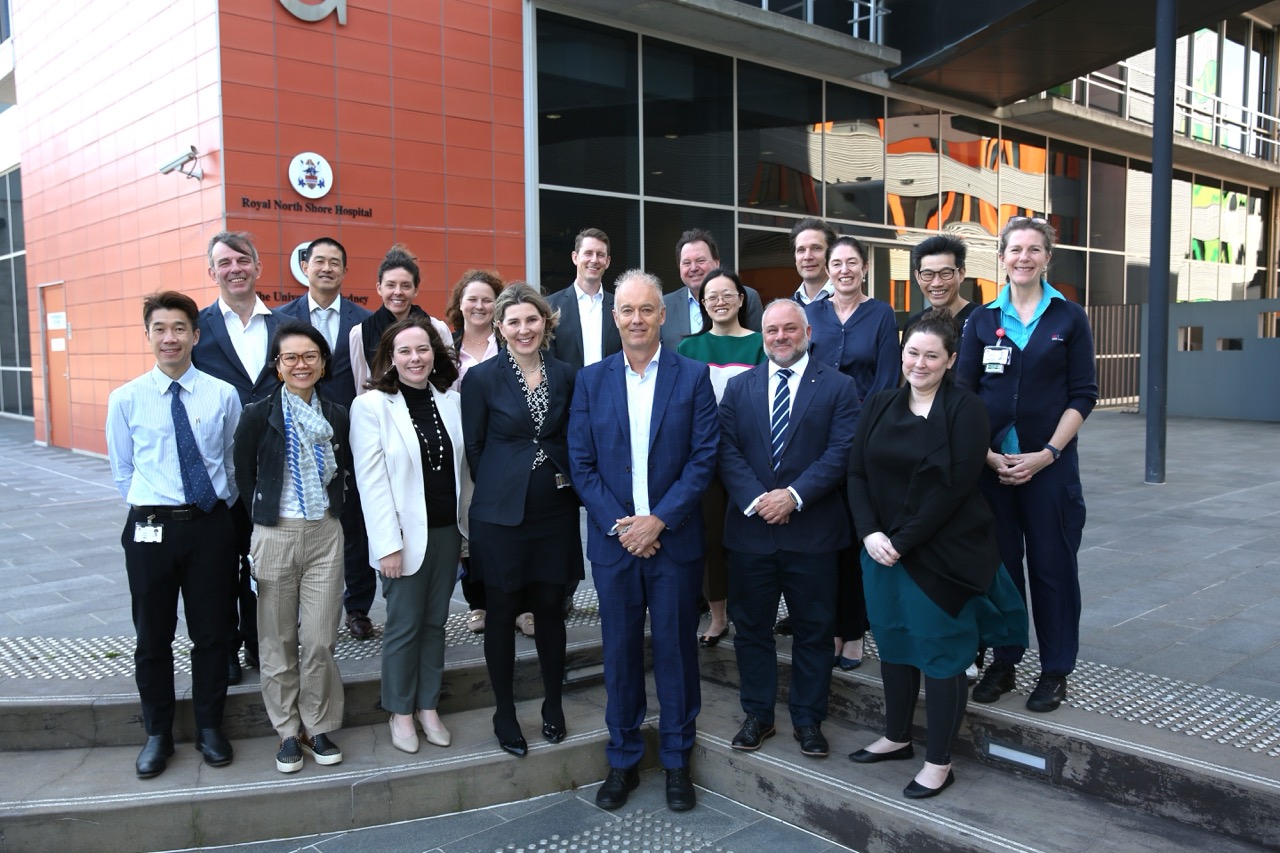
    A large collection of research projects will get off the ground following generous funding through the Ramsay Research and Teaching Fund Scheme.

    The scheme has directed more than $10 million to research on the Royal North Shore Hospital campus over the last 20 years, and this year a further $850,000 will be shared across 17 projects.

    A diverse range of studies will be supported, strengthening investigations into cardiovascular disease, cancer and diabetes as well as osteoarthritis, neonatal care, thyroid function and physiotherapy programs.

    The successful recipients this year are:

    • Professor Dale Bailey
    • Professor Roderick Clifton-Bligh
    • Professor Gemma Figtree
    • Professor David Hunter
    • Associate Professor Sarah Glastras
    • Associate Professor Joanne Glinsky
    • Associate Professor Karl Ng
    • Associate Professor Sean Seeho
    • Dr Sally Baron-Hay
    • Dr Grace Gifford
    • Dr Matti Gild
    • Dr Pierre Janin
    • Dr Barbara Lucas
    • Dr Sharon McCracken
    • Dr Lauren Monds
    • Dr Leo Pang
    • Dr Kathy Willowson     

    NSLHD CE Adjunct Professor Anthony Schembri AM welcomed the investment saying it will help the district maintain its reputation as a hub of research excellence and high value care.

    “We know that districts with an active research culture, where research is embedded as part of clinical care have a higher patient experience, less errors and better health outcomes,” he said.

    “I look forward to following the progress of these projects, as well as their impact on lifting our standard of care and our understanding of a broad range of conditions.

    “Personally, as a fellow allied health worker, it’s great to see our allied health practitioners being recognised with these important research grants.”

    The recipients were congratulated by North Shore Private, Ramsay Healthcare Acting CEO Christian Hoengaard, who said the grants represented a tremendous investment.

    “We look forward to all the good outcomes that will flow as a result of this research and I’m sure it will help us continue to deliver world leading care,” he said.

    “We have a long history of collaboration and I look forward to building on that partnership for another two decades.” 

  • Philanthropic support helping women with gestational diabetes and their babies

    Philanthropic support helping women with gestational diabetes and their babies

    Generous funding provided through the Douglas and Lola Douglas scholarship is strengthening evidence around the long term impacts on children born to mothers with obesity and gestational diabetes.

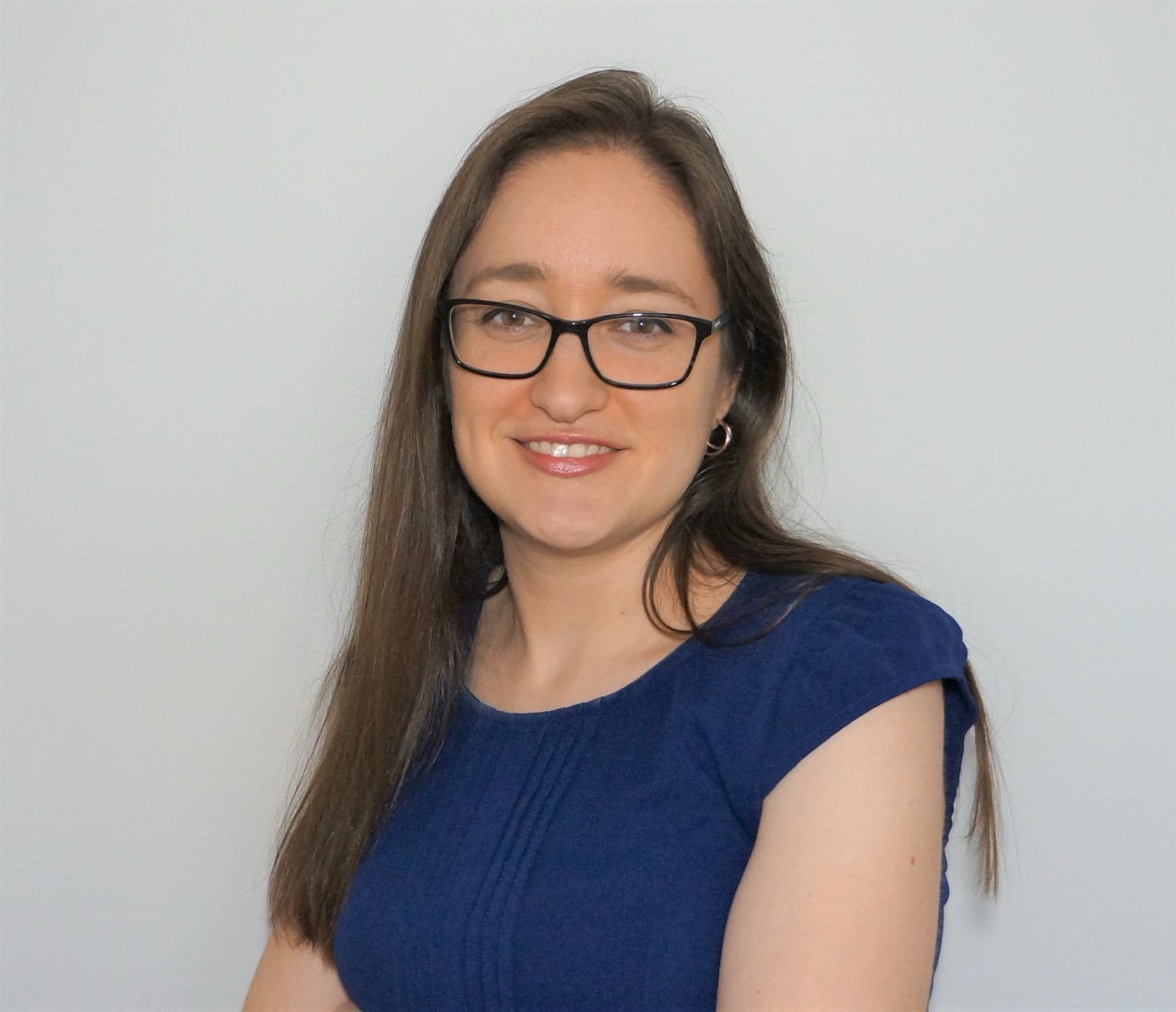
    Endocrinologist and Kolling Institute researcher Dr Tessa Weir has been able to continue her valuable research as a result of being awarded the scholarship.

    “I am incredibly grateful for the support provided through the Douglas and Lola Douglas scholarship,” she said.

    “It has meant I’ve been able to pursue my postgraduate studies and support improvements in the care of women with obesity and gestational diabetes, and their babies.

    “My hope is to fill the gaps in evidence and generate guidelines and policy to extend prenatal and perinatal obstetric care, particularly for women managing these health challenges.

    “Our research will involve a systematic review to detail how maternal obesity and gestational diabetes directly affects neonatal outcomes. We will also be using new artificial intelligence techniques to develop a personalised risk predictive tool for perinatal outcomes.

    “This will also consider the timing of births, with early births linked to many adverse impacts such as developmental delays.”

    Dr Weir said this is such an important field of research, with maternal obesity and gestational diabetes contributing to significant, long-term health challenges for unborn children.

    “We know from earlier research by fellow Kolling researchers Associate Professor Sarah Glastras and Professor Carol Pollock that these maternal factors can influence foetal programming, and alter an unborn child’s future metabolic risk. This in turn increases the likelihood of ongoing weight issues.

    “The prevalence of child and adolescent obesity is increasing, with an alarming 25 per cent of children in Australia over the healthy weight range.

    “Childhood obesity is associated with an increased risk of developing cardiovascular disease, chronic kidney disease, diabetes and psychological conditions.

    “All of these issues can have a life-long impact, compromising quality and even length of life, so it’s tremendously important we drive research progress in this area and broadly improve the quality of care provided to women and their babies.

    “Overall, this scholarship is not only helping me complete my PhD studies, and broaden my experience as a clinician-researcher, it will also hopefully improve the future health of countless children born to women with gestational diabetes and obesity.”

  • Researchers confirm extreme heat increases the risk of premature births

    Researchers confirm extreme heat increases the risk of premature births

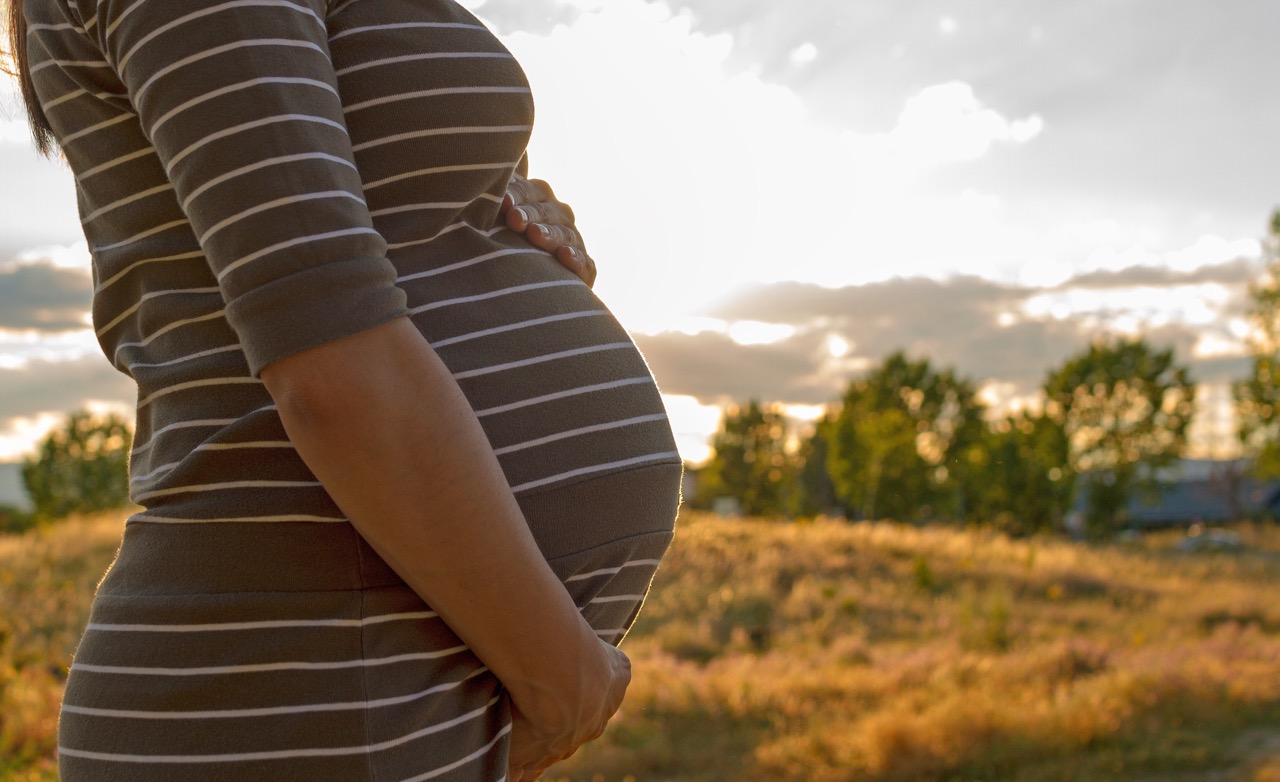
    Researchers have found that women are more likely to have a preterm birth when exposed to extreme heat and those with pre-existing conditions may have an even higher risk.

    Preterm or premature birth, when a baby is born before 37 weeks of pregnancy, is the leading cause of infant death worldwide and many children born early deal with ongoing health problems for the remainder of their lives.

    The team from Women and Babies Research at the Kolling Institute and the University of Sydney examined over 918,000 births in NSW over a ten-year period.

    The study found about 29,000 or 3.2 per cent of babies were born as a result of preterm birth. Importantly, researchers found that when it was hotter, the risk of preterm birth increased for all women and particularly for women with diabetes, hypertension, chronic illness and those who smoke.

    On days where it was hotter than 33 degrees the risk of preterm birth increased by 12 per cent compared with a 20 degree day. This increase in risk was potentially higher for women with diabetes (29%), hypertension (29%), chronic illness (17%) and those who smoked during pregnancy (19%).

    Lead study author Edward Jegasothy PhD said it was the first study to link effects of extreme weather and preterm birth in the temperate climate of New South Wales.

    “We now have a better understanding of the relationship between extreme heat and preterm births. Our study adds to the growing body of evidence regarding the health impacts of climate change-related exposures. This is particularly important given the increasing temperatures and heatwave events not just in Australia, but globally,” he said.

    “These findings are also important given the long term and significant implications of preterm births and the potentially exacerbated risk in mothers with underlying health conditions.”

    The findings encourage pregnant women to stay well hydrated and reduce their exposure to extreme heat.

  • Research highlights the dangers of early births

    Research highlights the dangers of early births

    Doctors and researchers are increasingly concerned at the steady rise in premature twin births in New South Wales.

    Professor Jonathan Morris and his team from the Kolling’s Women and Babies Research group analysed over 14,000 twin pregnancies from 2003-2014, finding 49 per cent of twins were born premature before 37 weeks, and 69 per cent of all births were planned either by pre-labour caesarean or induction.

    “Previous research into singleton pregnancies has shown early birth placed an infant at increased risk of long-term developmental problems,” Jonathan said.

    “In the short-term, babies born early were more likely to need help with their breathing, be admitted to a neonatal intensive care unit, have jaundice, spend longer in hospital and be readmitted to hospital in the first year of life.”

    Jonathan said while an early planned birth is sometimes necessary, the aim should be to prolong the pregnancy for as long as it is safe to do so.

    Lobaba Idris experienced this with her twins Zayn and Layla who were born via planned caesarean at Royal North Shore Hospital at 36 weeks and four days old.

    In the last weeks leading up to the birth, Lobaba said every day was a relief. In 2019, Lobaba lost a baby at 21 weeks.

    “I was keen to stay pregnant for as long as I could, but I have an autoimmune disease that needed to be monitored, and my baby girl was much smaller than her brother,” she said.

    “We tried to wait until I was 37 weeks but she was so tiny we just knew it was the right time to have a c-section.”

    Layla was born at just over two kilograms and Zayn was over 2.6 kilograms.

    “Waiting as long as we did I think helped. The twins didn’t need to go into special care and could come home,” she said.

    Twins are known to be smaller than singleton babies, and the management of their growth poses unique challenges as the wellbeing of both twins has to be considered.

    “Use of singleton growth charts to plot the growth of twins are still being used without considering the different growth patterns which could occur in each twin pregnancy,” Jonathan said.

    “This leads to healthy, well-grown twins being misclassified as growth restricted, and often results in unnecessary early birth, exposing these babies to problems associated with prematurity.”

    In partnership with the NORTH Foundation, Jonathan and his team are raising funds to evaluate and develop fetal growth charts for twin pregnancies.

    “The growth charts will ensure the growth of twins are correctly monitored, thereby avoiding unnecessary intervention and making it easier to identify twins who are at risk of complications,” he said.

    Study results will also be used to develop national recommendations and inform clinical guidelines to assist clinicians to determine the best time for twins to be born.

    To donate to the study, visit https://northfoundation.org.au/how-you-can-help/women-and-babies-research/

  • Every week counts in the lead up to birth

    Every week counts in the lead up to birth

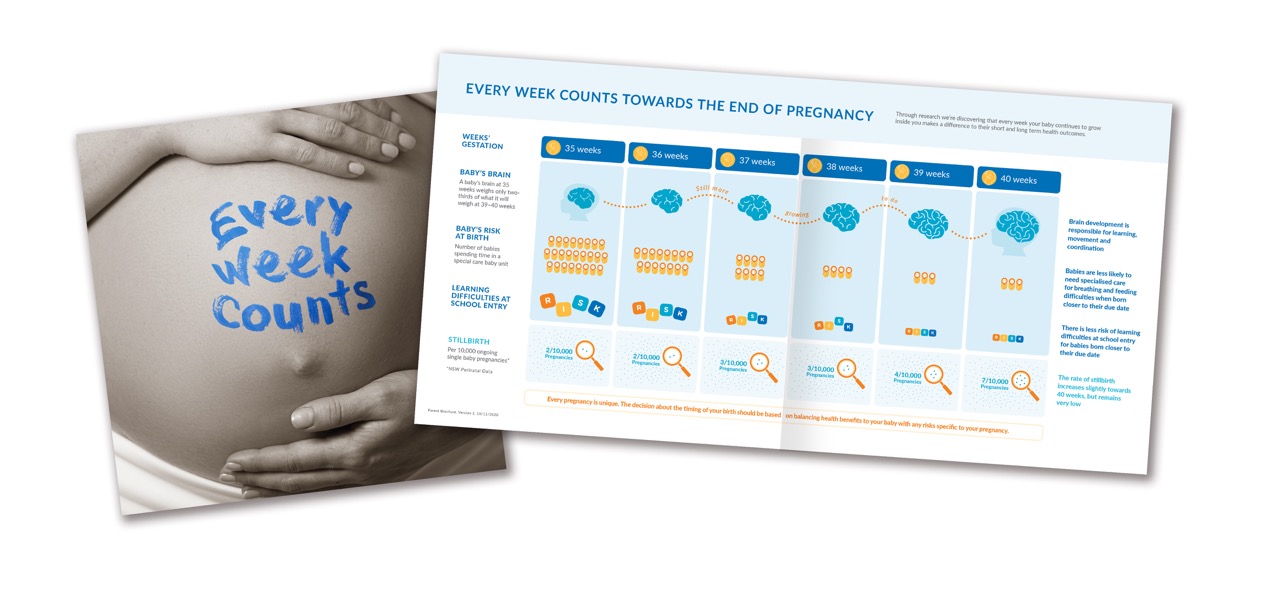
    The Kolling’s Women and Babies Research team is calling for a reduction in the number of early births, with the latest research highlighting the benefits of labour as close to 40 weeks as possible.

    Twenty years ago, the majority of women gave birth at 40 weeks. Today it’s between 38 and 39 weeks and continuing to get earlier.

    This trend is due to the growing number of planned early births at 36, 37 and 38 weeks, either by induction of labour or by planned caesarean section prior to the onset of labour.

    Women and Babies Research Director Professor Jonathan Morris said we now have increasing evidence around the benefits of babies being born as close to 40 weeks as possible.

    “There’s very important development in the last few weeks of pregnancy,” he said.

    “A baby’s brain for instance increases in weight by 50% in the last 4-5 weeks of pregnancy.

    “For every week that a baby is born earlier than 39 weeks, there is a small but significant increase in the risk of the child performing less well in school assessments.

    “Our research indicates that for every week a baby can remain safely inside their mother’s womb, their short and long-term health and developmental outcomes improve.”

    Professor Morris acknowledges the circumstances around each birth need to be considered.

    “Any benefits of prolonging pregnancy need balancing against the small risk of stillbirth which increases with gestational age from 2 per 10,000 ongoing pregnancies at 35 weeks of gestation up to 7 per 10,000 ongoing pregnancies at 40 weeks of gestation.

    “With new research data now available, we would like to see women offered additional information around the risks of stillbirth, and we have now reviewed the information provided by our research team across Australia.

    “It’s important for women and their healthcare providers to be able to make informed decisions based on the latest evidenced-based data and research.”

    Further information is available through the ‘Every Week Counts’ campaign brochures and website. www.everyweekcounts.com.au

  • Grieving couple contributes to new research into deadly bacteria in pregnancy

    Grieving couple contributes to new research into deadly bacteria in pregnancy

    The Women and Babies Research team is launching a study to look into the presence of bacteria in pregnancy which may be deadly if passed on to infants during birth.

    The research is being funded in part by Victoria and Danny Liston, who tragically lost their daughter at birth due to infection.

    Director of Women and Babies Research Professor Jonathan Morris said Group B Streptococcus (GBS) is the leading cause of sepsis, pneumonia and meningitis in a newborn’s first week of life.

    “Even after extensive preventive screening and treatment of expecting mothers, infectious bacteria can still be passed on to infants during birth.

    “It is possible that other infectious agents may be present in the urine in late pregnancy and no studies have researched this. Our study will identify the presence of bacterial infection in late pregnancy and examine the outcomes for the mother and her baby.

    “Many babies lives could be saved with a breakthrough in this area,” he said.

    Victoria and Danny’s daughter Kiera died shortly after birth from GBS and they have donated to the NORTH Foundation after their experience.

    “We had an uneventful pregnancy and did all the screening and tests with no issues or concerning results, and somehow this still happened,” said Victoria.

    At the routine screening conducted at 36 weeks, Victoria had tested negative. In the minutes that followed Kiera’s birth, doctors noticed her breathing was laboured. Her condition did not improve and ultimately, Kiera succumbed to congenital pneumonia caused by sepsis due to GBS.

    “It didn’t make any sense. It was, and still is, such a shock,” said Danny.

    “There needs to be more protocols and processes around routine GBS testing and an effort to educate parents on what the outcomes mean,” said Victoria.

    “I had a negative test which, with the current protocols, meant that nothing needed to be done. I didn’t realise that a negative test at 36 weeks might still mean I could be a carrier at a later date.

    “We believe there needs to be more research conducted on why we choose 36 weeks as the testing point and if it’s possible to administer a test closer to delivery to discover the potential risk and treat accordingly.”

    If you would like to donate to Women and Babies Research please click here.

  • Research to help reduce smoking in pregnancy

    Research to help reduce smoking in pregnancy

    A large scale review has found the number of women smoking during pregnancy in NSW has halved, and yet there are still some concerning trends prompting calls for targeted campaigns.

    Researchers from the Kolling Institute and the University of Sydney, analysed smoking rates in all pregnancies in New South Wales over a 22 year period from 1994 to 2016.

    The Women and Babies Research team found the overall smoking rates during pregnancy have more than halved from 22.1% in 1994 to 8.3% in 2016, with less than one in ten women smoking during pregnancy at the end of the study period. The numbers fell from 19,850 women to 7,820.

    Director of Women and Babies Research, Professor Jonathan Morris, said the reduction in numbers was positive and reflected the success of anti-smoking initiatives such as plain packaging and mandatory health warnings.

    “The decrease however, was the lowest among younger mothers, under 25, and women from a lower socio economic background,” he said.

    “The data indicated the highest rates of smoking were clustered in just four areas, including Hunter New England, South Western Sydney, Western Sydney and Western NSW.

    “Over half the women who smoked during pregnancy lived in one these four regions, and up to 21% of women in these areas continued to smoke while they were pregnant.

    “These trends are concerning and contributing to poor but avoidable health outcomes, such as stillbirth, neonatal death, low birth weight and preterm birth,” he said.

    Associate Professor Tanya Nippita said around 8000 pregnancies each year are exposed to maternal smoking, and we would like to see that figure drop substantially.

    “Armed with our research data, we believe the greatest reduction in smoking during pregnancy is likely to come from interventions targeting the four regions with the highest rates,” she said.

    “Tailored programs represent the best use of resources, with the potential to achieve the best results.

    “This is an important example of strong research data translating to improved public health outcomes,” she said.

  • Research identifies health impact of traffic accidents

    Research identifies health impact of traffic accidents

    Clinician and Kolling Institute researcher Professor Ashley Craig said their results follow a five year study involving more than 2,000 people injured in a motor vehicle accident.

    “One in three people injured in a traffic accident suffer depression and experience post-traumatic stress symptoms,” Professor Craig said.

    “By following patients over a long period of time, we now recognise that people suffering psychological distress are at a higher risk of developing severe mental health disorders, chronic pain and long-term disability, and that it can take much longer for them to recover.

    “This can lead to a dramatic increase in costs and take four times longer for crash survivors to recover.”

    Professor Ian Cameron said the team also examined factors influencing health outcomes after motor vehicle crash injury and approaches to improving wellbeing.

    “Traditional medical models often fail to assist recovery after a crash,” Professor Cameron said.

    “Our research has shown that a return to usual activities as soon as possible is beneficial, challenging earlier recommendations that rest is best.

    “We have seen that family support, flexibility from employers, such as altered duties, and early treatment covered by insurance companies, all contribute to a quicker recovery.

    “With traffic injuries predicted to become the third leading cause of global burden by 2030, we hope that our findings will help influence future government policy and drive further reforms within the compensation system,” Professor Cameron said.

NSWGOV logo