Blog

  • Research directs spotlight onto the effectiveness of spinal surgery

    Research directs spotlight onto the effectiveness of spinal surgery

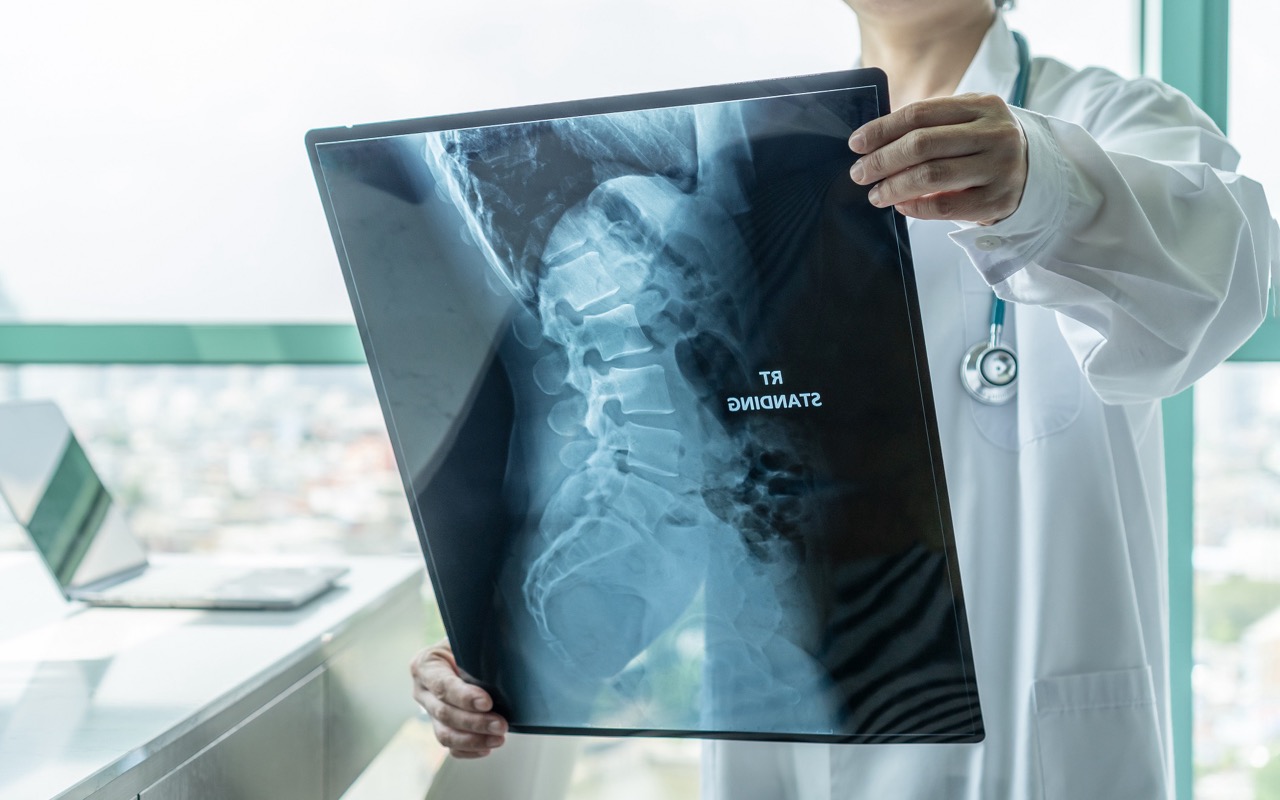
    New research has found that while the majority of Australian spinal surgeons expect large improvements from common spinal procedures, they say there is only poor quality scientific evidence demonstrating the effectiveness of surgery compared with non-surgical approaches like physiotherapy.

    A team from the Kolling Institute’s Back Pain Research group and the University of Sydney surveyed around a third of the nation’s spinal surgeons in the largest study of its type in Australia.

    The research was the first in the world to examine surgeon’s opinions on the evidence for the two most common spinal surgeries, lumbar decompression and microdiscectomy.

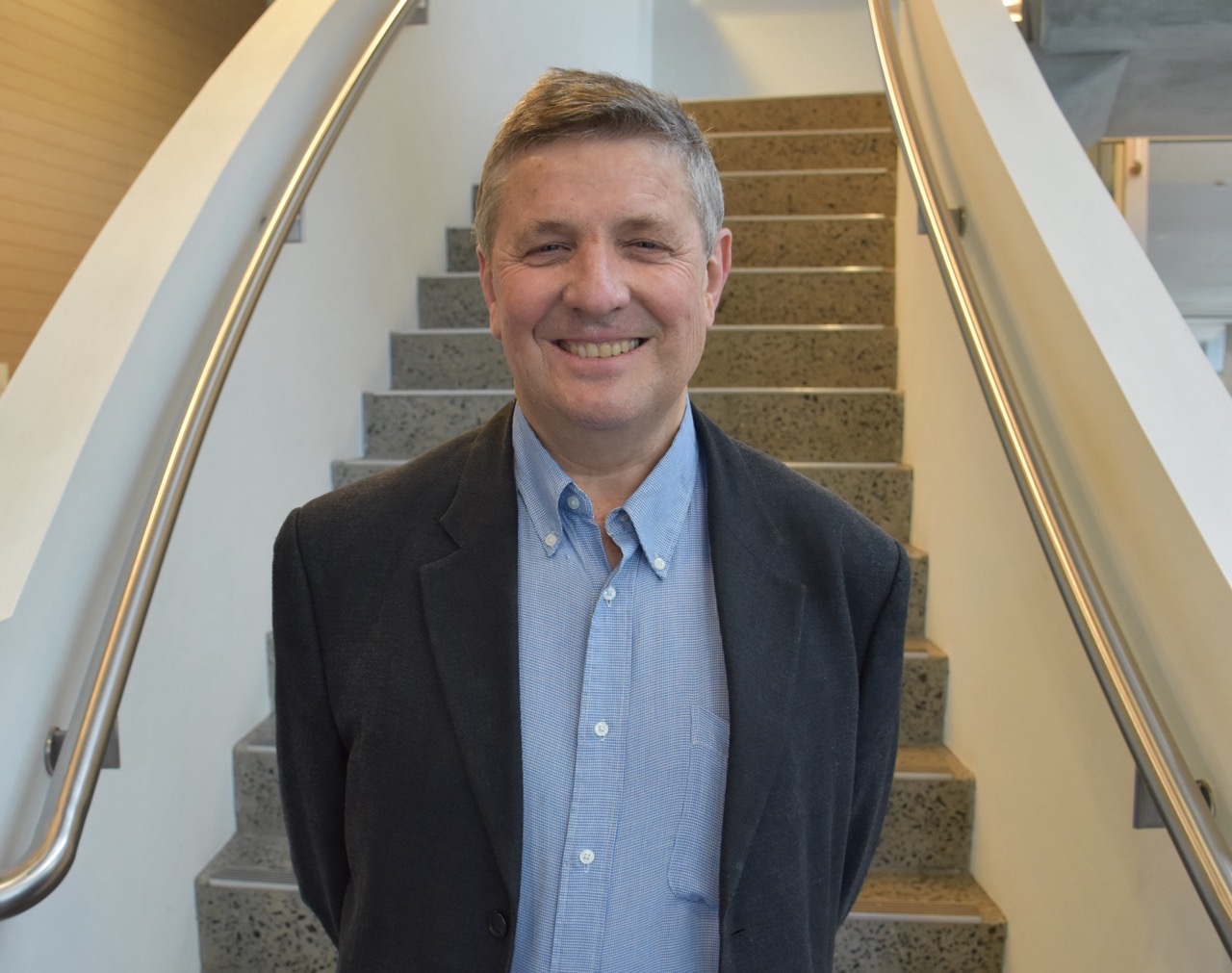
    Principle investigator David Anderson said it was important to investigate the efficacy of these surgeries which are undertaken to reduce the pain and improve mobility with lumbar spinal stenosis.

    “This can be a painful, disabling condition and the most common cause of spine surgery in older adults,” he said.

    “Our investigations found that while surgeons on average expect an 86 per cent improvement in a person’s pain three months after lumbar decompression surgery, and a 89 per cent improvement after microdiscectomy, they believed more research was necessary.

    “Just under 90 per cent of surgeons said more data was needed on the effectiveness of spinal surgeries compared with non-surgical treatments like physiotherapy and medications.

    “Surgeons particularly called for greater scrutiny over lumbar fusion surgery for spinal stenosis, where spinal segments are fused together using spinal implants.

    “Interestingly, we also found differences in the way these common operations are performed by Australian and European surgeons.

    “We found that more European surgeons prefer minimally invasive spinal surgical procedures than Australian surgeons. Minimally invasive spine surgery is appealing, but we don’t yet have clinical studies to prove it is more effective. The survey shows that many Australian spine surgeons would not agree that these techniques are better.”

    The study was a collaborative project also involving surgeons from Concord, Liverpool, Nepean hospitals, the University of New South Wales, and Prince of Wales Hospital.

    The authors would like to acknowledge the Neurosurgical Society of Australasia for their support in inviting surgeons to participate.

    “Without the support of organisations like this, research like this would not be possible. We greatly appreciate their support”, David said.

    The research has been published in the Journal of Clinical Neuroscience.

  • Australian first study to alleviate pain for those with spinal cord injuries

    Australian first study to alleviate pain for those with spinal cord injuries

    Researchers from the Kolling Institute will partner with international and Australian experts to examine an innovative approach to nerve pain for those with spinal cord injuries.

    The ground breaking study has been awarded more than $1.78 million through the Federal Government’s Medical Research Future Fund.

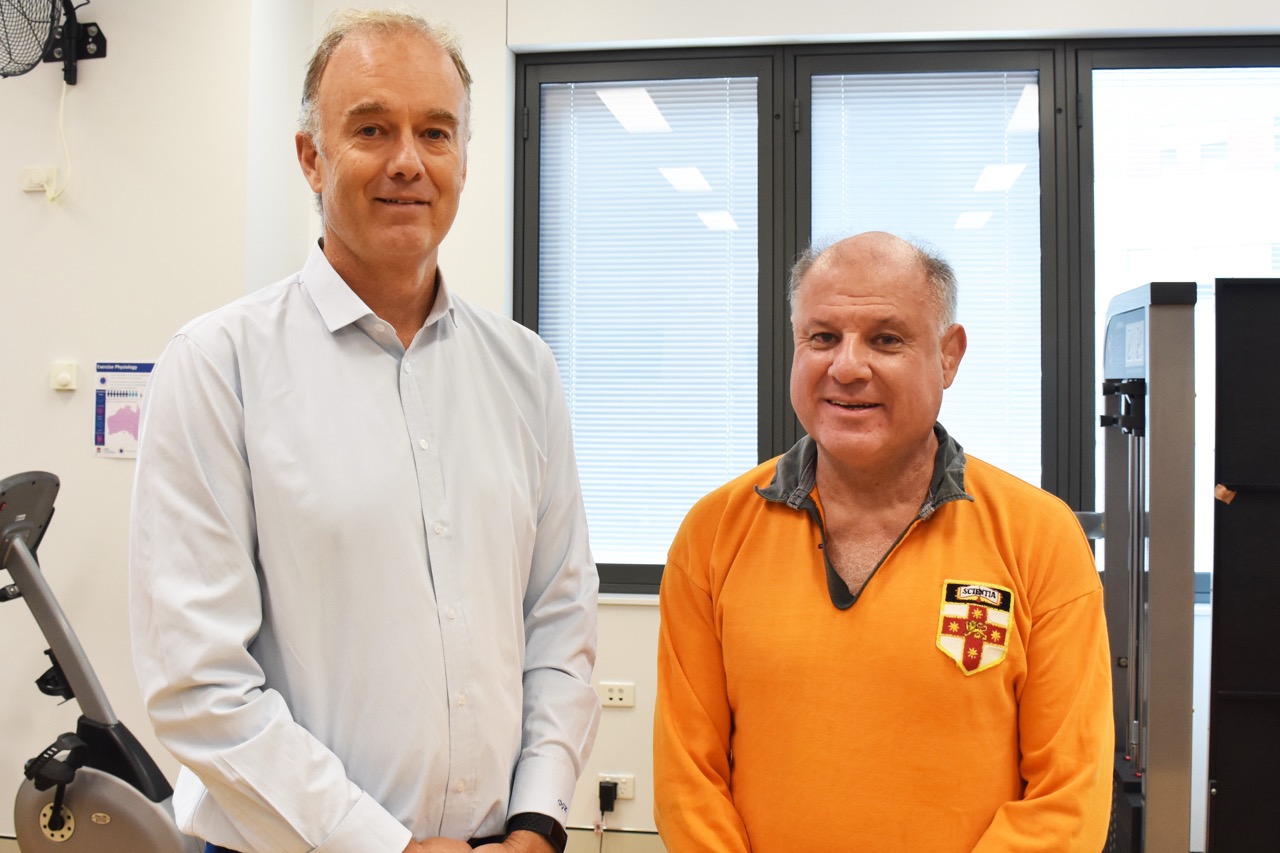
    Professors Ashley Craig, James Middleton and Paul Glare from the Kolling will join the study as chief investigators, with Associate Professor Sylvia Gustin from the University of NSW leading the trial.

    Professor Craig said the study will investigate the effectiveness of an advanced interactive intervention to reduce nerve pain and improve function.

    “We often regard loss of mobility as the most serious impact of a spinal cord injury, but we have found people with this injury consistently indicate nerve pain is their most difficult and debilitating challenge,” he said.

    “We know that nerve pain affects up to 75 per cent of people with a spinal cord injury, and they describe the pain as burning, sharp, unbearable, unremitting and terrifying. Such pain is often linked with serious depression.

    “Current treatments often involve the use of antidepressants, anti-epileptics and opioids, but these medications provide limited pain relief to around 30 per cent of people and have a host of adverse side-effects related to addiction and kidney failure.

    “This means a large number of people with a spinal cord injury continue to experience debilitating pain with no access to effective treatment options.”

    The five-year study will assess a new approach using an interactive gaming technology to reduce pain by helping to rectify the negative impact of the spinal cord injury on brain activity.

    Spinal cord injuries generally reduce the frequency of brain activity, so this highly-specialised game has been designed to encourage high frequency activity and beneficial changes to the brain.

    Professor Craig welcomed the opportunity to be involved in the promising, collaborative trial.

    “Around 200 people a year suffer a spinal cord injury in NSW, and while that number may not seem large, these catastrophic injuries have a tremendous impact on individuals and their families,” he said.

    “If we’re able to effectively reduce their nerve pain without major side effects, it’ll have an immeasurable impact on their health, their ability to work and function, and specifically their mental health as well.”

    The trial will bring together researchers from the Kolling as well as the University of Sydney, University of NSW, University of Technology and the University of Washington.

  • Researchers join celebrations for national award

    Researchers join celebrations for national award

    Kolling Institute researchers have been recognised with a prestigious award for an initiative to support people to return to work after injury.

    The project, named Early Matched Care at Australia Post, was named the 2021 Winner of Comcare’s national Recovery at and Return to Work Award.

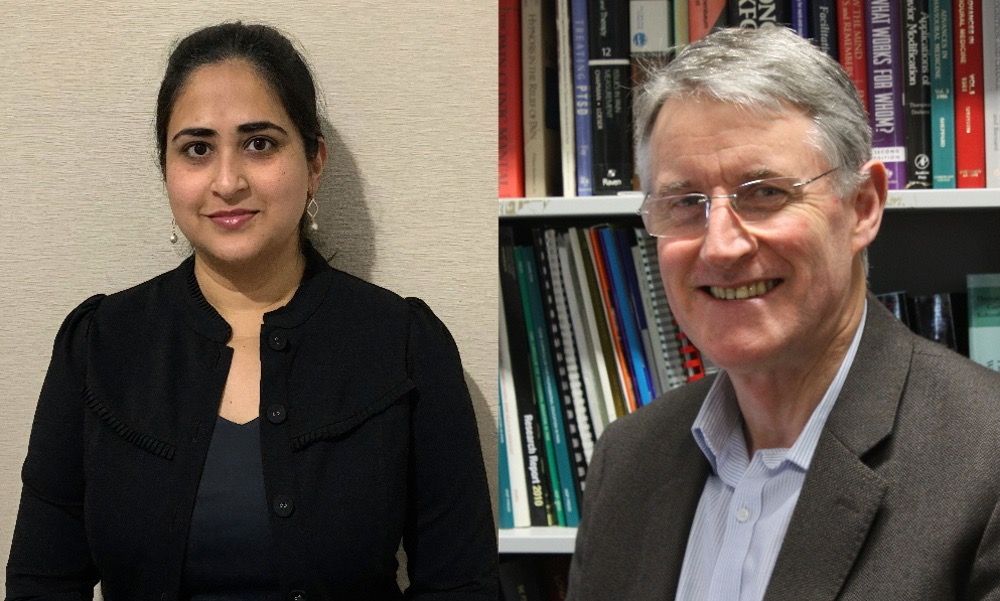
    The research team was led by Professor Michael Nicholas, from the Pain Management Research Centre at RNSH and the University of Sydney, and research manager Dr Manasi Mittinty.

    The team partnered with Australia Post for the two-year trial, which involved early identification and intervention for injured workers at risk of delayed recovery following a work-related injury.

    More than 270 workers were identified as being at high risk of delayed recovery and enrolled in the study.

    Participants in the intervention arm of the study were offered up to six sessions with a psychologist or counsellor, and a workplace rehabilitation provider to assist with barriers for early return to work. This was in addition to the medical and physiotherapy care normally provided for such injured workers.

    While the study is not completed, Professor Nicholas said the intervention arm has already demonstrated benefits with return to full hours at work in less than half the time of the usual care arm.

    Australia Post’s injury management team has responded quickly, deciding to implement the protocol for all their injured workers across Australia.

    Professor Nicholas said this is a significant development which demonstrates the potential of collaborative projects to improve outcomes for injured workers, while also producing financial savings for the employer.

    “It’s a great example of researchers working closely with industry to evaluate a new approach which will deliver long-term, tangible improvements,” he said.

    “The approach has not only been welcomed by Australia Post, but by injured workers and their doctors.

    “Workers appreciated the connection to positive people and consistent reassurance, while general practitioners report the program allowed them to provide treatments that would otherwise be very difficult for patients to access.”

  • First large-scale trial of stem cell therapy for knee osteoarthritis launched

    First large-scale trial of stem cell therapy for knee osteoarthritis launched

    Kolling researcher Professor David Hunter will lead one of the world’s largest clinical trials into the effectiveness of stem cell therapy for those with knee osteoarthritis.

    More than 400 participants will be recruited for the SCUlpTOR study which will see trial sites established at Royal North Shore Hospital and the Menzies Institute in Hobart.

    Professor Hunter, the Florance and Cope Chair of Rheumatology at the University of Sydney, said the two-year study represents the first of its type to test stem cell therapy for osteoarthritis.

    “We will evaluate whether stem cell injections can improve symptoms and slow the progression of the disease in people with mild to moderate knee osteoarthritis,” he said.

    “Participants will receive three injections over a 12 month period, with researchers to assess levels of pain, physical activity and quality of life throughout the trial.”

    All participants will receive the same stem cell product, developed from cells from a single young healthy person.

    The study follows some small trials which have indicated stem cell therapy may reduce inflammation, and help the body repair cartilage.

    Professor Hunter said there is tremendous community interest and many stem cell products available, but to date, there has been no good, rigorous evidence to suggest these products are effective in this context.

    “It’s really important that we have high-quality trials like this one to produce the evidence that we need around efficacy and safety.

    “Osteoarthritis is steadily increasing in prevalence due to our ageing population and the high numbers of people above a healthy weight.

    “It’s important that we can offer those managing the condition a range of treatment options, on top of the existing conservative approach of weight loss and exercise.”

    The trial has been welcomed by 61 year old Tom Buttel who has experienced knee osteoarthritis for most of his life after a rugby injury in his teens.

    “Osteoarthritis has had a big impact on my life, causing considerable pain and limiting quite a few daily tasks,” he said.

    “I have found, however, that by maintaining my weight and adhering to a personally-tailored exercise program, I’ve been in a much better position to manage my condition.

    “I’m very excited by the trial and encouraged that it may be an important step towards a safe and effective treatment for people with osteoarthritis.”

  • A simple mix of treatments holds the key to better hand function

    A simple mix of treatments holds the key to better hand function

    The base of our thumb may just be a small part of our hand, but osteoarthritis in that area can have a significant impact, making the simplest tasks difficult.

    The condition especially affects post-menopausal women, with figures indicating up to a third of women over 70 have this type of osteoarthritis.

    Increasing numbers of people are experiencing the condition, and yet current treatments still leave patients with limited use of their hand.

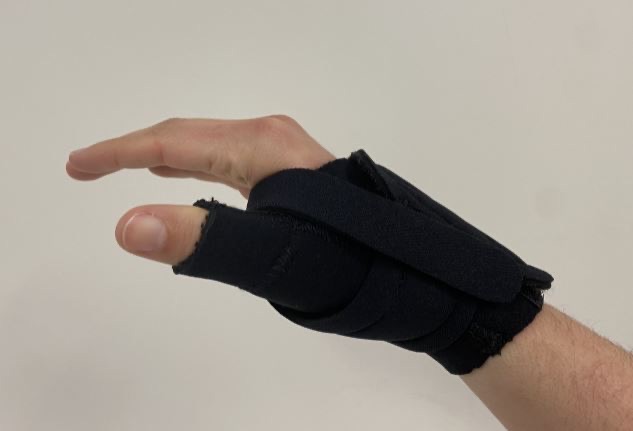
    Researchers from the Kolling’s, Institute of Bone and Joint have completed a clinical trial finding a combined approach of education, a splint to support the thumb, hand exercises and a pain relief gel, were a promising lead in helping people regain hand function.

    More than 200 people, in two groups, were involved in the COMBO study, which assessed pain and hand function, grip strength, thumb base stiffness, and overall quality of life.

    Findings:

    • After six weeks, there was increased hand function for people who undertook the treatments and exercises compared to the control group.
    • After 12 weeks, participants also reported a better quality of life and reduction in pain.

    Senior author Professor David Hunter said many older adults affected by thumb base osteoarthritis feel there is nothing that can be done for the condition.

    “This trial demonstrates clinically beneficial effects on hand function with readily available interventions,” he said.

    “It indicates a simple mix of treatments can improve range of hand motion and make daily tasks, like opening a door or picking up an object, easier.”

    The study, published in JAMA Internal Medicine, was led by the Kolling Institute’s Dr Leticia Deveza and Sarah Robbins.

    “Previous studies on combined treatments in thumb base osteoarthritis have provided conflicting results,” said Dr Deveza.

    “To our knowledge, ours is the first study to investigate a combination of treatments in thumb base osteoarthritis, and importantly, we’ve found a solution that could be of clinical benefit,” she said.

  • New funding for key spinal injury research

    New funding for key spinal injury research

    An Australia wide trial is set to get underway with hopes it may lead to life-long improvements for those who experience a spinal cord injury.

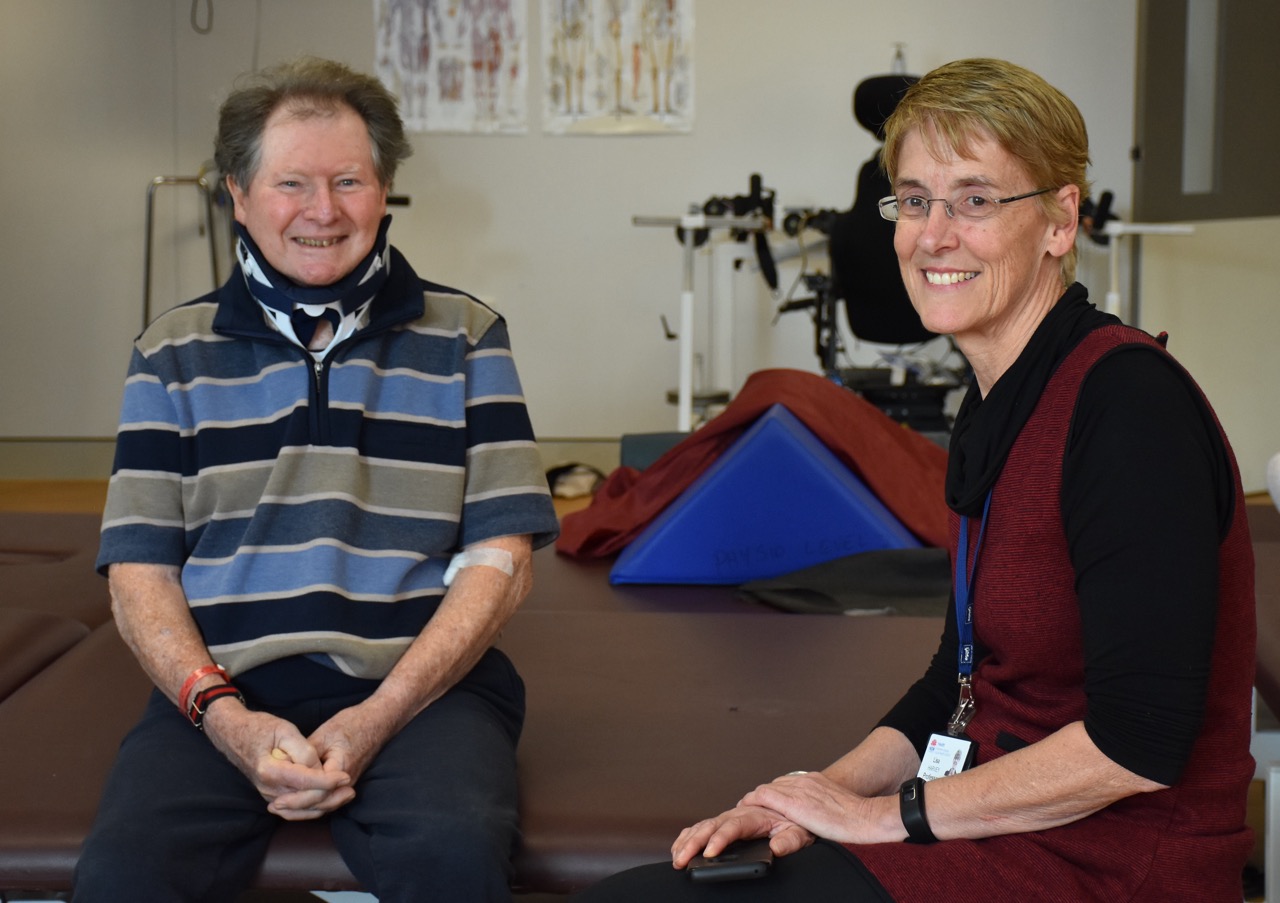
    Led by Professor Lisa Harvey from the Kolling Institute’s John Walsh Centre for Rehabilitation Research, the study represents a collaboration between the University of Sydney and every spinal injury unit in Australia.

    The State Government is investing $2.5 million in the project, with the University of Sydney contributing $500,000.

    Professor Harvey said researchers will assess the effectiveness of early and intensive physiotherapy on neurological recovery and function in people with a recent injury.

    “The type of physiotherapy we are looking at will be directed below the level of the injury to take advantage of the plasticity of the spinal cord, and its ability to self-repair soon after injury,” she said.

    “The treatment will aim to help partially paralysed muscles work again through a range of specific exercises, including walking on a treadmill with overhead suspension and electrical stimulation.

    “It’s hoped the trial will provide evidence of the effectiveness of this intervention and its potential to make an immediate and life-long difference to people with a spinal cord injury.

    “Once we have that evidence, this approach could be incorporated into clinical practice and rolled out on a large-scale across Australia.

    “We’re very hopeful the treatment will lead to better outcomes for those with a spinal cord injury, improving their ability to live independently, and participate in work and leisure.”

    Nervous system control to improve outcomes

    The Spinal Cord Injury Research Grants program is also investing $2.5 million in a world-first trial, led by Professors Ashley Craig and James Middleton from the John Walsh Centre and researchers from the University of Sydney, Macquarie University, UNSW and the University of British Columbia.

    Professor Craig said spinal cord injuries can lead to significant problems such as highly unstable blood pressure and dysfunctional nervous system control. These can in turn cause sleep disorders, confusion and depression, and in some cases, sudden death.

    “This research will focus on an approach to restore nervous system function, by encouraging those with spinal cord injuries to self-regulate their autonomic nervous system activity,” he said.

    “Your nervous system is absolutely crucial for a healthy life, influencing almost every body and brain function, including blood pressure, heart rate, breathing and sleep.

    “The trial will focus on teaching those with spinal cord injuries to control their brain and heart function by observing feedback on a computer screen.

    “We are confident this innovative therapy will be successful, increasing life expectancy and quality of life, including improved vitality, sleep and mental health.”.

    High tech approach may hold key to progress for those with specific injury

    Prof Craig will join Profs Jim Elliott and James Middleton on a project to develop virtual reality technology to assist those with incomplete spinal cord injuries to improve their sense of touch and feeling.

    The project follows a recent breakthrough which found 50 per cent of people with complete spinal cord injuries still had preserved nerve fibres. This meant that even though they couldn’t feel when someone touched their toe, their brain was still receiving the message.

    With this new understanding, the study will develop virtual reality technology to enhance surviving spinal nerve fibres and touch signals in the brain, to help restore touch perception.

    Prof Elliott said this project brings together front-line innovation in scientific understanding of neurological changes with spinal cord injuries, and cutting-edge clinical applications of virtual reality.

    “We didn’t believe these improvements were possible a year ago, so we expect this new approach will represent a significant step forward in spinal injury rehabilitation,” he said.

  • Research identifies health impact of traffic accidents

    Research identifies health impact of traffic accidents

    Clinician and Kolling Institute researcher Professor Ashley Craig said their results follow a five year study involving more than 2,000 people injured in a motor vehicle accident.

    “One in three people injured in a traffic accident suffer depression and experience post-traumatic stress symptoms,” Professor Craig said.

    “By following patients over a long period of time, we now recognise that people suffering psychological distress are at a higher risk of developing severe mental health disorders, chronic pain and long-term disability, and that it can take much longer for them to recover.

    “This can lead to a dramatic increase in costs and take four times longer for crash survivors to recover.”

    Professor Ian Cameron said the team also examined factors influencing health outcomes after motor vehicle crash injury and approaches to improving wellbeing.

    “Traditional medical models often fail to assist recovery after a crash,” Professor Cameron said.

    “Our research has shown that a return to usual activities as soon as possible is beneficial, challenging earlier recommendations that rest is best.

    “We have seen that family support, flexibility from employers, such as altered duties, and early treatment covered by insurance companies, all contribute to a quicker recovery.

    “With traffic injuries predicted to become the third leading cause of global burden by 2030, we hope that our findings will help influence future government policy and drive further reforms within the compensation system,” Professor Cameron said.

  • Global focus on musculoskeletal health

    Global focus on musculoskeletal health

    Kolling researchers are part of an international team calling for musculoskeletal health to become a global priority, addressing a current lack of funding for the world’s leading cause of pain.

    The project team found the management of musculoskeletal health is under-prioritised despite its impact on the community, and devised an action plan to address this gap.

    Led by Professors Andrew Briggs and Helen Slater from Curtin University, the project involved Professor Lyn March from the Kolling Institute and Dr Carmen Huckel-Schneider and Swatee Mishrra of the University of Sydney, as well as a broader international team.

    It mapped the current landscape for musculoskeletal health, identified trends in national health policies and developed a blueprint to prioritise musculoskeletal health. This work was informed by stakeholders from more than 70 countries.

    Professor Briggs said more than 1.5 billion people live with a musculoskeletal condition, such as low back pain, fractures, arthritis and osteoporosis, but despite calls to action, health systems continued to under-prioritise these conditions.  

    “One of the limiting factors to reform is that no global-level strategic response to the burden of disability has been developed – until now. This initiative will be critical to guiding global-level work in health reform, such as that undertaken by the World Health Organization,” Professor Briggs said.

    “This blueprint will provide guidance which countries, including low and middle-income countries, can then adapt to suit local needs and priorities.”

    Professor March said the framework focuses on critical areas for reform, including community education; leadership and governance; health financing models; service delivery models that support integrated and person-centred care; equitable access to medicines and technologies; building capacity in the health workforce to deliver the right care at the right time; population health surveillance; and research and innovation.

    “The blueprint is practical and can inform what a global strategic response might look like and how countries can respond to musculoskeletal health in order to arrest the increasing global burden of disability and cost,” she said.

    The project was commissioned by the Global Alliance for Musculoskeletal Health and funded by the Bone and Joint Foundation, with additional funding provided by Curtin University.

    The international team of researchers are from Curtin University, the Kolling Institute, University of Sydney, University of Toronto, Canadian Memorial Chiropractic College, Kathmandu University and the University of Southern Denmark.

    The report ‘Towards a global strategy to improve musculoskeletal health’ can be found at the Global Alliance for Musculoskeletal Health

NSWGOV logo