Blog

  • Kolling NEWS

    Kolling NEWS

    We’re kicking off the year with plenty of encouraging research news.

    Read on for details about new funding, fascinating research into the link between heart disease and osteoarthritis and promising work into a new diabetes treatment.

    We also unveil the winners of our travel awards program, generously backed by philanthropic funding.

    Click here: Kolling NEWS

  • Kolling Symposium celebrates life-changing impact of research

    Kolling Symposium celebrates life-changing impact of research

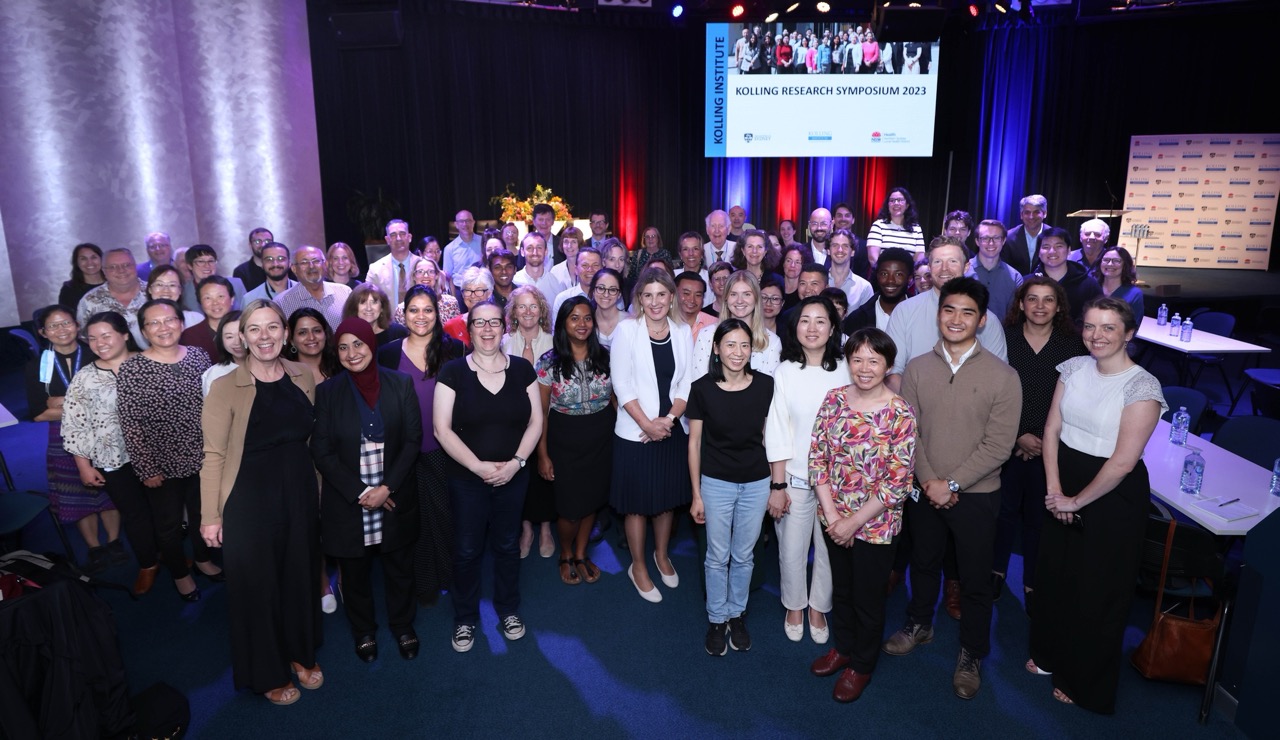
    A large group of inspiring researchers delivered presentations at the inaugural Kolling Institute Symposium, highlighting the strength of research underway at the institute.

    Close to a hundred people attended the event at the Northside Conference Centre focusing on the key themes of collaboration, innovation and wellbeing.

    Senior researchers and up-and-coming investigators took to the stage, outlining the progress being made with the Kolling’s basic science right through to its crucial implementation research.

    Academic Director Professor James Elliott said it was evident that significant achievements are being delivered, and I would like to recognise the considerable efforts by all our researchers from our heart and kidney disease scientists through to our neuroscience and pain, and musculoskeletal investigators.

    “It’s during big events like this one where we gain a much better idea of the ground-breaking work being undertaken at the Kolling and where we have the chance to meet with like-minded investigators from other teams.

    “It was also encouraging to hear from four consumer representatives who generously discussed their personal health experience. They provided crucial feedback on how to further involve consumers in our research community and future strategic initiatives.”

    Professor Elliott said the symposium was part of the overarching research strategy to raise the profile of the Kolling, its impressive researchers and its valuable work.

    “The event complemented the large collection of seminars and events we held throughout the year, and I am sure it went a long way towards broadening awareness of our potentially life-changing research and impact.”

    At the event Professor Elliott announced the successful recipients of the 2023 Kolling Awards. This year eight researchers received an award across the following five categories.

    Clinical Research Dr Vicki Duong and Dr Sumit Sahni

    Discovery Research Professor Jose Antonio Lopez-Escamez

    PhD completion Dr Natassia Rodrigo

    PhD supervision Associate Professor Claire Ashton-James and Dr Ryan Davis

    Professional Staff Quoc Nguyen (non-technical staff) and Shihani Stoner (technical staff)

    Professor Elliott said I would like to thank the Workforce and Culture Research Enabler and the Kolling Executive Committee for their co-ordination and support of the awards. It’s so important we acknowledge both our emerging and established leaders, and those having a remarkable impact with their research.

    “I would also like to acknowledge the researchers and professional staff for their tremendous commitment and contribution towards our research success.

    “Each of these award winners is driving substantial improvements in their individual areas of expertise, and I’m pleased that we’re able to direct the spotlight onto their significant achievements through the Kolling awards program.”

  • Kolling researchers to inform best care for those with a spinal cord injury

    Kolling researchers to inform best care for those with a spinal cord injury

    The expertise of our rehabilitation researchers at the Kolling Institute has been recognised with a prestigious international competitive grant to investigate the impact length of stay has on rehabilitation outcomes following a spinal cord injury.

    The National Institute of Health in the US has awarded more than $9 million to the overall project, with more than $750,000 coming to Australia.

    The five-year research project will investigate the impact of length of stay for rehabilitation programs in different countries including the USA, UK, Netherlands, Australia, Brazil and Canada.

    It will assess international approaches to the management of these challenging injuries and associated rehabilitation programs.

    Professor Ashley Craig from the John Walsh Centre for Rehabilitation Research has been appointed the chief investigator lead in Australia, with support from colleagues Dr Ilaria Pozzato, Dr Mohit Arora and Professor James Middleton.

    Australian researchers will assist the chief lead in the USA Dr Allen Heinemann, Professor of Physical Medicine and Rehabilitation, Emergency Medicine and Medical Social Sciences at Feinberg School of Medicine, Northwestern University, Chicago.

    Professor Craig has welcomed this prestigious grant delivered through the National Institute on Disability, Independent Living and Rehabilitation Research scheme.

    “This is a very significant international collaborative grant win and I believe the first National Institute of Heath grant won by the John Walsh Centre for Rehabilitation Research,” he said.

    “It is wonderful to be working with colleagues in Australia and internationally to progress our research to determine the best care for those with a spinal cord injury, and to ensure that everyone who experiences this type of injury, can access the very latest evidenced-based care and support.”

    Spinal cord injuries often have a catastrophic impact, affecting multiple bodily systems and functions. In addition to sensory and motor loss, there is a high chance of secondary conditions including chronic pain, diabetes, cardiovascular and respiratory problems, as well as cognitive impairment and mental health challenges.

    Spinal cord injuries can also lead to reduced social autonomy, difficulties gaining and sustaining employment, weight gain and sleep disturbance.

    Professor Craig said given these complications, it’s crucial patients have access to an evidenced-based, multidisciplinary intensive rehabilitation program.

    “We know that currently there’s a big difference in the length of time patients spend in rehabilitation programs in NSW and around the world,” he said.

    “COVID has also negatively impacted the length of stay in rehabilitation.

    “There is an urgent need to investigate the impact that a short length of stay, say three of four weeks has compared with a longer stay, of up to 12 weeks.

    “We are pleased to be part of this large-scale, international project to determine the optimum length of stay, and deliver the best long-term health outcomes.” 

  • Putting science into practice

    Putting science into practice

    Practical ways to implement scientific research was the theme of this year’s John Walsh Centre for Rehabilitation Research Forum. 

    Around 300 people attended in person and online to hear a full day of presentations.

    The event was co-organised by Illaria Pozzato and Johnny Bourke, Research Fellows at the rehabilitation centre.

    Johnny said this year’s event involved getting policymakers, researchers and consumers to dive into how to best implement research.

    “By doing this, we are ensuring the research evidence that we use to inform health and rehabilitation services in New South Wales is built on a really solid foundation of research that’s rigorous and co-designed,” he said.

    “We can then look at how we work to implement that into practice.”

    Johnny is unique in that he comes from a research and consumer perspective and says there are a lot of questions when it comes to implementing science.

    “How do we do it? What does it involve? What are the outcomes? How do evaluate the whole process?”

    Based on the Royal North Shore Hospital campus, John Walsh is an interdisciplinary centre focusing on rehabilitation for people with injuries and disabilities.

    The one-day forum featured a variety of talks, including how to implement evidence-informed models for hip fracture management and revising guidelines for managing people with whiplash-associated disorders.

    Johnny led a panel discussion, where researcher Dr Leanne Rees and consumers Dr Steve Peterson, Antonio Vecchio and Elyse Barber explored the realities of engaging with one another, and how to achieve the best outcomes.

    The panellists discussed a range of challenges, including the difficulty some consumers had travelling to meet with researchers, and the need for the impact of the research to be well articulated.

    Dr Rees, a former physiotherapist, noted that her role as a researcher led to her having a much deeper understanding of the lived experience of people with spinal cord injuries.

    Johnny said while there are many ways to implement research, at heart, it’s about making sure scientists engage their audiences, and that they engage the right methods to have their research impact on practice.

    “It’s also about making sure that the research that is conducted, is done not only in rigorous ways with good methodology, but also conducted in partnership with consumers.” 

  • First of its kind tool providing support for people with spinal cord injuries

    First of its kind tool providing support for people with spinal cord injuries

    A valuable digital resource has been launched to help people with spinal cord injuries troubleshoot some of the complex health challenges that can arise after injury.

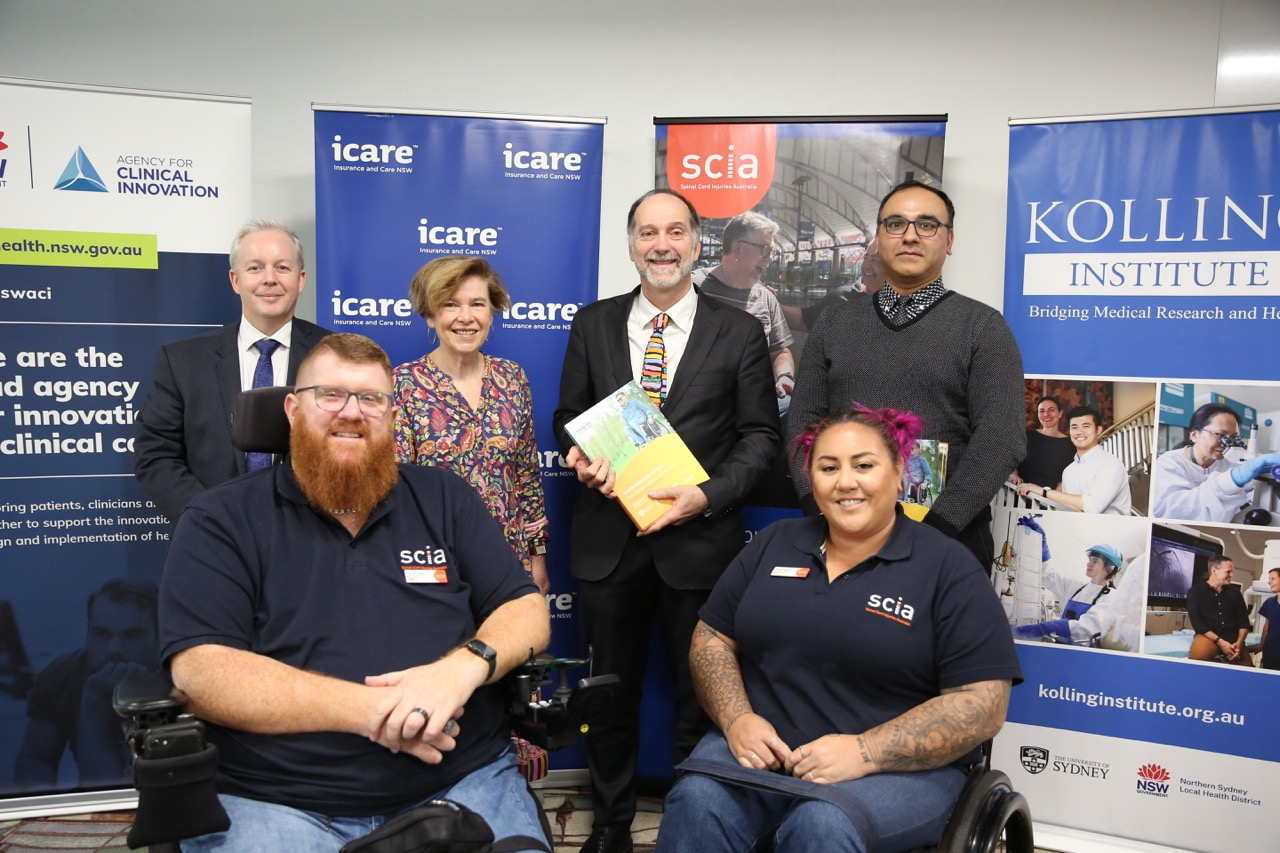
    The Spinal Cord Injury Health Maintenance Tool, which includes a website, smartphone app and hardcopy booklets, has been designed to empower people to self-manage their health-related needs and maintain a high quality of life.

    Launched by NSW Health Secretary Susan Pearce AM, the tool provides reliable, evidence-based and easy-to-understand information to help those with spinal cord injuries and their primary health care providers manage injury related concerns.

    It features interactive tools such as a quick health checker, collaborative care plans, symptom trackers and goal setting programs.

    The tool also offers self-management strategies focusing on mental health and wellbeing, as well as bladder, bowel, skin, pain and autonomic dysreflexia concerns.

    Kolling Institute and University of Sydney researcher Professor James Middleton, who was instrumental in the design of the resource, said the tool had been written through the lens of someone with a spinal cord injury, so individuals can learn what they need to do to stay well and what action to take when health issues arise.

    “The tool was developed following genuine, multi-method consultation with meaningful engagement with a diverse stakeholder group,” he said.

    “This process ensured the voices of individuals living with a spinal cord injury and their healthcare providers were incorporated into the design of this important new resource.

    “During the consultations for instance, we found there was a need to place a greater emphasis on mental health and wellness, so an additional component on mental health was included.

    “We are very proud of this resource which will provide practical and easily accessible information to those with a spinal cord injury.”

    Consumer reaction

    The resource has been welcomed by consumers. Brendan Gardiner lives with a spinal cord injury and spoke at the launch about his experiences using the tool.

    He says it provides information that keeps him ahead of the next problem.

    “It’s comforting to have an extra resource I can go to when I have a problem, and information that helps me avoid future problems.” Brendan said.

    Partnering for impact

    The freely available tool was developed in partnership between The University of Sydney, Royal Rehab, the State SCI Service, the NSW Agency for Clinical Innovation, and with funding provided by icare NSW.

    Group Executive of icare Lifetime Schemes Dr Nick Allsop has welcomed the development of the tool, particularly given the complex health needs of people living with a spinal cord injury.

    “The website and app empower people to expertly and proactively manage their health needs independently, and with their care team. We want people with a spinal cord injury to have improved quality of life and health outcomes.”

    To find out more about this comprehensive resource visit the Spinal Cord Injury Health Maintenance Tool website. 

  • Australian researchers uniquely positioned to support upcoming space missions

    Australian researchers uniquely positioned to support upcoming space missions

    The expertise across Australia’s space medicine community was showcased during a special event co-ordinated by the Kolling Institute and the Australasian Society of Aerospace Medicine.

    Staged over two days, the colloquium involved national and international experts including representatives from the Australian Space Agency, the CSIRO, Boeing and the Australian Antarctic Program.

    Presenters discussed the specific medical, dental, and psychological needs of astronauts, Australian-designed space suits and opportunities for our space community in NASA’s Artemis exploration of the moon and ultimately Mars.

    Kolling Academic Director Professor Jim Elliott said Australia’s involvement in the Apollo Moon landings is well documented, but perhaps what is not well known is the depth of experience in Australia’s contemporary space industry.

    “We have a tremendous depth of medical, technological and research expertise in this field,” he said.

    “Australian clinicians and researchers have been collaborating with international space agencies for years. Our clinical experience and research have helped inform developments in space life sciences as our international partners recognise our unique scientific expertise.

    “Some research has specifically focused on clinical advances to improve the healthcare support to astronauts.

    “Our technological sector is also well placed to offer specialised support, with a consistent track record of driving innovation.

    “Australian experience has driven advances in radiation protection, wearable sensors and compression suits worn by astronauts to limit the musculoskeletal effects of microgravity.”

    Dr John Cherry, a director from the Australasian Society of Aerospace Medicine said Australia is in a strong position to support long duration human spaceflight missions.

    “We are world leaders in rural and remote healthcare, with experience delivering care in some of the most extreme and isolated environments on earth,” he said.

    “The Australian Antarctic Program for example has developed specialised training and technology to enable a generalist doctor to provide high quality medical, surgical, anaesthetic and dental care to an isolated team.

    “Many of the challenges faced in these settings will be experienced by astronauts and space agencies as human spaceflight extends further into space.”

    Professor Elliott said the Australian space medicine community is keen to see the medical progress as a result of the upcoming space explorations.

    “It’s anticipated that some of the lessons learned in space will deliver benefits back on earth and help to drive improvements in health outcomes.

    “For instance, the new knowledge around the deconditioning of astronauts in space could help doctors back home managing patients with deconditioning after long periods in hospital.” 

  • Research questions the value of injectable medications for osteoarthritis

    Research questions the value of injectable medications for osteoarthritis

    Our researchers at the Kolling Institute are encouraging those with osteoarthritis to rely on treatments with a proven track record and avoid quick fixes without the data to show they work.

    The comments follow a steady rise in osteoarthritis cases nationally, with around three million Australians now living with the condition, and many forced to retire early.

    The rise in cases has coincided with strong interest in injectable medications, particularly for knee osteoarthritis, such as hyaluronic acid, stem cells and platelet-rich plasma.

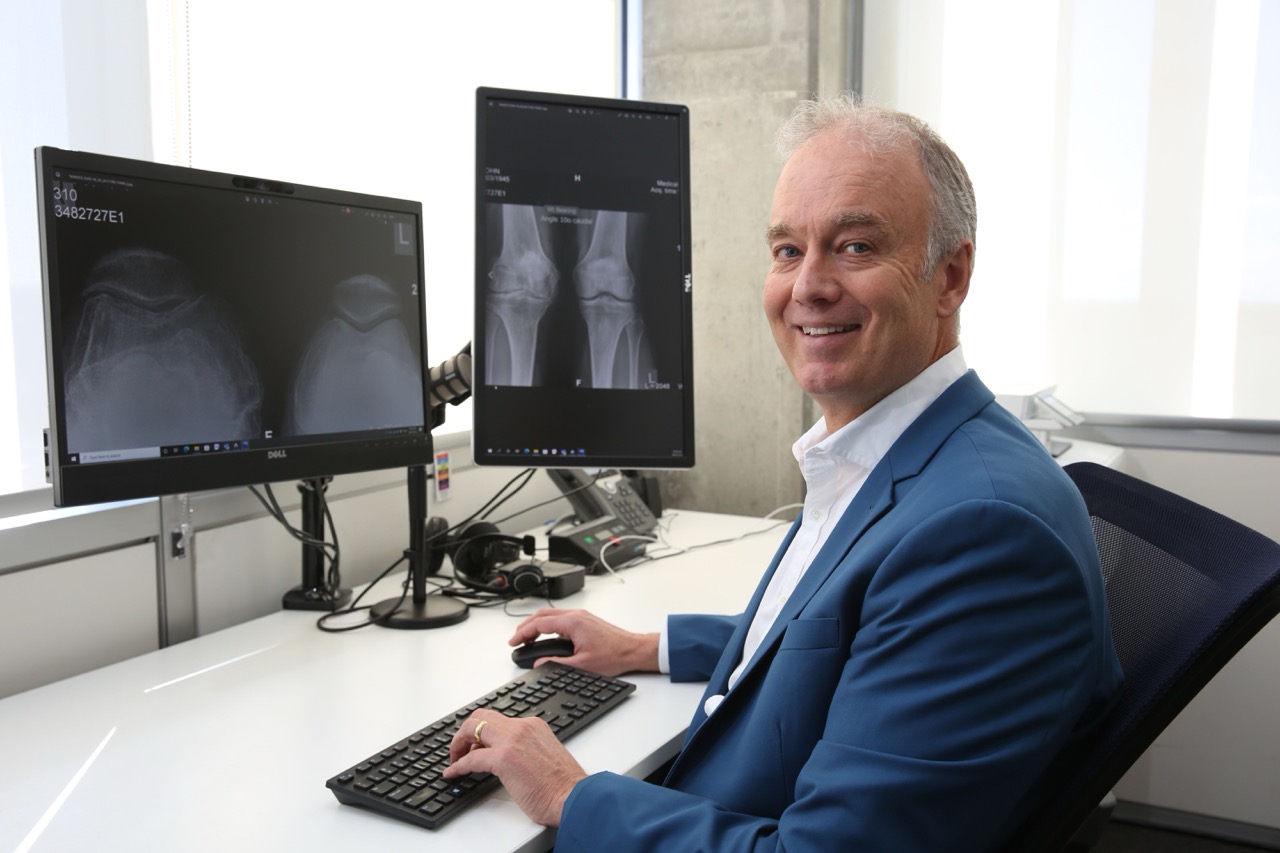
    But Royal North Shore Hospital rheumatologist and world leading osteoarthritis researcher Professor David Hunter said we don’t have the data to show these injections work.

    “The hyaluronic acid injections are no better than a saltwater injection, but they will cost you a lot more, while we just don’t have good enough evidence for the stem cell injections or the platelet-rich plasma,” said the University of Sydney researcher.

    Professor Hunter is disappointed that the latest evidence on treatments is not filtering through to consumers and new resources are not reaching those with osteoarthritis.

    He would like to see a stronger focus on the core treatments which work.

    “Individuals with osteoarthritis need to be encouraged to manage their condition using behaviour and lifestyle interventions in the knowledge that the development of disease-modifying drugs might still be some way away,” he said.

    “Some of the evidence-based treatments include doing exercises that strengthen the muscles around the affected joint.

    “We recommend working with a physiotherapist or an exercise physiologist trainer to learn how to strengthen those muscles.”

    Professor Hunter said staying active and losing weight, if you are carrying extra kilos, are also important steps that can make a difference.

    “We know that losing five per cent of body weight can improve joint pain and function by 30 per cent. This can have a significant impact.”

    Research indicates cortisone injections can be used for short-term relief but not a long-term solution.

    “One injection may be fine but repeat steroid injections appear to increase the risk of progressing the disease,” he said.

    More information on treatments and the latest advice can be found on websites including Arthritis Australia, My Joint Pain and Joint Action.

    Professor Hunter’s views were published in Nature Reviews Rheumatology.

    For more details, check out the 9NEWS story below.

    9NEWS: Experts warn against knee injections

  • Back pain cases to rise sharply

    Back pain cases to rise sharply

    A new study by researchers at the Kolling Institute estimates more than 800 million people will be living with low back pain by 2050, a 36 percent increase from 2020.

    The prediction follows an analysis of 30 years of global health data from over 200 countries.

    Modelling shows the number of back pain cases globally will rise to 843 million people by 2050, while in Australia, it’s expected there will be a 50 percent increase. The biggest jump is likely to be seen in Asia and Africa.

    Researchers are concerned the trend will only get worse with an inconsistent approach to back pain treatment. They say many commonly recommended treatments have been found to be ineffective, including some surgeries and opioids.

    Researchers say there’s also a misconception that low back pain mostly affects adults of working age. This study shows that most low back pain cases affect older people, and more women than men.

    Lead author Professor Manuela Ferreira, from Sydney Musculoskeletal Health and the Kolling Institute said our analysis paints a picture of growing low back pain cases globally, putting enormous pressure on our healthcare system.

    “We need to establish a national, consistent approach to managing low back pain that is informed by research,” she said.

    “Currently, how we have been responding to back pain has been reactive. Australia is a global leader in back pain research, so we can be proactive and lead by example on back pain prevention.”

    Senior author Professor Lyn March from the Kolling Institute said we know that most available data comes from high-income countries, making it sometimes hard to interpret these results for low to mid-income countries.

    “We urgently need more and accurate data from countries of low to mid-income,” she said.

    Co-author Dr Katie de Luca, from CQUniversity, said if the right action is not taken, low back pain can become a precursor to chronic health conditions such as diabetes, cardiovascular disease and mental health conditions, invasive medical procedures, and significant disability.

    “Low back pain continues to be the greatest cause of disability burden worldwide. There are substantial socio-economic consequences of this condition, and the physical and personal impact directly threatens healthy ageing.”

    The study analysed global health data from 1990 to 2020. It is the first study to inform modelling for the future prevalence of back pain. The findings have been published in Lancet Rheumatology.

  • Researchers call for a greater focus on the physical impact of whiplash injuries

    Researchers call for a greater focus on the physical impact of whiplash injuries

    Researchers from the Kolling Institute have led an international study investigating why some people spontaneously recover from whiplash following a motor vehicle collision, while others don’t. Their work has uncovered new evidence indicating it may relate to the health of muscles and stress.

    More than 140 people were recruited to the longitudinal study, which involved research teams from the United States, Canada, and Australia.

    The study ran for more than five years, with participants undergoing a series of ultra-high resolution MRIs of the spine and neck.

    Researchers analysed pain, psychological distress, as well as physiological measurements of muscle fat in the neck.

    Following the extensive analysis, researchers found higher neck muscle fat infiltration and distress may be a risk factor for whiplash related injury, although it was unclear whether this was a pre-existing condition or the result of the trauma.

    Lead researcher Professor Jim Elliott, Academic Director of the Kolling Institute said it’s known that higher levels of stress can have a negative effect on overall health and wellbeing, but in particular, the health and functioning of our skeletal muscles.

    “This study provided more evidence that those reporting higher levels of post-traumatic distress had higher levels of muscle fat infiltration,” he said.

    “Future work needs to determine if these conditions were present before the injury, and whether pre-traumatic life stress is accompanied by poor muscle health and function.”

    Professor Elliott said the study represented an important body of work with 1.3 million Australians alone experiencing chronic whiplash associated disorder.

    “We know that half of those who experience whiplash during a collision recover rapidly, while the other half do not recover and 20 per cent have severe ongoing pain and disability.

    “This causes a significant personal toll, as well as an economic burden of close to a billion dollars a year just in Australia.

    “Research to date has generally focused on secondary prevention rather than primary prevention of whiplash associated disorder.

    “Nearly all the high quality trials over the last 25 years have tested interventions to reduce adverse outcomes, yet these trials have done little to reduce the burden of the disorder.

    “In fact, neck pain, the most common symptom of chronic whiplash remains the fourth leading cause of Years Lived with Disability, a ranking which has not changed in over 30 years.

    “There is a clear need for innovation in diagnosis and prognosis, as well as effective strategies to mitigate the risks for the large number of people living with the chronic disorder.

    “Currently, the focus is on the consequences of a collision, such as post-traumatic psychological distress and disability. Following our research, we would like to see greater attention directed to the biological and biomechanical mechanisms involved in the disorder.

    “We believe this broader approach could improve the prediction of the clinical course and therefore the management of the condition.

    “It could offer valuable information and treatment options for the 25 per cent of people who suffer a whiplash injury and then transition from acute to chronic pain and disability.”

    The study was funded by the National Institutes of Health in the USA. It has been published in the prestigious Spine Journal.

  • A simple yet smart approach to spinal cord injuries may offer a new way forward

    A simple yet smart approach to spinal cord injuries may offer a new way forward

    Researchers based at Royal North Shore Hospital have launched the first study of its kind in the world to support those with a spinal cord injury.

    The team from the Kolling Institute’s John Walsh Centre for Rehabilitation Research is now seeking recruits for the clinical trial which is investigating the benefits of an approach combining breathing techniques with heart rate feedback.

    Study lead Professor Ashley Craig said many of us don’t realise the wide-ranging impact of spinal cord injuries from unstable blood pressure, chronic pain and fatigue through to poor sleep, brain fog, confusion and low mood.

    “All these conditions can significantly compromise quality of life,” said Professor Craig, Professor of Rehabilitation Studies at the University of Sydney and the Kolling Institute.

    “Doctors currently rely on a host of pain management and treatment approaches, but our team has developed an innovative technique to support existing treatment strategies.

    “It follows increasing evidence around the positive impact of regulated breathing on the nervous system, blood pressure and stress.

    “Our study is investigating whether rhythmic breathing combined with heart function feedback can help people with a disrupted nervous system.

    “We know that a disrupted nervous system can be like a car without brakes, with limited moderation of the effects of the nervous system.

    “Our approach is using a specific type of breathing to regulate heart function to a point where it influences neural function and the autonomic nervous system.

    “The hope is this will in turn deliver wide ranging benefits for the brain, the gut, the heart, sleep and a host of other physical functions. Importantly, we hope it will improve quality of life for those taking part.”

    One of the first people to join the clinical trial is Dawn Miller-Argue. Dawn suffered a spinal cord injury in 2019 as result of radiation exposure to her spinal cord.

    She has welcomed the opportunity to be part of the trial, saying the strategies have helped her to manage her pain and gain more control over her body.

    “I have found my stress levels and my fatigue have decreased, while my sleeping is better and I’m more grounded and in control,” she said.

    “The technique has allowed me to be more productive during the day, and helped me to do more, be more active, and be more independent.

    “It has been really encouraging to see that I have control over how my body works, when I don’t have any control over some parts of my body.

    “Knowing how quickly I can affect change through something as automatic as breathing and being more conscious of it, has been extraordinary.”

    The Spinal cord injury, Mind and HeART or (SMART) study has been made possible by $3 million in combined funding from the NSW Ministry of Health and the University of Sydney.

    How to participate

    If you would like to take part in the clinical trial or find out more about the study, please email smart.trial@sydney.edu.au or call 0420 378 157 

NSWGOV logo