Blog

  • Innovative musculoskeletal program heads to the bush

    Innovative musculoskeletal program heads to the bush

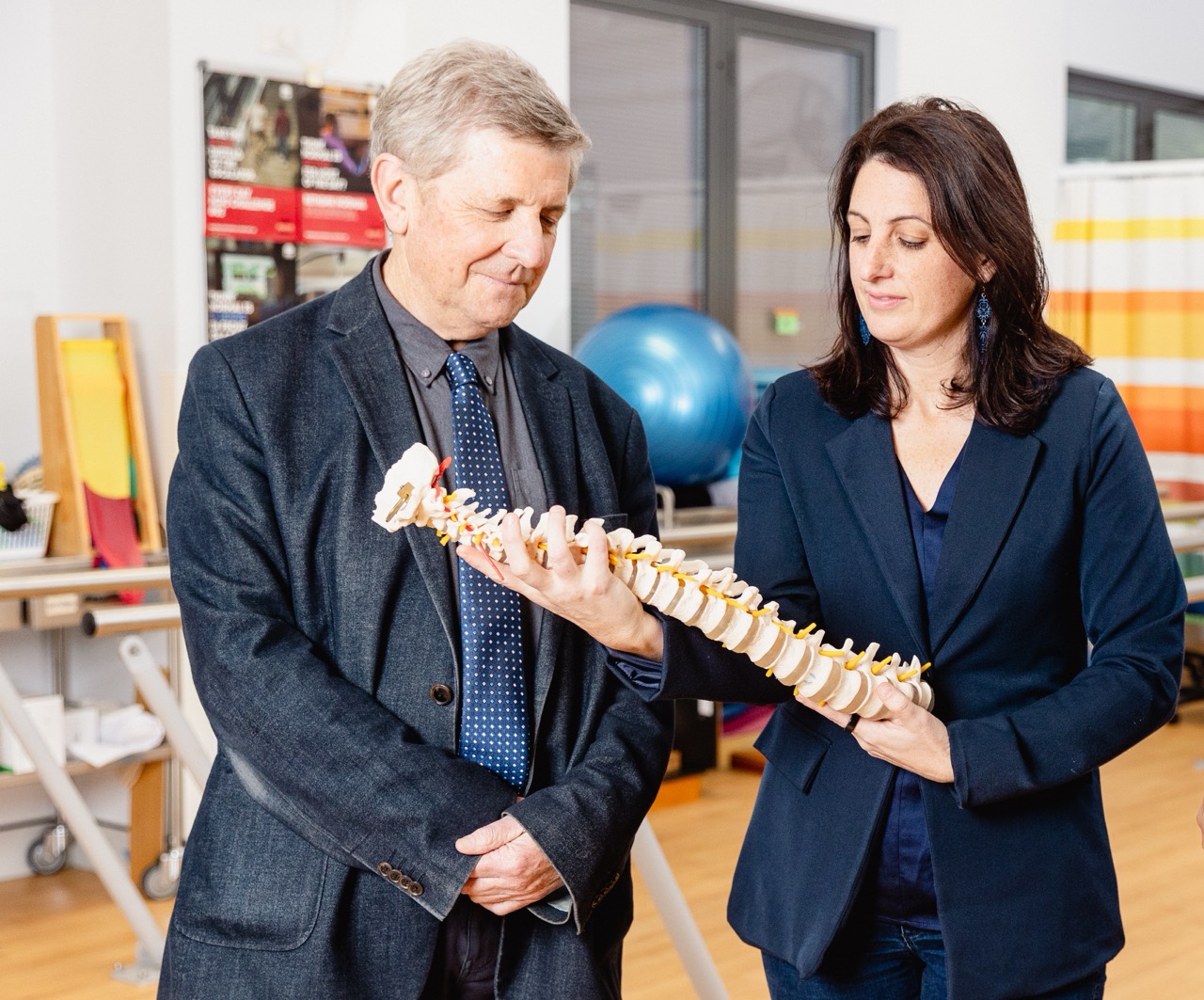
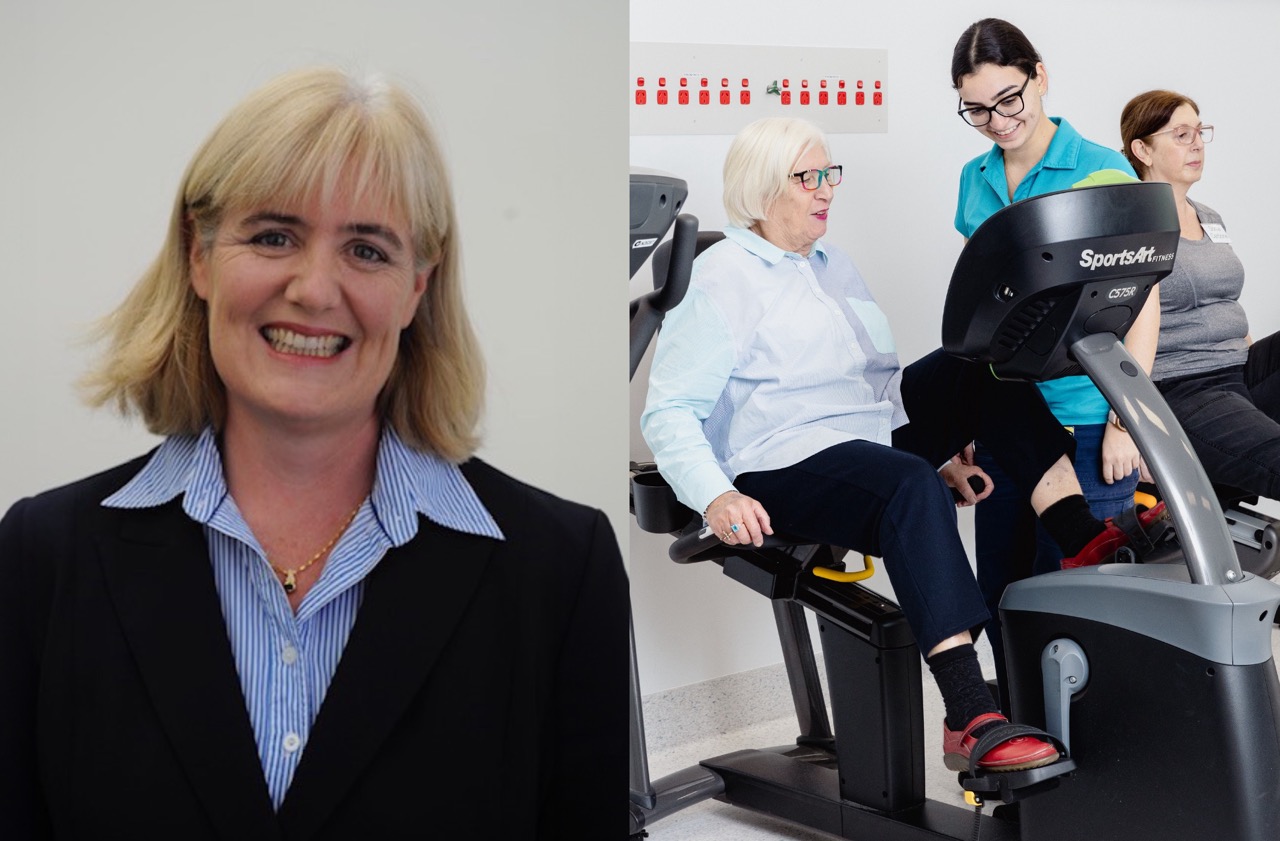
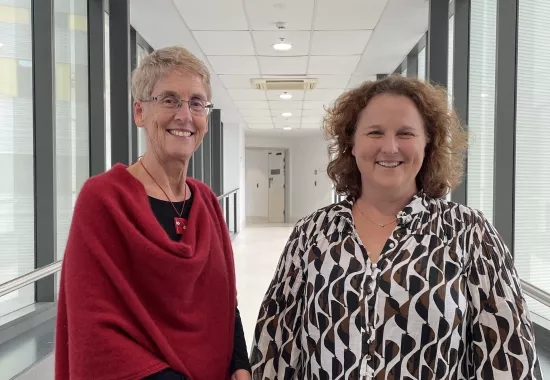
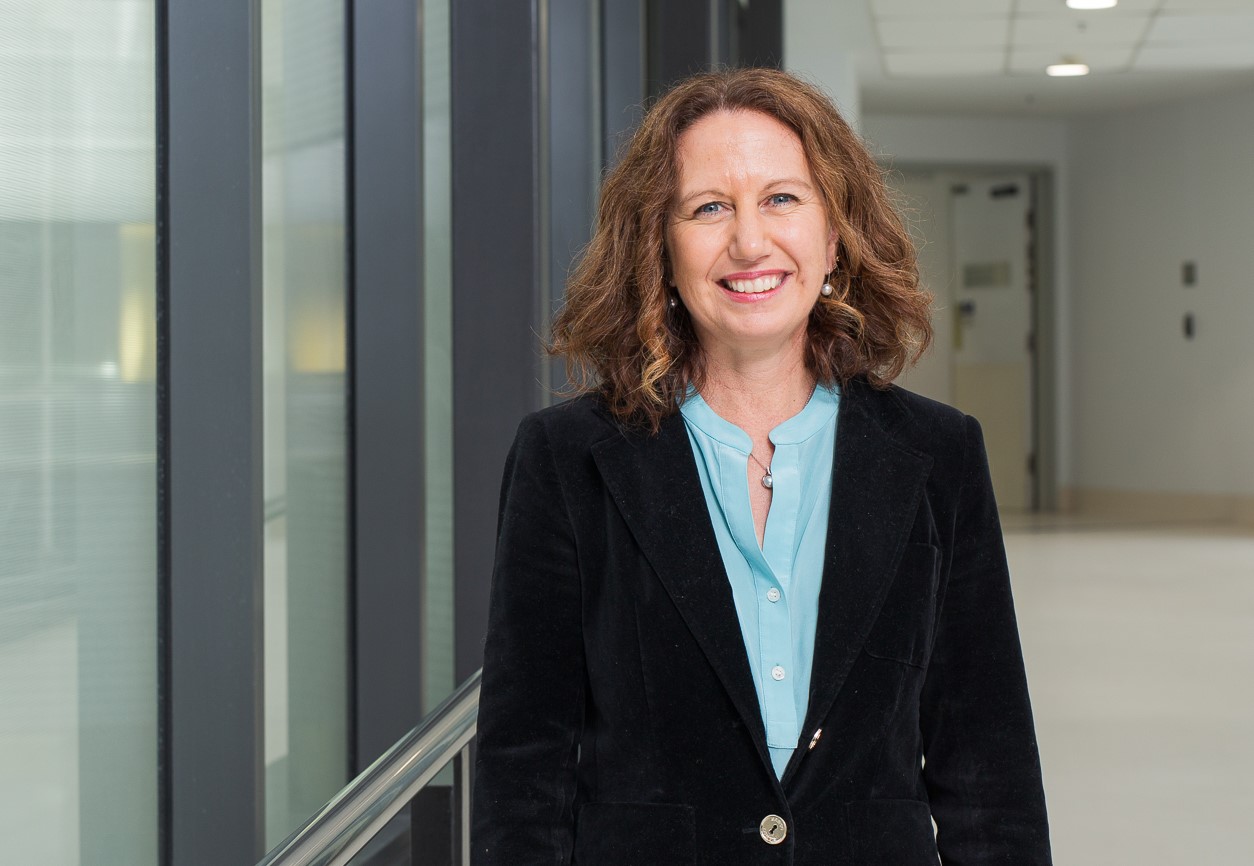
    In a sign of the strength of the Kolling Institute’s research and clinical capabilities, Professor Trudy Rebbeck has been awarded a $2.5 million grant to offer a musculoskeletal care program in rural and remote parts of Australia.

    As a Professor of Allied Health and a physiotherapist, Trudy will lead the collaborative project involving University of Sydney, NSLHD and Kolling Institute researchers Michael Nicholas, Ian Cameron, Annette Kifley and Claire Ashton-James.

    She is excited to launch the initiative which has been funded as part of a $20 million boost for improved primary care and chronic pain treatment.

    Trudy said an increasing number of people are experiencing chronic musculoskeletal conditions like back, neck pain and arthritis, but few people in rural and regional areas are being offered evidence-informed care involving good advice and an exercise plan.

    “We know that people in these communities have poorer access to appropriate care and ultimately poorer musculoskeletal health,” she said.

    “Our large-scale program, named PACE RURAL, will be offered across the country for the first time, providing a high quality and yet low-cost solution.”

    It will involve a simple online tool at the point of care to identify people who may recover well and those who may not. Those who are likely to recover well can be guided by the online resource (Mypainhub.com) which provides accurate advice and exercises to aid recovery.

    People needing extra care will receive early virtual access to an expert allied health clinician.

    The allied-health specialist will work with the local GP through an advanced assessment of risk factors and develop an individualised treatment plan.

    “For many people living in rural and remote parts of Australia, one of the biggest challenges is access to specialised healthcare, so we hope that through this program, we will broaden access to evidenced-based, effective care and importantly, improve long-term musculoskeletal health,” she said.

    “We know from our work in metropolitan regions that increasing support from allied-health clinicians delivers better health outcomes for higher risk individuals, so we expect this project will now provide a cost-effective solution in rural and remote Australia too.” 

  • The latest update from the Kolling

    The latest update from the Kolling

    Here’s a snapshot of our latest research at the Kolling Institute and the impact it’s having across the community, from new national guidelines for physios helping those with life-changing spinal cord injuries to a new approach for those with debilitating chronic pain. There’s a focus too on our researchers reducing the physical toll of spaceflight and the latest care for osteoarthritis. 

    Flip through our flipping book for more:

  • Vale John Walsh

    Vale John Walsh

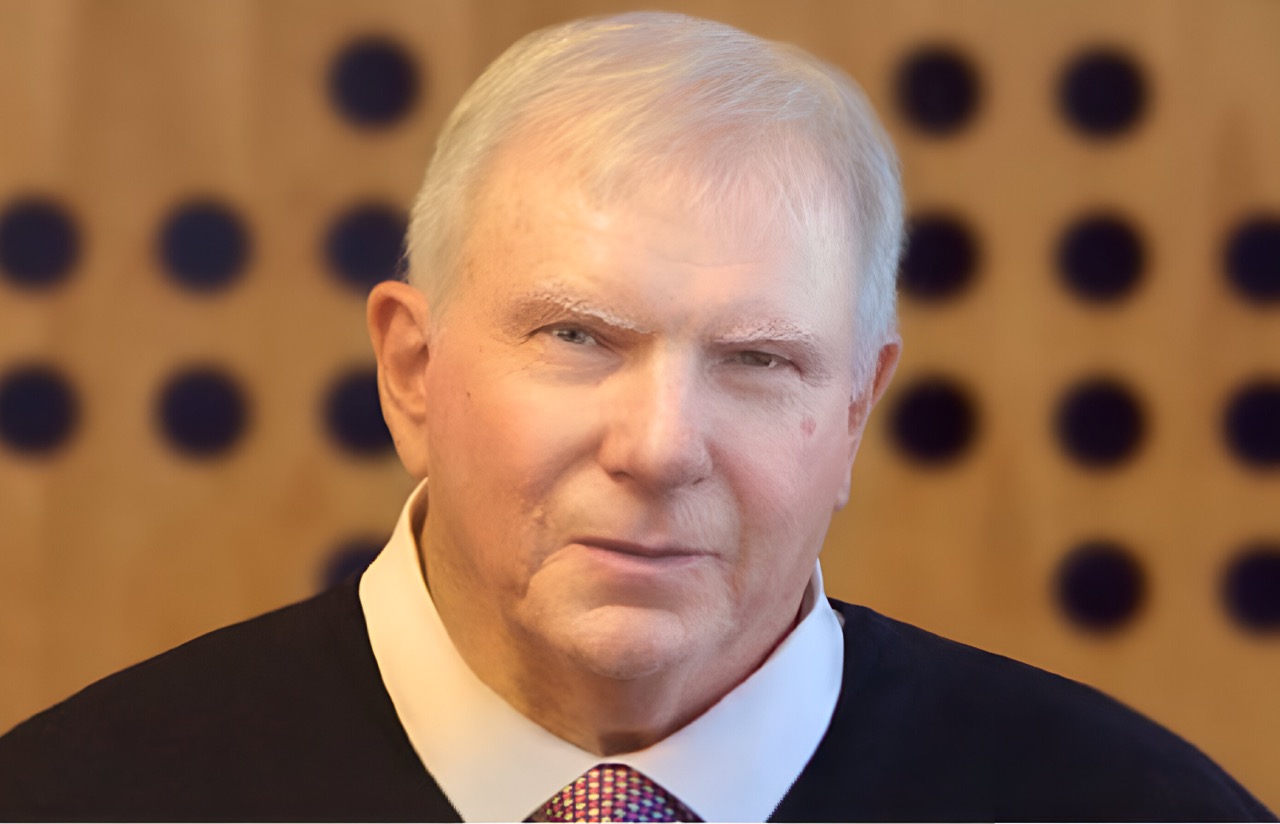
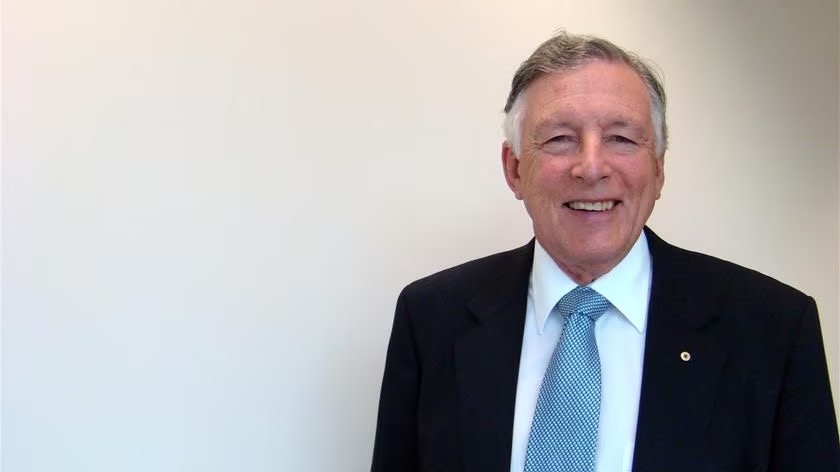
    It is with great sadness that the Kolling Institute acknowledges the passing of Professor John Walsh AO.

    Professor Walsh had a longstanding relationship with many researchers across the Kolling and the local health district and was immensely respected by his colleagues.

    Having a background as an actuary, Professor Walsh applied his expertise to many projects over his life, specifically policy development and research related to disability and rehabilitation.

    In 2014, the John Walsh Centre for Rehabilitation Research was named in his honour. It has since played an integral role within the Kolling Institute, and influenced national and international models of care.

    Over the past decade, Professor Walsh provided advice to researchers at the centre both on an informal basis and as a researcher for specific projects.

    For around ten years, John also held an appointment as an Adjunct Professor in the Faculty of Medicine and Health at the University of Sydney.

    Professor of Rehabilitation Medicine and Senior Staff Specialist Ian Cameron said John’s continuous guidance and generosity was a highlight of his working relationship with him. 

    “John was always generous with his time. His knowledge of rehabilitation and disability issues was vast,” he said.

    “John provided guidance on clinical, policy, public health and actuarial issues related to disability and rehabilitation.”

    Our deepest condolences and best wishes are with his loved ones during this time. 

  • Kolling Institute researchers instrumental in Australian first guidelines

    Kolling Institute researchers instrumental in Australian first guidelines

    It has taken three years and many hours of careful work, but two researchers from the John Walsh Centre for Rehabilitation Research have developed the first clinical practice guidelines for physiotherapists to inform the care of people with life-changing spinal cord injuries.

    Physiotherapy is a key part of rehabilitation for people with a spinal cord injury, but until now, there has been no nationally consistent advice based on the best available evidence.

    The guidelines were driven by Professor Lisa Harvey and Associate Professor Joanne Glinsky, who worked with a team of physiotherapists, researchers, and people with a spinal cord injury across Australia and New Zealand.

    Professor Harvey said the recommendations provide up-to-date information on the most effective physiotherapy management.

    “Importantly, they are based on a rigorous evaluation of the available evidence, taking into account the opinions of clinical experts and people with a spinal cord injury,” she said.

    “We started the process by identifying over 100 clinical questions of importance to physiotherapists and those living with an injury, and each question was ultimately answered by way of an evidenced-based recommendation or a consensus statement.”

    Associate Professor Glinsky said we followed a very detailed and rigorous process with many meetings, discussions and reviews of the evidence.

    “It is this process that should give people confidence in the recommendations of the guidelines,” she said.

    Professor Harvey added that the work was only possible with the initial financial support from icare in NSW, and the support from organisations throughout Australia including the Transport Accident Commission, the National Insurance Scheme Queensland and the Lifetime Support Authority.

    “Their support for this important piece of work was critical to our success. We are tremendously grateful they shared our vision to create these first Australian recommendations.”

    The guidelines can be viewed at www.SCIPTguide.org 

  • Professor Michael Cousins leaves extraordinary legacy

    Professor Michael Cousins leaves extraordinary legacy

    We would like to acknowledge the remarkable life of pain medicine pioneer and former Royal North Shore Hospital specialist Professor Michael Cousins AO who has sadly passed away.

    Michael was a trailblazer in anaesthesia and pain medicine, and a mentor to many at the Kolling Institute and on the Royal North Shore Hospital campus.

    With a career spanning more than 50 years, Michael dedicated his life to helping others through pain management and better care. He changed the way that Australia managed pain, believing that access to pain management was a fundamental human right. He instigated change not only in Australia, but on a global scale.

    Michael designed Australia’s National Pain Strategy, and was a founding member of peak Australian pain advisory bodies and academic faculties. In 1995, he was made a Member of the Order of Australia.

    Michael was instrumental in the establishment of Royal North Shore Hospital’s Pain Clinic and the Kolling Institute’s Pain Management Research Institute (PMRI). This multidisciplinary centre is internationally regarded for its clinical care, teaching and research.

    In 1998, the institute was recognised by the National Health and Medical Research Council as one of only eight Centres of Clinical Excellence in hospital-based research, and in 2012, it was named the lead site for pain research in the state by the NSW Ministry of Health.

    Today, it continues to support the community, delivering world leading research and improvements in care.

    Current PMRI Director Professor Paul Glare said he first met Michael in the early 1990’s and worked alongside him in an academic capacity.

    “Little did I know at the time that I would replace him as Chair of Pain Medicine and be the beneficiary of the incredible academic legacy he left here in Northern Sydney,” he said.

    “His passing is very sad for all of us in the Michael J Cousins’ Pain Management Research Institute.

    “I would like to recognise his truly incredible efforts to lift standards of care and improve the management of pain across Australia and internationally.”

  • Digital technology to support those with long-standing pain

    Digital technology to support those with long-standing pain

    Researchers based at the Kolling Institute have launched a clinical trial using digital health technology to help those with chronic pain reduce their use of opioids.

    Chief investigator and leading pain specialist at Royal North Shore Hospital Professor Paul Glare said many people with chronic pain are using opioid medications long-term, but research shows that in many cases, these medications are doing more harm than good.

    “We know that reducing the use of opioids not only minimises harm, but also leads to improvements in pain and quality of life,” he said.

    Professor Glare said many people who have been on long term opioids for pain find reducing their dose a daunting prospect, and unfortunately, many of them don’t have much social support either.

    As part of the clinical trial, participants will watch a video about pain and opioids and receive text messages, while their opioid medication dose is reduced under the supervision of the prescribing doctor.

    “The aim of this study is to see if we can provide more support via their mobile phone to make tapering easier.

    “The clinical trial follows a pilot study which showed that patients’ confidence to reduce their reliance on opioids improved when they received text messages.

    “It also found their pain reduced, and their mood and functioning was better.

    “We are now enrolling participants in a randomised control trial to test if the intervention leads to a greater reduction of their opioid dose.”

    You can join the study from anywhere in Australia where you have access to a phone network and the internet.

    If you would like to participate go to Support4Pain Study 

  • Australian researchers help astronauts tackle the health challenges of spaceflight

    Australian researchers help astronauts tackle the health challenges of spaceflight

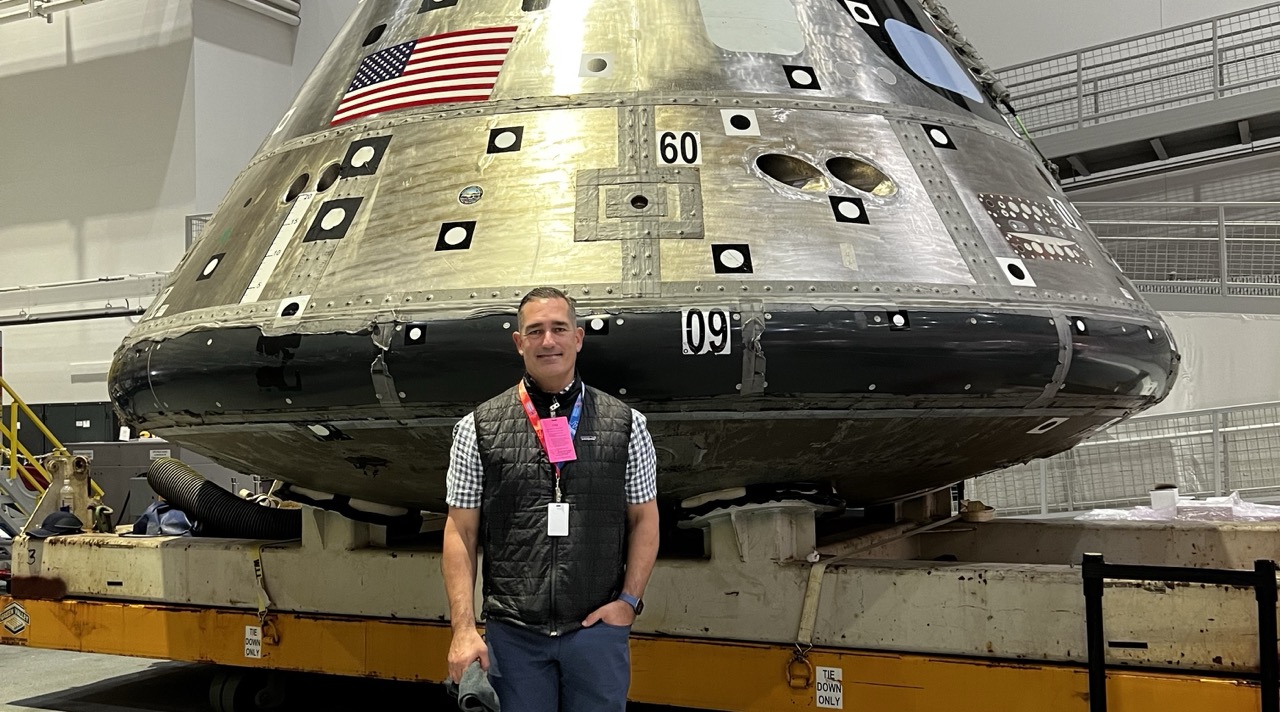
    As the National Aeronautics and Space Administration (NASA) progresses its ambitious Artemis spaceflight program, Australian researchers including the Kolling Institute’s Academic Director Professor James Elliott will tap into their scientific expertise to offer support.

    Professor Elliott attended a recent event at NASA’s Johnson Space Centre in Texas, which brought together leading clinicians and scientists from around the world to discuss ways to reduce the spine injuries experienced by astronauts.

    This group is exposed to a range of musculoskeletal conditions including spinal pain and muscle challenges due to the lack of gravity when in space.

    Professor Elliott said we know that physical changes to the spine during spaceflight predispose astronauts to symptomatic spine pain and nearly 50 per cent of cases presenting to NASA’s musculoskeletal care team involve spine pain.

    “The risk of spine pain during and after spaceflight raises operational issues and concerns for the long-term spine health of astronauts and others going into space,” he said.

    “We are looking forward to sharing our expertise to help reduce injury, and improve the health and performance of astronauts.

    “NASA has expressed an interest in our MuscleMap program, which is a revolutionary technique to assess whole-body skeletal muscle composition using high-resolution MRI.

    “The program is generating a reference dataset of muscle composition across the lifespan to help diagnose pathology, gauge the effectiveness of interventions, and develop new health outcome measures.

    “The normative data sets, developed by the MuscleMap program, could be used to compare data sets from the astronauts, so that when astronauts return from space, and they’ve experienced zero gravity exposure, you will be able to see what’s happened to their muscle system and what has changed to their skeletal muscle composition.

    “The MuscleMap program could be an assessment tool to help improve their pain and performance when they’re in space, when they get home, and in preparation for future missions.

    “We are very excited to be involved with this cutting-edge research which we hope will directly support astronauts and their long-term health.”  

  • Research helping the community tap into the best osteoarthritis care

    Research helping the community tap into the best osteoarthritis care

    While a large share of the community experiences osteoarthritis, many people are not receiving the latest, evidenced-based care leaving them with poorer and more painful outcomes.

    Health and government bodies are working to address the shortfall, investing resources to increase awareness of high-value care.

    As part of this national approach, Kolling Institute researcher and physiotherapist Dr Jillian Eyles has received a prestigious $660,000 NHMRC investigator grant to promote best-practice osteoarthritis care.

    Dr Eyles said we know that the first-line approach for osteoarthritis involves non-surgical treatments based on education, self-management, exercise and weight control.

    “This approach works well for many people and is consistently recommended by the clinical guidelines, and yet 64 per cent of people with osteoarthritis are not offered these treatments,” she said.

    “We can see there are many barriers to delivering the best care from a lack of knowledge and skills of health professionals to traditional referral pathways.

    “There is an urgent need to reduce the use of treatments that are not recommended such as unnecessary surgical procedures, and we will be working with surgeons to gain a better understanding around the existing pathways.

    “As part of this grant, we will also be looking at new ways to educate and train the health workforce to deliver best-evidence care, and we’ll be working to improve the uptake of programs which offer best-evidence models of care.

    “This will involve phasing-out low-value osteoarthritis treatments which should no longer be used.

    “A large amount of research has made considerable progress in recent years, and its crucial that this new advice and understanding of the joint disease is broadly incorporated into both the hospital and community settings.

    “More than eight per cent of Australians lives with osteoarthritis, so it’s important everyone has good access to the best available advice and treatment.”

  • New research challenges the link between the weather and joint pain

    New research challenges the link between the weather and joint pain

    Many people believe there is a connection between the weather and joint or muscle pain, but a team of researchers from the Kolling Institute and the University of Sydney say their latest study has found there is no link between the two.

    Lead author Professor Manuela Ferreira said there is a longstanding belief that changes in weather conditions, such as rain or temperature variations, can trigger or worsen muscle and joint pain, but based on their analyses, they have found the weather has no direct influence on the most common musculoskeletal conditions.

    “We looked at data from over 15,000 people from seven different countries,” she said.

    “Together, these people reported over 28,000 episodes of pain, mostly back pain, knee or hip osteoarthritis. We also included people with rheumatoid arthritis and gout.

    “We then looked at the frequency of those pain reports in different types of weather, hot, cold, humid, dry, rainy and found no difference.

    “In other words, people do not experience more pain or pain flares when it is hot, or cold, or humid or raining suggesting there is no direct link between the weather and joint or muscle pain.

    “The only exception was gout where we found hot and dry weather can increase the risk of a flare in people with gout.”

    Professor Ferreira said the study highlights a wider issue that even though more than a quarter of Australians are affected by a chronic musculoskeletal condition, there are still widespread misconceptions and limited treatment options.

    “Patients are often left to navigate and understand their medical condition without access to reliable information,” she said.

    “Our research has debunked a common myth, and we hope shifted attention to evidenced based care.

    “When seeking pain prevention and relief, both patients and clinicians should focus on how to best manage the condition, including weight management and exercises, and not let the weather influence any treatment.”

  • Philanthropic support building our research expertise

    Philanthropic support building our research expertise

    A collection of researchers will develop their skills and establish crucial new collaborations following generous funding through the Skipper Charitable Trust.

    Six researchers have received a 2024 Beryl and Jack Jacobs Travel Award, enabling them to travel for conferences and work with experts across the globe.

    Academic Director Professor James Elliott was thrilled to announce the successful recipients, saying each researcher demonstrated how their travel opportunity will broaden their research expertise and lead to exciting new progress.

    Dr Karen Bracken from the Osteoarthritis Clinical Research Group will travel to the University of Bristol to work with the team at the renowned Bristol Trials Centre. There she will gain a better understanding of recent advances in clinical trials, directly supporting her role as a clinical trials program lead.

    Dr Barbara Lucas from the John Walsh Centre for Rehabilitation Research will attend the Australasian Academy of Cerebral Palsy and Developmental Medicine Conference in Cairns to present her ground-breaking research from the Best START trial into early intervention in children with Cerebral Palsy.

    Dr Vicky Duong from the Osteoarthritis Clinical Research Group will travel to the United States and Canada to work with researchers at Harvard University, the University of North Carolina and the University of Toronto. This is set to be a valuable opportunity for Vicky to expand her international networks following her successful Category I NHMRC funded project in Australia.

    Brian Kim from the Neuromuscular Imaging Research Laboratory will visit the United States to work with colleagues at the Northwestern University in Chicago. Brian is establishing machine learning methods to automatically quantify the soft tissues of the shoulder in patients needing surgical repairs.

    Dr Vibha Patil from the Meniere’s Disease Neuroscience Lab will travel to Spain to build on her work into the genetics of Meniere’s Disease, a debilitating disorder of the inner ear.

    Amanda Purcell, a PhD student in the Renal Laboratory, will also travel to Spain and the UK to further her studies around predicting gestational diabetes in early pregnancy. Amanda is set to learn cutting-edge techniques, complementing her growing knowledge in this field and strong analytical skills.

    Professor Elliott said these opportunities would not be possible without the financial boost delivered through the Skipper Charitable Trust.

    “I would like to thank the family behind the trust for their wonderful ongoing support of our early and mid-career researchers,” he said.

    “Their help is directly strengthening our research expertise and increasing our long term impact.”

NSWGOV logo