Blog

  • International spotlight on talented Kolling neuroscience investigator

    International spotlight on talented Kolling neuroscience investigator

    We would like to congratulate one of our emerging leaders at the Kolling Institute who has received a prestigious award at an international conference in Melbourne.

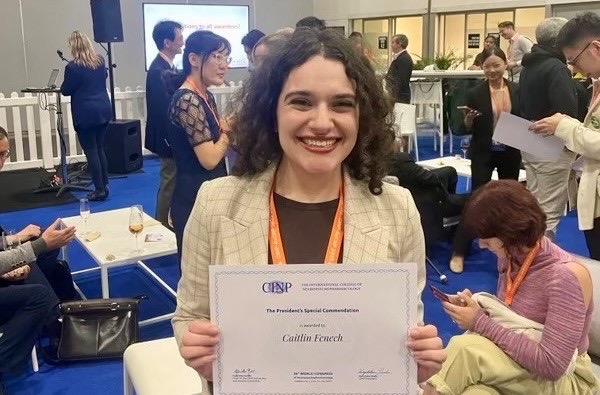
    In her final year of her PhD, Caitlin Fenech has been presented with a President’s Special Commendation award at the 36th World Congress of Neuropsychopharmacology, CINP-AsCNP 2025.

    Caitlin has also taken to the stage today to deliver a presentation and informative poster.

    She has welcomed the experience and her encouragement award.

    “Receiving recognition at an international conference is very exciting, especially as my PhD story is finishing up, and it has come out as an interesting story,” she said.

    “For the award application, I sent in my abstract and a 150-word statement of the reason why I wished to be considered for the encouragement award.

    “In my statement, I described my passion for neuroscience and eagerness to meet other passionate individuals studying the brain.

    “My research is investigating the role of a group of neurons in the midbrain in chronic pain. We have found a novel pain circuit in the brain that controls both sensory and emotional responses and is changed following chronic pain.

    “This is really exciting as these insights increase our knowledge of how pain and chronic pain are processed in the brain, and will help develop effective treatments for pain conditions in the future.

    “Excitingly, the team will be submitting the data for publication in the next few months.”

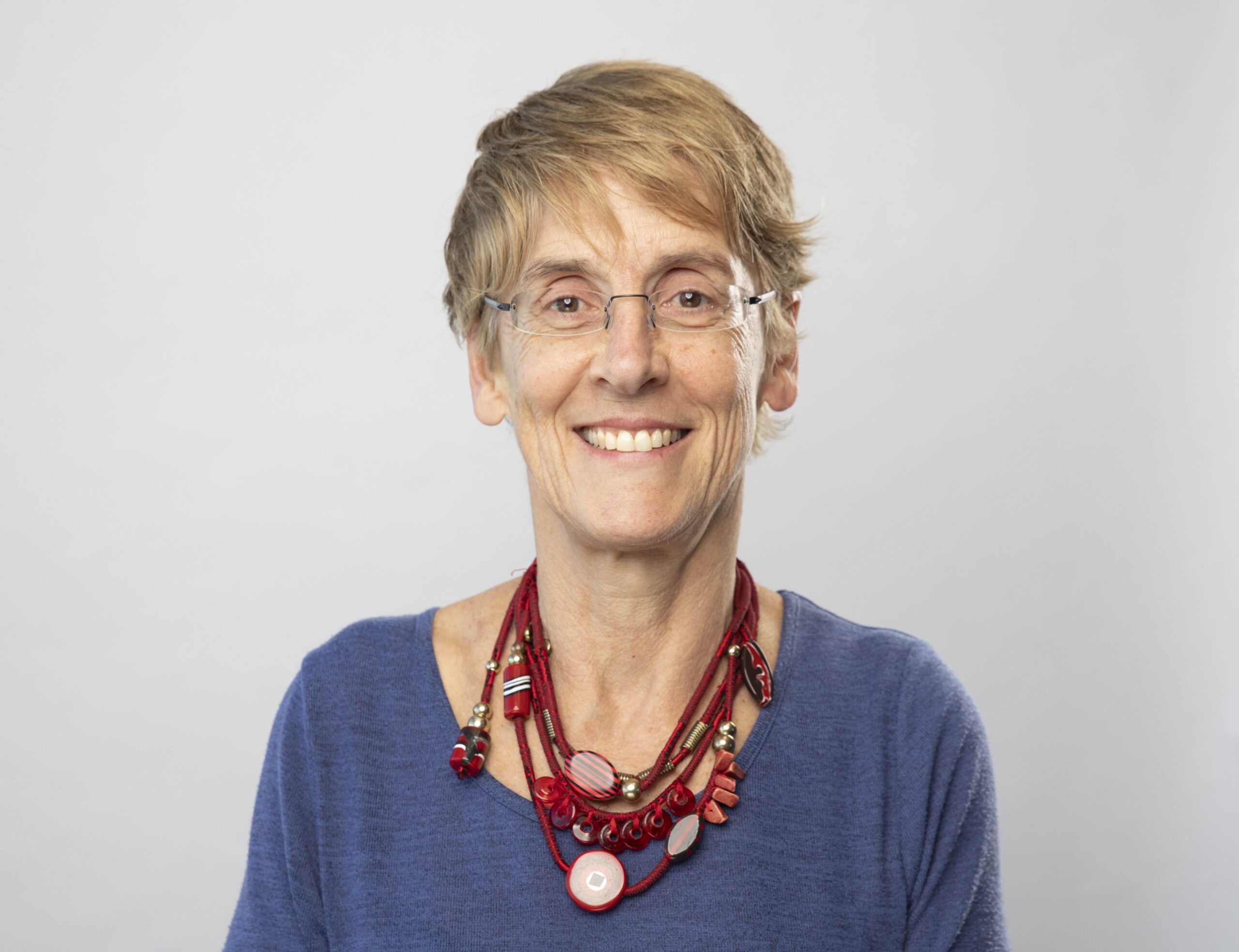
    Head of the Neurobiology of Pain Laboratory within the Kolling Institute, Associate Professor Karin Aubrey is thrilled Caitlin’s efforts have been recognised.

    “The findings of Caitlin’s PhD project have advanced our understanding of how the brain senses pain and organises our responses to pain in normal conditions and how it changes when chronic pain develops,” she said.

    “This information is essential for developing medications that address chronic pain specific dysfunctions.”

    “It’s been wonderful to see a talented, emerging researcher recognised in this way.”

    The international conference has brought together experts from research and medical institutions, worldwide regulatory authorities and major pharmaceutical companies.

    The theme this year is Advancing Intelligent Horizons Towards Brain Health, with the presentations are focusing on pain, schizophrenia, depression and addiction. 

  • Kolling Institute Newsletter May 2025

    Kolling Institute Newsletter May 2025

    Check out our latest newsletter

    • Researchers target sleep for muscle pain relief
    • Landmark clinical trial to improve lung cancer treatment
    • Pioneering Muscle Map project receives funding support
    • Travel awards for emerging research leaders
    • And much more: 

    Click here:

  • Obesity a leading cause of knee osteoarthritis

    Obesity a leading cause of knee osteoarthritis

    New research from the University of Sydney and the Kolling Institute reveals that obesity, having a knee injury and occupational risks such as shift work and lifting heavy loads are primary causes of knee osteoarthritis.

    Published in Osteoarthritis and Cartilage, the study was led by Dr Vicky Duong and Associate Professor Christina Abdel Shaheed from Sydney Musculoskeletal Health, a joint initiative between the University of Sydney, Northern Sydney Local Health District and Sydney Local Health District.

    Using data from 130 studies involving people from 20 to 80 years old, the researchers examined over 150 risk factors to determine which were associated with an increased risk of developing knee osteoarthritis.

    Knee osteoarthritis is a debilitating condition that affects over 500 million people around the world and is a leading cause of disability.

    The research found that addressing lifestyle factors, such as losing weight or adopting a better diet, could significantly improve people’s health.

    The study found that following a mediterranean diet, drinking green tea and eating dark bread could reduce the risk of developing knee osteoarthritis.

    Co-author and Kolling Institute researcher Professor David Hunter said the research identified some key trends.

    “Women were twice as likely to develop the condition than men, and older age was only mildly associated with increased risk,” he said.

    Reducing the risk of knee osteoarthritis

    Dr Duong, lead author and post-doctoral researcher at the Kolling Institute, said eliminating obesity and knee injuries could potentially reduce the risk of developing knee osteoarthritis by 14 percent across the population.

    “We urge governments and the healthcare sector to implement policy reforms that address occupational risks, subsidise knee injury prevention programs, and promote healthy eating and physical activity to reduce obesity,” she said. 

  • Pioneering MuscleMap project secures strong philanthropic support

    Pioneering MuscleMap project secures strong philanthropic support

    An innovative tool which could revolutionise the detection and treatment of musculoskeletal and neurological conditions will be further developed following a $230,000 gift.

    The donation was made following a campaign by the University of Sydney’s Advancement team and the NORTH Foundation to support the world’s first open-source dataset of whole-body muscle composition.

    The Kolling Institute’s Academic Director Professor James Elliott said there is a critical need for the diagnostic tool with musculoskeletal and neurological conditions among the leading causes of illness and disability worldwide.

    “With these conditions affecting more than four billion people, they are expected to cost around $21 billion in healthcare expenditure by 2033 in Australia alone,” he said.

    “Early identification and intervention are crucial if we are to offer long-term health benefits and minimise the disease burden.

    “We know that these conditions often lead to a steady decline in muscle health, and this decline is evident by an increase in fat deposits in the muscles and the loss of muscle fibres.

    “CT and MRI scans can be used to identify these changes, but the time it currently takes is prohibitive.

    The MuscleMap tool however, will automatically identify any changes, potentially revolutionising the detection of muscle health in any part of the body. It could inform treatment for everyone from elite athletes to astronauts and older people with complex conditions.

    Astronauts for instance, experience significant muscle loss due to the effects of prolonged exposure to zero gravity.

    Using existing MRI and CT scans, the landmark global study has applied an artificial intelligence model to produce a dataset of muscle health of any part of the body. This will enable a patient’s muscle deterioration to be compared with a healthy person’s.

    Professor Elliott said this will mean a clinician will be able to upload a scan into the MuscleMap program, and within minutes, will have access to detailed information measuring muscle composition compared to a reference dataset.

    “For athletes and the general population, the tool will accurately inform the journey from injury to repair, recovery and return to physical activity.

    “For patients with osteoporosis, the program will provide a detailed analysis of overall health and muscle deterioration, which will then inform personalised strategies to develop healthier muscle mass and improve general health and wellbeing.

    “We are very appreciative of this generous donation to the MuscleMap project. It will enable the broader team to continue developing the digital infrastructure needed to launch the open-source portal.

    “It will be a pioneering resource, accessible to clinicians and researchers globally, and supporting the long-term health of communities.” 

    To donate to the innovative MuscleMap project visit the NORTH Foundation.

  • New trial to determine if diet and exercise alone can prevent knee osteoarthritis

    New trial to determine if diet and exercise alone can prevent knee osteoarthritis

    In one of the first global clinical trials of its kind, researchers have launched a study to investigate if a diet and exercise program aimed at weight loss can prevent the development of crippling knee osteoarthritis.

    The trial will be led by researchers from the University of Sydney and the Kolling Institute in collaboration with an international team from Wake Forest University in North Carolina, Brigham and Women’s Hospital in Boston and the University of North Carolina at Chapel Hill.

    The Osteoarthritis Prevention Study or TOPS will compare the impact of a dietary weight-loss, exercise and weight-loss maintenance program with health education in preventing the development of knee osteoarthritis.

    The condition is the leading cause of disability among adults, particularly impacting women over 50 who are overweight or obese.

    The large-scale clinical trial will be conducted over four years, with participants receiving either a program of regular diet and exercise sessions or a healthy lifestyle program with information sessions, newsletters and text messages.

    Internationally recognised rheumatologist, leading University of Sydney researcher and Royal North Shore Hospital clinician Professor David Hunter said the study is one of the first prevention clinical trials which could help people with occasional knee pain reduce their risk of knee osteoarthritis.

    “Our trial has come at a time when an increasing number of people are turning to medications like Ozempic or GLP-1 agonists to assist with weight loss and the management of knee osteoarthritis,” he said

    “These weight-management medications are a feasible option for managing the condition, but questions remain around safety, cost-effectiveness and the likelihood of weight rebounding.

    “Recent investigations by our team indicate that despite the promising results from trials of GLP-1 agonists, lifestyle interventions remain the first-line, safest and most cost-effective approach for people who are overweight, obese or living with knee osteoarthritis.

    “Building on that research, our clinical trial will aim to confirm the most effective lifestyle strategies to actually prevent knee osteoarthritis before the condition develops.

    “We are looking forward to progressing this valuable area of research and establishing evidenced-based models of care to avoid this increasingly common, disabling condition.”

    The research team is now recruiting 320 women who are 50 years or over, who experience little to no knee pain, and who have a Body Mass Index of 30 or more.

    The study will involve screening visits over 2–4 weeks and yearly assessment visits over four years, as well as regular diet and exercise or healthy lifestyle classes. Participants will receive long-term support towards achieving a healthy lifestyle.

    “Classes are currently available on the Lower North Shore of Sydney and we encourage women who live or work in the area to apply to the program,” said Professor Hunter.

    “Depending on the interest, we could look to start classes in other areas of metropolitan Sydney as well,” he said.

    Funding has been provided by the National Institutes of Health, the Arthritis Foundation, the University of Missouri, Wake Forest University, and Rapid Nutrition PLC.

    This study has been approved by the Northern Sydney Local Health District Human Research Ethics Committee (Ref: 2023/ETH00669).

    You can contact the study team directly with any questions at tops.study@sydney.edu.au 

  • Clinical Trials Champion

    Clinical Trials Champion

    As a clinical trials program lead at the Kolling Institute, Dr Karen Bracken has long been driven to help researchers conduct trials in the best way possible.

    “Researchers are passionate about their disease area and their patients, and they have so many unanswered questions,” she says.

    Karen comes from a family of clinicians, and while she didn’t want to practise medicine, she was still drawn to working in the health space. She has spent most of her career working on clinical trials.

    She says trials are a multidisciplinary activity that require collaboration between clinicians, statisticians, patients and the trial operations team. She sees her role in operations as the engine that makes the trial run.

    Recruiting patients for trials is a complex area, and Karen completed a PhD on the topic after struggling to recruit men for a diabetes study she was working on.

    “I really wanted to make that trial a success and I was casting around for ideas on how I could recruit,” she says.

    “I realised that everyone was running their recruitment in an evidence-free zone. We often use the kitchen sink method where we brainstorm every single possible thing we can do to recruit participants to our trials and, in the process, waste a lot of time and money.”

    Karen says she worked in a more intentional way, testing different strategies to understand why they did or did not work. They were eventually able to fully recruit for the trial.

    Karen advises colleagues to properly plan their recruitment.

    “Be realistic with yourself about how long it’s going to take and how much money it’s going to cost.”

    She also says it’s important to look at similar trials and speak to those who ran them.

    “There’s a whole world of people conducting trials, and there’s a lot of evidence out there. People just aren’t in the habit of looking for papers written about how to recruit participants.”

    Karen is eager to see greater diversity in trials, which includes recruiting more people who do not have English as their first language, as well as members of the LGBTQIA+ community.

    She says she wants everyone to be able to easily join a trial.

    “It’s important that we lead change in terms of inclusive health care.” 

  • Kolling Research Symposium 2024

    Kolling Research Symposium 2024

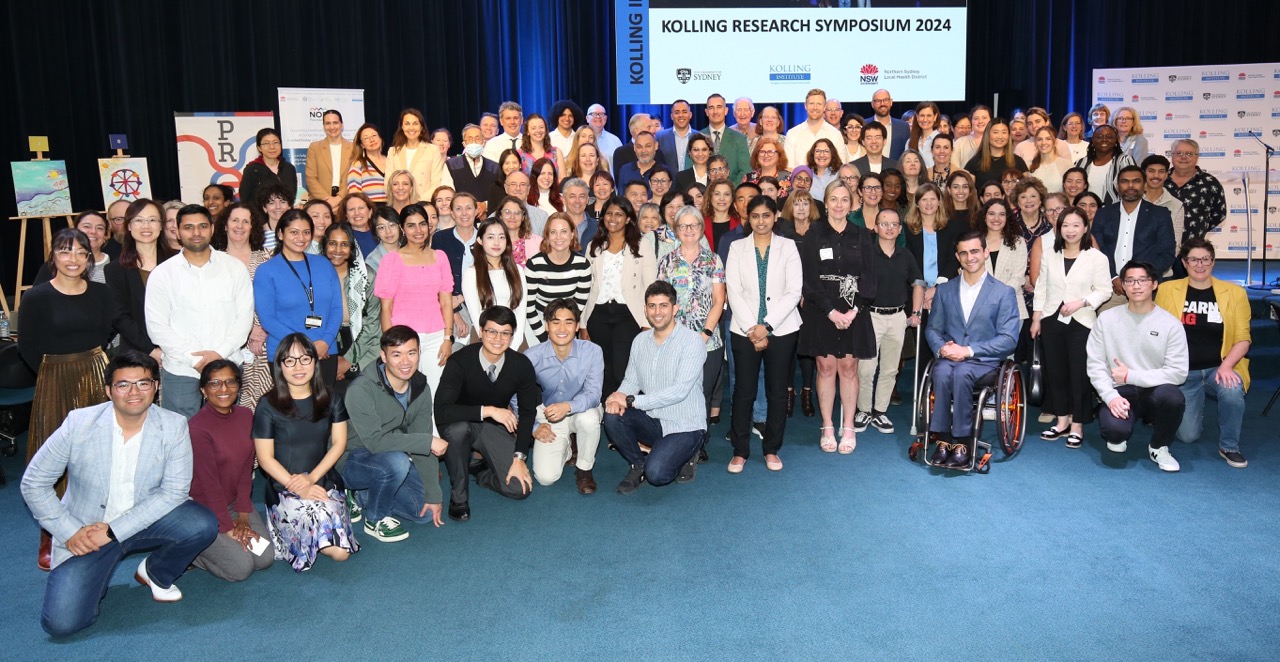
    We would like to thank everyone involved in the 2024 Kolling Institute Symposium.

    During the event, a diverse collection of researchers detailed the latest progress with their ground-breaking work into kidney and heart disease treatments, bone and muscle conditions, rare cancers, and neurological challenges. There was a focus too on the innovative work to develop a unique wellbeing index.

    Researchers discussed how they’re tapping into technology to deliver care to large numbers of patients, improving outcomes with the latest heart valve devices and investigating the benefits of reducing multiple medications for older patients.

    The symposium brought together researchers, representatives from our joint venture partners (Northern Sydney Local Health District and the University of Sydney) and a growing network of community partners to celebrate our impactful work.

    Academic Director Professor James Elliott said the event featured thoughtful presentations, panel discussions, poster presentations, and an Oxford Debate on the impact of AI on healthcare. 

    “I would like to thank our guest speakers Professor Susan Morton, Director of INSIGHT at the University of Technology and Lifeline Australia ambassador and wellbeing advocate Matt Caruana who shared his personal experience and inspiring perspective,” he said.

    “The symposium provided an opportunity to hear how our researchers are extending our understanding of complex conditions and improving therapies and outcomes.  

    “It also offered the chance to highlight some special awards for a group committed to increasing access to high-quality care, and improving the health and wellbeing of our broader community.

    “I would like to congratulate the 2024 Kolling Institute award recipients for their remarkable commitment to our research success.” They include:

    PhD Supervision Award
    Associate Professor Sonia Saad
    Department of Medicine, Renal Research Laboratory

    HDR Student Award
    Amanda Purcell
    Renal Research Laboratory

    Discovery Science Award Category A
    Dr Nunki Hassan
    Cancer Stem Cell and Biology Laboratory

    Discovery Science Award Category B
    Dr Sumit Sahni
    Bill Walsh Translational Cancer Research Laboratory

    Professional Staff Award Category A
    Susan Smith
    Raymond Purves Bone and Joint Research Laboratory
    Kolling Histology Core Facility

    Professional Staff Award Category B
    Annette McCook
    Research Development Officer 

    Excellence in poster presentation
    Claire Wong

    Excellence in oral presentation 
    Dr Karan Rao

    “Thank you to the many people involved in bringing this large-scale event together to highlight the remarkable and life changing work underway at the Kolling Institute,” said Professor Elliott.

  • Culturally relevant pain solutions

    Culturally relevant pain solutions

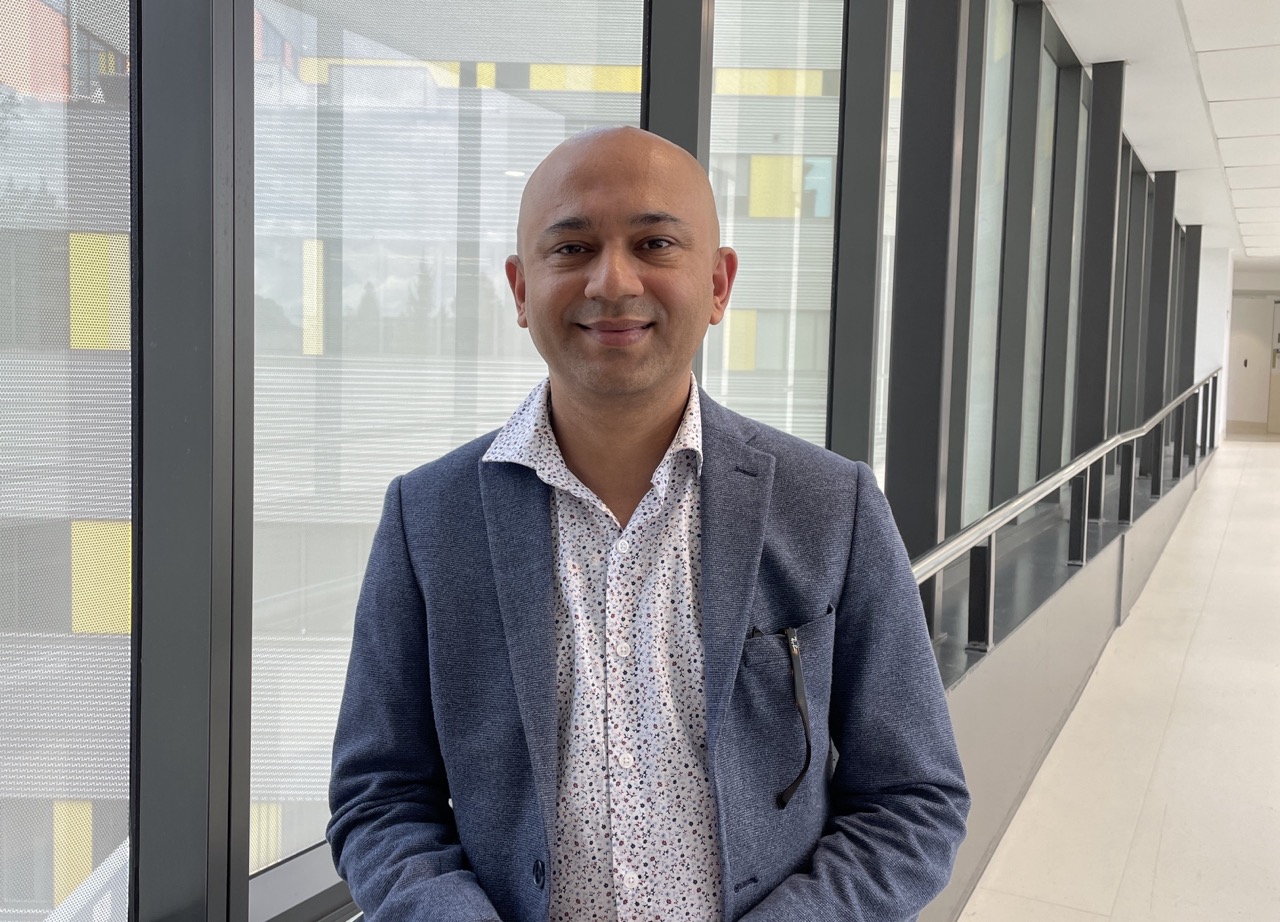
    After training as a musculoskeletal physiotherapist in India, the Kolling Institute’s Dr Saurab Sharma returned to Nepal to treat patients with musculoskeletal pain conditions but quickly found that Western practices to assess and treat pain didn’t translate well to his community. One issue was the internationally-recognised numeric pain rating scale, where zero indicates no pain and 10 is maximum pain.

    “Some people in Nepal struggle with it because they can’t compute numbers in their head,” he explains, making it difficult for them to rate their pain accurately. “Also, not many people take surveys in their day-to-day life. For many, it’s the first time in their life.”

    Saurab also noticed a lack of local research. “There’s no research on musculoskeletal pain in my region, specifically back pain,” he says. To address this, he collaborated with Professor Mark Jensen, a prominent pain researcher, and later completed a PhD in New Zealand.

    Now Chief Scientist for Clinical Research at the Kolling’s Pain Management and Research Centre Saurab emphasises the need for more pain research in low and middle-income countries, as well as culturally relevant interventions for diverse communities in Australia.

    Saurab’s work has focused largely on Nepal. He compared four pain scales and found that the numeric scale had the highest error rate and was disliked by patients.

    The “Faces rating scale,” which uses facial expressions to indicate pain intensity had the best results and was preferred by patients.

    He has translated and validated 29 pain assessment tools for Nepal, but there’s still more work to be done. He also developed educational resources using local language and metaphors to describe pain; they have now been adapted for four countries and languages.

    Importantly, he believes the West can learn from Nepal’s approaches to pain management. In countries with limited access to multidisciplinary teams, peer support groups in communities often play a vital role.

    “We could implement similar models here in Australia,” he suggests, proposing that individuals could be trained for a few days in evidence-based pain management and then support others in their community.

    To boost back pain research, Saurab formed a consortium of researchers, clinicians, and patients from 35 low- and middle-income countries. “In many countries, there’s no local pain research. We don’t even know how back pain is managed.”

    In a recent study, he found that in majority of countries patients have to rely on pharmacotherapy and electrotherapy, neither of which is recommended. Harmful interventions with no evidence of effectiveness such as bloodletting is also used in some countries.

    “Education and self-management are recommended by most global back pain guidelines but are rarely used,” Saurab notes. He’s now developing interventions to treat pain in Australia’s diverse communities, including Nepali, Chinese, Indian, and Vietnamese populations. 

  • Collaboration driving results

    Collaboration driving results

    The Northern Sydney (Arabanoo) Precinct hosted its annual showcase at the Kolling, highlighting the innovative research between the Northern Sydney Local Health District and the University of Sydney.

    Launched in 2022 by Academic Directors Professors James Elliott, Robyn Gallagher and Margaret Schnitzler, the showcase focused on the joint research tackling complex healthcare challenges.

    Eight speakers addressed the event, including Dr Julia Pilowsky who presented her research on the use of advanced algorithms to detect pressure injuries from ICU clinical notes.

    Dr John Atyeo shared his work on developing AI models of pelvic floor anatomy. These models are expected to provide valuable insights for surgeons and physiotherapists.

    Professor Trudy Rebbeck presented the results of the PACE-MSK clinical trial, which involves a stepped care model for musculoskeletal conditions. She discussed how her team plans to adapt this model to better serve rural Australian communities, sparking interest in how healthcare can be tailored to meet regional needs.

    Dr Adrian Lim discussed his interdisciplinary approach to advancing neurofibromatosis care. His work, which integrates genetics, dermatology and AI, has laid the foundation for improved diagnosis and treatment of this rare condition.

    Wrapping up the event, Dr Saurab Sharma discussed the challenges and solutions for providing equitable pain management in low-income settings.

    Academic Director Professor James Elliott said the showcase provided a terrific platform to feature the breadth of high impact clinically relevant research.

    “The work presented spans dermatology to medical oncology, physiotherapy, nursing, psychology and radiation therapy with outcomes and measures impacting terrestrial and extraterrestrial human health and wellbeing,” he said.  

  • World first research to develop cognitive impairment guidelines after spinal cord injury

    World first research to develop cognitive impairment guidelines after spinal cord injury

    A team of researchers from the Kolling Institute’s John Walsh Centre for Rehabilitation Research has launched a study to develop the first internationally accepted guidelines for assessing cognitive function after a spinal cord injury.

    The latest data indicates that over 15 million people globally live with a spinal cord injury, and in Australia, there are over 20,000 people living with the injury.

    There are around 300-400 new cases of this injury every year in Australia.

    The devastating physical impact of these injuries has been extensively studied from the loss of motor control (such as paralysis) to the pain and sensory issues, and the significant problems with cardiovascular and respiratory function.

    However, the psychological and cognitive impacts of this severe neurological injury have not been as well understood, such as the extent of cognitive impairment and mental health disorders over time.

    There is now a growing body of evidence around the psychosocial consequences of a spinal cord injury, with new studies by the John Walsh Centre for Rehabilitation Research highlighting a concerning trend.

    Professor of Rehabilitation Ashley Craig said we are just completing the first ever study conducted anywhere internationally that has assessed cognitive function and potential cognitive impairment in adults with a spinal cord injury from soon after their injury in the acute stage, until their discharge from rehabilitation up to 12 months post injury.

    “Our research found that at least 30 per cent of adults with a spinal cord injury were assessed as having at least mild cognitive impairment, and that this impairment was identified as a major risk factor for the development of mental health disorders like depressive mood and anxiety after the person is discharged from hospital,” he said.

    “This is very concerning given that this may result, not only in a higher risk of a mental health disorder in those with cognitive impairment, but also an increased risk of secondary health conditions like chronic pain, skin problems like pressure ulcers, and respiratory infections. The person with cognitive impairment may become confused and overwhelmed about how best to self-manage these conditions.

    “Despite the high number of people experiencing these challenges, our research has identified there are currently no internationally-recognised cognitive assessment tests suitable for measuring cognitive function after a spinal cord injury.”

    Our team has now begun research to develop a new framework for cognitive screening, which will involve sensitive and valid cognitive assessment tools.

    “This is an important body of work which will build on our prior research to validate the cognitive domain areas we have previously identified that affect most adults with spinal cord injury. We will then develop alternative ways of assessing day to day cognitive function in conjunction with established neurocognitive tests we currently use that are limited.”

    “We know that there are multiple possible causes of cognitive impairment after spinal cord injury, such as age, polypharmacy, level of lesion, mental health, fatigue, and autonomic function. Our framework must attempt to account for these possible affects”, Professor Craig said.

    The John Walsh team will work with international partners in the UK, Europe and the USA, who are keen to collaborate in the development of a new cognitive assessment framework.

    This research will be informed by another current study that is investigating how best to integrate guidelines for psychosocial health and cognitive care with the multidisciplinary health teams managing spinal cord patients in the units at Royal North Shore Hospital, Prince of Wales Hospital and Royal Rehab.

    The John Walsh team developed these guidelines which are available on the Agency for Clinical Innovation website: 

    The team involved is Prof Ashley Craig and Prof James Middleton, Dr Mohit Arora, Dr Ilaria Pozzato, Dr Candice McBain, Dr Danielle Sandalic, Daniel Myles, Anne Marie Sarandrea, Dr Jazbeer Kaur and Dr Yvonne Tran. 

NSWGOV logo