Blog

  • Kolling Institute Year in Review 2022

    Kolling Institute Year in Review 2022

    Check out our Kolling Institute Year in Review 2022 celebrating our research success. It highlights our world-leading translational research and our impact across our priority research areas. Click on the link here.

  • New approach delivers breakthrough for pain researchers

    New approach delivers breakthrough for pain researchers

    Researchers at the Kolling Institute have made important progress towards the development of new treatments for chronic pain by identifying a small group of cells which can control pain responses.

    The breakthrough comes as approximately 20 per cent of the world’s population suffers from chronic pain, including around 3.4 million Australians.

    Dr Neda Assareh, a neuroscientist research fellow from the Pain Management Research Institute said medications and psychological support offer some relief, but many people continue to experience ongoing pain without effective treatments, and this often leads to depression and anxiety.

    She says a large number of people also continue to use opioids which can be addictive and ineffective.

    “Our team however, has been working to develop better and safer treatments for chronic pain by improving our understanding of which pain pathways shape the experience of pain,” she said.

    “In this ground-breaking study, we used an advanced bioengineering technique to investigate how the brain organises pain signals, and we found evidence that a never-investigated cell type can control pain.

    “The study relied on chemogenetics, a technique that allowed us to activate and inactivate a small population of glycinergic neurons in isolation.

    “These neurons are found in the midbrain periaqueductal gray, a part of the brain which influences pain responses and anxiety linked to pain.

    “Our study is the first to investigate the role of these neurons in setting pain thresholds, and we found that inhibiting the activity of the glycine-PAG neurons reduced pain responses in both sexes. It was important to test responses with both sexes as we know that pain affects men and women differently.”

    Senior researcher Dr Karin Aubrey has welcomed the discovery of this unique group of cells which control pain responses.

    “Importantly, there are only a small percentage of these neurons in the midbrain, so by targeting these cells, we may be able to develop medications which reduce pain with fewer side effects than existing medicines, “ she said.

    “In the next stage of the program, we will aim to determine how glycine-PAG neurons communicate with higher brain areas, and investigate their ability to alter pain and anxiety outcomes in chronic pain models.”

    “Our findings are the result of a strong collaborative effort also involving senior researcher Yo Otsu, PhD student Caitlin Fenech, and lab assistants Nazim Uddin and Rebecca Power.”

    The research has been published in the leading scientific journal eNeuro. 

    The project was made possible with the support of the Ernest Heine Family Foundation and the Pain Foundation.

  • Research expertise on show

    Research expertise on show

    The diverse range of exciting research underway across the Northern Health Precinct was profiled during a recent showcase, highlighting the impact of research throughout Northern Sydney Local Health District.

    The event directed the spotlight to a range of disciplines driving research including nursing, midwifery, and pharmacy, as well as allied health and public health.

    Precinct Academic Director Professor Robyn Gallagher co-ordinated the event, saying it was a wonderful opportunity to showcase a collection of emerging leaders and present details of their valuable projects.

    “Our event provided an insight into the successful collaborative efforts involving the University of Sydney and the Northern Sydney Local Health District, and the tangible impact these projects are having on the delivery of care,” she said.

    “There are so many dynamic projects underway from a mobile app to support pulmonary rehabilitation to the delivery of remote cardiac rehabilitation, and programs to improve cancer care.

    “It was encouraging to hear our researchers are enhancing the delivery of care with nutrition services, speech pathology and sleep programs to name just a few.”

    One clinician researcher to present at the event was Associate Professor Tom Buckley – a registered ICU nurse and Precinct Research Education Academic Director.

    Tom shared details of his work investigating the physical and psychological impact of bereavement. He has particularly focused on the impact on heart health with research indicating there is an increased cardiovascular risk for both men and women in the weeks and months after they lose a loved one.

    “We know that death from a cardiac related event is one of the highest causes of mortality during bereavement,” he said.

    His research also assessed the benefits of Aspirin and the heart lowering drug Metoprolol and their ability to reduce cardiovascular risk factors in the weeks after the death of a loved one.

    “Our research has shown the use of medication not only lowers the cardiovascular risk factors, but also reduces depression and anxiety symptoms in the early bereavement period.

    “Interestingly, we found this trend continued even after people came off the medication, providing a longer-term benefit for this group.”

    The showcase profiled the development of Australia’s first mobile health platform which supports those with respiratory disease to complete a virtual rehabilitation program.

    The app, originally developed with the CSIRO, is driven by globally recognised experts and offers individualised exercise and education programs.

    NSLHD clinical specialist physiotherapist and University of Sydney honorary lecturer Dr Sally Wootton said the team is tremendously proud of the platform.

    “It has taken five years to develop our innovative app but we are thrilled to now have a commercial partner and to be supporting a large number of people living with chronic respiratory disease with this virtual rehabilitation program,” she said.

    The showcase also focused on research comparing in-person and remotely-delivered cardiac rehabilitation.

    PhD candidate Dion Candelaria said services pivoted to remote delivery with the onset of COVID-19, and this provided a chance to measure the benefits of each model of care.

    “We found positives with both approaches, with some patients preferring face to face communication with clinicians and other patients, while others welcomed the convenience of the remote service with no travel and quicker access to care.

    “We know that the sooner patients access care the better the health outcomes, so there are clearly benefits with remote services.

    “We will continue to develop a hybrid model of cardiac rehabilitation care, combining the best components of in-person and remote care.”

    The showcase broadened awareness of the diversity of research across the Northern Health Precinct, and encouraged further collaboration.

  • Researchers closer to better pain management strategies

    Researchers closer to better pain management strategies

    Researchers at the Kolling Institute have taken an important step towards the development of safer, non-addictive pain medications by increasing our understanding of spinal cord pain signalling.

    This valuable progress has been recognised internationally with publication in the Journal of Physiology, a leading scientific journal.

    The findings follow the latest figures indicating more than 20 per cent of the population experience chronic pain, impacting their ability to work, care for families and generally function.

    Dr Karin Aubrey said many people currently rely on opioids, like morphine and codeine, to reduce their pain.

    “We know however, that these medications have serious side effects and in many cases offer only limited help,” she said.

    “Our team, including senior researcher Dr Yo Otsu, is committed to advancing our understanding of how pain signals travel through the body, so that we can use this information to develop safe, new medications.

    “This unique study used advanced techniques to unravel the spinal pain control circuit, and determine how opioids affect a key descending pain pathway. Interestingly, this pathway can enhance and reduce spinal signalling.

    “Our spinal cords are an incredible information highway, responsible for relaying sensory, motor and pain information to the brain.

    “The connections that make up the circuits of the spinal cord are all jumbled together and it’s difficult to unravel them and map how each connection contributes to controlling pain signals in the spinal cord.

    “In this study, we’ve identified how a particular point in the spinal pain circuit is controlled by opioids, giving us a clearer picture of how a good pain medication might work.

    “We currently have a reasonable understanding of the brain and pain circuits, but there is still so much more to discover.

    “Each one of us has about 86 billion cells in our brains called neurons, which is approximately half the number of stars in the Milky Way. Essentially our heads are a small galaxy.

    “This gives some context to the complexities of the brain and pain circuits, and the challenges involved in making significant scientific progress and advances in treatments.

    “We are encouraged by the progress we’ve made and the deeper understanding we now have around the spinal cord pain signalling and potential targets for new therapies.

    “Our findings have broadened our understanding of how the spinal cord pain circuit is organised and affected by opioids.”

    This project was made possible with the support of the Ernest Heine Family Foundation and the Pain Foundation.

  • New Academic Director shares vision for research success

    New Academic Director shares vision for research success

    Ambitious leadership, functional wellbeing and a passion for collaboration

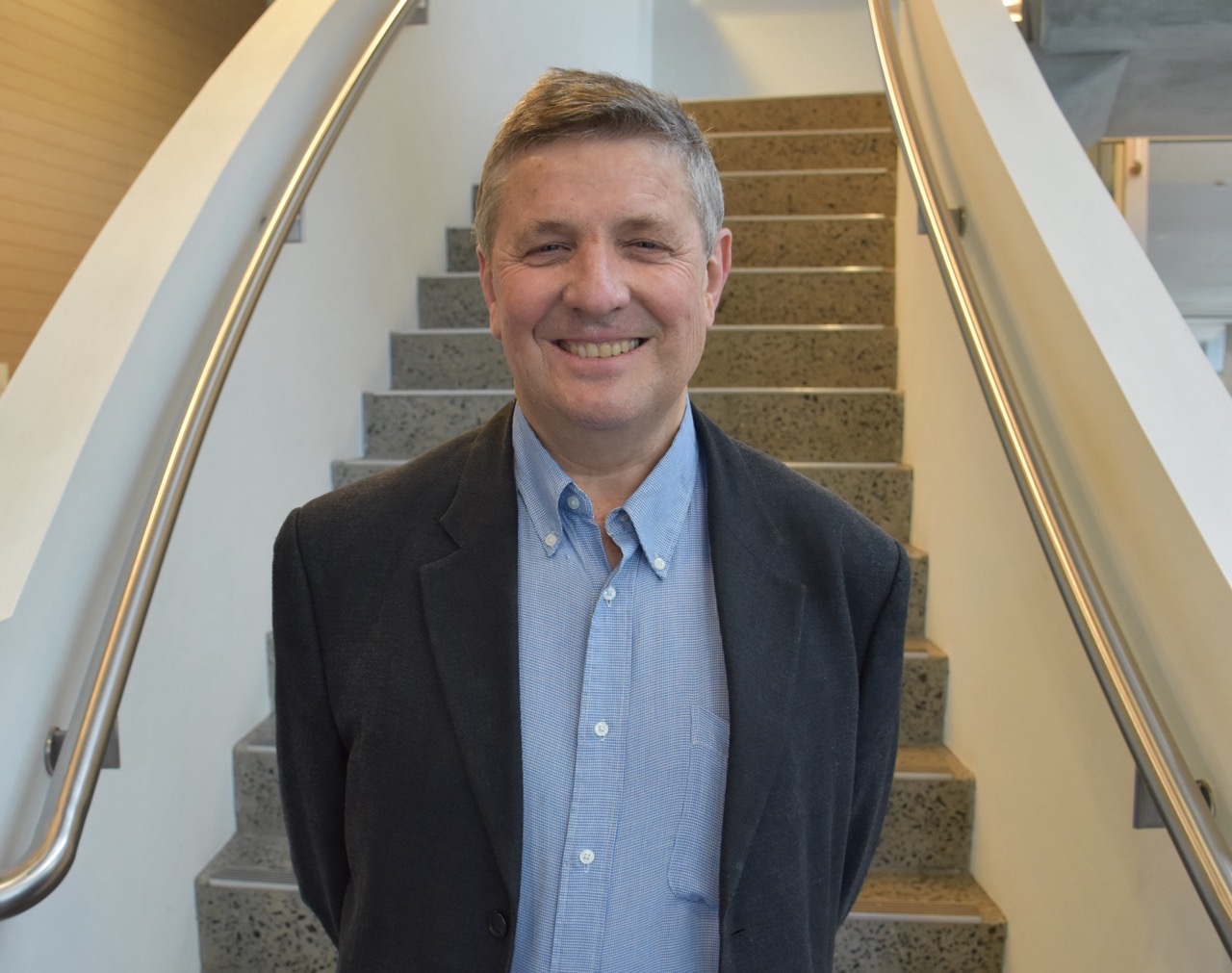
    An international healthcare destination celebrated for its collaborative spirits and dedication to human health and wellbeing. This is Professor Jim Elliott’s vision for how the collaboration between the Kolling Institute, the Faculty of Medicine and Health and the Northern Sydney Local Health District will evolve.

    Highly respected in the global research community, Professor Elliott was recently appointed the Kolling Institute’s Academic Director. His past careers in professional baseball, physiotherapy and research academia have offered Jim a wealth of wisdom to draw from and have shaped his positive, enthusiastic and empathetic mindset. When listing the advice he has picked up along the way, he includes, “Do simple better” and “Be present, not perfect.”

    Common goals
    In his new role, Jim will work towards the shared strategic goals of the Kolling, the Faculty of Medicine and Health and the NSLHD. These goals also align with the Northern Health Precinct model, leveraging the strength of joint-venture partners and enabling all to reach shared goals. Jim understands that “we share a common vision to support world-leading translational research, increase our research impact and consistently improve health outcomes.”

    In his new role, Jim looks forward to working collaboratively “inside and outside the building” to address and report against the growth and sustainability of the Kolling Institute.

    From his days as a professional baseballer, Jim applies the advice, “Don’t give folks an opportunity to misquote you in the press.” He believes that having a clear and consistent media and communications strategy is crucial for internal and external facing messaging, which also supports the recruitment and retainment of new high-flying faculty, clinical staff and students.

    Together, we will determine how our impact will be measured, recorded, and shared through a strategic and wide-reaching communications plan. Our approach will work towards ensuring the Kolling Institute is an international healthcare destination – one that the NSLHD and the faculty can be proud of.

    Jim’s experience as a Professor of Allied Health makes it feel like a natural fit for him when it comes to putting the Northern Health Precinct’s key theme of Functional Wellbeing into action. Wellbeing represents a complex combination of physical, mental, emotional and social health and is strongly linked to happiness and life satisfaction. Additionally, allied health professionals offer a broad range of diagnostic, technical, therapeutic and direct health services to improve the health and wellbeing of the patients they work with.

    Jim’s vision
    Jim’s respect for interdisciplinary collaboration has grown following a career as a research academic trained as a physiotherapist.

    In short, our successes are a sum of all the parts and that goes a long way towards translation of research into clinical practice where it can positively influence patient-outcomes on a patient-by-patient basis. This requires trusting and productive collaboration between our medical, nursing and allied health colleagues.

    Jim highlights that traditional models of healthcare are delivered and evaluated in isolation, where patients are expected to seek individual services with little or no collaboration between healthcare providers. He recognises that the current health professional educational models, which operate the same way, as unintentional contributors to the development and maintenance of siloed areas of health. They reinforce the lack of valuable interdisciplinary collaboration between staff and students from various professions.

    Jim hopes to meet the need for developing new models of student and staff interaction, education, clinician research pathways and patient service delivery through creating best-practice interdisciplinary student placements. These models will aim to enhance functional wellbeing with the ability to be delivered across a range of settings and populations.

    He predicts that by leveraging the strengths, resources and expertise of the Kolling Institute, the Faculty of Medicine and Health and the NSLHD, we will be well placed to expand our research success.

    This approach will help position us as global leaders in health and medicine, and ensure we deliver research outcomes that ultimately improve the care our community members receive.

    The innovative and diverse nature of this partnership delivers best-practice interdisciplinary models of education and care-pathways by which the NSLHD, the University, NSW TAFE and our local community members can work together.

    A passionate HDR Supervisor
    Among a remarkable list of achievements, Jim has directly improved health practices around neck pain, broadened our understanding of whiplash injuries and embraced cutting-edge technology to progress research in the complex trauma and pain fields. Jim remembers when a clinical mentor of his quoted renowned nurse, Margo McCaffery, ‘Pain is whatever the experiencing person says it is, existing whenever and wherever the experiencing person says it does’. “To me, if we are to believe McCaffery’s statement (and I do), then it means the patient is the closest thing to a gold-standard measure of pain there is,” he adds.

    Jim’s career in research academia and collaborative spirit is influenced by the African proverb, “If you want to go fast, go alone. If you want to go far, go together.” When reminiscing on his favourite memory since joining the University, he recalls when his first PhD student, Dr Danielle Stone, Speech Pathologist at Royal North Shore Hospital, enrolled in 2019. “In the blink of an eye, she received word she had been recommended for the award of the degree of Doctor of Philosophy, WITHOUT FURTHER CONDITIONS!”

    It was very pleasing to witness Danielle’s growth and development in this interdisciplinary environment and the respect she gained from her team. It is also noteworthy, that Danielle completed her PhD studies in the university timeline while working clinically as a speech pathologist at Royal North Shore Hospital and is a mum of three young children.

    Danielle’s thesis, Dysphagia, Dysphonia, and Laryngeal Hypersensitivity following Whiplash, brought together an international team of leading research academics from Speech Pathology, Physiotherapy, Magnetic Resonance Physics, Genetics and Molecular Biology, and Psychology.

    “A true interdisciplinary collaborative,” as Jim hails it, making it only fitting that he respectfully quotes Ginger Rogers as some of the most important advice he’s learnt, “I did everything Fred Astaire did, backwards and in heels.”

  • Back pain treatments shouldn’t neglect the mind

    Back pain treatments shouldn’t neglect the mind

    ysiotherapy treatments with those focusing on the mind.

    The study, involving Emma Ho, Professor Manuela Ferreira and Lingxiao Chen, analysed evidence from almost 100 trials worldwide involving over 13,000 patients.

    It found a combination of physiotherapy alongside psychological interventions, like behavioural therapy and pain education, produced the best outcomes for physical function and pain intensity.

    The researchers say these results could help improve the clarity of guidelines to better support patients and clinicians in making treatment decisions.

    Lead author Emma Ho said we know that adults with chronic low back pain not only experience physical disability, but often also suffer psychological distress including anxiety, depression or fear of pain from movement.

    “Clinical guidelines recommend a combination of exercise and psychosocial therapies for managing chronic low back pain, however very little is actually known about the different types of psychological therapies available and their effectiveness,” she said.

    “This often leaves doctors and patients unclear about the best choice of treatment.

    “This uncertainty motivated us to conduct the study and we are pleased to say we now have a clearer picture of the most effective psychological interventions for people with chronic low back pain.

    “Our in-depth analysis looked at a broad range of interventions such as counselling and cognitive programs, and we found behavioural therapy and pain education alongside traditional physiotherapy offered the best results and reduction in pain,” she said.

    Researchers from Australia and Canada were involved in the collaborative research project, with the results to inform healthcare guidelines not just in Australia but internationally as well. 

  • Researchers identify the best way to ease chronic pain

    Researchers identify the best way to ease chronic pain

    With large numbers of people across the community looking for effective and lasting ways to treat pain, our researchers at the Kolling Institute are driving nationally significant projects to reduce a reliance on opioid medication and promote proven alternative options.

    The research by our team from the Pain Management Research Centre follows the latest figures which indicate around 20 per cent of the population experience chronic pain and a large share of those are still relying on opioid treatment to reduce the impact of their pain.

    Centre Director and RNSH specialist Professor Paul Glare said despite the wide use of opioids, we now know they are not an effective, long-term option for most people, and cause a wealth of adverse side effects including addiction issues.

    “Opioid use is directly linked to an increase in mortality, and now accounts for more deaths than car accidents,” he said.

    “Our research is focusing on the best ways to reduce opioid use considering the complex challenges with medication withdrawal and patient fears that their pain will become unmanageable.

    “Our research indicates that cognitive behavioural therapy is the most effective option to reduce pain, and patients are three times more likely to be able to stop their opioid use if they adopt the self-management strategies promoted through the cognitive based therapies.

    “With the number of people experiencing chronic pain continuing to escalate, it’s crucial that we’re able to provide the very latest evidenced-based data around the treatments that work and help people manage their pain. It can make a life-changing impact.”

    One part of the research program is assessing the effectiveness of digital technologies to support those with chronic pain while reducing their reliance on opioids.

    Associate Professor Claire Ashton-James says with demand for support at an all-time high, they are investigating the value of a technological approach which can be delivered to a large number of people at any time of the day.

    “Our research has initially focused on how patients would like to engage with the programs, and one key trend has shown us that the community would prefer to receive consistent SMS messages, rather than tap into an App,” she said.

    “It’s important that we seek consumer input early to ensure our strategies will be effective and broadly adopted.

    “Our research has led to the development of carefully-scripted messages, videos and patient testimonies.

    “We anticipate these resources will complement the care provided by clinicians and we are undertaking a clinical trial to test their effectiveness in providing additional support. This trial is being funded by the Ernest Heine Family Foundation and we hope the strategies will directly assist those living with constant pain.”

  • Program supporting injured workers wins top award

    Program supporting injured workers wins top award

    Kolling researchers have taken out a highly-competitive, national award for an innovative program helping people get back to work after injury.

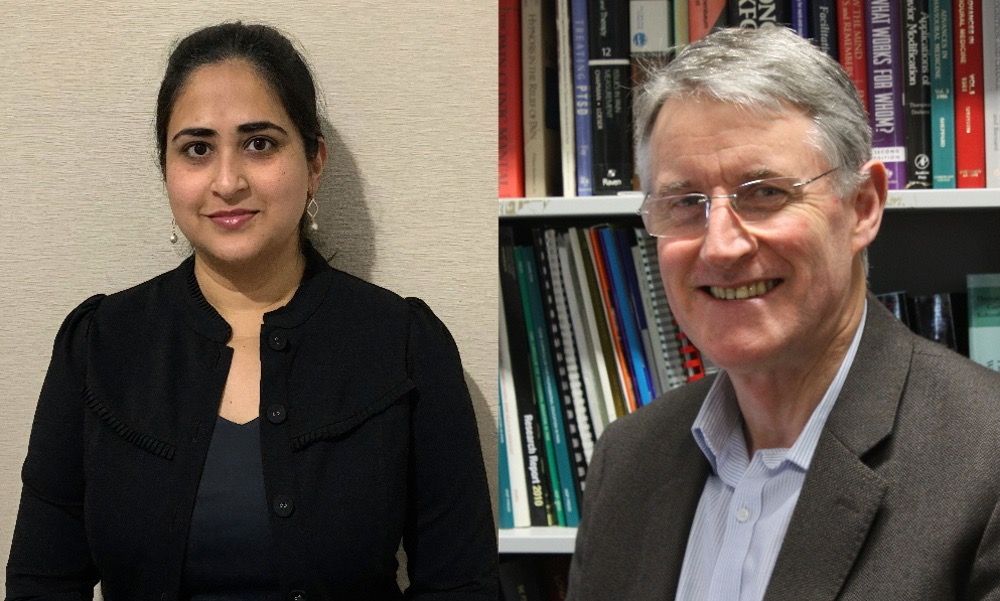
    Professor Michael Nicholas and Dr Manasi Mittinty from the Pain Management Research Centre were part of a team which received a National Safety Award of Excellence for their initiative targeting injured workers.

    The program was trialled with staff from Australia Post and involved early identification and intervention for workers at risk of delayed recovery following a work-related injury.

    Participants in the intervention arm of the trial were offered up to six sessions with a psychologist or counsellor, and a workplace rehabilitation provider to assist with barriers returning to work. This was in addition to the medical and physiotherapy care normally provided for such injured workers.

    Professor Nicholas said while the long-term follow-up is continuing, the benefits of this approach have been so clear that Australia Post has already implemented the program for injured workers across the country.

    “We have shown that by adopting this additional, targeted support, injured workers are getting back to their job in less than half the time of those receiving usual care,” he said.

    “Workers felt the connection to positive people and the consistent reassurance were particularly helpful.

    “This is a wonderful example of robust research influencing healthcare models and health outcomes, and improving real-life workplace protocols.

    “Importantly, the benefits of this research will not just impact workers and their individual organisations, but will extend to the broader community as well.”

    There has been further recognition of Professor Nicholas’ contribution to healthcare with the  announcement that he is to receive the International Association for the Study of Pain’s John D Loeser Prize for 2022.

    This award recognises the recipient’s distinguished lifetime achievement in the clinical science of pain and Professor Nicholas is the first Australian to receive the accolade.

    He has welcomed the honour, saying it reflects the standing of our work at the Pain Management Research Centre in pain education, research and clinical services. 

  • Kolling researcher to join prestigious Harvard Medical School program

    Kolling researcher to join prestigious Harvard Medical School program

    Congratulations to Kolling Institute researcher Dr Manasi Mittinty who has been selected for the Advanced Global Clinical Scholar Research training at Harvard Medical School.

    Dr Mittinty is a medical trained researcher with the Pain Management and Research Centre and a University of Sydney lecturer. She has a keen interest in translation research and the connections between musculoskeletal conditions, pain science and neuropsychology.

    The one-year training program provides clinicians and clinician-scientists with advanced training in health care research. One of its key aims is to help participants develop cutting-edge translational research on a global scale.

    Places in the program are highly competitive with only established academics and leaders in their field selected. The program has previously attracted participants from more than 40 countries in high profile positions such as chief physicians, medical directors, fellows, scientists and medical specialists.

    Manasi has welcomed the opportunity to join the program.

    “I feel very excited and privileged to be selected from a global pool of scholars for this training. I look forward to learning from the distinguished faculty at Harvard Medical School,” she said.

    “This training will help me develop and lead transformative research to promote enhanced wellbeing for people living with arthritis and their families.”

    Manasi has received several prestigious awards including the Australian Post-graduate award and the Commonwealth funded Endeavour Post-doctoral Research Fellowship, and can now add this opportunity to her list of achievements.

  • Kolling researchers to lead national project for better back pain care

    Kolling researchers to lead national project for better back pain care

    Researchers from the Kolling Institute will strengthen their expertise in the management of low back pain following a significant funding announcement by the Federal Government.

    Health minister Greg Hunt revealed the latest round of National Health and Medical Research Investigator Grants, which will see $2.5 million directed to a five-year program of research led by Professor Manuela Ferreira to improve care for low back pain.

    Professor Ferreira has welcomed the funding to focus on a condition which causes more disability than any other health challenge.

    “I am really honoured to have been awarded a Leadership 1 NHMRC Investigator Grant. This will allow me to continue working towards improving knowledge and care of low back pain in Australia and overseas,” she said.

    “Nearly 570 million people in the world suffer from debilitating low back pain, while in Australia the condition affects a quarter of the population, and costs more than $8 billion a year in healthcare expenses and lost work opportunities.

    “We know that low back pain is often poorly managed, with many current treatments causing more harm than good.

    “Many people turn to common pain medications which offer limited relief, and have a high risk of adverse events.

    “When patients fail to improve, they tend to seek more complex treatments such as surgery, but this option is not always supported by scientific evidence.

    “We are seeing a fragmented and inefficient approach which delays access to the right care for low back pain and delivers treatments which are not backed by robust evidence.”

    This important program of research will work towards improving care by broadening knowledge around the efficacy and safety of the most common surgical procedures, and by developing innovative digital approaches to bring high value care to patients with low back pain.

    “Part of the project will involve designing and conducting clinical trials that include placebo surgery, while we will also assess the use of technology to support the uptake of evidence-based care.

    “Ultimately, we’ll be working to deliver an approach will offers the right care, to the right patient, at the right time, while truly making an impact on the leading cause of disability in our community.”

NSWGOV logo