Blog

  • Researchers inform next-gen space suit design

    Researchers inform next-gen space suit design

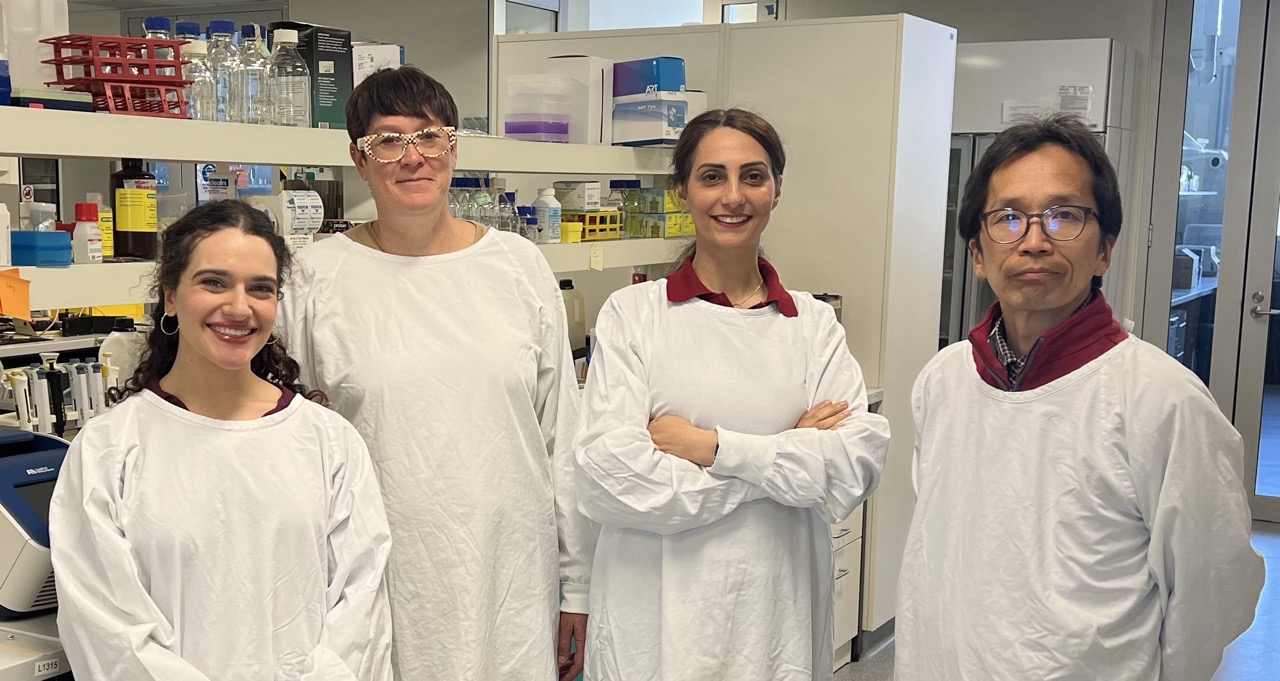
    Leading researchers from the Kolling Institute have welcomed the opportunity to collaborate with Metakosmos as it pioneers the development of a next-generation space suit.

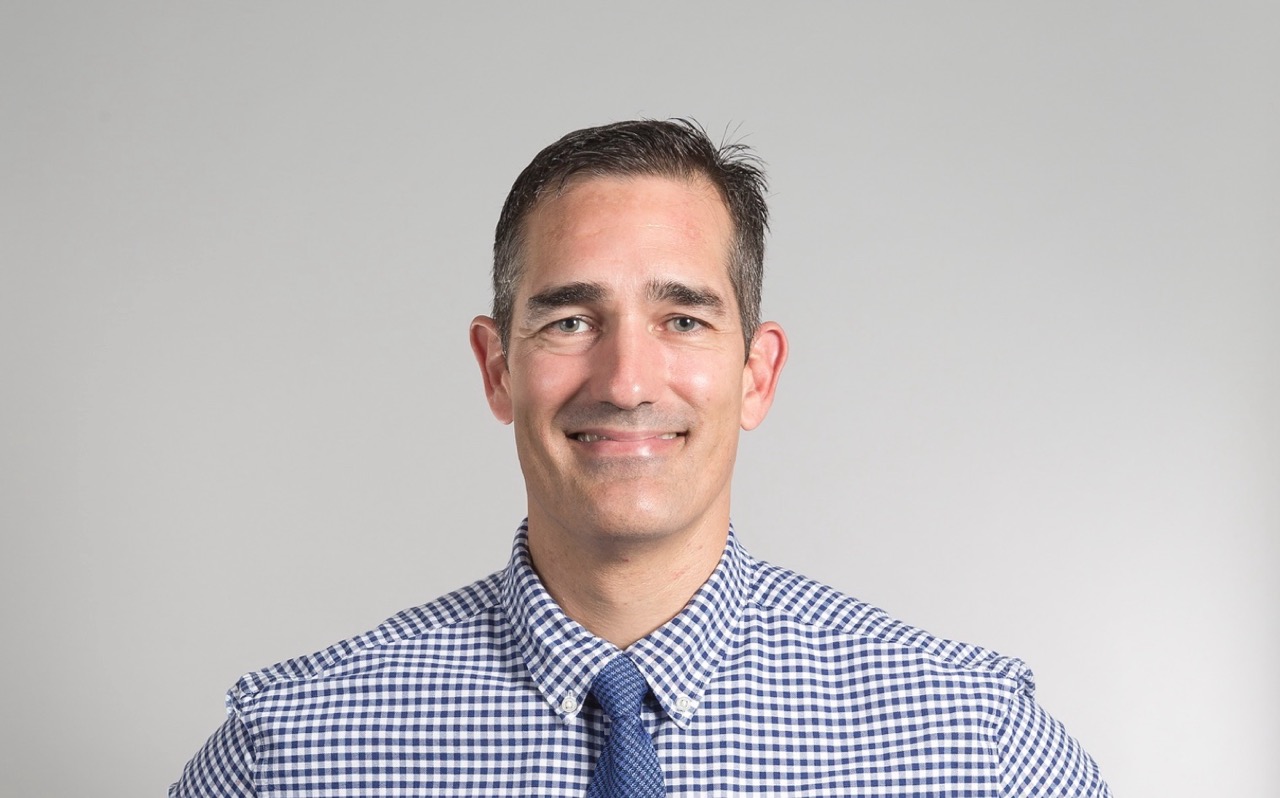
    Led by CEO Kiriti Rambhatla, Metakosmos is working to revolutionise human spaceflight technology. Their Kosmosuit architecture has garnered acclaim and the interest of the Kolling Institute’s Academic Director Professor James Elliott.

    Since 2020, Metakosmos has worked with the CSIRO and the Department of Defence to improve production processes. Their research focuses on three key areas: wearer protection, aesthetic design and mitigating physiological impacts such as space radiation and microgravity.

    Space radiation for example, can have detrimental effects on the musculoskeletal system, including bone density loss, muscle atrophy, joint degeneration, impaired healing and increased injury risk. Astronauts can come back to Earth five to eight centimetres taller.

    There is also a risk of injuries during extra vehicular activity preflight training periods prior to space radiation or microgravity exposure. Metakosmos is working on designing systems that can protect the users from injuries during the entire lifecycle of human spaceflight.

    Metakosmos and colleagues are close to unveiling an application that will redefine the way human spaceflight lifecycles are monitored and managed at scale.

    Incorporating biomarker tracking, Metakosmos’ suits monitor astronauts’ musculoskeletal health, stress levels and radiation exposure in real-time. With a 40 per cent increase in efficiency and 50 per cent reduction in total mass, these suits support performance in extreme conditions.

    Metakosmos’ designs cater to various environments, from deep-sea operations to international space station missions. Their collaboration with the Kolling Institute underscores a commitment to advancing human spaceflight capabilities and terrestrial based health, performance and wellbeing.

    James Elliott first met Kiriti Rambhatla at a space consortium hosted by the Kolling Institute in collaboration with the Australasian Society of Aerospace Medicine.

    “We immediately realised we had synergies,” he said.

    “Kiriti was interested in our collaborative multidisciplinary work towards measuring wellbeing after trauma. Not much is known about long-term post-trauma recovery, and no two recoveries are the same.

    “Kiriti was intrigued by our methodology, which involves collecting comprehensive physiological data, creating pathways that work on simulated models, and addressing modifiable environmental factors, such as trip hazards and fall risks.

    “Our research is continually evolving as we measure and refine our approach. The Kolling Institute’s interest in muscle mapping aligns perfectly with the goals of Metakosmos, and we are integrating our findings to support this area.

    “By leveraging their combined expertise, Metakosmos and the Kolling Institute, among other institutions, are breaking new ground in wearable technology for extreme environments, marking a significant step forward in human health and performance on earth and beyond.” 

  • Kolling Institute researchers instrumental in Australian first guidelines

    Kolling Institute researchers instrumental in Australian first guidelines

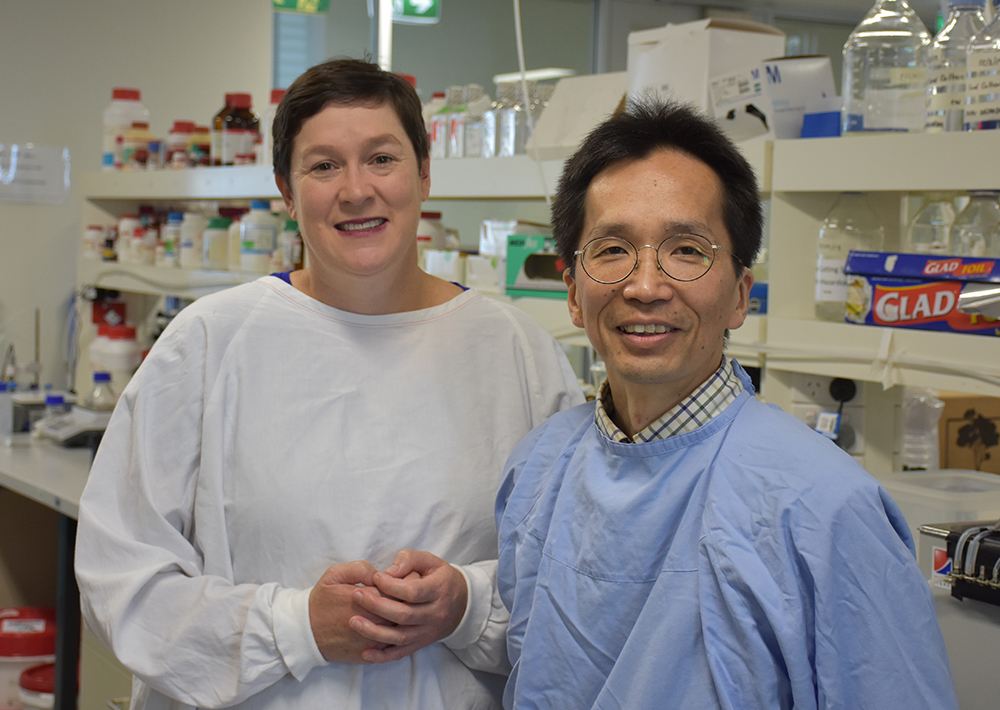
    It has taken three years and many hours of careful work, but two researchers from the John Walsh Centre for Rehabilitation Research have developed the first clinical practice guidelines for physiotherapists to inform the care of people with life-changing spinal cord injuries.

    Physiotherapy is a key part of rehabilitation for people with a spinal cord injury, but until now, there has been no nationally consistent advice based on the best available evidence.

    The guidelines were driven by Professor Lisa Harvey and Associate Professor Joanne Glinsky, who worked with a team of physiotherapists, researchers, and people with a spinal cord injury across Australia and New Zealand.

    Professor Harvey said the recommendations provide up-to-date information on the most effective physiotherapy management.

    “Importantly, they are based on a rigorous evaluation of the available evidence, taking into account the opinions of clinical experts and people with a spinal cord injury,” she said.

    “We started the process by identifying over 100 clinical questions of importance to physiotherapists and those living with an injury, and each question was ultimately answered by way of an evidenced-based recommendation or a consensus statement.”

    Associate Professor Glinsky said we followed a very detailed and rigorous process with many meetings, discussions and reviews of the evidence.

    “It is this process that should give people confidence in the recommendations of the guidelines,” she said.

    Professor Harvey added that the work was only possible with the initial financial support from icare in NSW, and the support from organisations throughout Australia including the Transport Accident Commission, the National Insurance Scheme Queensland and the Lifetime Support Authority.

    “Their support for this important piece of work was critical to our success. We are tremendously grateful they shared our vision to create these first Australian recommendations.”

    The guidelines can be viewed at www.SCIPTguide.org 

  • Professor Michael Cousins leaves extraordinary legacy

    Professor Michael Cousins leaves extraordinary legacy

    We would like to acknowledge the remarkable life of pain medicine pioneer and former Royal North Shore Hospital specialist Professor Michael Cousins AO who has sadly passed away.

    Michael was a trailblazer in anaesthesia and pain medicine, and a mentor to many at the Kolling Institute and on the Royal North Shore Hospital campus.

    With a career spanning more than 50 years, Michael dedicated his life to helping others through pain management and better care. He changed the way that Australia managed pain, believing that access to pain management was a fundamental human right. He instigated change not only in Australia, but on a global scale.

    Michael designed Australia’s National Pain Strategy, and was a founding member of peak Australian pain advisory bodies and academic faculties. In 1995, he was made a Member of the Order of Australia.

    Michael was instrumental in the establishment of Royal North Shore Hospital’s Pain Clinic and the Kolling Institute’s Pain Management Research Institute (PMRI). This multidisciplinary centre is internationally regarded for its clinical care, teaching and research.

    In 1998, the institute was recognised by the National Health and Medical Research Council as one of only eight Centres of Clinical Excellence in hospital-based research, and in 2012, it was named the lead site for pain research in the state by the NSW Ministry of Health.

    Today, it continues to support the community, delivering world leading research and improvements in care.

    Current PMRI Director Professor Paul Glare said he first met Michael in the early 1990’s and worked alongside him in an academic capacity.

    “Little did I know at the time that I would replace him as Chair of Pain Medicine and be the beneficiary of the incredible academic legacy he left here in Northern Sydney,” he said.

    “His passing is very sad for all of us in the Michael J Cousins’ Pain Management Research Institute.

    “I would like to recognise his truly incredible efforts to lift standards of care and improve the management of pain across Australia and internationally.”

  • Digital technology to support those with long-standing pain

    Digital technology to support those with long-standing pain

    Researchers based at the Kolling Institute have launched a clinical trial using digital health technology to help those with chronic pain reduce their use of opioids.

    Chief investigator and leading pain specialist at Royal North Shore Hospital Professor Paul Glare said many people with chronic pain are using opioid medications long-term, but research shows that in many cases, these medications are doing more harm than good.

    “We know that reducing the use of opioids not only minimises harm, but also leads to improvements in pain and quality of life,” he said.

    Professor Glare said many people who have been on long term opioids for pain find reducing their dose a daunting prospect, and unfortunately, many of them don’t have much social support either.

    As part of the clinical trial, participants will watch a video about pain and opioids and receive text messages, while their opioid medication dose is reduced under the supervision of the prescribing doctor.

    “The aim of this study is to see if we can provide more support via their mobile phone to make tapering easier.

    “The clinical trial follows a pilot study which showed that patients’ confidence to reduce their reliance on opioids improved when they received text messages.

    “It also found their pain reduced, and their mood and functioning was better.

    “We are now enrolling participants in a randomised control trial to test if the intervention leads to a greater reduction of their opioid dose.”

    You can join the study from anywhere in Australia where you have access to a phone network and the internet.

    If you would like to participate go to Support4Pain Study 

  • Australian researchers help astronauts tackle the health challenges of spaceflight

    Australian researchers help astronauts tackle the health challenges of spaceflight

    As the National Aeronautics and Space Administration (NASA) progresses its ambitious Artemis spaceflight program, Australian researchers including the Kolling Institute’s Academic Director Professor James Elliott will tap into their scientific expertise to offer support.

    Professor Elliott attended a recent event at NASA’s Johnson Space Centre in Texas, which brought together leading clinicians and scientists from around the world to discuss ways to reduce the spine injuries experienced by astronauts.

    This group is exposed to a range of musculoskeletal conditions including spinal pain and muscle challenges due to the lack of gravity when in space.

    Professor Elliott said we know that physical changes to the spine during spaceflight predispose astronauts to symptomatic spine pain and nearly 50 per cent of cases presenting to NASA’s musculoskeletal care team involve spine pain.

    “The risk of spine pain during and after spaceflight raises operational issues and concerns for the long-term spine health of astronauts and others going into space,” he said.

    “We are looking forward to sharing our expertise to help reduce injury, and improve the health and performance of astronauts.

    “NASA has expressed an interest in our MuscleMap program, which is a revolutionary technique to assess whole-body skeletal muscle composition using high-resolution MRI.

    “The program is generating a reference dataset of muscle composition across the lifespan to help diagnose pathology, gauge the effectiveness of interventions, and develop new health outcome measures.

    “The normative data sets, developed by the MuscleMap program, could be used to compare data sets from the astronauts, so that when astronauts return from space, and they’ve experienced zero gravity exposure, you will be able to see what’s happened to their muscle system and what has changed to their skeletal muscle composition.

    “The MuscleMap program could be an assessment tool to help improve their pain and performance when they’re in space, when they get home, and in preparation for future missions.

    “We are very excited to be involved with this cutting-edge research which we hope will directly support astronauts and their long-term health.”  

  • New research challenges the link between the weather and joint pain

    New research challenges the link between the weather and joint pain

    Many people believe there is a connection between the weather and joint or muscle pain, but a team of researchers from the Kolling Institute and the University of Sydney say their latest study has found there is no link between the two.

    Lead author Professor Manuela Ferreira said there is a longstanding belief that changes in weather conditions, such as rain or temperature variations, can trigger or worsen muscle and joint pain, but based on their analyses, they have found the weather has no direct influence on the most common musculoskeletal conditions.

    “We looked at data from over 15,000 people from seven different countries,” she said.

    “Together, these people reported over 28,000 episodes of pain, mostly back pain, knee or hip osteoarthritis. We also included people with rheumatoid arthritis and gout.

    “We then looked at the frequency of those pain reports in different types of weather, hot, cold, humid, dry, rainy and found no difference.

    “In other words, people do not experience more pain or pain flares when it is hot, or cold, or humid or raining suggesting there is no direct link between the weather and joint or muscle pain.

    “The only exception was gout where we found hot and dry weather can increase the risk of a flare in people with gout.”

    Professor Ferreira said the study highlights a wider issue that even though more than a quarter of Australians are affected by a chronic musculoskeletal condition, there are still widespread misconceptions and limited treatment options.

    “Patients are often left to navigate and understand their medical condition without access to reliable information,” she said.

    “Our research has debunked a common myth, and we hope shifted attention to evidenced based care.

    “When seeking pain prevention and relief, both patients and clinicians should focus on how to best manage the condition, including weight management and exercises, and not let the weather influence any treatment.”

  • Kolling Symposium celebrates life-changing impact of research

    Kolling Symposium celebrates life-changing impact of research

    A large group of inspiring researchers delivered presentations at the inaugural Kolling Institute Symposium, highlighting the strength of research underway at the institute.

    Close to a hundred people attended the event at the Northside Conference Centre focusing on the key themes of collaboration, innovation and wellbeing.

    Senior researchers and up-and-coming investigators took to the stage, outlining the progress being made with the Kolling’s basic science right through to its crucial implementation research.

    Academic Director Professor James Elliott said it was evident that significant achievements are being delivered, and I would like to recognise the considerable efforts by all our researchers from our heart and kidney disease scientists through to our neuroscience and pain, and musculoskeletal investigators.

    “It’s during big events like this one where we gain a much better idea of the ground-breaking work being undertaken at the Kolling and where we have the chance to meet with like-minded investigators from other teams.

    “It was also encouraging to hear from four consumer representatives who generously discussed their personal health experience. They provided crucial feedback on how to further involve consumers in our research community and future strategic initiatives.”

    Professor Elliott said the symposium was part of the overarching research strategy to raise the profile of the Kolling, its impressive researchers and its valuable work.

    “The event complemented the large collection of seminars and events we held throughout the year, and I am sure it went a long way towards broadening awareness of our potentially life-changing research and impact.”

    At the event Professor Elliott announced the successful recipients of the 2023 Kolling Awards. This year eight researchers received an award across the following five categories.

    Clinical Research Dr Vicki Duong and Dr Sumit Sahni

    Discovery Research Professor Jose Antonio Lopez-Escamez

    PhD completion Dr Natassia Rodrigo

    PhD supervision Associate Professor Claire Ashton-James and Dr Ryan Davis

    Professional Staff Quoc Nguyen (non-technical staff) and Shihani Stoner (technical staff)

    Professor Elliott said I would like to thank the Workforce and Culture Research Enabler and the Kolling Executive Committee for their co-ordination and support of the awards. It’s so important we acknowledge both our emerging and established leaders, and those having a remarkable impact with their research.

    “I would also like to acknowledge the researchers and professional staff for their tremendous commitment and contribution towards our research success.

    “Each of these award winners is driving substantial improvements in their individual areas of expertise, and I’m pleased that we’re able to direct the spotlight onto their significant achievements through the Kolling awards program.”

  • Kolling Institute Research Video

    Kolling Institute Research Video

    At the Kolling Institute, we are tremendously fortunate to work with so many skilled and dedicated researchers. Our Kolling video gives you an insight into some of our latest research and our inspirational teams.

  • Collaboration driving research impactc

    Collaboration driving research impactc

    The strength of interdisciplinary research across the Northern Sydney (Arabanoo) Precinct was highlighted during a dynamic showcase at the Kolling Institute.

    The annual event, which has been steadily lifting its profile, featured the latest research progress across allied health, nursing, medicine, as well as pharmacy, dentistry and public health.

    More than a hundred people attended this year’s event hosted by the Precinct academic directors Professors Jim Elliott and Robyn Gallagher, and Associate Professor Margaret Schnitzler.

    The showcase provided an insight into the successful collaborations between the University of Sydney and the Northern Sydney Local Health District, and their impact on the delivery of care.

    Associate Professor Elizabeth Clarke detailed her interdisciplinary research investigating the use of kangaroo tendons for human ACL reconstructions. This project involved engineers and medical scientists from the Kolling, along with orthopaedic surgeons and an Australian industry partner.

    A/Prof Clarke also discussed the Kolling Orthopaedic Biomechanics Robotic Arm, an exciting collaboration between engineers from the University of Sydney, orthopaedic surgeons from the NSLHD and global industry partners.

    Elizabeth said these two examples highlight how interdisciplinary collaboration can achieve outcomes far greater than the sum of the parts.

    “We would not have achieved the research and innovation goals without any one of the partners and team members on these projects,” she said.

    Exercise physiologist Rosanna Tran delivered her presentation on the FORTRESS trial, which is assessing a frailty intervention in hospitals. Funded by the NHMRC, the trial is using a validated screening tool and an evidence-based intervention.

    Rosanna, who is based at Hornsby Hospital, said the collaborative research will help establish a cost-effective model of care to help manage frailty and its adverse impacts.

    Professor Mark Molloy from the University of Sydney discussed his collaboration with Royal North Shore Hospital colorectal surgeon Professor Alexander Engel to identify molecular markers of disease risk for bowel cancer.

    “This project demonstrates how clinical services can be an important contributor to interdisciplinary research through linking our own strengths,” he said

    “Collaborating with clinicians helps to make my research more impactful by bringing a patient-centric perspective.”

    It’s anticipated there’ll be further interdisciplinary collaboration following the showcase event.

  • First of its kind tool providing support for people with spinal cord injuries

    First of its kind tool providing support for people with spinal cord injuries

    A valuable digital resource has been launched to help people with spinal cord injuries troubleshoot some of the complex health challenges that can arise after injury.

    The Spinal Cord Injury Health Maintenance Tool, which includes a website, smartphone app and hardcopy booklets, has been designed to empower people to self-manage their health-related needs and maintain a high quality of life.

    Launched by NSW Health Secretary Susan Pearce AM, the tool provides reliable, evidence-based and easy-to-understand information to help those with spinal cord injuries and their primary health care providers manage injury related concerns.

    It features interactive tools such as a quick health checker, collaborative care plans, symptom trackers and goal setting programs.

    The tool also offers self-management strategies focusing on mental health and wellbeing, as well as bladder, bowel, skin, pain and autonomic dysreflexia concerns.

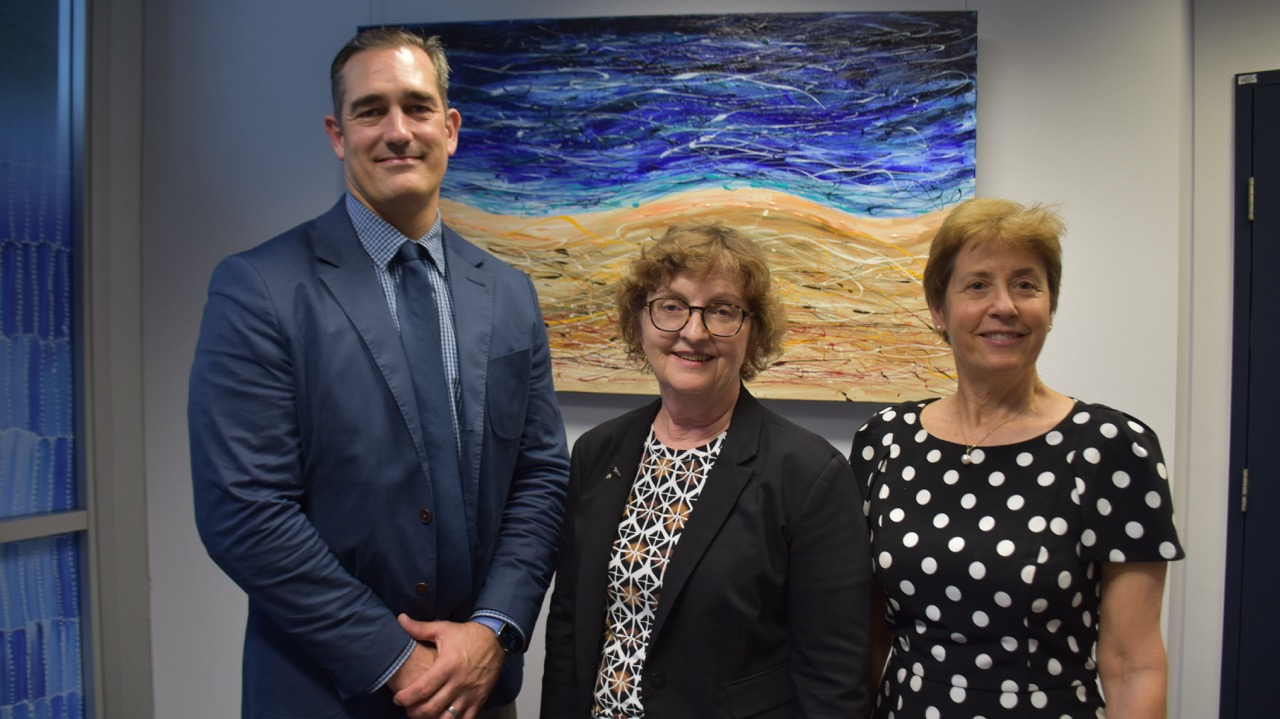
    Kolling Institute and University of Sydney researcher Professor James Middleton, who was instrumental in the design of the resource, said the tool had been written through the lens of someone with a spinal cord injury, so individuals can learn what they need to do to stay well and what action to take when health issues arise.

    “The tool was developed following genuine, multi-method consultation with meaningful engagement with a diverse stakeholder group,” he said.

    “This process ensured the voices of individuals living with a spinal cord injury and their healthcare providers were incorporated into the design of this important new resource.

    “During the consultations for instance, we found there was a need to place a greater emphasis on mental health and wellness, so an additional component on mental health was included.

    “We are very proud of this resource which will provide practical and easily accessible information to those with a spinal cord injury.”

    Consumer reaction

    The resource has been welcomed by consumers. Brendan Gardiner lives with a spinal cord injury and spoke at the launch about his experiences using the tool.

    He says it provides information that keeps him ahead of the next problem.

    “It’s comforting to have an extra resource I can go to when I have a problem, and information that helps me avoid future problems.” Brendan said.

    Partnering for impact

    The freely available tool was developed in partnership between The University of Sydney, Royal Rehab, the State SCI Service, the NSW Agency for Clinical Innovation, and with funding provided by icare NSW.

    Group Executive of icare Lifetime Schemes Dr Nick Allsop has welcomed the development of the tool, particularly given the complex health needs of people living with a spinal cord injury.

    “The website and app empower people to expertly and proactively manage their health needs independently, and with their care team. We want people with a spinal cord injury to have improved quality of life and health outcomes.”

    To find out more about this comprehensive resource visit the Spinal Cord Injury Health Maintenance Tool website. 

NSWGOV logo