Blog

  • International honour for Kolling researcher after 40-year service to spinal cord injury care

    International honour for Kolling researcher after 40-year service to spinal cord injury care

    A career dedicated to improving the physiotherapy management of people with spinal cord injury has been recognised with the highest honour by the International Spinal Cord Society.

    Leading physiotherapist and researcher Professor Lisa Harvey was presented with the gold medal in front of the world’s best spinal cord injury clinicians and researchers in Belgium.

    Professor Harvey, who works at the John Walsh Centre for Rehabilitation Research in close collaboration with the Spinal Unit at Royal North Shore Hospital, received the award for her outstanding contribution to the field of spinal cord injuries.

    Lisa has held many positions with the international society over the last three decades, including chair of the Education Committee, Editor-in-Chief of the society’s official publication, Spinal Cord, board member and now chair of the Science and Research Committee.

    She has been instrumental in the development of online training for healthcare professionals treating people with spinal cord injuries and has overseen the development of freely available software to support physiotherapists prescribing exercises.

    These resources can be found at www.elearnSCI.org and www.physiotherapyexercises.com

    Lisa has taught physiotherapy management for people with a spinal cord injury in most corners of the world and has authored the leading textbook in the field. Along with colleague, Joanne Glinsky, Lisa runs online courses for up to 25,000 students.

    She is also an active researcher, publishing widely and supervising PhD students. She is currently leading one of the largest international clinical trials to examine the effectiveness of a type of physiotherapy in the early days after injury.

    Lisa said she was very grateful to receive the top honour which brings an invitation to deliver a plenary lecture at the society’s conference in Sweden in November.

    “I feel particularly proud to have received the International Spinal Cord Society gold medal on behalf of allied health professionals, especially physiotherapists everywhere who have never been recognised in this way,” she said.

    “I would like to pay particular tribute to Associate Professor Joanne Glinsky who has been instrumental to my career and who, along with Claire Boswell Ruys, nominated me for this award.”  

  • Celebrating over 100 years of innovation

    Celebrating over 100 years of innovation


    The inaugural Eva Kolling Research Day was staged within Royal North Shore Hospital, providing the perfect chance to celebrate the vision and generosity of a true pioneer.

    Established in 1920, the Kolling Institute is the oldest medical research institute in New South Wales. It has been at the forefront of cutting-edge research for more than a hundred years, with its founding director Dr W. Wilson Ingram opening the first clinic for diabetes treatment in Australia.

    In 1931, a new two-storey building was officially opened and named the Kolling Institute of Medical Research after businessman Charles Kolling. His widow Eva was a strong supporter of research and made a substantial donation towards the development of the new building.

    The Kolling Institute’s iconic photo features Eva laying a foundation stone. 

    Her vision and the long-standing impact of the Kolling were highlighted at the inaugural research day by Royal North Shore Hospital honorary archivist Catherine Storey OAM, who shared insights into the Kolling’s remarkable journey.

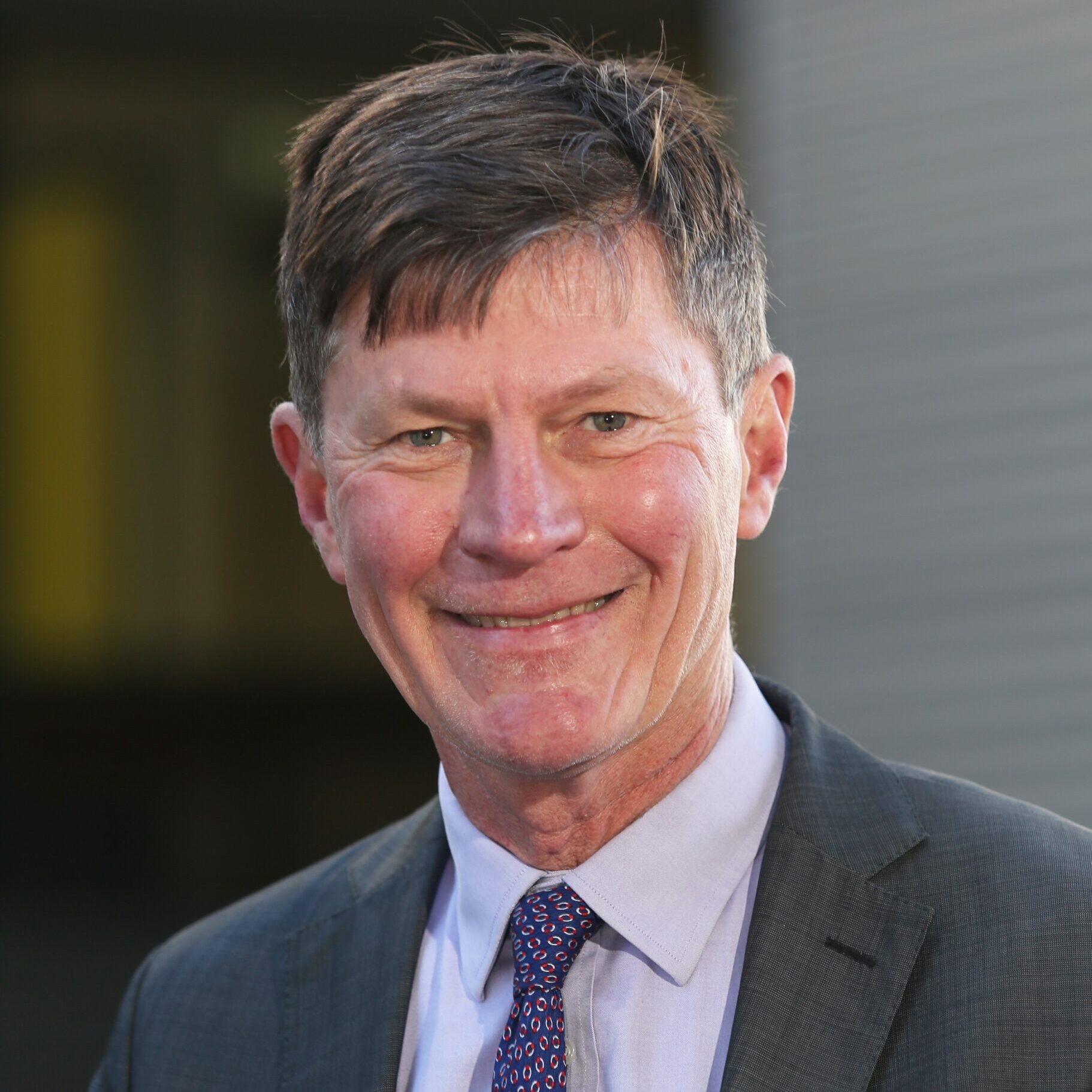
    The institute’s Academic Director Professor James Elliott said the event offered the chance for researchers to engage with visitors, to learn more about the health challenges facing the community, and to share details of their current research.

    “A key part of our research success will depend on the strength of our community ties, including community driven clinical trials and broad community involvement,” he said.

    “I would also like to thank the NORTH Foundation for their unrelenting support, and for raising awareness of the dedicated and skilled clinician researchers within the Kolling Institute.”

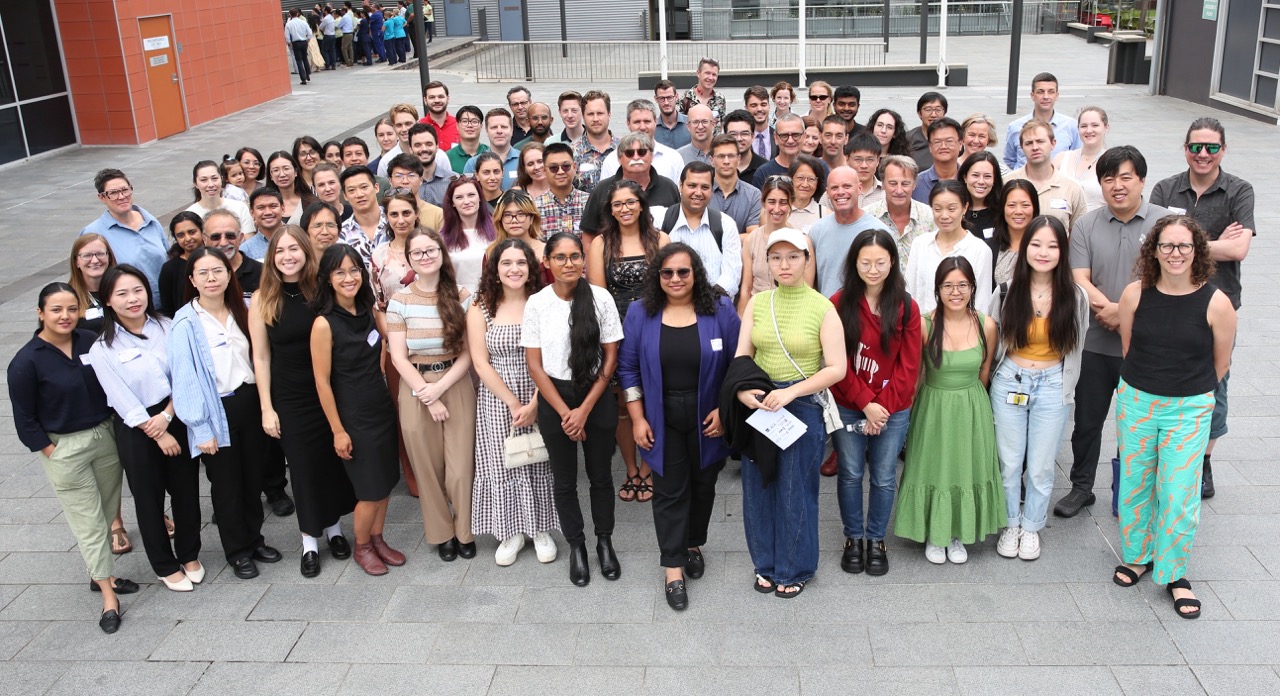
    Early-to-mid-career researchers presented a poster display, illustrating their commitment to improving health outcomes, driving new health policy, and realising global reach.

    Two awards were announced on the day, including an Excellence in Clinical Translation Science gong to Temitope Esther Afolabi from the Kolling’s Lab of Ageing and Pharmacology, and an Excellence in Basic Science award to Daisy (Qinrui) Chen from the Renal Research Lab. 

  • International spotlight on talented Kolling neuroscience investigator

    International spotlight on talented Kolling neuroscience investigator

    We would like to congratulate one of our emerging leaders at the Kolling Institute who has received a prestigious award at an international conference in Melbourne.

    In her final year of her PhD, Caitlin Fenech has been presented with a President’s Special Commendation award at the 36th World Congress of Neuropsychopharmacology, CINP-AsCNP 2025.

    Caitlin has also taken to the stage today to deliver a presentation and informative poster.

    She has welcomed the experience and her encouragement award.

    “Receiving recognition at an international conference is very exciting, especially as my PhD story is finishing up, and it has come out as an interesting story,” she said.

    “For the award application, I sent in my abstract and a 150-word statement of the reason why I wished to be considered for the encouragement award.

    “In my statement, I described my passion for neuroscience and eagerness to meet other passionate individuals studying the brain.

    “My research is investigating the role of a group of neurons in the midbrain in chronic pain. We have found a novel pain circuit in the brain that controls both sensory and emotional responses and is changed following chronic pain.

    “This is really exciting as these insights increase our knowledge of how pain and chronic pain are processed in the brain, and will help develop effective treatments for pain conditions in the future.

    “Excitingly, the team will be submitting the data for publication in the next few months.”

    Head of the Neurobiology of Pain Laboratory within the Kolling Institute, Associate Professor Karin Aubrey is thrilled Caitlin’s efforts have been recognised.

    “The findings of Caitlin’s PhD project have advanced our understanding of how the brain senses pain and organises our responses to pain in normal conditions and how it changes when chronic pain develops,” she said.

    “This information is essential for developing medications that address chronic pain specific dysfunctions.”

    “It’s been wonderful to see a talented, emerging researcher recognised in this way.”

    The international conference has brought together experts from research and medical institutions, worldwide regulatory authorities and major pharmaceutical companies.

    The theme this year is Advancing Intelligent Horizons Towards Brain Health, with the presentations are focusing on pain, schizophrenia, depression and addiction. 

  • Kolling Institute Newsletter May 2025

    Kolling Institute Newsletter May 2025

    Check out our latest newsletter

    • Researchers target sleep for muscle pain relief
    • Landmark clinical trial to improve lung cancer treatment
    • Pioneering Muscle Map project receives funding support
    • Travel awards for emerging research leaders
    • And much more: 

    Click here:

  • Obesity a leading cause of knee osteoarthritis

    Obesity a leading cause of knee osteoarthritis

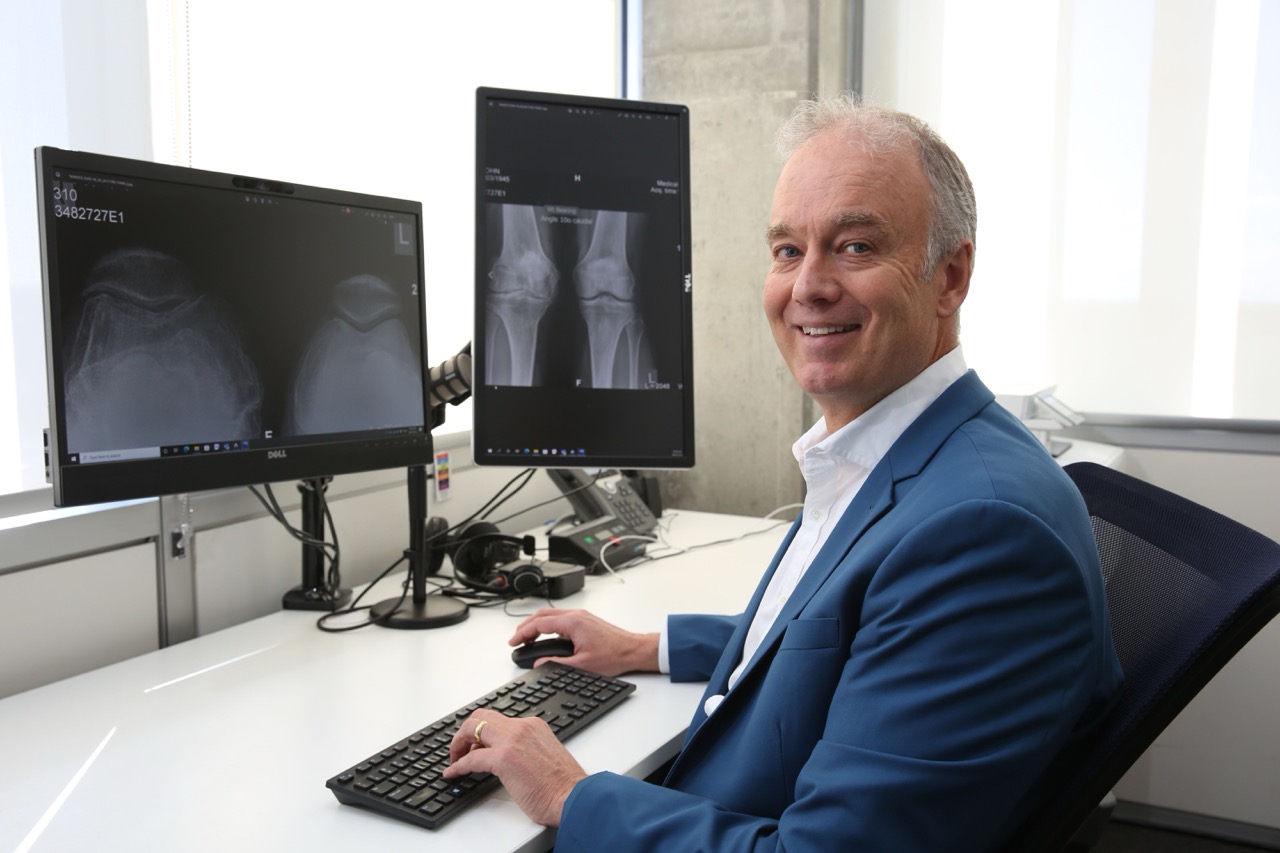
    New research from the University of Sydney and the Kolling Institute reveals that obesity, having a knee injury and occupational risks such as shift work and lifting heavy loads are primary causes of knee osteoarthritis.

    Published in Osteoarthritis and Cartilage, the study was led by Dr Vicky Duong and Associate Professor Christina Abdel Shaheed from Sydney Musculoskeletal Health, a joint initiative between the University of Sydney, Northern Sydney Local Health District and Sydney Local Health District.

    Using data from 130 studies involving people from 20 to 80 years old, the researchers examined over 150 risk factors to determine which were associated with an increased risk of developing knee osteoarthritis.

    Knee osteoarthritis is a debilitating condition that affects over 500 million people around the world and is a leading cause of disability.

    The research found that addressing lifestyle factors, such as losing weight or adopting a better diet, could significantly improve people’s health.

    The study found that following a mediterranean diet, drinking green tea and eating dark bread could reduce the risk of developing knee osteoarthritis.

    Co-author and Kolling Institute researcher Professor David Hunter said the research identified some key trends.

    “Women were twice as likely to develop the condition than men, and older age was only mildly associated with increased risk,” he said.

    Reducing the risk of knee osteoarthritis

    Dr Duong, lead author and post-doctoral researcher at the Kolling Institute, said eliminating obesity and knee injuries could potentially reduce the risk of developing knee osteoarthritis by 14 percent across the population.

    “We urge governments and the healthcare sector to implement policy reforms that address occupational risks, subsidise knee injury prevention programs, and promote healthy eating and physical activity to reduce obesity,” she said. 

  • Pioneering study to improve sleep and reduce musculoskeletal pain

    Pioneering study to improve sleep and reduce musculoskeletal pain

    An innovative study, led by a team of researchers from the Kolling Institute, has the potential to change the way osteoarthritis and low back pain are managed.

    More than $4.7 million has been awarded to the project through the Medical Research Future Fund’s program for early to mid-career researchers.

    Study lead Associate Professor Michelle Hall said we know that chronic muscle pain and poor sleep often go hand-in-hand, yet sleep is rarely addressed in standard musculoskeletal care.

    “Our program however, will target insomnia as a first line treatment for a range of musculoskeletal pain conditions, including hip and knee osteoarthritis, and low back pain,” said the University of Sydney researcher.

    “These conditions are the leading cause of disability worldwide and co-exist with poor sleep. We know that insomnia affects up to 80 per cent of people with chronic musculoskeletal pain, and poor sleep actually worsens chronic pain.

    “Our ground-breaking program will measure the impact of adding cognitive behavioral therapy to physiotherapy care for people with muscle pain and insomnia.

    “This type of therapy is a proven treatment for both sleep and chronic pain, yet it is not routinely offered due to limited psychologist availability and funding.

    “Physiotherapists are well-positioned to address this care gap, given they typically manage people with chronic musculoskeletal conditions and are more widely available than clinical psychologists.

    “Our approach could also represent a significant financial saving.

    “Earlier trials have demonstrated a reduction in medication use and costs, and given the $7 billion cost of medications for osteoarthritis and low back pain each year, the projected savings could exceed $60 million a year.”

    The program will be adopted across nine public hospitals in NSW, Queensland and Western Australia, and will involve seven Australian universities and a UK institution.

    “We would like to thank the many consumers and partners who have helped us develop this project. It has the potential to be upscaled and could improve models of care and patient outcomes for a large number of people across Australia and internationally.

    “We are looking forward to progressing this important research and reducing the severity of pain experienced by the community.” 

  • Long term support to avoid knee osteoarthritis

    Long term support to avoid knee osteoarthritis

    Thank you to Northside Living News for profiling an exciting clinical trial to prevent knee osteoarthritis.

    Our researchers at the Kolling Institute are now recruiting to the large-scale trial which will offer long-term support to lose weight and avoid knee osteoarthritis all together.

    If you would like to know more about the trial and to sign up, click here:

    To read about the details in Northside Living News:

  • New digital health program to reduce muscle, joint and bone pain across culturally diverse communities

    New digital health program to reduce muscle, joint and bone pain across culturally diverse communities

    A federal government funding boost will pave the way for a much-needed, tailored program for culturally diverse communities experiencing musculoskeletal pain.

    Dr Saurab Sharma, the Chief Clinical Scientist from the Pain Management and Research Centre at Royal North Shore Hospital, has received a National Health and Medical Research Council investigator grant to progress his research and develop an innovative treatment plan.

    Investigator grants are awarded to only a small number of leading scientists in Australia each year to advance health research.

    As a researcher within the Kolling Institute, Dr Sharma said a specific, co-designed program is needed as culturally and linguistically diverse Australians often miss out on high quality care due to cultural, language, and health literacy barriers.

    “These communities are often excluded from research including clinical trials, which means evidence-based treatments are designed without their input or experiences,” he said.

    “Ultimately, this means Australians from diverse backgrounds receive poor care and experience poorer outcomes compared to other Australians.”

    The $700,000 grant will support the development of a digital, pain-management treatment program for communities from Arabic, Chinese, Indian, Nepali, and Vietnamese backgrounds with musculoskeletal pain.

    “Importantly, the program will be co-designed with individuals with lived experiences of musculoskeletal pain, healthcare professionals from respective cultural backgrounds, and world-leading musculoskeletal pain experts,” he said.

    “Our initiative aims to empower marginalised and disadvantaged communities, build research capacity within these communities, and foster a greater understanding of pain among community members and healthcare professionals to transform pain management for these vulnerable communities.

    “Encouragingly, our program could be adopted on a global scale as it will be tailored for Arabic, Cantonese, Hindi, Mandarin, Nepali, and Vietnamese languages, which are spoken by over 2.2 billion people globally.

    “A cultural and linguistic adaptation of the educational resources could benefit approximately a quarter of the world’s population.

    “We hope the pain management program will enhance health equity, reduce costs and inform national and international guidelines on musculoskeletal pain.”  

  • Pioneering MuscleMap project secures strong philanthropic support

    Pioneering MuscleMap project secures strong philanthropic support

    An innovative tool which could revolutionise the detection and treatment of musculoskeletal and neurological conditions will be further developed following a $230,000 gift.

    The donation was made following a campaign by the University of Sydney’s Advancement team and the NORTH Foundation to support the world’s first open-source dataset of whole-body muscle composition.

    The Kolling Institute’s Academic Director Professor James Elliott said there is a critical need for the diagnostic tool with musculoskeletal and neurological conditions among the leading causes of illness and disability worldwide.

    “With these conditions affecting more than four billion people, they are expected to cost around $21 billion in healthcare expenditure by 2033 in Australia alone,” he said.

    “Early identification and intervention are crucial if we are to offer long-term health benefits and minimise the disease burden.

    “We know that these conditions often lead to a steady decline in muscle health, and this decline is evident by an increase in fat deposits in the muscles and the loss of muscle fibres.

    “CT and MRI scans can be used to identify these changes, but the time it currently takes is prohibitive.

    The MuscleMap tool however, will automatically identify any changes, potentially revolutionising the detection of muscle health in any part of the body. It could inform treatment for everyone from elite athletes to astronauts and older people with complex conditions.

    Astronauts for instance, experience significant muscle loss due to the effects of prolonged exposure to zero gravity.

    Using existing MRI and CT scans, the landmark global study has applied an artificial intelligence model to produce a dataset of muscle health of any part of the body. This will enable a patient’s muscle deterioration to be compared with a healthy person’s.

    Professor Elliott said this will mean a clinician will be able to upload a scan into the MuscleMap program, and within minutes, will have access to detailed information measuring muscle composition compared to a reference dataset.

    “For athletes and the general population, the tool will accurately inform the journey from injury to repair, recovery and return to physical activity.

    “For patients with osteoporosis, the program will provide a detailed analysis of overall health and muscle deterioration, which will then inform personalised strategies to develop healthier muscle mass and improve general health and wellbeing.

    “We are very appreciative of this generous donation to the MuscleMap project. It will enable the broader team to continue developing the digital infrastructure needed to launch the open-source portal.

    “It will be a pioneering resource, accessible to clinicians and researchers globally, and supporting the long-term health of communities.” 

    To donate to the innovative MuscleMap project visit the NORTH Foundation.

  • Latest findings on managing osteoarthritis

    Latest findings on managing osteoarthritis

    If you’re looking for the best advice for osteoarthritis care, have a listen to one of our leading clinicians and Kolling Institute researchers Professor David Hunter as he highlights the most effective treatment approaches and the low-value ones to avoid.

    Thank you to Dr Norman Swan and the team at the ABC’s Health Report for the chance to discuss the condition and an exciting clinical trial we are currently recruiting to.

NSWGOV logo