Blog

  • The Kolling welcomes Australia’s leading genomics provider to the institute

    The Kolling welcomes Australia’s leading genomics provider to the institute

    Researchers within the Kolling Institute will shortly have the chance to strengthen their genomics capabilities, with AGRF – the Australian Genome Research Facility – establishing a laboratory within the institute.

    The new lab is part of an exciting partnership between AGRF, the University of Sydney and the Kolling which will see a specialised team and cutting-edge technology located within the institute.

    As Australia’s largest provider of genomic services, AGRF supports researchers and organisations to drive discovery across clinical genomics, translational research, agriculture and environmental science.

    The Kolling’s Academic Director Professor James Elliott welcomed the collaboration saying we are proud to partner with AGRF.

    “By establishing a translational genomics facility within the Kolling Institute, we will be well placed to progress innovative research and directly improve health outcomes,” he said.

    “The partnership will not only benefit our researchers within the Kolling, but clinicians and researchers across Northern Sydney. It will help speed the translation of genomics research into patient care with direct input from clinicians and health providers.

    “The new lab will foster discovery science and a pathway to incorporate new knowledge and capabilities into clinical care.

    “We are looking forward to exploring collaborative research and educational opportunities with the leading genomics provider, and we are excited to see the advancements in care this partnership will deliver.”

    AGRF provides world-class expertise and high-quality genomic data from single-gene analysis to whole genome sequencing and biomarker discovery.

    From the time of opening, AGRF will offer its full suite of genomics and proteomics services to Kolling researchers, including project consultations, sample drop-off, high-quality sequencing, genotyping, transcriptomics, epigenomics, Olink proteomics and bioinformatics.

    These services will be backed by AGRF’s national network of specialist laboratories and technical experts.

    The on-site presence will make it easier for investigators to connect directly with AGRF’s team for project planning, study design and genomics research support.

    All services provided through AGRF’s national network can be accessed via the Kolling site, with sample drop-off and project co-ordination available.

    AGRF’s team will work closely with Kolling researchers to identify future opportunities for expanded workflows, pilot projects, and new technology implementations.

    Head of Strategic Business Desley Pitcher said we are thrilled to be joining the Kolling Institute community.

    “Our mission has always been to power discovery through genomics, and we look forward to partnering with Kolling researchers to bring that to life,” she said.  

    If you would like to know more, contact Oliver Distler – AGRF Senior Account Manager oliver.distler@agrf.org.au

  • National campaign to combat misinformation about osteoarthritis care

    National campaign to combat misinformation about osteoarthritis care

    Co-inciding with World Arthritis Day (12 October), researchers from the University of Sydney and the Kolling Institue are urging the community to avoid low-value osteoarthritis care, in favour of evidenced-based resources to help manage the condition.

    Osteoarthritis is the most common form of arthritis and one of the leading causes of disability globally. It affects over 2 million people in Australia alone, and yet there is a critical gap in care, with the majority of people often provided with outdated advice, and low-value treatments.

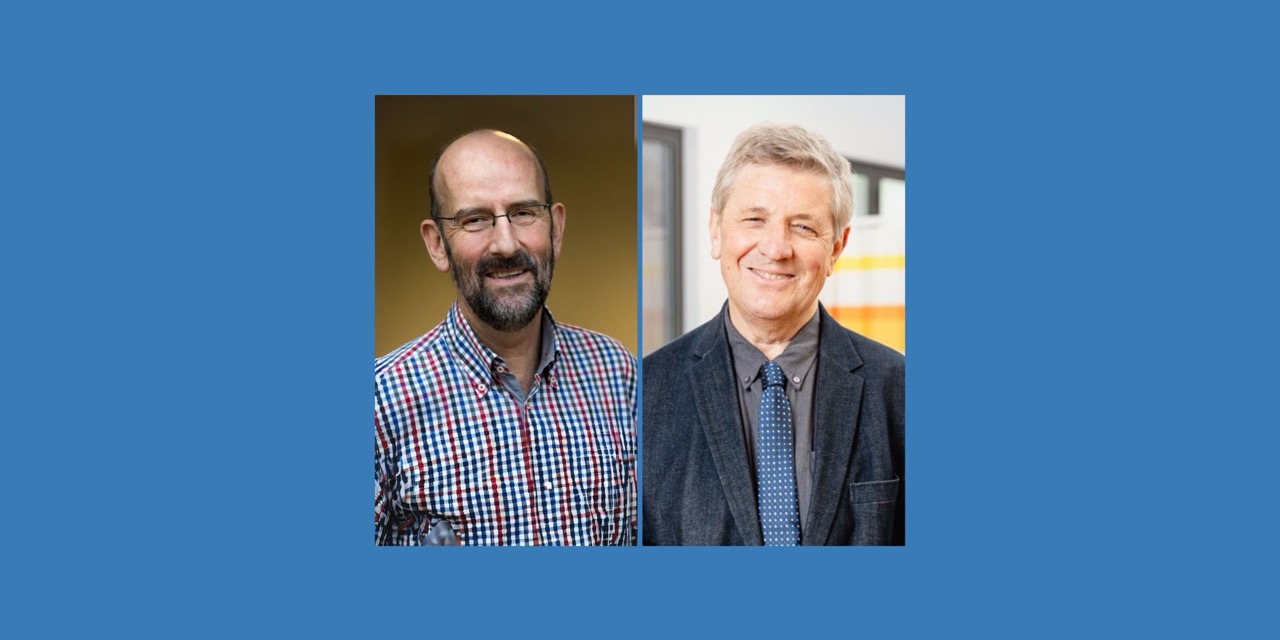
    Leading rheumatologist, and University of Sydney and Kolling Institute researcher Professor David Hunter said when it comes to osteoarthritis treatments, many people are wasting their time and money.

    “By dispelling common myths and providing people with evidence-based knowledge, we can empower them to improve their pain, mobility, and quality of life,” he said.

    Researchers have joined a campaign with Arthritis Australia to focus on empowerment through knowledge. It directs people to four trusted, easy-to-access resources to broaden their understanding of the condition and practical steps to manage it.

    Practical, Proven, and Free – Four Resources That Make a Difference:

    ● Read: MyOA – Plain-language guides, tools, and strategies for daily management

    ● Listen: Joint Action Podcast – Expert and lived experience episodes

    ● Watch: OA Essentials Webinar – Practical tips for managing OA pain in just 30 minutes

     Participate: OA Research Participant Network – Connects Australians with relevant research opportunities. Click here for more details:

    “These resources are clear, credible, and freely available,” said Louise Hardy, Interim CEO of Arthritis Australia.

    “The more people we can reach through trusted organisations, newsletters, and social media, the more likely they are to feel confident in managing their condition.”

    Many Australians are still managing osteoarthritis based on myths and misinformation like:

    ● Avoiding exercise out of fear — when movement is one of the most effective ways to reduce pain and improve function
    ● Using opioids — despite strong recommendations against their use for OA
    ● Paying for expensive treatments like stem cells and platelet rich plasma — current evidence suggests these are no more effective than salt water injections
    ● Believing surgery is inevitable — when a joint replacement isn’t in most people’s future
    ● Overlooking the impact of small changes — even modest weight loss and diet shifts reduce pain and load

    “Too many Australians are still being told there’s nothing they can do, and that’s simply not true,” said Professor Hunter.

    “The key is making small, consistent changes in line with what the evidence supports. If in doubt, stick to the basics: move regularly and gently, understand which treatments are truly effective, and surround yourself with a support network that helps motivate you.” 

  • September 2025 Kolling NEWS

    September 2025 Kolling NEWS

    Our latest Kolling Institute newsletter is out detailing the very latest updates from our expert team of researchers, including some promising progress with our bowel cancer investigators. 

    There’s an opportunity to join a clinical trial to minimise the impact of osteoarthritis, a new approach to reduce spinal cord injury related pain and an international award recognising 40 years of service to health and research…. and much more:

    Click here to read through this edition.

  • Changing of the guard

    Changing of the guard

    After more than 25 years leading visionary research, Professor Ian Cameron has stepped down as the head of the internationally respected John Walsh Centre for Rehabilitation Research.

    Accomplished researcher, educator and clinician Professor Ashley Craig has been appointed to the role and will lead a large team of experienced and emerging investigators.

    Dr Mohit Arora steps into the new position of Deputy Head, with Dr Kishan Kariippanon the John Walsh Centre for Rehabilitation Research Manager.

    Professor Craig has paid tribute to his long-standing colleague.

    “Ian Cameron is one of Australia’s leading rehabilitation specialists and a world leader in complex injuries and physical outcomes, compensation issues, and ageing complications,” he said.

    “He was instrumental in the establishment and growth of the John Walsh Centre and has long advocated for rehabilitation to be recognised as a specific research area.

    “He has led many clinical trials related to rehabilitation, disability and ageing, while fostering a new generation of researchers, and encouraging them to develop their research careers.”

    Professor Cameron also played a key role in driving reforms within the CTP injury compensation scheme in NSW and developing best practice guidelines.

    Pioneering Rehabilitation Research

    Appointed in 1997, Professor Cameron’s vision was to develop an interdisciplinary research centre focusing on injury related disability and rehabilitation. The centre was to have both research and education roles, and these strengths were realised over time.

    NSW government funding supported the appointment of academic staff with backgrounds in rehabilitation medicine, neuropsychology, physiotherapy, occupational therapy and clinical psychology and psychophysiology.

    As part of Sydney University’s Faculty of Medicine, the centre had strong links with local, interstate and international researchers. The ties with the university also enabled the establishment of a rehabilitation stream in the Sydney Medical Program.

    Significant research support continues to be received from core funders icare NSW and the NSW State Insurance Regulatory Authority or SIRA. The centre has also been successful in achieving multiple National Health and Medical Research Council/ MRFF grants. Its research focus centres on musculoskeletal injury, spinal cord injury, traumatic brain injury, and psychological injury.

    Many PhD and other higher degree students have been supervised, and some have become leaders in health and related areas. Two are now mid-career researchers in the centre.

    The centre was located at Royal Rehab at Ryde until 2015 when it was renamed the John Walsh Centre for Rehabilitation Research and moved to the Kolling Institute. Increased funding for academic salaries was achieved in 2021 from icare and SIRA, which allowed the appointment of the next generation of researchers and educators.

    A new era

    Today, the centre continues to increase its research impact.

    Professor Craig said that in recent months, researchers have received several top international awards, including the International Spinal Cord Society gold medal, which was presented to Professor Lisa Harvey for her remarkable services to spinal cord injury research over many years.

    “There have been some major publications, including a breakthrough paper on the cumulative health burden following road traffic injuries in BMC Medicine, and Hannah Withers’ award for the best paper at the World Physiotherapy Conference,” he said.

    “The centre continues to encourage the next generation of early and middle-career researchers, with senior rehabilitation researchers holding leadership roles within the Kolling Institute.

    “Our investigators are also strengthening our research and educational collaborations with The University of Sydney, the Northern Sydney Local Health District, the NSW Health Agency for Clinical Innovation and through professional networks.

    “This is crucial as we work to extend our impact, support the community and improve long-term health outcomes.”  

  • Awards point to world-leading cardiac care

    Awards point to world-leading cardiac care

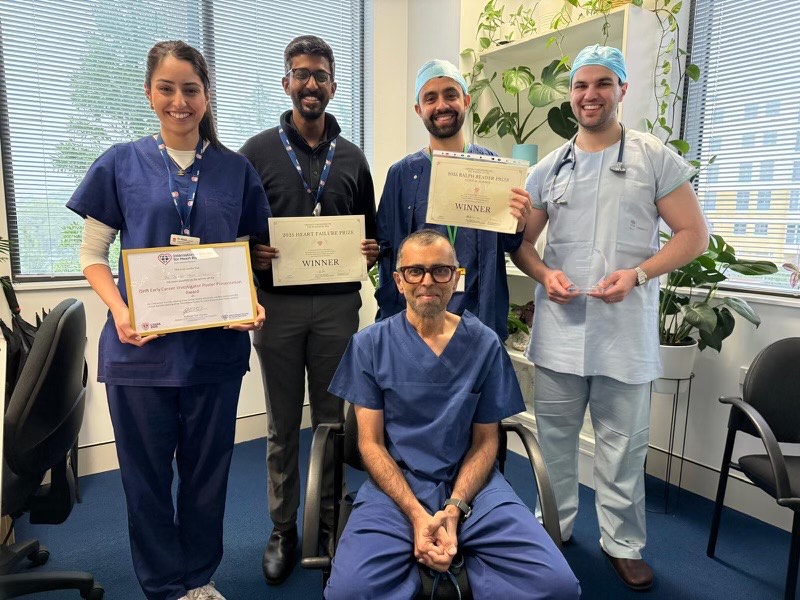
    Highlighting the talent and expertise at Royal North Shore Hospital and the Kolling Institute, a group of clinicians took out a collection of coveted awards at the Cardiac Society (CSANZ) scientific meeting.

    The most prestigious research award for young investigators across Australia and New Zealand was awarded to cardiologist Dr Karan Rao.

    He was presented with the Clinical Ralph Reader Prize for his valuable study of 200 TAVI patients, which used an implantable loop‑recorder to guide post‑procedural care and risk classification.

    Dr Hari Sritharan received the Heart Failure Prize for PREDICT‑TAVI, a machine‑learning model that improves individualised mortality prediction after TAVI.

    Dr Jonathan Ciofani was named Editorial Fellow of the Year for his leadership at Heart, Lung and Circulation, and Dr Neila Litkouhi won Best Research Poster for the DAY‑STAY TAVI study demonstrating the feasibility and safety of same‑day discharge for selected low‑risk patients after TAVI.

    Head of Cardiology at Royal North Shore Hospital Professor Ravinay Bhindi said it was encouraging to see the focus on this group of emerging research leaders.

    “As their research supervisor, I felt immense pride watching Karan, Hari, Jonathan and Neila receive well‑deserved recognition for their relentless dedication to cardiovascular research,” he said.

    “Their work blends rigorous data collection, machine-learning analytics as well as practical innovation. It is already reshaping clinical practice and promises to drive even greater advances in patient care.”

  • Kolling Institute Year in Review

    Kolling Institute Year in Review

    The Kolling Institute Year in Review profiles our impressive and unique teams, and the impact of their crucial research.

    Our investigators are driving world-leading research into some of the most significant health challenges, from heart and kidney disease, chronic pain and cancer, to musculoskeletal, neurological and age-related conditions.

    With a large share of our researchers named amongst the top two per cent in the world, the Kolling Institute continues to build on its research success.

    As you read through the Year in Review, we would like to extend our thanks to our dedicated researchers and the many wonderful donors who help us deliver real improvements to the care we receive.

    Click here to check it out:

  • Spine Health Focus

    Spine Health Focus

    As we mark Spinal Cord Injuries Awareness week, we would like to highlight the clinicians, researchers and members of the community working to improve outcomes for people living with a spinal cord injury.

    Research improving spinal care

    At the Kolling Institute, we have a large number of people driving innovative and potentially life-changing research, including the expert team at the John Walsh Centre for Rehabilitation Research.

    Here, investigators are using the very latest and promising therapies to reduce the disabling pain often experienced by people with a spinal cord injury. They’ve developed national healthcare guidelines and they’re improving crucial resources. Our researchers are also providing valuable information about the best rehabilitation techniques.

    More than 50 years of spinal care and research at Royal North Shore Hospital

    Royal North Shore has a long history of advancing clinical care and research in spinal injury and spinal disease.

    This was driven by Professor Tom Taylor, who was appointed the inaugural Professor of Orthopaedic and Traumatic Surgery at the University of Sydney in 1969. He was a true clinical scientist, well before the term gained common parlance.

    Tom was a specialist spine surgeon and internationally recognised authority on spinal trauma and paediatric spinal pathology.

    In his position as head of Orthopaedics at RNSH, Professor Taylor not only grew the clinical spine service but also founded the Raymond Purves and the Murray Maxwell Biomechanics Labs. These are now part of the Kolling Institute and continue to conduct research into spine injury and disease.

    Research at the Raymond Purves Lab continues Professor Taylor’s legacy, with over 100 publications related to disc disease. These have made extraordinary contributions to our understanding of the cellular and molecular mechanisms of this condition, and advanced new treatment approaches using stem cells.

    SpineCare Foundation offering strong support

    Professor Taylor’s impact in spinal injury and disease extends beyond RNSH, through the SpineCare Foundation. It cares for children with spinal cord disease or injury, and initiated the schools’ scoliosis testing program for adolescent girls.

    The SpineCare Foundation continues today as part of Northcott, and in 2025, is celebrating 40 years of support for research, new resources and education for children with spinal cord injury and dysfunction.

    SpineCare is currently supporting two PhD projects at Western Sydney University, and every year funds multiple scholarships to support students with a spine associated disability to attend tertiary education and pursue a higher degree.

    This wonderful program reflects Professor Taylor’s firm belief in the importance and power of education.

    Continuing the RNSH and Kolling connection, Professor Chris Little, the current director of the Raymond Purves Research Lab, sits on the Board of the SpineCare Foundation.

    “I’m so pleased to be able to support research and education in spinal injury and disease, both through the discovery science we do in the lab and the opportunities made possible through the SpineCare Foundation,” he said.

    “Having even a small part in helping extraordinarily talented people with spinal injuries and conditions achieve their higher education goals through the SpineCare Scholarships is really humbling.”

    “I’m excited to publicise and support Spinal Cord Injuries awareness week this week.

    “Fittingly, on World Spinal Cord Injury Awareness Day (Sept 5), I will be co-hosting with Professor Ashish Diwan (Chair of Spinal Surgery University of Adelaide) and Prof Chris Maher (Director of the Institute for Musculoskeletal Health University of Sydney) the 7th Annual Sydney Spinal Symposium. The symposium aims to foster collaboration and knowledge exchange among professionals dedicated to improving spinal care.”

  • Researchers work to reduce debilitating spinal cord injury pain

    Researchers work to reduce debilitating spinal cord injury pain

    When we think of the impact of a spinal cord injury, we tend to focus on the significant limitations with the loss of mobility, but for a large share of people living with this injury, it’s actually the chronic pain which is one of the most challenging issues to manage long-term.

    Neuropathic pain affects about 60 per cent of people with a spinal cord injury. It’s generally felt at or below the zone of injury and is often described as sharp, burning, unbearable and even terrifying.

    It can lead to a range of challenges like depression, catastrophizing or panic thinking, poor sleep, social isolation and reduced physical activity.

    Professor of Rehabilitation Ashley Craig said medications like antidepressants, antiepileptics and opioids are used to treat neuropathic pain, but they offer limited relief and come with a host of side effects.

    “Most medications provide only a third of patients with up to a 30 per cent reduction in their pain, while other non-medication approaches have failed to have any real impact,” he said.

    However, an exciting clinical trial will shortly get underway as a result of a $2.2 million grant through the Medical Research Future Fund.

    The team from the Kolling Institute’s John Walsh Centre for Rehabilitation Research will work with national and international experts to investigate the impact of an innovative approach targeting pain pathways in the brain.

    This new approach will combine direct brain stimulation with an advanced interactive brain-computer neuromodulation therapy.

    Professor Craig said both these interventions are showing some promising results, and we are looking forward to measuring the impact of their combined approach.

    “Our research will aim to confirm if these therapies will offer significant and consistent improvements in neuropathic pain for people living with a spinal cord injury,” he said. 

    “Chronic pain after a spinal cord injury results in an altered cortical neurochemistry and blood flow resulting in cortical dysrhythmia.

    “This is where brain neuromodulation therapy can really help. It involves a non-invasive approach to correcting the dysrhythmia and improving pain.

    “Interactive brain computer therapy is an extension of established treatments, while direct brain stimulation is a well-tolerated form of non-invasive brain stimulation to promote brain plasticity.

    “We are keen to test these approaches through the clinical trial and help provide evidenced based guidelines to relieve neuropathic pain and improve outcomes for those living with a chronic spinal cord injury.”

    This clinical trial will also help researchers at the John Walsh Centre for Rehabilitation Research pursue other innovative psychological interventions to reduce catastrophizing thinking and subsequently neuropathic pain.

  • Researchers helping those with osteoarthritis weave more exercise into their day

    Researchers helping those with osteoarthritis weave more exercise into their day

    Our researchers at the Kolling Institute are leading a national clinical trial to support people with hip or knee osteoarthritis become more active.

    Study co-lead Dr Vicky Duong said we know that staying active is an important part of managing osteoarthritis symptoms, and yet 90 per cent of people with the condition are not meeting the national physical activity guidelines.

    Our team from Osteoarthritis Clinical Research Group has launched a study to identify the best way to incorporate more activity into each day.

    The trial will involve a 12-week self-guided physical activity program where participants will be offered either a detailed program and a Fitbit activity tracker, or just the assistance of the Fitbit tracker.

    Dr Duong said it was important to involve the community in the design of this trial.

    “Last year, we travelled around Australia to help adapt and design the program to ensure it was relevant for people right across the country,” she said.

    “We hope that by listening to a broad range of communities that we have developed a program which will deliver improved results and better health outcomes.”

    Co-lead Dr Sarah Kobayashi said the guidelines recommend 150 to 300 minutes of moderate physical activity a week or 75 to 150 minutes of vigorous physical activity a week, or an equivalent combination of both.

    “This level of activity directly reduces osteoarthritis symptoms and helps people manage the condition, so we’re looking forward to finding an evidenced-based approach to help the community reach that amount of activity,” she said.

    The study has been funded by the Medical Research Future Fund and supported by Arthritis Australia state groups.

    If you’re interested in joining the trial, further details can be found on the website. 

    The study has been approved by the NSLHD HREC  2024/ETH01898.

  • Combining medication and exercise could greatly reduce osteoporosis risk

    Combining medication and exercise could greatly reduce osteoporosis risk

    Researchers from the Kolling Institute and Royal North Shore Hospital are inviting women aged 50-80 to join a study to assess the effectiveness of combining exercise with medication for better bone and muscle health in postmenopausal women.

    Endocrinologist and researcher Dr Shejil Kumar said we know that exercise has benefits for bone and muscle health, and there are effective treatments available to strengthen bones.

    “However, what we don’t know is whether combining exercise plus medication at the same time can lead to even greater improvements in bone and muscle health than either approach on its own,” he said.

    The study will use a medication which is registered and approved in Australia and has been shown to increase bone density and reduce fracture risk in large international studies.

    The research team will aim to assess how different combinations of treatment improve bone density, muscle strength, body composition, physical function and risk of falls.

    Participants will be randomly assigned to different treatment groups, including a supervised group class focusing on weightbearing exercises and a home-based exercise program concentrating on mobility and balance.

    “We believe this combination will be more effective and could dramatically change the way we treat and prevent osteoporosis going forward,” Dr Kumar said.

    Researchers have recruited 45 women into the study and are hoping to reach a target of 75 by 2026.

    For further information email Shejil.Kumar@health.nsw.gov.au.

    (The study has been approved by the NSLHD Ethics Committee (2022/ETH01794)  

NSWGOV logo