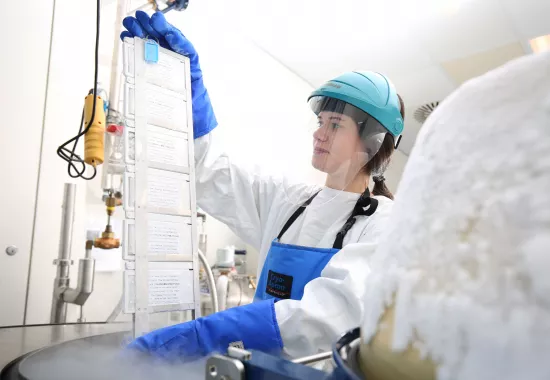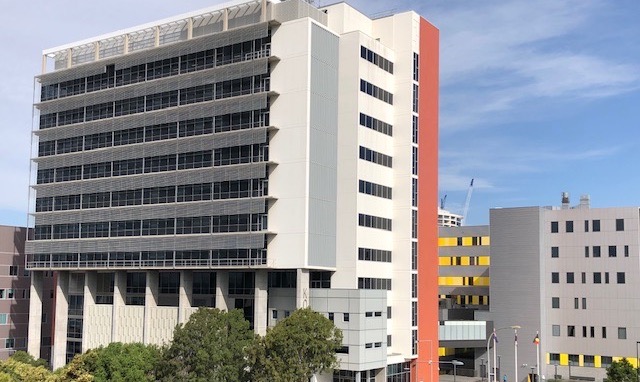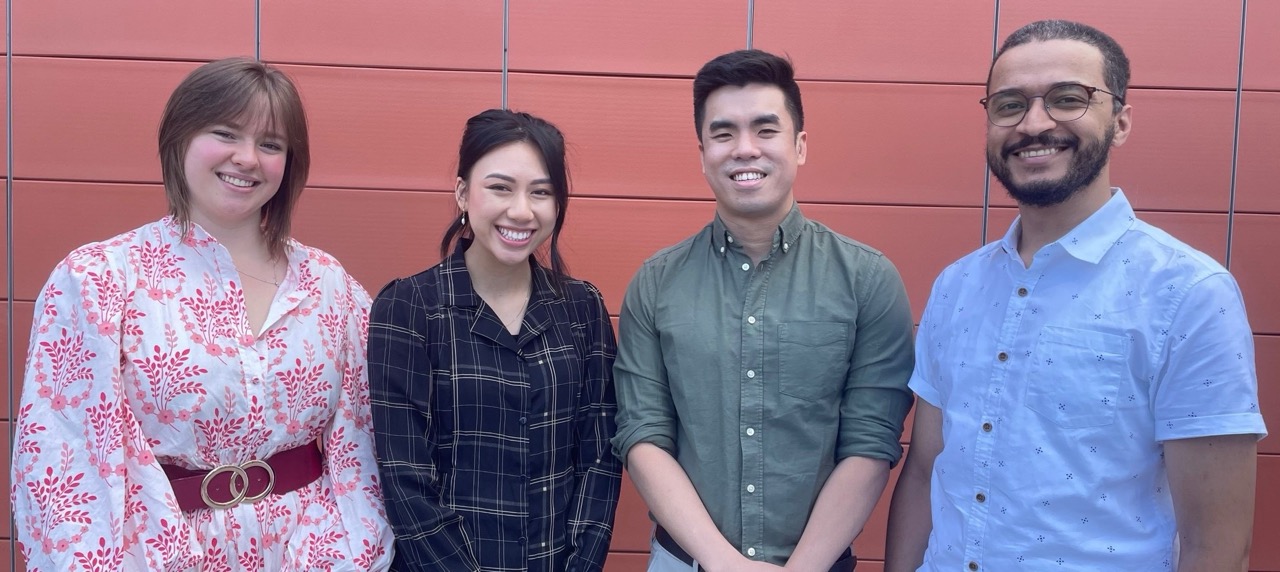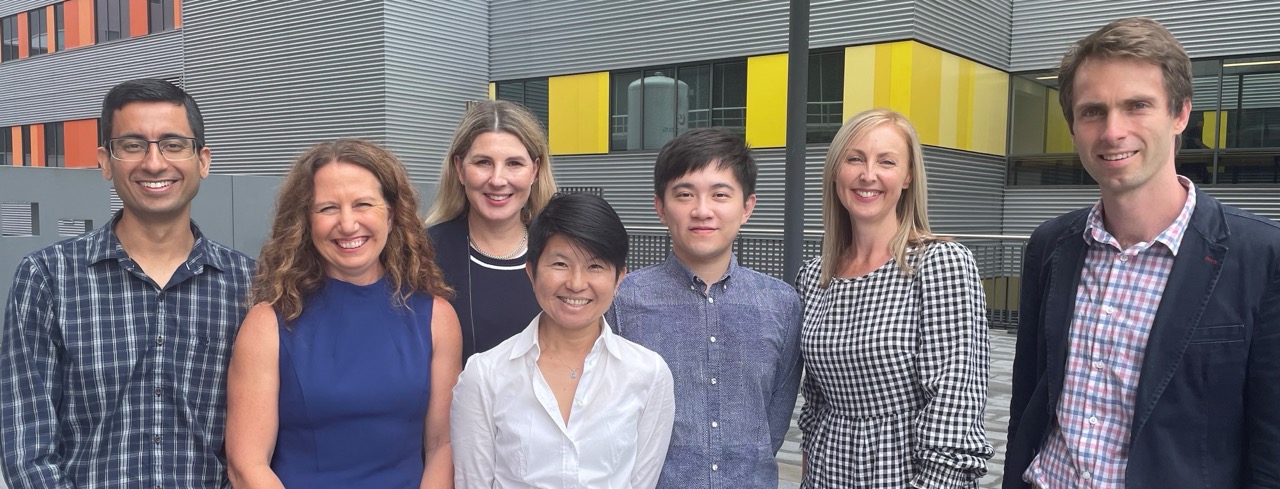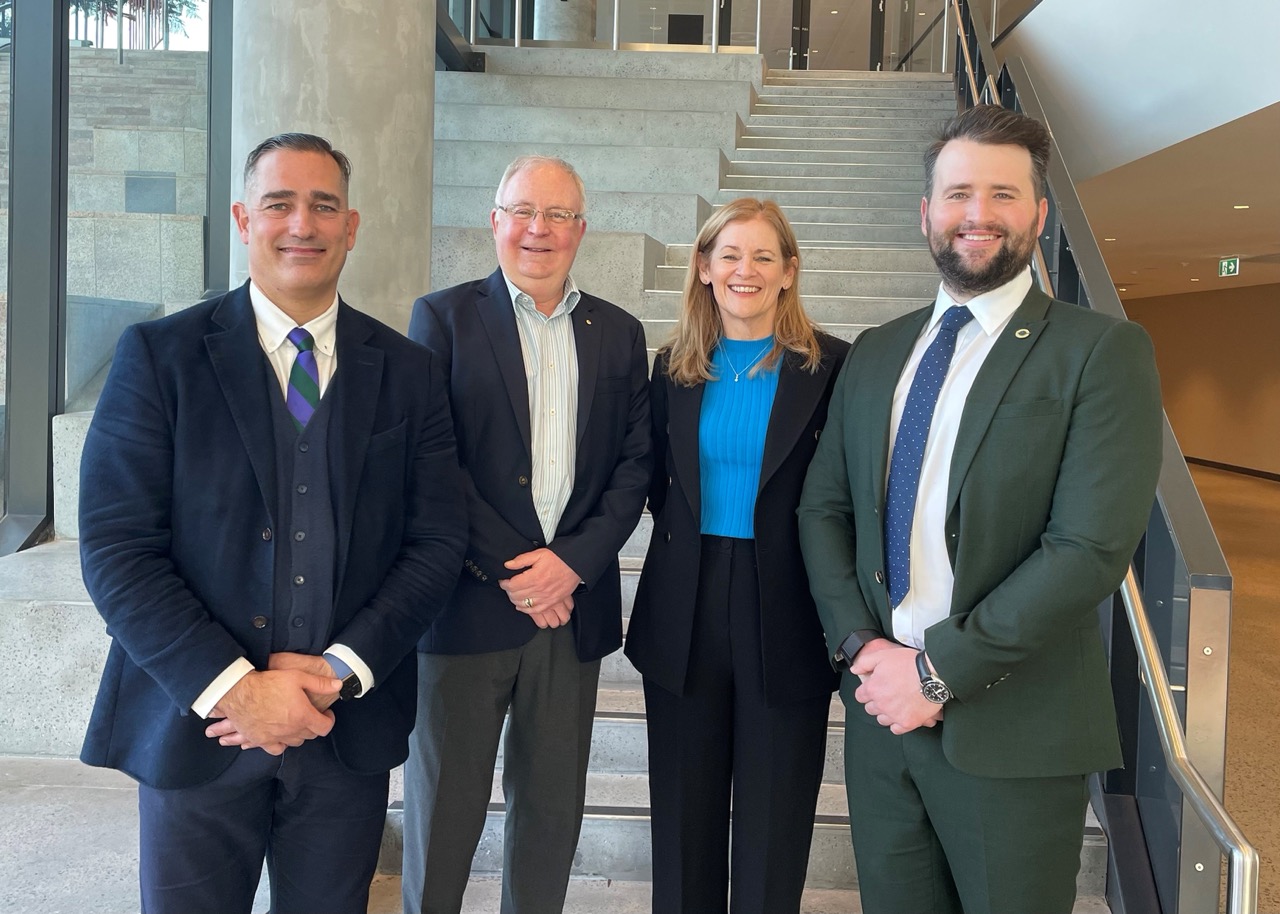
At the Kolling Institute, we are tremendously fortunate to work with so many skilled and dedicated researchers. Our Kolling video gives you an insight into some of our latest research and our inspirational teams.
Blog
-

Kolling researchers to inform best care for those with a spinal cord injury
The expertise of our rehabilitation researchers at the Kolling Institute has been recognised with a prestigious international competitive grant to investigate the impact length of stay has on rehabilitation outcomes following a spinal cord injury.
The National Institute of Health in the US has awarded more than $9 million to the overall project, with more than $750,000 coming to Australia.
The five-year research project will investigate the impact of length of stay for rehabilitation programs in different countries including the USA, UK, Netherlands, Australia, Brazil and Canada.
It will assess international approaches to the management of these challenging injuries and associated rehabilitation programs.
Professor Ashley Craig from the John Walsh Centre for Rehabilitation Research has been appointed the chief investigator lead in Australia, with support from colleagues Dr Ilaria Pozzato, Dr Mohit Arora and Professor James Middleton.
Australian researchers will assist the chief lead in the USA Dr Allen Heinemann, Professor of Physical Medicine and Rehabilitation, Emergency Medicine and Medical Social Sciences at Feinberg School of Medicine, Northwestern University, Chicago.
Professor Craig has welcomed this prestigious grant delivered through the National Institute on Disability, Independent Living and Rehabilitation Research scheme.
“This is a very significant international collaborative grant win and I believe the first National Institute of Heath grant won by the John Walsh Centre for Rehabilitation Research,” he said.
“It is wonderful to be working with colleagues in Australia and internationally to progress our research to determine the best care for those with a spinal cord injury, and to ensure that everyone who experiences this type of injury, can access the very latest evidenced-based care and support.”
Spinal cord injuries often have a catastrophic impact, affecting multiple bodily systems and functions. In addition to sensory and motor loss, there is a high chance of secondary conditions including chronic pain, diabetes, cardiovascular and respiratory problems, as well as cognitive impairment and mental health challenges.
Spinal cord injuries can also lead to reduced social autonomy, difficulties gaining and sustaining employment, weight gain and sleep disturbance.
Professor Craig said given these complications, it’s crucial patients have access to an evidenced-based, multidisciplinary intensive rehabilitation program.
“We know that currently there’s a big difference in the length of time patients spend in rehabilitation programs in NSW and around the world,” he said.
“COVID has also negatively impacted the length of stay in rehabilitation.
“There is an urgent need to investigate the impact that a short length of stay, say three of four weeks has compared with a longer stay, of up to 12 weeks.
“We are pleased to be part of this large-scale, international project to determine the optimum length of stay, and deliver the best long-term health outcomes.”
-

Collaboration driving research impactc
The strength of interdisciplinary research across the Northern Sydney (Arabanoo) Precinct was highlighted during a dynamic showcase at the Kolling Institute.
The annual event, which has been steadily lifting its profile, featured the latest research progress across allied health, nursing, medicine, as well as pharmacy, dentistry and public health.
More than a hundred people attended this year’s event hosted by the Precinct academic directors Professors Jim Elliott and Robyn Gallagher, and Associate Professor Margaret Schnitzler.
The showcase provided an insight into the successful collaborations between the University of Sydney and the Northern Sydney Local Health District, and their impact on the delivery of care.
Associate Professor Elizabeth Clarke detailed her interdisciplinary research investigating the use of kangaroo tendons for human ACL reconstructions. This project involved engineers and medical scientists from the Kolling, along with orthopaedic surgeons and an Australian industry partner.
A/Prof Clarke also discussed the Kolling Orthopaedic Biomechanics Robotic Arm, an exciting collaboration between engineers from the University of Sydney, orthopaedic surgeons from the NSLHD and global industry partners.
Elizabeth said these two examples highlight how interdisciplinary collaboration can achieve outcomes far greater than the sum of the parts.
“We would not have achieved the research and innovation goals without any one of the partners and team members on these projects,” she said.
Exercise physiologist Rosanna Tran delivered her presentation on the FORTRESS trial, which is assessing a frailty intervention in hospitals. Funded by the NHMRC, the trial is using a validated screening tool and an evidence-based intervention.
Rosanna, who is based at Hornsby Hospital, said the collaborative research will help establish a cost-effective model of care to help manage frailty and its adverse impacts.
Professor Mark Molloy from the University of Sydney discussed his collaboration with Royal North Shore Hospital colorectal surgeon Professor Alexander Engel to identify molecular markers of disease risk for bowel cancer.
“This project demonstrates how clinical services can be an important contributor to interdisciplinary research through linking our own strengths,” he said
“Collaborating with clinicians helps to make my research more impactful by bringing a patient-centric perspective.”
It’s anticipated there’ll be further interdisciplinary collaboration following the showcase event.
-

Technology giving our researchers the edge
Impressive new infrastructure at the Kolling Institute is set to drive progress with our research into cancer and neuroscience.
The equipment includes a digital spatial profiling system, which is regarded as one of the most exciting technological advances globally in the investigation of tissues.
The $525,000 instrument has been made possible following a LIEF grant through the Australian Research Council to Professor Mark Molloy. Co-funding was provided by the University of Sydney and Macquarie University.
A new laser capture microscope has been installed at a cost of $250,000. This microscope allows researchers to capture specific tissue regions for sequencing and analysis. It was funded by the Ian Potter Foundation, the Kolling and the University of Sydney.
Professor Mark Molloy, Lawrence Penn Chair of Bowel Cancer Research has welcomed the new technology, saying it will allow researchers to profile gene and protein expression in specific cells of complex tissues such as tumours, brain tissue, liver and kidney cells.
“This will in turn, provide valuable new information about how cells function in disease and health,” he said.
“It’s wonderful to have this equipment which will help us understand how disease develops.
“It will also help us identify new biomarkers indicating which patients are likely to respond to some treatments.
“This is important as we continue to see a rise in the number people diagnosed with some cancers.
“For example, we are seeing an increase in those under 50 with early onset colorectal cancer, and by 2030, we expect one in 10 cases will be under 50 years old.
“This is a concerning trend, with no clear explanation for the rise in these cases.
“A decade ago there was little attention given to this condition, but we now have evidence of increased diagnosis in young people, who sadly, often present with aggressive, advanced disease where treatment options are more limited.
“Colorectal cancer is certainly no longer only a disease of the aged.”
Bowel cancer research fellow Dr Jun Li has welcomed the opportunity to utilise the new equipment.
“It’s encouraging to have access to these new platforms as it’s allowing us to do research that we simply couldn’t do before,” she said.
“This we hope, will lead to a greater understanding of disease, prevention and improved treatment options.”
The equipment is open to all researchers at NSLHD and the University of Sydney through the core research facilities model.
-

Australian researchers uniquely positioned to support upcoming space missions
The expertise across Australia’s space medicine community was showcased during a special event co-ordinated by the Kolling Institute and the Australasian Society of Aerospace Medicine.
Staged over two days, the colloquium involved national and international experts including representatives from the Australian Space Agency, the CSIRO, Boeing and the Australian Antarctic Program.
Presenters discussed the specific medical, dental, and psychological needs of astronauts, Australian-designed space suits and opportunities for our space community in NASA’s Artemis exploration of the moon and ultimately Mars.
Kolling Academic Director Professor Jim Elliott said Australia’s involvement in the Apollo Moon landings is well documented, but perhaps what is not well known is the depth of experience in Australia’s contemporary space industry.
“We have a tremendous depth of medical, technological and research expertise in this field,” he said.
“Australian clinicians and researchers have been collaborating with international space agencies for years. Our clinical experience and research have helped inform developments in space life sciences as our international partners recognise our unique scientific expertise.
“Some research has specifically focused on clinical advances to improve the healthcare support to astronauts.
“Our technological sector is also well placed to offer specialised support, with a consistent track record of driving innovation.
“Australian experience has driven advances in radiation protection, wearable sensors and compression suits worn by astronauts to limit the musculoskeletal effects of microgravity.”
Dr John Cherry, a director from the Australasian Society of Aerospace Medicine said Australia is in a strong position to support long duration human spaceflight missions.
“We are world leaders in rural and remote healthcare, with experience delivering care in some of the most extreme and isolated environments on earth,” he said.
“The Australian Antarctic Program for example has developed specialised training and technology to enable a generalist doctor to provide high quality medical, surgical, anaesthetic and dental care to an isolated team.
“Many of the challenges faced in these settings will be experienced by astronauts and space agencies as human spaceflight extends further into space.”
Professor Elliott said the Australian space medicine community is keen to see the medical progress as a result of the upcoming space explorations.
“It’s anticipated that some of the lessons learned in space will deliver benefits back on earth and help to drive improvements in health outcomes.
“For instance, the new knowledge around the deconditioning of astronauts in space could help doctors back home managing patients with deconditioning after long periods in hospital.”
-

Kolling Institute Year in Review 2022
Check out our Kolling Institute Year in Review 2022 celebrating our research success. It highlights our world-leading translational research and our impact across our priority research areas. Click on the link here.

-
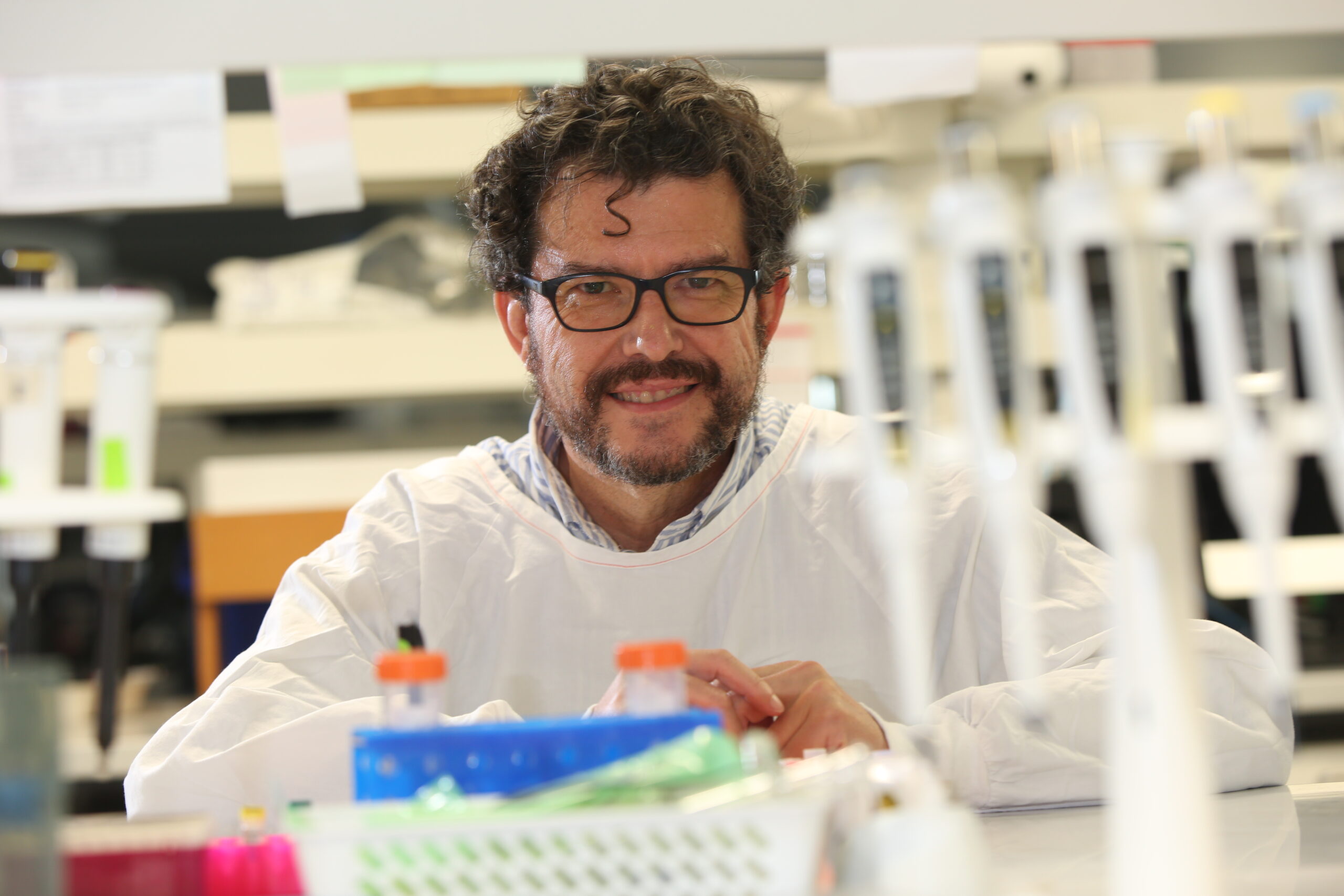
World leading Meniere’s disease expert joins the Kolling
In a sign of the growing neuroscience expertise at the Kolling Institute, internationally recognised Meniere’s disease expert Professor Jose Antonio Lopez Escamez has relocated from Spain to the institute.
Professor Lopez Escamez has launched an exciting new international research program into the disease, extending his body of work in Europe. Meniere’s disease is a rare disease of the inner ear that causes vertigo, sensory neural hearing loss and tinnitus.
Antonio will continue to collaborate with international partners in Europe, the US and the Centre for Genomics at the University of Granada, as well as new Australian-based partners.
He has established the Meniere’s Disease Neuroscience Laboratory at the Kolling Institute where he will investigate the cellular and molecular basis of the disease, as well as the genetic factors contributing to severe tinnitus. His team will also work to identify molecular targets for personalised treatment.
Antonio says his research focuses on the influence of family heritage in Meniere’s disease and new genes linked to the disease.
His current project is aiming to broaden our understanding of the genetic and inflammatory basis of the disease and tinnitus by combining multi-omic data and 3D cellular models.
“I am pleased to be starting this exciting international program to extend our understanding of the disease by studying new families with Meniere’s disease in Australia and East Asia. It’s hoped our work will ultimately help many people experiencing this condition,” he said.
“We are expanding our group here at the Meniere’s disease Neuroscience Laboratory at the Kolling and I am looking for highly motivated PhD candidates to join my team.”
Antonio comes to the Kolling Institute with a wealth of experience. He founded the Otology and Neurotology Group in Spain and is an international leader in neurotology and genetics of Meniere’s disease/tinnitus.
His research has been disseminated through major international meetings including the Association for Research in Otolaryngology, and he is the recipient of several prestigious awards including the Frontiers Spotlight 2018 Award.
Antonio is ranked among the top two per cent of researchers in the world according to the latest Stanford University study, and he has published more than 150 papers in top scientific journals in several categories including audiology, genetics and heredity, medicine, clinical and experimental and otorhinolaryngology.
-

Recognition of our impact on the world stage
Kolling Institute Governance Committee Chair Michael Nugent said it is encouraging to see more than a dozen researchers from the Kolling have been profiled in an international study recognising the world’s best.
Published by Stanford University, the study has identified the top two per cent of researchers in the world across individual fields.
The study is based on metrics from Scopus, a database of peer-reviewed literature including scientific journals, books and conference proceedings. Researchers were ranked on standardised information including citations, h-index, authorship positions and a composite indicator.
“I am pleased to confirm 16 researchers from the Kolling have been highlighted in the study, demonstrating the unique expertise and experience we have across the institute,” Michael said.
“These results are a further indication of the ground-breaking scientific progress we’re making, and the tangible impact we’re having on healthcare models of care and quality of life. Importantly, this impact is benefitting communities on a national and international scale.
“I would like to acknowledge the following outstanding group of researchers, who all have an unrelenting commitment to improving the care we receive.”
- Professor Rob Baxter (AM) – Breast Cancer Research
- Professor Ian Cameron – John Walsh Centre for Rehabilitation Research
- Professor Ashley Craig – John Walsh Centre for Rehabilitation Research
- Professor Jim Elliott – Neuromuscular Imaging Research Lab
- Professor Manuela Ferreira – Back Pain Research Group
- Professor Gemma Figtree (AM) – Cardiovascular Discovery Group
- Professor Paul Glare – Pain Management Research Centre
- Professor Lisa Harvey – John Walsh Centre for Rehabilitation Research
- Professor Sarah Hilmer (AM) – Laboratory of Ageing and Pharmacology
- Professor David Hunter – Osteoarthritis Research Team
- Professor Chris Little – Raymond Purves Bone and Joint Research Lab
- Professor Gin Malhi – Academic Psychiatry and CADE Clinic
- Professor Lyn March (AM) – Rheumatology Department
- Professor Mark Molloy – Bowel Cancer Research
- Professor Michael Nicholas – Pain Management Research Centre
- Professor Carol Pollock (AO) – Renal Research Team
“I would also like to acknowledge the Kolling’s former Executive Director Professor Carolyn Sue who has been recognised in the study profiling the global leaders in research.
“It is wonderful that so many of our researchers are among the world’s best, driving significant improvements in research and clinical care.”
-

Philanthropic funds creating travel opportunities
A collection of emerging research leaders will have the chance to broaden their research experience thanks to funding provided through the Skipper Jacobs Charitable Trust.
Close to $40,000 will be shared amongst five early-to-mid career researchers, allowing them to travel nationally and internationally expanding their research and developing new skills.
It’s anticipated the travel program will not only benefit the Kolling Institute, but will assist international collaborators, and improve health outcomes in Australia and beyond.
PhD student Lionel Leck from the Cancer Drug Resistance and Stem Cell Program will take part in an internship at the Seoul National University to gain first-hand experience of a new technique looking at the molecular mechanisms of specific cancers.
Lionel said this method of studying how proteins interact with each other in cancer stem cells will lead to better detection and a greater understanding of their behaviour, which will in turn, help develop new drugs to eradicate them effectively.
“I’m really humbled and ecstatic to have received this award,” he said.
“I would like to acknowledge the Skipper Jacobs Charitable Trust and the NORTH Foundation for this valuable and amazing opportunity.”
Fellow PhD student Pich Chhay from the Cardiovascular Discovery Group will visit the South Australian Health and Medical Research Institute in Adelaide. There she will learn an innovative technique using gas chromatography to measure omega-3 in blood samples as an indicator of early heart disease.
Pich said the research has the potential to identify those who are susceptible to heart disease, without the traditional risk factors. They can then be provided with prevention strategies including targeted medications.
“I am delighted to receive this travel grant supported by the Skipper Jacobs Charitable Trust as it will enable me to develop new skills and present the fantastic work that is being done at the Kolling Institute to a wider science community,” she said.
“This will help foster collaboration with multidisciplinary teams which will be invaluable in translating science through shared networks and resources.”
Samantha Hefferan from the Murray Maxwell Biomechanics Laboratory will visit the University of Auckland, working in the Department of Chemical and Materials Engineering to broaden her understanding of the ultrastructure of human tendons.
There she will use the lab’s new imaging methods to explore tendon structure and the impact of disease and injury.
“It is such a pleasure to be granted this award. Without it I would not be able to participate in this amazing study opportunity.”
“I look forward to the chance to improve my research skillset while engaging with an exciting new project.”
“This initiative is part of an ongoing collaboration between the Kolling and an international expert at the University of Auckland. It will broaden my professional development as a scientist, while also enhancing the research partnership between the Kolling and the New Zealand university.”
Dr Mounir Boudali is an early-career engineer with specialisation in robotics. He will visit the renowned Cleveland Clinic in the USA to enhance his knowledge of using robotics in biomechanical research for joint replacements.
Mounir will visit the development team behind the Sim Vitro software, the software which is driving the Kolling’s new biomechanical robot.
“I am thrilled to receive the Beryl and Jack Jacobs travel grant,” he said.
“Nothing can beat learning from the source. We will learn how to use a sophisticated platform for biomechanical testing, while generating a huge amount of knowledge in orthopaedics and developing important collaborations.”

Dr Kenji Fujita is an early-career pharmacist with a PhD working in the Ageing and Pharmacology Research Group at the Kolling. Kenji has helped to develop techniques to calculate the frailty index in patients undergoing surgeries, while also leading research on the quality of pharmaceutical care.
He is keen to share his knowledge and experience with international collaborators and will visit Denmark, Norway and Japan.
“I am thrilled to have been selected for this grant and incredibly thankful for all the support,” he said.
“As countries recover from the pandemic and international travel picks up, I am keen to connect with like-minded professionals in my field.
“I’ll be leading a three-day workshop in Denmark, visiting collaborators in Norway and delivering a presentation in Japan, a country with the highest proportion of older adults in the world.
“I’m sure my trip will strengthen international collaborations and promote our translational research at the Kolling, while also lifting my international profile.”
-

Kolling awards unveiled
We are pleased to announce the successful recipients of our annual Kolling Institute awards program.
Launched in 2021, the program has been expanded to acknowledge a greater number of researchers and their individual contribution to the Kolling.
The awards aim to recognise the many outstanding achievements across education, clinical practice and service, publications, research, as well as overall accomplishment.
This year, seven researchers are being presented with awards across the following five categories:
PhD impact (joint award winners)
Dr Danielle Stone – Clinical Speech Pathologist, RNSH, and PhD candidate, Neuromuscular Imaging Research Lab
Dr Michal Lubomski – Neurologist, RNSH and PhD Candidate, Neurogenetics Research
Supervision impact (joint award winners)
Associate Professor Sarah Glastras – Endocrinologist, RNSH and Postdoctoral Researcher, Renal Research Laboratory
Dr Sumit Sahni – Senior Research Fellow, Bill Walsh Cancer Research Lab
Best clinical output
Dr Jillian Eyles – Physiotherapist, RNSH and SHPs Research Translation Fellow, Osteoarthritis Research
Best EMCR basic science paper
Dr Chia-chi Liu – Senior Research Fellow, Cardiac Membrane Biology Laboratory
Best paper overall
Dr Yandong Shen – Postdoctoral Researcher, Northern Blood Research Centre
Kolling Institute Academic Director Professor Jim Elliott congratulated the researchers for their invaluable contribution over the past 12 months.
“It’s encouraging that we have so many dynamic researchers working across the Kolling, and this impressive group has had an intrinsic role in our progress, impact and research success over the past year,” he said.
“Each of these award winners is driving substantial improvements in their individual areas of expertise, and I’m pleased that through the Kolling awards program we’re able to direct the spotlight to their significant achievements.”