Blog

  • Innovation at the Kolling’s core

    Innovation at the Kolling’s core

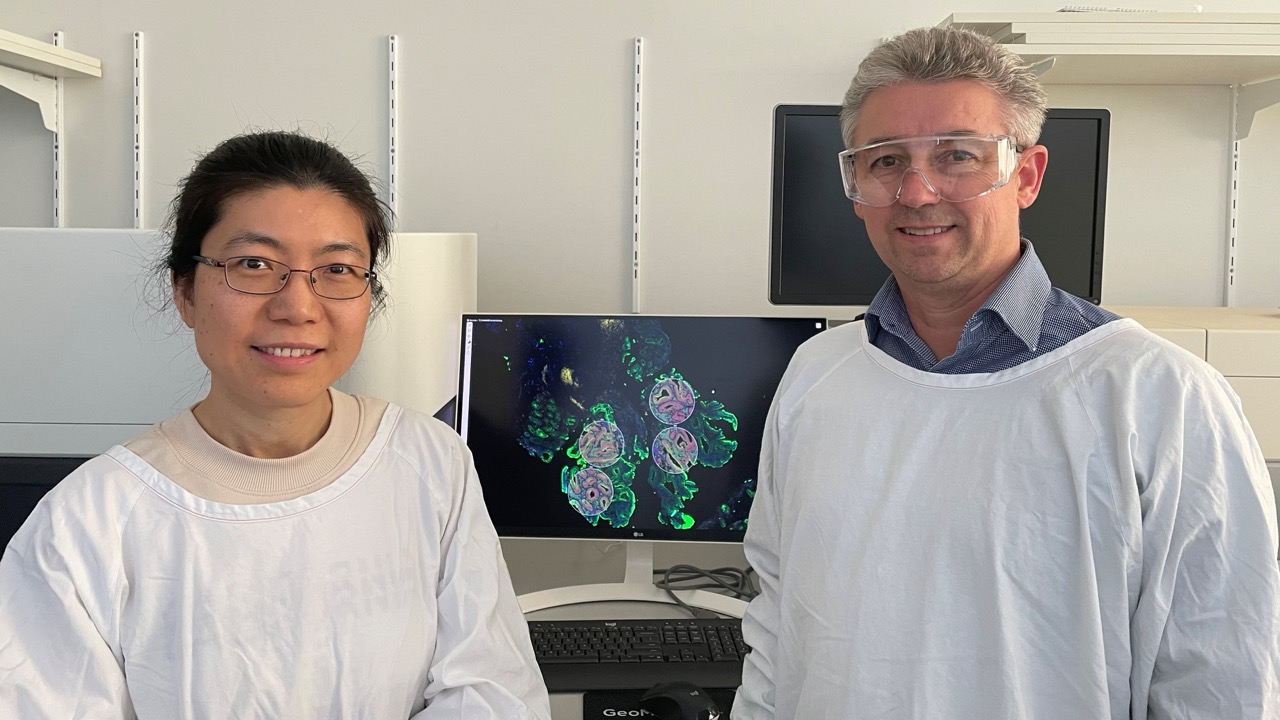
    In the heart of the Kolling Institute, a world-renowned research centre, a raft of clinical trials is driving the future of healthcare.

    “Clinical trials are intrinsic to research,” says Professor James Elliott, Academic Director of the institute. “They help us test something so that we can better inform care for patients with various conditions who come to our hospitals for treatment.”

    The Kolling Institute has a strong track record in conducting impactful clinical trials. Notably, it has been involved in running multiple trials for those with heart and kidney disease, musculoskeletal conditions and chronic pain.

    Their cancer trials have made significant contributions across various tumour streams, including pancreatic, haematological, breast, and bowel cancers.

    James emphasises that basic science, discovery and scientific innovation are embedded in the Kolling’s over 100-year history.

    “Often, it is those innovations from our basic science laboratories that ultimately inform the mechanisms by which trials are developed.”

    James adds that understanding the ways diseases work allows researchers to target trials more precisely, leading to better patient outcomes.

    However, the need for trials sometimes outpaces scientific understanding.

    “We can’t always wait for a full understanding of a disease,” James notes. “In some cases, we must move forward with trials to push the needle on patient care, even as we continue to explore the underlying mechanisms.”

    A key advantage for the institute is its proximity to one of Australia’s largest tertiary hospitals, Royal North Shore Hospital. This connection provides access to a vast patient population, which is crucial for conducting large-scale clinical trials.

    “We serve over a million patients,” says James, stressing the importance of their “trial as therapy” culture. “We want patients to expect that they may be invited to participate in a clinical trial or research study as part of their care.”

    The Kolling Institute is a world leader in researching osteoarthritis, musculoskeletal conditions, cancer, neuroscience and pain, and cardiac, cardiovascular and renal disorders. 

  • Crucial steps towards gene therapy for debilitating Meniere’s disease

    Crucial steps towards gene therapy for debilitating Meniere’s disease

    Our researchers at the Kolling Institute are at the forefront of Meniere’s disease science developing the first humanised model of the disease ahead of gene therapy.

    The specialised team is led by world-leading Meniere’s disease researcher and neuroscientist Professor Jose Antonio Lopez-Escamez who relocated from Spain to the institute to pursue his ground-breaking work.

    His talented team of seven is set to grow to a dozen by 2025.

    Professor Lopez-Escamez said it was an exciting time for research in this area as we move into precision medicine with specific drugs, and develop gene therapy for the next generation of patients with the disease which causes vertigo and hearing loss.

    “We are making encouraging progress as we investigate the genetic basis of the disease, finding that many patients have a recessive inheritance where both parents are carriers of the disease but don’t have any symptoms,” he said.

    “When I was working as an ENT surgeon in Spain more than 10 years ago, the condition was largely neglected and not well understood, and many patients were not doing well.

    “Today, we are learning more about the disease and the broad range of influences, including immune-response inflammation, allergy and migraine.”

    “We are now investigating the genetic mutations involved in the disease in preclinical models in a crucial step towards the development of gene therapy. We believe this game-changing approach will be available within the next 10 years.

    “Importantly, we must consider that people will have different genetic and immune backgrounds, and different associated conditions, like migraine.

    “It is not the same disease for all individuals and will present differently.

    “We don’t have a magic pill that is going to work for everybody with Meniere’s. For some patients some medication will work, one drug will be better. But for others there will be another way.

    “That’s why it’s important we know which subgroup of Meniere’s a patient has.”

    Global database

    Another important part of Antonio’s work is to establish a global website database with genomic information from patients’ blood tests that enable genetic diagnosis in the future.

    The database will help researchers, doctors and ultimately patients.

    “It will be like a reference portal to train researchers and a tool for doctors,” he said.

    “Genetic testing is a very important step to get more knowledge about the basis of many diseases.

    “My idea is that any doctor can upload a file on the website and compare individual patients’ data with the reference data that we have generated. It will be useful and accessible.”

  • Special Research Feature – Year in Review 2023

    Special Research Feature – Year in Review 2023

    Our Kolling Institute Year in Review profiles our innovative and life-changing research across the Kolling Institute.

    Our researchers are driving investigations into some of the most challenging health conditions from heart and kidney disease to musculoskeletal conditions, chronic pain, cancer and neurodegenerative disorders.

    Our teams have continued to increase their research impact, while forging significant new collaborations. They have maintained a commitment to research excellence, while securing large-scale funding, receiving high profile awards and publishing impactful studies.

    We hope this feature will give you a better insight into our impressive and unique teams, and their ground-breaking research. We would like to extend our thanks to our many wonderful donors who help us deliver real improvements to the care we all receive. Click here to read the feature:

  • World first research to develop cognitive impairment guidelines after spinal cord injury

    World first research to develop cognitive impairment guidelines after spinal cord injury

    A team of researchers from the Kolling Institute’s John Walsh Centre for Rehabilitation Research has launched a study to develop the first internationally accepted guidelines for assessing cognitive function after a spinal cord injury.

    The latest data indicates that over 15 million people globally live with a spinal cord injury, and in Australia, there are over 20,000 people living with the injury.

    There are around 300-400 new cases of this injury every year in Australia.

    The devastating physical impact of these injuries has been extensively studied from the loss of motor control (such as paralysis) to the pain and sensory issues, and the significant problems with cardiovascular and respiratory function.

    However, the psychological and cognitive impacts of this severe neurological injury have not been as well understood, such as the extent of cognitive impairment and mental health disorders over time.

    There is now a growing body of evidence around the psychosocial consequences of a spinal cord injury, with new studies by the John Walsh Centre for Rehabilitation Research highlighting a concerning trend.

    Professor of Rehabilitation Ashley Craig said we are just completing the first ever study conducted anywhere internationally that has assessed cognitive function and potential cognitive impairment in adults with a spinal cord injury from soon after their injury in the acute stage, until their discharge from rehabilitation up to 12 months post injury.

    “Our research found that at least 30 per cent of adults with a spinal cord injury were assessed as having at least mild cognitive impairment, and that this impairment was identified as a major risk factor for the development of mental health disorders like depressive mood and anxiety after the person is discharged from hospital,” he said.

    “This is very concerning given that this may result, not only in a higher risk of a mental health disorder in those with cognitive impairment, but also an increased risk of secondary health conditions like chronic pain, skin problems like pressure ulcers, and respiratory infections. The person with cognitive impairment may become confused and overwhelmed about how best to self-manage these conditions.

    “Despite the high number of people experiencing these challenges, our research has identified there are currently no internationally-recognised cognitive assessment tests suitable for measuring cognitive function after a spinal cord injury.”

    Our team has now begun research to develop a new framework for cognitive screening, which will involve sensitive and valid cognitive assessment tools.

    “This is an important body of work which will build on our prior research to validate the cognitive domain areas we have previously identified that affect most adults with spinal cord injury. We will then develop alternative ways of assessing day to day cognitive function in conjunction with established neurocognitive tests we currently use that are limited.”

    “We know that there are multiple possible causes of cognitive impairment after spinal cord injury, such as age, polypharmacy, level of lesion, mental health, fatigue, and autonomic function. Our framework must attempt to account for these possible affects”, Professor Craig said.

    The John Walsh team will work with international partners in the UK, Europe and the USA, who are keen to collaborate in the development of a new cognitive assessment framework.

    This research will be informed by another current study that is investigating how best to integrate guidelines for psychosocial health and cognitive care with the multidisciplinary health teams managing spinal cord patients in the units at Royal North Shore Hospital, Prince of Wales Hospital and Royal Rehab.

    The John Walsh team developed these guidelines which are available on the Agency for Clinical Innovation website: 

    The team involved is Prof Ashley Craig and Prof James Middleton, Dr Mohit Arora, Dr Ilaria Pozzato, Dr Candice McBain, Dr Danielle Sandalic, Daniel Myles, Anne Marie Sarandrea, Dr Jazbeer Kaur and Dr Yvonne Tran. 

  • Vale John Walsh

    Vale John Walsh

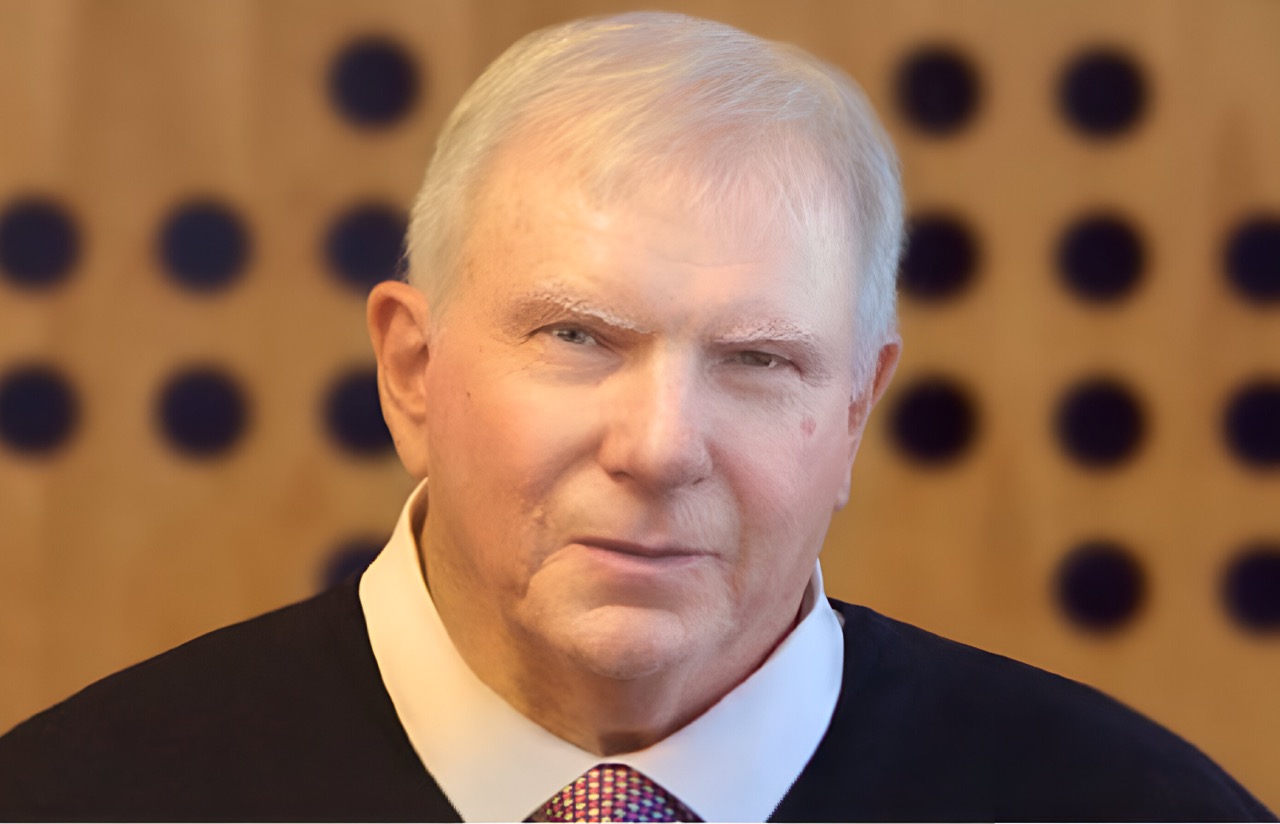
    It is with great sadness that the Kolling Institute acknowledges the passing of Professor John Walsh AO.

    Professor Walsh had a longstanding relationship with many researchers across the Kolling and the local health district and was immensely respected by his colleagues.

    Having a background as an actuary, Professor Walsh applied his expertise to many projects over his life, specifically policy development and research related to disability and rehabilitation.

    In 2014, the John Walsh Centre for Rehabilitation Research was named in his honour. It has since played an integral role within the Kolling Institute, and influenced national and international models of care.

    Over the past decade, Professor Walsh provided advice to researchers at the centre both on an informal basis and as a researcher for specific projects.

    For around ten years, John also held an appointment as an Adjunct Professor in the Faculty of Medicine and Health at the University of Sydney.

    Professor of Rehabilitation Medicine and Senior Staff Specialist Ian Cameron said John’s continuous guidance and generosity was a highlight of his working relationship with him. 

    “John was always generous with his time. His knowledge of rehabilitation and disability issues was vast,” he said.

    “John provided guidance on clinical, policy, public health and actuarial issues related to disability and rehabilitation.”

    Our deepest condolences and best wishes are with his loved ones during this time. 

  • Kolling Institute researchers instrumental in Australian first guidelines

    Kolling Institute researchers instrumental in Australian first guidelines

    It has taken three years and many hours of careful work, but two researchers from the John Walsh Centre for Rehabilitation Research have developed the first clinical practice guidelines for physiotherapists to inform the care of people with life-changing spinal cord injuries.

    Physiotherapy is a key part of rehabilitation for people with a spinal cord injury, but until now, there has been no nationally consistent advice based on the best available evidence.

    The guidelines were driven by Professor Lisa Harvey and Associate Professor Joanne Glinsky, who worked with a team of physiotherapists, researchers, and people with a spinal cord injury across Australia and New Zealand.

    Professor Harvey said the recommendations provide up-to-date information on the most effective physiotherapy management.

    “Importantly, they are based on a rigorous evaluation of the available evidence, taking into account the opinions of clinical experts and people with a spinal cord injury,” she said.

    “We started the process by identifying over 100 clinical questions of importance to physiotherapists and those living with an injury, and each question was ultimately answered by way of an evidenced-based recommendation or a consensus statement.”

    Associate Professor Glinsky said we followed a very detailed and rigorous process with many meetings, discussions and reviews of the evidence.

    “It is this process that should give people confidence in the recommendations of the guidelines,” she said.

    Professor Harvey added that the work was only possible with the initial financial support from icare in NSW, and the support from organisations throughout Australia including the Transport Accident Commission, the National Insurance Scheme Queensland and the Lifetime Support Authority.

    “Their support for this important piece of work was critical to our success. We are tremendously grateful they shared our vision to create these first Australian recommendations.”

    The guidelines can be viewed at www.SCIPTguide.org 

  • Professor Michael Cousins leaves extraordinary legacy

    Professor Michael Cousins leaves extraordinary legacy

    We would like to acknowledge the remarkable life of pain medicine pioneer and former Royal North Shore Hospital specialist Professor Michael Cousins AO who has sadly passed away.

    Michael was a trailblazer in anaesthesia and pain medicine, and a mentor to many at the Kolling Institute and on the Royal North Shore Hospital campus.

    With a career spanning more than 50 years, Michael dedicated his life to helping others through pain management and better care. He changed the way that Australia managed pain, believing that access to pain management was a fundamental human right. He instigated change not only in Australia, but on a global scale.

    Michael designed Australia’s National Pain Strategy, and was a founding member of peak Australian pain advisory bodies and academic faculties. In 1995, he was made a Member of the Order of Australia.

    Michael was instrumental in the establishment of Royal North Shore Hospital’s Pain Clinic and the Kolling Institute’s Pain Management Research Institute (PMRI). This multidisciplinary centre is internationally regarded for its clinical care, teaching and research.

    In 1998, the institute was recognised by the National Health and Medical Research Council as one of only eight Centres of Clinical Excellence in hospital-based research, and in 2012, it was named the lead site for pain research in the state by the NSW Ministry of Health.

    Today, it continues to support the community, delivering world leading research and improvements in care.

    Current PMRI Director Professor Paul Glare said he first met Michael in the early 1990’s and worked alongside him in an academic capacity.

    “Little did I know at the time that I would replace him as Chair of Pain Medicine and be the beneficiary of the incredible academic legacy he left here in Northern Sydney,” he said.

    “His passing is very sad for all of us in the Michael J Cousins’ Pain Management Research Institute.

    “I would like to recognise his truly incredible efforts to lift standards of care and improve the management of pain across Australia and internationally.”

  • Philanthropic support building our research expertise

    Philanthropic support building our research expertise

    A collection of researchers will develop their skills and establish crucial new collaborations following generous funding through the Skipper Charitable Trust.

    Six researchers have received a 2024 Beryl and Jack Jacobs Travel Award, enabling them to travel for conferences and work with experts across the globe.

    Academic Director Professor James Elliott was thrilled to announce the successful recipients, saying each researcher demonstrated how their travel opportunity will broaden their research expertise and lead to exciting new progress.

    Dr Karen Bracken from the Osteoarthritis Clinical Research Group will travel to the University of Bristol to work with the team at the renowned Bristol Trials Centre. There she will gain a better understanding of recent advances in clinical trials, directly supporting her role as a clinical trials program lead.

    Dr Barbara Lucas from the John Walsh Centre for Rehabilitation Research will attend the Australasian Academy of Cerebral Palsy and Developmental Medicine Conference in Cairns to present her ground-breaking research from the Best START trial into early intervention in children with Cerebral Palsy.

    Dr Vicky Duong from the Osteoarthritis Clinical Research Group will travel to the United States and Canada to work with researchers at Harvard University, the University of North Carolina and the University of Toronto. This is set to be a valuable opportunity for Vicky to expand her international networks following her successful Category I NHMRC funded project in Australia.

    Brian Kim from the Neuromuscular Imaging Research Laboratory will visit the United States to work with colleagues at the Northwestern University in Chicago. Brian is establishing machine learning methods to automatically quantify the soft tissues of the shoulder in patients needing surgical repairs.

    Dr Vibha Patil from the Meniere’s Disease Neuroscience Lab will travel to Spain to build on her work into the genetics of Meniere’s Disease, a debilitating disorder of the inner ear.

    Amanda Purcell, a PhD student in the Renal Laboratory, will also travel to Spain and the UK to further her studies around predicting gestational diabetes in early pregnancy. Amanda is set to learn cutting-edge techniques, complementing her growing knowledge in this field and strong analytical skills.

    Professor Elliott said these opportunities would not be possible without the financial boost delivered through the Skipper Charitable Trust.

    “I would like to thank the family behind the trust for their wonderful ongoing support of our early and mid-career researchers,” he said.

    “Their help is directly strengthening our research expertise and increasing our long term impact.”

  • Kolling NEWS

    Kolling NEWS

    We’re kicking off the year with plenty of encouraging research news.

    Read on for details about new funding, fascinating research into the link between heart disease and osteoarthritis and promising work into a new diabetes treatment.

    We also unveil the winners of our travel awards program, generously backed by philanthropic funding.

    Click here: Kolling NEWS

  • Kolling Symposium celebrates life-changing impact of research

    Kolling Symposium celebrates life-changing impact of research

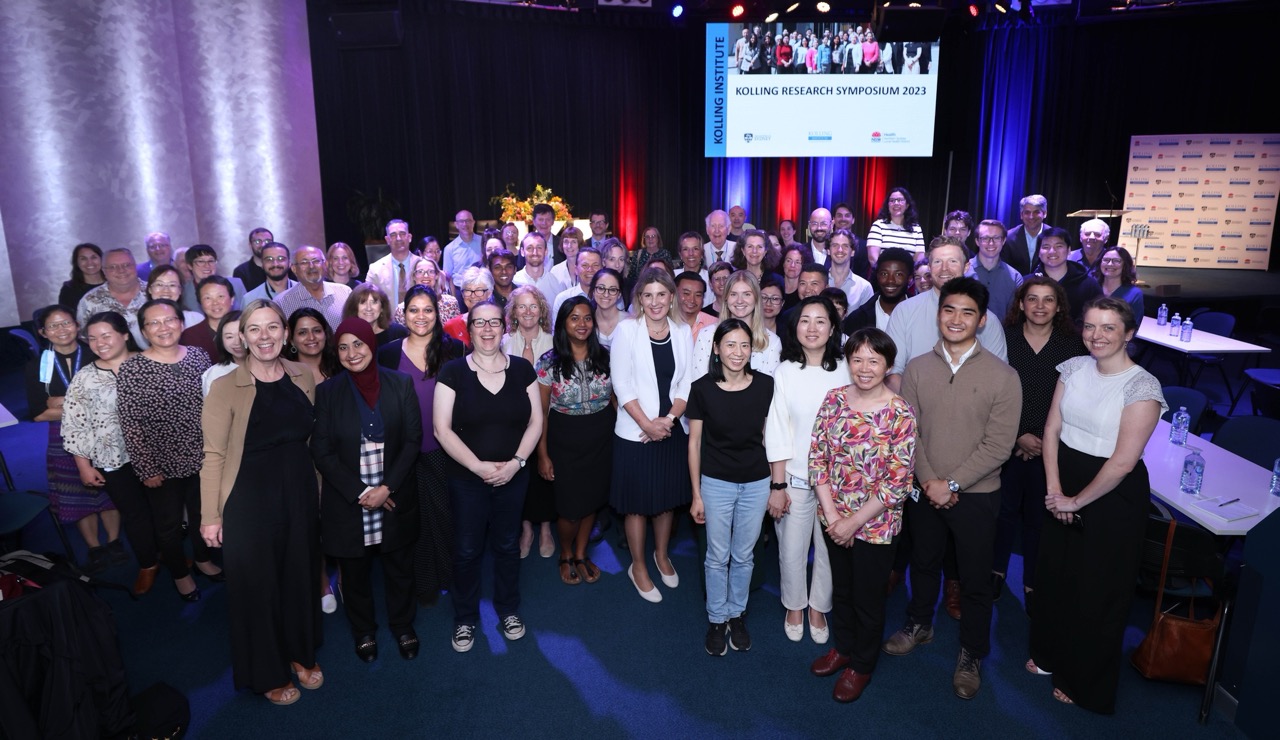
    A large group of inspiring researchers delivered presentations at the inaugural Kolling Institute Symposium, highlighting the strength of research underway at the institute.

    Close to a hundred people attended the event at the Northside Conference Centre focusing on the key themes of collaboration, innovation and wellbeing.

    Senior researchers and up-and-coming investigators took to the stage, outlining the progress being made with the Kolling’s basic science right through to its crucial implementation research.

    Academic Director Professor James Elliott said it was evident that significant achievements are being delivered, and I would like to recognise the considerable efforts by all our researchers from our heart and kidney disease scientists through to our neuroscience and pain, and musculoskeletal investigators.

    “It’s during big events like this one where we gain a much better idea of the ground-breaking work being undertaken at the Kolling and where we have the chance to meet with like-minded investigators from other teams.

    “It was also encouraging to hear from four consumer representatives who generously discussed their personal health experience. They provided crucial feedback on how to further involve consumers in our research community and future strategic initiatives.”

    Professor Elliott said the symposium was part of the overarching research strategy to raise the profile of the Kolling, its impressive researchers and its valuable work.

    “The event complemented the large collection of seminars and events we held throughout the year, and I am sure it went a long way towards broadening awareness of our potentially life-changing research and impact.”

    At the event Professor Elliott announced the successful recipients of the 2023 Kolling Awards. This year eight researchers received an award across the following five categories.

    Clinical Research Dr Vicki Duong and Dr Sumit Sahni

    Discovery Research Professor Jose Antonio Lopez-Escamez

    PhD completion Dr Natassia Rodrigo

    PhD supervision Associate Professor Claire Ashton-James and Dr Ryan Davis

    Professional Staff Quoc Nguyen (non-technical staff) and Shihani Stoner (technical staff)

    Professor Elliott said I would like to thank the Workforce and Culture Research Enabler and the Kolling Executive Committee for their co-ordination and support of the awards. It’s so important we acknowledge both our emerging and established leaders, and those having a remarkable impact with their research.

    “I would also like to acknowledge the researchers and professional staff for their tremendous commitment and contribution towards our research success.

    “Each of these award winners is driving substantial improvements in their individual areas of expertise, and I’m pleased that we’re able to direct the spotlight onto their significant achievements through the Kolling awards program.”

NSWGOV logo