Blog

  • Pioneering MuscleMap project secures strong philanthropic support

    Pioneering MuscleMap project secures strong philanthropic support

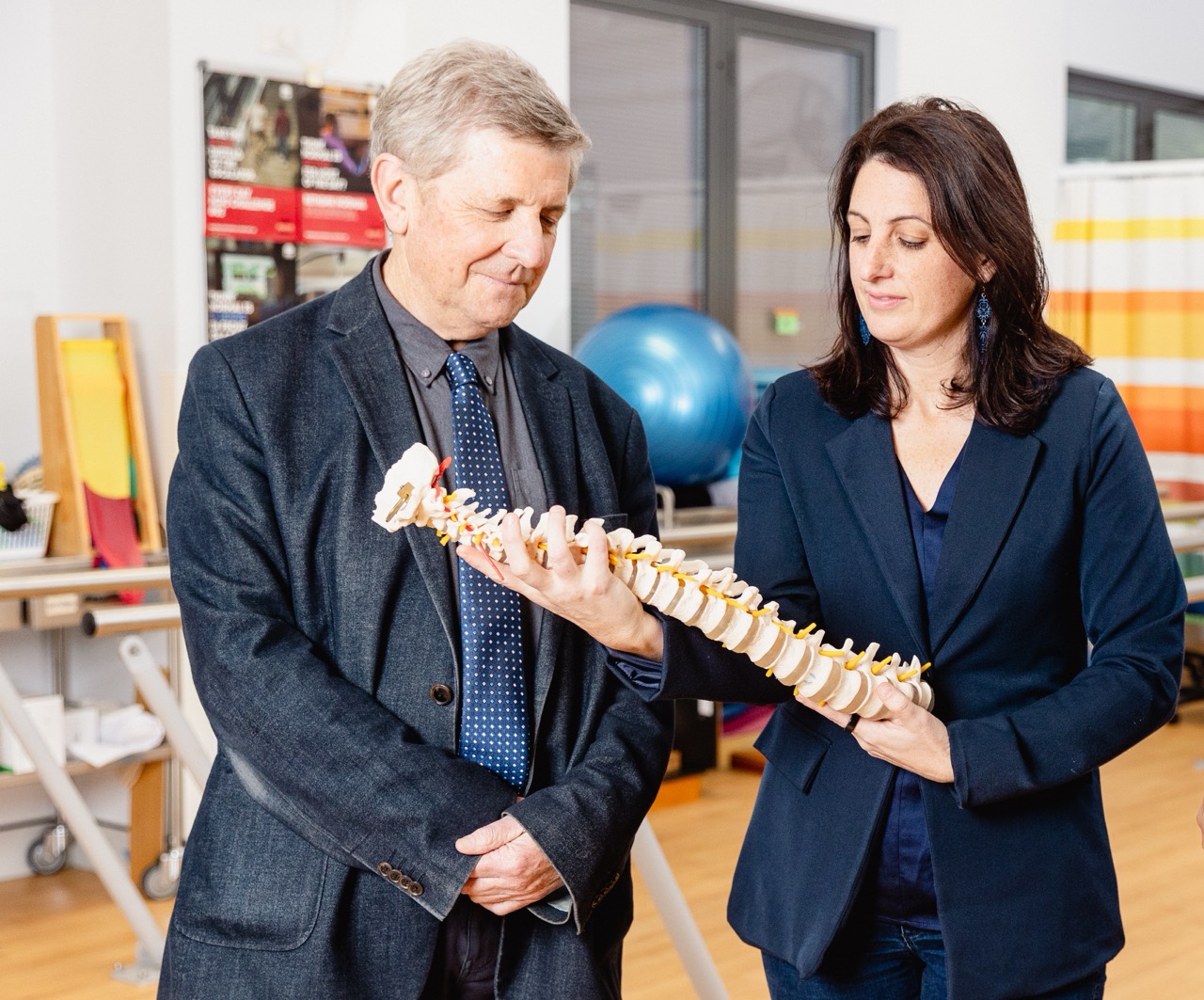
    An innovative tool which could revolutionise the detection and treatment of musculoskeletal and neurological conditions will be further developed following a $230,000 gift.

    The donation was made following a campaign by the University of Sydney’s Advancement team and the NORTH Foundation to support the world’s first open-source dataset of whole-body muscle composition.

    The Kolling Institute’s Academic Director Professor James Elliott said there is a critical need for the diagnostic tool with musculoskeletal and neurological conditions among the leading causes of illness and disability worldwide.

    “With these conditions affecting more than four billion people, they are expected to cost around $21 billion in healthcare expenditure by 2033 in Australia alone,” he said.

    “Early identification and intervention are crucial if we are to offer long-term health benefits and minimise the disease burden.

    “We know that these conditions often lead to a steady decline in muscle health, and this decline is evident by an increase in fat deposits in the muscles and the loss of muscle fibres.

    “CT and MRI scans can be used to identify these changes, but the time it currently takes is prohibitive.

    The MuscleMap tool however, will automatically identify any changes, potentially revolutionising the detection of muscle health in any part of the body. It could inform treatment for everyone from elite athletes to astronauts and older people with complex conditions.

    Astronauts for instance, experience significant muscle loss due to the effects of prolonged exposure to zero gravity.

    Using existing MRI and CT scans, the landmark global study has applied an artificial intelligence model to produce a dataset of muscle health of any part of the body. This will enable a patient’s muscle deterioration to be compared with a healthy person’s.

    Professor Elliott said this will mean a clinician will be able to upload a scan into the MuscleMap program, and within minutes, will have access to detailed information measuring muscle composition compared to a reference dataset.

    “For athletes and the general population, the tool will accurately inform the journey from injury to repair, recovery and return to physical activity.

    “For patients with osteoporosis, the program will provide a detailed analysis of overall health and muscle deterioration, which will then inform personalised strategies to develop healthier muscle mass and improve general health and wellbeing.

    “We are very appreciative of this generous donation to the MuscleMap project. It will enable the broader team to continue developing the digital infrastructure needed to launch the open-source portal.

    “It will be a pioneering resource, accessible to clinicians and researchers globally, and supporting the long-term health of communities.” 

    To donate to the innovative MuscleMap project visit the NORTH Foundation.

  • The Kolling hosts the brightest minds in optogenetics

    The Kolling hosts the brightest minds in optogenetics

    More than 80 top national and international scientists converged on the Kolling Institute for the 4th Optogenetics Australia meeting, featuring the very latest light technologies driving research.

    The event attracted dynamic keynote speakers from the USA, Europe and China, and leading research institutions across Australia.

    Chair of Optogenetics Australia and senior Kolling Institute pain medicine researcher, Associate Professor Karin Aubrey said optogenetics is a range of technologies that allow researchers to use light to control biological processors.

    “New technologies often determine what is possible at the cutting edge of science, accelerating our understanding of what causes disease and how we diagnose, prevent and treat it,” she said.

    “The first human application of optogenetics, published in 2021, partially restored vision in a blind patient.

    “The technology is also being used to develop less invasive methods for sleep apnoea treatment, to reduce stroke effects and even to modify plants so that they can thrive in space.”

    Associate Professor Aubrey said optogenetics is a powerful tool in neuroscience, as it allows researchers to study individual components of brain circuits that cause neurological disease.

    “Australian researchers are using light-sensitive tools and other innovative techniques to study the brain’s stress, addiction, pain, memory and depression circuits.

    “Encouragingly, we have a depth of experience in optogenetics at the Kolling within the Pain Management Research Labs, and the event provided a great opportunity for collaboration and networking.

    “I would like to thank everyone involved in making the event a success, including leading international developers Professor Michael Bruchas from University of Washington, Professor Yulong Li from Beijing University, Deniz Dalkara from the Institute de la Vision in France and Assistant Professor Guosong Hong from Stanford University.

    “These researchers are producing some of the best new tools in the field and it was valuable to hear the latest progress.”

    The next Optogenetics Australia meeting will be staged in 2027. 

  • Researchers identify new gene linked to Meniere’s disease

    Researchers identify new gene linked to Meniere’s disease

    In a crucial step towards a better understanding of Meniere’s disease, researchers at the Kolling Institute and the University of Sydney have discovered a gene mutation which could greatly inform future treatment of the disease.

    Meniere’s is a rare inner ear disease associated with sensorineural hearing loss, vertigo and debilitating tinnitus. There is currently no cure with treatment largely aimed at managing symptoms.

    Meniere’s can be an inherited condition with approximately 10 per cent of patients having one or more relatives affected by it, but the latest research, led by world leading investigator Professor Jose Antonio Lopez-Escamez, indicates the inherited or genetic form of the disease may be more common than first realised.

    His team has discovered a rare mutation of the GJD3 gene in both patients with and without a genetic history of the disease.

    It is the first time this gene has been linked to any disease.

    More than 400 people with Meniere’s disease were involved in the study, with 18 people or 4.4 per cent of the group found to have the genetic mutation, a statistically significant percentage.

    Professor Lopez-Escamez said this new understanding could lead to a greater number of patients undergoing genetic testing.

    “Many people will say that they don’t have the genetic form of the disease, but this research indicates there are many more people whose disease is directly linked to their genetic make-up,” he said.

    “This is important as it will inform how we treat the disease going forward, particularly given the different forms of the disease and the exciting advances with gene therapy.

    “Groundbreaking gene therapy is already being adopted internationally to treat hearing loss, and we anticipate this approach will be developed further to treat Meniere’s disease in the years to come.”

    The latest research by Professor Lopez-Escamez and his team also identified a connexin (or connecting protein) linked to the GJD3 gene in the tectorial membrane of the organ of Corti – or the hearing organ.

    “This is the first time that a connexin has been found in this part of the ear, and it may support the view that connexins regulate the microenvironment in the ear and influence hearing,” he said.

    “We believe the mutated gene is impairing the function of the connexins within the ear and impacting hearing ability.

    “We are pleased to have made this exciting progress and we look forward to further investigating the role of this gene mutation in hearing function and Meniere’s disease.”

    The research has been published in the prestigious Genome Medicine journal.  

    For more details and to donate to the ground-breaking Meniere’s disease research, visit the NORTH Foundation.

  • Groundbreaking work in geriatric pharmacology

    Groundbreaking work in geriatric pharmacology

    For the past 20 years, Professor Sarah Hilmer has dedicated her career to optimising medicine use for older people and has achieved recognition as a national and world leader in geriatric pharmacology.

    Not only has the Royal North Shore Hospital clinical pharmacologist and geriatrician set about improving medication practices for older people, but she has long advocated for ‘age-friendly’ clinical trials.

    One of Sarah’s notable contributions has been the development of the Drug Burden Index (DBI), a risk assessment tool that measures an older person’s exposure to medications that slow them down physically and mentally.

    “Over the past 20 years or so, we have been validating the tool in populations around the world to show that the higher your Drug Burden Index, the worse your physical function and your cognition is, and the more likely you are to fall or wind up in a nursing home,” she says.

    Eager to put the initiative into clinical practice, Sarah and her colleagues developed a calculator that could measure a patient’s drug burden. They produced a way to integrate it into a hospital’s electronic medical record so that staff could use it when treating frail, elderly patients.

    In 2021 — at the height of the pandemic — Sarah ran a successful pilot study implementing the calculator at Royal North Shore. “We managed to show that we could really improve prescribing,” she says.

    For the past 18 months, she and her team have run a clinical trial in three hospitals in Northern Sydney and three on the Central Coast to see if this package of tools can help clinicians to identify patients who are not functioning optimally because of the medication they have been taking and to minimise medication related harm.

    The tools are now available for clinical care across the Northern Sydney and Central Coast health districts and are being implemented at other NSW health districts.

    Sarah is eager to see the tool as part of routine hospital care.

    Nurses regularly have a “huddle” to discuss patient issues, which can include falls or delirium. Her team has been encouraging nurses to look at the Drug Burden Index during a huddle, and if it is high, arrange for a medication review.

    “It might be that the medication is causing the falls or confusion,” she says.

    Sarah has long advocated for ‘age-friendly’ clinical trials that make it easier for frail, older people to be included.

    While the average older person takes up to eight prescription medications, globally, they are often underrepresented in clinical trials.

    “We have a situation where we test drugs in healthy, older people or in middle aged people, and then use them in frail, older people with a lot of different complex problems. We wind up with all sorts of interactions and unexpected effects.”

    “I think it’s really important that if we’re going to do clinical trials, we need to make sure that they’re inclusive of the people who are going to actually wind up using the drugs in clinical practice,” she says.

    Her advocacy in this space extends beyond Australia. The U.S. Food and Drug Administration recently designed a roadmap for drug evaluation for older adults, and Sarah was the only Australian on the project, representing the Geriatric Committee of International Union of Basic and Clinical Pharmacologists, which she chairs.

    Sarah’s work through development and implementation of the Drug Burden Index and her advocacy for age-friendly trials has significantly improved the quality of life for older adults. “We need to ensure our ageing population receives the best possible evidence-based care,” she says.  

  • Top pain specialist and researcher receives Australia Day gong

    Top pain specialist and researcher receives Australia Day gong

    Internationally respected clinical academic Professor Paul Glare has been named a Member of the Order of Australia for his significant service to medicine in the fields of pain management and palliative care.

    Professor Glare is a specialist physician in pain medicine and senior researcher with the Kolling Institute.

    He is the Director of the Michael J Cousins Pain Management Research Centre at Royal North Shore Hospital, the Chair of Pain Medicine with the Northern Clinical School and Head of Pain Medicine with the Sydney Medical School.

    Professor Glare has welcomed the accolade.

    “I am very honoured to receive this award, but more importantly, it recognises the importance of advancing the specialities of pain medicine and palliative care,” he said.

    “While precision medicine and technological advances are very important for saving lives, the relief of suffering should always be the objective of medicine and healthcare generally.

    “It has been rewarding to be part of the Northern Clinical School and the Northern Sydney Local Health District to be able to promote pain and palliative care through the pain management centre at Royal North Shore Hospital and to be able to teach the students from Northern.

    “The neuroscience and pain priority research group within the Kolling Institute has also given me great opportunities to continue my research on pain in cancer survivors and the use of mobile health in supporting pain management.”

  • Next generation of researchers streamlining complex medication choices

    Next generation of researchers streamlining complex medication choices

    Two emerging leaders within the Kolling Institute’s Ageing and Pharmacology Lab are gaining attention for their impressive work to improve the quality use of medications.

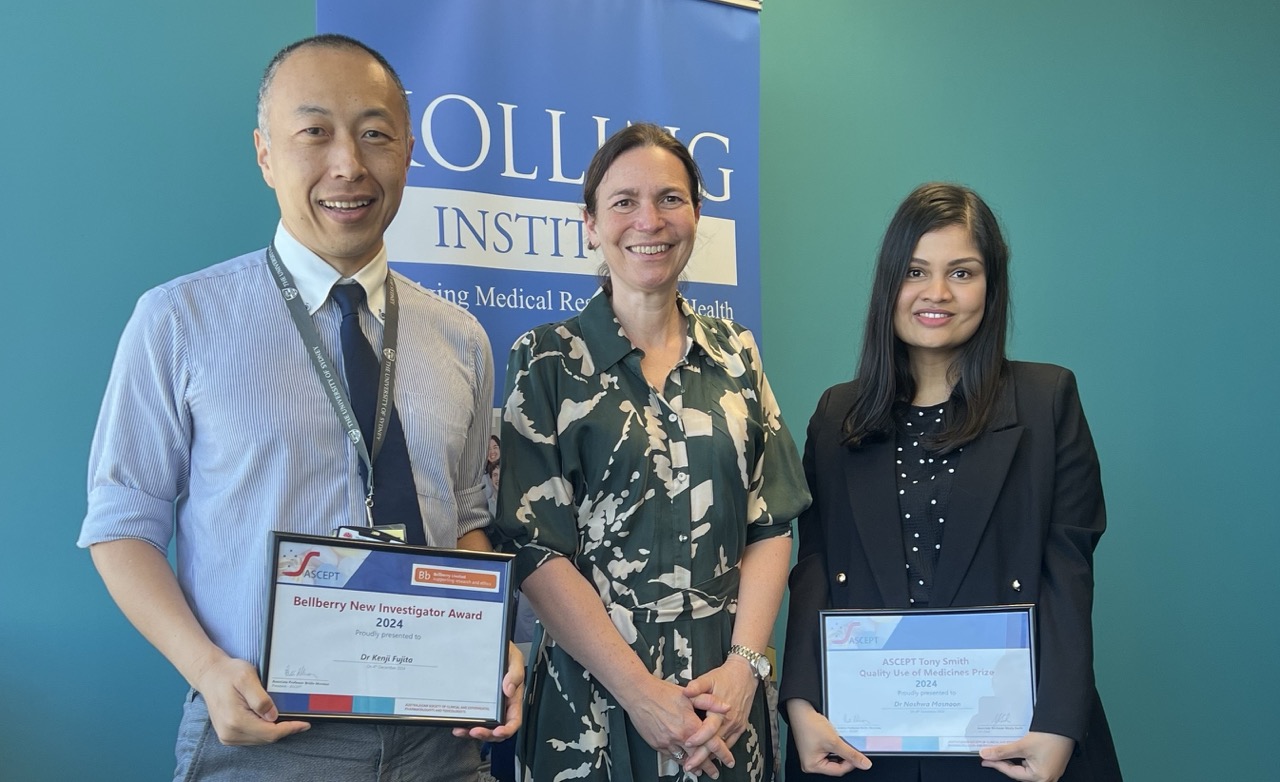
    Dr Nashwa Masnoon and Dr Kenji Fujita have received prestigious awards at the annual meeting of the Australasian Society of Clinical and Experimental Pharmacologists and Toxicologists (ASCEPT).

    Nashwa, who is also a pharmacist at Royal North Shore Hospital (RNSH), has been awarded the inaugural ASCEPT Tony Smith Quality Use of Medicines Prize.

    Head of the Ageing and Pharmacology Lab Professor Sarah Hilmer said this new prize is aimed at recognising influential researchers promoting the quality use of medicines.

    “Nashwa is well known to many across the Northern Sydney Local Health District as a previous Medication Safety Pharmacist and as the Drug Burden Index Stewardship Pharmacist at RNSH, Ryde and Hornsby hospitals during a recent clinical trial,” she said.

    “We are thrilled that she has been recognised for her work, which analysed data from hospital medication reviews of older patients in six hospitals across Sydney.

    “The award will give Nashwa an opportunity to participate in a Science Meets Parliament event next year where she will be able to discuss crucial research and healthcare issues with federal political leaders.”

    In another sign of the strength of the Ageing and Pharmacology research group, Dr Fujita was awarded the Belberry New Investigator Award, recognising him as an emerging leader in pharmacology.

    “This award was based on Kenji’s large body of research using big data analysis to understand geriatric pharmacology and improve the quality use of medicines in older adults,” said Professor Hilmer.

    “Kenji has applied his deep knowledge of pharmacy, pharmacology and data analysis to collaborative research spanning bench to bedside. His research findings will improve the use of medicines to enable healthy ageing.”

    Professor Hilmer said it was encouraging to see two members of her team honoured for their substantial research progress.

    The awards were presented at the annual scientific meeting of ASCEPT in Melbourne.  

  • Partnership to drive innovation in genomic science

    Partnership to drive innovation in genomic science

    An exciting partnership between AGRF Ltd (Australian Genome Research Facility) and the University of Sydney and the Kolling Institute will help strengthen genomic capabilities.

    The partnership will see a specialised team and cutting-edge technology located within the institute to progress research in this increasingly crucial field.

    As Australia’s largest provider of genomic services, AGRF supports researchers and organisations to drive discovery across clinical genomics, translational research, agriculture and environmental science.

    AGRF partners with medical and scientific communities to provide world class expertise and high quality genomic data from single-gene analysis to whole genome sequencing and biomarker discovery.

    Professor Robyn Ward, Executive Dean and Pro-Vice Chancellor of the Faculty of Medicine and Health at the University of Sydney welcomed the announcement saying there is a growing awareness of the need for genomics in healthcare.

    “We are proud to partner with AGRF, and we are looking forward to exploring collaborative research and educational opportunities with this leading genomics provider,” she said.

    “By establishing a translational genomics facility within the Kolling Institute, we will be well placed to progress innovative research and directly improve health outcomes.”

    AGRF Chairman Professor Simon Foote said he was pleased the partnership had been forged, saying genomics will increasingly help address some of society’s biggest challenges.

    “As Australia’s premier provider of genomic solutions, AGRF is delighted to partner with the University of Sydney and the Kolling Institute, where our shared strengths and synergies can advance cutting edge translational research,” he said.

    “This collaboration reflects our commitment to enable genomic discoveries to drive innovation, improve lives and build awareness of the transformative potential of genomics.”

    Northern Sydney Local Health District Chief Executive Adjunct Professor Anthony Schembri said it was an important step to establish the genomics facility within the institute which is located alongside Royal North Shore Hospital.

    “This specialised facility will help speed the translation of genomics research with direct input from leading clinicians and health providers,” he said.

    “The partnership will foster discovery science and a pathway to incorporate new knowledge and capabilities into clinical care.

    “We are excited to see the advancements in care by bringing together our collective strengths.”

    Professor James Elliott, the Kolling Institute’s Academic Director said a collection of our researchers are already working with experts from AGRF.

    “We are looking forward to strengthening that relationship and the exciting opportunities and innovations to come from this strategic partnership,” he said. 

  • Clinical trials informed by patient care

    Clinical trials informed by patient care

    The Kolling Institute’s Professor Sue Kurrle and her team at the Rehabilitation and Aged Care Network at Hornsby Ku-ring-gai Hospital have been running clinical trials for 25 years, looking at dementia, frailty, and falls to name just some areas.

    “We do trials as it keeps you cutting edge and they are really important for our patients,” she says.

    As a geriatrician on the frontline, Sue is well positioned to identify the critical areas that need attention.

    “You want to do the research that helps answer some of the questions that your clinical practice throws up,” she says.

    Falls research

    Sue says one of the most impactful trials she participated in was during her PhD research on hip protectors for older people.

    Her study found that the underwear with built-in plastic “shields” stopped people from breaking or fracturing their hips when they fell.

    “I got involved in hip protectors because we were looking after so many hip fracture patients in our rehab ward at Hornsby,” she says.

    “It was the same with dementia and with frailty. Everything we’ve done in research has been driven by what you see in clinical practice.”

    Dementia

    With an ageing population in the area, Sue and the team have had a long interest in dementia.

    Since 1999, they have run 56 trials for dementia drugs, some of which are part of global studies. Although most haven’t been especially successful, Sue says a recent tablet is promising, with the results soon to be published.

    “The biggest message is that exercise is much more effective than medication in slowing the decline once you have dementia, or in delaying its onset. It’s one of the 12 modifiable risk factors,” she explains.

    In 2012, the NHMRC awarded her $25 million for the Cognitive Decline Partnership Centre, which funded 32 projects across the country which looked at care for people with dementia.

    “We developed the clinical practice guidelines for management of dementia, which were the first ones ever done in Australia,” she says.

    Frailty

    The frailty intervention trial (2011 to 2013) involved 241 frail Hornsby residents. One group received exercise and nutrition interventions, while other received normal care. The experimental group saw numerous benefits.

    “We turned frailty around,” she says, adding that the research is now being implemented in hospitals throughout Northern Sydney, with another frailty study soon to be published.

    Clinical trials can last up to five years, and older patients often bring a relative along. Sue and her colleagues, including clinical trials research coordinator Roseanne Hogarth and clinical nurse specialist Bronwyn Cook have developed close relationships, knowing their families, pets, and even sharing coffee outings.

    “They are like family,” says Sue. “The advantage of working in a smaller hospital is we really get to know our patients.”  

  • New research to capture those with frailty

    New research to capture those with frailty

    A $3-million research grant will help develop technology to identify frailty in older people in hospital, a crucial step towards improving care and long-term patient outcomes.

    The Kolling Institute’s Professor Sarah Hilmer will lead the large-scale study involving hospitals and universities across Australia as well as international investigators.

    Professor Hilmer said the five-year project will develop real-time frailty monitoring technology to help tackle one of the biggest challenges facing older people.

    “As we age, our risk of frailty increases, and we know that frail older people in hospital have a high chance of experiencing an adverse event, like confusion or a fall,” she said.

    “The technology that we are researching will use existing data from the electronic medical records to measure the Frailty Index, and this will automatically and efficiently screen hospital patients for frailty.

    “Identification of frailty is the essential first step to providing frailty-informed health care. It will also inform health services about the facilities, resources and staff required to meet the needs of people with frailty.

    “On an individual basis, it means patients will receive specialised, multidisciplinary care, including the Comprehensive Geriatric Assessment model of care, where patients are more likely to continue living at home and less likely to be in a nursing home up to a year after their stay in hospital.”

    The screening may be used for observational research or clinical trials of optimal therapies for people living with frailty.

    Professor Hilmer said the research project will help to bring models of care in line with international guidelines which strongly recommend that all older people are screened for frailty.

    “I am delighted to lead a strong, multidisciplinary, national and international team to develop the crucial technology we need for frailty screening of older people in hospital.

    “By automating frailty screening, health services and health professionals will be able to focus on providing optimal care tailored to the needs of frail older people, rather than spending precious time on manual screening.”

    The introduction of the automatic hospital screening will mark the first time the Frailty Index has been adopted in acute hospital care on such a large scale.

    The project has been developed following support from the Sydney Health Partners Geriatric Medicine Clinical Academic Group.  

  • Kolling Research Symposium 2024

    Kolling Research Symposium 2024

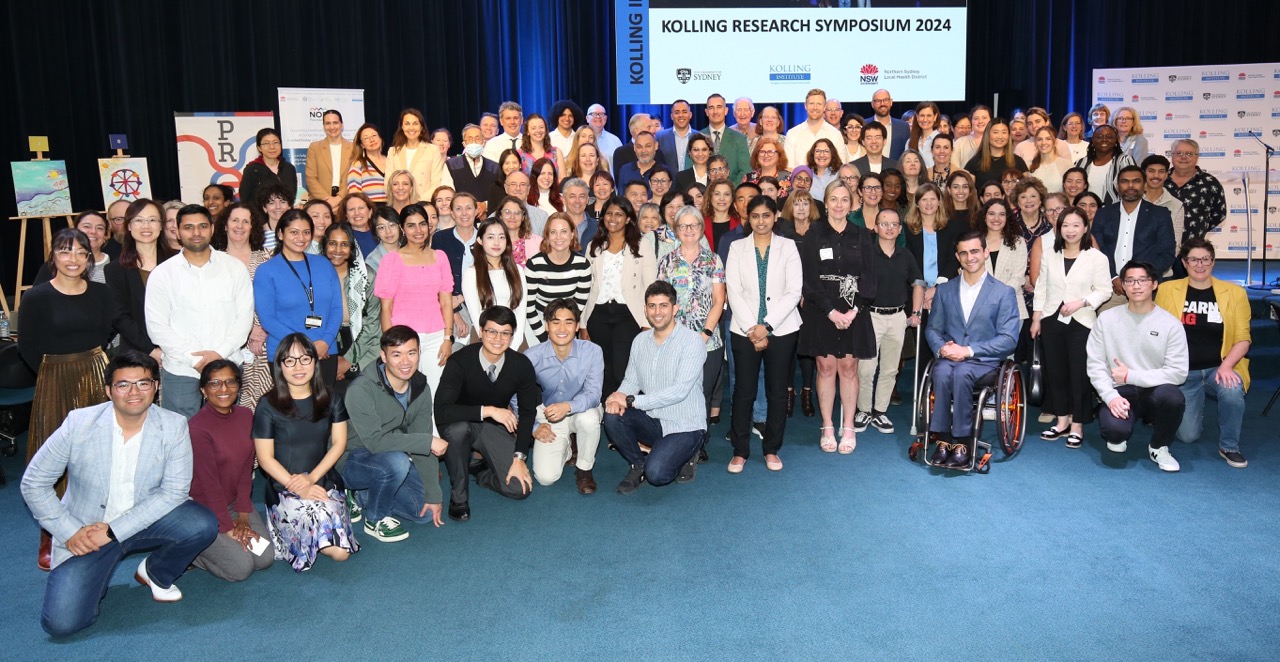
    We would like to thank everyone involved in the 2024 Kolling Institute Symposium.

    During the event, a diverse collection of researchers detailed the latest progress with their ground-breaking work into kidney and heart disease treatments, bone and muscle conditions, rare cancers, and neurological challenges. There was a focus too on the innovative work to develop a unique wellbeing index.

    Researchers discussed how they’re tapping into technology to deliver care to large numbers of patients, improving outcomes with the latest heart valve devices and investigating the benefits of reducing multiple medications for older patients.

    The symposium brought together researchers, representatives from our joint venture partners (Northern Sydney Local Health District and the University of Sydney) and a growing network of community partners to celebrate our impactful work.

    Academic Director Professor James Elliott said the event featured thoughtful presentations, panel discussions, poster presentations, and an Oxford Debate on the impact of AI on healthcare. 

    “I would like to thank our guest speakers Professor Susan Morton, Director of INSIGHT at the University of Technology and Lifeline Australia ambassador and wellbeing advocate Matt Caruana who shared his personal experience and inspiring perspective,” he said.

    “The symposium provided an opportunity to hear how our researchers are extending our understanding of complex conditions and improving therapies and outcomes.  

    “It also offered the chance to highlight some special awards for a group committed to increasing access to high-quality care, and improving the health and wellbeing of our broader community.

    “I would like to congratulate the 2024 Kolling Institute award recipients for their remarkable commitment to our research success.” They include:

    PhD Supervision Award
    Associate Professor Sonia Saad
    Department of Medicine, Renal Research Laboratory

    HDR Student Award
    Amanda Purcell
    Renal Research Laboratory

    Discovery Science Award Category A
    Dr Nunki Hassan
    Cancer Stem Cell and Biology Laboratory

    Discovery Science Award Category B
    Dr Sumit Sahni
    Bill Walsh Translational Cancer Research Laboratory

    Professional Staff Award Category A
    Susan Smith
    Raymond Purves Bone and Joint Research Laboratory
    Kolling Histology Core Facility

    Professional Staff Award Category B
    Annette McCook
    Research Development Officer 

    Excellence in poster presentation
    Claire Wong

    Excellence in oral presentation 
    Dr Karan Rao

    “Thank you to the many people involved in bringing this large-scale event together to highlight the remarkable and life changing work underway at the Kolling Institute,” said Professor Elliott.

NSWGOV logo