Blog

  • The Kolling welcomes Australia’s leading genomics provider to the institute

    The Kolling welcomes Australia’s leading genomics provider to the institute

    Researchers within the Kolling Institute will shortly have the chance to strengthen their genomics capabilities, with AGRF – the Australian Genome Research Facility – establishing a laboratory within the institute.

    The new lab is part of an exciting partnership between AGRF, the University of Sydney and the Kolling which will see a specialised team and cutting-edge technology located within the institute.

    As Australia’s largest provider of genomic services, AGRF supports researchers and organisations to drive discovery across clinical genomics, translational research, agriculture and environmental science.

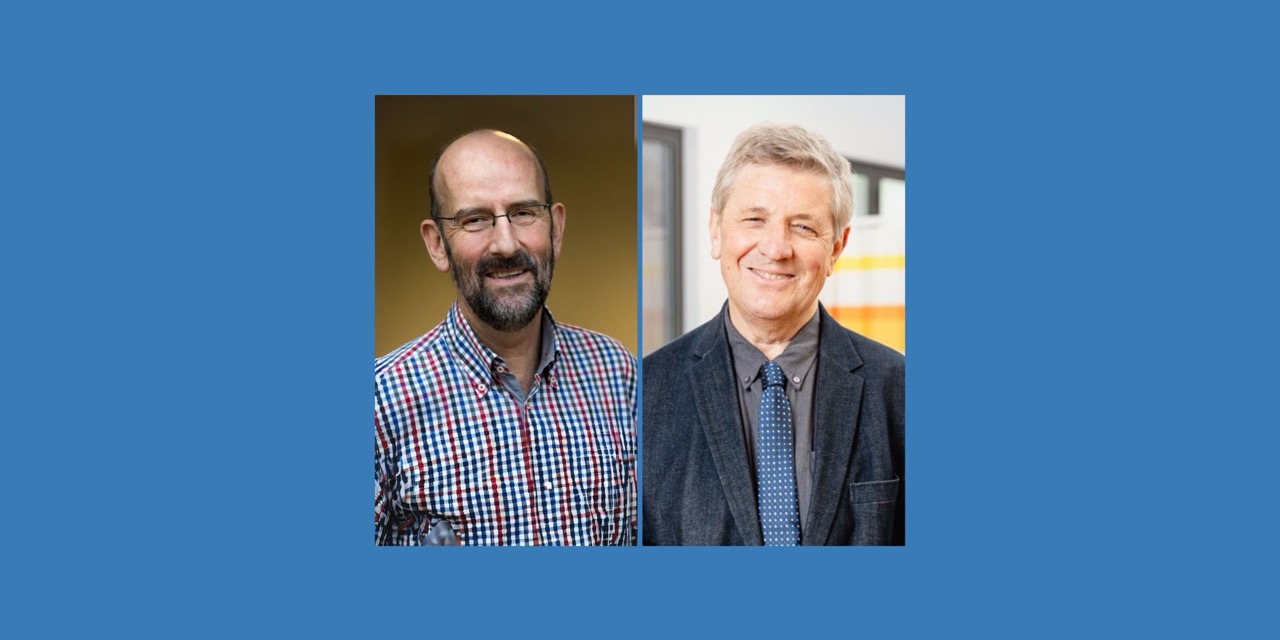
    The Kolling’s Academic Director Professor James Elliott welcomed the collaboration saying we are proud to partner with AGRF.

    “By establishing a translational genomics facility within the Kolling Institute, we will be well placed to progress innovative research and directly improve health outcomes,” he said.

    “The partnership will not only benefit our researchers within the Kolling, but clinicians and researchers across Northern Sydney. It will help speed the translation of genomics research into patient care with direct input from clinicians and health providers.

    “The new lab will foster discovery science and a pathway to incorporate new knowledge and capabilities into clinical care.

    “We are looking forward to exploring collaborative research and educational opportunities with the leading genomics provider, and we are excited to see the advancements in care this partnership will deliver.”

    AGRF provides world-class expertise and high-quality genomic data from single-gene analysis to whole genome sequencing and biomarker discovery.

    From the time of opening, AGRF will offer its full suite of genomics and proteomics services to Kolling researchers, including project consultations, sample drop-off, high-quality sequencing, genotyping, transcriptomics, epigenomics, Olink proteomics and bioinformatics.

    These services will be backed by AGRF’s national network of specialist laboratories and technical experts.

    The on-site presence will make it easier for investigators to connect directly with AGRF’s team for project planning, study design and genomics research support.

    All services provided through AGRF’s national network can be accessed via the Kolling site, with sample drop-off and project co-ordination available.

    AGRF’s team will work closely with Kolling researchers to identify future opportunities for expanded workflows, pilot projects, and new technology implementations.

    Head of Strategic Business Desley Pitcher said we are thrilled to be joining the Kolling Institute community.

    “Our mission has always been to power discovery through genomics, and we look forward to partnering with Kolling researchers to bring that to life,” she said.  

    If you would like to know more, contact Oliver Distler – AGRF Senior Account Manager oliver.distler@agrf.org.au

  • Researchers urge caution around breakthrough Alzheimer’s drug

    Researchers urge caution around breakthrough Alzheimer’s drug

    As we live longer and there are more people living into old age, there is an increasing number of people developing dementia with more than 400,000 people currently living with the condition in Australia.

    Dementia is now the leading cause of death in Australia, and Alzheimer’s disease is the most common cause of dementia.

    Dementia Australia warns that in the absence of a significant medical breakthrough, more than 6.4 million Australians will be diagnosed with dementia in the next 40 years, at a cost of more than $1-trillion.

    Whilst there is still uncertainty about the cause of Alzheimer’s disease, there is hope for new drugs that may be effective in slowing the progress of the disease.

    The Therapeutic Goods Administration has recently approved the use of two monoclonal antibodies targeting the amyloid protein that is present in the brains of people with Alzheimer’s disease. These two drugs, donanemab and lecanemab, are approved for the treatment of mild cognitive impairment and early Alzheimer’s disease.

    Alzheimer’s results from genetic, environmental, and lifestyle factors and is characterised by amyloid plaque in the brain. These sticky clumps of protein build up between nerve cells, blocking communication and eventually killing cells, leading to memory loss and confusion.

    Donanemab is administered with a monthly intravenous infusion and lecanemab as a fortnightly intravenous infusion. Both drugs work to clear the amyloid plaque in the brain.

    Trials have demonstrated that these drugs can reduce the amyloid plaque and potentially improve quality-of-life and functional independency.

    Leading clinician/researcher Professor Sue Kurrle said the impact of the drugs is not straight forward.

    “Donanemab is not a cure, but studies over 18 months show that it does slow the progress of dementia by several months when compared with a placebo drug,” said the clinical director of the Northern Sydney Local Health District Rehabilitation and Aged Health Network.

    “These drugs are for the management of very early Alzheimer’s and they do not have the same effect in people with moderate Alzheimer’s disease, so are only suitable for a limited number of people,” she warns.

    “These drugs are not currently subsidised by our pharmaceutical benefits scheme, so they are expensive and require regular MRI brain scans due to the side effects of brain swelling or bleeding.”

    With each infusion costing around $4,700, an 18-month course will cost about $80,000. The Federal Government is currently reviewing an application to list the drug on the pharmaceutical benefits scheme.

    In the meantime, Professor Kurrle is encouraging the community to do what it can to reduce the impacts of the disease.

    “There is no single solution to preventing Alzheimer’s disease and other forms of dementia, but there are lots of small things you can adopt to greatly reduce your risk,” she said.

    “These include, looking after your physical and mental health, regular exercise, and health checks to capture in any changes.”

    Your local doctor can monitor the following key areas:

    • blood pressure and cholesterol, especially if you have a family history of cardiovascular conditions
    • blood glucose levels, especially if you have a family history of diabetes
    • weight
    • hearing and vision
    • cognitive function and memory
    • mood and mental health
    • any other conditions that need regular medical attention.

    Professor Kurrle said there are many resources available detailing specific diets and tips for brain health, and I would encourage the community to visit the Dementia Australia website for more information at: www.dementia.org.au

  • Changing of the guard

    Changing of the guard

    After more than 25 years leading visionary research, Professor Ian Cameron has stepped down as the head of the internationally respected John Walsh Centre for Rehabilitation Research.

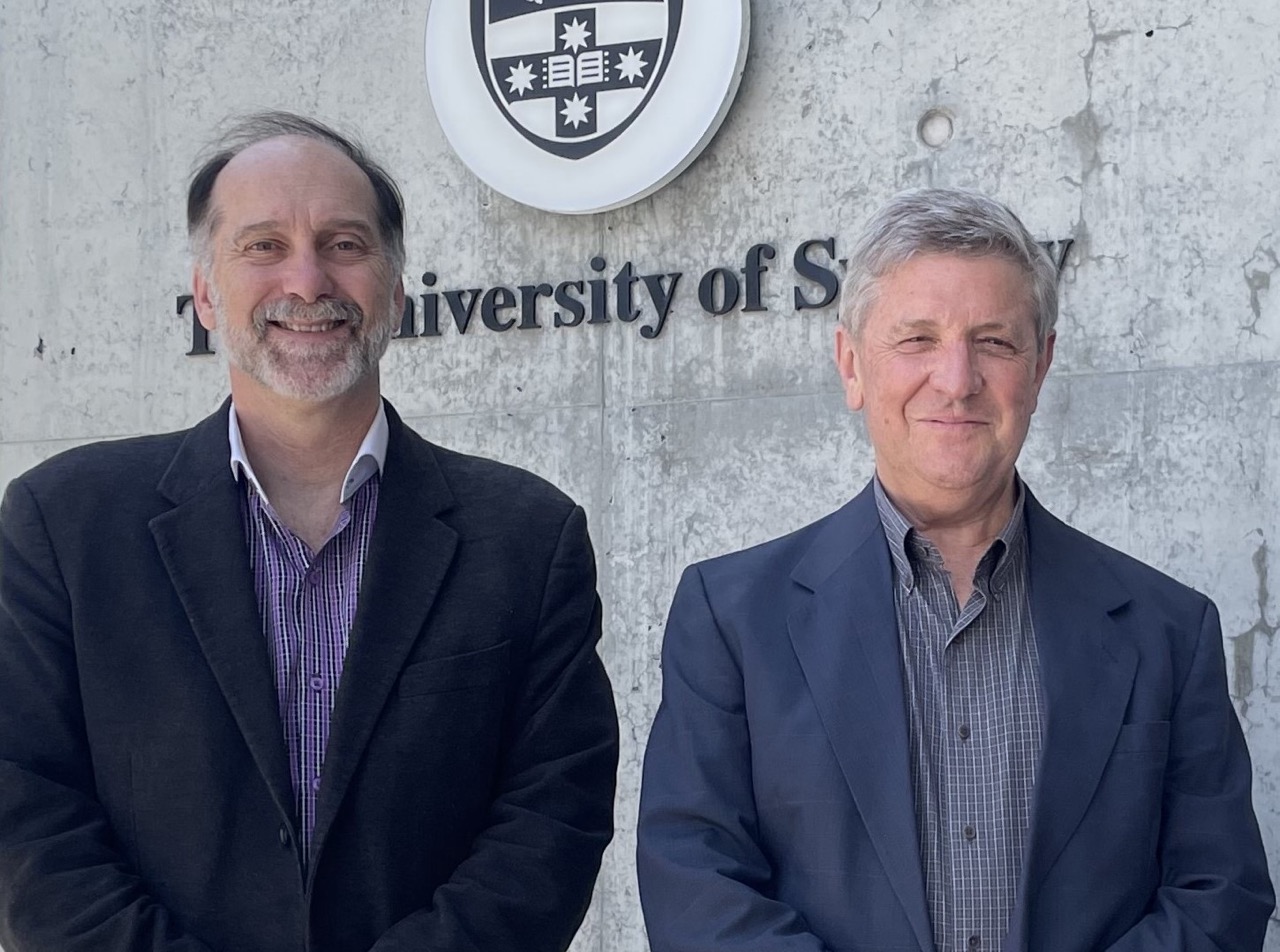
    Accomplished researcher, educator and clinician Professor Ashley Craig has been appointed to the role and will lead a large team of experienced and emerging investigators.

    Dr Mohit Arora steps into the new position of Deputy Head, with Dr Kishan Kariippanon the John Walsh Centre for Rehabilitation Research Manager.

    Professor Craig has paid tribute to his long-standing colleague.

    “Ian Cameron is one of Australia’s leading rehabilitation specialists and a world leader in complex injuries and physical outcomes, compensation issues, and ageing complications,” he said.

    “He was instrumental in the establishment and growth of the John Walsh Centre and has long advocated for rehabilitation to be recognised as a specific research area.

    “He has led many clinical trials related to rehabilitation, disability and ageing, while fostering a new generation of researchers, and encouraging them to develop their research careers.”

    Professor Cameron also played a key role in driving reforms within the CTP injury compensation scheme in NSW and developing best practice guidelines.

    Pioneering Rehabilitation Research

    Appointed in 1997, Professor Cameron’s vision was to develop an interdisciplinary research centre focusing on injury related disability and rehabilitation. The centre was to have both research and education roles, and these strengths were realised over time.

    NSW government funding supported the appointment of academic staff with backgrounds in rehabilitation medicine, neuropsychology, physiotherapy, occupational therapy and clinical psychology and psychophysiology.

    As part of Sydney University’s Faculty of Medicine, the centre had strong links with local, interstate and international researchers. The ties with the university also enabled the establishment of a rehabilitation stream in the Sydney Medical Program.

    Significant research support continues to be received from core funders icare NSW and the NSW State Insurance Regulatory Authority or SIRA. The centre has also been successful in achieving multiple National Health and Medical Research Council/ MRFF grants. Its research focus centres on musculoskeletal injury, spinal cord injury, traumatic brain injury, and psychological injury.

    Many PhD and other higher degree students have been supervised, and some have become leaders in health and related areas. Two are now mid-career researchers in the centre.

    The centre was located at Royal Rehab at Ryde until 2015 when it was renamed the John Walsh Centre for Rehabilitation Research and moved to the Kolling Institute. Increased funding for academic salaries was achieved in 2021 from icare and SIRA, which allowed the appointment of the next generation of researchers and educators.

    A new era

    Today, the centre continues to increase its research impact.

    Professor Craig said that in recent months, researchers have received several top international awards, including the International Spinal Cord Society gold medal, which was presented to Professor Lisa Harvey for her remarkable services to spinal cord injury research over many years.

    “There have been some major publications, including a breakthrough paper on the cumulative health burden following road traffic injuries in BMC Medicine, and Hannah Withers’ award for the best paper at the World Physiotherapy Conference,” he said.

    “The centre continues to encourage the next generation of early and middle-career researchers, with senior rehabilitation researchers holding leadership roles within the Kolling Institute.

    “Our investigators are also strengthening our research and educational collaborations with The University of Sydney, the Northern Sydney Local Health District, the NSW Health Agency for Clinical Innovation and through professional networks.

    “This is crucial as we work to extend our impact, support the community and improve long-term health outcomes.”  

  • Awards point to world-leading cardiac care

    Awards point to world-leading cardiac care

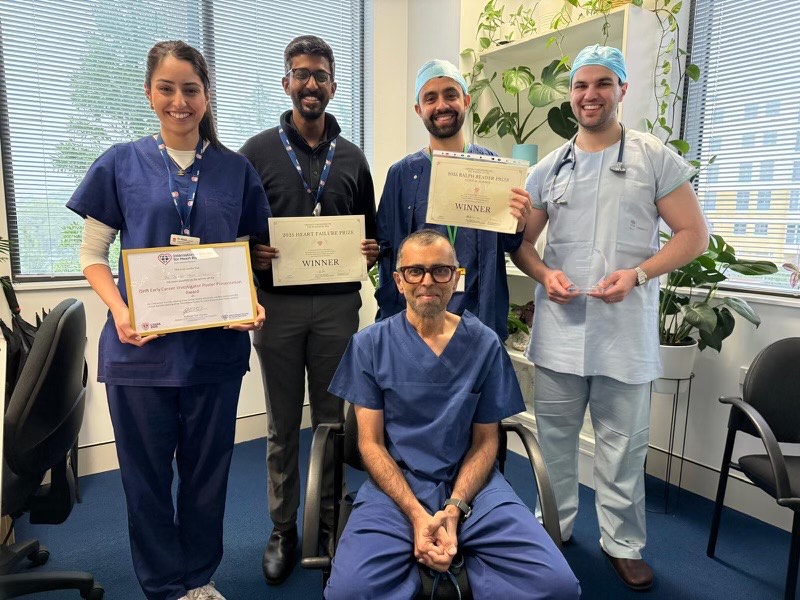
    Highlighting the talent and expertise at Royal North Shore Hospital and the Kolling Institute, a group of clinicians took out a collection of coveted awards at the Cardiac Society (CSANZ) scientific meeting.

    The most prestigious research award for young investigators across Australia and New Zealand was awarded to cardiologist Dr Karan Rao.

    He was presented with the Clinical Ralph Reader Prize for his valuable study of 200 TAVI patients, which used an implantable loop‑recorder to guide post‑procedural care and risk classification.

    Dr Hari Sritharan received the Heart Failure Prize for PREDICT‑TAVI, a machine‑learning model that improves individualised mortality prediction after TAVI.

    Dr Jonathan Ciofani was named Editorial Fellow of the Year for his leadership at Heart, Lung and Circulation, and Dr Neila Litkouhi won Best Research Poster for the DAY‑STAY TAVI study demonstrating the feasibility and safety of same‑day discharge for selected low‑risk patients after TAVI.

    Head of Cardiology at Royal North Shore Hospital Professor Ravinay Bhindi said it was encouraging to see the focus on this group of emerging research leaders.

    “As their research supervisor, I felt immense pride watching Karan, Hari, Jonathan and Neila receive well‑deserved recognition for their relentless dedication to cardiovascular research,” he said.

    “Their work blends rigorous data collection, machine-learning analytics as well as practical innovation. It is already reshaping clinical practice and promises to drive even greater advances in patient care.”

  • Researchers work to reduce debilitating spinal cord injury pain

    Researchers work to reduce debilitating spinal cord injury pain

    When we think of the impact of a spinal cord injury, we tend to focus on the significant limitations with the loss of mobility, but for a large share of people living with this injury, it’s actually the chronic pain which is one of the most challenging issues to manage long-term.

    Neuropathic pain affects about 60 per cent of people with a spinal cord injury. It’s generally felt at or below the zone of injury and is often described as sharp, burning, unbearable and even terrifying.

    It can lead to a range of challenges like depression, catastrophizing or panic thinking, poor sleep, social isolation and reduced physical activity.

    Professor of Rehabilitation Ashley Craig said medications like antidepressants, antiepileptics and opioids are used to treat neuropathic pain, but they offer limited relief and come with a host of side effects.

    “Most medications provide only a third of patients with up to a 30 per cent reduction in their pain, while other non-medication approaches have failed to have any real impact,” he said.

    However, an exciting clinical trial will shortly get underway as a result of a $2.2 million grant through the Medical Research Future Fund.

    The team from the Kolling Institute’s John Walsh Centre for Rehabilitation Research will work with national and international experts to investigate the impact of an innovative approach targeting pain pathways in the brain.

    This new approach will combine direct brain stimulation with an advanced interactive brain-computer neuromodulation therapy.

    Professor Craig said both these interventions are showing some promising results, and we are looking forward to measuring the impact of their combined approach.

    “Our research will aim to confirm if these therapies will offer significant and consistent improvements in neuropathic pain for people living with a spinal cord injury,” he said. 

    “Chronic pain after a spinal cord injury results in an altered cortical neurochemistry and blood flow resulting in cortical dysrhythmia.

    “This is where brain neuromodulation therapy can really help. It involves a non-invasive approach to correcting the dysrhythmia and improving pain.

    “Interactive brain computer therapy is an extension of established treatments, while direct brain stimulation is a well-tolerated form of non-invasive brain stimulation to promote brain plasticity.

    “We are keen to test these approaches through the clinical trial and help provide evidenced based guidelines to relieve neuropathic pain and improve outcomes for those living with a chronic spinal cord injury.”

    This clinical trial will also help researchers at the John Walsh Centre for Rehabilitation Research pursue other innovative psychological interventions to reduce catastrophizing thinking and subsequently neuropathic pain.

  • Unique online resource launched for Menière disease

    Unique online resource launched for Menière disease

    Researchers from the Kolling Institute and the University of Sydney have joined with international collaborators from Spain, America, South Korea and Brazil to develop a website to improve the genetic diagnosis and management of Menière disease.

    The Menière Disease Atlas of Genes and Cells is a free, open resource which can be used by researchers and clinicians globally as a reference dataset for diagnosis and personalised medicine.

    It can be used by researchers to better understand the molecular basis of hearing loss.

    The web portal hosts the reference multi-omic dataset which includes genomics, epigenomics and transcriptomic information.

    Kiana Bagheri, computer science research associate in the Kolling Institute’s Menière Disease Neuroscience Lab, and several Masters students in data science at Macquarie University designed the web portal.

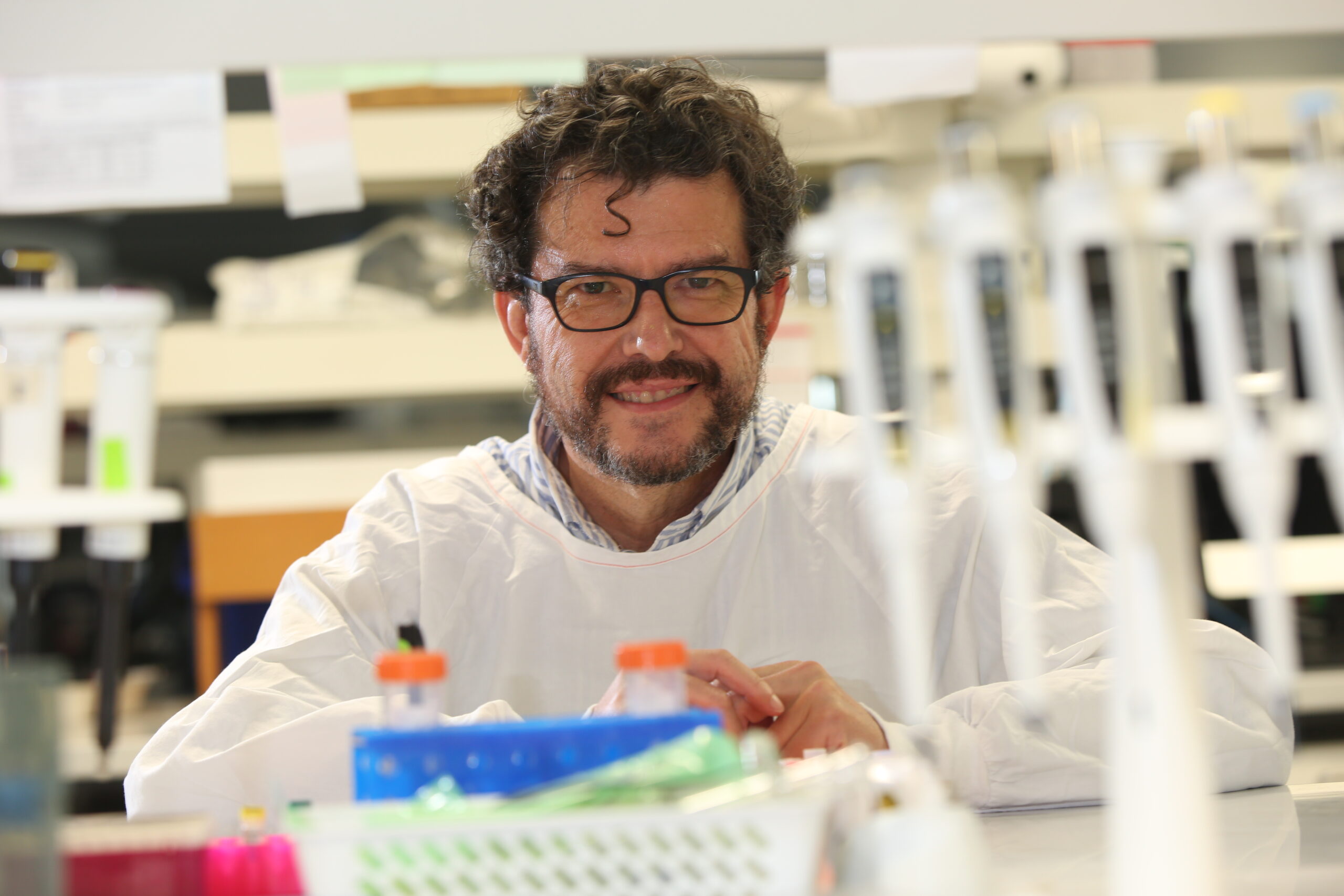
    World leading researcher and head of the lab, Professor Jose Antonio Lopez Escamez said the resource will provide information for diagnosis and management of triggers for the condition.

    “Our collaboration means it will be possible to generate data from patients from across the world to support the genetic diagnosis of the disease.

    “We are working to incorporate data from more countries so we have a broader representation of the population.”

    Inflammation key indicator

    The genomic dataset lists all variants and genes found in 425 patients with Menière disease.

    “By examining the gene expression data through blood samples, we are able to determine the immune response in Menière disease patients.

    “This is a way to understand if the patient has a persistent inflammation associated with the disease, a finding observed in 50 to 60 per cent of patients.”

    He said researchers and doctors could search for genes and immune dysfunction, comparing data from one patient with the dataset to see if other patients have the same genetic mutations and type of immune response.

    In future, this may assist with tailoring therapy to each patient based on their genetic profile to reduce symptoms or cure the disease.

    “This is our goal, a personalised approach,” said Prof Lopez Escamez.

    “Practice can change quickly once most doctors perform genetic and immunological testing.”

    Patients who would like to have their genetic profile assessed can email meniereaustralia@sydney.edu.au

    The web portal can be accessed here: 

    If you have any questions, feedback, or suggestions about the portal, feel free to reach out at mdnl.atlas@sydney.edu.au 

  • Podcast offers insight into the future of healthcare

    Podcast offers insight into the future of healthcare

     A fascinating and informative podcast has been launched showcasing groundbreaking research, innovative healthcare, and inspiring stories from across Northern Sydney.

    Tomorrow’s Medicine Today is an initiative of the Northern Sydney Local Health District and the Kolling Institute, New South Wales’ oldest medical research institute.

    Co-hosted by the Kolling Institute’s Academic Director Professor James Elliott and leading Royal North Shore Hospital anaesthetist Dr Matthew Doane, the series offers an insight into the impressive clinicians and researchers driving innovation and life-changing healthcare.

    It’s a behind the scenes look at the latest advances in healthcare, as well as some inspiring stories from clinicians, researchers and their broader teams.

    Anthony Schembri, Chief Executive of the Northern Sydney Local Health District, said the podcast offers a great opportunity to highlight our strength in research and innovation.

    “Our teams are delivering truly outstanding work in healthcare and medical research,” he said.

    “This podcast is a fantastic platform to share that work with our community and direct the spotlight to the people behind the breakthroughs.”

    Co-host Professor James Elliott said the series demonstrates the depth of talent and discovery in Northern Sydney.

    “Each year, Stanford University publishes a list of the top two per cent of researchers globally, and many of those names are my colleagues right here at the Kolling Institute and the local health district,” he said.

    “That’s what inspired this podcast. It’s a chance to share details of the world-class research and healthcare here in Northern Sydney with a wider audience.”

    The first episode is now available featuring Associate Professor Sarah Glastras on the future of diabetes care and prevention.

    Listen here:

    New episodes will be released fortnightly. You can also check them out on Spotify: 

  • Celebrating over 100 years of innovation

    Celebrating over 100 years of innovation


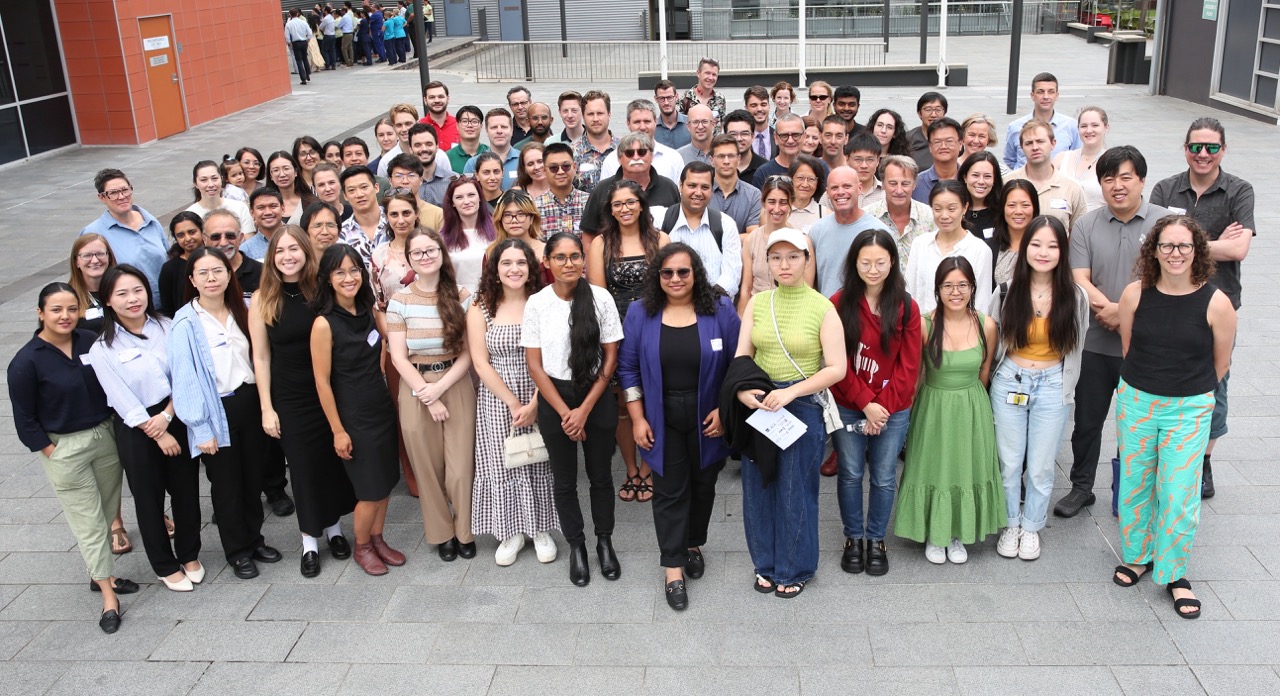
    The inaugural Eva Kolling Research Day was staged within Royal North Shore Hospital, providing the perfect chance to celebrate the vision and generosity of a true pioneer.

    Established in 1920, the Kolling Institute is the oldest medical research institute in New South Wales. It has been at the forefront of cutting-edge research for more than a hundred years, with its founding director Dr W. Wilson Ingram opening the first clinic for diabetes treatment in Australia.

    In 1931, a new two-storey building was officially opened and named the Kolling Institute of Medical Research after businessman Charles Kolling. His widow Eva was a strong supporter of research and made a substantial donation towards the development of the new building.

    The Kolling Institute’s iconic photo features Eva laying a foundation stone. 

    Her vision and the long-standing impact of the Kolling were highlighted at the inaugural research day by Royal North Shore Hospital honorary archivist Catherine Storey OAM, who shared insights into the Kolling’s remarkable journey.

    The institute’s Academic Director Professor James Elliott said the event offered the chance for researchers to engage with visitors, to learn more about the health challenges facing the community, and to share details of their current research.

    “A key part of our research success will depend on the strength of our community ties, including community driven clinical trials and broad community involvement,” he said.

    “I would also like to thank the NORTH Foundation for their unrelenting support, and for raising awareness of the dedicated and skilled clinician researchers within the Kolling Institute.”

    Early-to-mid-career researchers presented a poster display, illustrating their commitment to improving health outcomes, driving new health policy, and realising global reach.

    Two awards were announced on the day, including an Excellence in Clinical Translation Science gong to Temitope Esther Afolabi from the Kolling’s Lab of Ageing and Pharmacology, and an Excellence in Basic Science award to Daisy (Qinrui) Chen from the Renal Research Lab. 

  • International spotlight on talented Kolling neuroscience investigator

    International spotlight on talented Kolling neuroscience investigator

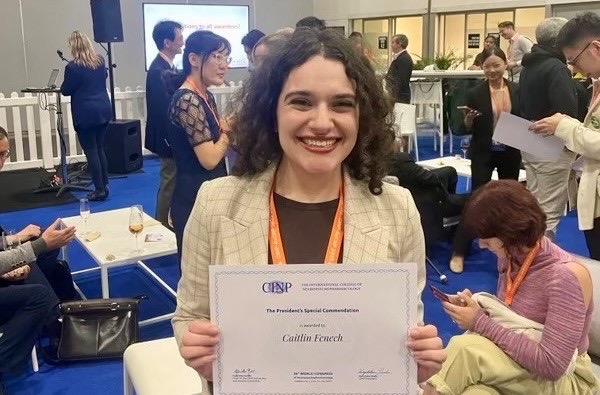
    We would like to congratulate one of our emerging leaders at the Kolling Institute who has received a prestigious award at an international conference in Melbourne.

    In her final year of her PhD, Caitlin Fenech has been presented with a President’s Special Commendation award at the 36th World Congress of Neuropsychopharmacology, CINP-AsCNP 2025.

    Caitlin has also taken to the stage today to deliver a presentation and informative poster.

    She has welcomed the experience and her encouragement award.

    “Receiving recognition at an international conference is very exciting, especially as my PhD story is finishing up, and it has come out as an interesting story,” she said.

    “For the award application, I sent in my abstract and a 150-word statement of the reason why I wished to be considered for the encouragement award.

    “In my statement, I described my passion for neuroscience and eagerness to meet other passionate individuals studying the brain.

    “My research is investigating the role of a group of neurons in the midbrain in chronic pain. We have found a novel pain circuit in the brain that controls both sensory and emotional responses and is changed following chronic pain.

    “This is really exciting as these insights increase our knowledge of how pain and chronic pain are processed in the brain, and will help develop effective treatments for pain conditions in the future.

    “Excitingly, the team will be submitting the data for publication in the next few months.”

    Head of the Neurobiology of Pain Laboratory within the Kolling Institute, Associate Professor Karin Aubrey is thrilled Caitlin’s efforts have been recognised.

    “The findings of Caitlin’s PhD project have advanced our understanding of how the brain senses pain and organises our responses to pain in normal conditions and how it changes when chronic pain develops,” she said.

    “This information is essential for developing medications that address chronic pain specific dysfunctions.”

    “It’s been wonderful to see a talented, emerging researcher recognised in this way.”

    The international conference has brought together experts from research and medical institutions, worldwide regulatory authorities and major pharmaceutical companies.

    The theme this year is Advancing Intelligent Horizons Towards Brain Health, with the presentations are focusing on pain, schizophrenia, depression and addiction. 

  • Beryl and Jack Jacobs Travel Awards offer crucial international opportunities

    Beryl and Jack Jacobs Travel Awards offer crucial international opportunities

    Five emerging researchers will have the chance to develop their skills and raise the international profile of the Kolling Institute thanks to generous funding from the Skipper Jacobs Charitable Trust.

    Academic Director Professor James Elliott said a total of $40,000 will be shared by the early-to-mid career researchers to increase their research impact and strengthen their collaborations.

    Pablo Cruz-Granados: travelling to Spain

    Pablo, a PhD candidate within the Kolling’s Menière’s Disease Neuroscience Lab, will complete a three-month stay with the Otology and Neurotology group at the University of Granada.

    Pablo said I would like to thank the Skipper Jacobs Charitable Trust for this amazing opportunity.

    “During my time, I will be investigating the clinical phenotypes of Ménière’s Disease to gain a better understanding of its presentation in different populations,” he said.

    “I will be expanding my skill set by learning advanced bioinformatic tools to analyse structural variants in DNA which could identify mechanisms underlying the disease.

    “I’m excited to accept the Beryl and Jack Jacobs Travel Award and truly appreciate the generous support. It will be incredibly valuable for my research and upcoming travel.”

    Dr Kenji Fujita: travelling to Denmark and Japan

    Kenji, a postdoctoral research fellow in the Departments of Clinical Pharmacology and Aged Care has helped develop a real-time calculation system to measure frailty in older hospitalised adults.

    During his trip, he will deliver a keynote address at the International Pharmaceutical Federation conference in Copenhagen on innovative approaches to reduce the inappropriate use of medications in older adults.

    He will also meet with research partners in Japan to advance their collaborative project analysing medication data from millions of older adults across community pharmacies in Japan.

    Kenji said he was truly honoured to receive the award.

    “This international travel will enhance my academic leadership profile, while strengthening cross-institutional partnerships and promoting the Kolling Institute’s innovative translational research globally,” he said.

    Dr Noriko Sato: travelling to Washington, USA and Wakayama, Japan

    Noriko is a research fellow within the Kolling who specialises in frailty research in older patients using data from six hospitals in NSW.

    She will present the frailty study at the International Society for Pharmacoepidemiology conference in Washington and chair an international symposium at the Japanese Society of Social Pharmacy.

    Noriko said I am very pleased to have received this award and excited about the chance to present our study at the largest and most prestigious pharmacoepidemiology conference.

    “This travel grant will broaden my expertise, strengthen international collaborations and extend the impact of our Kolling research using data to improve the use of medications in clinical practice,” she said.

    Kate Bryce: travelling to North Carolina and Florida, USA

    Kate, a PhD student with the Osteoarthritis Clinical Research Group at Kolling, investigates the use of digital technologies to encourage behaviour change in the treatment of osteoarthritis.

    Kate will attend the 2026 Osteoarthritis Research Society International (OARSI) World Congress in the USA, where she will meet with experts in behaviour change and implementation science, including collaborators from Duke University, the University of North Carolina at Chapel Hill and Wake Forest University.

    Kate says their expertise will allow us to enhance the broader rollout of the ATLAS clinician eLearning platform for osteoarthritis and a mobile app for knee osteoarthritis named OA Coach.

    “Visiting their universities and learning from their work will help refine digital interventions to support clinician and patient behaviour change more effectively, and I’m grateful to have received this travel award.”

    Bimbi Gray: travelling to Florida and North Carolina, USA

    Bimbi, a PhD candidate also with the Osteoarthritis Clinical Research Group, will attend the 2026 OARSI World Congress and deliver a presentation on the ATLAS program.

    The trip will strengthen partnerships with leaders at the Thurston Arthritis Research Centre in North Carolina and the Arthritis Foundation’s Osteoarthritis Action Alliance. These collaborations will speed the implementation of ATLAS with insights to refine and scale the program for broader adoption.

    Bimbi said she was thrilled to receive the travel award.

    “As an early-career researcher, this experience will bolster my expertise in knowledge translation, implementation science and international collaboration, while also boosting the reputation of our research at the Kolling Institute,” she said.

    Professor Elliott thanked the Skipper family for their generous backing of the program, and the NORTH Foundation for their ongoing support. 

NSWGOV logo