Blog

  • Global recognition for one of our musculoskeletal researchers

    Global recognition for one of our musculoskeletal researchers

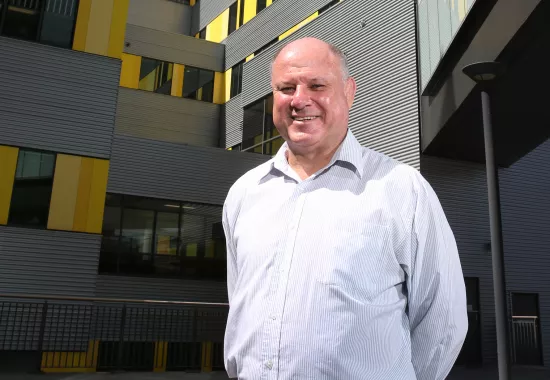
    In a sign of the international impact of our research at the Kolling Institute, a prestigious award has been presented to Professor Chris Little during the World Congress on Osteoarthritis in Denver, Colorado.

    More than 700 researchers and clinicians attended the event where Professor Little was presented with the 2023 Basic Science Research Award by the Osteoarthritis Research Society International (OARSI).

    Chris, who is part of Sydney Musculoskeletal Health, said he was delighted and honoured to receive the award, which acknowledges outstanding research and progress.

    “OARSI is the premier international organisation dedicated to osteoarthritis research, so it is a particularly great honour to receive this award recognising our discovery science into this debilitating disease,” he said.

    Osteoarthritis is a major cause of individual pain and disability worldwide, and is the number one disease contributing to healthcare expenditure in Australia.

    There are currently no treatments to halt osteoarthritis progression and long-term management of associated pain is very poor.

    “We will only be able to develop new treatments once we have a better understanding of the cell and molecular mechanisms that initiate and drive osteoarthritis joint damage and pain.

    “The basic science research that my team and I have been recognised for is influencing the models that are used worldwide to improve the translation of basic science discoveries to new treatments.

    “Our research is making these models more predictive and identifying specific patient groups where the therapies will be effective.

    “We hope that this will have a major impact on osteoarthritis discovery and drug-development research.

    “As the Kolling Institute is located on a healthcare campus at Royal North Shore Hospital, we have the privilege of interacting closely with clinicians, surgeons and the osteoarthritis patients they manage.

    “Importantly, this influences the type of basic science research we do, and ensures that we are addressing the problems our clinicians and patients face in trying to manage osteoarthritis.

    “The OARSI award is recognition by the osteoarthritis research community that the work we are doing is relevant and important, and I’m thrilled that it’s highlighting our exciting progress and my extraordinary team.”

  • Philanthropic funds creating travel opportunities

    Philanthropic funds creating travel opportunities

    A collection of emerging research leaders will have the chance to broaden their research experience thanks to funding provided through the Skipper Jacobs Charitable Trust.

    Close to $40,000 will be shared amongst five early-to-mid career researchers, allowing them to travel nationally and internationally expanding their research and developing new skills.

    It’s anticipated the travel program will not only benefit the Kolling Institute, but will assist international collaborators, and improve health outcomes in Australia and beyond.

    PhD student Lionel Leck from the Cancer Drug Resistance and Stem Cell Program will take part in an internship at the Seoul National University to gain first-hand experience of a new technique looking at the molecular mechanisms of specific cancers.

    Lionel said this method of studying how proteins interact with each other in cancer stem cells will lead to better detection and a greater understanding of their behaviour, which will in turn, help develop new drugs to eradicate them effectively.

    “I’m really humbled and ecstatic to have received this award,” he said.

    “I would like to acknowledge the Skipper Jacobs Charitable Trust and the NORTH Foundation for this valuable and amazing opportunity.”

    Fellow PhD student Pich Chhay from the Cardiovascular Discovery Group will visit the South Australian Health and Medical Research Institute in Adelaide. There she will learn an innovative technique using gas chromatography to measure omega-3 in blood samples as an indicator of early heart disease.

    Pich said the research has the potential to identify those who are susceptible to heart disease, without the traditional risk factors. They can then be provided with prevention strategies including targeted medications.

    “I am delighted to receive this travel grant supported by the Skipper Jacobs Charitable Trust as it will enable me to develop new skills and present the fantastic work that is being done at the Kolling Institute to a wider science community,” she said.

    “This will help foster collaboration with multidisciplinary teams which will be invaluable in translating science through shared networks and resources.”

    Samantha Hefferan from the Murray Maxwell Biomechanics Laboratory will visit the University of Auckland, working in the Department of Chemical and Materials Engineering to broaden her understanding of the ultrastructure of human tendons.

    There she will use the lab’s new imaging methods to explore tendon structure and the impact of disease and injury.

    “It is such a pleasure to be granted this award. Without it I would not be able to participate in this amazing study opportunity.”

    “I look forward to the chance to improve my research skillset while engaging with an exciting new project.”

    “This initiative is part of an ongoing collaboration between the Kolling and an international expert at the University of Auckland. It will broaden my professional development as a scientist, while also enhancing the research partnership between the Kolling and the New Zealand university.”

    Dr Mounir Boudali is an early-career engineer with specialisation in robotics. He will visit the renowned Cleveland Clinic in the USA to enhance his knowledge of using robotics in biomechanical research for joint replacements.

    Mounir will visit the development team behind the Sim Vitro software, the software which is driving the Kolling’s new biomechanical robot.

    “I am thrilled to receive the Beryl and Jack Jacobs travel grant,” he said.

    “Nothing can beat learning from the source. We will learn how to use a sophisticated platform for biomechanical testing, while generating a huge amount of knowledge in orthopaedics and developing important collaborations.”

    Dr Kenji Fujita is an early-career pharmacist with a PhD working in the Ageing and Pharmacology Research Group at the Kolling. Kenji has helped to develop techniques to calculate the frailty index in patients undergoing surgeries, while also leading research on the quality of pharmaceutical care.

    He is keen to share his knowledge and experience with international collaborators and will visit Denmark, Norway and Japan.

    “I am thrilled to have been selected for this grant and incredibly thankful for all the support,” he said.

    “As countries recover from the pandemic and international travel picks up, I am keen to connect with like-minded professionals in my field.

    “I’ll be leading a three-day workshop in Denmark, visiting collaborators in Norway and delivering a presentation in Japan, a country with the highest proportion of older adults in the world.

    “I’m sure my trip will strengthen international collaborations and promote our translational research at the Kolling, while also lifting my international profile.”  

  • New research challenges our understanding of tendon suitability for knee reconstructions

    New research challenges our understanding of tendon suitability for knee reconstructions

    With an increasing number of people suffering anterior cruciate ligament (ACL) injuries, researchers at the Kolling Institute say a broader range of tendon grafts could be successfully adopted by surgeons undertaking knee reconstructions.

    The research, which is the second-largest human tendon study ever published, is prompting calls for tissue banks to review current age restrictions and the range of tendons approved for grafts.

    The study comes as Australia continues to record one of the highest rates of ACL injuries in the world. Interestingly, these injuries are not limited to professional athletes, but are impacting all age groups, particularly children.

    Previous research has highlighted a consistent increase in ACL injuries and knee reconstructions in recent years, with the biggest rise impacting children in the five and 14 age range.

    Researchers from the Kolling Institute’s Murray Maxwell Biomechanics Lab say their study could help increase the number of tendon allografts used by surgeons, and the options for patients.

    Study lead PhD student Dylan Ashton, from the University of Sydney and the Kolling, said if you were to rupture your ACL today and opt for surgical treatment, your orthopaedic surgeon would most likely use your hamstring tendons as a graft to reconstruct your ACL.

    “This approach however, can cause additional pain and create functional deficits. It can also be difficult to source enough healthy tendon in younger patients, and those who have re-ruptured their ACL,” he said.

    “These issues have increased the popularity of using tendon allografts, which are sourced from deceased human tissue donors.

    “Currently there are strict limitations around the type of allografts used, and age limits where tissue banks will only accept donors up to the age of 65 years.

    “We expect our research findings will now prompt a review of these restrictions.

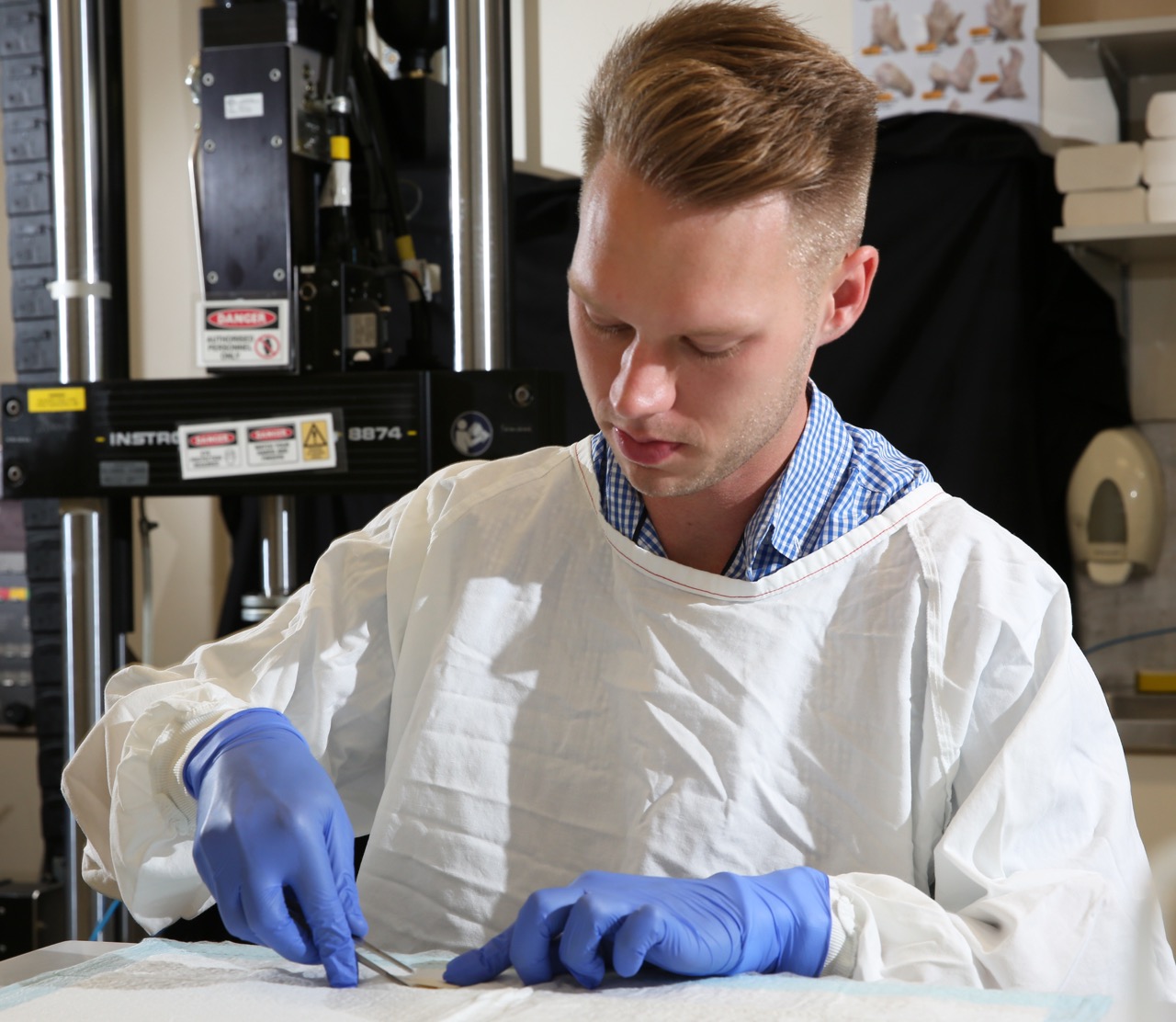
    “We mechanically assessed the strength of nine tendons from the lower leg, three commonly used as allografts, and six new candidates.

    “As part of our research, we investigated the impact of donor age, sex, height and weight on the biomechanical properties of the graft.

    “Importantly, we found that donor age was not associated with weaker tendons, even when including donors into their nineties – and the strength of the new tendons was higher than the strength of tendons which are commonly used as allografts.

    “We also found that even though these new candidates were slightly smaller, five out of the six new tendon options were able to withstand the same or higher force as a hamstring tendon.”

    Laboratory Director, Associate Professor Elizabeth Clarke said our findings are important as it means there could be a much broader range of tendon options available to surgeons and their patients, and this could directly improve outcomes for those who experience this increasingly common ACL injury.

    “We hope this new research will give surgeons and tissue banks greater confidence to consider a wider range of tendons, and a higher age range of tissue donors when allografts are indicated for ACL reconstruction,” she said.

    The team is pleased to have completed this body of research which represents a significant step towards more evidenced-based options for the treatment of ACL injuries in Australia.

    The study’s findings have been published in the prestigious American Journal of Sports Medicine.

  • Kolling researcher recognised with prestigious international award

    Kolling researcher recognised with prestigious international award

    We would like to congratulate Professor Chris Little who has received a highly coveted award for his outstanding commitment to orthopaedic research.

    Professor Little has been elected a Fellow of International Orthopaedic Research at a key international conference in Edinburgh Scotland. The award is only presented every three years, with around 20 people across the globe receiving the accolade.

    Fellows are recognised for their leadership, service, achievement and dedication to the field of orthopaedic research.

    Chris has welcomed the recognition, while acknowledging the support he’s received.

    “I am very proud to have been made a Fellow of International Orthopaedic Research,” he said.

    “While I have received the award, it’s actually a reflection of the wonderful work that has been done by all the researchers in my group over the years.”

    “It is an honour to be nominated by one of the International Combined Orthopaedic Research Societies (ICORS) – and in my case, the US Orthopaedic Research Society.

    “ICORS member organisations are represented across the world. They have a crucial role advancing orthopaedic and musculoskeletal research by promoting basic, translational, and clinical research worldwide.

    “This is an important part of progressing valuable research across the globe and improving long-term health outcomes.”

    Chris was presented with the award by ICORS president Gun-Il Im and FIOR Chair Brian Johnstone, who thanked him for his outstanding leadership and dedication to orthopaedic and musculoskeletal research.

    Chris has a clinical and research career spanning more than three decades. He is the Director of the Raymond Purves Bone and Joint Research Lab at the Kolling Institute and a member of the Charles Perkins Centre.

    Chris is a qualified veterinarian with specialist surgery training. His research focuses on defining the biochemical and molecular mechanisms of joint pathology in osteoarthritis, as well as tendon and intervertebral disc degeneration. 

  • New robot driving innovation in joint surgery

    New robot driving innovation in joint surgery

    A $400,000 robot which may hold the key to significant improvements in hip and knee replacements is now operational at the Kolling Institute.

    Known as KOBRA or the Kolling Orthopaedic Biomechanics Robotic Arm, the new technology delivers an advanced testing facility, while greatly increasing research capabilities.

    It is the largest of its kind in Australia and one of just two SimVitro robots in the country.

    Director of the Kolling’s Murray Maxwell Biomechanics Lab Associate Professor Elizabeth Clarke has welcomed its installation, saying it represents a significant step for orthopaedic and biomedical engineering research, new surgical techniques and medical technologies.

    “KOBRA will be used to simulate complex human movements on joints. This is a new way of working and very few other machines have this capability where they can test joints through a broad range of life-like manoeuvers, like hip flexing, squatting, walking and throwing.

    “We expect to use the robot in the testing of implants, particularly for hip and knee replacements, to gauge how the implants will function and to help ensure the movement is as life-like as possible,” Associate Professor Clarke said.

    The orthopaedic biomechanics robotic is not only expected to advance hip and knee replacements, but is also likely to assist surgeons working to repair chronic shoulder instability. Large numbers of patients are presenting with this injury and the information provided by the robot will help to improve the quality of research and optimise surgical approaches.

    Professor Bill Walter, Royal North Shore Hospital orthopaedic surgeon and Professor of Orthopaedics and Traumatic Surgery at the University of Sydney has witnessed advances in surgical techniques over many years.

    He said the next improvements will be delivered through new technologies provided by robots like KOBRA.

    “We have seen that previous innovations have come through new materials and design. The next innovations however in joint replacement surgery will be delivered through improved biomechanics of the artificial joints,”

    “It’s tremendously encouraging to see this world-leading technology coming to the Kolling. It will assist researchers, engineers and surgeons, and ultimately lead to improved surgical techniques, better placement of implants and good long-term health outcomes for our community.”

    The robot has been made possible following a collaboration between the Northern Sydney Local Health District, the University of Sydney, the Kolling Institute, the NSW Investment Boosting Business Innovation program and the RNSH Staff Specialist Trust Fund. 

  • Kolling researchers present at international congress

    Kolling researchers present at international congress

    Kolling Institute researchers have helped map out exciting future developments for the rehabilitation of hip and knee replacement patients.

    A team of researchers from Sydney Musculoskeletal Health – a partnership between the University of Sydney, Sydney Local Health District and Northern Sydney Local Health District – recently attended the International Society for Technology in Arthroplasty’s annual congress in Hawaii.

    As well as meeting up and sharing ideas with professionals from across the globe, team members gave several presentations detailing their research in the area of technologies in arthroplasty.

    Bill Walter, Professor of Orthopaedics and Traumatic Surgery at the University of Sydney and Royal North Shore Hospital, led the team at the congress and said it had been a rewarding experience.

    “You have the world’s greatest concentration of expert knowledge in this area,” he said. 

    “It’s very exciting meeting people trying to resolve some of the problems facing hip and knee replacement patients.”

    Presentations at the event included the exploration of developing technologies such as Artificial Intelligence, how wearable devices can assist with patient monitoring and advancements in robotics and smart instruments.

    Presentations by the team included their work investigating ceramic hip resurfacing and examining the bio-mechanics of hip and knee replacements and spinopelvic issues.

    The Sydney Musculoskeletal Health Team, whose Kolling researchers are based at RNSH, works with leaders in health on research, clinical services and training.

    About 1.7 billion people worldwide have musculoskeletal conditions. Low back pain, osteoarthritis, neck pain, rheumatoid arthritis and gout are some of the major musculoskeletal disorders and are one of the leading contributors to disability worldwide.

    The annual conference, which was established in 1988, is attended by hundreds of surgeons, scientists, engineers and industry representatives from across the world to advance the technology in arthroplasty.

    “It’s great to be part of this event because it’s a place where you find and meet like-minded people from across the world who ultimately are trying to improve the quality of life for patients in this area,” Professor Walter, a former ISTA President, said.

    “It’s a privilege to be involved.”

  • World Arthritis Day directs focus to the latest research and clinical trial opportunities

    World Arthritis Day directs focus to the latest research and clinical trial opportunities

    Arthritis is the third most prevalent long-term health condition in Australia affecting more than 12 per cent of Australians.

    There is no cure for arthritis, with treatment options largely focused on alleviating pain, including pain relief medication, arthroscopy or joint replacement.

    Australia is at the forefront of clinical research and trials, which is helping the community better manage their arthritis.

    Leading rheumatology clinician researcher Professor David Hunter and Arthritis Australia CEO Jonathan Smithers say it’s important for people to know about their arthritis and how to manage it, and be across studies and trials they may be able to take part in.

    EPIPHA-KNEE trial

    Although sounding contradictory to people with joint pain, physical activity has well established benefits for knee osteoarthritis. However, 90% of people with osteoarthritis don’t meet physical activity guideline recommendations or walk regularly for exercise.

    To better assess the benefits of exercise, the Epipha-knee trial involving nearly 200 people will investigate physiotherapist-led walking, strengthening, and education programs. One group of subjects will receive additional education about osteoarthritis pain and activity to improve their knowledge.

    The trial aims to determine whether the addition of physiotherapist-delivered pain science education is more effective than simply undertaking the individualised program alone.

    Full details and how to register: 

    SCUlpTOR study

    Professor Hunter is leading a 440-person trial into the potential modification of osteoarthritis using mesenchymal stem cells (MSCs) in people over 40 with osteoarthritis in their knees, and who have lived with moderate plus pain for several years.

    Australian stem cell company Cynata Therapeutics is supplying the MSCs for the trial and CEO Dr Ross Macdonald says the trial is one of the world’s largest investigating the use of stem cells for osteoarthritis. “It’s a gold-standard study: a randomised, double-blind, placebo controlled clinical trial designed to discover whether stem cell injections in the knee improve symptoms and slow disease progression to improve underlying disease and therefore quality of life,” he said.

    Full details and registration: 

    Unsupervised online yoga

    We did a lot of it in lockdown and according to a 212-person trial, a 12-week online unsupervised yoga program improved knee stiffness and quality of life. However, the yoga didn’t improve knee pain, nor was it sustained at 24 weeks.

    Therefore, those with osteoarthritis of the knee should still consider other forms of pain management.

    Full study details:   

    Thumb Base Osteoarthritis

    They certainly get a workout as our smartphone addiction grows, and a randomised, parallel trial which compared conservative treatments with an education comparator found that combined treatments improve hand function.

    This 204-person trial split participants with half receiving education on self-management and ergonomic principles, a base-of-thumb splint, hand exercises, and Voltaren 1%, gel. The comparator group received education on self-management and ergonomic principles alone.

    The combination intervention led to improvements in both pain and function compared to education alone.

    Full study details:    

    My Joint Pain

    Education is key, so Arthritis Australia has developed a comprehensive online hub to help people manage their joint pain and live a more active and pain free life. An evaluation of My Joint Pain, found improvements in self-management, lifestyle, and weight reduction.

    Arthritis Australia CEO Jonathan Smithers says “We know that people living with osteoarthritis want more information and options to manage their condition. My Joint Pain includes a wealth of free, evidence-based resources to help consumers live well with arthritis.”

    Users can register with My Joint Pain to undergo a personalised risk assessment, find information tailored to their needs and access a personalised management plan that includes resources on medication, exercise, diet, lifestyle choices, pain management and healthcare providers.

    Registered users can also manage and track their osteoarthritis over time by answering weekly questions to see how they are progressing.

  • New Academic Director shares vision for research success

    New Academic Director shares vision for research success

    Ambitious leadership, functional wellbeing and a passion for collaboration

    An international healthcare destination celebrated for its collaborative spirits and dedication to human health and wellbeing. This is Professor Jim Elliott’s vision for how the collaboration between the Kolling Institute, the Faculty of Medicine and Health and the Northern Sydney Local Health District will evolve.

    Highly respected in the global research community, Professor Elliott was recently appointed the Kolling Institute’s Academic Director. His past careers in professional baseball, physiotherapy and research academia have offered Jim a wealth of wisdom to draw from and have shaped his positive, enthusiastic and empathetic mindset. When listing the advice he has picked up along the way, he includes, “Do simple better” and “Be present, not perfect.”

    Common goals
    In his new role, Jim will work towards the shared strategic goals of the Kolling, the Faculty of Medicine and Health and the NSLHD. These goals also align with the Northern Health Precinct model, leveraging the strength of joint-venture partners and enabling all to reach shared goals. Jim understands that “we share a common vision to support world-leading translational research, increase our research impact and consistently improve health outcomes.”

    In his new role, Jim looks forward to working collaboratively “inside and outside the building” to address and report against the growth and sustainability of the Kolling Institute.

    From his days as a professional baseballer, Jim applies the advice, “Don’t give folks an opportunity to misquote you in the press.” He believes that having a clear and consistent media and communications strategy is crucial for internal and external facing messaging, which also supports the recruitment and retainment of new high-flying faculty, clinical staff and students.

    Together, we will determine how our impact will be measured, recorded, and shared through a strategic and wide-reaching communications plan. Our approach will work towards ensuring the Kolling Institute is an international healthcare destination – one that the NSLHD and the faculty can be proud of.

    Jim’s experience as a Professor of Allied Health makes it feel like a natural fit for him when it comes to putting the Northern Health Precinct’s key theme of Functional Wellbeing into action. Wellbeing represents a complex combination of physical, mental, emotional and social health and is strongly linked to happiness and life satisfaction. Additionally, allied health professionals offer a broad range of diagnostic, technical, therapeutic and direct health services to improve the health and wellbeing of the patients they work with.

    Jim’s vision
    Jim’s respect for interdisciplinary collaboration has grown following a career as a research academic trained as a physiotherapist.

    In short, our successes are a sum of all the parts and that goes a long way towards translation of research into clinical practice where it can positively influence patient-outcomes on a patient-by-patient basis. This requires trusting and productive collaboration between our medical, nursing and allied health colleagues.

    Jim highlights that traditional models of healthcare are delivered and evaluated in isolation, where patients are expected to seek individual services with little or no collaboration between healthcare providers. He recognises that the current health professional educational models, which operate the same way, as unintentional contributors to the development and maintenance of siloed areas of health. They reinforce the lack of valuable interdisciplinary collaboration between staff and students from various professions.

    Jim hopes to meet the need for developing new models of student and staff interaction, education, clinician research pathways and patient service delivery through creating best-practice interdisciplinary student placements. These models will aim to enhance functional wellbeing with the ability to be delivered across a range of settings and populations.

    He predicts that by leveraging the strengths, resources and expertise of the Kolling Institute, the Faculty of Medicine and Health and the NSLHD, we will be well placed to expand our research success.

    This approach will help position us as global leaders in health and medicine, and ensure we deliver research outcomes that ultimately improve the care our community members receive.

    The innovative and diverse nature of this partnership delivers best-practice interdisciplinary models of education and care-pathways by which the NSLHD, the University, NSW TAFE and our local community members can work together.

    A passionate HDR Supervisor
    Among a remarkable list of achievements, Jim has directly improved health practices around neck pain, broadened our understanding of whiplash injuries and embraced cutting-edge technology to progress research in the complex trauma and pain fields. Jim remembers when a clinical mentor of his quoted renowned nurse, Margo McCaffery, ‘Pain is whatever the experiencing person says it is, existing whenever and wherever the experiencing person says it does’. “To me, if we are to believe McCaffery’s statement (and I do), then it means the patient is the closest thing to a gold-standard measure of pain there is,” he adds.

    Jim’s career in research academia and collaborative spirit is influenced by the African proverb, “If you want to go fast, go alone. If you want to go far, go together.” When reminiscing on his favourite memory since joining the University, he recalls when his first PhD student, Dr Danielle Stone, Speech Pathologist at Royal North Shore Hospital, enrolled in 2019. “In the blink of an eye, she received word she had been recommended for the award of the degree of Doctor of Philosophy, WITHOUT FURTHER CONDITIONS!”

    It was very pleasing to witness Danielle’s growth and development in this interdisciplinary environment and the respect she gained from her team. It is also noteworthy, that Danielle completed her PhD studies in the university timeline while working clinically as a speech pathologist at Royal North Shore Hospital and is a mum of three young children.

    Danielle’s thesis, Dysphagia, Dysphonia, and Laryngeal Hypersensitivity following Whiplash, brought together an international team of leading research academics from Speech Pathology, Physiotherapy, Magnetic Resonance Physics, Genetics and Molecular Biology, and Psychology.

    “A true interdisciplinary collaborative,” as Jim hails it, making it only fitting that he respectfully quotes Ginger Rogers as some of the most important advice he’s learnt, “I did everything Fred Astaire did, backwards and in heels.”

  • Researchers investigate if stem cells can reverse osteoarthritis damage

    Researchers investigate if stem cells can reverse osteoarthritis damage

    Our researchers are seeking participants for a large-scale clinical trial pioneering the use of stem cells to treat and potentially cure osteoarthritis.

    The disease is now one of the leading causes of disability in the world, affecting around three million people in Australia alone.

    Royal North Shore Hospital rheumatologist Professor David Hunter is leading the two-year trial which is recruiting around 400 participants over 40 who have painful osteoarthritis in their knees.

    Clinical trial sites have been established at Royal North Shore Hospital and the Menzies Institute in Hobart.

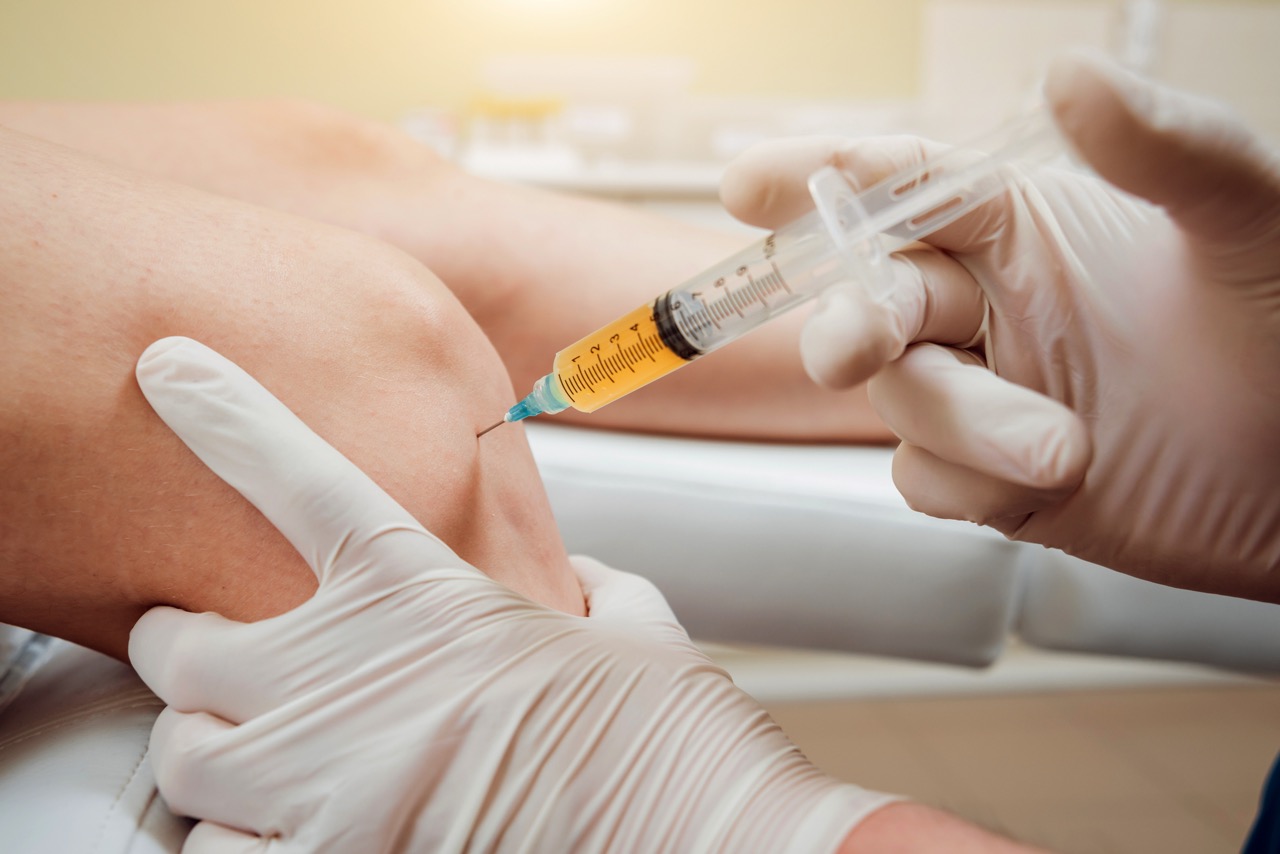
    Participants will receive three injections over a 12 month period, with researchers assessing levels of pain, physical activity and quality of life throughout the trial.

    Professor Hunter, a world-leading researcher based at the Kolling Institute, said we are evaluating whether stems cells can alleviate symptoms, and importantly, modify the underlying disease.

    “We believe stem cells likely have the capacity to regulate inflammation, and hopefully through that process allow the joint to repair itself,” he said.

    “What we’re hoping to do is reduce inflammation in a part of the knee joint known as the synovium, and by doing so, reduce the symptoms of osteoarthritis.

    “We will also be examining whether the stem cell therapy can slow and even reverse the progression of the disease.”

    The study follows some small trials which indicated stem cell therapy may reduce inflammation and help the body repair cartilage. These earlier studies found that injecting stem cells into the affected joint not only reduced the pain, but repaired the damage caused by osteoarthritis.

    “We know there is tremendous interest in stem cell therapy and many products on the market, but to date, there has been no strong evidence to confirm this approach is effective.

    “It’s really important that we have high-quality trials like this one to produce the evidence we need around efficacy and safety.

    “We may then be in a better position to offer those managing the condition a range of treatment options, on top of the existing approach of weight loss and exercise.”

    Further information about the Sculptor study is available at: www.tinyurl.com/sculptor-trial If you are interested in joining the trial, email sculptor.trial@sydney.edu.au or call 02 9463 1855.

  • Researchers seeking closer ties with industry

    Researchers seeking closer ties with industry

    Researchers at the Kolling Institute are increasingly forging partnerships with industry, with the collaborative efforts accelerating improvements in patient care.

    One team which has particularly benefitted from a strong relationship with industry partners is the diverse group from the Murray Maxwell Biomechanics Laboratory.

    Director, Associate Professor Liz Clarke is encouraging others to follow suit, convinced that collaborations with business bring vast opportunities and benefits for researchers.

    “Our partnerships with Allegra Orthopaedics and Bone Ligament Tendon have delivered more than $3 million in funding, on top of crucial employment, education and training opportunities for a large collection of researchers,” she said.

    “Industry ties offer a chance to develop intellectual property for products, while also raising the profile of teams and their expertise. This can lift your reputation not just nationally but internationally as well.

    “Our business partnerships have delivered a wealth of support to our team and it all stemmed from a small industry-led research project several years ago.

    “We were then involved with extensive testing of a kangaroo xenograft for ACL injuries, as well as the product development of a device to help manage problems with spinal discs. Significant progress has been made with both of these projects.

    “Each opportunity brought more funding, more jobs and more chances for our younger researchers to advance their careers.

    “I’ve welcomed the chance to work with our partners on real world problems, where we have brought together experts from business, academia and health, to accelerate the translation of research and deliver tangible improvements in medical technologies and patient care.

    “It’s been a supportive environment and tremendously encouraging to see consistent and timely progress. This is helping to speed up the time it takes to bring advances to patient care, broadly improving the health of our community.

    “I anticipate we will see an escalation in partnerships with industry with the Kolling well-positioned to take advantage of upcoming opportunities. Our researchers have a unique breadth of experience and expertise, along with access to world-leading technology.”

NSWGOV logo