Blog

  • New trial to determine if diet and exercise alone can prevent knee osteoarthritis

    New trial to determine if diet and exercise alone can prevent knee osteoarthritis

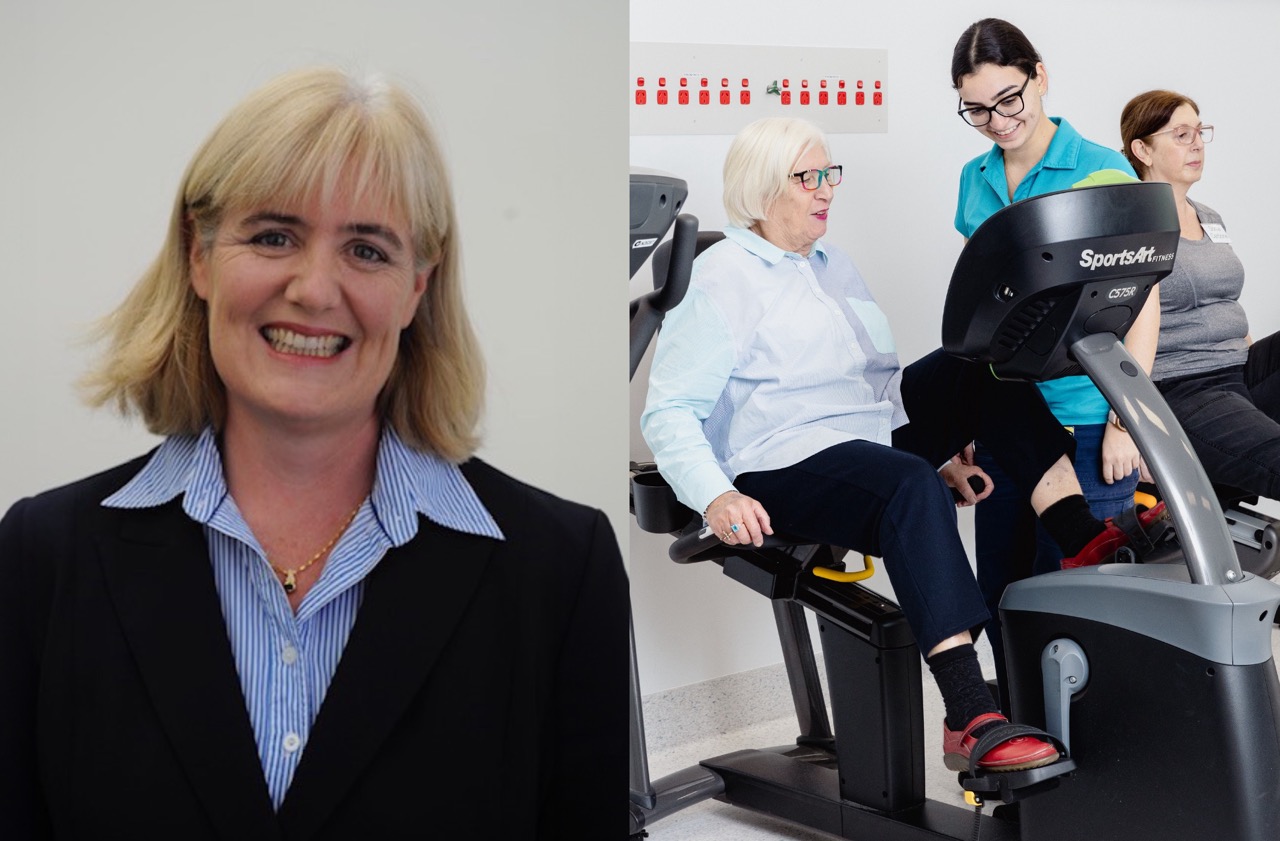
    In one of the first global clinical trials of its kind, researchers have launched a study to investigate if a diet and exercise program aimed at weight loss can prevent the development of crippling knee osteoarthritis.

    The trial will be led by researchers from the University of Sydney and the Kolling Institute in collaboration with an international team from Wake Forest University in North Carolina, Brigham and Women’s Hospital in Boston and the University of North Carolina at Chapel Hill.

    The Osteoarthritis Prevention Study or TOPS will compare the impact of a dietary weight-loss, exercise and weight-loss maintenance program with health education in preventing the development of knee osteoarthritis.

    The condition is the leading cause of disability among adults, particularly impacting women over 50 who are overweight or obese.

    The large-scale clinical trial will be conducted over four years, with participants receiving either a program of regular diet and exercise sessions or a healthy lifestyle program with information sessions, newsletters and text messages.

    Internationally recognised rheumatologist, leading University of Sydney researcher and Royal North Shore Hospital clinician Professor David Hunter said the study is one of the first prevention clinical trials which could help people with occasional knee pain reduce their risk of knee osteoarthritis.

    “Our trial has come at a time when an increasing number of people are turning to medications like Ozempic or GLP-1 agonists to assist with weight loss and the management of knee osteoarthritis,” he said

    “These weight-management medications are a feasible option for managing the condition, but questions remain around safety, cost-effectiveness and the likelihood of weight rebounding.

    “Recent investigations by our team indicate that despite the promising results from trials of GLP-1 agonists, lifestyle interventions remain the first-line, safest and most cost-effective approach for people who are overweight, obese or living with knee osteoarthritis.

    “Building on that research, our clinical trial will aim to confirm the most effective lifestyle strategies to actually prevent knee osteoarthritis before the condition develops.

    “We are looking forward to progressing this valuable area of research and establishing evidenced-based models of care to avoid this increasingly common, disabling condition.”

    The research team is now recruiting 320 women who are 50 years or over, who experience little to no knee pain, and who have a Body Mass Index of 30 or more.

    The study will involve screening visits over 2–4 weeks and yearly assessment visits over four years, as well as regular diet and exercise or healthy lifestyle classes. Participants will receive long-term support towards achieving a healthy lifestyle.

    “Classes are currently available on the Lower North Shore of Sydney and we encourage women who live or work in the area to apply to the program,” said Professor Hunter.

    “Depending on the interest, we could look to start classes in other areas of metropolitan Sydney as well,” he said.

    Funding has been provided by the National Institutes of Health, the Arthritis Foundation, the University of Missouri, Wake Forest University, and Rapid Nutrition PLC.

    This study has been approved by the Northern Sydney Local Health District Human Research Ethics Committee (Ref: 2023/ETH00669).

    You can contact the study team directly with any questions at tops.study@sydney.edu.au 

  • Clinical Trials Champion

    Clinical Trials Champion

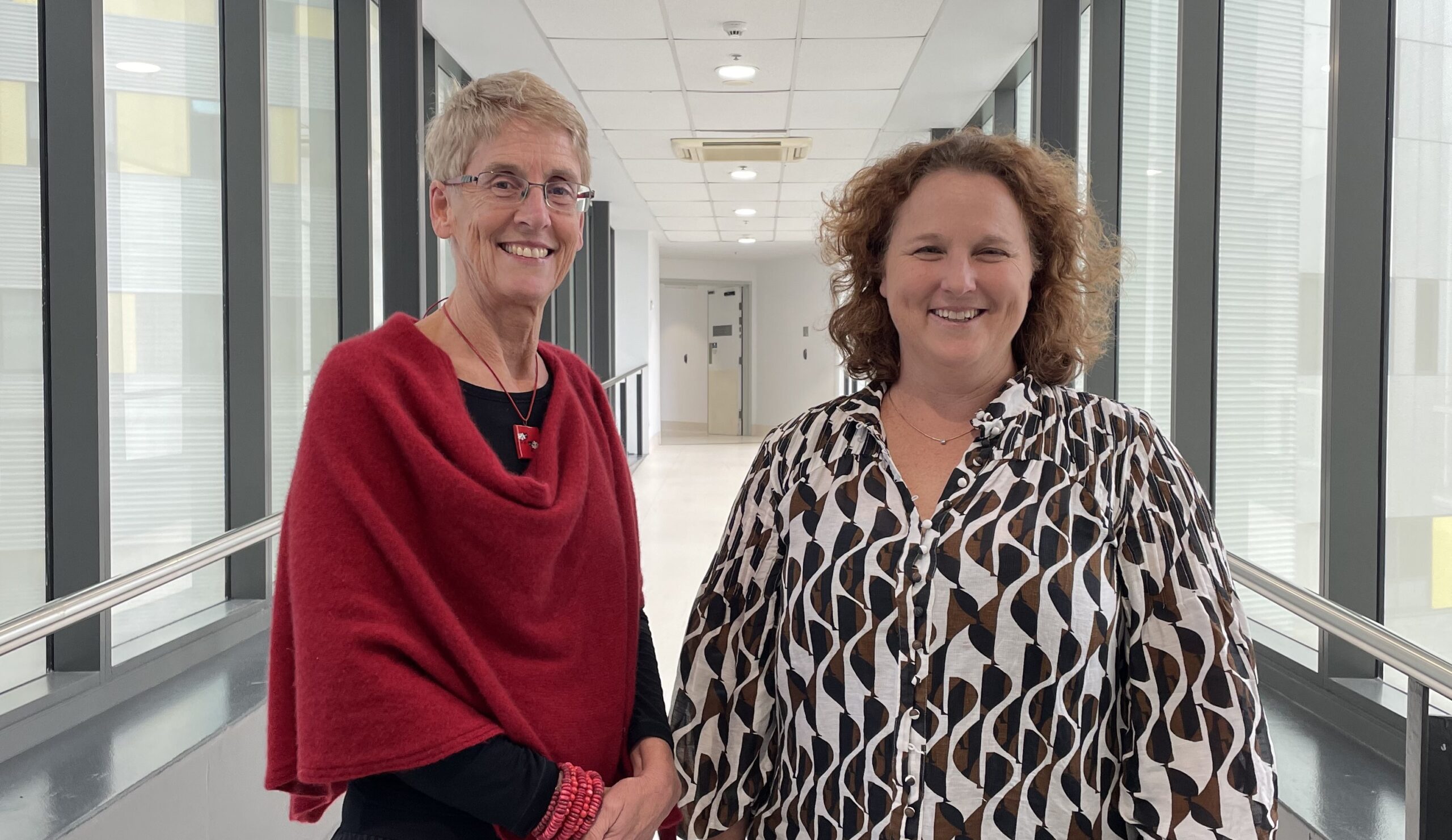
    As a clinical trials program lead at the Kolling Institute, Dr Karen Bracken has long been driven to help researchers conduct trials in the best way possible.

    “Researchers are passionate about their disease area and their patients, and they have so many unanswered questions,” she says.

    Karen comes from a family of clinicians, and while she didn’t want to practise medicine, she was still drawn to working in the health space. She has spent most of her career working on clinical trials.

    She says trials are a multidisciplinary activity that require collaboration between clinicians, statisticians, patients and the trial operations team. She sees her role in operations as the engine that makes the trial run.

    Recruiting patients for trials is a complex area, and Karen completed a PhD on the topic after struggling to recruit men for a diabetes study she was working on.

    “I really wanted to make that trial a success and I was casting around for ideas on how I could recruit,” she says.

    “I realised that everyone was running their recruitment in an evidence-free zone. We often use the kitchen sink method where we brainstorm every single possible thing we can do to recruit participants to our trials and, in the process, waste a lot of time and money.”

    Karen says she worked in a more intentional way, testing different strategies to understand why they did or did not work. They were eventually able to fully recruit for the trial.

    Karen advises colleagues to properly plan their recruitment.

    “Be realistic with yourself about how long it’s going to take and how much money it’s going to cost.”

    She also says it’s important to look at similar trials and speak to those who ran them.

    “There’s a whole world of people conducting trials, and there’s a lot of evidence out there. People just aren’t in the habit of looking for papers written about how to recruit participants.”

    Karen is eager to see greater diversity in trials, which includes recruiting more people who do not have English as their first language, as well as members of the LGBTQIA+ community.

    She says she wants everyone to be able to easily join a trial.

    “It’s important that we lead change in terms of inclusive health care.” 

  • Partnership to drive innovation in genomic science

    Partnership to drive innovation in genomic science

    An exciting partnership between AGRF Ltd (Australian Genome Research Facility) and the University of Sydney and the Kolling Institute will help strengthen genomic capabilities.

    The partnership will see a specialised team and cutting-edge technology located within the institute to progress research in this increasingly crucial field.

    As Australia’s largest provider of genomic services, AGRF supports researchers and organisations to drive discovery across clinical genomics, translational research, agriculture and environmental science.

    AGRF partners with medical and scientific communities to provide world class expertise and high quality genomic data from single-gene analysis to whole genome sequencing and biomarker discovery.

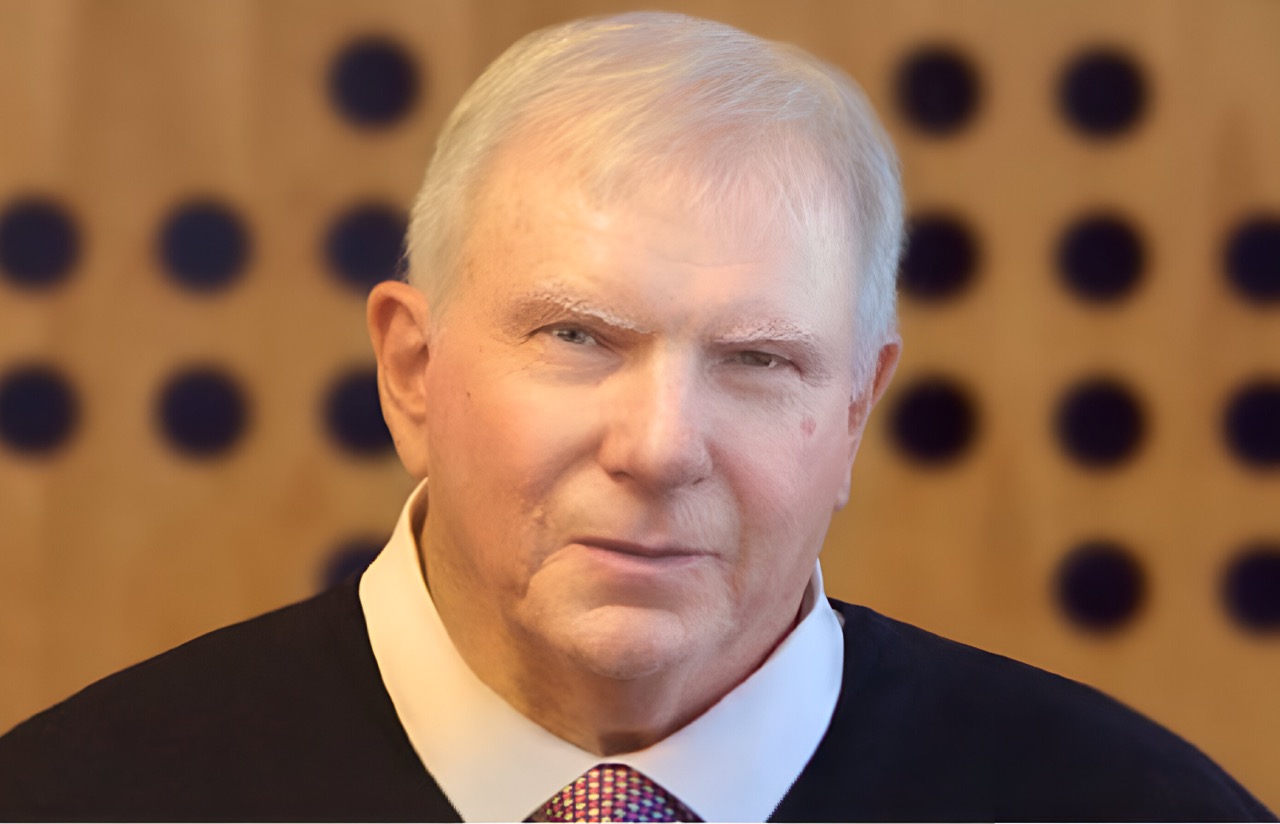
    Professor Robyn Ward, Executive Dean and Pro-Vice Chancellor of the Faculty of Medicine and Health at the University of Sydney welcomed the announcement saying there is a growing awareness of the need for genomics in healthcare.

    “We are proud to partner with AGRF, and we are looking forward to exploring collaborative research and educational opportunities with this leading genomics provider,” she said.

    “By establishing a translational genomics facility within the Kolling Institute, we will be well placed to progress innovative research and directly improve health outcomes.”

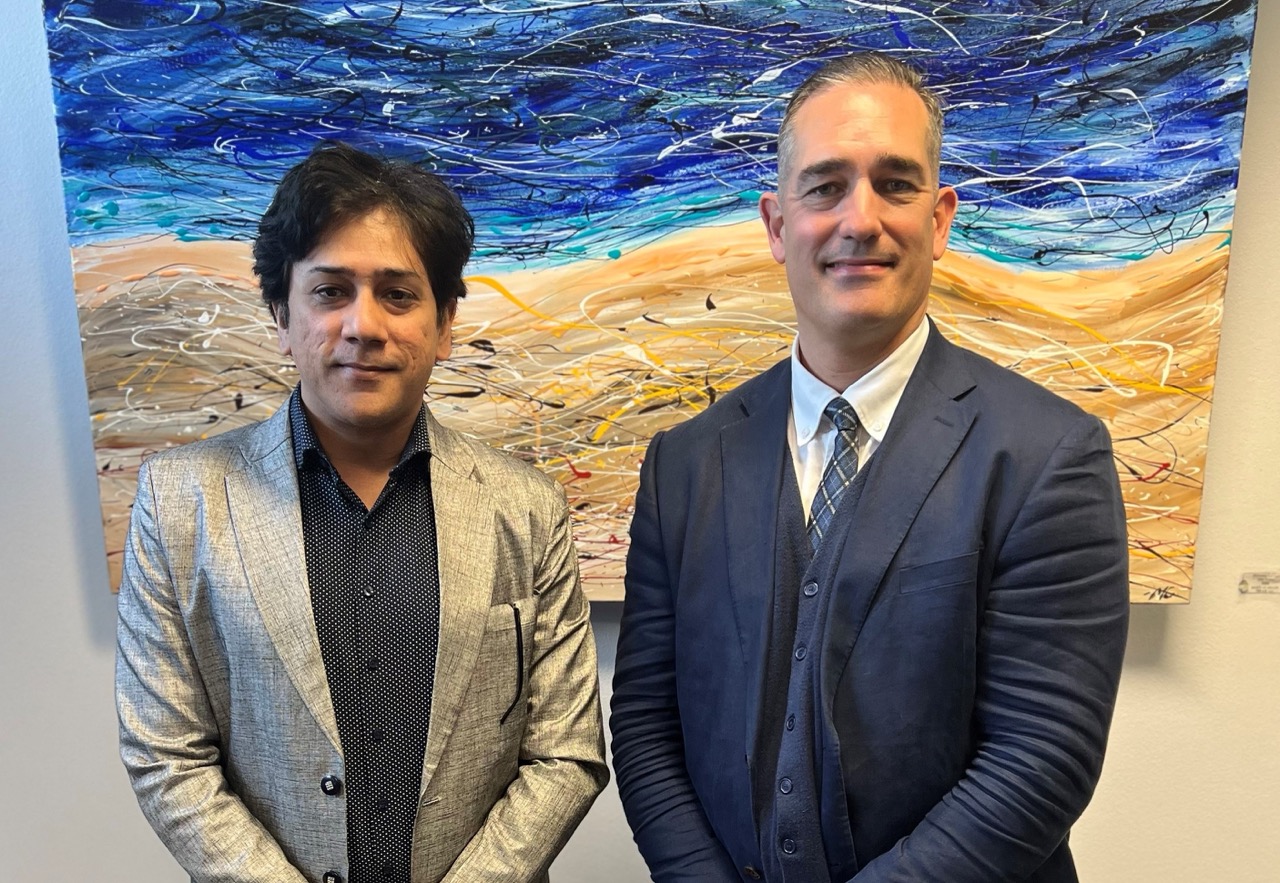
    AGRF Chairman Professor Simon Foote said he was pleased the partnership had been forged, saying genomics will increasingly help address some of society’s biggest challenges.

    “As Australia’s premier provider of genomic solutions, AGRF is delighted to partner with the University of Sydney and the Kolling Institute, where our shared strengths and synergies can advance cutting edge translational research,” he said.

    “This collaboration reflects our commitment to enable genomic discoveries to drive innovation, improve lives and build awareness of the transformative potential of genomics.”

    Northern Sydney Local Health District Chief Executive Adjunct Professor Anthony Schembri said it was an important step to establish the genomics facility within the institute which is located alongside Royal North Shore Hospital.

    “This specialised facility will help speed the translation of genomics research with direct input from leading clinicians and health providers,” he said.

    “The partnership will foster discovery science and a pathway to incorporate new knowledge and capabilities into clinical care.

    “We are excited to see the advancements in care by bringing together our collective strengths.”

    Professor James Elliott, the Kolling Institute’s Academic Director said a collection of our researchers are already working with experts from AGRF.

    “We are looking forward to strengthening that relationship and the exciting opportunities and innovations to come from this strategic partnership,” he said. 

  • Kolling Research Symposium 2024

    Kolling Research Symposium 2024

    We would like to thank everyone involved in the 2024 Kolling Institute Symposium.

    During the event, a diverse collection of researchers detailed the latest progress with their ground-breaking work into kidney and heart disease treatments, bone and muscle conditions, rare cancers, and neurological challenges. There was a focus too on the innovative work to develop a unique wellbeing index.

    Researchers discussed how they’re tapping into technology to deliver care to large numbers of patients, improving outcomes with the latest heart valve devices and investigating the benefits of reducing multiple medications for older patients.

    The symposium brought together researchers, representatives from our joint venture partners (Northern Sydney Local Health District and the University of Sydney) and a growing network of community partners to celebrate our impactful work.

    Academic Director Professor James Elliott said the event featured thoughtful presentations, panel discussions, poster presentations, and an Oxford Debate on the impact of AI on healthcare. 

    “I would like to thank our guest speakers Professor Susan Morton, Director of INSIGHT at the University of Technology and Lifeline Australia ambassador and wellbeing advocate Matt Caruana who shared his personal experience and inspiring perspective,” he said.

    “The symposium provided an opportunity to hear how our researchers are extending our understanding of complex conditions and improving therapies and outcomes.  

    “It also offered the chance to highlight some special awards for a group committed to increasing access to high-quality care, and improving the health and wellbeing of our broader community.

    “I would like to congratulate the 2024 Kolling Institute award recipients for their remarkable commitment to our research success.” They include:

    PhD Supervision Award
    Associate Professor Sonia Saad
    Department of Medicine, Renal Research Laboratory

    HDR Student Award
    Amanda Purcell
    Renal Research Laboratory

    Discovery Science Award Category A
    Dr Nunki Hassan
    Cancer Stem Cell and Biology Laboratory

    Discovery Science Award Category B
    Dr Sumit Sahni
    Bill Walsh Translational Cancer Research Laboratory

    Professional Staff Award Category A
    Susan Smith
    Raymond Purves Bone and Joint Research Laboratory
    Kolling Histology Core Facility

    Professional Staff Award Category B
    Annette McCook
    Research Development Officer 

    Excellence in poster presentation
    Claire Wong

    Excellence in oral presentation 
    Dr Karan Rao

    “Thank you to the many people involved in bringing this large-scale event together to highlight the remarkable and life changing work underway at the Kolling Institute,” said Professor Elliott.

  • Kolling NEWS

    Kolling NEWS

    Our Kolling Institute newsletter brings together a collection of profiles on our impressive researchers. Flip through our flipping book to discover more about our leading research into kidney disease, rare cancers and the use of supplements for osteoarthritis. There’s a focus too on the first steps towards gene therapy for Meniere’s disease, the latest research into treatments for dementia and an innovative program taking musculoskeletal care to the bush.

  • New collaboration to drive world leading research into osteoarthritis treatment

    New collaboration to drive world leading research into osteoarthritis treatment

    An innovative partnership with industry will see our researchers at the Kolling Institute develop evidence-based strategies to improve osteoarthritis management in Australia and globally.

    Consumer healthcare company Haleon is sponsoring a five-year fellowship to investigate the role of supplements in managing osteoarthritis and digital health technologies to improve mobility.

    Osteoarthritis is a leading cause of disability, impacting more than two million Australians and 595 million people globally. It represents a significant public health burden particularly among older populations.

    The fellowship will fund a postdoctoral researcher to work under the guidance of world leading osteoarthritis expert, rheumatologist and researcher Professor David Hunter. Dr Jocelyn Bowden has been awarded the fellowship and is looking forward to broadening our understanding of the use of supplements and innovative digital technologies.

    Professor Hunter said the research collaboration represents a shared focus and investment in improving osteoarthritis management.

    “This is a painful and disabling disease that has a huge impact on the people affected.”

    “A collaborative effort between researchers and manufacturers will drive innovation and hopefully improve the lives of those affected by this disease.

    “Use of supplements and natural ingredients in managing osteoarthritis is an exciting area with a lot of potential. I’m not aware of any other long-term project like this focusing on osteoarthritis.”

    Dr Bincy Thampi, Medical and Scientific Affairs Lead at Haleon ANZ said they were excited to work with researchers to deliver better management strategies for the disabling disease.  

  • Innovation at the Kolling’s core

    Innovation at the Kolling’s core

    In the heart of the Kolling Institute, a world-renowned research centre, a raft of clinical trials is driving the future of healthcare.

    “Clinical trials are intrinsic to research,” says Professor James Elliott, Academic Director of the institute. “They help us test something so that we can better inform care for patients with various conditions who come to our hospitals for treatment.”

    The Kolling Institute has a strong track record in conducting impactful clinical trials. Notably, it has been involved in running multiple trials for those with heart and kidney disease, musculoskeletal conditions and chronic pain.

    Their cancer trials have made significant contributions across various tumour streams, including pancreatic, haematological, breast, and bowel cancers.

    James emphasises that basic science, discovery and scientific innovation are embedded in the Kolling’s over 100-year history.

    “Often, it is those innovations from our basic science laboratories that ultimately inform the mechanisms by which trials are developed.”

    James adds that understanding the ways diseases work allows researchers to target trials more precisely, leading to better patient outcomes.

    However, the need for trials sometimes outpaces scientific understanding.

    “We can’t always wait for a full understanding of a disease,” James notes. “In some cases, we must move forward with trials to push the needle on patient care, even as we continue to explore the underlying mechanisms.”

    A key advantage for the institute is its proximity to one of Australia’s largest tertiary hospitals, Royal North Shore Hospital. This connection provides access to a vast patient population, which is crucial for conducting large-scale clinical trials.

    “We serve over a million patients,” says James, stressing the importance of their “trial as therapy” culture. “We want patients to expect that they may be invited to participate in a clinical trial or research study as part of their care.”

    The Kolling Institute is a world leader in researching osteoarthritis, musculoskeletal conditions, cancer, neuroscience and pain, and cardiac, cardiovascular and renal disorders. 

  • Research driving the development of new implants and improving outcomes

    Research driving the development of new implants and improving outcomes

    Our researchers at the Kolling Institute have joined with international collaborators to develop a revolutionary implant for hip replacements.

    The ceramic implant, designed for hip resurfacing procedures, doesn’t require the long stem used in common hip replacements.

    This means surgeons are not removing the bone which they would generally remove for a hip replacement.

    Professor Bill Walter, a leading surgeon at Royal North Shore Hospital and investigator with the Murray Maxwell Biomechanics Lab, said that with this approach, the hip feels more natural and is a bit stronger, particularly for activities such as running and jumping.

    “Importantly, feedback from patients has informed the development of the device,” he said.

    “Patients reported excellent pain and symptom relief, and 45 per cent of patients returned to high-level sports.”

    Female patients also benefitted from the procedure, marking a significant development for the surgery.

    “In the past, resurfacing has not worked well in female patients but with the ceramic on ceramic resurfacing, we’re getting very good results.”

    The ceramic device also alleviates concerns around metal toxicity with the traditional implants.

    Currently about 50,000 hip replacements are performed in Australia each year, with resurfacing procedures representing less than one per cent.

    Professor Walter said that trend is expected to change, with up to 50 per cent of patients potentially eligible for resurfacing.

    Full TGA approval is expected this year, with further studies to examine the long-term results of the ceramic resurfacing implants. 

  • Research to improve postmenopausal women’s bone and muscle health

    Research to improve postmenopausal women’s bone and muscle health

    Kolling Institute researchers Dr. Shejil Kumar and Professor Rory Clifton-Bligh have embarked on a pioneering study to enhance bone health in postmenopausal women.

    The study, titled “Combining Osteoanabolic Pharmacotherapy with Osteogenic Exercise in Postmenopausal Women with Osteoporosis and Osteopenia “The ROLEX-DUO Study,” is set to recruit 100 women aged 50 and above.

    The primary focus of the study is to assess the effectiveness of combining exercise plus medication in improving bone and muscle health.

    “We know that exercise has benefits for bone and muscle health, and there are effective treatments available to strengthen bones,” Dr. Kumar said.

    “However, what we don’t know is whether combining exercise plus medication at the same time can lead to even greater improvements in bone and muscle health than treating with either alone.”

    The study will utilise a medication that has been shown to increase bone density and reduce fracture risk in previous international studies. Participants will be randomly assigned to different treatment groups, including a supervised group class focusing on weightbearing exercises and a home-based exercise program concentrating on mobility and balance.

    “We are investigating if this combination will be more effective and could change the way we treat and prevent osteoporosis going forward.”

    Postmenopausal women between the ages of 50 and 80 are encouraged to participate, as they are at high risk of poor bone health. The study aims to assess how different combinations of treatment improve bone density, muscle strength, body composition, physical function and risk of falls.

    The study will primarily be based at Royal North Shore Hospital.

    If you would like to be part of the study, you can register here:

    If you have any queries, you can email Dr. Kumar at shejil.kumar@health.nsw.gov.au  

    The study has obtained ethics approval from the NSLHD ethics committee (2022/ETH01794).

  • Special Research Feature – Year in Review 2023

    Special Research Feature – Year in Review 2023

    Our Kolling Institute Year in Review profiles our innovative and life-changing research across the Kolling Institute.

    Our researchers are driving investigations into some of the most challenging health conditions from heart and kidney disease to musculoskeletal conditions, chronic pain, cancer and neurodegenerative disorders.

    Our teams have continued to increase their research impact, while forging significant new collaborations. They have maintained a commitment to research excellence, while securing large-scale funding, receiving high profile awards and publishing impactful studies.

    We hope this feature will give you a better insight into our impressive and unique teams, and their ground-breaking research. We would like to extend our thanks to our many wonderful donors who help us deliver real improvements to the care we all receive. Click here to read the feature:

NSWGOV logo