Blog

  • Recognition for research excellence

    Recognition for research excellence

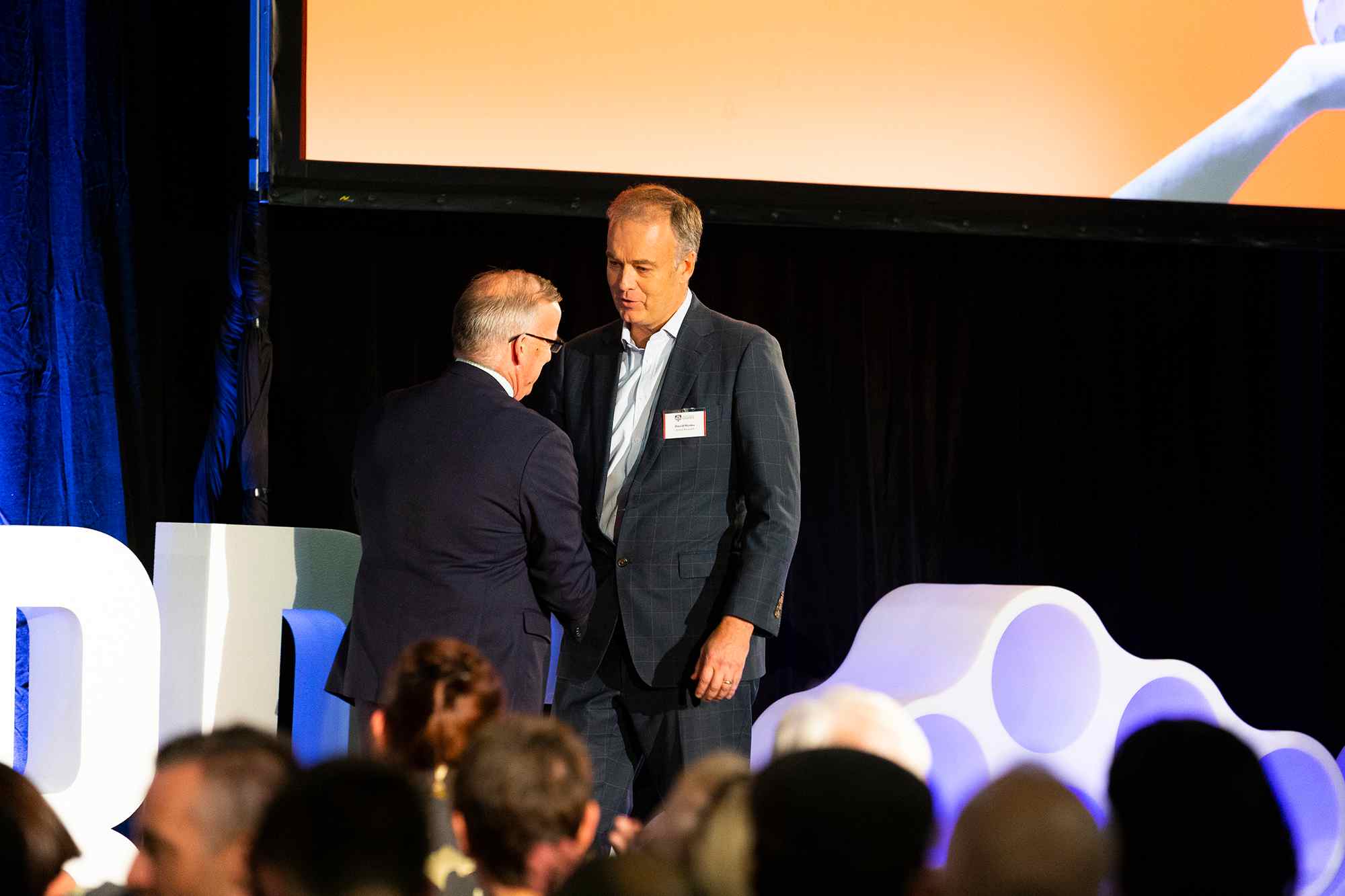
    Congratulations to Professor David Hunter who’s received a prestigious University of Sydney Vice Chancellor’s award for outstanding research.

    The Kolling researcher and rheumatology clinician is regarded as the world’s leading expert in osteoarthritis.

    Professor Hunter’s research has had a significant and lasting impact in the field of osteoarthritis, influencing clinical practice and access to evidence-based care. His work has helped to ensure low-value, fragmented care has been replaced with a co-ordinated, patient-centred system.

    The Vice-Chancellor’s Awards for Excellence celebrate exceptional performance, recognising a researcher’s impact, leadership and engagement with industry and the community.

    Professor Hunter welcomed the award, and acknowledged his team.

    “It takes a village to make a difference to a disease such as osteoarthritis, and I am privileged to work with an amazing team who are the real winners of this award,” he said.

  • Northern Sydney leading the way with arthritis research and clinical care

    Northern Sydney leading the way with arthritis research and clinical care

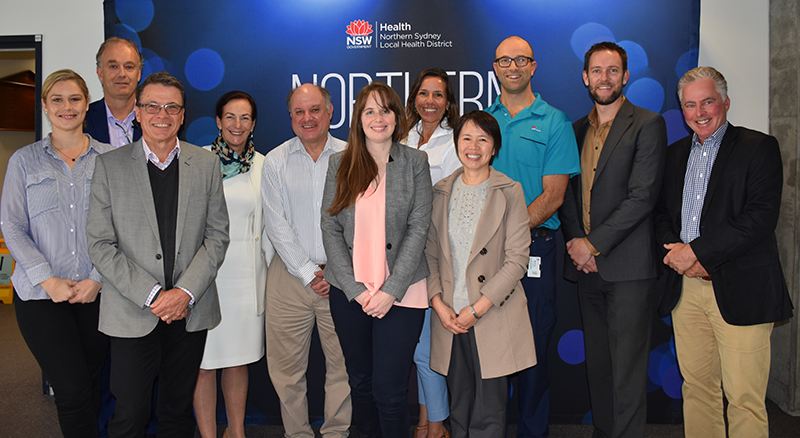
    The latest exciting research into musculoskeletal disease has been unveiled during the inaugural Northern Lights showcase.

    Close to 200 people attended the jam packed event in the Kolling auditorium, including clinicians, researchers and many people living with arthritic pain.

    RNSH Head of Rheumatology Professor Lyn March addressed the event, detailing the devastating cost of the disease to individuals and the broader community, with many sufferers forced out of the workforce prematurely.

    “Musculoskeletal disease is the leading cause of disability in Australia, affecting around seven million people and costing about $6 billion to the health budget,” Lyn said.

    “It affects men, women and children of all ages in many different ways. Every patient will have a different journey, and in many cases, a different response to individual treatments.”

    Rheumatology clinician researcher Professor David Hunter described how healthcare is evolving from the world leading research being undertaken within the Kolling Institute and at Royal North Shore Hospital.

    “We have a living lab here, developing research and incorporating it directly into clinical care, and improving the lives of those living with these diseases.

    “We have strong interactions with scientists and researchers as well as a great knowledge about the best care for musculoskeletal conditions,” David said.

    Researchers discussed the value of medication and surgery, while focusing on the long term benefits of a multi-disciplinary approach with evidence-based strategies, such as the Osteoarthritis Chronic Care Program.

    Researchers also confirmed new exciting stem cell technology will be trialled over the next few years, where stem cells will be injected into problem areas to alleviate pain.

    In the short term however, there’ll be a greater focus on community education, including the use of regular text messages to help patients manage their conditions.

    The national Arthritis Biospecimens Bank – A3BC – is also being set up to identify the right treatments for patients, as well as the causes for arthritis and possible cures.

    The inaugural Northern Lights showcase was part of a series highlighting the remarkable advances in research and innovation across the Northern Sydney Local Health District.

    The next event will be held in the coming months.

  • New medication may offer long-acting relief for those with knee osteoarthritis

    New medication may offer long-acting relief for those with knee osteoarthritis

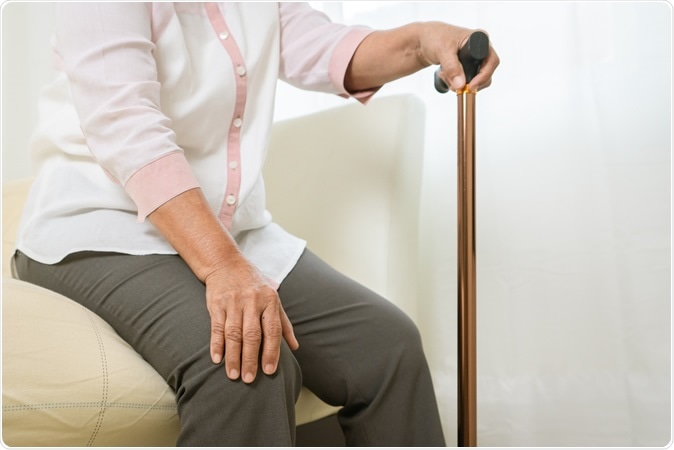
    A study has been launched to investigate the benefits of a new injectable medication for those with knee osteoarthritis.

    The condition can have a profound impact on a person’s life, leading to physical limitations, ongoing pain and joint instability.

    There are broader implications too which can make it difficult for those with the condition to engage in social, community and occupational activities.

    Significant resources and expertise are being directed towards the disease, and a number of clinical trials and research studies are underway to develop new interventions and tests that may alleviate the symptoms of the condition.

    One of these promising trials is being led by Professor David Hunter and his team from the Kolling Institute and Royal North Shore Hospital.

    The Excellence Study will evaluate a new injectable medication that has been formulated to provide both short-term and long-acting relief from pain, inflammation and mobility impairments.

    Many current medications for knee osteoarthritis offer only short-term relief, while this new medication may offer relief for up to six months. 

    Volunteers are being recruited for the study and further community support is needed.

    Details about the eligibility criteria can be found in the registration survey form.

    Interested volunteers can click on the link provided in the form to register their interest for the study.

    To find out more: https://redcap.sydney.edu.au/surveys/?s=4T7XWDW33T

    Contact: Tatyana Fedorova 9463 1774

  • Global focus on musculoskeletal health

    Global focus on musculoskeletal health

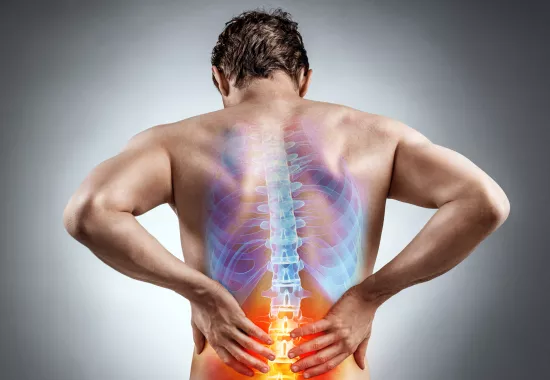
    Kolling researchers are part of an international team calling for musculoskeletal health to become a global priority, addressing a current lack of funding for the world’s leading cause of pain.

    The project team found the management of musculoskeletal health is under-prioritised despite its impact on the community, and devised an action plan to address this gap.

    Led by Professors Andrew Briggs and Helen Slater from Curtin University, the project involved Professor Lyn March from the Kolling Institute and Dr Carmen Huckel-Schneider and Swatee Mishrra of the University of Sydney, as well as a broader international team.

    It mapped the current landscape for musculoskeletal health, identified trends in national health policies and developed a blueprint to prioritise musculoskeletal health. This work was informed by stakeholders from more than 70 countries.

    Professor Briggs said more than 1.5 billion people live with a musculoskeletal condition, such as low back pain, fractures, arthritis and osteoporosis, but despite calls to action, health systems continued to under-prioritise these conditions.  

    “One of the limiting factors to reform is that no global-level strategic response to the burden of disability has been developed – until now. This initiative will be critical to guiding global-level work in health reform, such as that undertaken by the World Health Organization,” Professor Briggs said.

    “This blueprint will provide guidance which countries, including low and middle-income countries, can then adapt to suit local needs and priorities.”

    Professor March said the framework focuses on critical areas for reform, including community education; leadership and governance; health financing models; service delivery models that support integrated and person-centred care; equitable access to medicines and technologies; building capacity in the health workforce to deliver the right care at the right time; population health surveillance; and research and innovation.

    “The blueprint is practical and can inform what a global strategic response might look like and how countries can respond to musculoskeletal health in order to arrest the increasing global burden of disability and cost,” she said.

    The project was commissioned by the Global Alliance for Musculoskeletal Health and funded by the Bone and Joint Foundation, with additional funding provided by Curtin University.

    The international team of researchers are from Curtin University, the Kolling Institute, University of Sydney, University of Toronto, Canadian Memorial Chiropractic College, Kathmandu University and the University of Southern Denmark.

    The report ‘Towards a global strategy to improve musculoskeletal health’ can be found at the Global Alliance for Musculoskeletal Health

NSWGOV logo