Blog

  • The Kolling welcomes Australia’s leading genomics provider to the institute

    The Kolling welcomes Australia’s leading genomics provider to the institute

    Researchers within the Kolling Institute will shortly have the chance to strengthen their genomics capabilities, with AGRF – the Australian Genome Research Facility – establishing a laboratory within the institute.

    The new lab is part of an exciting partnership between AGRF, the University of Sydney and the Kolling which will see a specialised team and cutting-edge technology located within the institute.

    As Australia’s largest provider of genomic services, AGRF supports researchers and organisations to drive discovery across clinical genomics, translational research, agriculture and environmental science.

    The Kolling’s Academic Director Professor James Elliott welcomed the collaboration saying we are proud to partner with AGRF.

    “By establishing a translational genomics facility within the Kolling Institute, we will be well placed to progress innovative research and directly improve health outcomes,” he said.

    “The partnership will not only benefit our researchers within the Kolling, but clinicians and researchers across Northern Sydney. It will help speed the translation of genomics research into patient care with direct input from clinicians and health providers.

    “The new lab will foster discovery science and a pathway to incorporate new knowledge and capabilities into clinical care.

    “We are looking forward to exploring collaborative research and educational opportunities with the leading genomics provider, and we are excited to see the advancements in care this partnership will deliver.”

    AGRF provides world-class expertise and high-quality genomic data from single-gene analysis to whole genome sequencing and biomarker discovery.

    From the time of opening, AGRF will offer its full suite of genomics and proteomics services to Kolling researchers, including project consultations, sample drop-off, high-quality sequencing, genotyping, transcriptomics, epigenomics, Olink proteomics and bioinformatics.

    These services will be backed by AGRF’s national network of specialist laboratories and technical experts.

    The on-site presence will make it easier for investigators to connect directly with AGRF’s team for project planning, study design and genomics research support.

    All services provided through AGRF’s national network can be accessed via the Kolling site, with sample drop-off and project co-ordination available.

    AGRF’s team will work closely with Kolling researchers to identify future opportunities for expanded workflows, pilot projects, and new technology implementations.

    Head of Strategic Business Desley Pitcher said we are thrilled to be joining the Kolling Institute community.

    “Our mission has always been to power discovery through genomics, and we look forward to partnering with Kolling researchers to bring that to life,” she said.  

    If you would like to know more, contact Oliver Distler – AGRF Senior Account Manager oliver.distler@agrf.org.au

  • Kolling NEWS

    Kolling NEWS

    Our Kolling Institute newsletter brings together a collection of profiles on our impressive researchers. Flip through our flipping book to discover more about our leading research into kidney disease, rare cancers and the use of supplements for osteoarthritis. There’s a focus too on the first steps towards gene therapy for Meniere’s disease, the latest research into treatments for dementia and an innovative program taking musculoskeletal care to the bush.

  • Recognition for research excellence

    Recognition for research excellence

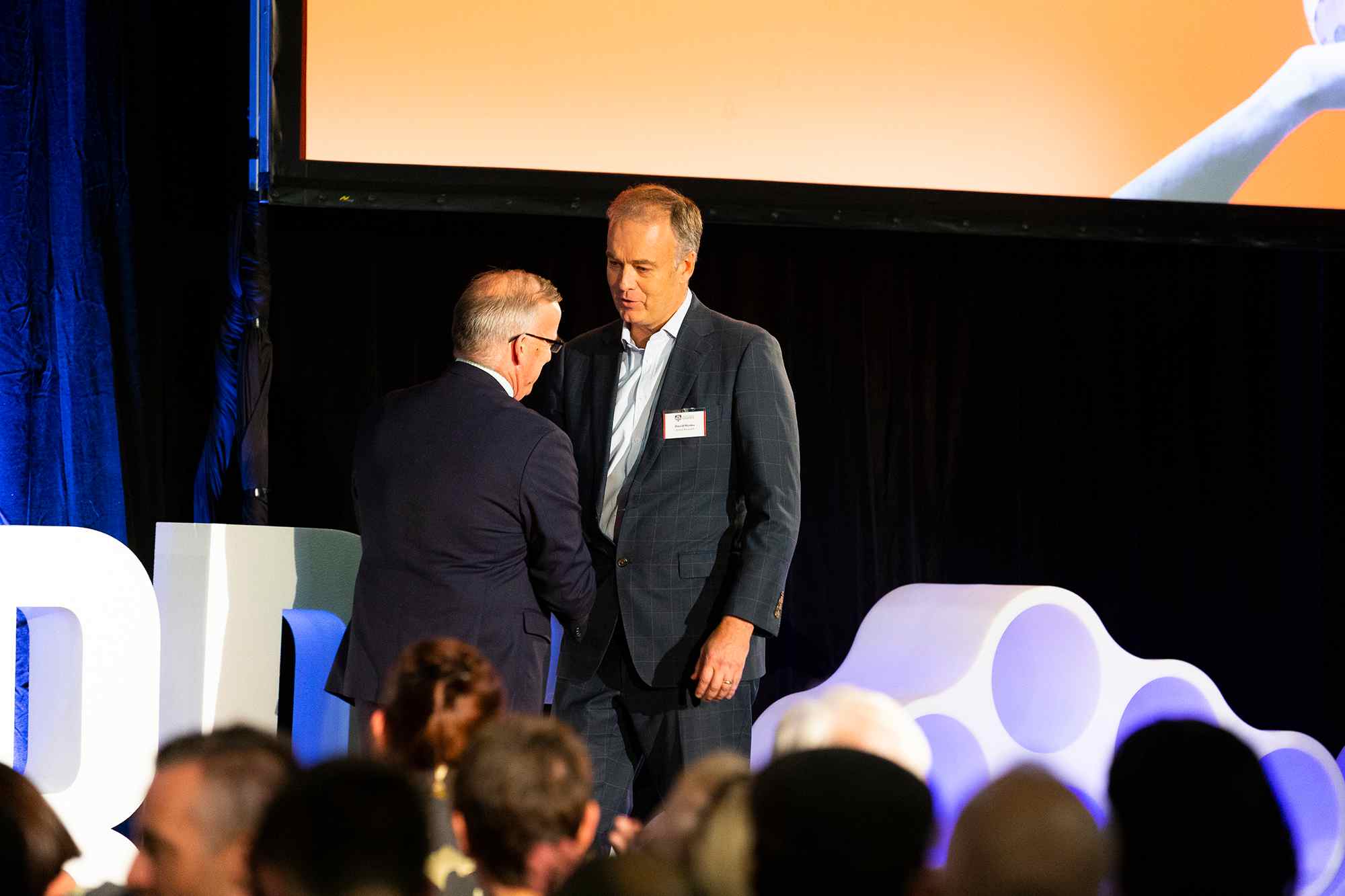
    Congratulations to Professor David Hunter who’s received a prestigious University of Sydney Vice Chancellor’s award for outstanding research.

    The Kolling researcher and rheumatology clinician is regarded as the world’s leading expert in osteoarthritis.

    Professor Hunter’s research has had a significant and lasting impact in the field of osteoarthritis, influencing clinical practice and access to evidence-based care. His work has helped to ensure low-value, fragmented care has been replaced with a co-ordinated, patient-centred system.

    The Vice-Chancellor’s Awards for Excellence celebrate exceptional performance, recognising a researcher’s impact, leadership and engagement with industry and the community.

    Professor Hunter welcomed the award, and acknowledged his team.

    “It takes a village to make a difference to a disease such as osteoarthritis, and I am privileged to work with an amazing team who are the real winners of this award,” he said.

  • Northern Sydney leading the way with arthritis research and clinical care

    Northern Sydney leading the way with arthritis research and clinical care

    The latest exciting research into musculoskeletal disease has been unveiled during the inaugural Northern Lights showcase.

    Close to 200 people attended the jam packed event in the Kolling auditorium, including clinicians, researchers and many people living with arthritic pain.

    RNSH Head of Rheumatology Professor Lyn March addressed the event, detailing the devastating cost of the disease to individuals and the broader community, with many sufferers forced out of the workforce prematurely.

    “Musculoskeletal disease is the leading cause of disability in Australia, affecting around seven million people and costing about $6 billion to the health budget,” Lyn said.

    “It affects men, women and children of all ages in many different ways. Every patient will have a different journey, and in many cases, a different response to individual treatments.”

    Rheumatology clinician researcher Professor David Hunter described how healthcare is evolving from the world leading research being undertaken within the Kolling Institute and at Royal North Shore Hospital.

    “We have a living lab here, developing research and incorporating it directly into clinical care, and improving the lives of those living with these diseases.

    “We have strong interactions with scientists and researchers as well as a great knowledge about the best care for musculoskeletal conditions,” David said.

    Researchers discussed the value of medication and surgery, while focusing on the long term benefits of a multi-disciplinary approach with evidence-based strategies, such as the Osteoarthritis Chronic Care Program.

    Researchers also confirmed new exciting stem cell technology will be trialled over the next few years, where stem cells will be injected into problem areas to alleviate pain.

    In the short term however, there’ll be a greater focus on community education, including the use of regular text messages to help patients manage their conditions.

    The national Arthritis Biospecimens Bank – A3BC – is also being set up to identify the right treatments for patients, as well as the causes for arthritis and possible cures.

    The inaugural Northern Lights showcase was part of a series highlighting the remarkable advances in research and innovation across the Northern Sydney Local Health District.

    The next event will be held in the coming months.

NSWGOV logo