Blog

  • Researchers urge caution around breakthrough Alzheimer’s drug

    Researchers urge caution around breakthrough Alzheimer’s drug

    As we live longer and there are more people living into old age, there is an increasing number of people developing dementia with more than 400,000 people currently living with the condition in Australia.

    Dementia is now the leading cause of death in Australia, and Alzheimer’s disease is the most common cause of dementia.

    Dementia Australia warns that in the absence of a significant medical breakthrough, more than 6.4 million Australians will be diagnosed with dementia in the next 40 years, at a cost of more than $1-trillion.

    Whilst there is still uncertainty about the cause of Alzheimer’s disease, there is hope for new drugs that may be effective in slowing the progress of the disease.

    The Therapeutic Goods Administration has recently approved the use of two monoclonal antibodies targeting the amyloid protein that is present in the brains of people with Alzheimer’s disease. These two drugs, donanemab and lecanemab, are approved for the treatment of mild cognitive impairment and early Alzheimer’s disease.

    Alzheimer’s results from genetic, environmental, and lifestyle factors and is characterised by amyloid plaque in the brain. These sticky clumps of protein build up between nerve cells, blocking communication and eventually killing cells, leading to memory loss and confusion.

    Donanemab is administered with a monthly intravenous infusion and lecanemab as a fortnightly intravenous infusion. Both drugs work to clear the amyloid plaque in the brain.

    Trials have demonstrated that these drugs can reduce the amyloid plaque and potentially improve quality-of-life and functional independency.

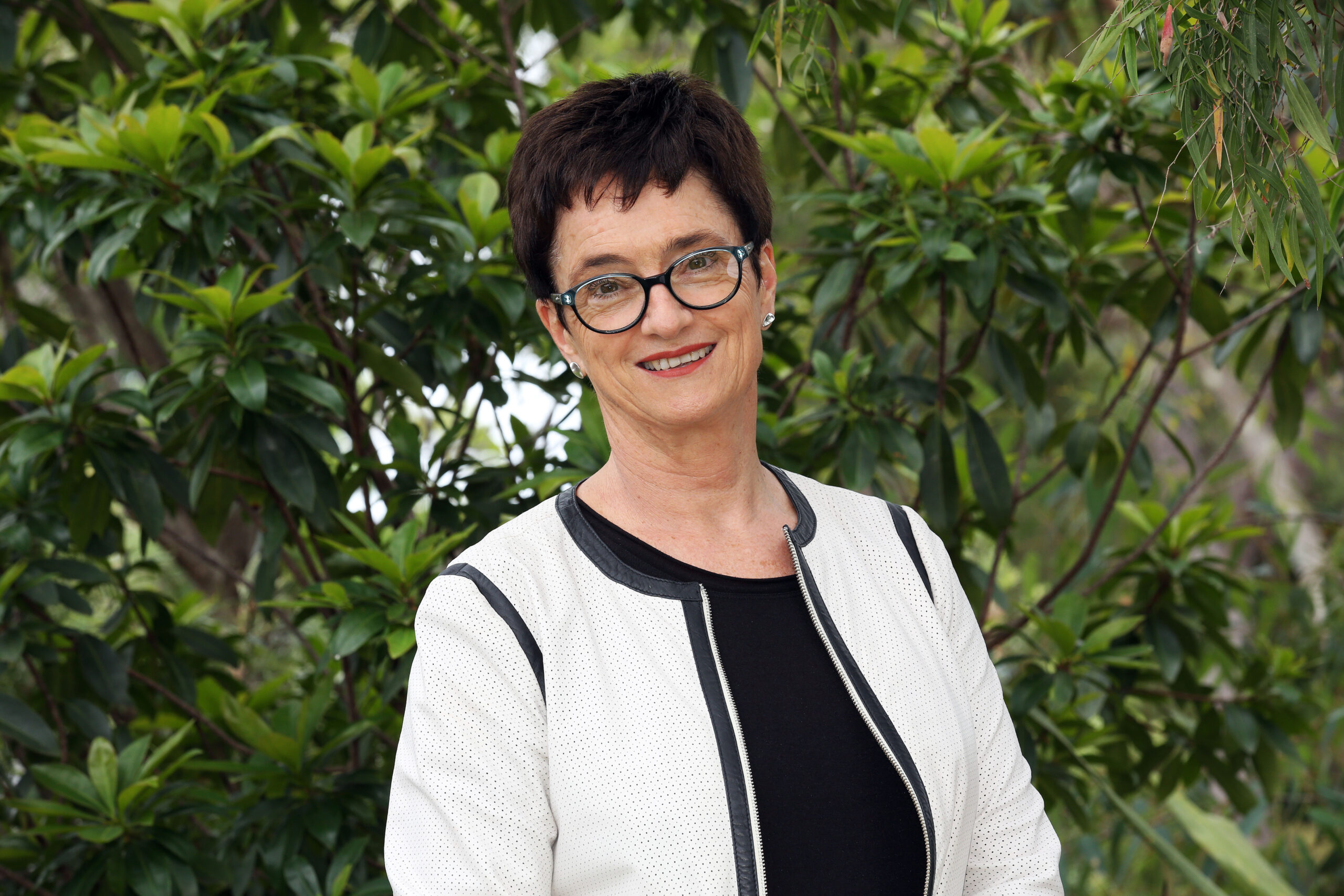
    Leading clinician/researcher Professor Sue Kurrle said the impact of the drugs is not straight forward.

    “Donanemab is not a cure, but studies over 18 months show that it does slow the progress of dementia by several months when compared with a placebo drug,” said the clinical director of the Northern Sydney Local Health District Rehabilitation and Aged Health Network.

    “These drugs are for the management of very early Alzheimer’s and they do not have the same effect in people with moderate Alzheimer’s disease, so are only suitable for a limited number of people,” she warns.

    “These drugs are not currently subsidised by our pharmaceutical benefits scheme, so they are expensive and require regular MRI brain scans due to the side effects of brain swelling or bleeding.”

    With each infusion costing around $4,700, an 18-month course will cost about $80,000. The Federal Government is currently reviewing an application to list the drug on the pharmaceutical benefits scheme.

    In the meantime, Professor Kurrle is encouraging the community to do what it can to reduce the impacts of the disease.

    “There is no single solution to preventing Alzheimer’s disease and other forms of dementia, but there are lots of small things you can adopt to greatly reduce your risk,” she said.

    “These include, looking after your physical and mental health, regular exercise, and health checks to capture in any changes.”

    Your local doctor can monitor the following key areas:

    • blood pressure and cholesterol, especially if you have a family history of cardiovascular conditions
    • blood glucose levels, especially if you have a family history of diabetes
    • weight
    • hearing and vision
    • cognitive function and memory
    • mood and mental health
    • any other conditions that need regular medical attention.

    Professor Kurrle said there are many resources available detailing specific diets and tips for brain health, and I would encourage the community to visit the Dementia Australia website for more information at: www.dementia.org.au

  • Clinical trials informed by patient care

    Clinical trials informed by patient care

    The Kolling Institute’s Professor Sue Kurrle and her team at the Rehabilitation and Aged Care Network at Hornsby Ku-ring-gai Hospital have been running clinical trials for 25 years, looking at dementia, frailty, and falls to name just some areas.

    “We do trials as it keeps you cutting edge and they are really important for our patients,” she says.

    As a geriatrician on the frontline, Sue is well positioned to identify the critical areas that need attention.

    “You want to do the research that helps answer some of the questions that your clinical practice throws up,” she says.

    Falls research

    Sue says one of the most impactful trials she participated in was during her PhD research on hip protectors for older people.

    Her study found that the underwear with built-in plastic “shields” stopped people from breaking or fracturing their hips when they fell.

    “I got involved in hip protectors because we were looking after so many hip fracture patients in our rehab ward at Hornsby,” she says.

    “It was the same with dementia and with frailty. Everything we’ve done in research has been driven by what you see in clinical practice.”

    Dementia

    With an ageing population in the area, Sue and the team have had a long interest in dementia.

    Since 1999, they have run 56 trials for dementia drugs, some of which are part of global studies. Although most haven’t been especially successful, Sue says a recent tablet is promising, with the results soon to be published.

    “The biggest message is that exercise is much more effective than medication in slowing the decline once you have dementia, or in delaying its onset. It’s one of the 12 modifiable risk factors,” she explains.

    In 2012, the NHMRC awarded her $25 million for the Cognitive Decline Partnership Centre, which funded 32 projects across the country which looked at care for people with dementia.

    “We developed the clinical practice guidelines for management of dementia, which were the first ones ever done in Australia,” she says.

    Frailty

    The frailty intervention trial (2011 to 2013) involved 241 frail Hornsby residents. One group received exercise and nutrition interventions, while other received normal care. The experimental group saw numerous benefits.

    “We turned frailty around,” she says, adding that the research is now being implemented in hospitals throughout Northern Sydney, with another frailty study soon to be published.

    Clinical trials can last up to five years, and older patients often bring a relative along. Sue and her colleagues, including clinical trials research coordinator Roseanne Hogarth and clinical nurse specialist Bronwyn Cook have developed close relationships, knowing their families, pets, and even sharing coffee outings.

    “They are like family,” says Sue. “The advantage of working in a smaller hospital is we really get to know our patients.”  

  • Kolling NEWS

    Kolling NEWS

    Our Kolling Institute newsletter brings together a collection of profiles on our impressive researchers. Flip through our flipping book to discover more about our leading research into kidney disease, rare cancers and the use of supplements for osteoarthritis. There’s a focus too on the first steps towards gene therapy for Meniere’s disease, the latest research into treatments for dementia and an innovative program taking musculoskeletal care to the bush.

  • Kolling researchers receive Australia Day honours

    Kolling researchers receive Australia Day honours

    Two of our outstanding Kolling Institute researchers have been recognised in this year’s Australia Day honours roll.

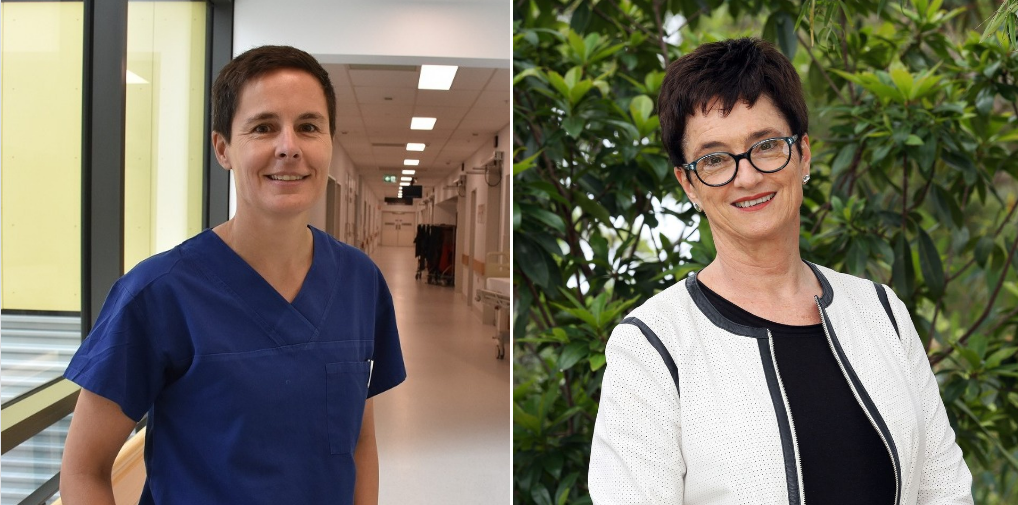
    Professor Sue Kurrle has been appointed an Officer of the Order of Australia (AO) for distinguished service to medicine as a geriatrician, and to research into dementia and cognitive decline.

    Sue works at Hornsby Ku-ring-gai and Batemans Bay Hospitals, specialising in dementia, frailty and falls. She is a key part of the Emmy-award winning documentary series ‘Old People’s Home for 4 Year Olds’.

    Sue is thrilled to receive the award.

    “I am still having trouble believing it,” she said.

    “I am very chuffed, and my hope is that it will help raise the profile of geriatric medicine and dementia, as we have a lot of work to do in this area.”

    Sue is also the Clinical Director for the NSLHD Rehabilitation and Aged Care Network, and co-chair of the NSLHD Clinical and Quality Council. Sue holds the Curran Chair in Health Care of Older People at the University of Sydney.

    “Over the past 30 years, all my research has been driven by problems seen in my clinical practice. This has included elder abuse, falls and hip fracture, frailty, and cognitive decline and dementia.

    “I’m also very interested in successful ageing, and work with councils and community groups to raise awareness in this area.

    “I’m currently involved in research in the areas of dementia and frailty, and have also been working with colleagues in Vietnam on their National Dementia Strategy.”

    RNSH interventional cardiologist and Kolling Institute researcher Professor Gemma Figtree has been appointed a Member of the Order of Australia (AM) for her significant service to medicine.

    As one of Australia’s most high-profile women in cardiology, Gemma is a Professor in Medicine at the University of Sydney, chair of the Federal Government’s 10-year Mission for Cardiovascular Health and co-leader of the Cardiovascular Theme for Sydney Health Partners.

    Gemma has dedicated her career to identifying the key mechanisms driving heart attack susceptibility. She combines her clinical work as an interventional cardiologist with lab research, involving large studies and clinical trials.

    Gemma said she was surprised by the news, but excited the prestigious award was raising awareness of the achievements of the cardiovascular research community in Australia.

    “I’m honoured to receive this award. I see it as an acknowledgement of how vital cardiovascular research is and the contribution that it makes to Australian lives.

    “There has been a sense of apathy around heart disease, with common perception that it’s all solved or understood, and that individuals who suffer events have somehow treated themselves badly. This is not the case.”

    “Cardiovascular disease is still Australia’s biggest killer. This is not an inevitable situation and Australian researchers can lead the way over the next 10 years to unravel answers to the significant variation in individual susceptibility to heart disease and stroke and improve personalised preventative strategies.”

    Gemma also thanked her family for their continued support, particularly after her diagnosis and treatment for breast cancer last year.

    “I owe a massive thank you to my family. I couldn’t do any of this without their support, especially during my treatment and recovery.” 

  • Recognition for research excellence

    Recognition for research excellence

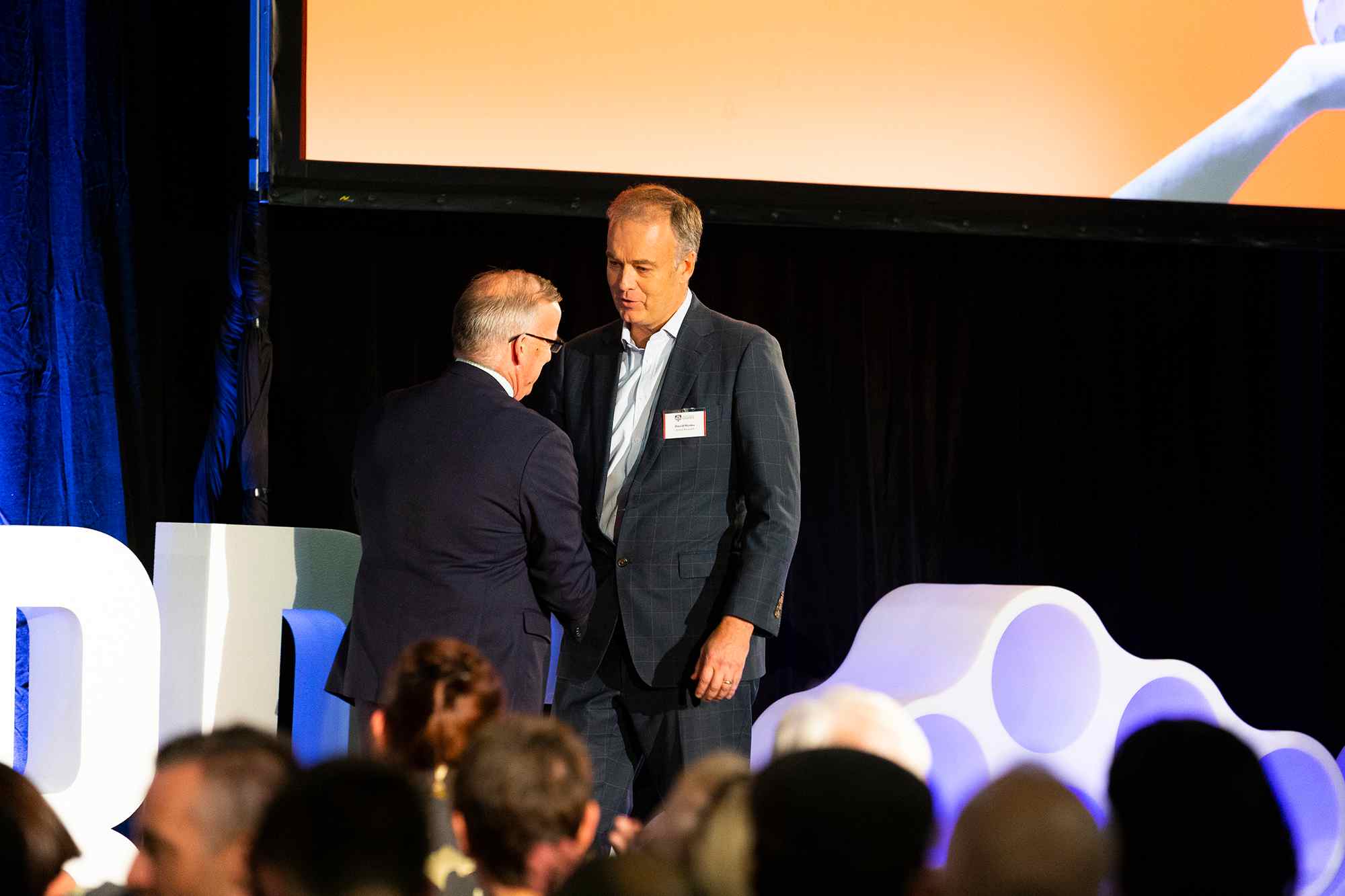
    Congratulations to Professor David Hunter who’s received a prestigious University of Sydney Vice Chancellor’s award for outstanding research.

    The Kolling researcher and rheumatology clinician is regarded as the world’s leading expert in osteoarthritis.

    Professor Hunter’s research has had a significant and lasting impact in the field of osteoarthritis, influencing clinical practice and access to evidence-based care. His work has helped to ensure low-value, fragmented care has been replaced with a co-ordinated, patient-centred system.

    The Vice-Chancellor’s Awards for Excellence celebrate exceptional performance, recognising a researcher’s impact, leadership and engagement with industry and the community.

    Professor Hunter welcomed the award, and acknowledged his team.

    “It takes a village to make a difference to a disease such as osteoarthritis, and I am privileged to work with an amazing team who are the real winners of this award,” he said.

  • Northern Sydney leading the way with arthritis research and clinical care

    Northern Sydney leading the way with arthritis research and clinical care

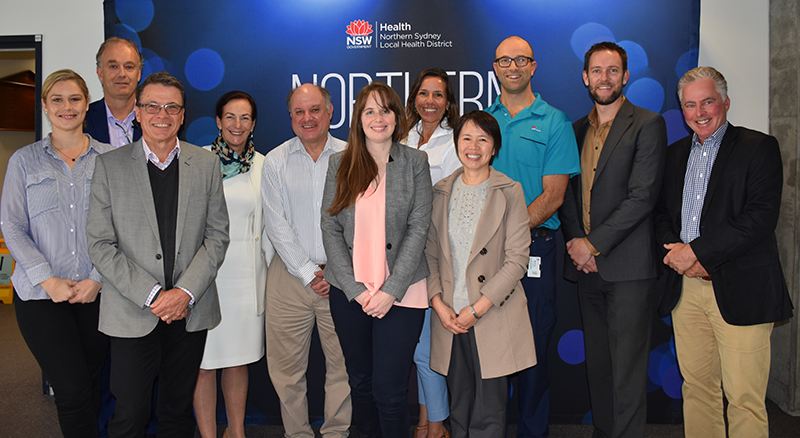
    The latest exciting research into musculoskeletal disease has been unveiled during the inaugural Northern Lights showcase.

    Close to 200 people attended the jam packed event in the Kolling auditorium, including clinicians, researchers and many people living with arthritic pain.

    RNSH Head of Rheumatology Professor Lyn March addressed the event, detailing the devastating cost of the disease to individuals and the broader community, with many sufferers forced out of the workforce prematurely.

    “Musculoskeletal disease is the leading cause of disability in Australia, affecting around seven million people and costing about $6 billion to the health budget,” Lyn said.

    “It affects men, women and children of all ages in many different ways. Every patient will have a different journey, and in many cases, a different response to individual treatments.”

    Rheumatology clinician researcher Professor David Hunter described how healthcare is evolving from the world leading research being undertaken within the Kolling Institute and at Royal North Shore Hospital.

    “We have a living lab here, developing research and incorporating it directly into clinical care, and improving the lives of those living with these diseases.

    “We have strong interactions with scientists and researchers as well as a great knowledge about the best care for musculoskeletal conditions,” David said.

    Researchers discussed the value of medication and surgery, while focusing on the long term benefits of a multi-disciplinary approach with evidence-based strategies, such as the Osteoarthritis Chronic Care Program.

    Researchers also confirmed new exciting stem cell technology will be trialled over the next few years, where stem cells will be injected into problem areas to alleviate pain.

    In the short term however, there’ll be a greater focus on community education, including the use of regular text messages to help patients manage their conditions.

    The national Arthritis Biospecimens Bank – A3BC – is also being set up to identify the right treatments for patients, as well as the causes for arthritis and possible cures.

    The inaugural Northern Lights showcase was part of a series highlighting the remarkable advances in research and innovation across the Northern Sydney Local Health District.

    The next event will be held in the coming months.

NSWGOV logo