Blog

  • New test for high blood pressure to save lives

    New test for high blood pressure to save lives

    Researchers and clinicians have welcomed Federal Government funding to improve the diagnosis and treatment of high blood pressure.

    The condition affects around 1 in 3 people in Australia, significantly increasing the risk of stroke, coronary heart disease, heart failure and chronic kidney disease.

    Men are more likely to have uncontrolled high blood pressure, with 1 in 4 men suffering untreated high blood pressure, compared to 1 in 5 women.

    Many people don’t experience any symptoms and don’t realise they have the condition, raising their chances of serious illness.

    From next month however, the community will have greater access to ambulatory blood pressure monitoring, regarded as the best available test to confirm the diagnosis of hypertension.

    It involves wearing a device which can monitor blood pressure continuously over 24 hours, rather than the snapshot generally provided by GP blood pressure monitoring.

    Senior hospital scientist within the Department of Cardiology and Kolling researcher Dr Anastasia Mihailidou has welcomed the announcement.

    As one of the initiating members of a select committee of the High Blood Pressure Research Council of Australia, Dr Mihailidou advocated for greater access to ambulatory blood pressure monitoring.

    She has backed the listing of the test on the Medicare Benefits Schedule, saying it’s an important milestone in tackling the silent killer of high blood pressure and hypertension.

    “Ambulatory blood pressure monitoring is the gold standard diagnostic test for improving the diagnosis of hypertension and much better than in-clinic blood pressure measurement,” she said.

    “I am delighted this important step has been taken and grateful that Health Minister Greg Hunt has recognised our work on the committee.”

    It’s anticipated more than 400,000 people will benefit from the improved testing over the next 12 months.

  • Life after cardiac arrest

    Life after cardiac arrest

    Just over two years ago, Ian Hutchinson (Hutch) was cycling with a friend on Sydney’s northern beaches, taking part in an activity he regularly enjoyed with his mate. But that morning was to have a life-changing impact, with Hutch suffering a sudden cardiac arrest midway through the ride.

    It was only the quick thinking of his friend Don MacKee and a group of bystanders who called triple 0 and immediately began CPR, that saved Hutch’s life.

    He was treated at Royal North Shore Hospital by interventional cardiologist and Kolling researcher Professor Gemma Figtree, and despite being clinically dead for a remarkable 19 minutes, Hutch survived, recovered and is today fit and healthy.

    “I am very lucky to be here and enjoying my life. 91 per cent of people who have an out-of-hospital sudden cardiac arrest don’t make it, so I realise how fortunate I am.

    “I had never experienced any problems with my heart, I exercised most days and looked after my health, so the cardiac arrest was completely out of the blue. We still don’t know the cause.

    “I now have an internal cardiac defibrillator in my chest in case there are any further problems or irregularities. For me it’s an insurance policy, giving me confidence to embark on exercise and most of the activities I used to enjoy.

    “I am now an advocate for CPR and founded CPRfriendly.org to raise awareness and public access to defibrillators. This is my way of trying to pay it forward and help others.”

    Hutch says he is indebted to the team at Royal North Shore Hospital and Professor Gemma Figtree, a leading cardiologist, internationally respected researcher and president of the Australian Cardiovascular Alliance.

    “Gemma and the team have been excellent all the way through. There’s nothing I could fault.

    “I not only benefited from her expertise and experience during those critical moments straight after my sudden cardiac arrest, but two years later Gemma is monitoring my condition and adjusting my medication where necessary.

    “It gives you peace of mind and confidence when you have someone like her as your specialist, knowing you are receiving the best care, backed by science and clinical expertise.” 

  • Kolling researchers identifying COVID-19 impact on heart health

    Kolling researchers identifying COVID-19 impact on heart health

    The largest study of its type in Australia will investigate the impact of COVID-19 on younger patients with new trends emerging around the cardiac complications from the Delta strain of the virus.

    Launched last year, the AUS-COVID trial assessed more than 640 patients in 21 hospitals across Australia, recording cardiovascular complications.

    From this group, 125 were people were admitted to intensive care units, 70 required intubation and 92 patients died.

    Initial study results indicate one in twenty five patients admitted to hospital with COVID-19 developed atrial fibrillation or abnormal heart rhythm, and this occurred more frequently in those over 65, in 1 in 16 patients. Abnormal heart rhythm can lead to stroke and requires prompt treatment.

    Kolling researcher Professor Ravinay Bhindi, and Head of the Cardiology Department at Royal North Shore Hospital, said the trial found that other concerning complications of COVID-19 such as heart failure and heart inflammation (myopericarditis) were not as common as expected, with one in fifty patients experiencing heart failure, and one person in one hundred suffering clinically significant heart inflammation.

    “The initial results of the AUS-COVID study demonstrate that cardiac complications from COVID-19 while concerning are not as common as we initially feared they would be,” he said.

    “The rates of complications were reassuringly lower than those published in other countries across Europe and North America.”

    As the Delta strain of COVID-19 continues to spread in parts of Australia, researchers will now shift their focus towards assessing the cardiac complications of this highly-contagious strain.

    “We are seeing initial reports of an increase in cardiac complications, including a rise in the number of younger patients experiencing significant cardiac events, such as myocarditis, or inflammation of the heart.

    “These preliminary indications point to a concerning new trend for a group which has until now, largely escaped significant health complications from COVID-19.”

    Professor Bhindi said the rising number of cases demonstrates the importance of the study to help inform clinicians around the likely outcomes and best models of care for these patients.

    “As the largest registry of cardiac complications from COVID-19 in Australia, it will have a key role in improving health outcomes, and potentially saving lives.”

    The initial results of the study are being published in the Medical Journal of Australia and Heart, Lung and Circulation.

  • Kolling researchers join global effort to reduce heart disease in women

    Kolling researchers join global effort to reduce heart disease in women

    Two leading cardiovascular experts have been appointed to a prestigious world expert panel to reduce rates of cardiovascular disease in women.

    Royal North Shore Hospital (RNSH) interventional cardiologist and Kolling Institute researcher, Professor Gemma Figtree, and RNSH senior hospital scientist and Kolling Institute researcher, Dr Anastasia Mihailidou, have been appointed commissioners of The Lancet women and cardiovascular disease Commission.

    The pair joins the all-female panel of 17 experts who are calling for urgent action on cardiovascular disease (CVD) in women in a report recently released.

    Both Gemma and Anastasia were invited to join the commission, along with 15 other leading female CVD experts to provide recommendations on how to reduce the burden of the disease – which is the leading cause of death among women.

    “The Commission Report released in The Lancet is the result of three years of work to collect and collate the different sources of data and research, as well as numerous regional parallel efforts underway to provide recommendations to reduce the global burden of cardiovascular disease in women by 2030,” Anastasia said.

    “It provides the starting point for a global strategy for call to action to mobilise and energise the many key stakeholders, health-care professionals, policy makers, and women themselves for a healthier future.

    “The Commission will continue to observe trends, evaluate the effect of current recommendations, and suggest actionable key initiatives to combat cardiovascular disease in women during the next decade.”

    The Commission aims to help reduce the global burden of cardiovascular conditions – including heart disease and stroke by 2030. Cardiovascular disease is responsible for 35 per cent of deaths in women each year.

    High blood pressure is the greatest risk factor contributing to years of lost life from CVD in women, followed by high body mass index and high low density lipoproteins (LDL) cholesterol.

    Gemma said while these well-established risk factors might affect women differently than men, there are sex-specific risk factors such as premature menopause and pregnancy related-disorders that must be more widely recognised and prioritised as part of treatment and prevention efforts worldwide.

    “This report lays out the gaps and challenges, and identifies strategies required to begin to improve the health of women’s hearts around the world,” she said.

    “The commissioners are committed to work with researchers from across the translational pipeline to unravel novel mechanisms, best prevention and treatment strategies, and to improve equitable access.”

  • Researchers drive global call to action to tackle world’s leading cause of death

    Researchers drive global call to action to tackle world’s leading cause of death

    A team of researchers from the Kolling Institute, The University of Sydney, Monash University and La Trobe University have led a global call to action to accelerate new approaches for cardiovascular disease (CVD) drug solutions.

    CVD is the leading cause of death globally. Since the start of the pandemic approximately 18 million people have died of CVD, with the majority from low- and middle-income countries.

    The epidemic of CVD is a global phenomenon, however equitable access to effective therapies continues to be an international challenge. The COVID-19 pandemic has demonstrated what can be achieved when the world is faced with an acute health problem in urgent need of solutions. In the special feature article, co-published in leading journals European Heart Journal and Circulation, the authors argue that we must approach the fight against CVD, the world’s greatest killer, with the same level of gumption.

    Kolling Institute researcher Professor Gemma Figtree, Professor Rebecca Ritchie from the Monash Institute of Pharmaceutical Sciences and La Trobe University’s Professor Grant Drummond who leads the La Trobe Centre for Cardiovascular Biology and Disease Research, have led the call to action through their shared affiliation with the Australian Cardiovascular Alliance (ACvA) – Australia’s peak leadership body for the advancement of heart, stroke and vascular disease research.

    The University of Sydney’s Professor Figtree, who is also President of the ACvA, said: “As we continue to wrestle with the immense challenge of implementing equitable access to established evidence-based treatments for CVD, substantial gaps remain – particularly in low- and middle-income countries.”

    “Much like we’ve seen with COVID-19, we’re calling for the global mobilisation of researchers, clinicians, industry leaders and policy makers to accelerate discovery, translation and impact in CVD medicine.”

    Professor Rebecca Ritchie, Drug Discovery Biology Theme Leader at MIPS said: “Developing a global approach to transform drug discovery for cardiovascular disease, whilst maintaining efforts towards equitable access to established effective treatments, is an imperative not an option.”

    “Since the start of the pandemic, the extent of collaboration between researchers, industry, government and the community has been unprecedented – let’s continue the momentum applied to address COVID-19 and commit to taking similar steps in the fight against CVD, the world’s biggest killer.”

    The authors have outlined the most urgent challenges and potential solutions for accelerating drug discovery and translation in the cardiovascular space, along with the next steps required to drive global collaboration to tackle CVD drug solutions.

    The international roundtable identified a number of priority areas across how patients are classified beyond the traditional risk factors such as high blood pressure and cholesterol, smoking, lack of physical activity, obesity and comorbidities such as diabetes, for cardiovascular disease. Using this as a platform to discover new biological mechanisms that cause diseases such as heart attack and heart failure and hinder recovery and quality of life, the authors recommend then targeting these mechanisms to develop precision (personalised) medicine for affected patients.

    “The plan is to establish collaborative preclinical and clinical trial networks to enable faster development of new treatments for cardiovascular disease. Together, the international team is now working on progressing these priority areas, engaging with industry, regulatory bodies, governments and the community on a global scale,” said Professor Ritchie. 

  • Our researchers secure highly competitive national funding

    Our researchers secure highly competitive national funding

    Two of our leading researchers will drive key Australian projects following a funding announcement from the National Health and Medical Research Council. (NHMRC)

    More than $1.4 million from the partnership grant program will go to Kolling researcher and RNSH interventional cardiologist Professor Gemma Figtree and her team for a study to reduce coronary artery disease. The world-first project will receive an additional $2 million from industry and health partners.

    Professor Figtree and her team will assess a new way to identify the risk of coronary artery disease – the most common form of heart disease which can lead to heart attacks.

    Professor Figtree said our current assessment is based on the well-documented risk factors of smoking, hypertension, diabetes and high blood cholesterol.

    However, between 15 and 30 per cent of people who experience a heart attack don’t have these traditional risk factors, so a new early detection test, called a polygenic risk score has been developed.

    “As part of our research, we will be providing some robust data to measure the effectiveness of this new test using genetic markers to predict heart health,” she said.

    “If it proves effective, we anticipate the new early warning test will directly inform clinical guidelines and government policy.

    “It will help us identify those at risk of coronary artery disease so they can receive preventative treatment, similar to that received by those with the traditional risk factors.

    “We anticipate this approach will reduce heart attacks and prevent deaths.”

    An NHMRC partnership grant of $1.5 million will also go towards a study to improve the safety and quality of emergency nursing care. More than $3.6 million will be granted in total.

    The NSLHD’s Nursing and Midwifery Director of Research Professor Margaret Fry will help lead the national project, examining a standardised assessment and management approach for all emergency care nurses.

    Professor Fry said the evidenced-based system is needed with more than eight million people attending Australia’s 287 emergency departments each year.

    “Emergency nurses are the first and sometimes only clinicians that patients see, so the quality of this initial assessment and ongoing treatment is vital. Patient safety is contingent on accurate assessment, intervention and escalation,” she said.

    “There is currently no standardised way that Australia’s 29,000 emergency nurses are taught to assess and manage their patients, so the research will examine the HIRAID system, a validated framework developed by the research team.

    “More than 30 NSW, Victorian and Queensland hospitals will be involved in the trial over the next five years, and if this approach proves effective, it’s likely to be adopted not only in Australia but internationally as well, across Fiji, Sri Lanka and Nepal.

    “We are anticipating a positive response, and expect the training will lead to a 20 per cent reduction in inpatient deterioration events and an increase in patients reporting a good ED experience,” she said.

  • New funding supports innovative approach to diagnose heart failure

    New funding supports innovative approach to diagnose heart failure

    Kolling researcher and Royal North Shore Hospital cardiologist Dr Rebecca Kozor will lead a world-first study using MRI technology to improve the diagnosis of heart failure.

    The trial has been made possible following a $50,000 Cardiac Society of Australia and New Zealand-Boehringer Ingelheim innovation grant.

    Dr Kozor has welcomed the funding to quantify pulmonary congestion or lung water density in heart failure patients during exercise.

    “Heart failure with preserved ejection fraction is a significant health burden in Australia and worldwide, but it’s also notoriously challenging to diagnose,” Dr Kozor said.

    “Cardiac MRI technology offers a non-invasive way to quantify pulmonary congestion and left ventricular end-diastolic pressure through imaging of water density in the lung tissue.

    “Our trial will be a global first, with patients to operate a reclined bicycle inside the MRI machine to elevate heart rates prior to the MRI scanning of the heart and lung tissue.

    “There’s a real potential to improve the diagnosis of heart failure by measuring lung water density, and identify cases where cardiac dysfunction only presents during exertion.”

    Dr Kozor said that validating this new MRI technique during exercise could provide a valuable way for researchers to accurately and non-invasively study the effects of new interventions and heart failure treatments.

    Cardiac Society of Australia and New Zealand President Professor Clara Chow congratulated Dr Kozor on the insight and imagination shown in her grant submission.

    “Half of all people diagnosed with heart failure die within five years, so research funding is critical to encouraging our best minds to find breakthroughs that benefit patients,” she said.

  • Kolling researchers to drive exciting new projects following funding success

    Kolling researchers to drive exciting new projects following funding success

    Professor Gemma Figtree has led a successful bid for a Cardiovascular Centre of Excellence, securing $2.5 million in funding from the National Health and Medical Research Council. (NHMRC)

    Around 20 national and international collaborators will be involved in the research, targeting the global heart disease epidemic through new diagnostic techniques and prevention strategies.

    Professor Figtree has welcomed the significant funding, with one Australian suffering a heart attack every 10 minutes, many without prior warning.

    “Our research will investigate what contributes to atherosclerosis beyond the traditional risk factors, and this will broaden our understanding of how to manage patients who suffer a heart attack without any risk factors,” she said.

    “We will look to establish new biomarkers and clinical pathways for detection of atherosclerosis, while the team will also be working to develop secondary prevention strategies.

    “The Centre of Excellence is an exciting step in the battle against heart disease, and demonstrates the increasing co-ordination of cardiovascular research across the country.

    “It also highlights the tremendous expertise we have here within the Kolling and on the Royal North Shore Hospital campus.”

    NHMRC funds will also go towards an innovative project developed by the Kolling’s Executive Director Professor Carolyn Sue to improve access to diagnosis for mitochondrial disease patients.

    “Mitochondrial disease is the most common inherited metabolic condition. It can be diagnosed using whole genome sequencing, but access to testing is currently restricted,” Prof Sue said.

    “Through this project, we will partner with the NSLHD and the NSW Ministry of Health, to develop a unique web-based platform to support the diagnosis of patients with or suspected to have Mitochondrial disease.

    “The platform will assist health professionals including GPs to deliver a precise genetic diagnosis, and importantly, this will inform treatment and family planning.

    “I’m delighted to see this ground-breaking project progress. It represents many years in the planning and promises to deliver significant national and global benefits.

    “We are well placed to achieve results given the clinical and scientific expertise within the hospital and the Kolling’s neurogenetics team.”

  • Research to look at the link between osteoarthritis and heart disease

    Research to look at the link between osteoarthritis and heart disease

    Generous funding from the Raymond E Purves Foundation will support innovative research to identify how osteoarthritis causes cardiovascular disease.

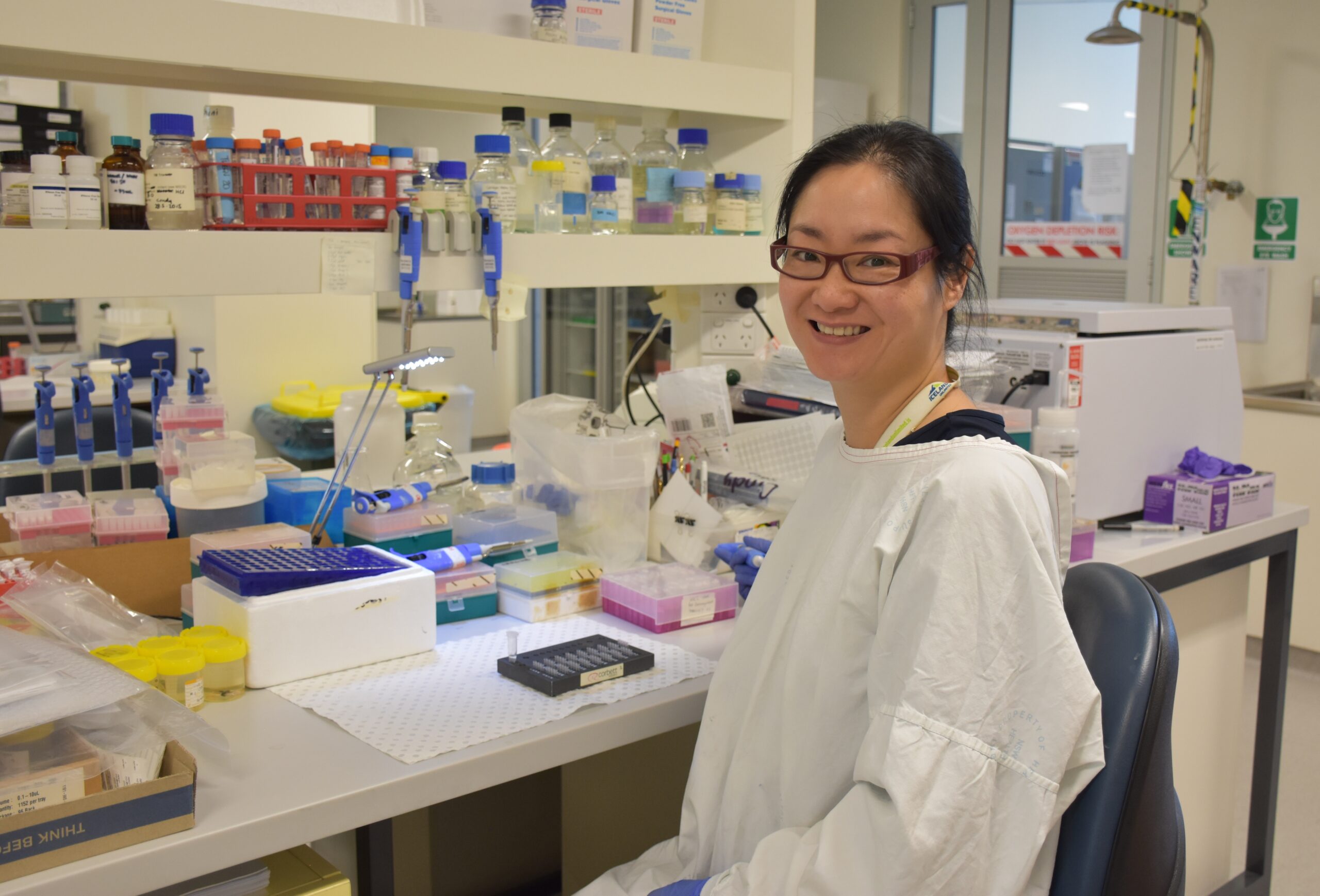
    $100,000 will go towards Dr Cindy Shu to continue her valuable project to better define the link between osteoarthritis and heart disease, and inform improved treatment.

    Nearly 2.5 million Australians currently suffer from osteoarthritis, with the disabling condition contributing to pain and loss of independence, and directly costing the healthcare system at least $3.75 billion.

    There is no cure for the condition, and existing treatments have limited benefits.

    Dr Shu said we believe the impact of this disease goes much further, and is responsible for a two-fold increase in the risk of heart disease.

    “Studies have shown osteoarthritis is an independent risk factor that can’t be explained by the known causes of heart disease like diet, hypertension and lack of exercise,” Dr Shu said.

    “This suggests the current approaches to reducing cardiovascular disease risk through weight loss for instance, won’t effectively alter the risk of heart disease from osteoarthritis.

    “There is an urgent need to better define the pathophysiology of the osteoarthritis-heart disease link, and to identify new, effective treatments.

    “It’s hoped this approach will not only help reduce chronic pain, but the incidence of heart disease and its devastating impact on individuals and the community.

    “We greatly appreciate the significant funds and support from the Raymond E Purves Foundation to allow this crucial research to continue.

    “We hope it will broaden our understanding of this common and painful condition, and its potentially deadly effect,” she said.

  • Kolling researchers part of elite group in fight against heart disease

    Kolling researchers part of elite group in fight against heart disease

    Two Kolling Institute researchers have welcomed a significant funding boost through a large NSW Government program to help tackle Australia’s number one killer, heart disease.

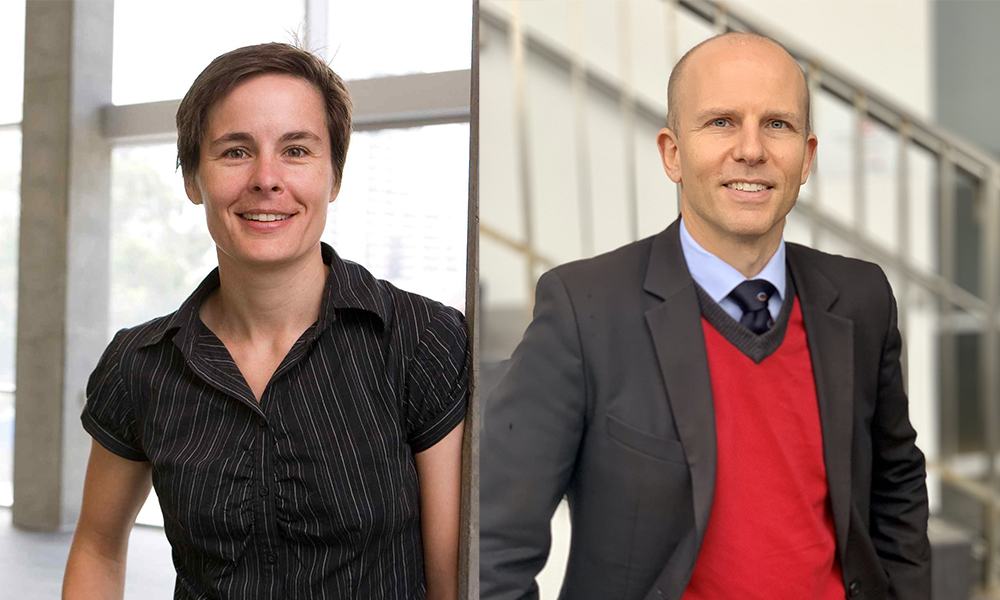
    Professors Gemma Figtree and Martin Ugander have each been awarded a $750,000 grant to encourage researchers to find breakthroughs and help establish NSW as a centre for research excellence.

    The funding is part of a broader program investing $150 million in cardiovascular research over the next 10 years.

    It’s hoped the cash injection will help drive scientific discoveries and develop innovative therapies for cardiovascular disease.

    Professor Figtree, who is an interventional cardiologist at RNSH, will look at the increasing number of people who suffer a heart attack despite not being seen as at risk.

    She plans to identify new mechanisms and biological markers of both coronary artery disease susceptibility and resilience.

    “Cardiovascular disease is our biggest killer of both men and women and it’s not just killing us, it’s dramatically affecting our health and wellbeing.

    “Our goal is to improve the early identification of people with the disease, including those with risk factors and those with only minimal clues. This will greatly help us target preventative strategies,” she said.

    Professor Ugander’s work will focus on MRI technology to diagnose and treat heart failure patients who are difficult to identify and currently lack treatment. This includes those with heart failure due to high blood pressure, diabetes and obesity.

    He will also evaluate new surgical treatment to improve the efficiency of the heart by reducing the size of the left atrium of the heart.

    “Having recently arrived in Australia from Sweden, this funding will be instrumental in building our cardiac MRI research group, and training the next generation of cardiovascular researchers in NSW.

    “The grant will help provide important data on the ability of MRI to accurately identify disease in patients with suspected heart disease,” he said.

NSWGOV logo