Blog

  • Philanthropic funds creating travel opportunities

    Philanthropic funds creating travel opportunities

    A collection of emerging research leaders will have the chance to broaden their research experience thanks to funding provided through the Skipper Jacobs Charitable Trust.

    Close to $40,000 will be shared amongst five early-to-mid career researchers, allowing them to travel nationally and internationally expanding their research and developing new skills.

    It’s anticipated the travel program will not only benefit the Kolling Institute, but will assist international collaborators, and improve health outcomes in Australia and beyond.

    PhD student Lionel Leck from the Cancer Drug Resistance and Stem Cell Program will take part in an internship at the Seoul National University to gain first-hand experience of a new technique looking at the molecular mechanisms of specific cancers.

    Lionel said this method of studying how proteins interact with each other in cancer stem cells will lead to better detection and a greater understanding of their behaviour, which will in turn, help develop new drugs to eradicate them effectively.

    “I’m really humbled and ecstatic to have received this award,” he said.

    “I would like to acknowledge the Skipper Jacobs Charitable Trust and the NORTH Foundation for this valuable and amazing opportunity.”

    Fellow PhD student Pich Chhay from the Cardiovascular Discovery Group will visit the South Australian Health and Medical Research Institute in Adelaide. There she will learn an innovative technique using gas chromatography to measure omega-3 in blood samples as an indicator of early heart disease.

    Pich said the research has the potential to identify those who are susceptible to heart disease, without the traditional risk factors. They can then be provided with prevention strategies including targeted medications.

    “I am delighted to receive this travel grant supported by the Skipper Jacobs Charitable Trust as it will enable me to develop new skills and present the fantastic work that is being done at the Kolling Institute to a wider science community,” she said.

    “This will help foster collaboration with multidisciplinary teams which will be invaluable in translating science through shared networks and resources.”

    Samantha Hefferan from the Murray Maxwell Biomechanics Laboratory will visit the University of Auckland, working in the Department of Chemical and Materials Engineering to broaden her understanding of the ultrastructure of human tendons.

    There she will use the lab’s new imaging methods to explore tendon structure and the impact of disease and injury.

    “It is such a pleasure to be granted this award. Without it I would not be able to participate in this amazing study opportunity.”

    “I look forward to the chance to improve my research skillset while engaging with an exciting new project.”

    “This initiative is part of an ongoing collaboration between the Kolling and an international expert at the University of Auckland. It will broaden my professional development as a scientist, while also enhancing the research partnership between the Kolling and the New Zealand university.”

    Dr Mounir Boudali is an early-career engineer with specialisation in robotics. He will visit the renowned Cleveland Clinic in the USA to enhance his knowledge of using robotics in biomechanical research for joint replacements.

    Mounir will visit the development team behind the Sim Vitro software, the software which is driving the Kolling’s new biomechanical robot.

    “I am thrilled to receive the Beryl and Jack Jacobs travel grant,” he said.

    “Nothing can beat learning from the source. We will learn how to use a sophisticated platform for biomechanical testing, while generating a huge amount of knowledge in orthopaedics and developing important collaborations.”

    Dr Kenji Fujita is an early-career pharmacist with a PhD working in the Ageing and Pharmacology Research Group at the Kolling. Kenji has helped to develop techniques to calculate the frailty index in patients undergoing surgeries, while also leading research on the quality of pharmaceutical care.

    He is keen to share his knowledge and experience with international collaborators and will visit Denmark, Norway and Japan.

    “I am thrilled to have been selected for this grant and incredibly thankful for all the support,” he said.

    “As countries recover from the pandemic and international travel picks up, I am keen to connect with like-minded professionals in my field.

    “I’ll be leading a three-day workshop in Denmark, visiting collaborators in Norway and delivering a presentation in Japan, a country with the highest proportion of older adults in the world.

    “I’m sure my trip will strengthen international collaborations and promote our translational research at the Kolling, while also lifting my international profile.”  

  • Kolling awards unveiled

    Kolling awards unveiled

    We are pleased to announce the successful recipients of our annual Kolling Institute awards program.

    Launched in 2021, the program has been expanded to acknowledge a greater number of researchers and their individual contribution to the Kolling.

    The awards aim to recognise the many outstanding achievements across education, clinical practice and service, publications, research, as well as overall accomplishment.

    This year, seven researchers are being presented with awards across the following five categories:

    PhD impact (joint award winners)

    Dr Danielle Stone – Clinical Speech Pathologist, RNSH, and PhD candidate, Neuromuscular Imaging Research Lab

    Dr Michal Lubomski – Neurologist, RNSH and PhD Candidate, Neurogenetics Research

    Supervision impact (joint award winners)

    Associate Professor Sarah Glastras – Endocrinologist, RNSH and Postdoctoral Researcher, Renal Research Laboratory

    Dr Sumit Sahni – Senior Research Fellow, Bill Walsh Cancer Research Lab

    Best clinical output

    Dr Jillian Eyles – Physiotherapist, RNSH and SHPs Research Translation Fellow, Osteoarthritis Research

    Best EMCR basic science paper

    Dr Chia-chi Liu – Senior Research Fellow, Cardiac Membrane Biology Laboratory

    Best paper overall

    Dr Yandong Shen – Postdoctoral Researcher, Northern Blood Research Centre

    Kolling Institute Academic Director Professor Jim Elliott congratulated the researchers for their invaluable contribution over the past 12 months.

    “It’s encouraging that we have so many dynamic researchers working across the Kolling, and this impressive group has had an intrinsic role in our progress, impact and research success over the past year,” he said.

    “Each of these award winners is driving substantial improvements in their individual areas of expertise, and I’m pleased that through the Kolling awards program we’re able to direct the spotlight to their significant achievements.”

  • Kolling researchers receive Australia Day honours

    Kolling researchers receive Australia Day honours

    Two of our outstanding Kolling Institute researchers have been recognised in this year’s Australia Day honours roll.

    Professor Sue Kurrle has been appointed an Officer of the Order of Australia (AO) for distinguished service to medicine as a geriatrician, and to research into dementia and cognitive decline.

    Sue works at Hornsby Ku-ring-gai and Batemans Bay Hospitals, specialising in dementia, frailty and falls. She is a key part of the Emmy-award winning documentary series ‘Old People’s Home for 4 Year Olds’.

    Sue is thrilled to receive the award.

    “I am still having trouble believing it,” she said.

    “I am very chuffed, and my hope is that it will help raise the profile of geriatric medicine and dementia, as we have a lot of work to do in this area.”

    Sue is also the Clinical Director for the NSLHD Rehabilitation and Aged Care Network, and co-chair of the NSLHD Clinical and Quality Council. Sue holds the Curran Chair in Health Care of Older People at the University of Sydney.

    “Over the past 30 years, all my research has been driven by problems seen in my clinical practice. This has included elder abuse, falls and hip fracture, frailty, and cognitive decline and dementia.

    “I’m also very interested in successful ageing, and work with councils and community groups to raise awareness in this area.

    “I’m currently involved in research in the areas of dementia and frailty, and have also been working with colleagues in Vietnam on their National Dementia Strategy.”

    RNSH interventional cardiologist and Kolling Institute researcher Professor Gemma Figtree has been appointed a Member of the Order of Australia (AM) for her significant service to medicine.

    As one of Australia’s most high-profile women in cardiology, Gemma is a Professor in Medicine at the University of Sydney, chair of the Federal Government’s 10-year Mission for Cardiovascular Health and co-leader of the Cardiovascular Theme for Sydney Health Partners.

    Gemma has dedicated her career to identifying the key mechanisms driving heart attack susceptibility. She combines her clinical work as an interventional cardiologist with lab research, involving large studies and clinical trials.

    Gemma said she was surprised by the news, but excited the prestigious award was raising awareness of the achievements of the cardiovascular research community in Australia.

    “I’m honoured to receive this award. I see it as an acknowledgement of how vital cardiovascular research is and the contribution that it makes to Australian lives.

    “There has been a sense of apathy around heart disease, with common perception that it’s all solved or understood, and that individuals who suffer events have somehow treated themselves badly. This is not the case.”

    “Cardiovascular disease is still Australia’s biggest killer. This is not an inevitable situation and Australian researchers can lead the way over the next 10 years to unravel answers to the significant variation in individual susceptibility to heart disease and stroke and improve personalised preventative strategies.”

    Gemma also thanked her family for their continued support, particularly after her diagnosis and treatment for breast cancer last year.

    “I owe a massive thank you to my family. I couldn’t do any of this without their support, especially during my treatment and recovery.” 

  • New funding to help drive vital research into heart disease

    Congratulations to Kolling Institute researcher and Royal North Shore Hospital cardiologist Dr Steve Vernon who’s been awarded a highly sought-after postdoctoral fellowship by the Heart Foundation.

    The fellowship is designed to support talented early career researchers and emerging leaders.

    Dr Vernon has welcomed the award.

    “I am delighted to receive this postdoctoral funding from the Heart Foundation as it will allow me to expand upon the work I completed during my PhD studies at the Kolling Institute and the University of Sydney.”

    Dr Vernon is a clinician researcher working to identify new risk factors and blood markers of early heart disease to help improve risk prediction and prevent heart attacks.

    The Heart Foundation fellowship will allow Dr Vernon to continue his work with the BioHEART study, which is using advanced imaging, risk factor and blood marker assessments to identify new signs of heart disease.

    This will be particularly important for people who are susceptible to heart disease, without the traditional risk factors.

    Dr Vernon will also be working on a study using a new genetic risk score, incorporating thousands of genetic markers, to identify people at risk of heart disease.

    This study will focus on designing a new pathway using the genetic risk score for people who are found to have a low or intermediate risk after a traditional heart health check.

    Currently, this group is offered counselling to modify their lifestyle, but they’re not offered medications to reduce their risk of heart disease.

    It’s estimated up to 20 per cent of this group may be at high risk of developing coronary artery disease in their lifetime based on their genetic risk.

    Dr Vernon plans to use the genetic risk score to identify patients at increased risk so that further investigations can be carried out using a CT scan coronary artery calcium score.

    This research has the potential to identify a group of people who will benefit from more proactive prevention strategies including targeted medications.

    “In my clinical practice as an Interventional Cardiologist, patients diagnosed with life-threatening heart attacks or unexpected cardiovascular disease commonly ask ‘why me?’

    “Inspired by my patients, this program of research aims to broaden our knowledge base to answer this question, but more importantly, it has the potential to identify people at risk well before they develop symptomatic heart disease so that we can implement effective preventative therapies.”

  • Research expertise on show

    Research expertise on show

    The diverse range of exciting research underway across the Northern Health Precinct was profiled during a recent showcase, highlighting the impact of research throughout Northern Sydney Local Health District.

    The event directed the spotlight to a range of disciplines driving research including nursing, midwifery, and pharmacy, as well as allied health and public health.

    Precinct Academic Director Professor Robyn Gallagher co-ordinated the event, saying it was a wonderful opportunity to showcase a collection of emerging leaders and present details of their valuable projects.

    “Our event provided an insight into the successful collaborative efforts involving the University of Sydney and the Northern Sydney Local Health District, and the tangible impact these projects are having on the delivery of care,” she said.

    “There are so many dynamic projects underway from a mobile app to support pulmonary rehabilitation to the delivery of remote cardiac rehabilitation, and programs to improve cancer care.

    “It was encouraging to hear our researchers are enhancing the delivery of care with nutrition services, speech pathology and sleep programs to name just a few.”

    One clinician researcher to present at the event was Associate Professor Tom Buckley – a registered ICU nurse and Precinct Research Education Academic Director.

    Tom shared details of his work investigating the physical and psychological impact of bereavement. He has particularly focused on the impact on heart health with research indicating there is an increased cardiovascular risk for both men and women in the weeks and months after they lose a loved one.

    “We know that death from a cardiac related event is one of the highest causes of mortality during bereavement,” he said.

    His research also assessed the benefits of Aspirin and the heart lowering drug Metoprolol and their ability to reduce cardiovascular risk factors in the weeks after the death of a loved one.

    “Our research has shown the use of medication not only lowers the cardiovascular risk factors, but also reduces depression and anxiety symptoms in the early bereavement period.

    “Interestingly, we found this trend continued even after people came off the medication, providing a longer-term benefit for this group.”

    The showcase profiled the development of Australia’s first mobile health platform which supports those with respiratory disease to complete a virtual rehabilitation program.

    The app, originally developed with the CSIRO, is driven by globally recognised experts and offers individualised exercise and education programs.

    NSLHD clinical specialist physiotherapist and University of Sydney honorary lecturer Dr Sally Wootton said the team is tremendously proud of the platform.

    “It has taken five years to develop our innovative app but we are thrilled to now have a commercial partner and to be supporting a large number of people living with chronic respiratory disease with this virtual rehabilitation program,” she said.

    The showcase also focused on research comparing in-person and remotely-delivered cardiac rehabilitation.

    PhD candidate Dion Candelaria said services pivoted to remote delivery with the onset of COVID-19, and this provided a chance to measure the benefits of each model of care.

    “We found positives with both approaches, with some patients preferring face to face communication with clinicians and other patients, while others welcomed the convenience of the remote service with no travel and quicker access to care.

    “We know that the sooner patients access care the better the health outcomes, so there are clearly benefits with remote services.

    “We will continue to develop a hybrid model of cardiac rehabilitation care, combining the best components of in-person and remote care.”

    The showcase broadened awareness of the diversity of research across the Northern Health Precinct, and encouraged further collaboration.

  • Kolling researcher among hypertension thought leaders at international meeting

    Kolling researcher among hypertension thought leaders at international meeting

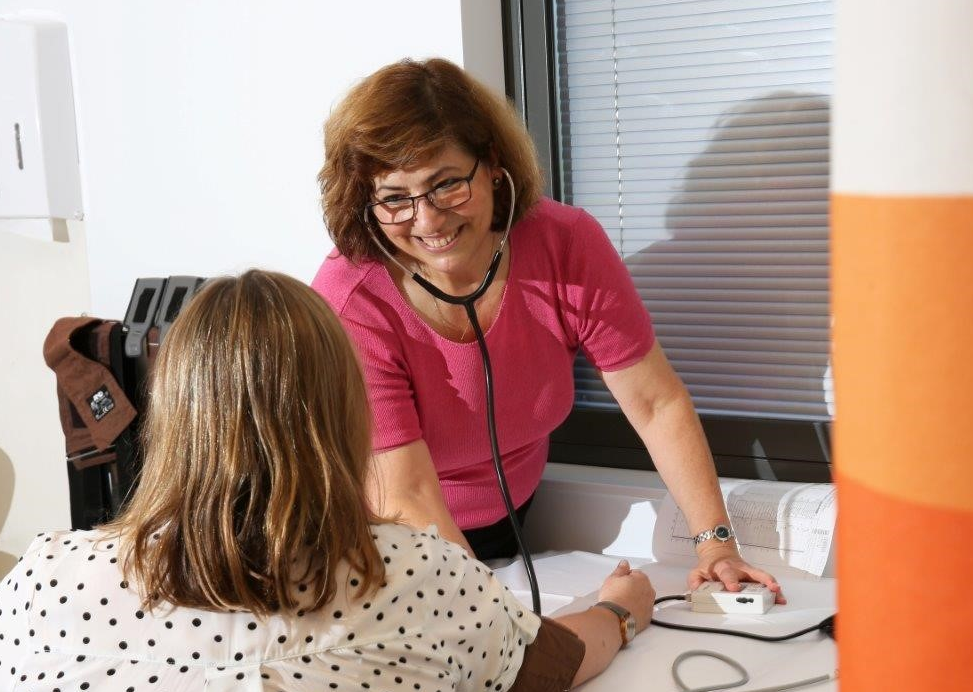
    Kolling Institute researcher and RNSH Senior Hospital Scientist Dr Anastasia Mihailidou says she was delighted to showcase the district’s work in blood pressure management on the world stage.

    Dr Mihailidou, who is head of the Kolling’s Cardiovascular and Hormonal Research Lab, presented at the recent International Society of Hypertension Scientific Meeting in Japan.

    Globally renowned academics and clinicians were among those who attended the event, which profiled the latest clinical and biomedical research into the treatment of hypertension.

    “I was excited to talk about my professional passion about accurate blood pressure measurement,” said Dr Mihailidou, who presented on Hypertension Therapy Using Diagnostic Service for Ambulatory Blood Pressure Monitoring.

    “I am proud that my work was considered of interest to the international community involved with this meeting.

    “Outlining some of the work being done in this area locally was a great honour not only for myself, but for Royal North Shore Hospital and the Northern Sydney Local Health District.”

    This was the ISH’s 29th Scientific Meeting, which this year had the theme, ‘The Wisdom for Conquering Hypertension.’

    The five-day event, which took place in the Japanese city of Kyoto, featured several presentations on issues including technological developments and the impact of diet and COVID-19 on cardiovascular health.

    Presenting at the event was the latest accolade for Dr Mihailidou, who has previously been appointed by The Lancet to the Commission on Cardiovascular Disease in Women.

    Her work has informed clinical practice nationally through the development of the Australian Guidelines for Ambulatory Blood Pressure Monitoring.

    Dr Mihailidou, who is also Education Portfolio Executive Member with the High Blood Pressure Research Council, said it had been terrific to present at the meeting.

    “I felt it was important to address some of the misinformation that has come from different sources but also confirm what I believe to be the most accurate method in the management and detection of blood pressure,” she said.

    “To present was a great honour for myself personally, but I’m ecstatic that a global audience was exposed to the work being done here in the District.”

  • Our research expertise recognised with multi-million dollar grants

    Our research expertise recognised with multi-million dollar grants

    We would like to congratulate Professors Carol Pollock and Gemma Figtree who have received significant National Health and Medical Research Council Investigator Grants.

    Despite a tremendously competitive field, both clinician/researchers have been awarded $2 million to progress their world-leading research and improve long-term patient outcomes.

    The announcement highlights the experience and expertise at the Kolling Institute, with Professors Pollock and Figtree joint leaders of our Cardiovascular and Renal Priority Research Area.

    Professor Figtree’s research will investigate innovative solutions to reduce heart attacks for those without the typical risk factors.

    Professor Figtree, an interventional cardiologist at Royal North Shore Hospital, said approximately one-quarter of first-time heart attack patients do not have any of the typical risk factors of coronary artery disease, and yet they have developed what is regarded as silent coronary artery disease without any symptoms.

    Gemma and her team will use this group to extend their understanding of the disease and identify markers relevant to all patients at risk of a heart attack.

    Her program will drive the discovery of new biomarkers for the early detection and treatment of coronary artery disease. This will lead to improved knowledge and health outcomes, and importantly, earlier diagnosis and treatment of the disease.

    “I am enormously grateful to the NHMRC for this support. It will help my team follow exciting leads towards clinical translation, and help develop a new way of detecting coronary artery disease and preventing heart attacks,” she said.

    Professor Carol Pollock’s program of research will work to reduce the personal and societal impact of kidney disease.

    Carol is a renal medicine specialist at Royal North Shore Hospital and an internationally respected academic at the Kolling Institute.

    Chronic kidney disease currently affects over 13 per cent of the global population and 10 per cent of Australians. End-stage kidney disease is escalating and directly costing the Australian economy around $1.8 billion a year.

    Professor Pollock says despite our treatment strategies, a progressive loss of renal function is inevitable.

    Our program will involve three main components, including an assessment of new strategies to prevent or slow the development of kidney disease for which we currently have some positive preliminary data. These include ibody therapeutics, and the delivery of mesenchymal stem cells.

    We will also expand our program promoting the regenerative capacity of kidney fibroblasts, and finally, we will thoroughly analyse the models involved kidney disease that spontaneously recover from kidney injury compared with the models that progress to irreversible fibrosis.

    “I’m really thrilled to have secured this funding to undertake our work and develop our research which we hope will have transformational benefits for patients with kidney disease,” she said.

    “While early-stage research requires several years to translate to clinical benefit, we are well placed at the Kolling to speed-up improvements in patient care.

    “For a clinician researcher, the Kolling Institute, a partnership between the University of Sydney and the Northern Sydney Local Health District, provides the ideal environment to take basic research to clinical trials.

    “Our Renal Research Laboratory has researchers from diverse professional backgrounds and this will facilitate the successful delivery of the research.

    “Importantly, we are also well supported by partners in the biotech and pharma industries to accelerate our research into practice.

    “The security that five years funding brings is welcomed by my exceptional scientific staff and I would also like to acknowledge the philanthropic support we have received.

    “I fully recognise that without seed funding from philanthropists this funding would not have occurred.

    “I am grateful for the untied funding that has allowed me and my laboratory to develop preliminary data, which has in turn paved the way for these funds.

    “We look forward to progressing our work and sharing some amazing results over the next five years.” 

  • Researchers to study link between cardiovascular disease and sleep apnoea

    Researchers to study link between cardiovascular disease and sleep apnoea

    With a disturbing number of people losing their lives to heart disease each year, researchers have launched the first study of its kind using MRI technology to broaden our understanding of the link between cardiovascular disease and sleep apnoea.

    The project has been made possible following funding from the Ramsay Research Grant Program, and will involve clinician researchers from Northern Sydney Local Health District and the University of Sydney.

    It follows the latest figures showing cardiovascular disease is the leading cause of death worldwide, killing one Australian every 12 minutes.

    This makes the research important and timely, especially given that obstructive sleep apnoea is also increasing, and is now affecting around a billion people. Known as the silent killer, this chronic disease causes low oxygen levels, sleep disturbance and dangerous pressure inside the chest.

    Royal North Shore Hospital respiratory and sleep medicine specialist Professor Peter Cistulli will lead the study, collaborating with RNSH Head of Respiratory and Sleep Medicine Dr Ben Harris, and Kolling Institute researchers Professor Martin Ugander and Dr Rebecca Kozor, who are experts in cardiac imaging. 

    Professor Cistulli said obstructive sleep apnoea has been linked to the development of cardiovascular disease, including hypertension, heart attack, atrial fibrillation and stroke – but there have been no randomised controlled trials confirming a causal link between the two.

    “Our CardioSleep Program will be unique, uniting three major disciplines of cardiology, respiratory and sleep medicine, and radiology to develop a precision medicine approach. This would define which patients are at greatest risk and require personalised treatment,” he said.

    “We hope our project will provide definitive evidence of the relationship between sleep apnoea and cardiovascular disease, closing our existing gaps in knowledge and informing future treatment approaches.

    “We would like to see this valuable research program drive a new approach, and one which will dramatically reduce the number of number of people who lose their lives prematurely with a combination of sleep apnoea and cardiovascular disease.”

  • Masters players committed to the team, ignore heart health

    Masters players committed to the team, ignore heart health

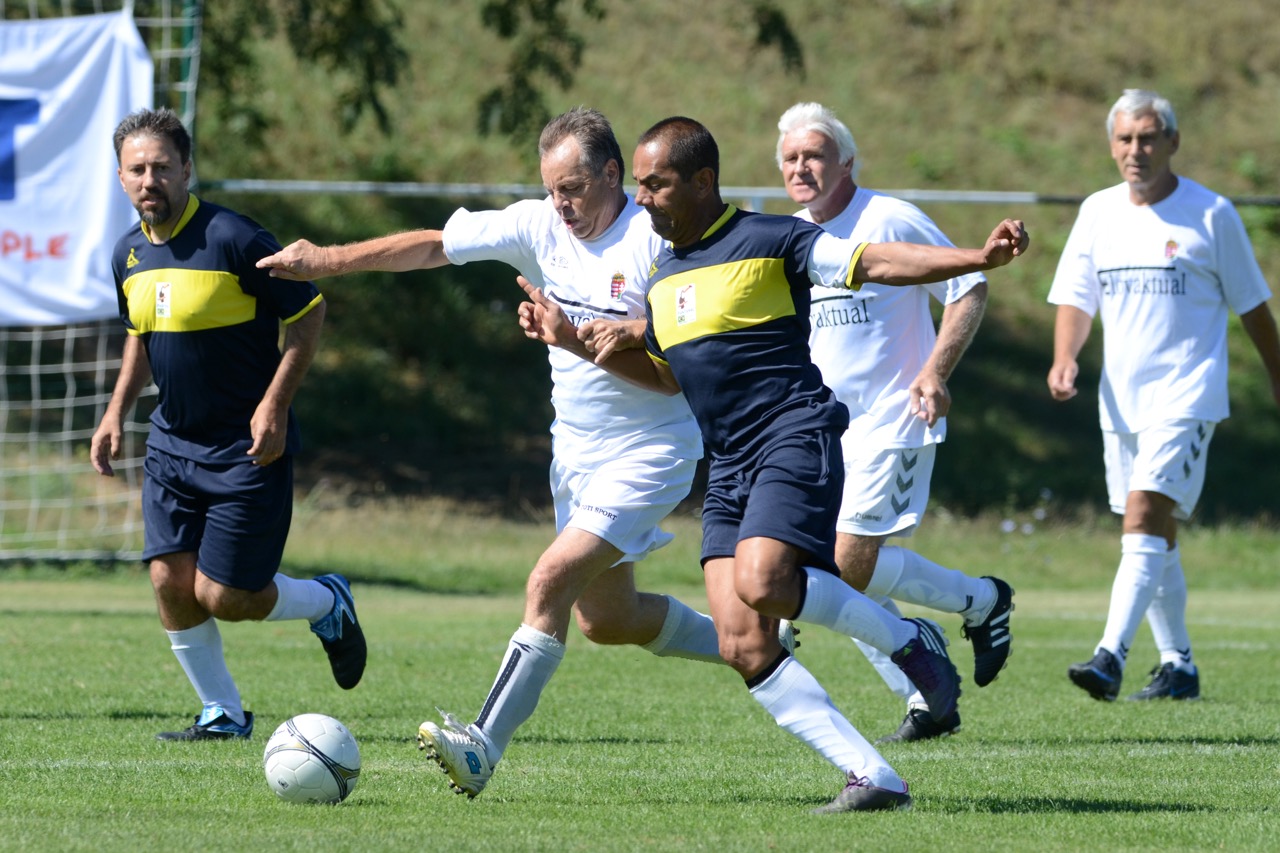
    Research from the University of Sydney and Royal North Shore Hospital provides insights into cardiac risk among footballers of masters age (35 years and older), an increasingly popular pastime.

    In what is believed to be the first study to assess cardiac knowledge and beliefs in this higher-risk amateur football group, researchers have found that one in five players experienced one or more potential cardiac symptoms while playing in the past year, but only one in four of them sought medical attention.

    The findings from the survey were published today in the Royal Australasian College of Physicians’ peer-reviewed journal The Internal Medicine Journal.

    Associate Professor Tom Buckley from the University of Sydney’s Faculty of Medicine and Health explained although regular exercise improves health, he and others have shown previously that strenuous exercise can cause a temporary increase in risk of heart attack and sudden death.

    “Although events during sport may be rare, each death is a tragedy and insight into motivations and health behaviours of masters’ players helps plan preventative approaches,” he said.

    “It is important for people to recognise and act quickly on symptoms when participating in sports events,” Associate Professor Buckley said.

    “Our research is also relevant for other sports besides football, which is the most common masters team sport.”

    Professor Geoffrey Tofler, senior author of the paper, and Professor of Preventative Cardiology at Sydney Medical School and cardiologist at Royal North Shore Hospital, says:

    “Although regular exercise improves health, the temporary increase in cardiac risk during strenuous exercise reinforces that it is important to recognise the warning signs of an impending cardiac event.

    “If a cardiac arrest occurs, acting promptly with CPR and defibrillator availability is critical.”

    “Our research provides insights for masters football players and other masters players so that they can continue to enjoy the benefits of weekend amateur sport but know when to seek help if required.”

    Some key findings include:

    • 21.6 percent experienced at least one potential cardiac symptom during physical activity in the preceding 12 months, but only 24.2 percent of them sought medical advice.
    • Almost half (49.6 percent) had little or no confidence that they would recognise a heart attack in themselves, with even less expressing confidence in recognising one in others.
    • In response to a hypothetical episode of chest pain while playing, less than half (46.6 percent) would leave the field immediately, while 49 percent would stay on the field for 5-10 minutes to see if the pain eased, and several A grade (16.6 percent) and B grade (2.2 percent) players would continue playing until their performance became unsatisfactory or until the end of the game.
    • Three quarters (76.5 percent) said they would use the internet for information about their symptoms before seeing a doctor.
    • Although knowledge of typical heart attack symptoms was high (>80 percent) it was lower (<40 percent) for less typical symptoms.
    • One high-risk attitude was that nearly half (45 percent) said if they thought they were having a heart attack, they would prefer someone to drive them to the hospital rather than have an ambulance come to their home.
    • While most (81.7 percent) would see a doctor within one week of experiencing a health problem such as chest pain, 18.3 percent would wait longer or not go.
    • A positive response was that prevention strategies were strongly supported by participants, in particular, defibrillator availability at games and training in their use, and educational information about cardiac health and warning symptoms.

    About the study

    Lead author Dr Matthew Francis said the Masters Football and Cardiovascular Risk survey collected self-reported, anonymous data via a web-based questionnaire, which sampled 153 amateur masters footballers from Sydney.

    Participants were of average age 49.3 ± 7.5 years, mainly male (92 percent), and from A -grade competition, B- or lower-grade competition and social games. Competitive drive and intensity of emotions while playing was greatest in the competition players.

    Dr Francis said that almost three quarters (73.3 percent) had played football for at least five years since 35 years of age, and participants exercised or played sport an average of 3.6 days per week.

    The most popular reasons for playing football were social interaction and enjoyment (93.5 percent), health and exercise (89.5 percent) and love of football (79.7 per cent).

    Co-author Mr Alexander Tofler, a student at the Susan Wakil School of Nursing and Midwifery, said players were invited to participate through researcher attendance at team sessions, or telephone and email communication with team and area coordinators who distributed study information.

    Because the level of education was high in survey participants (75 percent had university degrees), the findings may be a best-case scenario, assuming those with a lower educational level may have less awareness about cardiac issues.

    To find out more about heart-attack causes, warning signs and what to do, people are encouraged to visit the Heart Foundation resource page.  

  • Study confirms deadly risk of COVID-19 for those with heart failure

    Study confirms deadly risk of COVID-19 for those with heart failure

    The largest study of its kind in Australia has found patients with a history of heart failure are three times more likely to die from COVID-19.

    Launched last year at the outset of the pandemic, the AUS-COVID trial is investigating those who are most at risk from COVID-19 in Australia. To date, it has assessed hundreds of patients in 21 hospitals across the country.

    The study confirmed earlier concerns by clinicians and demonstrated that patients with pre-existing heart failure are three times more likely to die from COVID-19. Over 100,000 Australians live with heart failure according to data from the Australian Bureau of Statistics.

    The study found that patients with chronic kidney disease are twice are likely to die from COVID-19, while patients with chronic lung disease such as emphysema or chronic bronchitis are also around twice as likely to die from the virus.

    Kolling researcher and Head of Cardiology at Royal North Shore Hospital Professor Ravinay Bhindi said the findings have provided valuable data to assist in the treatment of new cases of COVID-19.

    “The research is providing timely advice for clinicians, helping them identify the patients most likely to deteriorate and therefore in need of a higher level of care,” he said.

    “These patient outcomes and emerging trends are also underpinning the importance of vaccination.

    “It’s critical that all patients with heart failure and other chronic conditions are vaccinated against COVID-19. We now have the data to show that if you have one of these chronic conditions and you’re not vaccinated when you get COVID-19, you are much more likely to die.

    “Our research is based on hundreds of cases across Australia, many with tragic outcomes. It’s important that we use this information to inform the care we provide for patients, and address any vaccine hesitancy with real-life experience.”

NSWGOV logo