Blog

  • New grant announced for up-and-coming Kolling Institute researcher

    New grant announced for up-and-coming Kolling Institute researcher

    One of our impressive researchers has taken out a prestigious national award to broaden treatment options for diabetes.

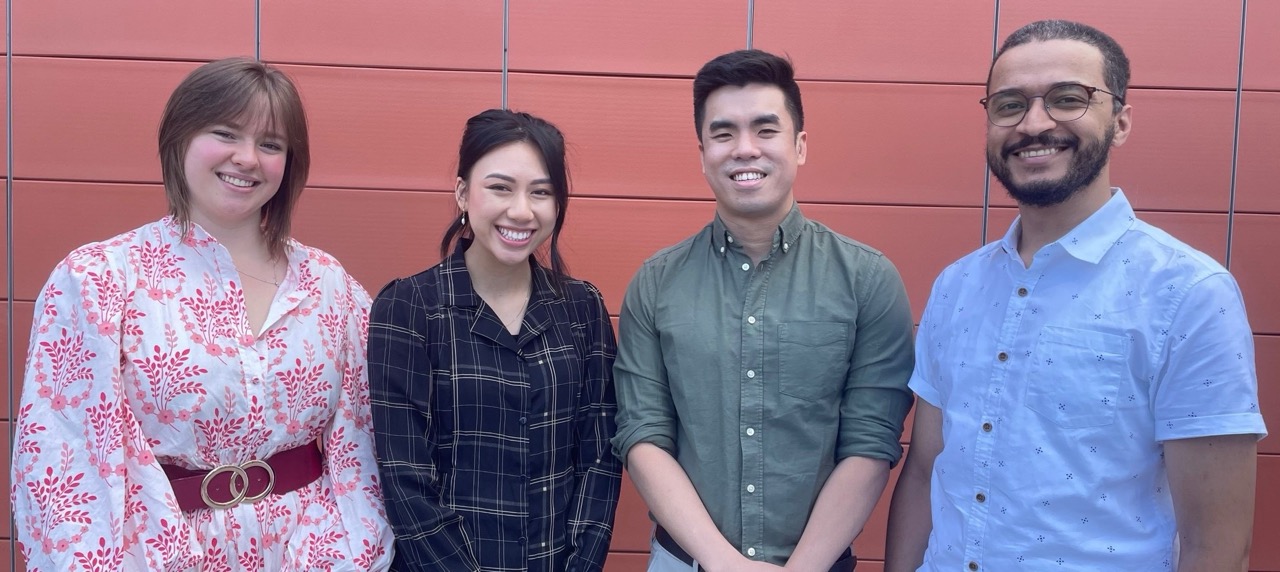
    Despite tough competition, Cameron Evans from the Cardiovascular Discovery Group has been awarded the 2024 Australian Centre for Accelerating Diabetes Innovation (ACADI) PhD grant.

    The funding means Cameron will be able to progress his research investigating the use of a new medication for diabetic foot ulcers and peripheral arterial disease.

    Mirabegron is currently used to treat overactive bladder syndrome, but this research will help determine if it could be a suitable option for diabetic foot ulcers and vascular disease, where dysfunctional blood vessels reduce oxygen and nutrients in the tissue, and cause chronic wounds.

    “Our use of Mirabegron works by improving blood flow to the lower limbs and increasing levels of nitric oxide, one of the body’s natural antioxidants,” Cameron said.

    “This will help blood vessels and diabetic tissue function normally and heal ulcers.

    “Current treatments include a cocktail of medications or vascular surgery which are invasive, costly and risky.

    “So we hope our research will confirm if Mirabegron will reduce amputation, improve quality of life and increase life expectancy.”

    Diabetes is continuing to escalate globally, with around 650 million people likely to have the disease by 2040.

    “It’s anticipated, one in five of those with diabetes is likely to develop an ulcer, so we could potentially be helping more than 130 million people with our research.

    “I am tremendously grateful for the ACADI PhD grant, which will greatly boost our project.

    “Working weekends and researching five days is a tough slog, so receiving this grant is an incredible help.

    “It’s a weight off my shoulders, and will give me dedicated time to progress our valuable investigations.”

  • Kolling Symposium celebrates life-changing impact of research

    Kolling Symposium celebrates life-changing impact of research

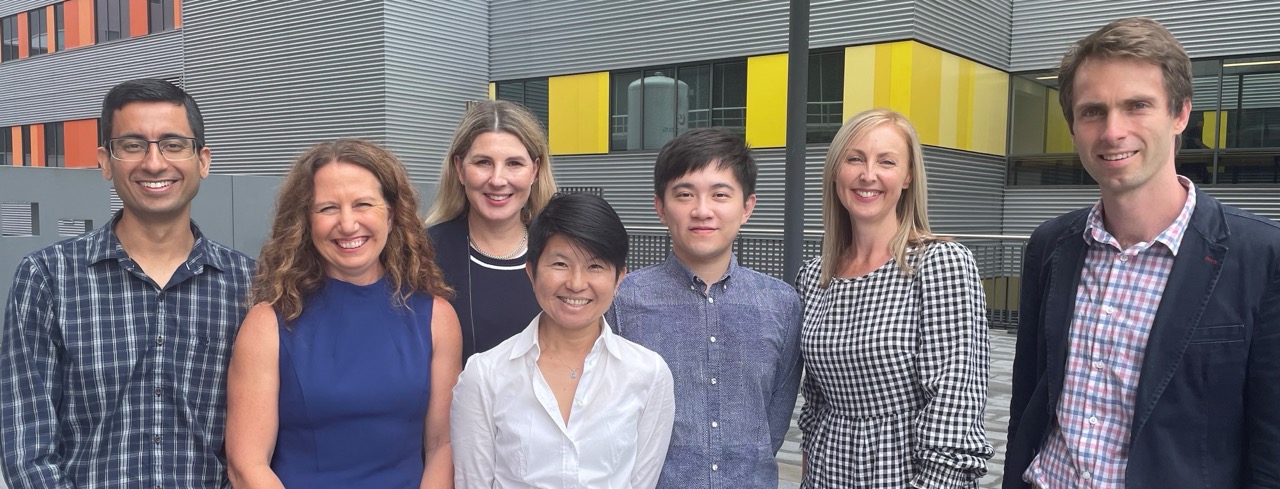
    A large group of inspiring researchers delivered presentations at the inaugural Kolling Institute Symposium, highlighting the strength of research underway at the institute.

    Close to a hundred people attended the event at the Northside Conference Centre focusing on the key themes of collaboration, innovation and wellbeing.

    Senior researchers and up-and-coming investigators took to the stage, outlining the progress being made with the Kolling’s basic science right through to its crucial implementation research.

    Academic Director Professor James Elliott said it was evident that significant achievements are being delivered, and I would like to recognise the considerable efforts by all our researchers from our heart and kidney disease scientists through to our neuroscience and pain, and musculoskeletal investigators.

    “It’s during big events like this one where we gain a much better idea of the ground-breaking work being undertaken at the Kolling and where we have the chance to meet with like-minded investigators from other teams.

    “It was also encouraging to hear from four consumer representatives who generously discussed their personal health experience. They provided crucial feedback on how to further involve consumers in our research community and future strategic initiatives.”

    Professor Elliott said the symposium was part of the overarching research strategy to raise the profile of the Kolling, its impressive researchers and its valuable work.

    “The event complemented the large collection of seminars and events we held throughout the year, and I am sure it went a long way towards broadening awareness of our potentially life-changing research and impact.”

    At the event Professor Elliott announced the successful recipients of the 2023 Kolling Awards. This year eight researchers received an award across the following five categories.

    Clinical Research Dr Vicki Duong and Dr Sumit Sahni

    Discovery Research Professor Jose Antonio Lopez-Escamez

    PhD completion Dr Natassia Rodrigo

    PhD supervision Associate Professor Claire Ashton-James and Dr Ryan Davis

    Professional Staff Quoc Nguyen (non-technical staff) and Shihani Stoner (technical staff)

    Professor Elliott said I would like to thank the Workforce and Culture Research Enabler and the Kolling Executive Committee for their co-ordination and support of the awards. It’s so important we acknowledge both our emerging and established leaders, and those having a remarkable impact with their research.

    “I would also like to acknowledge the researchers and professional staff for their tremendous commitment and contribution towards our research success.

    “Each of these award winners is driving substantial improvements in their individual areas of expertise, and I’m pleased that we’re able to direct the spotlight onto their significant achievements through the Kolling awards program.”

  • Kolling Institute Research Video

    Kolling Institute Research Video

    At the Kolling Institute, we are tremendously fortunate to work with so many skilled and dedicated researchers. Our Kolling video gives you an insight into some of our latest research and our inspirational teams.

  • Awards highlight research into the impact of medications

    Awards highlight research into the impact of medications

    One of our up-and-coming researchers within the Kolling’s Ageing and Pharmacology Lab has taken out two prestigious awards.

    Pharmacist and PhD student Mai Duong received the initial award at the International Pharmaceutical Federation World Congress in Brisbane.

    The APSA awarded Mai the Outstanding Oral Presentation in Pharmacy Practice prize for her discussion on the different perspectives of adverse drug events with heart failure medications in frail older people.

    She also took out an award for her presentation at the Cardiovascular Symposium hosted by the Australasian Society of Clinical and Experimental Pharmacologists and Toxicologists.

    Mai’s research has greatly benefitted from a new collaboration within the Kolling Institute involving researchers from the Ageing and Pharmacology Lab including Professor Sarah Hilmer and Dr Lisa Kouladjian O’Donnell and Associate Professor Rebecca Kozor from the Cardiology Department.

    She said her work has highlighted the contrasting consumer and clinician views on clinical outcomes, patient priorities and medication management of frail older people with heart failure.

    “We know that heart failure is becoming more common in the ageing population, leading to frequent hospital visits and claiming lives,” she said.

    “Patients report that the big problem for them is the number of medications they’re on and the possible interactions.

    “We are seeing that some medications for heart failure can cause falls, dizziness, renal impairment and other adverse events.

    “We know that optimising heart failure medication can be complex, but we hope that following our research there will be a greater focus on frailty and quality of life when these medications are prescribed.

    “We found that clinicians recognised that frailty status was important, but it was not routinely measured or included in medication management plans.

    “Backed by our research, we would like to see frailty measures considered when prescribing these medications, so that clinicians can tailor their approach for each patient for the best outcome.”

  • Collaboration driving research impactc

    Collaboration driving research impactc

    The strength of interdisciplinary research across the Northern Sydney (Arabanoo) Precinct was highlighted during a dynamic showcase at the Kolling Institute.

    The annual event, which has been steadily lifting its profile, featured the latest research progress across allied health, nursing, medicine, as well as pharmacy, dentistry and public health.

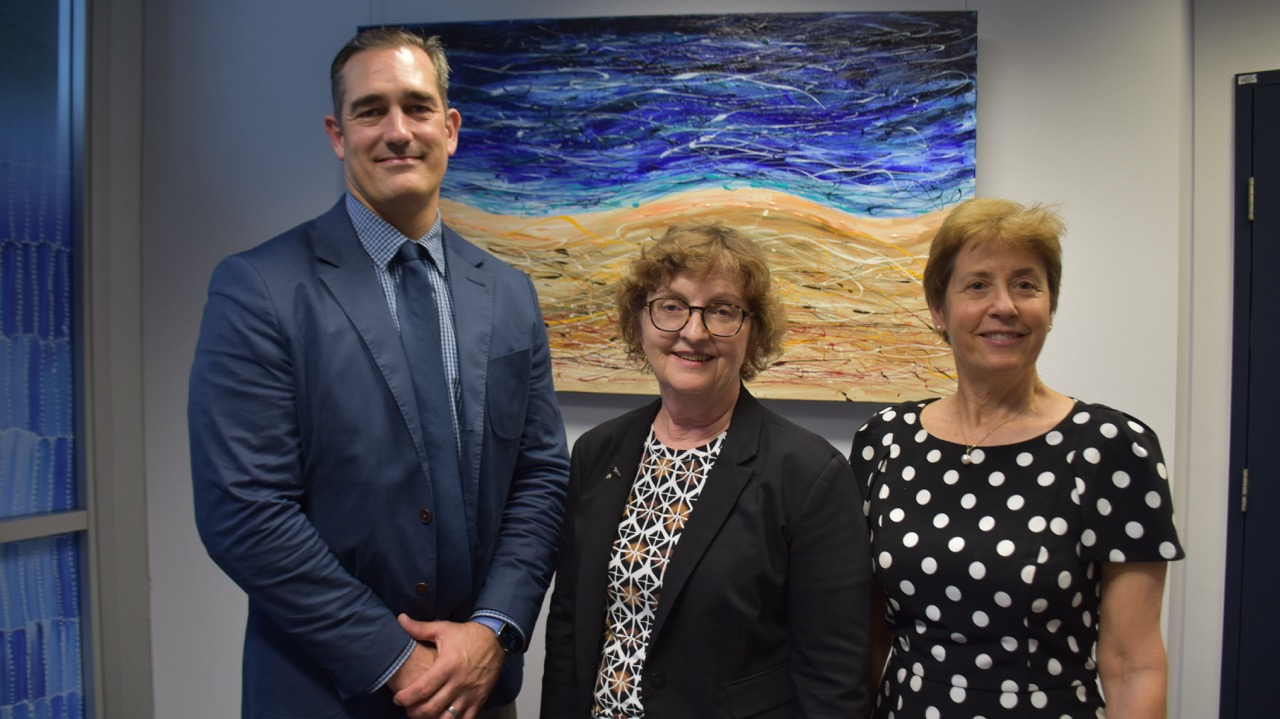
    More than a hundred people attended this year’s event hosted by the Precinct academic directors Professors Jim Elliott and Robyn Gallagher, and Associate Professor Margaret Schnitzler.

    The showcase provided an insight into the successful collaborations between the University of Sydney and the Northern Sydney Local Health District, and their impact on the delivery of care.

    Associate Professor Elizabeth Clarke detailed her interdisciplinary research investigating the use of kangaroo tendons for human ACL reconstructions. This project involved engineers and medical scientists from the Kolling, along with orthopaedic surgeons and an Australian industry partner.

    A/Prof Clarke also discussed the Kolling Orthopaedic Biomechanics Robotic Arm, an exciting collaboration between engineers from the University of Sydney, orthopaedic surgeons from the NSLHD and global industry partners.

    Elizabeth said these two examples highlight how interdisciplinary collaboration can achieve outcomes far greater than the sum of the parts.

    “We would not have achieved the research and innovation goals without any one of the partners and team members on these projects,” she said.

    Exercise physiologist Rosanna Tran delivered her presentation on the FORTRESS trial, which is assessing a frailty intervention in hospitals. Funded by the NHMRC, the trial is using a validated screening tool and an evidence-based intervention.

    Rosanna, who is based at Hornsby Hospital, said the collaborative research will help establish a cost-effective model of care to help manage frailty and its adverse impacts.

    Professor Mark Molloy from the University of Sydney discussed his collaboration with Royal North Shore Hospital colorectal surgeon Professor Alexander Engel to identify molecular markers of disease risk for bowel cancer.

    “This project demonstrates how clinical services can be an important contributor to interdisciplinary research through linking our own strengths,” he said

    “Collaborating with clinicians helps to make my research more impactful by bringing a patient-centric perspective.”

    It’s anticipated there’ll be further interdisciplinary collaboration following the showcase event.

  • Significant investment in our research announced

    Significant investment in our research announced

    A large collection of research projects will get off the ground following generous funding through the Ramsay Research and Teaching Fund Scheme.

    The scheme has directed more than $10 million to research on the Royal North Shore Hospital campus over the last 20 years, and this year a further $850,000 will be shared across 17 projects.

    A diverse range of studies will be supported, strengthening investigations into cardiovascular disease, cancer and diabetes as well as osteoarthritis, neonatal care, thyroid function and physiotherapy programs.

    The successful recipients this year are:

    • Professor Dale Bailey
    • Professor Roderick Clifton-Bligh
    • Professor Gemma Figtree
    • Professor David Hunter
    • Associate Professor Sarah Glastras
    • Associate Professor Joanne Glinsky
    • Associate Professor Karl Ng
    • Associate Professor Sean Seeho
    • Dr Sally Baron-Hay
    • Dr Grace Gifford
    • Dr Matti Gild
    • Dr Pierre Janin
    • Dr Barbara Lucas
    • Dr Sharon McCracken
    • Dr Lauren Monds
    • Dr Leo Pang
    • Dr Kathy Willowson     

    NSLHD CE Adjunct Professor Anthony Schembri AM welcomed the investment saying it will help the district maintain its reputation as a hub of research excellence and high value care.

    “We know that districts with an active research culture, where research is embedded as part of clinical care have a higher patient experience, less errors and better health outcomes,” he said.

    “I look forward to following the progress of these projects, as well as their impact on lifting our standard of care and our understanding of a broad range of conditions.

    “Personally, as a fellow allied health worker, it’s great to see our allied health practitioners being recognised with these important research grants.”

    The recipients were congratulated by North Shore Private, Ramsay Healthcare Acting CEO Christian Hoengaard, who said the grants represented a tremendous investment.

    “We look forward to all the good outcomes that will flow as a result of this research and I’m sure it will help us continue to deliver world leading care,” he said.

    “We have a long history of collaboration and I look forward to building on that partnership for another two decades.” 

  • Researchers saving those with silent heart disease

    Researchers saving those with silent heart disease

    For many years we’ve understood that heart disease is linked to unhealthy habits and underlying health issues, but our researchers at the Kolling Institute are pioneering a new approach to identify and treat those with the disease without the traditional risk factors.

    In Australia, a heart attack occurs every nine minutes, often with a tragic outcome or lifelong consequences.

    Many of these attacks are associated with smoking, high blood pressure, diabetes and high cholesterol, where arteries have been damaged and obstructed by plaque.

    But our researchers are turning their focus to a group of patients who have developed silent cardiovascular disease, without any warning signs.

    This group accounts for an alarming 25 per cent of people who have had a heart attack without any of the standard modifiable risk factors.

    Internationally recognised researcher and Royal North Shore Hospital interventional cardiologist Professor Gemma Figtree said we’ve seen an increase in patients like this over the last 10 years, and worryingly, many fared poorly after initial hospital treatment.

    “A greater number of them died within 30 days of the initial heart attack compared to patients with traditional risk factors, and women were disproportionately affected,” she said.

    “This group has until now, not been the focus of research or disease management, but we are working to gain a better understanding of how the disease develops in these patients and how we can capture them early and save lives.

    “It’s estimated 1.3 million people worldwide die each year due to heart attacks without the usual risk factors. These patients have no current way of accessing effective treatment for their underlying plaque as it silently develops.”

    In response to these challenges, Professor Figtree is spearheading a new approach and working with physicians, scientists and industry experts to support this group.

    Researchers are developing a series of blood tests to identify biomarkers of the underlying disease itself in its silent phase, and confirm whether they point to potential new therapeutic targets.

    They say if a marker could identify even 50 per cent of people with plaque independently of the risk factor profile, it would allow intervention with effective treatments that stabilise plaque and dramatically reduce the number of heart attacks.

    Professor Figtree said this will be a crucial step forward, revolutionising heart attack prevention.

    “Most current medications for heart disease target the known risk factors like high cholesterol and high blood pressure, however we are working to develop medications which could benefit all those at risk of heart disease, not just those with the obvious risk factors,” she said.

    “It’s important that this cohort, which has been largely invisible until now, is given the focus they need.

    “We know the development of new drugs can take many years, but we’ve seen with the success of the COVID-19 vaccines that progress can be made in a short period of time, and we’re convinced that by bringing together the best minds from across the globe, we’re in a strong position to effect change and reduce preventable deaths.” 

  • Crucial funds strengthening our research expertise

    Crucial funds strengthening our research expertise

    A group of researchers will have the chance to broaden their skills and establish new collaborations following a funding boost from the Royal North Shore Hospital Scientific Staff Council.

    The council has awarded 12 travel grants to scientists working within the district and the Kolling Institute.

    The diverse group of leaders is driving research progress into heart and kidney disease, cancer, musculoskeletal conditions and the quality use of medicines. Their investigations are helping to establish a better understanding of disease and improved models of care.

    RNSH Scientific Staff Council Chair Dr Sumit Sahni said more than $25,000 will be shared amongst the group to allow them to present their research at national and international conferences.

    “I would like to congratulate this impressive group. They are all developing their research expertise and increasing their impact in their individual areas, ultimately improving the care we provide,” he said.

    The successful recipients include cancer researchers Drs Bharat Venkatesh and Nunki Hassan, musculoskeletal investigators Drs Joanne Glinsky and Xiaoqian Liu, and scientists improving the use of medications Drs Lisa Kouladjian, Kenji Fujita and Nashwa Masnoon.

    Funding has also gone to kidney disease researchers Dr Ji Bian, Dr Qinghua Cao and Amanda Purcell, and two cardiology researchers Drs Jonathan Ciofani and Sina Fathieh.

    Dr Sahni said the travel awards program has been supported for many years by Ramsay Heathcare and he would like to thank them for their continued investment in our research. 

  • Kolling Institute Year in Review 2022

    Kolling Institute Year in Review 2022

    Check out our Kolling Institute Year in Review 2022 celebrating our research success. It highlights our world-leading translational research and our impact across our priority research areas. Click on the link here.

  • Recognition of our impact on the world stage

    Recognition of our impact on the world stage

    Kolling Institute Governance Committee Chair Michael Nugent said it is encouraging to see more than a dozen researchers from the Kolling have been profiled in an international study recognising the world’s best.

    Published by Stanford University, the study has identified the top two per cent of researchers in the world across individual fields.

    The study is based on metrics from Scopus, a database of peer-reviewed literature including scientific journals, books and conference proceedings. Researchers were ranked on standardised information including citations, h-index, authorship positions and a composite indicator.

    “I am pleased to confirm 16 researchers from the Kolling have been highlighted in the study, demonstrating the unique expertise and experience we have across the institute,” Michael said.

    “These results are a further indication of the ground-breaking scientific progress we’re making, and the tangible impact we’re having on healthcare models of care and quality of life. Importantly, this impact is benefitting communities on a national and international scale.

    “I would like to acknowledge the following outstanding group of researchers, who all have an unrelenting commitment to improving the care we receive.”

    • Professor Rob Baxter (AM) – Breast Cancer Research
    • Professor Ian Cameron – John Walsh Centre for Rehabilitation Research
    • Professor Ashley Craig – John Walsh Centre for Rehabilitation Research
    • Professor Jim Elliott – Neuromuscular Imaging Research Lab
    • Professor Manuela Ferreira – Back Pain Research Group
    • Professor Gemma Figtree (AM) – Cardiovascular Discovery Group
    • Professor Paul Glare – Pain Management Research Centre
    • Professor Lisa Harvey – John Walsh Centre for Rehabilitation Research
    • Professor Sarah Hilmer (AM) – Laboratory of Ageing and Pharmacology
    • Professor David Hunter – Osteoarthritis Research Team
    • Professor Chris Little – Raymond Purves Bone and Joint Research Lab
    • Professor Gin Malhi – Academic Psychiatry and CADE Clinic
    • Professor Lyn March (AM) – Rheumatology Department
    • Professor Mark Molloy – Bowel Cancer Research
    • Professor Michael Nicholas – Pain Management Research Centre
    • Professor Carol Pollock (AO) – Renal Research Team

    “I would also like to acknowledge the Kolling’s former Executive Director Professor Carolyn Sue who has been recognised in the study profiling the global leaders in research.

    “It is wonderful that so many of our researchers are among the world’s best, driving significant improvements in research and clinical care.”

NSWGOV logo