Blog

  • Partnership to drive innovation in genomic science

    Partnership to drive innovation in genomic science

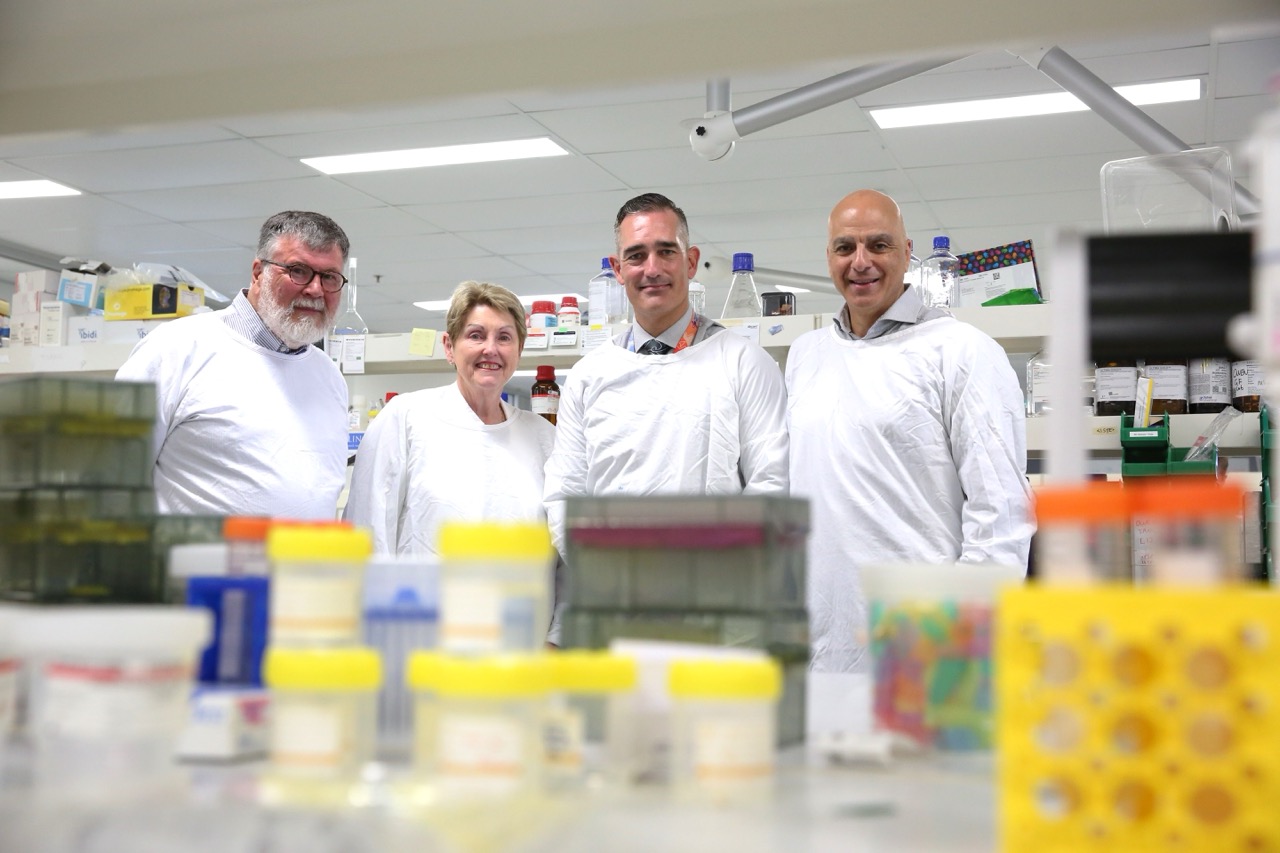
    An exciting partnership between AGRF Ltd (Australian Genome Research Facility) and the University of Sydney and the Kolling Institute will help strengthen genomic capabilities.

    The partnership will see a specialised team and cutting-edge technology located within the institute to progress research in this increasingly crucial field.

    As Australia’s largest provider of genomic services, AGRF supports researchers and organisations to drive discovery across clinical genomics, translational research, agriculture and environmental science.

    AGRF partners with medical and scientific communities to provide world class expertise and high quality genomic data from single-gene analysis to whole genome sequencing and biomarker discovery.

    Professor Robyn Ward, Executive Dean and Pro-Vice Chancellor of the Faculty of Medicine and Health at the University of Sydney welcomed the announcement saying there is a growing awareness of the need for genomics in healthcare.

    “We are proud to partner with AGRF, and we are looking forward to exploring collaborative research and educational opportunities with this leading genomics provider,” she said.

    “By establishing a translational genomics facility within the Kolling Institute, we will be well placed to progress innovative research and directly improve health outcomes.”

    AGRF Chairman Professor Simon Foote said he was pleased the partnership had been forged, saying genomics will increasingly help address some of society’s biggest challenges.

    “As Australia’s premier provider of genomic solutions, AGRF is delighted to partner with the University of Sydney and the Kolling Institute, where our shared strengths and synergies can advance cutting edge translational research,” he said.

    “This collaboration reflects our commitment to enable genomic discoveries to drive innovation, improve lives and build awareness of the transformative potential of genomics.”

    Northern Sydney Local Health District Chief Executive Adjunct Professor Anthony Schembri said it was an important step to establish the genomics facility within the institute which is located alongside Royal North Shore Hospital.

    “This specialised facility will help speed the translation of genomics research with direct input from leading clinicians and health providers,” he said.

    “The partnership will foster discovery science and a pathway to incorporate new knowledge and capabilities into clinical care.

    “We are excited to see the advancements in care by bringing together our collective strengths.”

    Professor James Elliott, the Kolling Institute’s Academic Director said a collection of our researchers are already working with experts from AGRF.

    “We are looking forward to strengthening that relationship and the exciting opportunities and innovations to come from this strategic partnership,” he said. 

  • Kolling Research Symposium 2024

    Kolling Research Symposium 2024

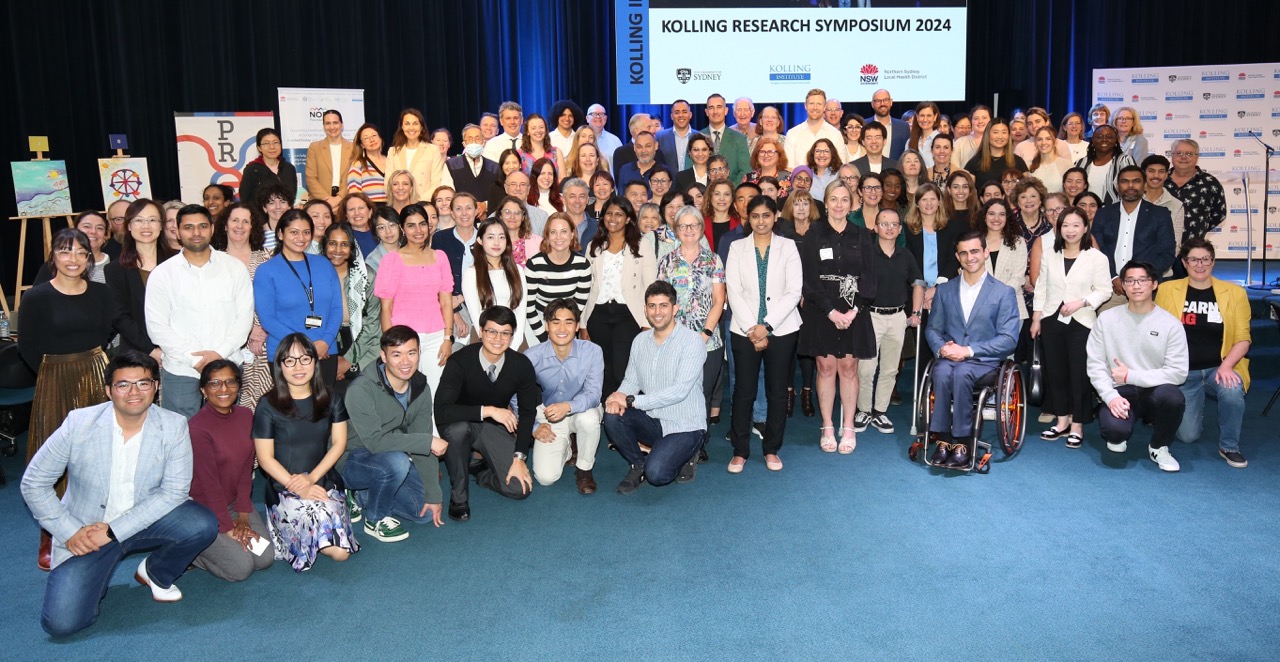
    We would like to thank everyone involved in the 2024 Kolling Institute Symposium.

    During the event, a diverse collection of researchers detailed the latest progress with their ground-breaking work into kidney and heart disease treatments, bone and muscle conditions, rare cancers, and neurological challenges. There was a focus too on the innovative work to develop a unique wellbeing index.

    Researchers discussed how they’re tapping into technology to deliver care to large numbers of patients, improving outcomes with the latest heart valve devices and investigating the benefits of reducing multiple medications for older patients.

    The symposium brought together researchers, representatives from our joint venture partners (Northern Sydney Local Health District and the University of Sydney) and a growing network of community partners to celebrate our impactful work.

    Academic Director Professor James Elliott said the event featured thoughtful presentations, panel discussions, poster presentations, and an Oxford Debate on the impact of AI on healthcare. 

    “I would like to thank our guest speakers Professor Susan Morton, Director of INSIGHT at the University of Technology and Lifeline Australia ambassador and wellbeing advocate Matt Caruana who shared his personal experience and inspiring perspective,” he said.

    “The symposium provided an opportunity to hear how our researchers are extending our understanding of complex conditions and improving therapies and outcomes.  

    “It also offered the chance to highlight some special awards for a group committed to increasing access to high-quality care, and improving the health and wellbeing of our broader community.

    “I would like to congratulate the 2024 Kolling Institute award recipients for their remarkable commitment to our research success.” They include:

    PhD Supervision Award
    Associate Professor Sonia Saad
    Department of Medicine, Renal Research Laboratory

    HDR Student Award
    Amanda Purcell
    Renal Research Laboratory

    Discovery Science Award Category A
    Dr Nunki Hassan
    Cancer Stem Cell and Biology Laboratory

    Discovery Science Award Category B
    Dr Sumit Sahni
    Bill Walsh Translational Cancer Research Laboratory

    Professional Staff Award Category A
    Susan Smith
    Raymond Purves Bone and Joint Research Laboratory
    Kolling Histology Core Facility

    Professional Staff Award Category B
    Annette McCook
    Research Development Officer 

    Excellence in poster presentation
    Claire Wong

    Excellence in oral presentation 
    Dr Karan Rao

    “Thank you to the many people involved in bringing this large-scale event together to highlight the remarkable and life changing work underway at the Kolling Institute,” said Professor Elliott.

  • Kolling NEWS

    Kolling NEWS

    Our Kolling Institute newsletter brings together a collection of profiles on our impressive researchers. Flip through our flipping book to discover more about our leading research into kidney disease, rare cancers and the use of supplements for osteoarthritis. There’s a focus too on the first steps towards gene therapy for Meniere’s disease, the latest research into treatments for dementia and an innovative program taking musculoskeletal care to the bush.

  • Spotlight on clinical trials

    Spotlight on clinical trials

    Kolling Institute researcher and Royal North Shore Hospital endocrinologist Professor Rory Clifton-Bligh has been involved in clinical trials for more than 20 years, focusing on conditions such as osteoporosis, thyroid cancer and diabetes.

    Patients in the endocrinology clinic have sometimes accessed medication 10 years ahead of other Australians.

    Many of these drugs have gone on to be listed on the Pharmaceutical Benefits Scheme.

    “The trials have all been quite transformational in their areas,” he says.

    Addressing rare diseases

    Unfortunately, patients with rare diseases have often faced limited treatment options.

    However, over the past 10 to 15 years, Rory has seen a significant increase in the number of clinical trials for rare diseases, including some involving his department.

    The shift has flowed from the Orphan Drug Act, a US law passed in 1983 that incentivised drug development for rare diseases, making it easier for the US Food and Drug Administration to grant approvals.

    Current trials and recruitment challenges

    Rory and his team are currently enrolling participants for several trials spanning rare bone, thyroid cancer, cholesterol and lipid diseases.

    “It’s a fairly diverse portfolio of clinical trials in the rare disease space,” he says.

    Recruiting patients can be challenging but multi-centre study centres around the world help.

    Rare diseases are defined differently in parts of the world. In Australia, it is considered rare if five in 10,000 people have the condition while in the US, it’s rare if it affects fewer than 200,000 people.

    Paradoxically, rare diseases are not rare.

    Rory points out that rare diseases are more common than people think.

    He emphasises the broader importance of clinical trials for providing access to new therapeutics and enhancing clinical practice.

    “What we call best practice is yesterday’s medicine. Clinical trials are tomorrow’s medicine.” 

  • Innovation at the Kolling’s core

    Innovation at the Kolling’s core

    In the heart of the Kolling Institute, a world-renowned research centre, a raft of clinical trials is driving the future of healthcare.

    “Clinical trials are intrinsic to research,” says Professor James Elliott, Academic Director of the institute. “They help us test something so that we can better inform care for patients with various conditions who come to our hospitals for treatment.”

    The Kolling Institute has a strong track record in conducting impactful clinical trials. Notably, it has been involved in running multiple trials for those with heart and kidney disease, musculoskeletal conditions and chronic pain.

    Their cancer trials have made significant contributions across various tumour streams, including pancreatic, haematological, breast, and bowel cancers.

    James emphasises that basic science, discovery and scientific innovation are embedded in the Kolling’s over 100-year history.

    “Often, it is those innovations from our basic science laboratories that ultimately inform the mechanisms by which trials are developed.”

    James adds that understanding the ways diseases work allows researchers to target trials more precisely, leading to better patient outcomes.

    However, the need for trials sometimes outpaces scientific understanding.

    “We can’t always wait for a full understanding of a disease,” James notes. “In some cases, we must move forward with trials to push the needle on patient care, even as we continue to explore the underlying mechanisms.”

    A key advantage for the institute is its proximity to one of Australia’s largest tertiary hospitals, Royal North Shore Hospital. This connection provides access to a vast patient population, which is crucial for conducting large-scale clinical trials.

    “We serve over a million patients,” says James, stressing the importance of their “trial as therapy” culture. “We want patients to expect that they may be invited to participate in a clinical trial or research study as part of their care.”

    The Kolling Institute is a world leader in researching osteoarthritis, musculoskeletal conditions, cancer, neuroscience and pain, and cardiac, cardiovascular and renal disorders. 

  • Philanthropic funds launch crucial research into little-known cancer

    Philanthropic funds launch crucial research into little-known cancer

    Generous community support is strengthening our research into oesophageal cancer, lifting hopes of improved treatments for the aggressive and deadly cancer.

    The Fight for a Cure charity has donated $100,000 towards Dr Colby Stevenson’s research, on top of a $100,000 donation from the Howlett family, in memory of their son Scott who died from the cancer.

    The Howlett family has welcomed the research saying it will help to raise awareness of this little-known cancer, while improving survival rates through earlier detection and treatment

    Oesophageal cancer is the 11th most common cause of cancer death in Australia, accounting for over 1400 deaths each year.

    Sadly, less than 25 per cent of people with this cancer survive more than five years, compared to about 70 per cent for all cancers combined.

    Dr Stevenson, a surgeon and researcher, said he is incredibly grateful for the philanthropic support as it will allow him to conduct research which would otherwise be very difficult to get off the ground.

    “There have been some really significant improvements for some cancers like melanoma and breast cancer in the last 10 years, but concerningly, we have not seen the same kind of improvement in outcomes for those with oesophageal cancer,” he said.

    “Patients will generally undergo chemotherapy and radiotherapy before surgery, with some people responding much better than others. In some cases, the patients’ disease will worsen while on treatment, and occasionally some will not survive it”.

    “My research will analyse oesophageal tumours to look for genes or proteins that may inform a patient’s individual prognosis and if their tumour will respond to a particular treatment”.

    “This is an important body of work which could lead to individualised treatment approaches and avoid harmful treatments for patients who are unlikely to benefit from them.”

    Dr Stevenson said he is grateful for this opportunity and driven to progress this research given the current poor prognosis for people with this deadly form of cancer.

    “I think this type of research could be the key to substantial improvement as it will allow us to further sub-classify oesophageal cancer so we can then develop the best treatment approach for each person.

    “We are able to conduct this valuable work as result of efforts over the last 20 years to build and maintain the Kolling Institute Tumour Bank. It means we have tumour specimens from many different patients over a long period of time.”

    If you would like to support this cause please contact the NORTH Foundation at info@northfoundation.org.au or call 9436 0162.

    To learn more about Fight for a Cure visit fightforacure.com.au  

  • Leading new centre to strengthen cancer research and expertise

    Leading new centre to strengthen cancer research and expertise

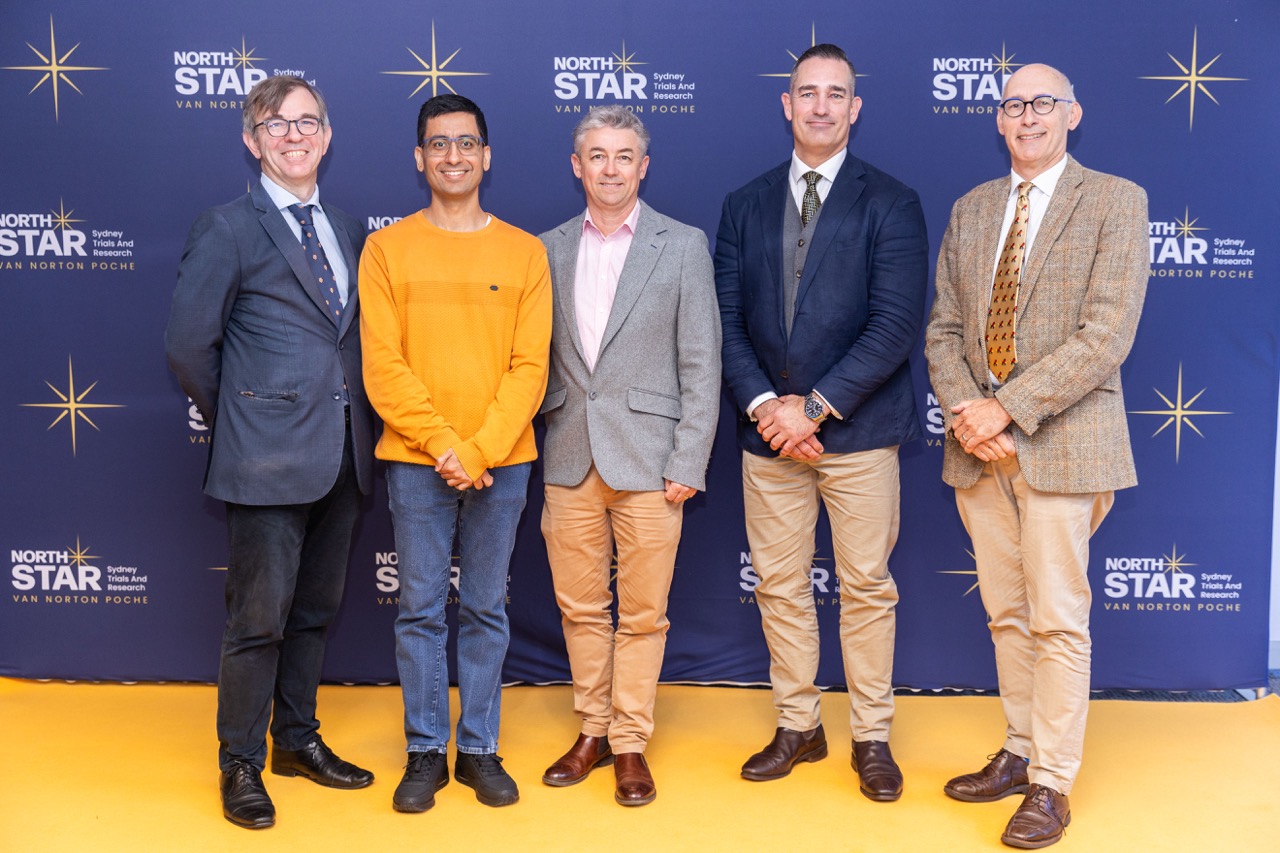
    Researchers at the Kolling Institute have welcomed the launch of Australia’s premier cancer clinical trials centre on the Royal North Shore Hospital campus.

    NORTH Sydney Trials and Research Van Norton Poche or NORTH STAR VNP has been made possible by a $20 million gift from the late Kay Van Norton Poche and her husband Greg.

    The centre is a ground-breaking partnership between Northern Sydney Local Health District and the world-renowned Memorial Sloan Kettering Cancer Centre in New York.

    NSLHD Chair of Research Professor Bruce Robinson said it will significantly expand access to the latest clinical trials for those in Sydney and across New South Wales, and then nationally.

    “We expect this wonderful new centre will offer hope to patients and their families across the country, improving treatments for cancer and even contributing to a cure.

    “It will mean communities, particularly those in rural and regional areas, will have access to the latest treatments and innovation, regardless of where they live.”

    Three initial clinical trials will be underway within months, aiming to improve outcomes for people with head and neck cancers, breast cancers and upper gastric cancers.

    Leading bowel cancer researcher Professor Mark Molloy said cancer researchers at the Kolling Institute are looking forward to collaborating with the NORTH STAR VNP clinical trials.

    “This is an exciting opportunity to work with patient specimens obtained during clinical trials, which will allow us to discover prognostic and drug response biomarkers,” he said.

    “Through these studies we will have a better understanding of the impact and function of new therapies, and how clinicians can optimise patient treatments.

    “It was encouraging to attend the launch of the new centre with so many national and international clinicians and researchers, and to witness the enthusiasm for this new partnership.

    “We look forward to it increasing research activity and the development of new targeted cancer treatments.”

    If you would like to build on this legacy, you can donate to our fundraising partner, the NORTH Foundation.

  • Valuable new funds support game-changing cancer research

    Valuable new funds support game-changing cancer research

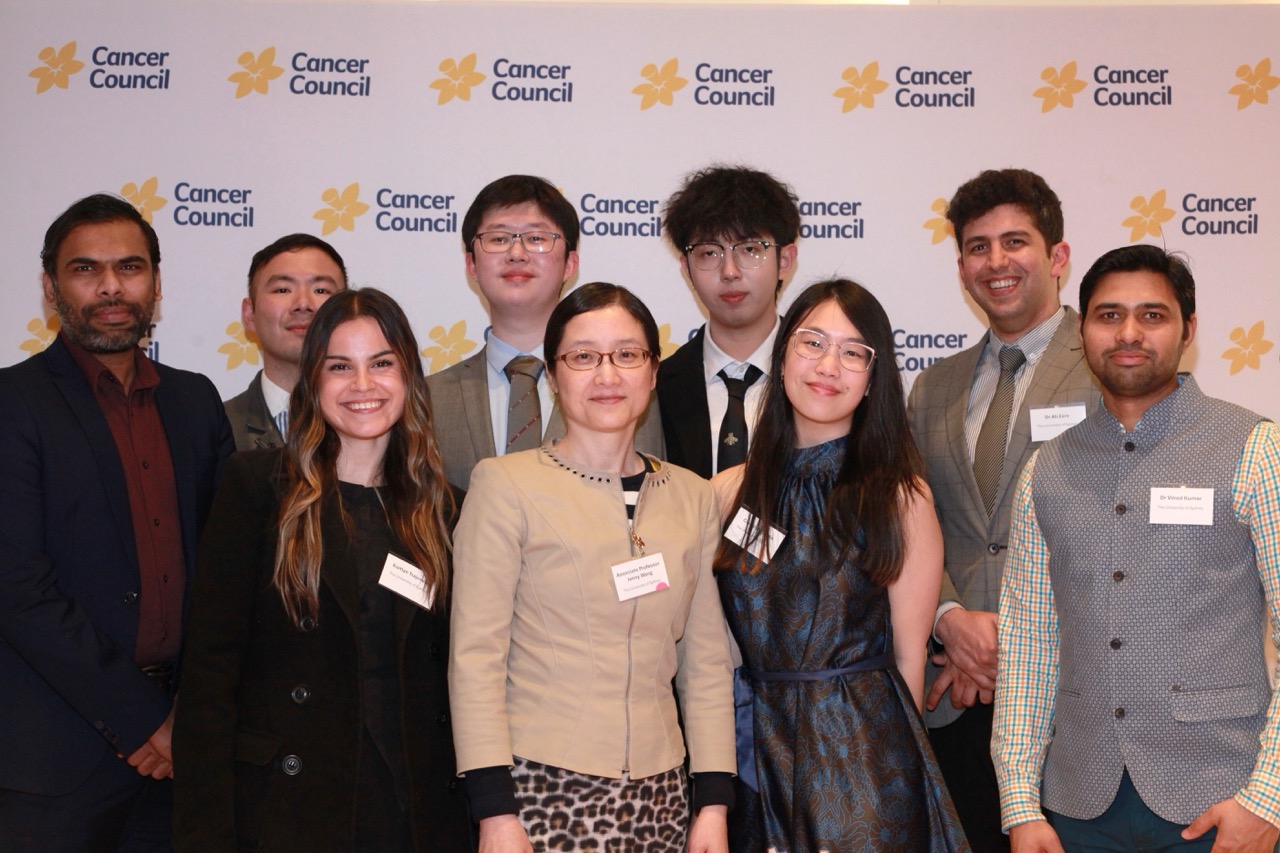
    Our ground-breaking leukaemia research at the Kolling Institute has received an important boost with the Cancer Council NSW announcing a $450,000 grant for Associate Professor Jenny Wang and her research team.

    The funds will help the development of a new therapy to greatly improve survival rates for those with acute myeloid leukaemia.

    This form of blood cancer is particularly aggressive, with less than a third of patients surviving five years after diagnosis.

    In many cases, the leukaemia does not respond well to chemotherapy and often returns.

    Associate Professor Wang welcomed the significant funding saying it will strengthen her research targeting the protective mechanism within the leukaemia stem cells which makes them resistant to chemotherapy.

    “My team has discovered a self-renewal pathway which enables leukaemia stem cells to protect themselves from chemotherapy and reproduce,” she said.

    “There are currently no effective treatments to target these leukaemia-initiating cells but my team is developing a therapy to eliminate them and improve patient outcomes.

    “Encouragingly, we anticipate this approach could help other cancers driven by tumour-initiating cells, such as cancers of the lung, breast, prostate, colon and brain.

    “These cancers may share the same survival mechanism as the leukaemia stem cells so the approach may also effectively target them.”

  • Kolling researchers make promising breakthrough with leukaemia study

    Kolling researchers make promising breakthrough with leukaemia study

    While there has been a great deal of encouraging progress with many cancer treatments over the last decade, the prognosis for people with acute myeloid leukaemia remains dismal, with only 27 per cent of patients surviving more than five years after treatment.

    Lead researcher Dr Jenny Wang said we have seen a sharp rise in the number of people with the deadly form of blood cancer in recent years and the trend is set to continue.

    There are now more than 135,000 people in Australia living with blood cancers, with 16 people losing their life to this disease every day.

    Dr Wang said blood cancers are particularly aggressive forms of cancer and very challenging to treat.

    “The majority of them are resistant to current chemotherapy treatments which means many people experience a relapse of their blood cancer. If even one cancer stem cell survives after treatment, the cancer can regenerate and come back,” she said.

    “Sadly, over 80 per cent of people will experience a relapse with their blood cancer.”

    The future for blood cancer treatment is expected to be stem cell-based treatment and Dr Wang’s team has made significant progress over the last 10 years broadening our understanding of the biology of the stem cells driving blood cancers.

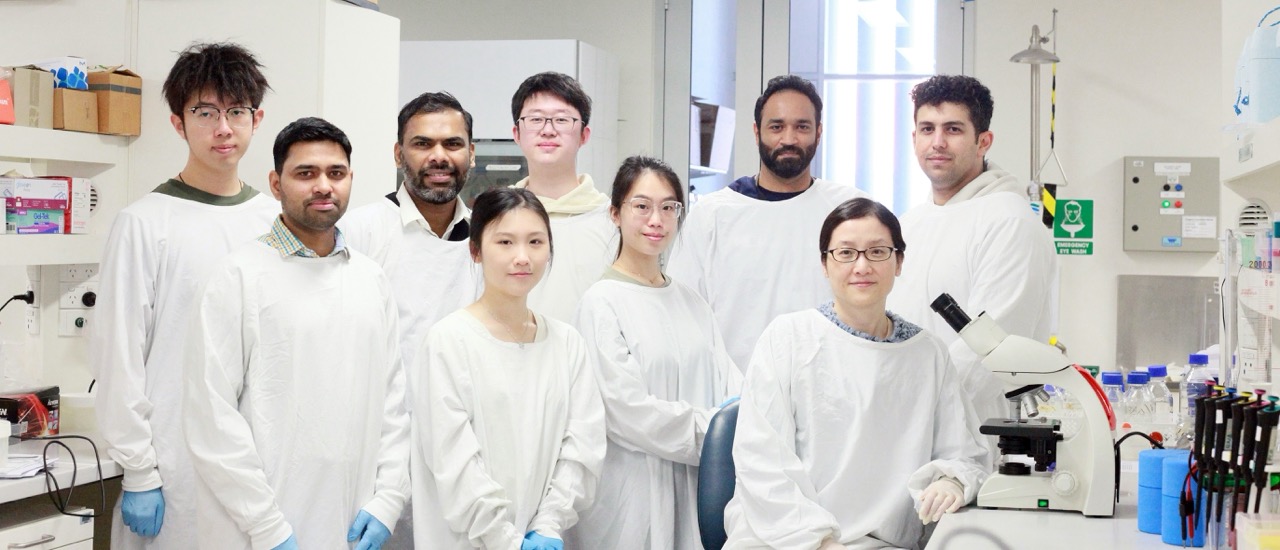
    Her Cancer and Stem Cell Laboratory team is now using that knowledge to progress the development of an effective, stem cell-targeted cancer treatment.

    Dr Wang said leukaemia stem cells have their own protective mechanisms that make them resistant to anticancer drugs.

    “Our new treatment approach however, works by disrupting the ability of the leukaemia stem cells to self-renew. Specifically, it destroys the unique protective antioxidant mechanism of malignant stem cells.

    “Antioxidants have long been considered a type of healthy compound, due to their many benefits such as anti-aging and anti-inflammatory. However, we found that the antioxidant in cancer protects malignant stem cells against cancer therapy, leading to drug resistance and disease relapse.

    “Reducing the antioxidant level makes malignant stem cells sensitive to standard chemotherapy and effectively kills these cells.

    “Encouragingly, it’s anticipated this treatment approach could be applied to other cancers as well, improving outcomes for a much larger range of cancers.”

    Dr Wang’s research has been published in the top hematology journal, Blood, with international leaders from Columbia University and Temple University. To view the publication click here:

  • Running for game-changing research

    Running for game-changing research

    Less than two years after a breast cancer diagnosis, Professor Gemma Figtree has completed the prestigious Boston Marathon while raising significant funds for cancer research.

    Gemma crossed the finish line in a sub four hour time as part of the talented team running for the internationally renowned Dana Farber Cancer Institute.

    Gemma ran her first marathon just after completing six months of chemotherapy in 2022, so to be accepted into the Boston event was a remarkable achievement.

    “I was really excited to have the opportunity to run in the marathon, but it was particularly an honour to run for the Dana Farber Cancer Institute,” she said.

    “For me to come through chemotherapy, and then qualify to run Boston was a major milestone in itself, and then to be able to run for one of the world’s best cancer research institute’s fundraising teams, was a perfect combination.

    “Running was a crucial part of my recovery, and there’s now increasing evidence around the benefits of exercise for cancer patients from reductions in recurrence, improved mental health and a reduction in the side effects of chemotherapy.”

    Gemma is tremendously thankful to her donors who helped her raise more than $30,000.

    “Philanthropic funding is so important as it often supports early to mid-career researchers or early stage ideas, where there may not necessarily be all the data to succeed with a highly competitive national funding grant. It can be a crucial component in advancing medical research.”

    Gemma hopes there will be further philanthropic funds for her own research program into heart disease and the rise in cases of coronary artery disease and heart attack in patients without the traditional risk factors, like blood pressure, diabetes, high cholesterol and smoking.

    “I’m sure we can learn from some of our cancer colleagues about the drugs that can target specific biological pathways that are driving an individual’s susceptibility or resilience to common disease.

    “This could be particularly relevant for heart disease, with 25 per cent of heart attack patients developing ticking time bomb coronary plaque without the traditional risk factors.

    “We are developing new biomarkers in the blood to help detect early coronary artery plaque before a heart attack, enabling all patients to benefit from effective treatments. These markers are designed to be integrated into clinical pathways that take a stepwise approach to imaging using advanced CT coronary angiography.

    “This would have a game changing impact on reducing heart attacks – because, if we can detect the disease, we can treat it.”

    Imaging of coronary plaque also has an important role in providing a new pathway for novel drugs to prevent heart attack. Gemma is leading an international initiative through the CAD Frontiers not-for-profit: the Atherosclerotic CT Imaging Outcome Consortium: Accelerating Atherosclerosis Drug Development.

    This initiative aims to develop and support a research consortium dedicated to applying advanced computed tomography (CT) imaging to atherosclerosis quantification and responses to therapeutic intervention. Consortium goals are for coronary CT to become an accepted susceptibility biomarker (diagnostic, prognostic and monitoring) and a predictive biomarker (pharmacodynamic and surrogate endpoints) in cardiovascular clinical trials. This would dramatically reduce the cost and time required to develop much needed new coronary artery drugs without reducing the rigor.

NSWGOV logo