Blog

  • Researchers tackle one of the nation’s biggest health challenges

    Researchers tackle one of the nation’s biggest health challenges

    Researchers from the Kolling Institute will support an important, Australia-wide project to address the inappropriate use of medications in residential aged care.

    The initiative, to be co-ordinated by Monash University’s Centre for Medicine Use and Safety, has been awarded $2 million through the Medical Research Future Fund.

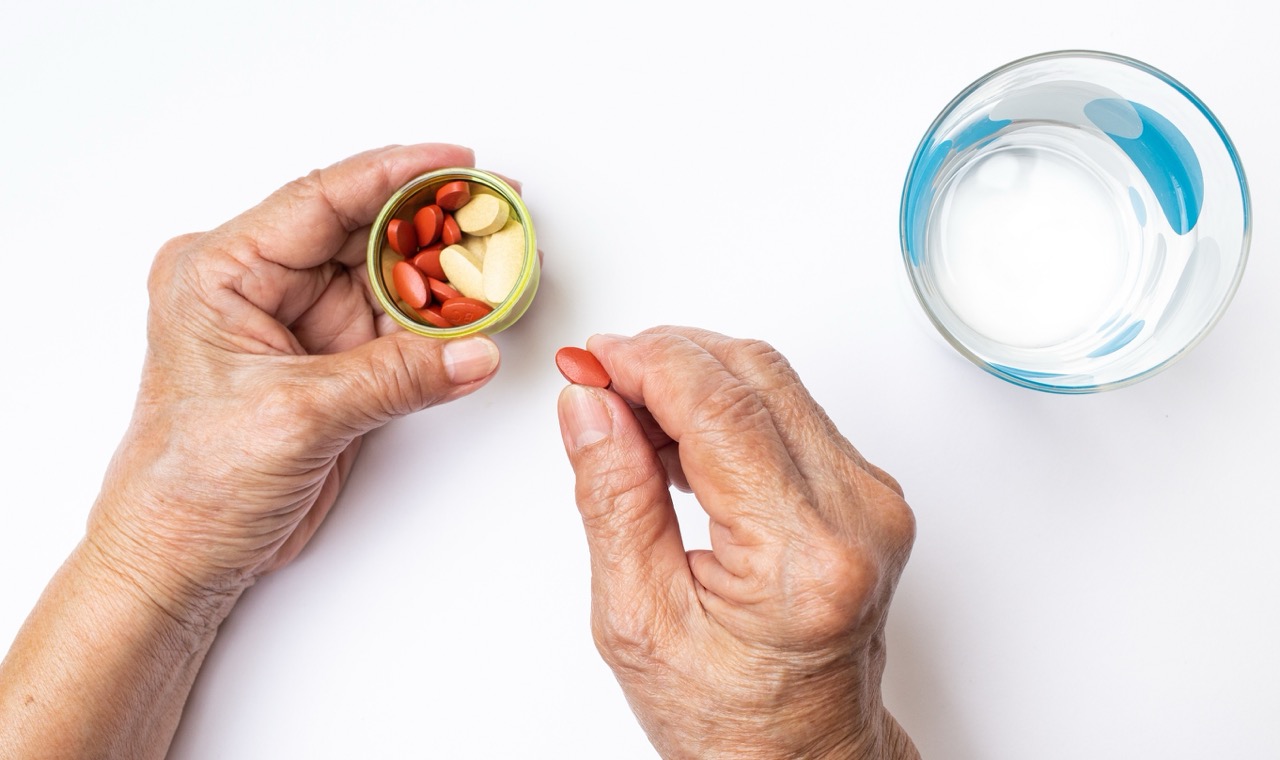
    It will see pharmacists embedded in residential aged care facilities, so they can implement evidence-based recommendations to improve the use of psychotropic medications in people living with dementia and in aged care.

    Australian research suggests more than 60 per cent of residents use psychotropic medications, like antidepressants on a regular basis, and more than 90 per cent of residents experience one or more medication-related problems.

    Project lead Professor Simon Bell said rates of psychotropic medication use remain high, despite an overall lack of evidence for benefits and well-established risks.

    “New models of evidence-translation are needed to ensure safe and effective medication management,” he said.

    “Through this project, pharmacists will work in close partnership with nurses, GPs, residents and their families to provide training in managing changed behaviours and to coordinate education using evidence-based resources.”

    Kolling researcher Professor Sarah Hilmer, a leading geriatrician and clinical pharmacologist has welcomed the opportunity to be part of the research team.

    “Importantly, this project will help implement best practice for the vulnerable people living in aged care. It’s exciting to work with this multidisciplinary team to improve care in this complex environment,” she said.

    The project will involve the New South Wales Therapeutic Advisory Group, which is chaired by Professor Hilmer. The group will lead the development of quality use of medicines indicators for antipsychotics, benzodiazapines and antidepressants.

    The four-year program will be conducted in partnership with the University of Queensland, Flinders University, University of Sydney and five aged care providers in Western Australia, Victoria, New South Wales and Queensland.

  • Research to inform new guidelines on the safe use of medicines

    Research to inform new guidelines on the safe use of medicines

    Two Royal North Shore Hospital clinician researchers will play a key role in a national research project to improve the use of medications across the community.

    Head of the Department of Clinical Pharmacology and Kolling researcher Professor Sarah Hilmer and Head of the Department of General Practice Associate Professor Fiona Robinson will help drive the project which has been awarded more than $2.4 million.

    The funds have been provided through the Federal Government’s Medical Research Future Fund to tackle the global challenge of medication safety.

    Professor Hilmer said the project aims to improve the use of medicines by applying systems developed in our hospitals to the wider community.

    “As the chair of the RNSH/Ryde Drug and Therapeutics Committee and the NSW Therapeutic Advisory Group, I look forward to guiding the establishment of multidisciplinary committees for medication management outside the hospital. This will build on the progress we’ve made in our hospitals,” she said.

    The project will support pharmacists and medical practitioners to work together to assist patients at risk of medication harm as they transition from hospital to home.

    “The study will provide an opportunity at Royal North Shore and other hospitals, to actively identify patients who are at high risk of medication related harm. We will then refer these people for a comprehensive medication review after discharge.

    “We expect that this integrated approach will reduce re-admissions to hospital and improve the quality of life for our patients.”

    Associate Professor Robinson, who represents primary health care on the RNSH/Ryde Drug and Therapeutics Committee, has welcomed the chance to be involved in this research.

    ‘Medication management is an increasingly complex issue. This exciting project will have significant benefits for patient safety, through improved integration of information between primary and secondary care, enhanced system support, and better communication around hospital discharge medication management,” she said.

    “Importantly, all these factors will lead to improved patient care and outcomes.”

  • Age and sex influence the adverse effects of multiple medications

    Age and sex influence the adverse effects of multiple medications

    There are calls for a carefully-considered, tailored approach to the prescription of multiple medicines with new research finding a person’s age and sex influence the impact of multiple medications.

    More than half of older Australians take five or more regular medications, with the higher number of medications directly linked to a higher chance of adverse reactions, like falls, confusion and frailty.

    Researchers from the Ageing and Pharmacology Laboratory at the Kolling Institute, led by Professor Sarah Hilmer, used an experimental model to measure the impact of multiple medications, including high risk drug classes.

    The research confirmed the multiple medications had an adverse impact, reducing independence in daily living, increasing anxiety and reducing physical function including grip strength, motor endurance and gait speed.

    Further analysis found the negative impacts were influenced by age and sex.

    The decline in independence and increase in anxiety were significantly greater in the old than in the young, while males were more likely to experience reduced grip strength than females.

    Professor Hilmer said this was an important body of research and the first study to rigorously assess the effects of age and sex on susceptibility to the adverse impacts of multiple medications.

    “The research indicates that a one-size fits all approach to the prescription of multiple medications is not advised, and the differences in age and sex should be considered,” she said.

    “To get the best outcomes from medications, we need to practice personalised medicine.

    “It’s important to consider not only the person’s diagnosis, but also their age, sex, other medications, other diseases, genetic and environmental factors.

    “We would particularly like to see a more cautious approach when multiple medicines are prescribed for older people.”

    Co-first author Dr John Mach said further studies are needed to investigate the impact of a broader range of medications.

    “While males were more susceptible to the regimen we tested, females may be more susceptible to other drug classes.

    “Our study highlights the need for further investigations to ensure medication use across Australia is supported by scientific evidence.”

    Dr Harry Wu, who was also a co-first author, hopes the study will be the first of many to promote a more personalised approach to medication use.

    “It has been exciting to have the opportunity here at the Kolling to conduct this bedside to bench research, to help understand how to treat and monitor patients who take multiple medicines.”

  • Researchers offer new approach to detect frailty in older adults

    Researchers offer new approach to detect frailty in older adults

    A team of researchers led by the Kolling’s Professor Sarah Hilmer has developed a valuable resource to identify frail and vulnerable people in hospital, in an important step towards optimising their care.

    Frail older adults have a higher risk of experiencing adverse outcomes in hospital such as falls, confusion and malnutrition, and many have longer hospital stays.

    Professor Hilmer said more than 26,000 people in Northern Sydney are frail, representing a quarter of the population over 70.

    “Fortunately, frailty can be managed, and in some cases reversed if detected early and provided with the appropriate care,” she said.

    The frailty tool developed by our team uses existing data from hospital electronic medical records, and does not require clinical staff to fill-out additional forms. Steps are now being taken to automate the process within the medical records system.

    “The tool can be used to measure the prevalence of frailty amongst patients in our hospitals, and this will help ensure that models of care meet their needs.

    “The patient’s frailty could also be communicated to their general practitioner on discharge to guide their ongoing care in the community.

    “This important new resource will help with early recognition and appropriate management, leading to better health outcomes and a better quality of life when people go home.”

    Sarita Lo, the research pharmacist who helped develop the tool said it will help ensure we have adequate support to care for frail older people in hospital, whether it be geriatric medicine expertise, specialist nursing, physiotherapy, a medication review or nutrition advice.

  • Researchers guide better use of medicines

    Researchers guide better use of medicines

    With the majority of older Australians taking five or more medications, a team from the Kolling Institute has developed a valuable tool to better understand adverse outcomes.

    The analytical resource has been developed by Professor Sarah Hilmer and Dr John Mach, after several years of research investigating the effects of using multiple medications.

    Previous studies have generally looked at the interaction between drug pairs, but the research conducted by the Geoff and Elaine Penney Ageing Research Unit has had a much broader scope, examining the impact of taking multiple medications.

    Dr Mach anticipates strong interest in the research findings with two thirds of older Australians regularly using five or more medicines.

    “We know that taking multiple medications is common in old age, and that the more medications that people take, the more likely they are to have adverse drug reactions,” he said.

    “However, we do not really understand how drugs interact when several drugs are used together.

    “Following our research, we’ve been able to develop an analytical method to better understand the complex drug interactions when using multiple medications.

    “We believe this tool will provide an evidence-based resource to guide clinicians when prescribing medications for older patients in hospitals, aged care facilities and across the broader community.

    “We hope this method will be used not just in Australia, but internationally as well to help understand drug interactions and improve patient outcomes.”

  • Delivering presentations people remember

    Delivering presentations people remember

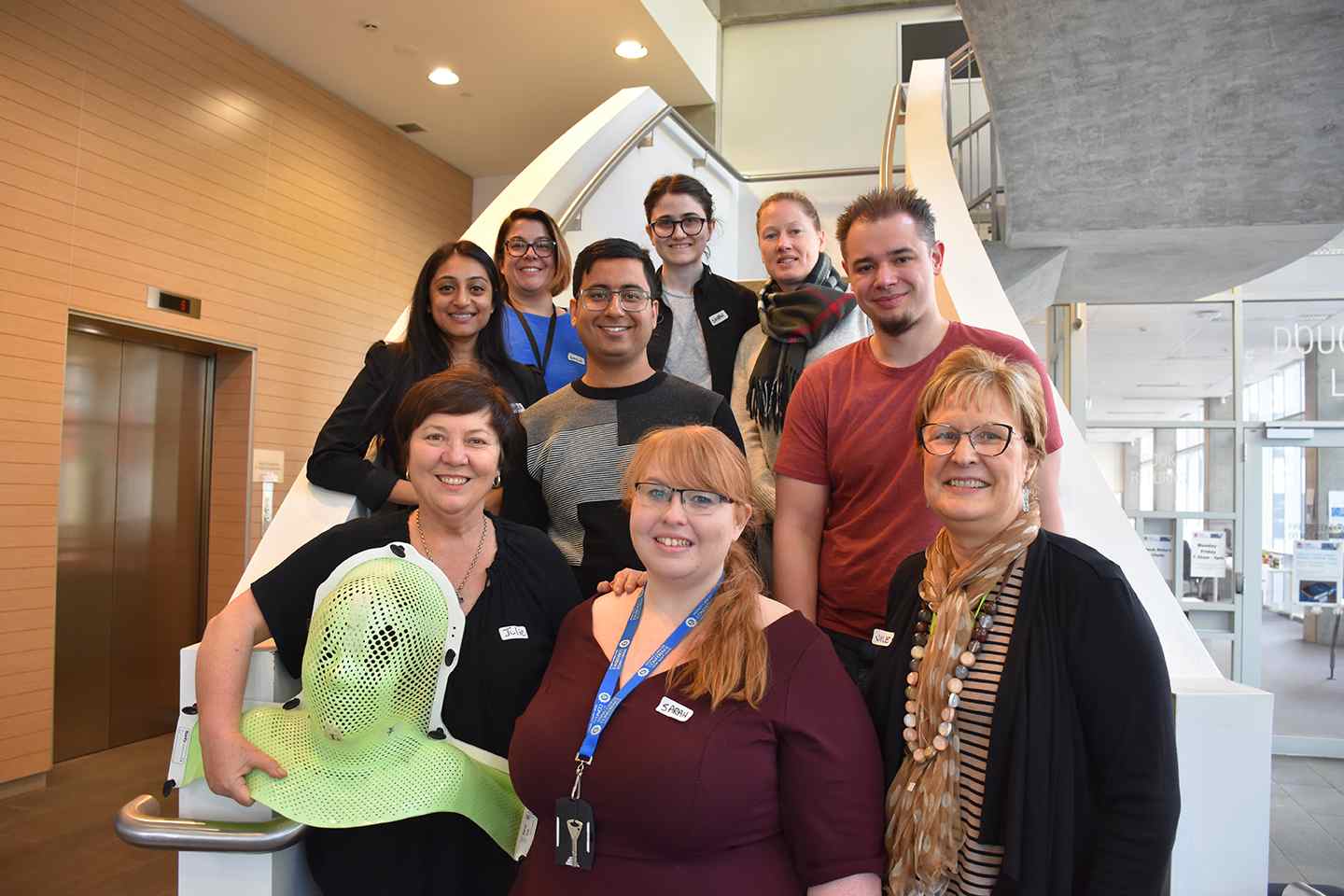
    Kolling Institute cancer researchers were given an opportunity to spend the day with presenter Julie McCrossin.

    Julie spent more than 20 years as a radio broadcaster and is now a freelance journalist, facilitator, trainer and speaker. Julie invests a large share of her time supporting research initiatives, and in recent years has received treatment for head and neck cancer.

    Julie delivered an impressive workshop for the Kolling team, discussing the secrets to a successful presentation, where audiences are engaged and enthusiastic participants.

    Bill Walsh Lab Research Director Viive Howell said the workshop was tremendously valuable as it gave the researchers some clear guidelines to consider for their next presentation.

    “We are often required to speak to a group of people and the workshop provided us with a checklist for success to help us illustrate key points in memorable ways.

    “It was an amazing experience as Julie taught us how to actively involve our audience to give an authentic and engaging presentation,” she said.

NSWGOV logo