Blog

  • Kolling Research Symposium 2024

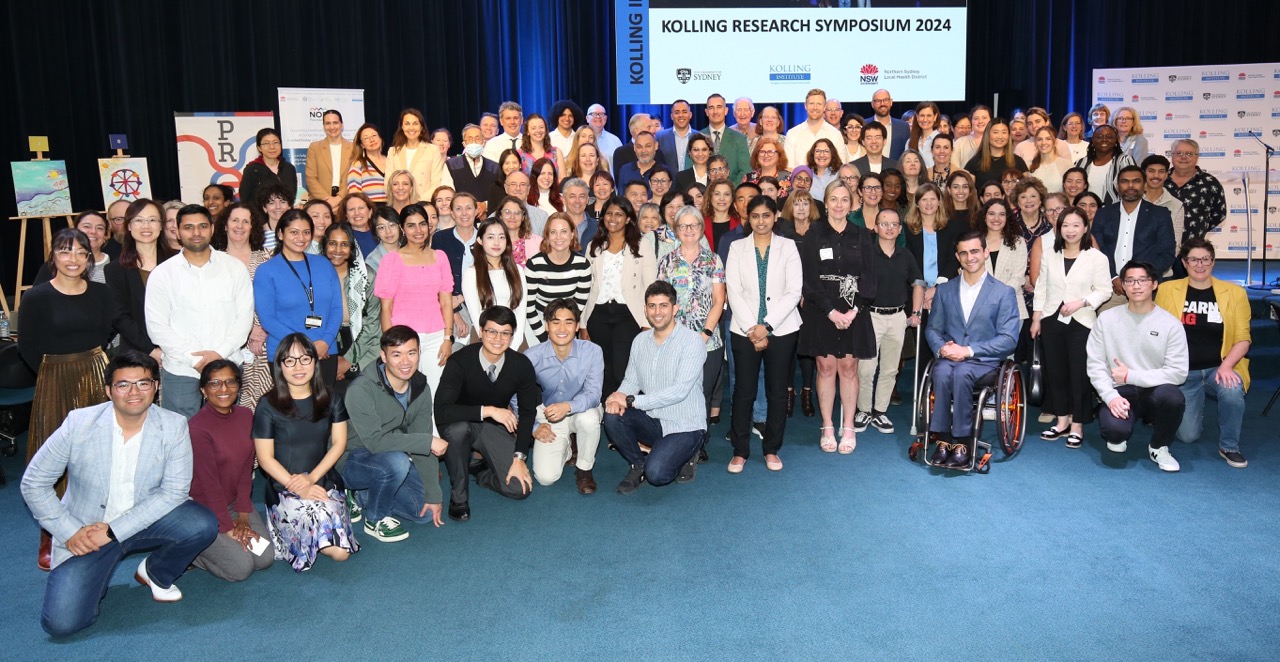
    Kolling Research Symposium 2024

    We would like to thank everyone involved in the 2024 Kolling Institute Symposium.

    During the event, a diverse collection of researchers detailed the latest progress with their ground-breaking work into kidney and heart disease treatments, bone and muscle conditions, rare cancers, and neurological challenges. There was a focus too on the innovative work to develop a unique wellbeing index.

    Researchers discussed how they’re tapping into technology to deliver care to large numbers of patients, improving outcomes with the latest heart valve devices and investigating the benefits of reducing multiple medications for older patients.

    The symposium brought together researchers, representatives from our joint venture partners (Northern Sydney Local Health District and the University of Sydney) and a growing network of community partners to celebrate our impactful work.

    Academic Director Professor James Elliott said the event featured thoughtful presentations, panel discussions, poster presentations, and an Oxford Debate on the impact of AI on healthcare. 

    “I would like to thank our guest speakers Professor Susan Morton, Director of INSIGHT at the University of Technology and Lifeline Australia ambassador and wellbeing advocate Matt Caruana who shared his personal experience and inspiring perspective,” he said.

    “The symposium provided an opportunity to hear how our researchers are extending our understanding of complex conditions and improving therapies and outcomes.  

    “It also offered the chance to highlight some special awards for a group committed to increasing access to high-quality care, and improving the health and wellbeing of our broader community.

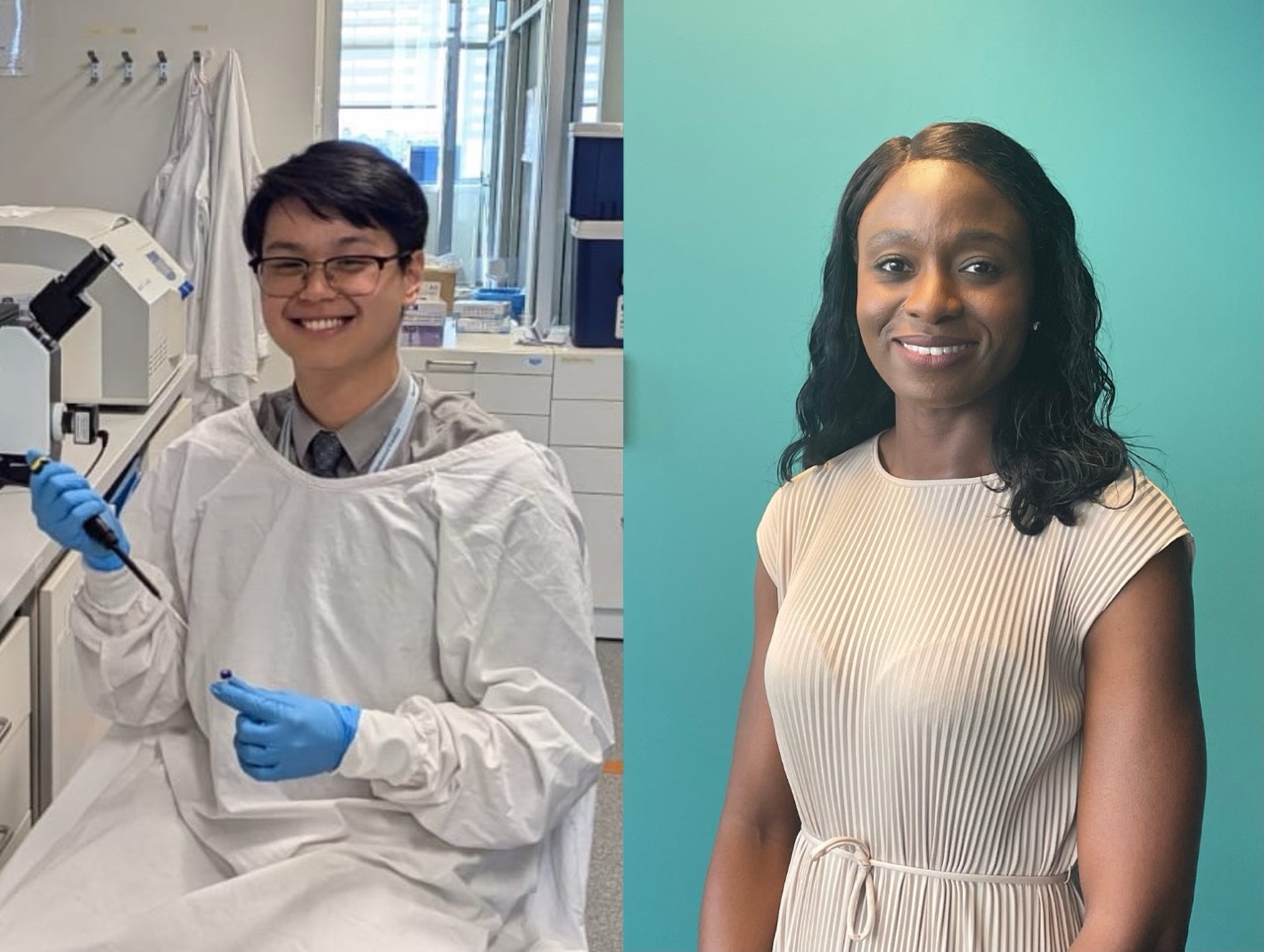
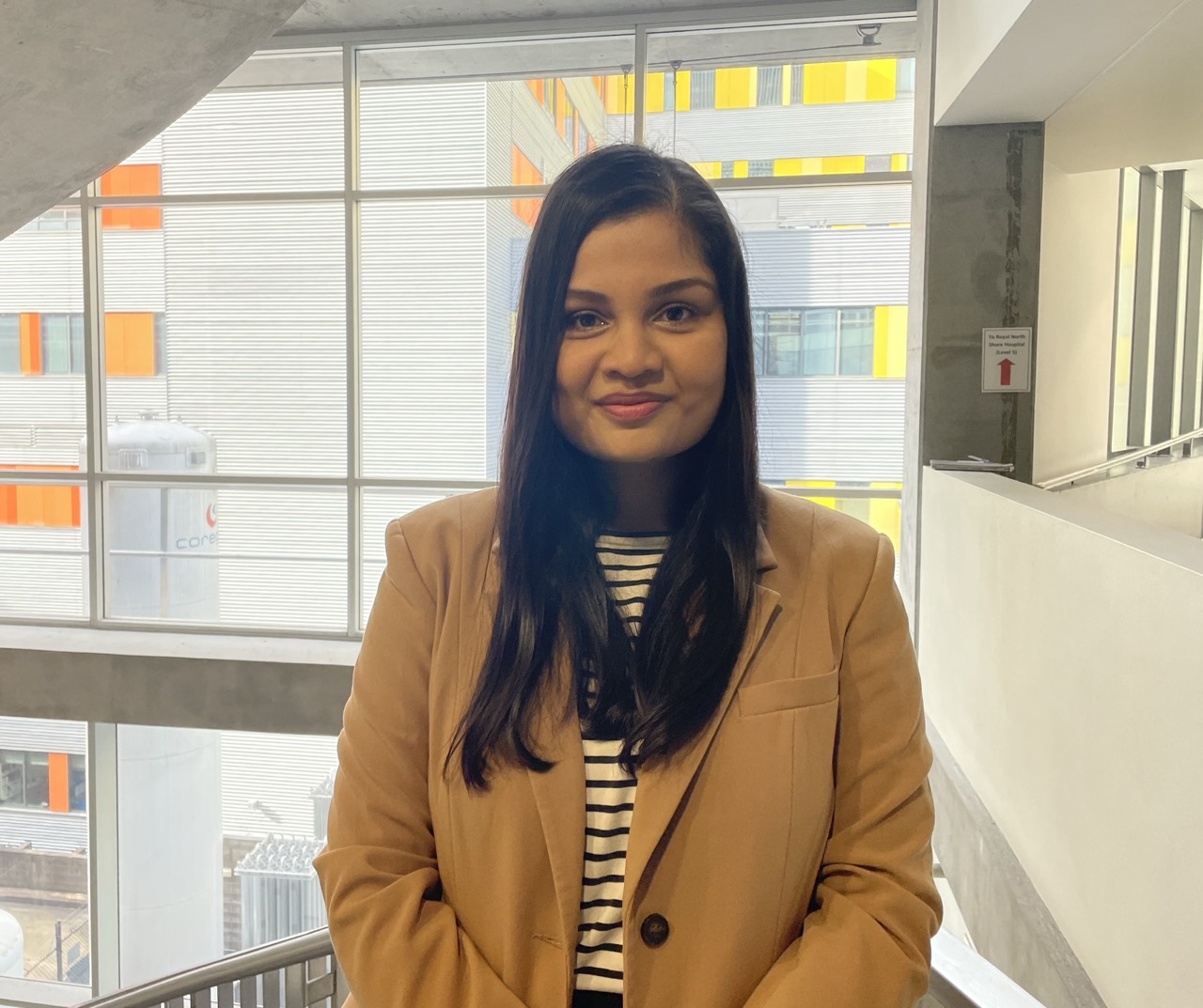
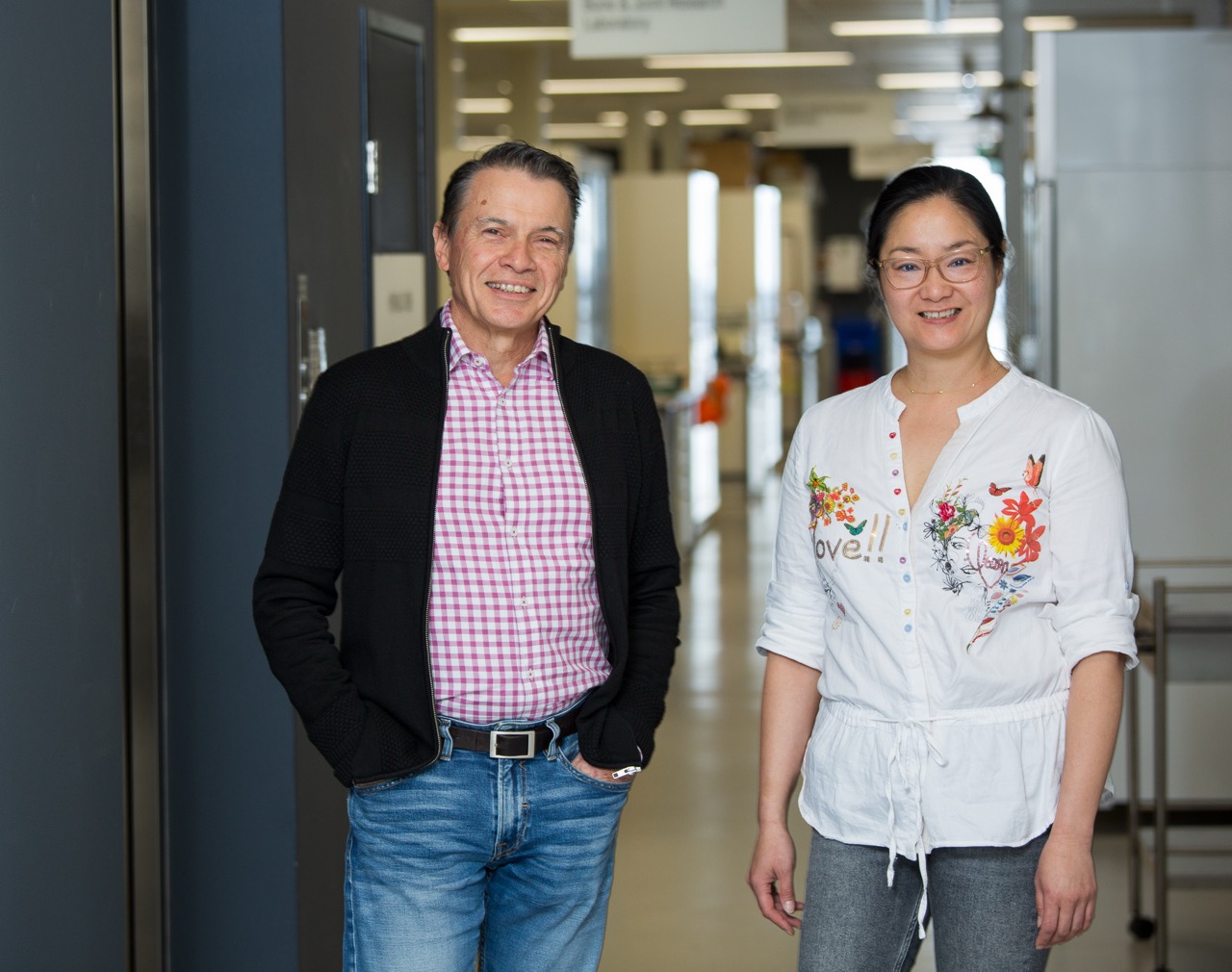
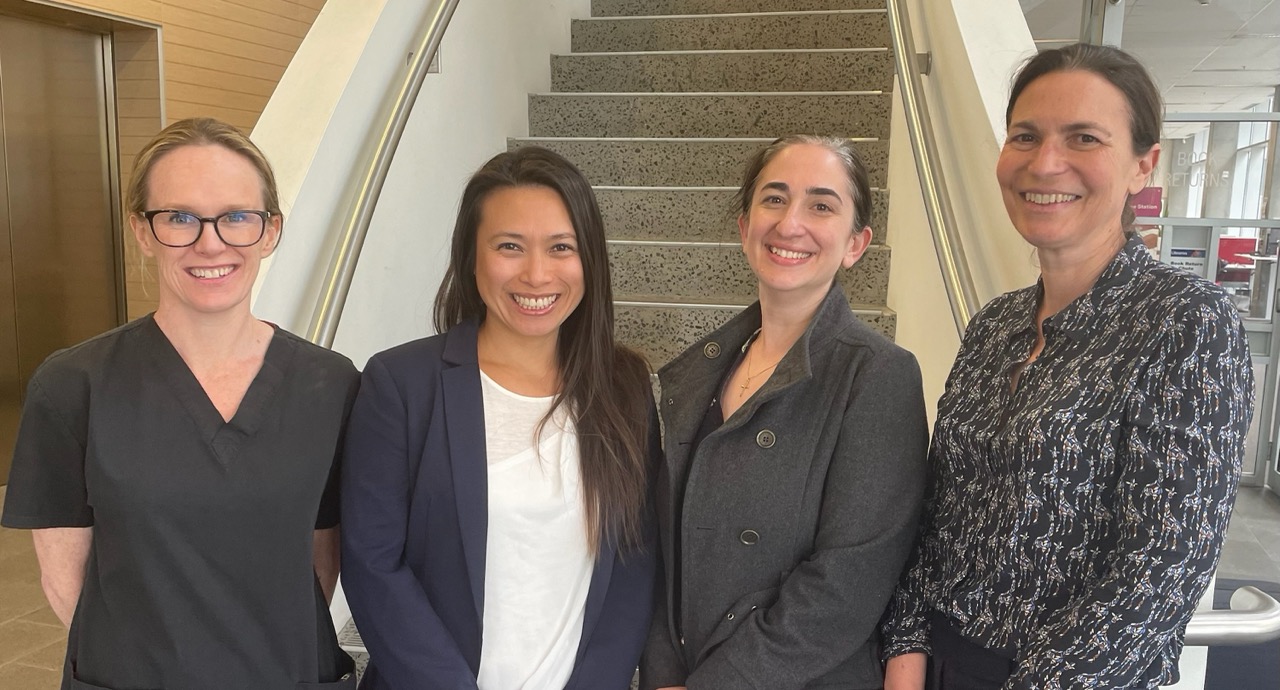
    “I would like to congratulate the 2024 Kolling Institute award recipients for their remarkable commitment to our research success.” They include:

    PhD Supervision Award
    Associate Professor Sonia Saad
    Department of Medicine, Renal Research Laboratory

    HDR Student Award
    Amanda Purcell
    Renal Research Laboratory

    Discovery Science Award Category A
    Dr Nunki Hassan
    Cancer Stem Cell and Biology Laboratory

    Discovery Science Award Category B
    Dr Sumit Sahni
    Bill Walsh Translational Cancer Research Laboratory

    Professional Staff Award Category A
    Susan Smith
    Raymond Purves Bone and Joint Research Laboratory
    Kolling Histology Core Facility

    Professional Staff Award Category B
    Annette McCook
    Research Development Officer 

    Excellence in poster presentation
    Claire Wong

    Excellence in oral presentation 
    Dr Karan Rao

    “Thank you to the many people involved in bringing this large-scale event together to highlight the remarkable and life changing work underway at the Kolling Institute,” said Professor Elliott.

  • Kolling NEWS

    Kolling NEWS

    Our Kolling Institute newsletter brings together a collection of profiles on our impressive researchers. Flip through our flipping book to discover more about our leading research into kidney disease, rare cancers and the use of supplements for osteoarthritis. There’s a focus too on the first steps towards gene therapy for Meniere’s disease, the latest research into treatments for dementia and an innovative program taking musculoskeletal care to the bush.

  • Innovation at the Kolling’s core

    Innovation at the Kolling’s core

    In the heart of the Kolling Institute, a world-renowned research centre, a raft of clinical trials is driving the future of healthcare.

    “Clinical trials are intrinsic to research,” says Professor James Elliott, Academic Director of the institute. “They help us test something so that we can better inform care for patients with various conditions who come to our hospitals for treatment.”

    The Kolling Institute has a strong track record in conducting impactful clinical trials. Notably, it has been involved in running multiple trials for those with heart and kidney disease, musculoskeletal conditions and chronic pain.

    Their cancer trials have made significant contributions across various tumour streams, including pancreatic, haematological, breast, and bowel cancers.

    James emphasises that basic science, discovery and scientific innovation are embedded in the Kolling’s over 100-year history.

    “Often, it is those innovations from our basic science laboratories that ultimately inform the mechanisms by which trials are developed.”

    James adds that understanding the ways diseases work allows researchers to target trials more precisely, leading to better patient outcomes.

    However, the need for trials sometimes outpaces scientific understanding.

    “We can’t always wait for a full understanding of a disease,” James notes. “In some cases, we must move forward with trials to push the needle on patient care, even as we continue to explore the underlying mechanisms.”

    A key advantage for the institute is its proximity to one of Australia’s largest tertiary hospitals, Royal North Shore Hospital. This connection provides access to a vast patient population, which is crucial for conducting large-scale clinical trials.

    “We serve over a million patients,” says James, stressing the importance of their “trial as therapy” culture. “We want patients to expect that they may be invited to participate in a clinical trial or research study as part of their care.”

    The Kolling Institute is a world leader in researching osteoarthritis, musculoskeletal conditions, cancer, neuroscience and pain, and cardiac, cardiovascular and renal disorders. 

  • Practical tool to offer better informed care for people living with dementia

    Practical tool to offer better informed care for people living with dementia

    Our researchers at the Kolling Institute are working to improve the use of medications for dementia with a comprehensive analysis highlighting several concerning trends.

    The latest data indicates more than 420,000 people are living with dementia in Australia, including more women than men. The condition is the second leading cause of death in Australia.

    Leading researcher and member of the Kolling’s Neuroscience and Pain Priority Research Area Dr Edwin Tan said people with dementia are high users of medications due to the challenging symptoms of the condition and the combination of other chronic conditions.

    “We found there was often limited evidence for prescribing medications for people with dementia, and clinicians were left to weigh up the risks and benefits of these medications,” he said.

    “Our analysis of nationwide data found 60 per cent of people with dementia are taking a psychotropic medication like an anti-depressant, antipsychotic or opioid, and 26 per cent are taking an anti-dementia medication like Aricept, Exelon or Reminyl.

    “We were interested to find that when we looked at people’s backgrounds, those from a higher socio-economic group were more likely to take an anti-dementia medication, compared with people from a rural or regional area, or those with limited access to healthcare, who were more likely to take a psychotropic drug, like an antipsychotic.

    “Concerningly, two thirds of people with dementia are taking at least five medications and 23 per cent are taking more than ten medications.”

    Researchers were also concerned to see the number of high-risk combinations of drugs, with 14 per cent of people with dementia taking all four high-risk medication groups, including sedatives.

    The data pointed to an increased risk of medication poisoning, with one in five people experiencing an adverse drug event. Researchers identified 15 per cent of people with dementia experienced drug poisoning, compared with just two per cent of the general older population.

    Dementia increased a person’s risk of poisoning by an alarming 77 per cent.

    Dr Tan is now working to develop a personalised antipsychotic calculator to assist with safer prescribing and shared decision making.

    “Working with patients, clinicians and carers, I am keen to develop a tool which will weigh the risks and benefits of antipsychotic medications to help ensure patients are prescribed the best medication for their individual needs.

    “An evidenced-based tool, which would predict the likelihood of treatment response and adverse events, could greatly assist personal treatment plans and improve patient outcomes.”

  • Award raises profile of early career research at the Kolling Institute

    Award raises profile of early career research at the Kolling Institute

    Two of the Kolling Institute’s emerging leaders are gaining attention after receiving the ATA Scientific Encouragement Award.

    The award, which was launched more than a decade ago, aims to provide young scientists with financial assistance to further their education and attend scientific meetings and conferences.

    Scientific officer Kevin Winardi from the Kolling’s Lab of Ageing and Pharmacology will attend two bioinformatics conferences after receiving the award.

    His work focuses on understanding the molecular mechanisms behind drug-related harms in older people, and whether the adverse effects of medications can be reversed once the medications are stopped.

    Kevin’s goal is to expand his research into pharmacology, ageing biology and systems biology to enhance the care of older people.

    Attending the conferences will provide Kevin with a valuable opportunity to explore a new bioinformatics tool and connect with leading national experts.

    His colleague from the Lab of Ageing and Pharmacology PhD student Temitope Esther Afolabi has also taken out an encouragement award, which will help her attend a medications management conference in South Australia in November.

    Esther will deliver a presentation at the event, detailing her work to improve the quality use of medications by older people through an online patient decision support tool.

    Esther believes the tool could be a safe, evidence-based and cost-effective innovation to promote optimal health.

    Kevin and Esther would like to thank ATA Scientific for the important opportunities provided through their encouragement awards.   

  • Recognition for emerging research leader

    Recognition for emerging research leader

    We would like to congratulate our early career researcher Dr Nashwa Masnoon from the Kolling’s Ageing and Pharmacology Lab who has taken out the ATA Scientific Young Scientist Encouragement Award.

    Nashwa, who is a postdoctoral research pharmacist, clinched the $1500 prize for her assessment of the risks and benefits of using artificial intelligence in research.

    The award will enable her to attend a high profile conference co-ordinated by the Australasian Society of Clinical and Experimental Pharmacologists and Toxicologists, the Asia Pacific Federation of Pharmacologists and the Australasian Pharmaceutical Science Association.

    Nashwa was thrilled to win the award and has welcomed the chance to attend the large scale event in Melbourne.

    Further details about the ATA Scientific competition and the next awards can be found here.

  • Kolling NEWS

    Kolling NEWS

    We’re kicking off the year with plenty of encouraging research news.

    Read on for details about new funding, fascinating research into the link between heart disease and osteoarthritis and promising work into a new diabetes treatment.

    We also unveil the winners of our travel awards program, generously backed by philanthropic funding.

    Click here: Kolling NEWS

  • Awards highlight research into the impact of medications

    Awards highlight research into the impact of medications

    One of our up-and-coming researchers within the Kolling’s Ageing and Pharmacology Lab has taken out two prestigious awards.

    Pharmacist and PhD student Mai Duong received the initial award at the International Pharmaceutical Federation World Congress in Brisbane.

    The APSA awarded Mai the Outstanding Oral Presentation in Pharmacy Practice prize for her discussion on the different perspectives of adverse drug events with heart failure medications in frail older people.

    She also took out an award for her presentation at the Cardiovascular Symposium hosted by the Australasian Society of Clinical and Experimental Pharmacologists and Toxicologists.

    Mai’s research has greatly benefitted from a new collaboration within the Kolling Institute involving researchers from the Ageing and Pharmacology Lab including Professor Sarah Hilmer and Dr Lisa Kouladjian O’Donnell and Associate Professor Rebecca Kozor from the Cardiology Department.

    She said her work has highlighted the contrasting consumer and clinician views on clinical outcomes, patient priorities and medication management of frail older people with heart failure.

    “We know that heart failure is becoming more common in the ageing population, leading to frequent hospital visits and claiming lives,” she said.

    “Patients report that the big problem for them is the number of medications they’re on and the possible interactions.

    “We are seeing that some medications for heart failure can cause falls, dizziness, renal impairment and other adverse events.

    “We know that optimising heart failure medication can be complex, but we hope that following our research there will be a greater focus on frailty and quality of life when these medications are prescribed.

    “We found that clinicians recognised that frailty status was important, but it was not routinely measured or included in medication management plans.

    “Backed by our research, we would like to see frailty measures considered when prescribing these medications, so that clinicians can tailor their approach for each patient for the best outcome.”

  • Philanthropy supporting our emerging leaders

    Philanthropy supporting our emerging leaders

    Funding from the Skipper Jacobs Charitable Trust has helped a group of our young research leaders broaden their experience and establish new collaborations.

    Close to $40,000 was shared amongst five early-to-mid career researchers, allowing them to travel nationally and internationally to progress their research and develop new skills.

    One of those to receive funding is Dr Kenji Fujita, an early-career pharmacist with a PhD working in the Ageing and Pharmacology Research Group at the Kolling Institute.

    Kenji helped develop techniques to calculate the frailty index in older hospitalised patients, while also leading research into the quality of pharmaceutical care.

    During his trip he led a three-day workshop in Denmark, visited collaborators in Norway and delivered a presentation in Japan, a country with the highest proportion of older adults in the world.

    “It was a great opportunity to build international collaborations and promote our translational research at the Kolling. I really appreciate this travel grant,” he said.

    Another researcher to benefit from the travel grant was Samantha Hefferan from the Murray Maxwell Biomechanics Laboratory.

    Sam visited the University of Auckland, where she was able to use the lab’s high-tech imaging methods to explore the ultrastructure of human tendons, and the impact of disease and injury.

    “I valued every moment of my three months in New Zealand. I was challenged every step of the way with both my research and living in an unfamiliar environment,” she said.

    “I gained a lot during my time, not only learning new technical skills but also understanding more about the complexity of independently planning and developing tailored protocols for my research questions.”

    “On top of strengthening our collaboration with research groups at the University of Auckland, I now have the knowledge-base to bring the practical components of planned collaborative projects closer to home for future research students at the Kolling Institute.”

    Academic Director Professor Jim Elliott thanked the Skipper family for their financial backing of the trust, as well as the NORTH Foundation for their support of the travel program.

    “It has been instrumental in helping individual researchers, raising the international profile of the Kolling Institute and contributing to crucial research progress.”

    If you would like to support our researchers, please donate through the NORTH Foundation

  • Crucial funds strengthening our research expertise

    Crucial funds strengthening our research expertise

    A group of researchers will have the chance to broaden their skills and establish new collaborations following a funding boost from the Royal North Shore Hospital Scientific Staff Council.

    The council has awarded 12 travel grants to scientists working within the district and the Kolling Institute.

    The diverse group of leaders is driving research progress into heart and kidney disease, cancer, musculoskeletal conditions and the quality use of medicines. Their investigations are helping to establish a better understanding of disease and improved models of care.

    RNSH Scientific Staff Council Chair Dr Sumit Sahni said more than $25,000 will be shared amongst the group to allow them to present their research at national and international conferences.

    “I would like to congratulate this impressive group. They are all developing their research expertise and increasing their impact in their individual areas, ultimately improving the care we provide,” he said.

    The successful recipients include cancer researchers Drs Bharat Venkatesh and Nunki Hassan, musculoskeletal investigators Drs Joanne Glinsky and Xiaoqian Liu, and scientists improving the use of medications Drs Lisa Kouladjian, Kenji Fujita and Nashwa Masnoon.

    Funding has also gone to kidney disease researchers Dr Ji Bian, Dr Qinghua Cao and Amanda Purcell, and two cardiology researchers Drs Jonathan Ciofani and Sina Fathieh.

    Dr Sahni said the travel awards program has been supported for many years by Ramsay Heathcare and he would like to thank them for their continued investment in our research. 

NSWGOV logo