Blog

  • Researchers urge caution around breakthrough Alzheimer’s drug

    Researchers urge caution around breakthrough Alzheimer’s drug

    As we live longer and there are more people living into old age, there is an increasing number of people developing dementia with more than 400,000 people currently living with the condition in Australia.

    Dementia is now the leading cause of death in Australia, and Alzheimer’s disease is the most common cause of dementia.

    Dementia Australia warns that in the absence of a significant medical breakthrough, more than 6.4 million Australians will be diagnosed with dementia in the next 40 years, at a cost of more than $1-trillion.

    Whilst there is still uncertainty about the cause of Alzheimer’s disease, there is hope for new drugs that may be effective in slowing the progress of the disease.

    The Therapeutic Goods Administration has recently approved the use of two monoclonal antibodies targeting the amyloid protein that is present in the brains of people with Alzheimer’s disease. These two drugs, donanemab and lecanemab, are approved for the treatment of mild cognitive impairment and early Alzheimer’s disease.

    Alzheimer’s results from genetic, environmental, and lifestyle factors and is characterised by amyloid plaque in the brain. These sticky clumps of protein build up between nerve cells, blocking communication and eventually killing cells, leading to memory loss and confusion.

    Donanemab is administered with a monthly intravenous infusion and lecanemab as a fortnightly intravenous infusion. Both drugs work to clear the amyloid plaque in the brain.

    Trials have demonstrated that these drugs can reduce the amyloid plaque and potentially improve quality-of-life and functional independency.

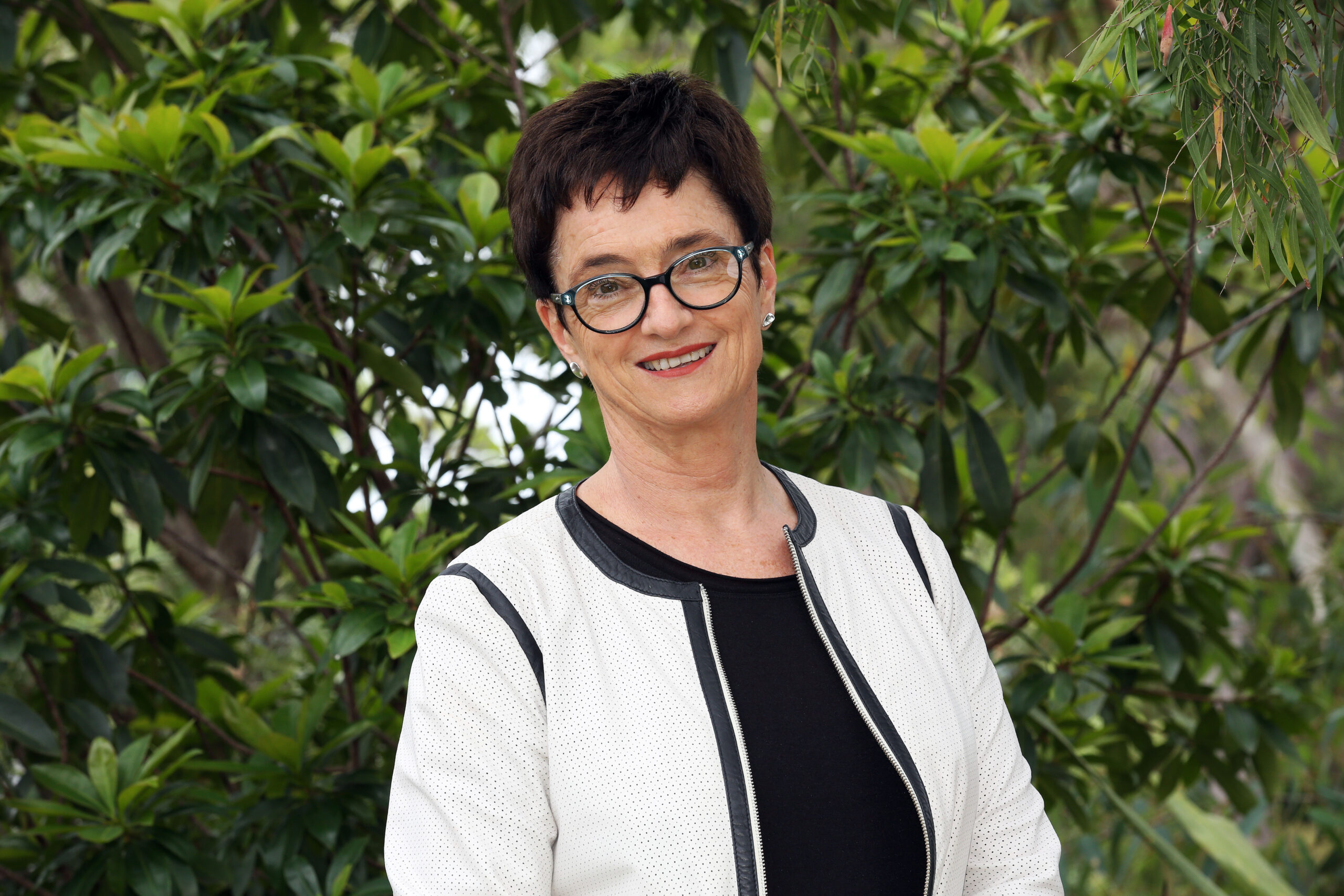
    Leading clinician/researcher Professor Sue Kurrle said the impact of the drugs is not straight forward.

    “Donanemab is not a cure, but studies over 18 months show that it does slow the progress of dementia by several months when compared with a placebo drug,” said the clinical director of the Northern Sydney Local Health District Rehabilitation and Aged Health Network.

    “These drugs are for the management of very early Alzheimer’s and they do not have the same effect in people with moderate Alzheimer’s disease, so are only suitable for a limited number of people,” she warns.

    “These drugs are not currently subsidised by our pharmaceutical benefits scheme, so they are expensive and require regular MRI brain scans due to the side effects of brain swelling or bleeding.”

    With each infusion costing around $4,700, an 18-month course will cost about $80,000. The Federal Government is currently reviewing an application to list the drug on the pharmaceutical benefits scheme.

    In the meantime, Professor Kurrle is encouraging the community to do what it can to reduce the impacts of the disease.

    “There is no single solution to preventing Alzheimer’s disease and other forms of dementia, but there are lots of small things you can adopt to greatly reduce your risk,” she said.

    “These include, looking after your physical and mental health, regular exercise, and health checks to capture in any changes.”

    Your local doctor can monitor the following key areas:

    • blood pressure and cholesterol, especially if you have a family history of cardiovascular conditions
    • blood glucose levels, especially if you have a family history of diabetes
    • weight
    • hearing and vision
    • cognitive function and memory
    • mood and mental health
    • any other conditions that need regular medical attention.

    Professor Kurrle said there are many resources available detailing specific diets and tips for brain health, and I would encourage the community to visit the Dementia Australia website for more information at: www.dementia.org.au

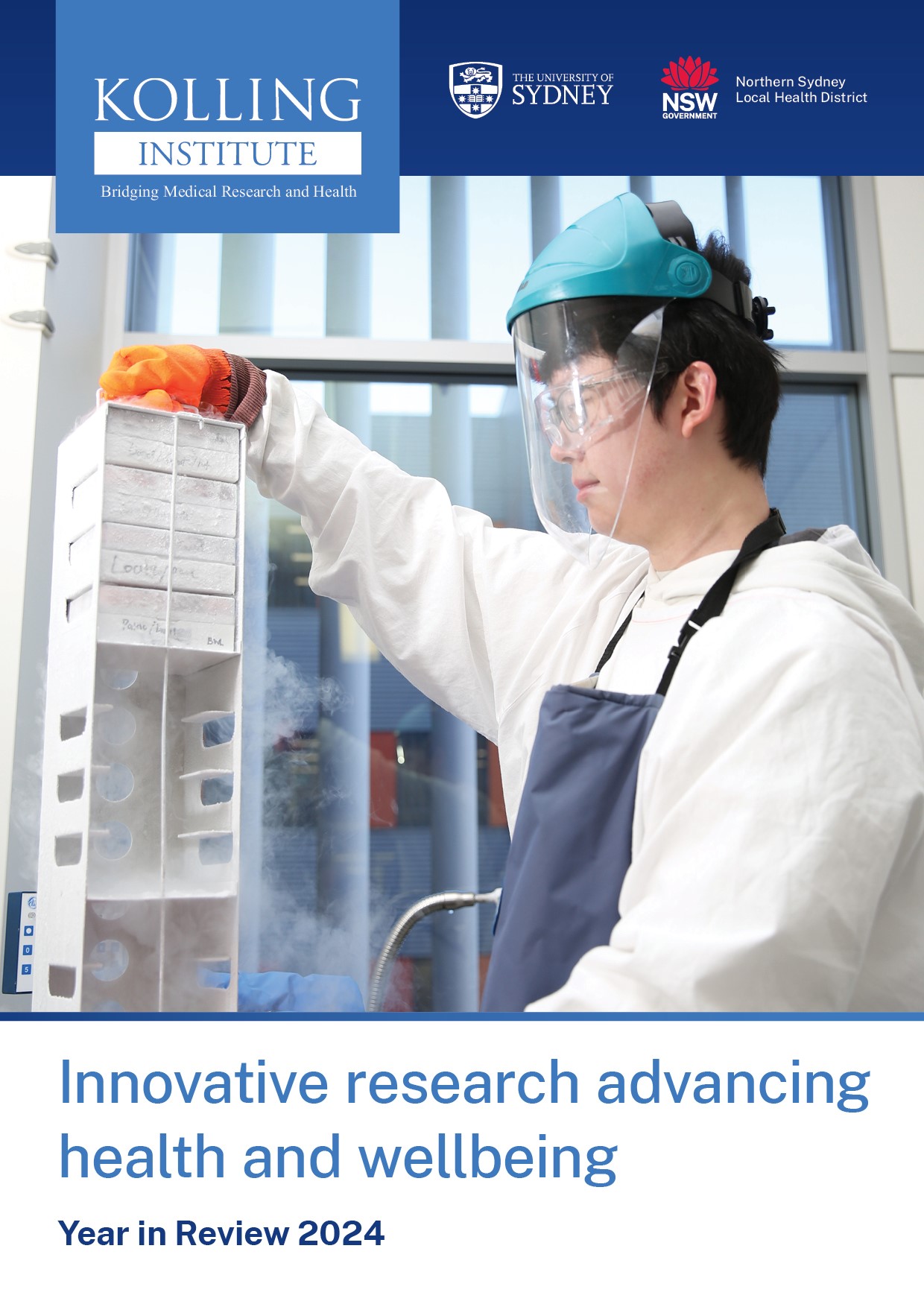
  • Kolling Institute Year in Review

    Kolling Institute Year in Review

    The Kolling Institute Year in Review profiles our impressive and unique teams, and the impact of their crucial research.

    Our investigators are driving world-leading research into some of the most significant health challenges, from heart and kidney disease, chronic pain and cancer, to musculoskeletal, neurological and age-related conditions.

    With a large share of our researchers named amongst the top two per cent in the world, the Kolling Institute continues to build on its research success.

    As you read through the Year in Review, we would like to extend our thanks to our dedicated researchers and the many wonderful donors who help us deliver real improvements to the care we receive.

    Click here to check it out:

  • Podcast offers insight into the future of healthcare

    Podcast offers insight into the future of healthcare

     A fascinating and informative podcast has been launched showcasing groundbreaking research, innovative healthcare, and inspiring stories from across Northern Sydney.

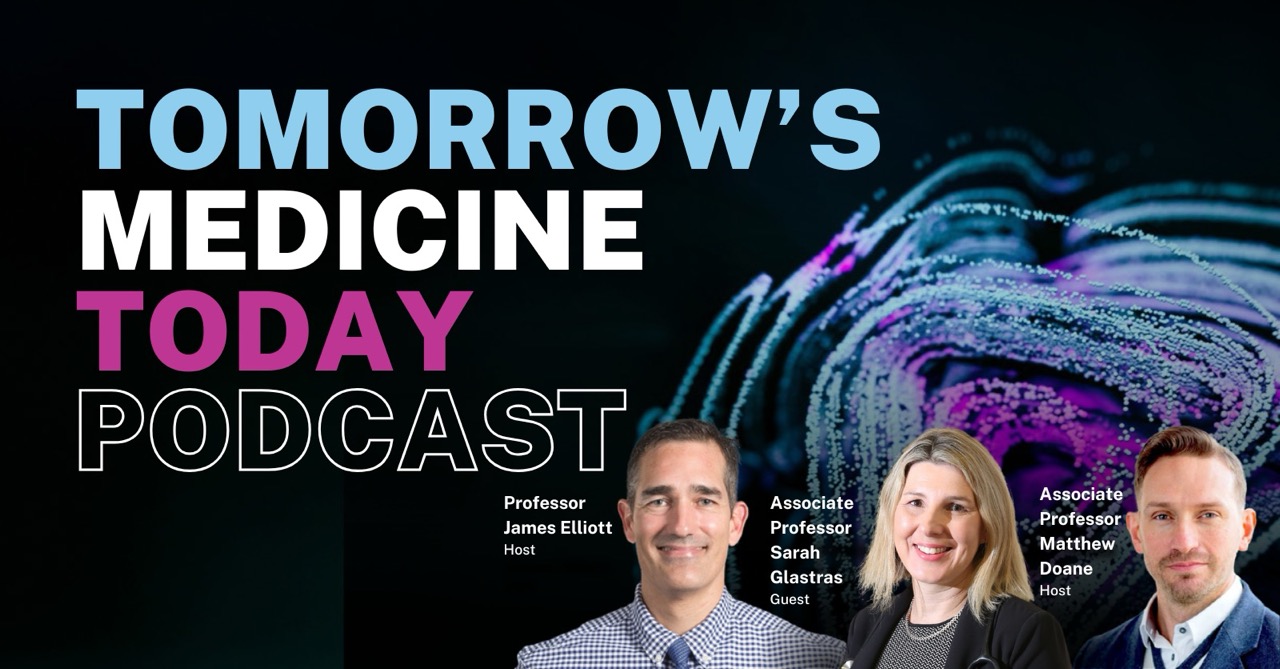
    Tomorrow’s Medicine Today is an initiative of the Northern Sydney Local Health District and the Kolling Institute, New South Wales’ oldest medical research institute.

    Co-hosted by the Kolling Institute’s Academic Director Professor James Elliott and leading Royal North Shore Hospital anaesthetist Dr Matthew Doane, the series offers an insight into the impressive clinicians and researchers driving innovation and life-changing healthcare.

    It’s a behind the scenes look at the latest advances in healthcare, as well as some inspiring stories from clinicians, researchers and their broader teams.

    Anthony Schembri, Chief Executive of the Northern Sydney Local Health District, said the podcast offers a great opportunity to highlight our strength in research and innovation.

    “Our teams are delivering truly outstanding work in healthcare and medical research,” he said.

    “This podcast is a fantastic platform to share that work with our community and direct the spotlight to the people behind the breakthroughs.”

    Co-host Professor James Elliott said the series demonstrates the depth of talent and discovery in Northern Sydney.

    “Each year, Stanford University publishes a list of the top two per cent of researchers globally, and many of those names are my colleagues right here at the Kolling Institute and the local health district,” he said.

    “That’s what inspired this podcast. It’s a chance to share details of the world-class research and healthcare here in Northern Sydney with a wider audience.”

    The first episode is now available featuring Associate Professor Sarah Glastras on the future of diabetes care and prevention.

    Listen here:

    New episodes will be released fortnightly. You can also check them out on Spotify: 

  • Celebrating over 100 years of innovation

    Celebrating over 100 years of innovation


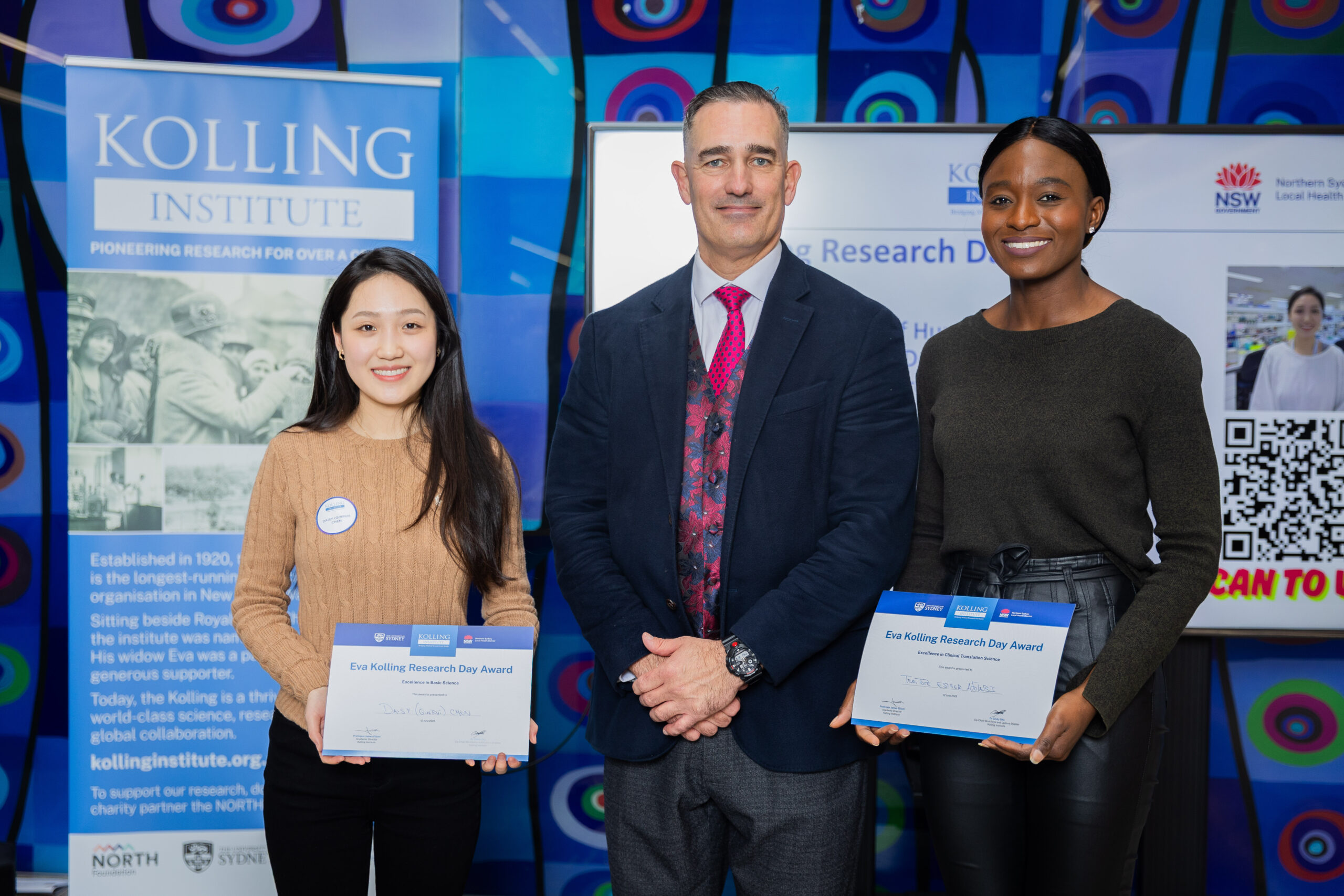
    The inaugural Eva Kolling Research Day was staged within Royal North Shore Hospital, providing the perfect chance to celebrate the vision and generosity of a true pioneer.

    Established in 1920, the Kolling Institute is the oldest medical research institute in New South Wales. It has been at the forefront of cutting-edge research for more than a hundred years, with its founding director Dr W. Wilson Ingram opening the first clinic for diabetes treatment in Australia.

    In 1931, a new two-storey building was officially opened and named the Kolling Institute of Medical Research after businessman Charles Kolling. His widow Eva was a strong supporter of research and made a substantial donation towards the development of the new building.

    The Kolling Institute’s iconic photo features Eva laying a foundation stone. 

    Her vision and the long-standing impact of the Kolling were highlighted at the inaugural research day by Royal North Shore Hospital honorary archivist Catherine Storey OAM, who shared insights into the Kolling’s remarkable journey.

    The institute’s Academic Director Professor James Elliott said the event offered the chance for researchers to engage with visitors, to learn more about the health challenges facing the community, and to share details of their current research.

    “A key part of our research success will depend on the strength of our community ties, including community driven clinical trials and broad community involvement,” he said.

    “I would also like to thank the NORTH Foundation for their unrelenting support, and for raising awareness of the dedicated and skilled clinician researchers within the Kolling Institute.”

    Early-to-mid-career researchers presented a poster display, illustrating their commitment to improving health outcomes, driving new health policy, and realising global reach.

    Two awards were announced on the day, including an Excellence in Clinical Translation Science gong to Temitope Esther Afolabi from the Kolling’s Lab of Ageing and Pharmacology, and an Excellence in Basic Science award to Daisy (Qinrui) Chen from the Renal Research Lab. 

  • Kolling Institute Newsletter May 2025

    Kolling Institute Newsletter May 2025

    Check out our latest newsletter

    • Researchers target sleep for muscle pain relief
    • Landmark clinical trial to improve lung cancer treatment
    • Pioneering Muscle Map project receives funding support
    • Travel awards for emerging research leaders
    • And much more: 

    Click here:

  • Beryl and Jack Jacobs Travel Awards offer crucial international opportunities

    Beryl and Jack Jacobs Travel Awards offer crucial international opportunities

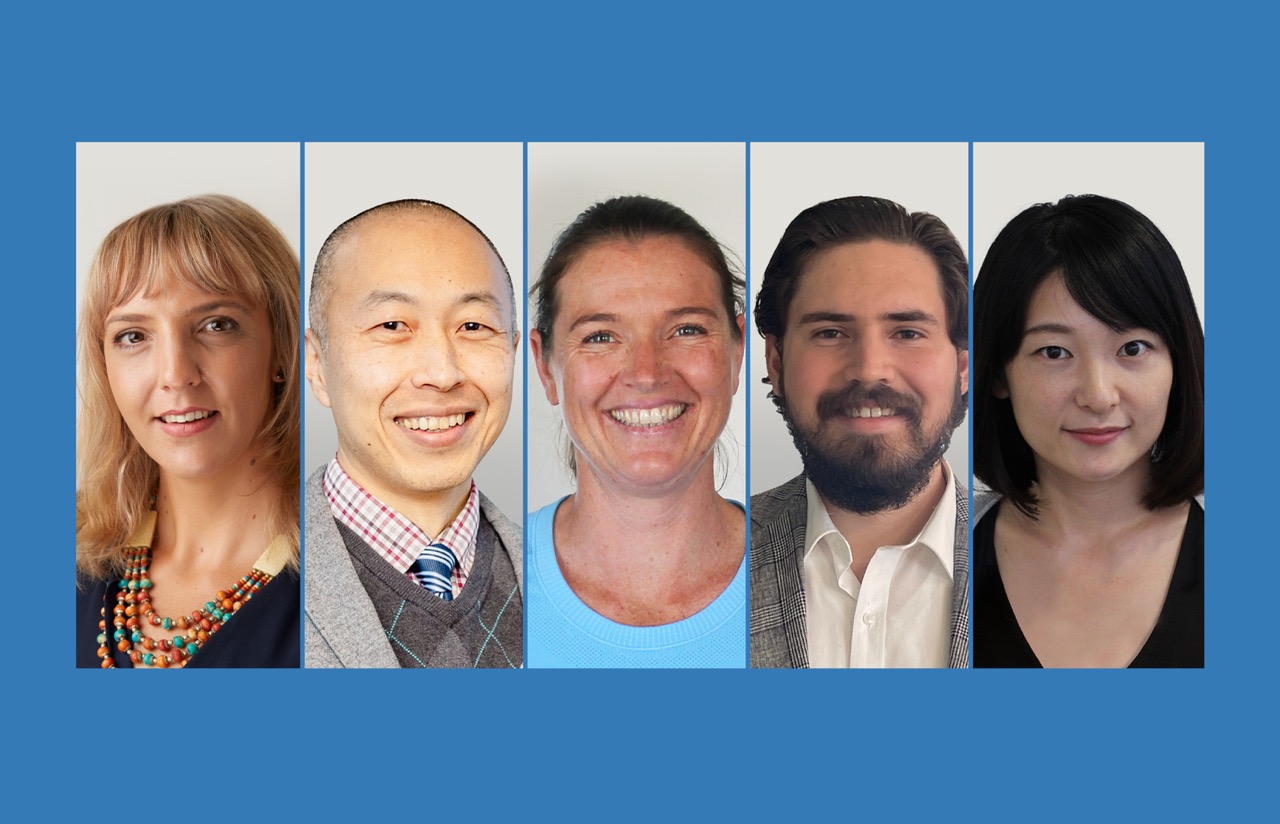
    Five emerging researchers will have the chance to develop their skills and raise the international profile of the Kolling Institute thanks to generous funding from the Skipper Jacobs Charitable Trust.

    Academic Director Professor James Elliott said a total of $40,000 will be shared by the early-to-mid career researchers to increase their research impact and strengthen their collaborations.

    Pablo Cruz-Granados: travelling to Spain

    Pablo, a PhD candidate within the Kolling’s Menière’s Disease Neuroscience Lab, will complete a three-month stay with the Otology and Neurotology group at the University of Granada.

    Pablo said I would like to thank the Skipper Jacobs Charitable Trust for this amazing opportunity.

    “During my time, I will be investigating the clinical phenotypes of Ménière’s Disease to gain a better understanding of its presentation in different populations,” he said.

    “I will be expanding my skill set by learning advanced bioinformatic tools to analyse structural variants in DNA which could identify mechanisms underlying the disease.

    “I’m excited to accept the Beryl and Jack Jacobs Travel Award and truly appreciate the generous support. It will be incredibly valuable for my research and upcoming travel.”

    Dr Kenji Fujita: travelling to Denmark and Japan

    Kenji, a postdoctoral research fellow in the Departments of Clinical Pharmacology and Aged Care has helped develop a real-time calculation system to measure frailty in older hospitalised adults.

    During his trip, he will deliver a keynote address at the International Pharmaceutical Federation conference in Copenhagen on innovative approaches to reduce the inappropriate use of medications in older adults.

    He will also meet with research partners in Japan to advance their collaborative project analysing medication data from millions of older adults across community pharmacies in Japan.

    Kenji said he was truly honoured to receive the award.

    “This international travel will enhance my academic leadership profile, while strengthening cross-institutional partnerships and promoting the Kolling Institute’s innovative translational research globally,” he said.

    Dr Noriko Sato: travelling to Washington, USA and Wakayama, Japan

    Noriko is a research fellow within the Kolling who specialises in frailty research in older patients using data from six hospitals in NSW.

    She will present the frailty study at the International Society for Pharmacoepidemiology conference in Washington and chair an international symposium at the Japanese Society of Social Pharmacy.

    Noriko said I am very pleased to have received this award and excited about the chance to present our study at the largest and most prestigious pharmacoepidemiology conference.

    “This travel grant will broaden my expertise, strengthen international collaborations and extend the impact of our Kolling research using data to improve the use of medications in clinical practice,” she said.

    Kate Bryce: travelling to North Carolina and Florida, USA

    Kate, a PhD student with the Osteoarthritis Clinical Research Group at Kolling, investigates the use of digital technologies to encourage behaviour change in the treatment of osteoarthritis.

    Kate will attend the 2026 Osteoarthritis Research Society International (OARSI) World Congress in the USA, where she will meet with experts in behaviour change and implementation science, including collaborators from Duke University, the University of North Carolina at Chapel Hill and Wake Forest University.

    Kate says their expertise will allow us to enhance the broader rollout of the ATLAS clinician eLearning platform for osteoarthritis and a mobile app for knee osteoarthritis named OA Coach.

    “Visiting their universities and learning from their work will help refine digital interventions to support clinician and patient behaviour change more effectively, and I’m grateful to have received this travel award.”

    Bimbi Gray: travelling to Florida and North Carolina, USA

    Bimbi, a PhD candidate also with the Osteoarthritis Clinical Research Group, will attend the 2026 OARSI World Congress and deliver a presentation on the ATLAS program.

    The trip will strengthen partnerships with leaders at the Thurston Arthritis Research Centre in North Carolina and the Arthritis Foundation’s Osteoarthritis Action Alliance. These collaborations will speed the implementation of ATLAS with insights to refine and scale the program for broader adoption.

    Bimbi said she was thrilled to receive the travel award.

    “As an early-career researcher, this experience will bolster my expertise in knowledge translation, implementation science and international collaboration, while also boosting the reputation of our research at the Kolling Institute,” she said.

    Professor Elliott thanked the Skipper family for their generous backing of the program, and the NORTH Foundation for their ongoing support. 

  • Groundbreaking work in geriatric pharmacology

    Groundbreaking work in geriatric pharmacology

    For the past 20 years, Professor Sarah Hilmer has dedicated her career to optimising medicine use for older people and has achieved recognition as a national and world leader in geriatric pharmacology.

    Not only has the Royal North Shore Hospital clinical pharmacologist and geriatrician set about improving medication practices for older people, but she has long advocated for ‘age-friendly’ clinical trials.

    One of Sarah’s notable contributions has been the development of the Drug Burden Index (DBI), a risk assessment tool that measures an older person’s exposure to medications that slow them down physically and mentally.

    “Over the past 20 years or so, we have been validating the tool in populations around the world to show that the higher your Drug Burden Index, the worse your physical function and your cognition is, and the more likely you are to fall or wind up in a nursing home,” she says.

    Eager to put the initiative into clinical practice, Sarah and her colleagues developed a calculator that could measure a patient’s drug burden. They produced a way to integrate it into a hospital’s electronic medical record so that staff could use it when treating frail, elderly patients.

    In 2021 — at the height of the pandemic — Sarah ran a successful pilot study implementing the calculator at Royal North Shore. “We managed to show that we could really improve prescribing,” she says.

    For the past 18 months, she and her team have run a clinical trial in three hospitals in Northern Sydney and three on the Central Coast to see if this package of tools can help clinicians to identify patients who are not functioning optimally because of the medication they have been taking and to minimise medication related harm.

    The tools are now available for clinical care across the Northern Sydney and Central Coast health districts and are being implemented at other NSW health districts.

    Sarah is eager to see the tool as part of routine hospital care.

    Nurses regularly have a “huddle” to discuss patient issues, which can include falls or delirium. Her team has been encouraging nurses to look at the Drug Burden Index during a huddle, and if it is high, arrange for a medication review.

    “It might be that the medication is causing the falls or confusion,” she says.

    Sarah has long advocated for ‘age-friendly’ clinical trials that make it easier for frail, older people to be included.

    While the average older person takes up to eight prescription medications, globally, they are often underrepresented in clinical trials.

    “We have a situation where we test drugs in healthy, older people or in middle aged people, and then use them in frail, older people with a lot of different complex problems. We wind up with all sorts of interactions and unexpected effects.”

    “I think it’s really important that if we’re going to do clinical trials, we need to make sure that they’re inclusive of the people who are going to actually wind up using the drugs in clinical practice,” she says.

    Her advocacy in this space extends beyond Australia. The U.S. Food and Drug Administration recently designed a roadmap for drug evaluation for older adults, and Sarah was the only Australian on the project, representing the Geriatric Committee of International Union of Basic and Clinical Pharmacologists, which she chairs.

    Sarah’s work through development and implementation of the Drug Burden Index and her advocacy for age-friendly trials has significantly improved the quality of life for older adults. “We need to ensure our ageing population receives the best possible evidence-based care,” she says.  

  • Next generation of researchers streamlining complex medication choices

    Next generation of researchers streamlining complex medication choices

    Two emerging leaders within the Kolling Institute’s Ageing and Pharmacology Lab are gaining attention for their impressive work to improve the quality use of medications.

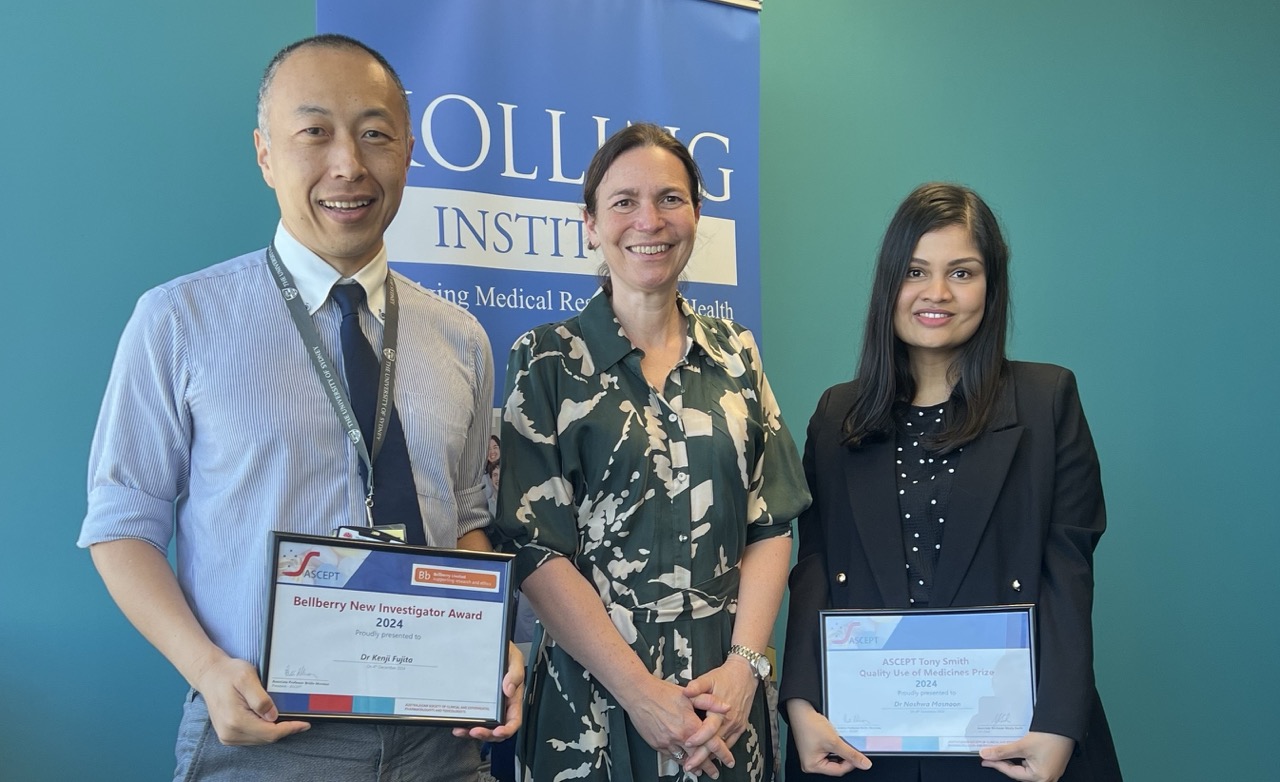
    Dr Nashwa Masnoon and Dr Kenji Fujita have received prestigious awards at the annual meeting of the Australasian Society of Clinical and Experimental Pharmacologists and Toxicologists (ASCEPT).

    Nashwa, who is also a pharmacist at Royal North Shore Hospital (RNSH), has been awarded the inaugural ASCEPT Tony Smith Quality Use of Medicines Prize.

    Head of the Ageing and Pharmacology Lab Professor Sarah Hilmer said this new prize is aimed at recognising influential researchers promoting the quality use of medicines.

    “Nashwa is well known to many across the Northern Sydney Local Health District as a previous Medication Safety Pharmacist and as the Drug Burden Index Stewardship Pharmacist at RNSH, Ryde and Hornsby hospitals during a recent clinical trial,” she said.

    “We are thrilled that she has been recognised for her work, which analysed data from hospital medication reviews of older patients in six hospitals across Sydney.

    “The award will give Nashwa an opportunity to participate in a Science Meets Parliament event next year where she will be able to discuss crucial research and healthcare issues with federal political leaders.”

    In another sign of the strength of the Ageing and Pharmacology research group, Dr Fujita was awarded the Belberry New Investigator Award, recognising him as an emerging leader in pharmacology.

    “This award was based on Kenji’s large body of research using big data analysis to understand geriatric pharmacology and improve the quality use of medicines in older adults,” said Professor Hilmer.

    “Kenji has applied his deep knowledge of pharmacy, pharmacology and data analysis to collaborative research spanning bench to bedside. His research findings will improve the use of medicines to enable healthy ageing.”

    Professor Hilmer said it was encouraging to see two members of her team honoured for their substantial research progress.

    The awards were presented at the annual scientific meeting of ASCEPT in Melbourne.  

  • Clinical trials informed by patient care

    Clinical trials informed by patient care

    The Kolling Institute’s Professor Sue Kurrle and her team at the Rehabilitation and Aged Care Network at Hornsby Ku-ring-gai Hospital have been running clinical trials for 25 years, looking at dementia, frailty, and falls to name just some areas.

    “We do trials as it keeps you cutting edge and they are really important for our patients,” she says.

    As a geriatrician on the frontline, Sue is well positioned to identify the critical areas that need attention.

    “You want to do the research that helps answer some of the questions that your clinical practice throws up,” she says.

    Falls research

    Sue says one of the most impactful trials she participated in was during her PhD research on hip protectors for older people.

    Her study found that the underwear with built-in plastic “shields” stopped people from breaking or fracturing their hips when they fell.

    “I got involved in hip protectors because we were looking after so many hip fracture patients in our rehab ward at Hornsby,” she says.

    “It was the same with dementia and with frailty. Everything we’ve done in research has been driven by what you see in clinical practice.”

    Dementia

    With an ageing population in the area, Sue and the team have had a long interest in dementia.

    Since 1999, they have run 56 trials for dementia drugs, some of which are part of global studies. Although most haven’t been especially successful, Sue says a recent tablet is promising, with the results soon to be published.

    “The biggest message is that exercise is much more effective than medication in slowing the decline once you have dementia, or in delaying its onset. It’s one of the 12 modifiable risk factors,” she explains.

    In 2012, the NHMRC awarded her $25 million for the Cognitive Decline Partnership Centre, which funded 32 projects across the country which looked at care for people with dementia.

    “We developed the clinical practice guidelines for management of dementia, which were the first ones ever done in Australia,” she says.

    Frailty

    The frailty intervention trial (2011 to 2013) involved 241 frail Hornsby residents. One group received exercise and nutrition interventions, while other received normal care. The experimental group saw numerous benefits.

    “We turned frailty around,” she says, adding that the research is now being implemented in hospitals throughout Northern Sydney, with another frailty study soon to be published.

    Clinical trials can last up to five years, and older patients often bring a relative along. Sue and her colleagues, including clinical trials research coordinator Roseanne Hogarth and clinical nurse specialist Bronwyn Cook have developed close relationships, knowing their families, pets, and even sharing coffee outings.

    “They are like family,” says Sue. “The advantage of working in a smaller hospital is we really get to know our patients.”  

  • New research to capture those with frailty

    New research to capture those with frailty

    A $3-million research grant will help develop technology to identify frailty in older people in hospital, a crucial step towards improving care and long-term patient outcomes.

    The Kolling Institute’s Professor Sarah Hilmer will lead the large-scale study involving hospitals and universities across Australia as well as international investigators.

    Professor Hilmer said the five-year project will develop real-time frailty monitoring technology to help tackle one of the biggest challenges facing older people.

    “As we age, our risk of frailty increases, and we know that frail older people in hospital have a high chance of experiencing an adverse event, like confusion or a fall,” she said.

    “The technology that we are researching will use existing data from the electronic medical records to measure the Frailty Index, and this will automatically and efficiently screen hospital patients for frailty.

    “Identification of frailty is the essential first step to providing frailty-informed health care. It will also inform health services about the facilities, resources and staff required to meet the needs of people with frailty.

    “On an individual basis, it means patients will receive specialised, multidisciplinary care, including the Comprehensive Geriatric Assessment model of care, where patients are more likely to continue living at home and less likely to be in a nursing home up to a year after their stay in hospital.”

    The screening may be used for observational research or clinical trials of optimal therapies for people living with frailty.

    Professor Hilmer said the research project will help to bring models of care in line with international guidelines which strongly recommend that all older people are screened for frailty.

    “I am delighted to lead a strong, multidisciplinary, national and international team to develop the crucial technology we need for frailty screening of older people in hospital.

    “By automating frailty screening, health services and health professionals will be able to focus on providing optimal care tailored to the needs of frail older people, rather than spending precious time on manual screening.”

    The introduction of the automatic hospital screening will mark the first time the Frailty Index has been adopted in acute hospital care on such a large scale.

    The project has been developed following support from the Sydney Health Partners Geriatric Medicine Clinical Academic Group.  

NSWGOV logo