
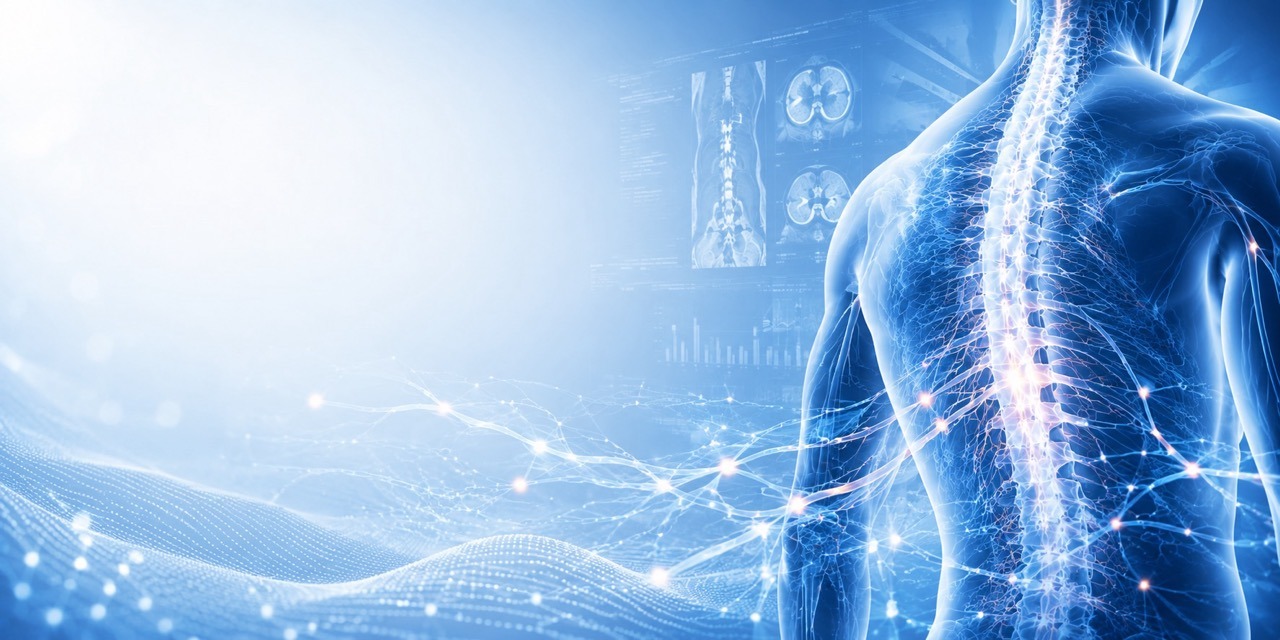
The Spinal Cord Injury Research Collaborative is a dedicated research group affiliated with the University of Sydney and based clinically at Royal Rehab Ryde, focused on restoring independence for people living with spinal cord injuries. We conduct neurophysiological laboratory studies to investigate nerve stimulation over the spinal cord and in peripheral nerves. This fundamental research directly guides how we conduct our clinical trials to maximise functional outcomes for people living with spinal cord injury.
Our core focus is neurostimulation. By pairing non-invasive electrical stimulation with rehabilitation, we aim to strengthen damaged nerve pathways. Our active clinical trials, Get a Grip and eWALK2 aims to improve hand function, breathing and walking.
Musculoskeletal and rehabilitation
Team Lead

Professor Jane Butler
SpinalCure Fellow and Group Lead
Senior Principal Research Fellow
Faculty of Medicine and Health
The University of Sydney
Team Members

Professor Simon Gandevia
Founder, Neuroscience Research Australia
NHMRC Senior Principal Research Fellow
Faculty of Medicine and Health
The University of Sydney

Professor Janet Taylor
Senior Research Fellow
Faculty of Medicine and Health
The University of Sydney

Dr Claire Boswell-Ruys
Senior Research Fellow
Faculty of Medicine and Health
The University of Sydney
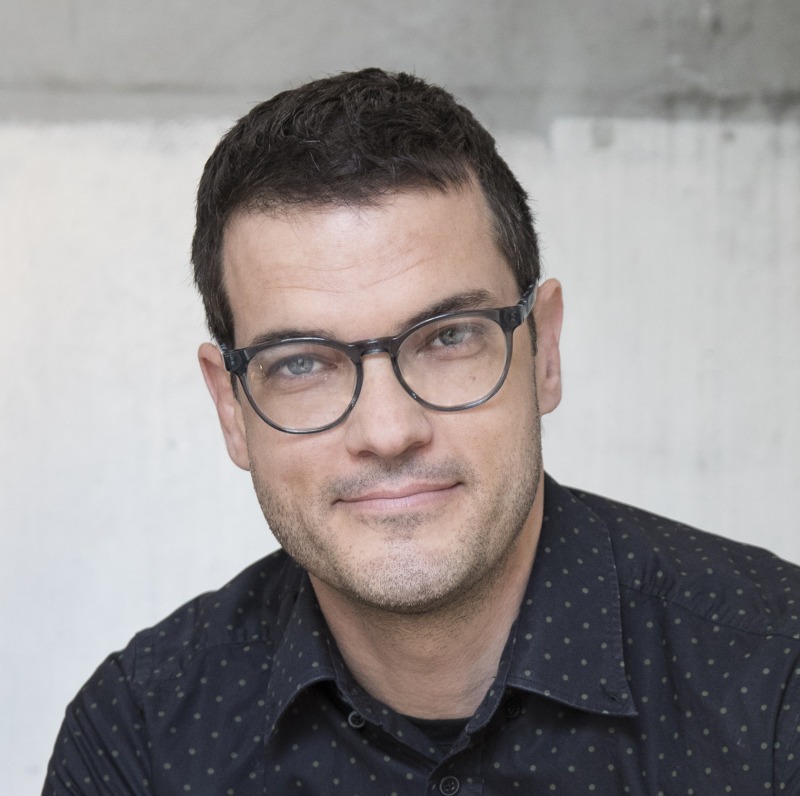
Dr Martin Héroux
Senior Research Fellow
Faculty of Medicine and Health
The University of Sydney
Dr Annie Butler
Senior Research Fellow
Faculty of Medicine and Health
The University of Sydney
Dr Anne Palermo
Research Fellow
Faculty of Medicine and Health
The University of Sydney
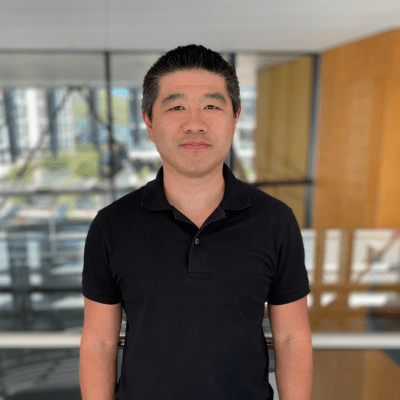
Dr Billy Luu
Postdoctoral Research Fellow
Faculty of Medicine and Health
The University of Sydney

Dr Terry Trinh
Postdoctoral Research Fellow
Faculty of Medicine and Health
The University of Sydney

Dr Elizabeth Bye
Postdoctoral Research Fellow
Faculty of Medicine and Health
The University of Sydney
Dr Anandit Mathew
Research Associate

Mrs Zoe Djajadikarta
Senior Research Assistant
Faculty of Medicine and Health
The University of Sydney
Mrs Bronwyn Chapman
Executive Assistant
Our research vision entails improving motor function for people with spinal cord injury by (i) delivering evidence-based emerging therapies, (ii) discovering new therapies, (iii) optimising the effectiveness of both emerging and newly discovered therapies through basic research of their mechanisms, and (iv) amplifying the effects of therapies via combined approaches
A multi-site clinical study investigating whether transcutaneous spinal cord stimulation combined with exercise training can improve upper-limb function and breathing in people with spinal cord injury. Participants are guided through a 30-minute exercise program three times per week for six weeks at community-based rehabilitation centres across Australia and New Zealand. Using an adaptive trial design, the study will evaluate the safety, acceptability and effectiveness of different transcutaneous spinal cord stimulation approaches. The findings will identify promising treatment strategies for larger clinical trials and support the development of accessible, evidence-based rehabilitation for people living with spinal cord injury.
An international multi-site clinical trial investigating whether transcutaneous spinal cord stimulation (tSCS) combined with locomotor training can improve walking ability in people with chronic spinal cord injury. Participants complete a 12-week rehabilitation program involving regular locomotor training with either active tSCS or sham stimulation. The study will evaluate whether tSCS improves walking, lower-limb strength, spasticity, independence and quality of life compared with rehabilitation alone. The trial will provide high-quality evidence on the effectiveness of tSCS as a non-invasive adjunct to rehabilitation therapy to improve walking ability and inform future clinical practice for people living with spinal cord injury
We conduct a range of neurophysiological studies in people with and without spinal cord injury (SCI) to examine the neural mechanisms surrounding new therapies and their effects after the injury. The new knowledge gained from these studies underpins future clinical trials and provide the evidence base to optimise treatment for people with spinal cord injury at both an individual and population level. Current neurophysiological studies include: optimisation of the delivery of transcutaneous spinal cord stimulation on the control of movement and blood pressure after SCI; mechanisms and effects of acute intermittent hypoxia after SCI; control of respiration and swallowing after SCI; improving seated balance after SCI; new treatments to optimise limb motor function after SCI; improving bowel function after SCI; proprioception in humans.
- SpinalCure– clinical research, academic partnership
- CatWalk– clinical research, academic partnership
- Forward Ability Support– clinical research, academic partnership
- Spinal Cord Injuries Australia (SCIA)– clinical research, academic partnership
- NeuroMoves gyms– clinical research, academic partnership
- Ferguson Lodge– clinical research, academic partnership
- Austin Health– Institute for Breathing and Sleep, Melbourne Australia- clinical research, academic partnership
- Swinburne University of Technology, Melbourne, Australia- clinical research, academic partnership
- Queen Elizabeth National Spinal Injuries Unit, Glasgow- clinical research, academic partnership
- Fundaciόn Hospital Nacional de Parapléjicos, Toledo Spain- clinical research, academic partnership
- Shirley Ryan AbilityLab, Chicago USA- clinical research, academic partnership
- Rope Neuro Rehabilitation, Auckland New Zealand- clinical research, academic partnership
- Copenhagen NeuroInjury and Rehabilitation Research Centre (CNIRC), Rigshospitalet, Denmark- clinical research academic partnership

