
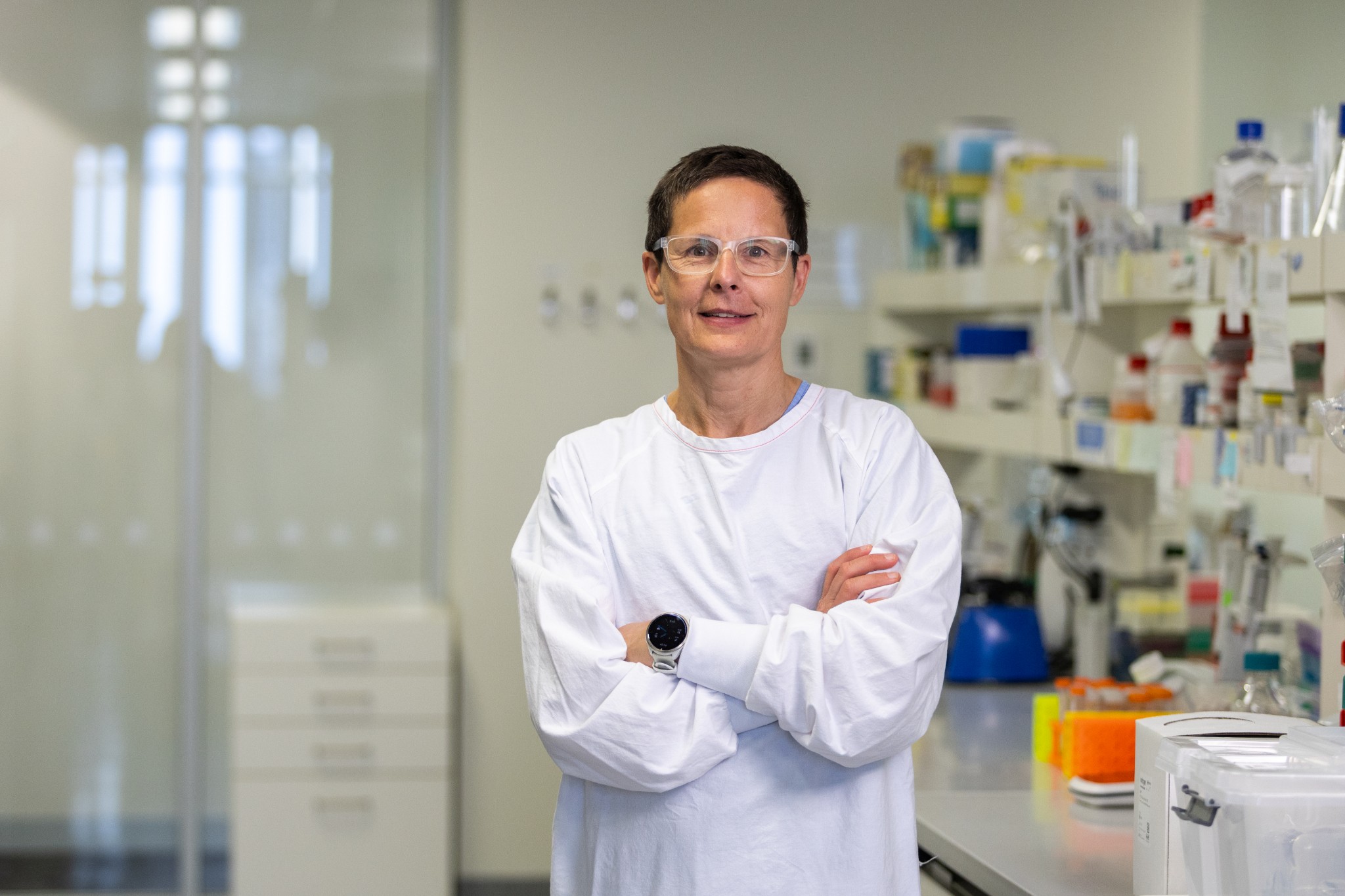
Internationally-recognised clinician researcher Professor Gemma Figtree will lead a Centre of Research Excellence to reduce heart attacks after securing a highly-competitive $3 million National Health and Medical Research Council grant.
The research will aim to save lives by detecting and treating silent coronary artery disease, the underlying cause of most heart attacks.
Professor Figtree said more than half of those who experience a heart attack have no symptoms, and some are not identified as high risk considering traditional risk factors.
“We now have highly effective treatments that can stabilise or even reverse the build-up of plaque in the coronary arteries,” she said.
“However, these treatments are generally used most intensively after someone has had a heart attack or developed symptoms.
“Our centre is seeking to shift this model from reacting to heart attacks to detecting and treating coronary artery disease before a potentially life-threatening attack.”
The centre will investigate how blood biomarkers and advanced imaging can detect silent disease earlier. Importantly, researchers will work with the community to develop approaches that are accessible and equitable.
“Our ultimate goal is to prevent heart attacks by identifying coronary artery disease while people still feel well and there is time to intervene,” said Professor Figtree.
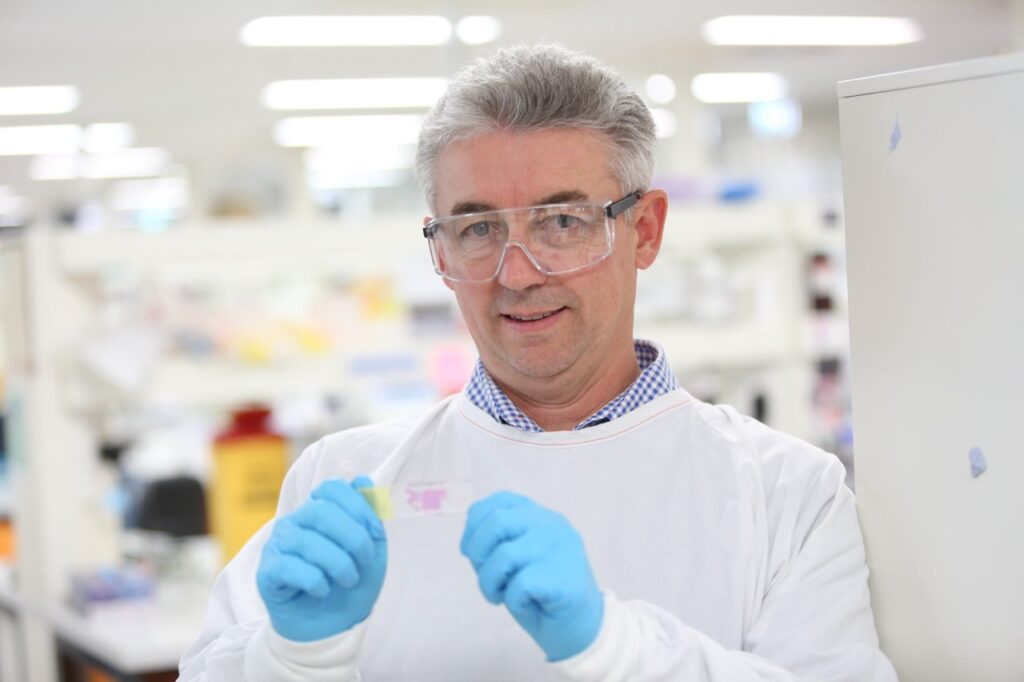
Fellow Kolling Institute and University of Sydney researcher Professor Mark Molloy will drive research into the rise of early-onset colorectal cancer as an investigator with the ARTEMIS Centre of Research Excellence.
Early-onset colorectal cancer is a disease diagnosed in people under 50. The incidence has been rising rapidly in Australia since the 1990s, yet the cause of this rise is not understood.
The centre will bring together patients and researchers from multiple institutes to study the genetic, environmental, microbial and immune factors contributing to the disease, and improve prevention, diagnosis and treatment.
Professor Molloy has established a bowel polyp biobank at the Kolling Institute and will contribute testing of the unique samples from people with early-onset bowel disease.
His team’s expertise in the analysis of proteins and immune cells will help in the hunt for biological drivers of this form of cancer.
“Collectively, the ARTEMIS team will aim to build new scientific understanding of why early onset colorectal cancer develops and establish clinical tools to help prevent and treat the disease better,” said Professor Molloy.
Bowel Cancer Australia has committed $3 million through the NHMRC to establish the centre, supported by additional funding of $2.8 million from participating institutions and partners.
ARTEMIS will be led by Associate Professor Dan Buchanan from The University of Melbourne, and will include a 22-member team across multiple disciplines, from six universities, four research institutes and four hospitals and health services.

