
Latest News
-
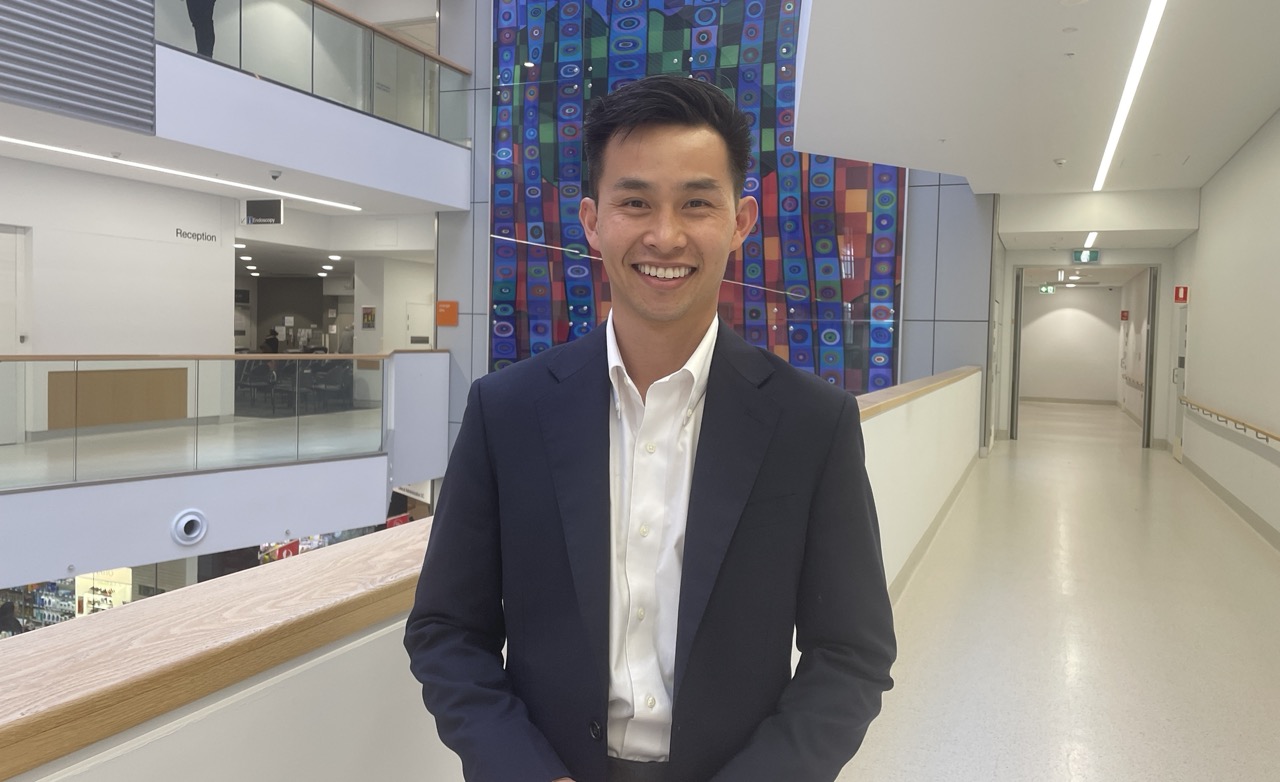
Crucial new funds to help improve heart and kidney disease treatment
Posted on:
Royal North Shore Hospital’s Associate Professor Brendon Neuen will establish an international consortium to support those with both heart and kidney disease. The nephrologist and Director of Kidney Trials will lead the collaboration after being awarded close to $500,000 from NSW Health through a program to drive groundbreaking projects in heart disease. The grant will…
-
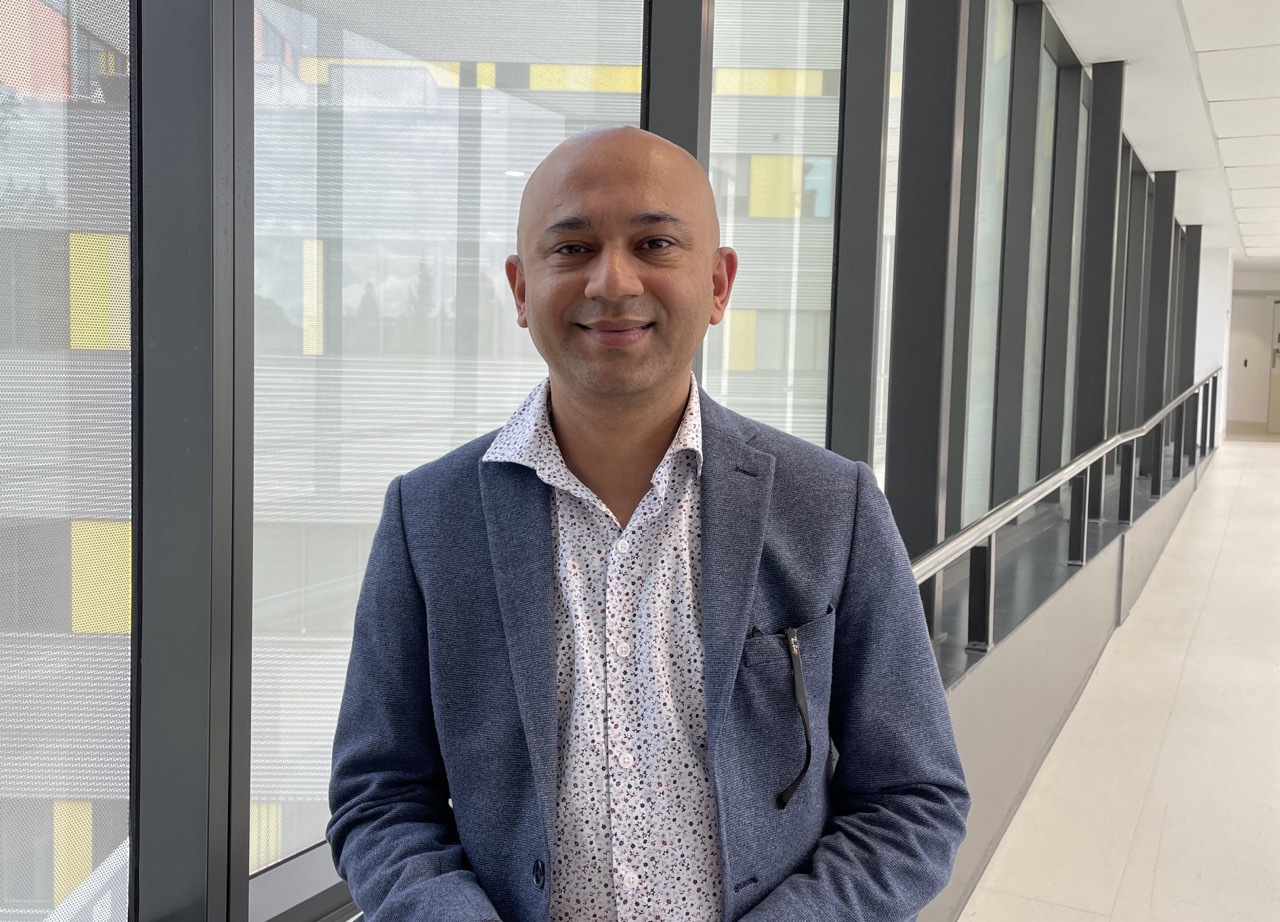
New digital health program to reduce muscle, joint and bone pain across culturally diverse communities
Posted on:
A federal government funding boost will pave the way for a much-needed, tailored program for culturally diverse communities experiencing musculoskeletal pain. Dr Saurab Sharma, the Chief Clinical Scientist from the Pain Management and Research Centre at Royal North Shore Hospital, has received a National Health and Medical Research Council investigator grant to progress his research…
Primary Research Area/s: Funding support, Musculoskeletal Research, Neuroscience and Pain Research, New Treatment, Research Excellence -
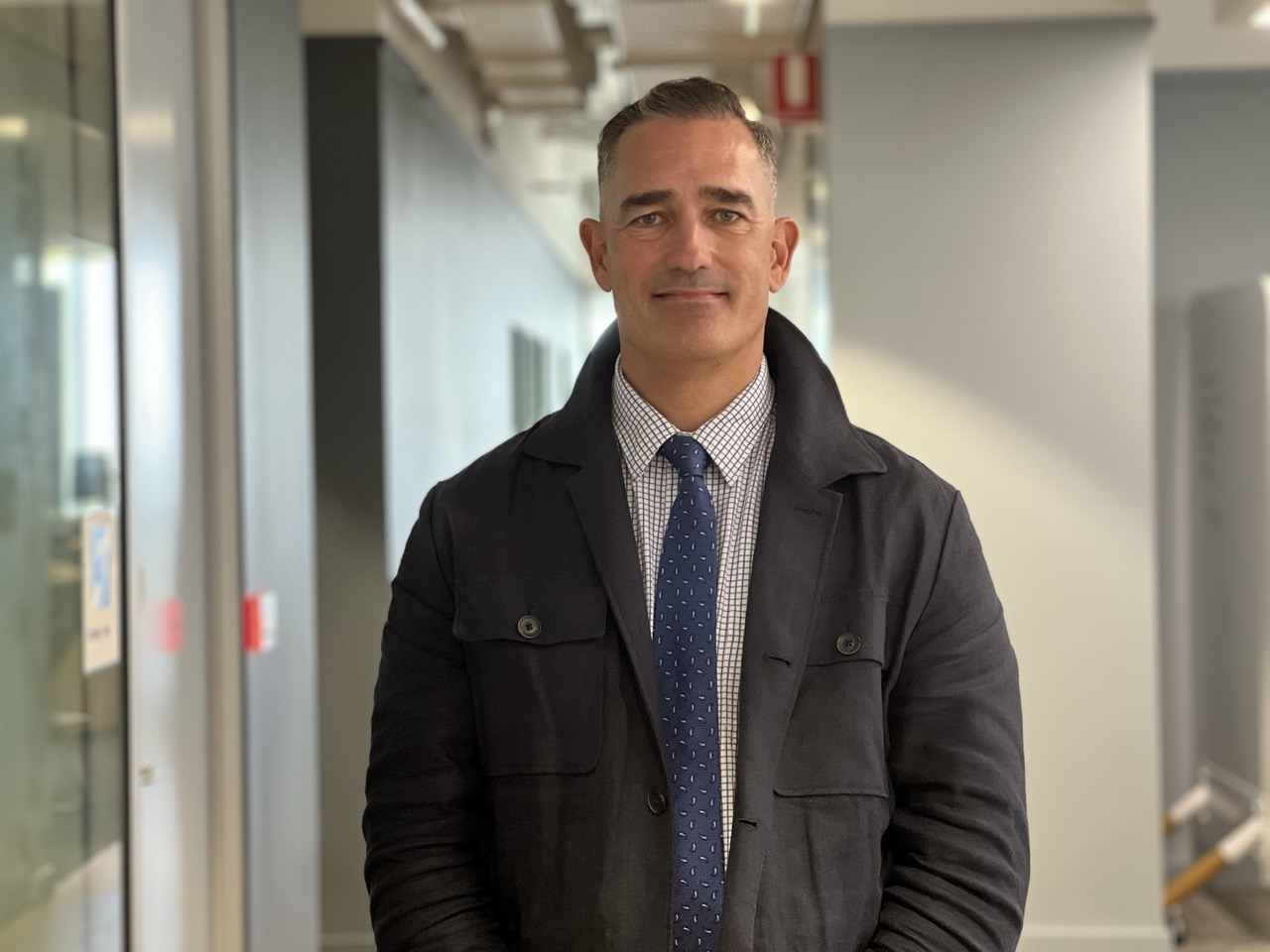
Pioneering MuscleMap project secures strong philanthropic support
Posted on:
An innovative tool which could revolutionise the detection and treatment of musculoskeletal and neurological conditions will be further developed following a $230,000 gift. The donation was made following a campaign by the University of Sydney’s Advancement team and the NORTH Foundation to support the world’s first open-source dataset of whole-body muscle composition. The Kolling Institute’s…
Primary Research Area/s: Funding support, Musculoskeletal Research, Neuroscience and Pain Research, New Treatment, Research Excellence, World-leading technology -

Latest findings on managing osteoarthritis
Posted on:
If you’re looking for the best advice for osteoarthritis care, have a listen to one of our leading clinicians and Kolling Institute researchers Professor David Hunter as he highlights the most effective treatment approaches and the low-value ones to avoid. Thank you to Dr Norman Swan and the team at the ABC’s Health Report for the…
Primary Research Area/s: Musculoskeletal Research, Neuroscience and Pain Research, New Treatment, Research Excellence -
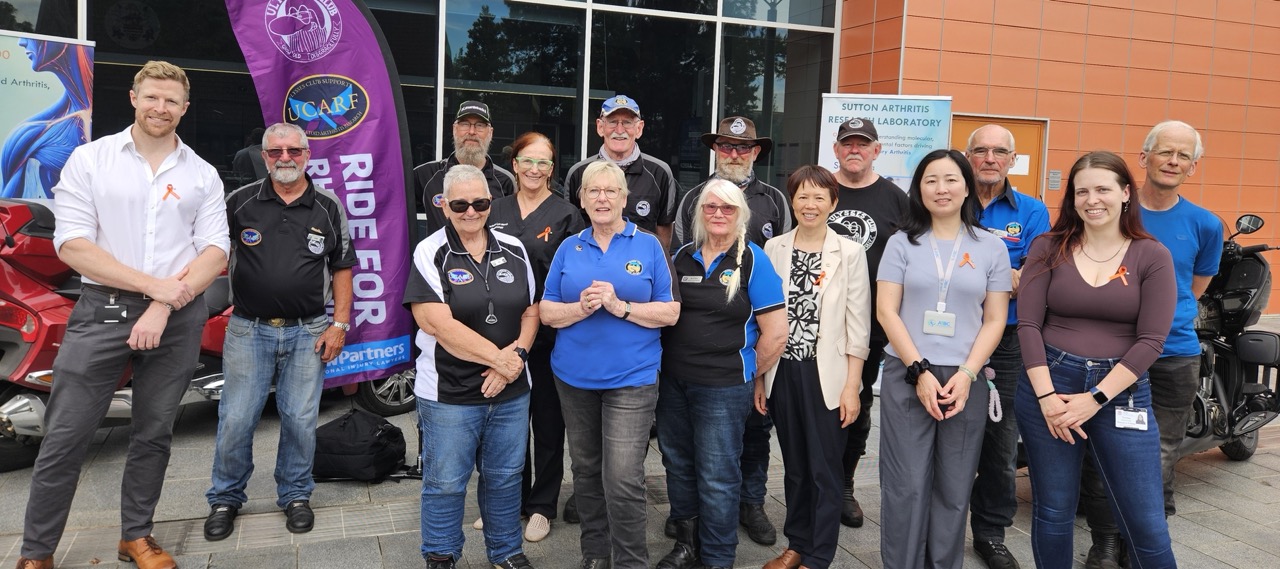
Epic journey to support vital rheumatoid arthritis research
Posted on:
The burble of high-powered motorcycles was heard across the Kolling Institute forecourt as part of a 2000 kilometre ride from Melbourne to Armidale to raise awareness and funds for life-changing research. The ride is an initiative of Robert Hunt from the Ulysses Club which has been supporting rheumatoid arthritis research for nearly three decades. The…
Primary Research Area/s: Funding support, Musculoskeletal Research, Neuroscience and Pain Research, New Treatment, Research Excellence -
Prestigious grant for groundbreaking blood cancer research at the Kolling
Posted on:
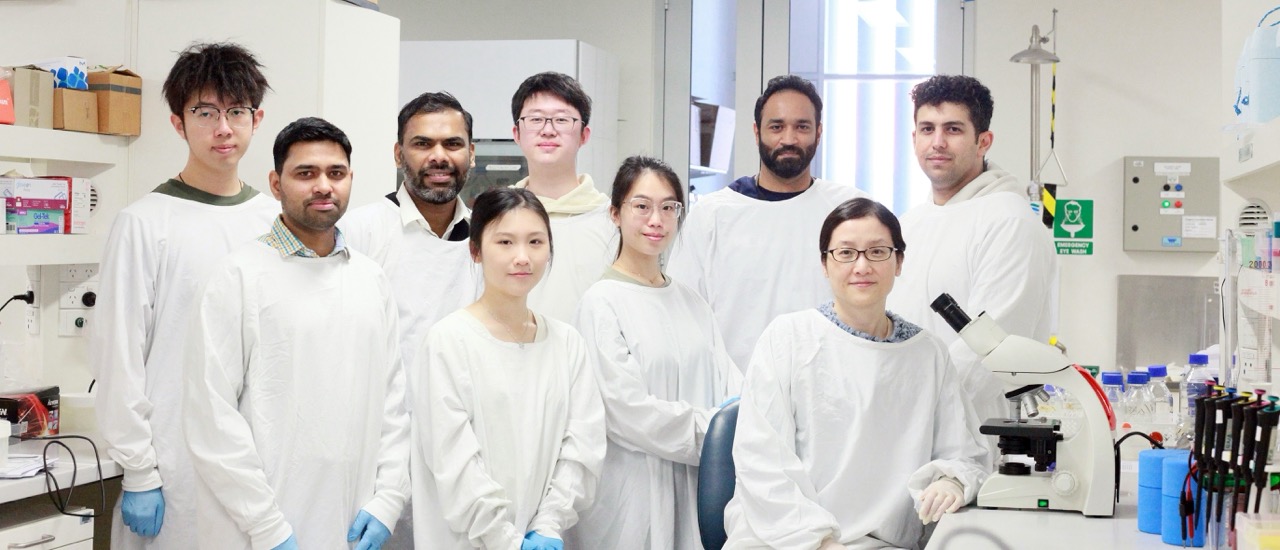
A two-decade long commitment to reducing blood cancers has delivered coveted national funding to Associate Professor Jenny Wang to progress her vital cancer research. As the head of the Kolling Institute’s Cancer and Stem Cell Laboratory, Associate Professor Wang has secured a $2.95 million investigator grant from the National Health and Medical Research Council to…
-
New trial to determine if diet and exercise alone can prevent knee osteoarthritis
Posted on:
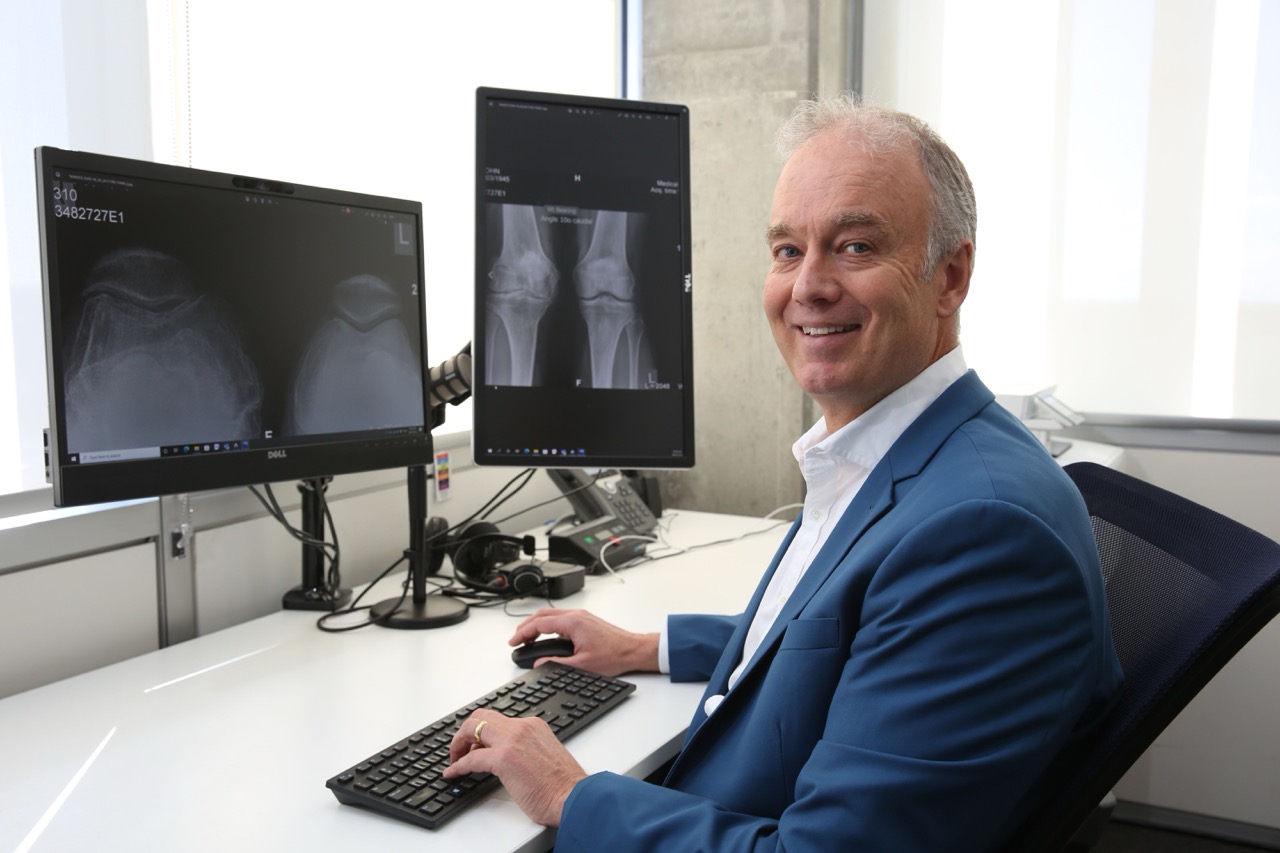
In one of the first global clinical trials of its kind, researchers have launched a study to investigate if a diet and exercise program aimed at weight loss can prevent the development of crippling knee osteoarthritis. The trial will be led by researchers from the University of Sydney and the Kolling Institute in collaboration with…
Primary Research Area/s: Musculoskeletal Research, Neuroscience and Pain Research, Research Excellence -
The Kolling hosts the brightest minds in optogenetics
Posted on:
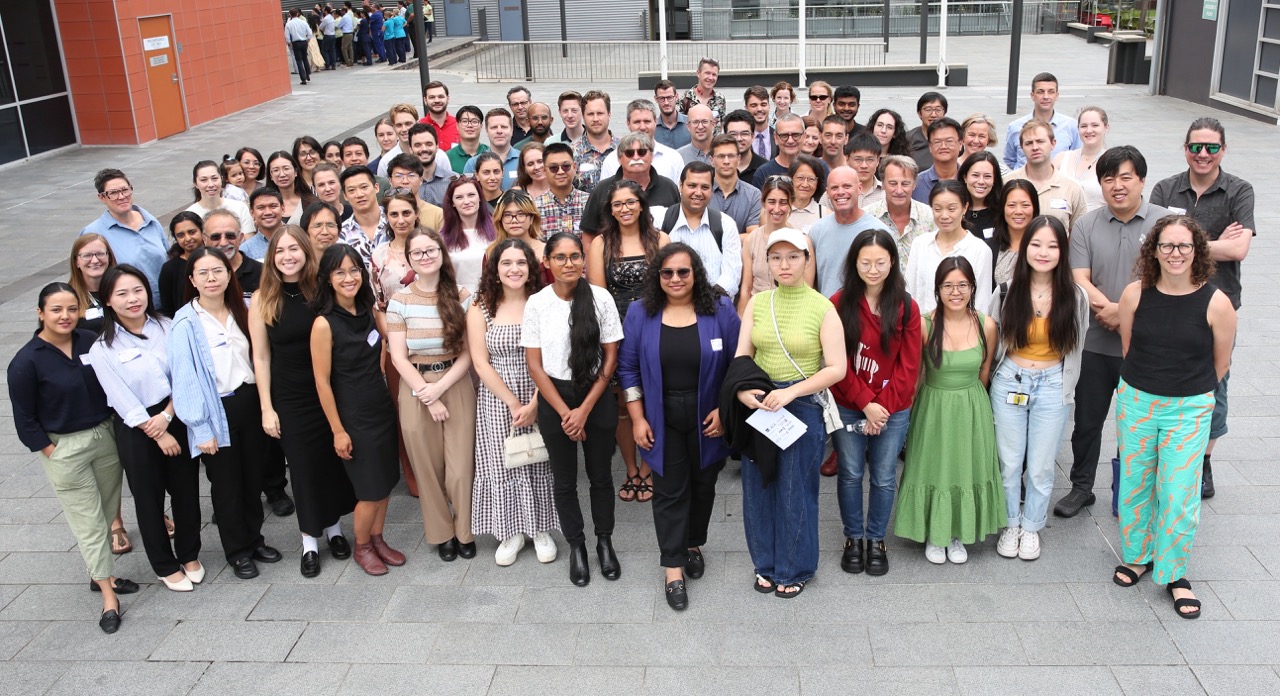
More than 80 top national and international scientists converged on the Kolling Institute for the 4th Optogenetics Australia meeting, featuring the very latest light technologies driving research. The event attracted dynamic keynote speakers from the USA, Europe and China, and leading research institutions across Australia. Chair of Optogenetics Australia and senior Kolling Institute pain medicine…
Primary Research Area/s: Neuroscience and Pain Research, Research Excellence, World-leading technology -
Researchers identify new gene linked to Meniere’s disease
Posted on:
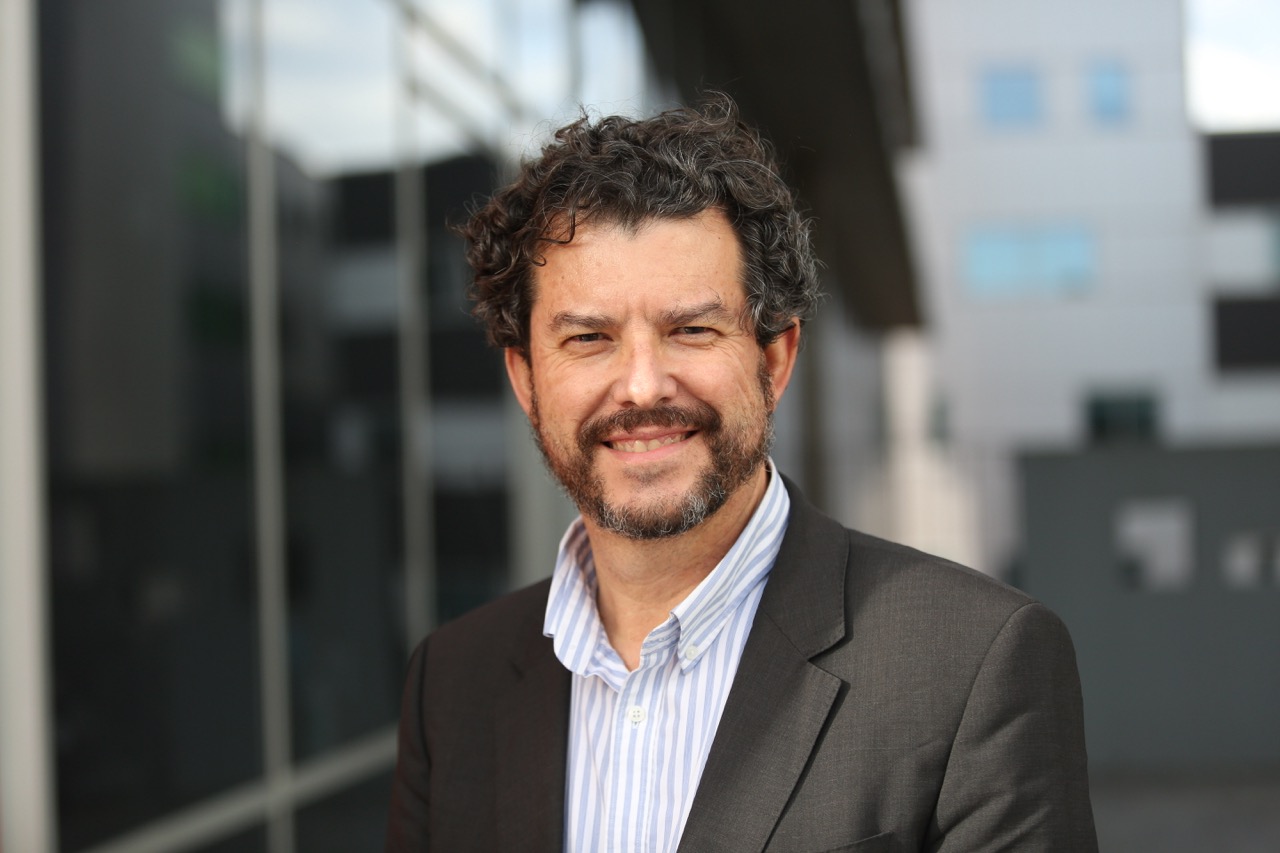
In a crucial step towards a better understanding of Meniere’s disease, researchers at the Kolling Institute and the University of Sydney have discovered a gene mutation which could greatly inform future treatment of the disease. Meniere’s is a rare inner ear disease associated with sensorineural hearing loss, vertigo and debilitating tinnitus. There is currently no…
-
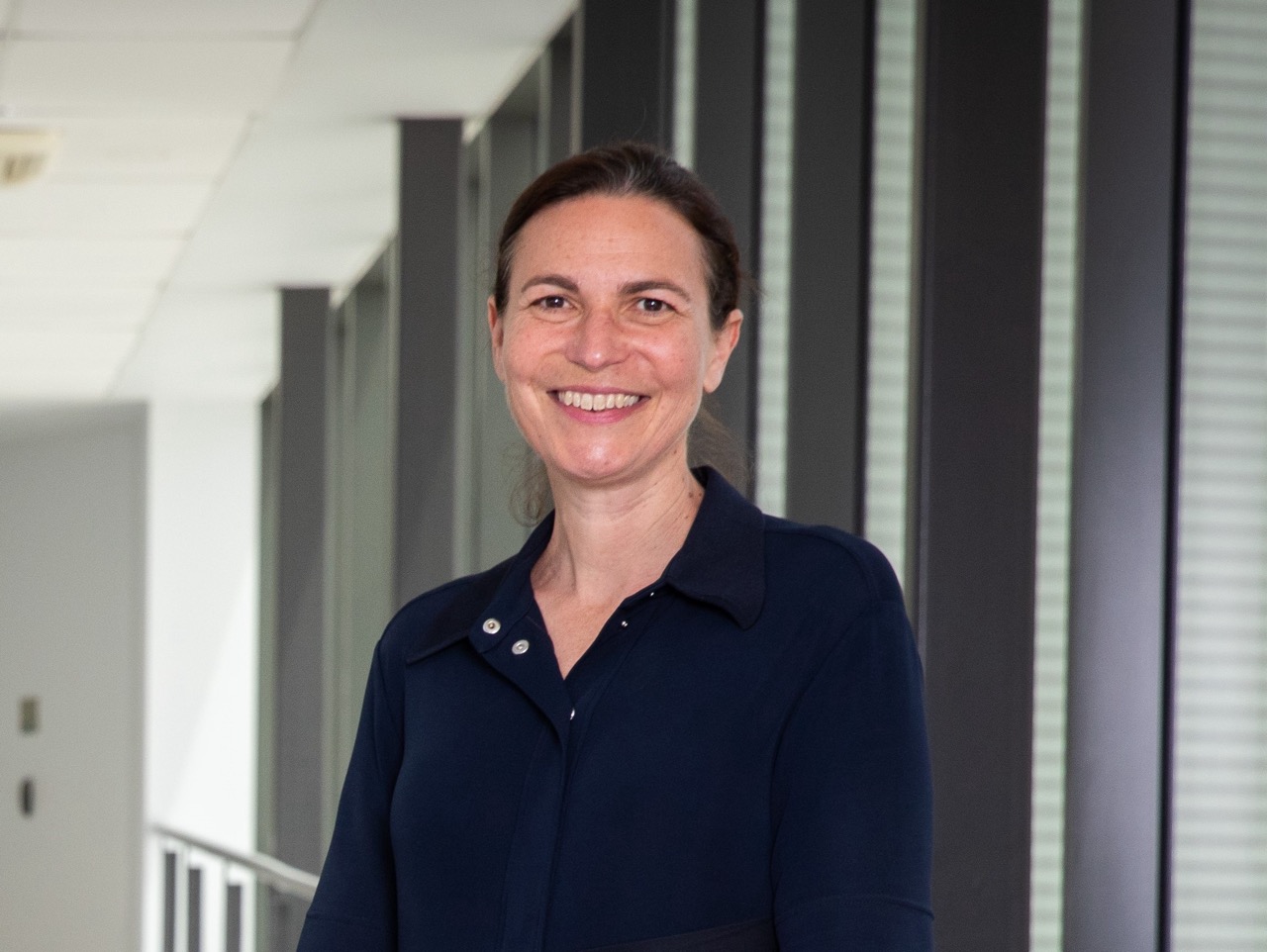
Groundbreaking work in geriatric pharmacology
Posted on:
For the past 20 years, Professor Sarah Hilmer has dedicated her career to optimising medicine use for older people and has achieved recognition as a national and world leader in geriatric pharmacology. Not only has the Royal North Shore Hospital clinical pharmacologist and geriatrician set about improving medication practices for older people, but she has…

