
Latest News
-
-
The Kolling unveils new research strategy
Posted on:
The Kolling Institute Research Strategy has been launched, setting the strategic framework for the institute over the next five years and broadening opportunities to achieve high-quality translational research. Three research priority areas have been identified during the formation of the strategy including musculoskeletal, neuroscience and pain, and cardiovascular and renal research. Kolling Institute Executive Director…
Primary Research Area/s: Research Excellence -
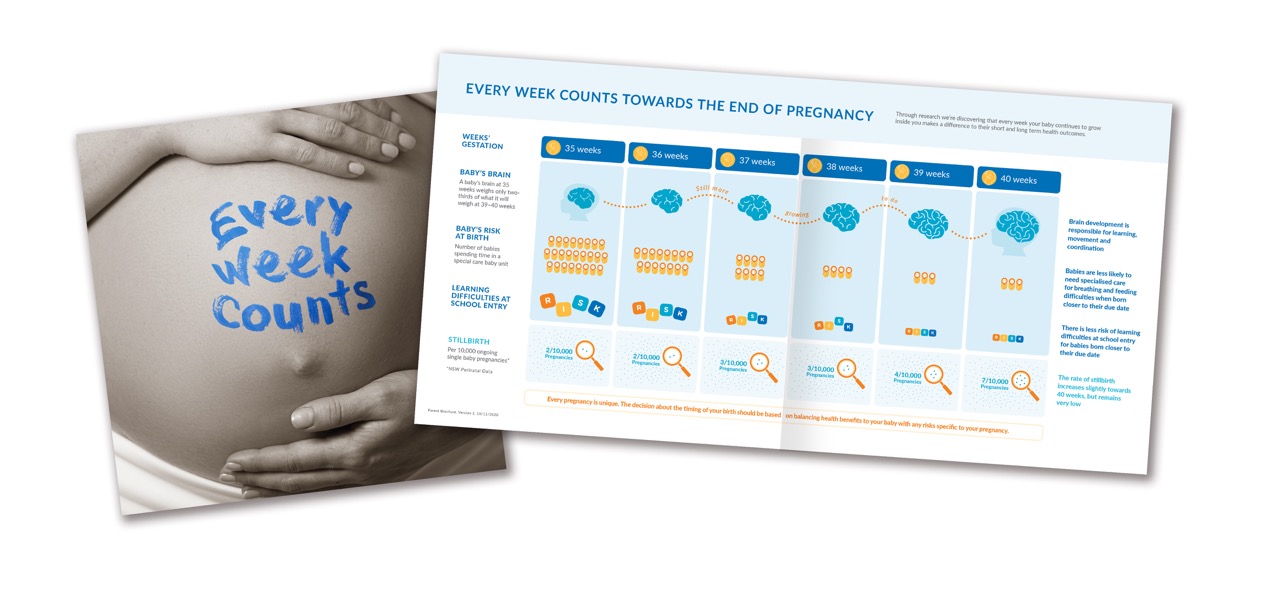
Every week counts in the lead up to birth
Posted on:
The Kolling’s Women and Babies Research team is calling for a reduction in the number of early births, with the latest research highlighting the benefits of labour as close to 40 weeks as possible. Twenty years ago, the majority of women gave birth at 40 weeks. Today it’s between 38 and 39 weeks and continuing…
-
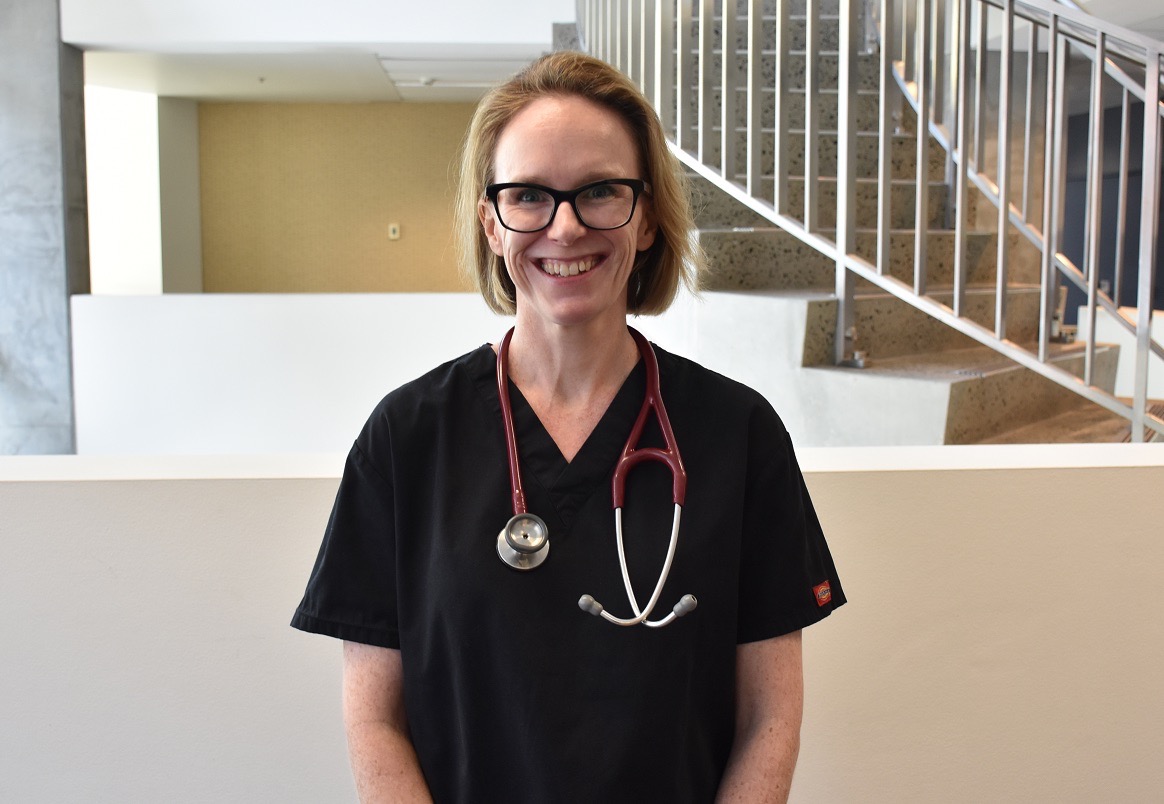
New funding supports innovative approach to diagnose heart failure
Posted on:
Kolling researcher and Royal North Shore Hospital cardiologist Dr Rebecca Kozor will lead a world-first study using MRI technology to improve the diagnosis of heart failure. The trial has been made possible following a $50,000 Cardiac Society of Australia and New Zealand-Boehringer Ingelheim innovation grant. Dr Kozor has welcomed the funding to quantify pulmonary congestion…
-
Cancer expertise recognised
Posted on:
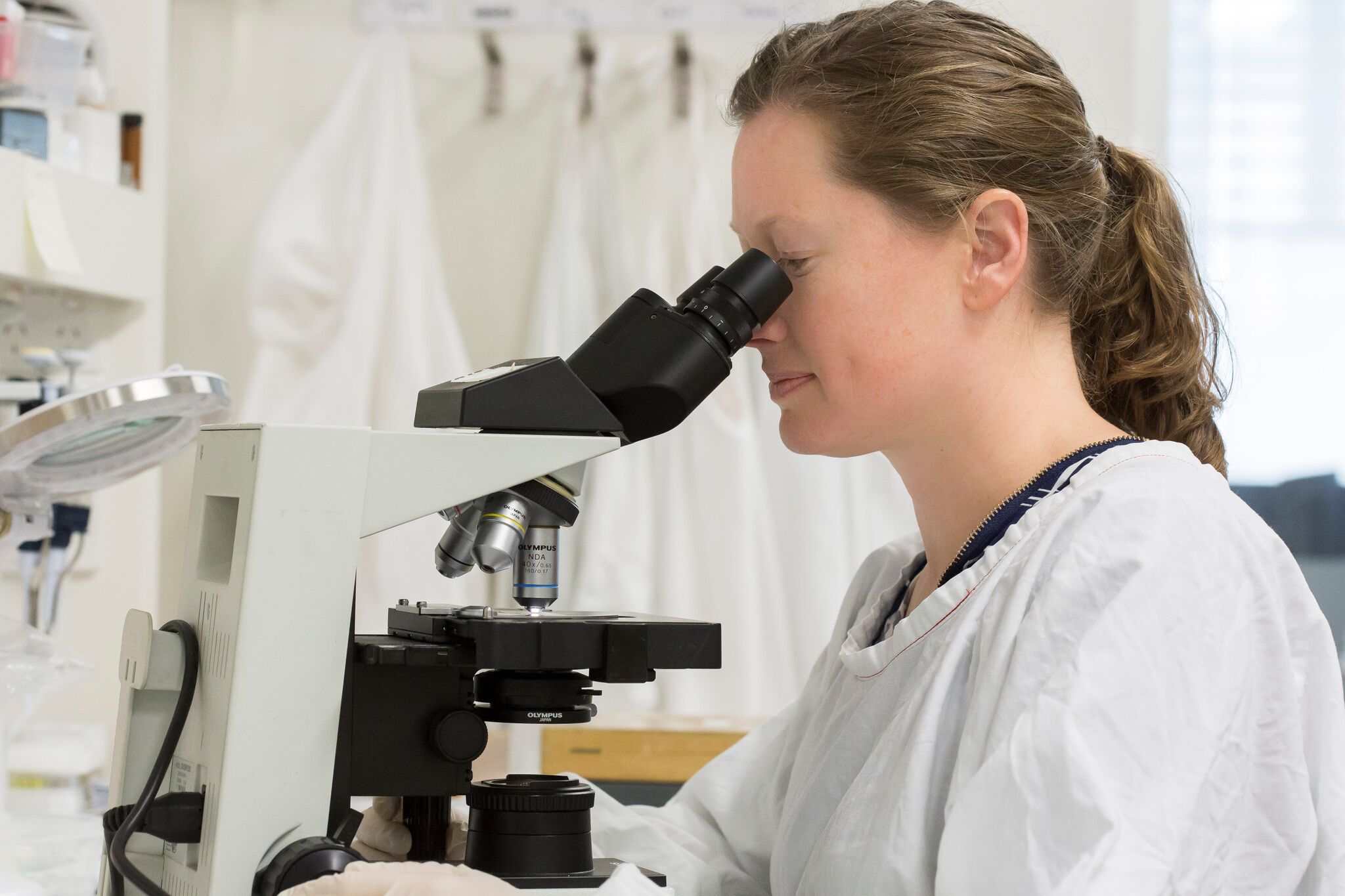
The Kolling’s Dr Amanda Hudson will lead an exciting pilot study after being awarded an innovation grant by the Mark Hughes Foundation for brain cancer research. The Bill Walsh Lab scientist is one of a select group to have received funding from the foundation. Her research will now investigate the early detection of disease progression…
-
New funding launches exciting project to detect cancer earlier
Posted on:
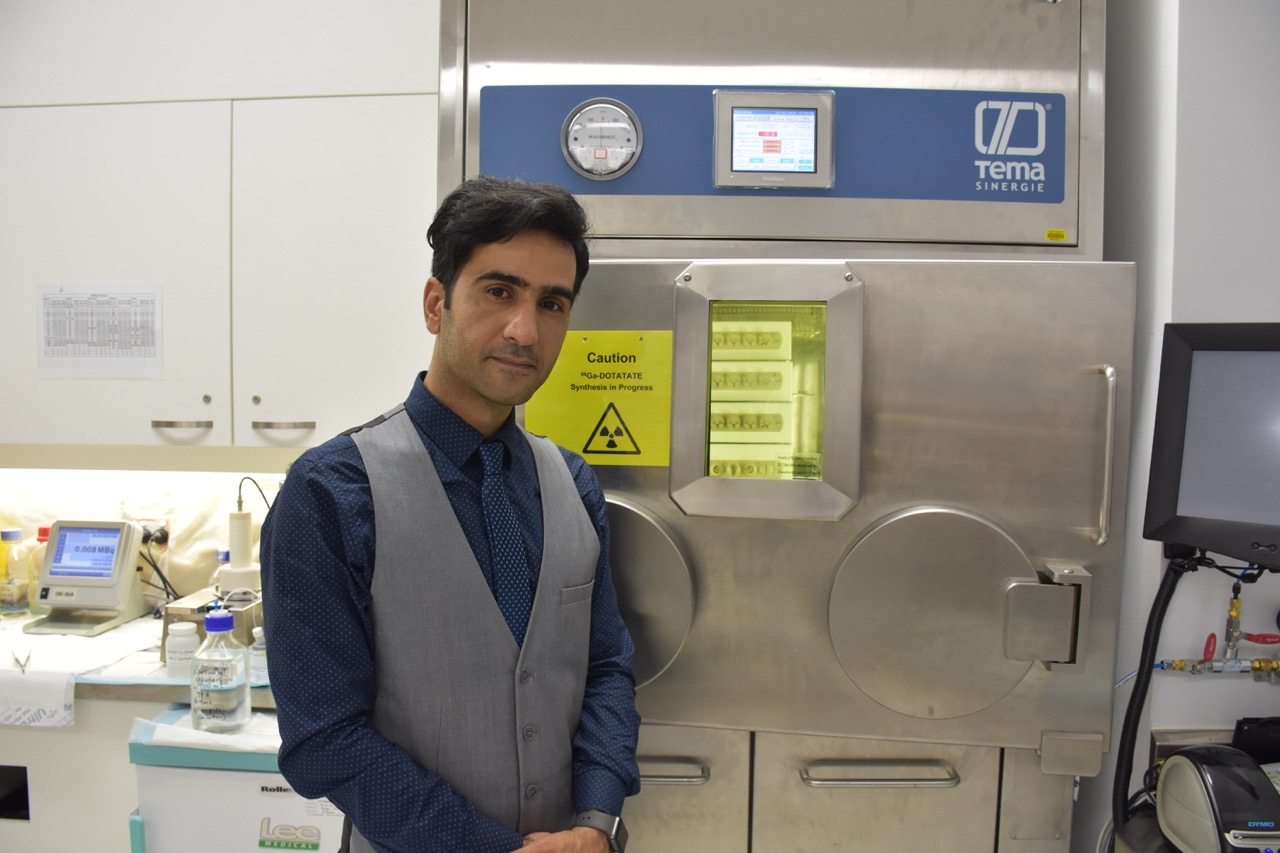
Congratulations to Kolling cancer researcher and Sydney Vital fellow Dr Yaser Hadi Gholami on being awarded the prestigious 2020 Physics Grand Challenges grant. The Grand Challenges project was initiated by the University of Sydney’s School of Physics to drive new discoveries and breakthroughs that will transform the world. $250,000 will be directed to Dr Gholami’s…
Primary Research Area/s: Funding support -
-
Kolling researcher honoured with prestigious, international role
Posted on:
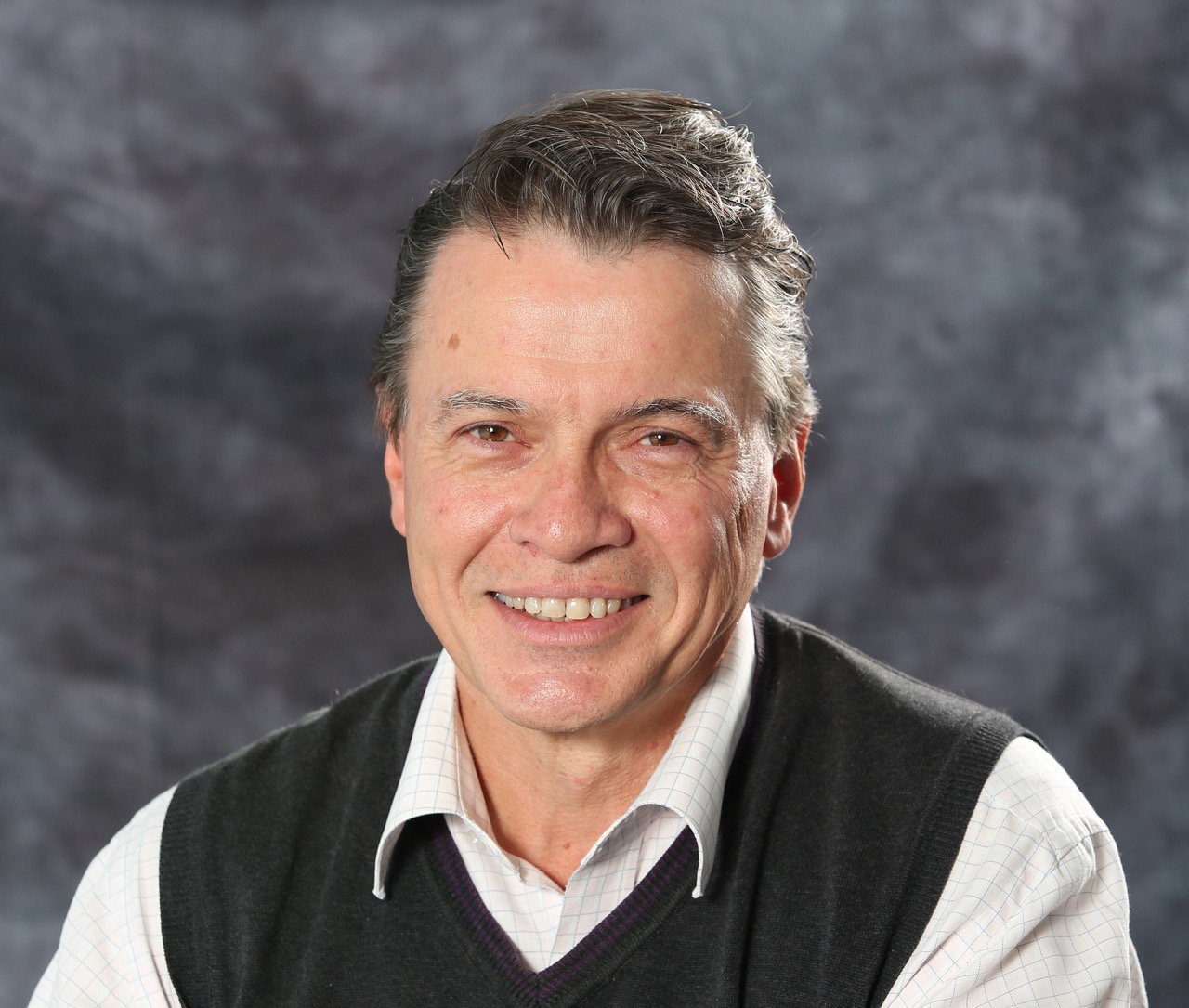
Congratulations to the Kolling’s Acting Executive Director Professor Chris Little following his election to the Board of Directors of the Orthopaedic Research Society. It is regarded as the world’s leading orthopaedic research society, representing clinicians and researchers across the scientific spectrum from fundamental science to clinical research and clinical trials. Professor Little, the Director of…
-
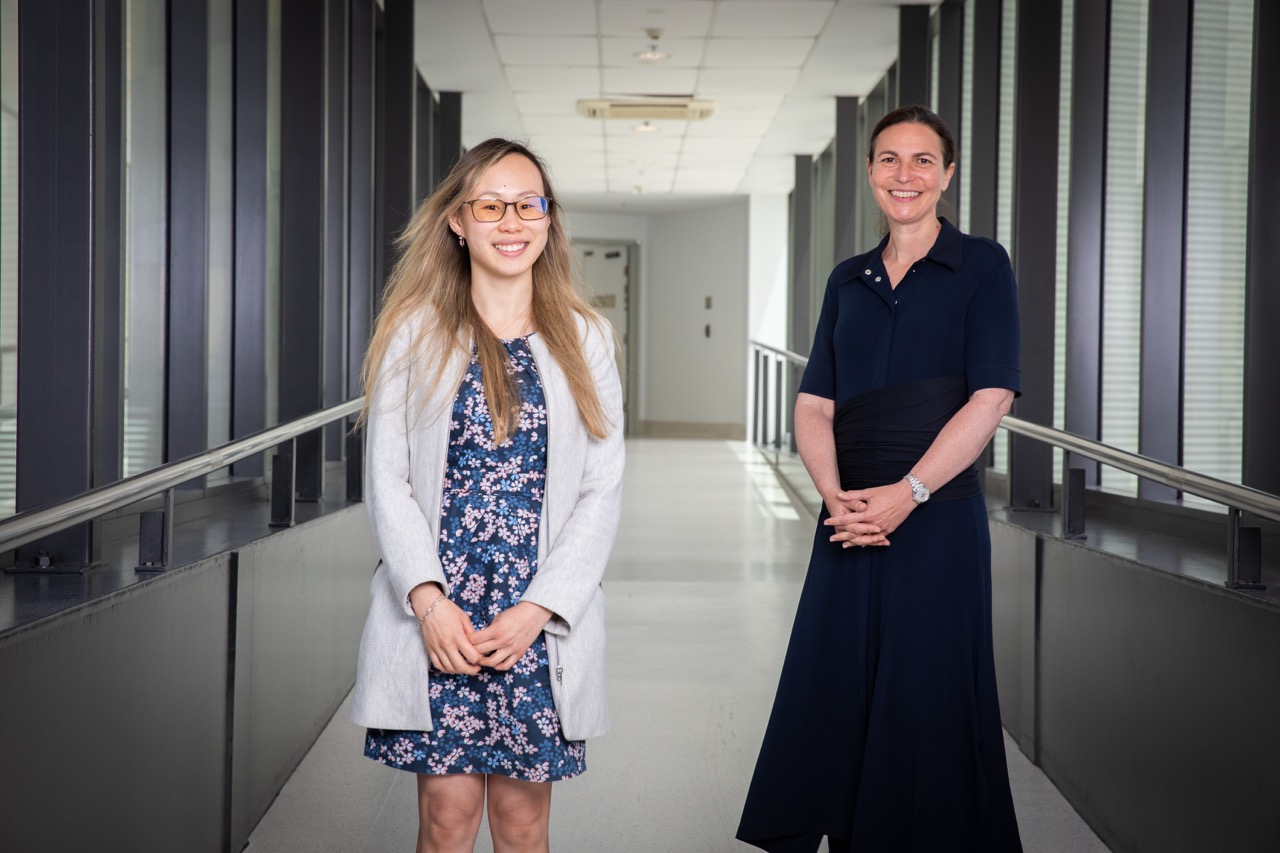
Researchers offer new approach to detect frailty in older adults
Posted on:
A team of researchers led by the Kolling’s Professor Sarah Hilmer has developed a valuable resource to identify frail and vulnerable people in hospital, in an important step towards optimising their care. Frail older adults have a higher risk of experiencing adverse outcomes in hospital such as falls, confusion and malnutrition, and many have longer…
-
Philanthropic funding brings new hope to those with chronic pain
Posted on:
Some of the nation’s leading pain experts are set to embark on research which they believe will change the way chronic pain is managed. The program of research will be carried out by the team from the Pain Management Research Institute after generous funding from the Ernest Heine Family Foundation. Located within the Kolling Institute…

