
Latest News
-

Running for game-changing research
Posted on:
Less than two years after a breast cancer diagnosis, Professor Gemma Figtree has completed the prestigious Boston Marathon while raising significant funds for cancer research. Gemma crossed the finish line in a sub four hour time as part of the talented team running for the internationally renowned Dana Farber Cancer Institute. Gemma ran her first…
-
Researchers inform next-gen space suit design
Posted on:
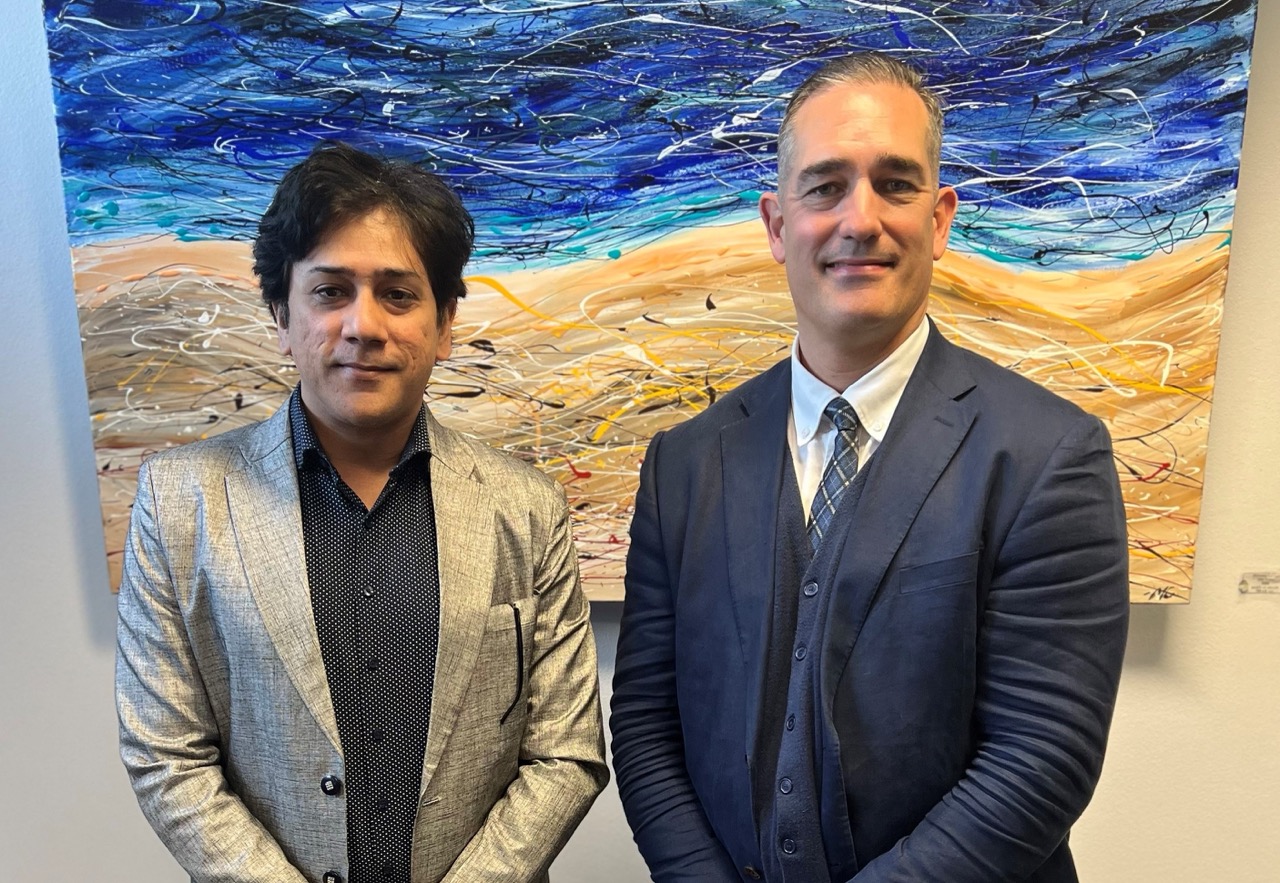
Leading researchers from the Kolling Institute have welcomed the opportunity to collaborate with Metakosmos as it pioneers the development of a next-generation space suit. Led by CEO Kiriti Rambhatla, Metakosmos is working to revolutionise human spaceflight technology. Their Kosmosuit architecture has garnered acclaim and the interest of the Kolling Institute’s Academic Director Professor James Elliott.…
-
Recognition for emerging research leader
Posted on:
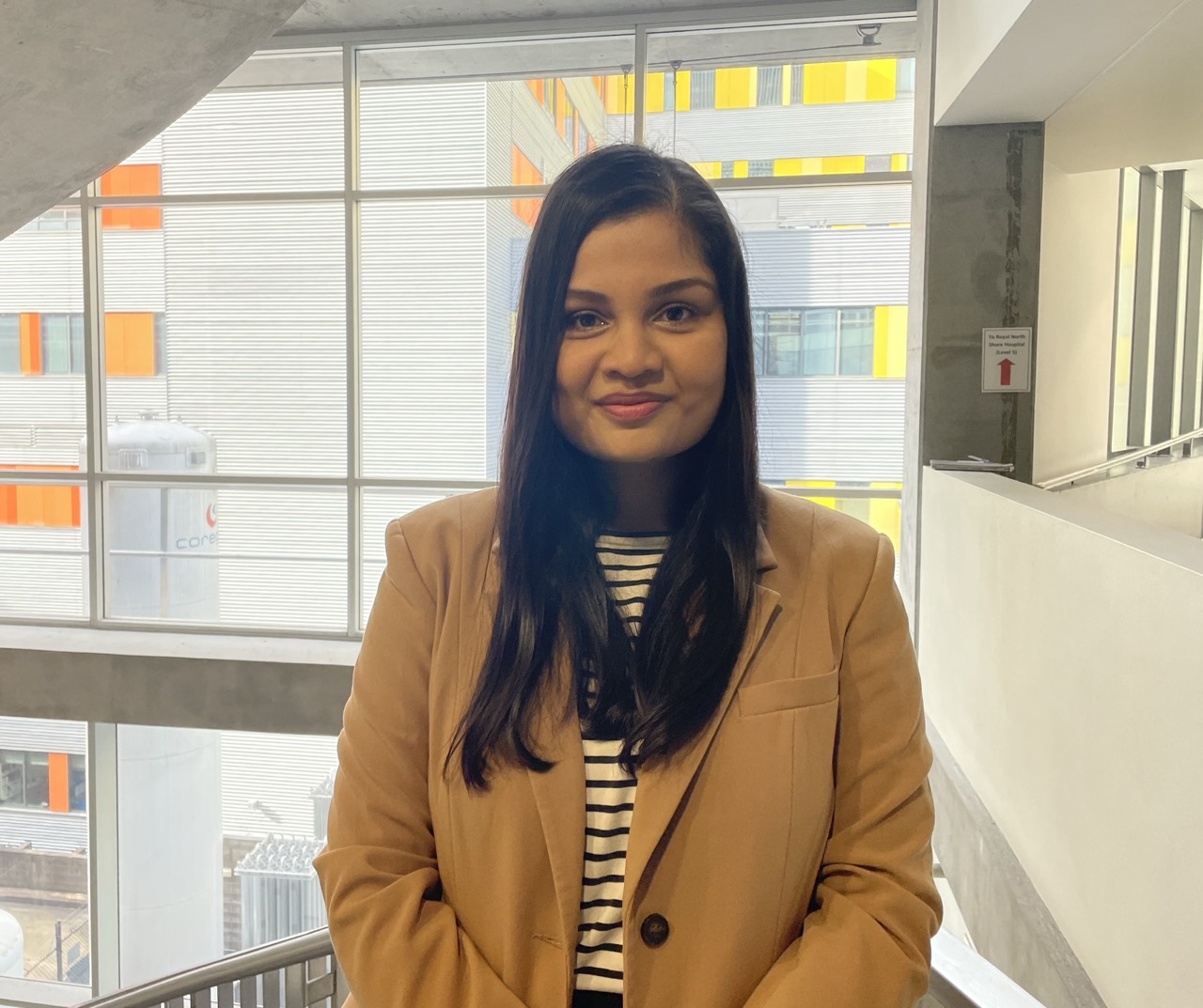
We would like to congratulate our early career researcher Dr Nashwa Masnoon from the Kolling’s Ageing and Pharmacology Lab who has taken out the ATA Scientific Young Scientist Encouragement Award. Nashwa, who is a postdoctoral research pharmacist, clinched the $1500 prize for her assessment of the risks and benefits of using artificial intelligence in research.…
-
Kolling Institute researchers instrumental in Australian first guidelines
Posted on:
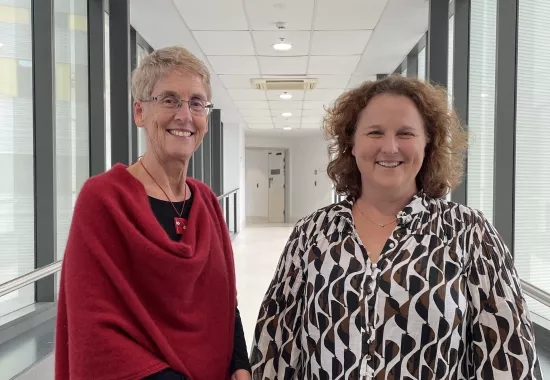
It has taken three years and many hours of careful work, but two researchers from the John Walsh Centre for Rehabilitation Research have developed the first clinical practice guidelines for physiotherapists to inform the care of people with life-changing spinal cord injuries. Physiotherapy is a key part of rehabilitation for people with a spinal cord…
-
Professor Michael Cousins leaves extraordinary legacy
Posted on:
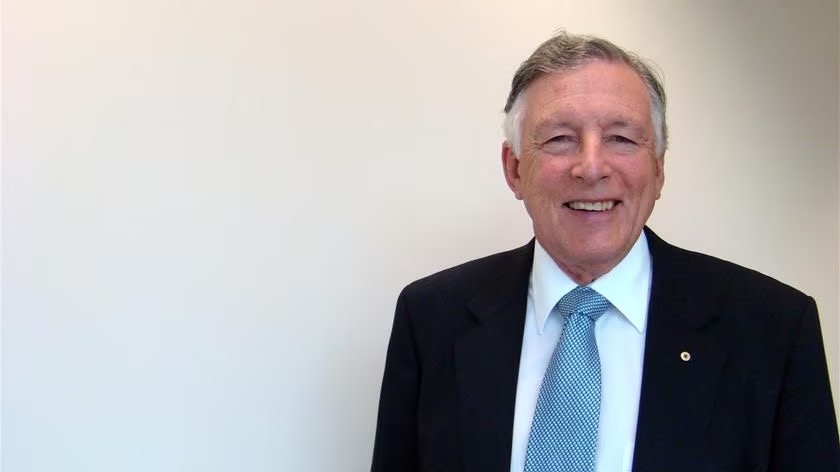
We would like to acknowledge the remarkable life of pain medicine pioneer and former Royal North Shore Hospital specialist Professor Michael Cousins AO who has sadly passed away. Michael was a trailblazer in anaesthesia and pain medicine, and a mentor to many at the Kolling Institute and on the Royal North Shore Hospital campus. With…
Primary Research Area/s: Research Excellence -

Digital technology to support those with long-standing pain
Posted on:
Researchers based at the Kolling Institute have launched a clinical trial using digital health technology to help those with chronic pain reduce their use of opioids. Chief investigator and leading pain specialist at Royal North Shore Hospital Professor Paul Glare said many people with chronic pain are using opioid medications long-term, but research shows that…
-
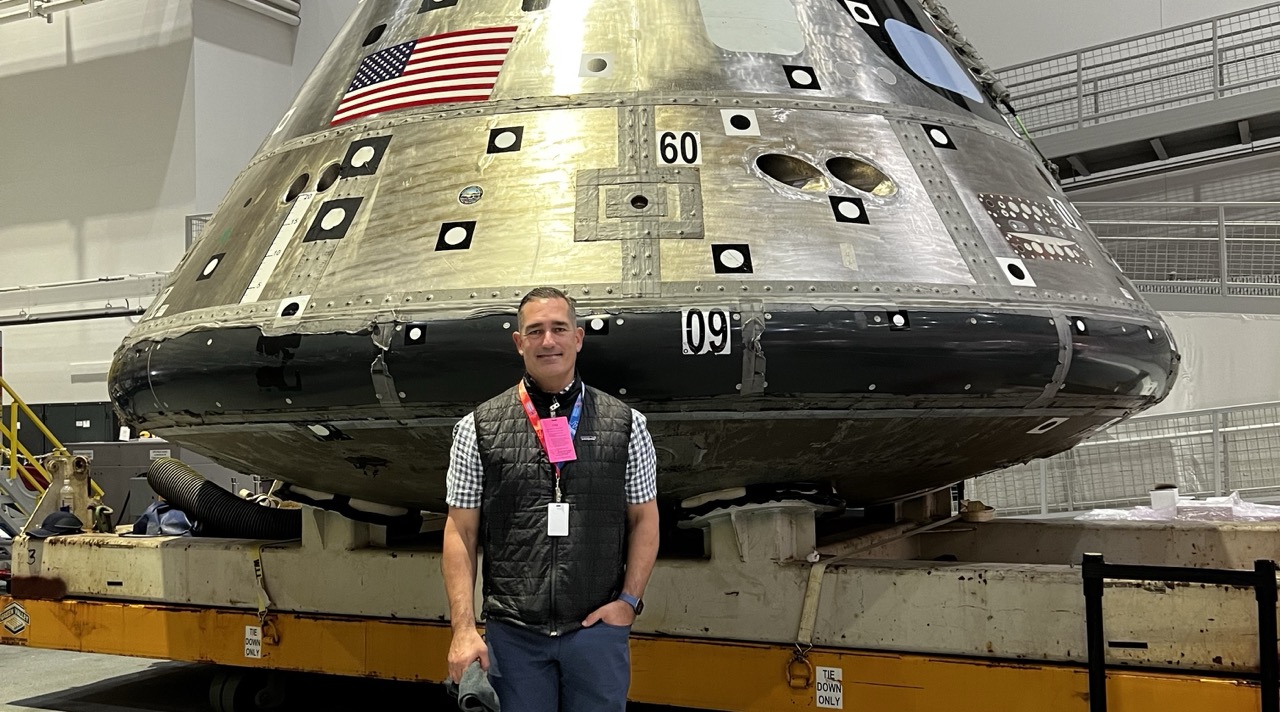
Australian researchers help astronauts tackle the health challenges of spaceflight
Posted on:
As the National Aeronautics and Space Administration (NASA) progresses its ambitious Artemis spaceflight program, Australian researchers including the Kolling Institute’s Academic Director Professor James Elliott will tap into their scientific expertise to offer support. Professor Elliott attended a recent event at NASA’s Johnson Space Centre in Texas, which brought together leading clinicians and scientists from…
-

269 million people to experience neck pain by 2050
Posted on:
New research led by investigators from the Kolling Institute has identified a concerning global trend which will see the burden of neck pain dramatically increase over the next 30 years. The research analysed data from more than 200 countries, measuring the prevalence of neck pain from 1990 to 2020. It found 203 million people now…
Primary Research Area/s: Musculoskeletal Research, Neuroscience and Pain Research, Research Excellence -
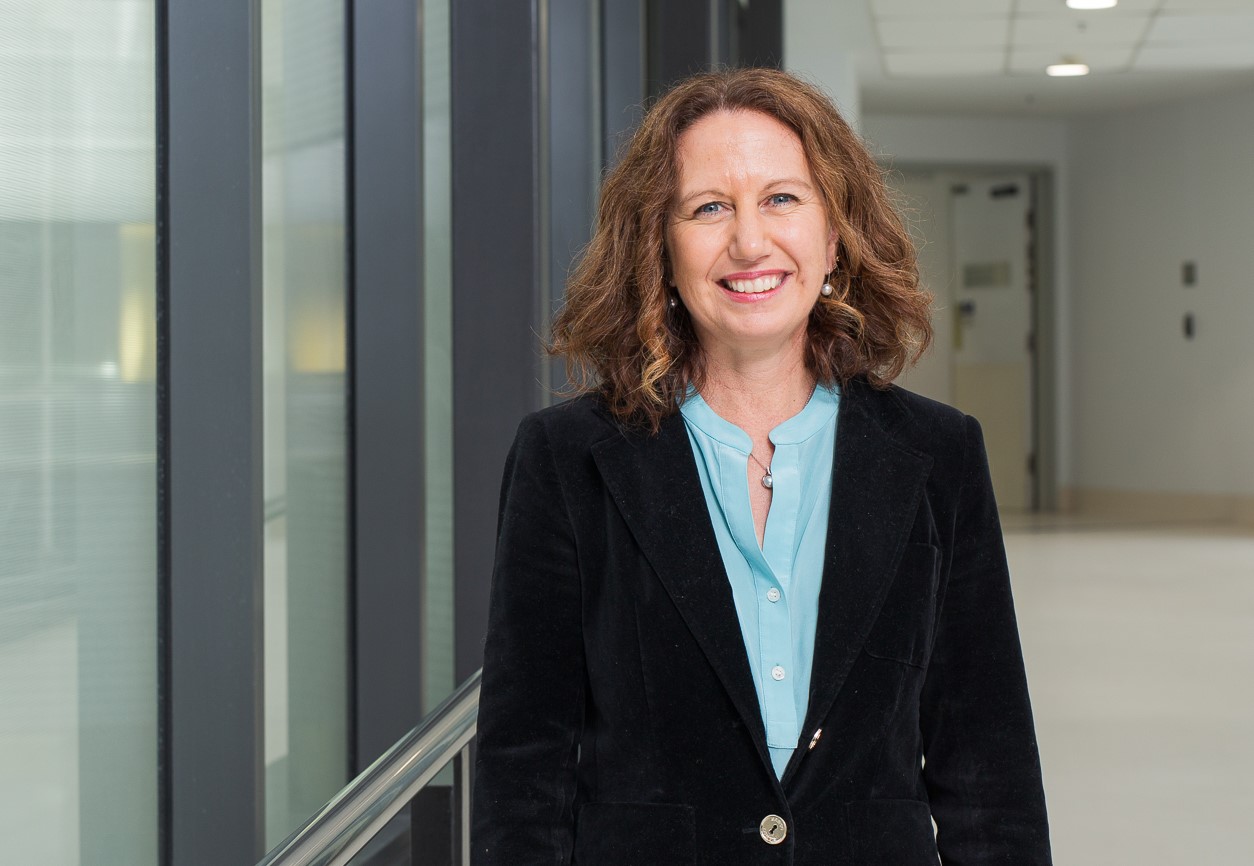
Research helping the community tap into the best osteoarthritis care
Posted on:
While a large share of the community experiences osteoarthritis, many people are not receiving the latest, evidenced-based care leaving them with poorer and more painful outcomes. Health and government bodies are working to address the shortfall, investing resources to increase awareness of high-value care. As part of this national approach, Kolling Institute researcher and physiotherapist…
-
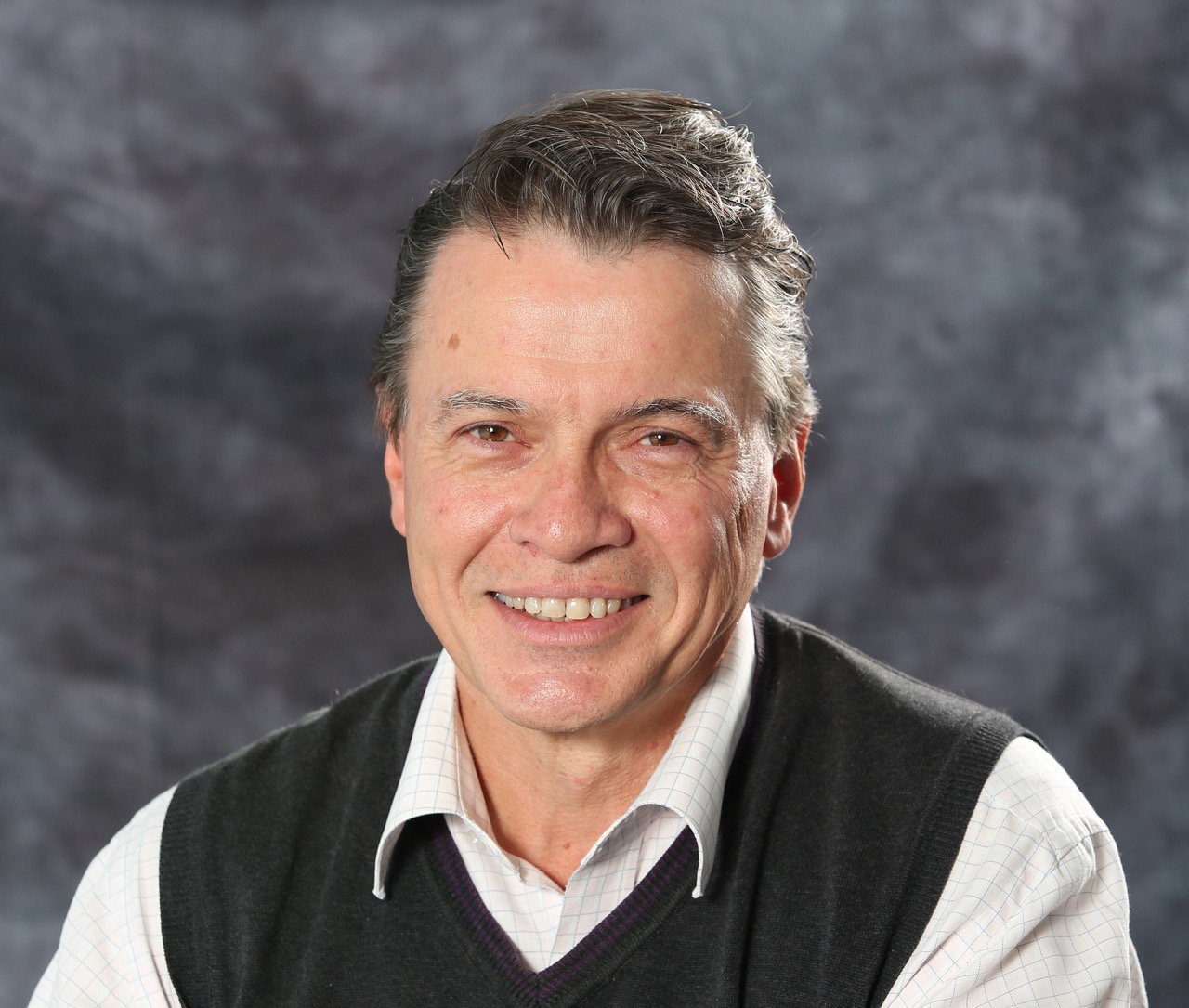
Our researchers making an impact on the world stage
Posted on:
Internationally respected investigator Professor Chris Little has been recognised for his remarkable contribution to orthopaedic research at an event in Long Beach California. Infront of a large international audience, Professor Little was elected a Fellow of the Orthopaedic Research Society for his exemplary service and leadership. The accolade acknowledges Chris’ achievement, expert knowledge and contribution…

