Blog

  • The Kolling welcomes Australia’s leading genomics provider to the institute

    The Kolling welcomes Australia’s leading genomics provider to the institute

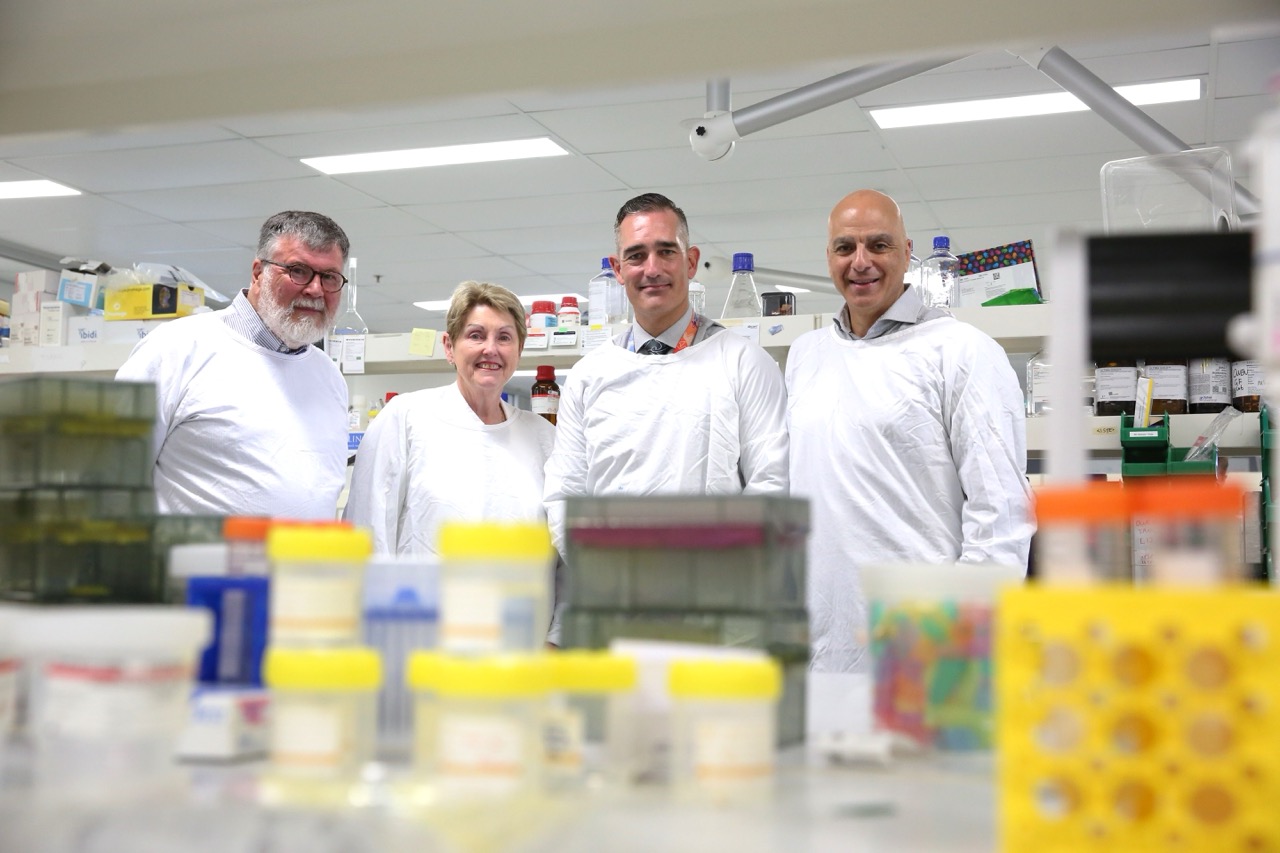
    Researchers within the Kolling Institute will shortly have the chance to strengthen their genomics capabilities, with AGRF – the Australian Genome Research Facility – establishing a laboratory within the institute.

    The new lab is part of an exciting partnership between AGRF, the University of Sydney and the Kolling which will see a specialised team and cutting-edge technology located within the institute.

    As Australia’s largest provider of genomic services, AGRF supports researchers and organisations to drive discovery across clinical genomics, translational research, agriculture and environmental science.

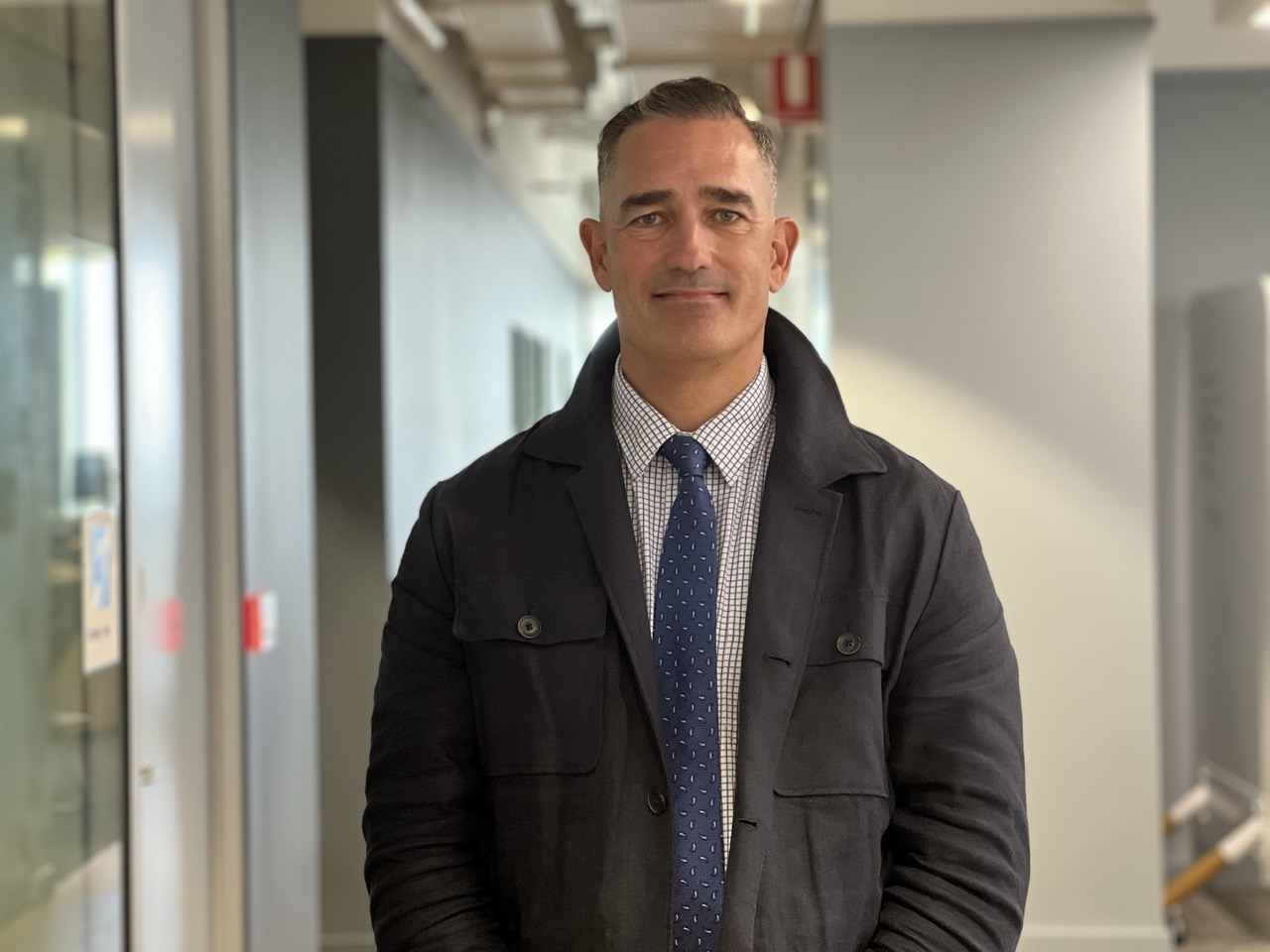
    The Kolling’s Academic Director Professor James Elliott welcomed the collaboration saying we are proud to partner with AGRF.

    “By establishing a translational genomics facility within the Kolling Institute, we will be well placed to progress innovative research and directly improve health outcomes,” he said.

    “The partnership will not only benefit our researchers within the Kolling, but clinicians and researchers across Northern Sydney. It will help speed the translation of genomics research into patient care with direct input from clinicians and health providers.

    “The new lab will foster discovery science and a pathway to incorporate new knowledge and capabilities into clinical care.

    “We are looking forward to exploring collaborative research and educational opportunities with the leading genomics provider, and we are excited to see the advancements in care this partnership will deliver.”

    AGRF provides world-class expertise and high-quality genomic data from single-gene analysis to whole genome sequencing and biomarker discovery.

    From the time of opening, AGRF will offer its full suite of genomics and proteomics services to Kolling researchers, including project consultations, sample drop-off, high-quality sequencing, genotyping, transcriptomics, epigenomics, Olink proteomics and bioinformatics.

    These services will be backed by AGRF’s national network of specialist laboratories and technical experts.

    The on-site presence will make it easier for investigators to connect directly with AGRF’s team for project planning, study design and genomics research support.

    All services provided through AGRF’s national network can be accessed via the Kolling site, with sample drop-off and project co-ordination available.

    AGRF’s team will work closely with Kolling researchers to identify future opportunities for expanded workflows, pilot projects, and new technology implementations.

    Head of Strategic Business Desley Pitcher said we are thrilled to be joining the Kolling Institute community.

    “Our mission has always been to power discovery through genomics, and we look forward to partnering with Kolling researchers to bring that to life,” she said.  

    If you would like to know more, contact Oliver Distler – AGRF Senior Account Manager oliver.distler@agrf.org.au

  • Awards point to world-leading cardiac care

    Awards point to world-leading cardiac care

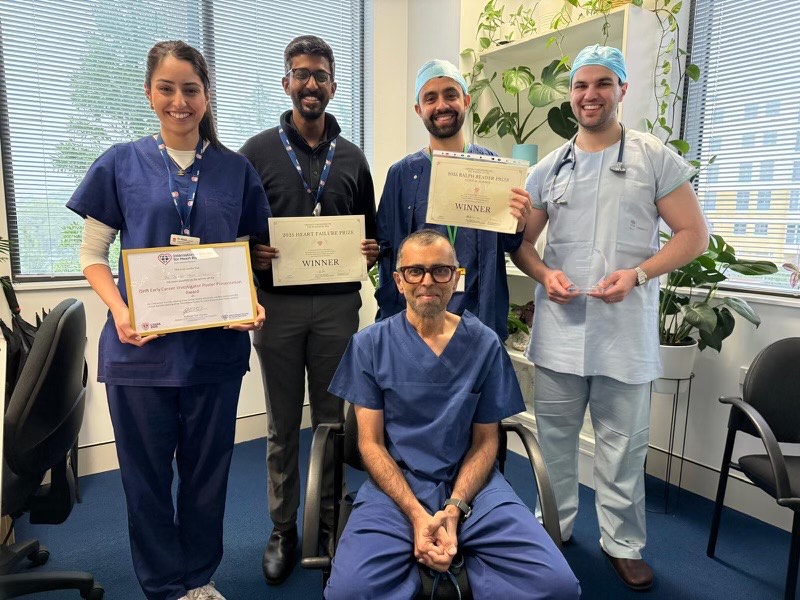
    Highlighting the talent and expertise at Royal North Shore Hospital and the Kolling Institute, a group of clinicians took out a collection of coveted awards at the Cardiac Society (CSANZ) scientific meeting.

    The most prestigious research award for young investigators across Australia and New Zealand was awarded to cardiologist Dr Karan Rao.

    He was presented with the Clinical Ralph Reader Prize for his valuable study of 200 TAVI patients, which used an implantable loop‑recorder to guide post‑procedural care and risk classification.

    Dr Hari Sritharan received the Heart Failure Prize for PREDICT‑TAVI, a machine‑learning model that improves individualised mortality prediction after TAVI.

    Dr Jonathan Ciofani was named Editorial Fellow of the Year for his leadership at Heart, Lung and Circulation, and Dr Neila Litkouhi won Best Research Poster for the DAY‑STAY TAVI study demonstrating the feasibility and safety of same‑day discharge for selected low‑risk patients after TAVI.

    Head of Cardiology at Royal North Shore Hospital Professor Ravinay Bhindi said it was encouraging to see the focus on this group of emerging research leaders.

    “As their research supervisor, I felt immense pride watching Karan, Hari, Jonathan and Neila receive well‑deserved recognition for their relentless dedication to cardiovascular research,” he said.

    “Their work blends rigorous data collection, machine-learning analytics as well as practical innovation. It is already reshaping clinical practice and promises to drive even greater advances in patient care.”

  • Kolling Institute Year in Review

    Kolling Institute Year in Review

    The Kolling Institute Year in Review profiles our impressive and unique teams, and the impact of their crucial research.

    Our investigators are driving world-leading research into some of the most significant health challenges, from heart and kidney disease, chronic pain and cancer, to musculoskeletal, neurological and age-related conditions.

    With a large share of our researchers named amongst the top two per cent in the world, the Kolling Institute continues to build on its research success.

    As you read through the Year in Review, we would like to extend our thanks to our dedicated researchers and the many wonderful donors who help us deliver real improvements to the care we receive.

    Click here to check it out:

  • Kolling Institute Newsletter May 2025

    Kolling Institute Newsletter May 2025

    Check out our latest newsletter

    • Researchers target sleep for muscle pain relief
    • Landmark clinical trial to improve lung cancer treatment
    • Pioneering Muscle Map project receives funding support
    • Travel awards for emerging research leaders
    • And much more: 

    Click here:

  • Pioneering MuscleMap project secures strong philanthropic support

    Pioneering MuscleMap project secures strong philanthropic support

    An innovative tool which could revolutionise the detection and treatment of musculoskeletal and neurological conditions will be further developed following a $230,000 gift.

    The donation was made following a campaign by the University of Sydney’s Advancement team and the NORTH Foundation to support the world’s first open-source dataset of whole-body muscle composition.

    The Kolling Institute’s Academic Director Professor James Elliott said there is a critical need for the diagnostic tool with musculoskeletal and neurological conditions among the leading causes of illness and disability worldwide.

    “With these conditions affecting more than four billion people, they are expected to cost around $21 billion in healthcare expenditure by 2033 in Australia alone,” he said.

    “Early identification and intervention are crucial if we are to offer long-term health benefits and minimise the disease burden.

    “We know that these conditions often lead to a steady decline in muscle health, and this decline is evident by an increase in fat deposits in the muscles and the loss of muscle fibres.

    “CT and MRI scans can be used to identify these changes, but the time it currently takes is prohibitive.

    The MuscleMap tool however, will automatically identify any changes, potentially revolutionising the detection of muscle health in any part of the body. It could inform treatment for everyone from elite athletes to astronauts and older people with complex conditions.

    Astronauts for instance, experience significant muscle loss due to the effects of prolonged exposure to zero gravity.

    Using existing MRI and CT scans, the landmark global study has applied an artificial intelligence model to produce a dataset of muscle health of any part of the body. This will enable a patient’s muscle deterioration to be compared with a healthy person’s.

    Professor Elliott said this will mean a clinician will be able to upload a scan into the MuscleMap program, and within minutes, will have access to detailed information measuring muscle composition compared to a reference dataset.

    “For athletes and the general population, the tool will accurately inform the journey from injury to repair, recovery and return to physical activity.

    “For patients with osteoporosis, the program will provide a detailed analysis of overall health and muscle deterioration, which will then inform personalised strategies to develop healthier muscle mass and improve general health and wellbeing.

    “We are very appreciative of this generous donation to the MuscleMap project. It will enable the broader team to continue developing the digital infrastructure needed to launch the open-source portal.

    “It will be a pioneering resource, accessible to clinicians and researchers globally, and supporting the long-term health of communities.” 

    To donate to the innovative MuscleMap project visit the NORTH Foundation.

  • The Kolling hosts the brightest minds in optogenetics

    The Kolling hosts the brightest minds in optogenetics

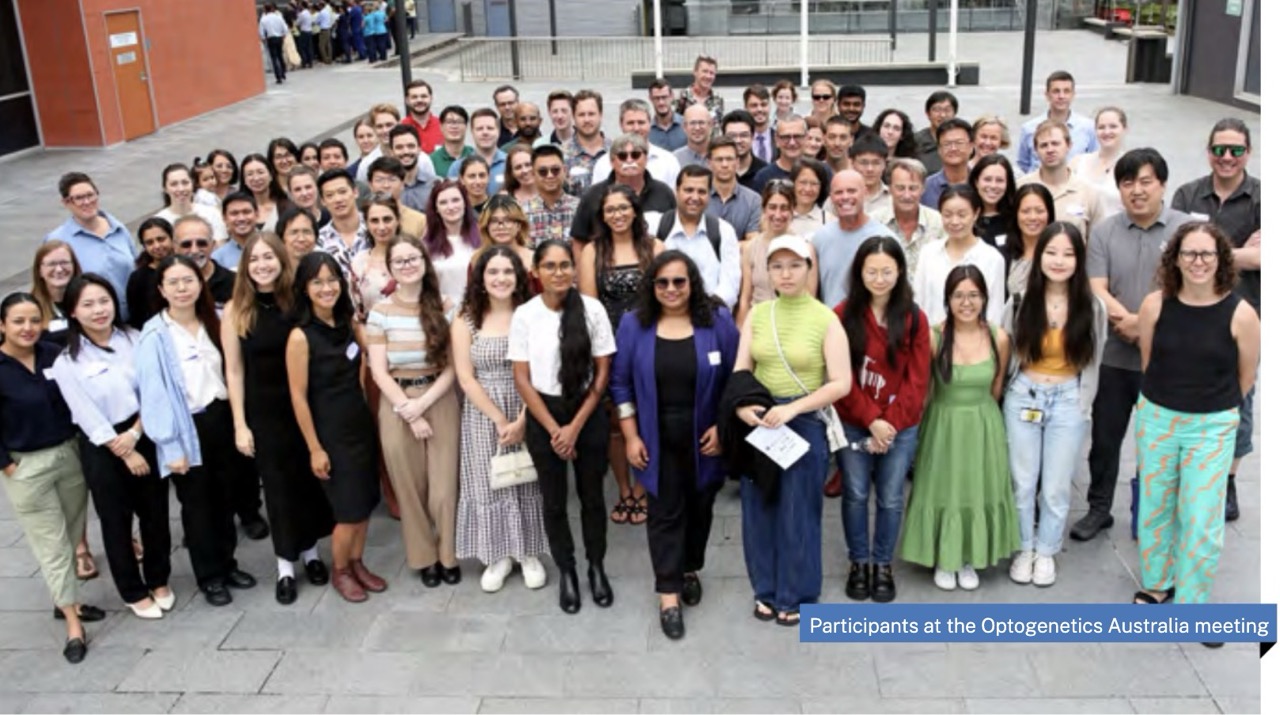
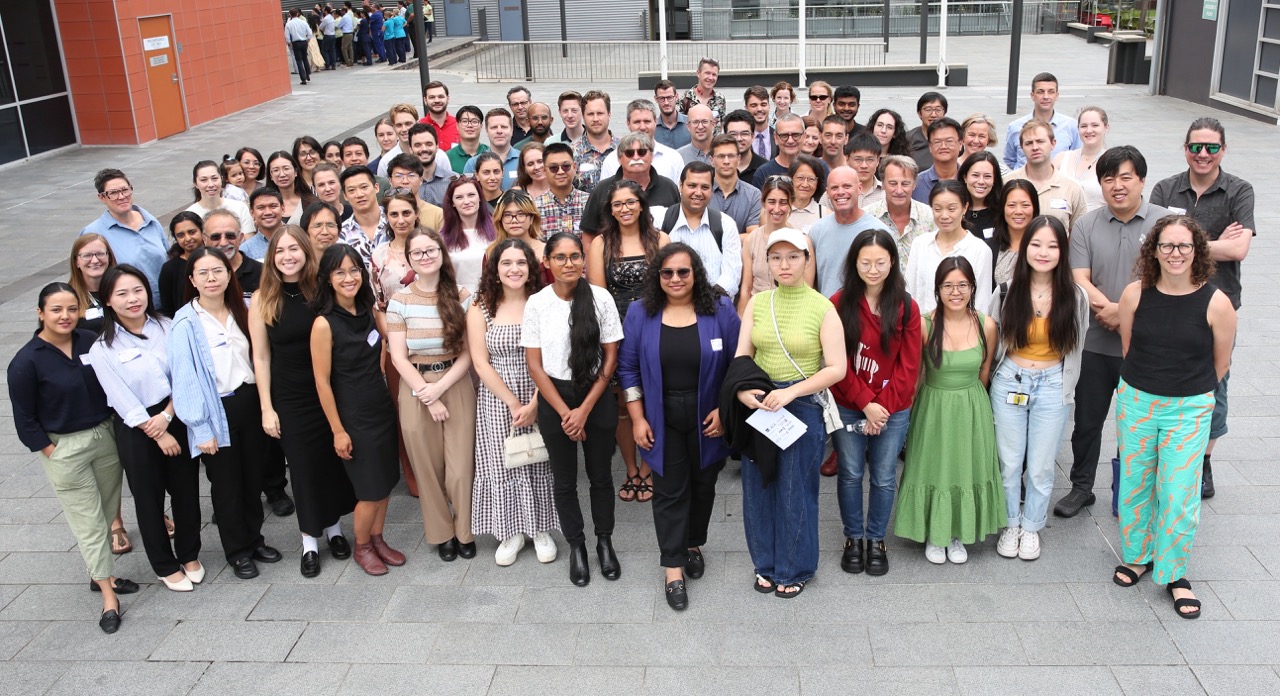
    More than 80 top national and international scientists converged on the Kolling Institute for the 4th Optogenetics Australia meeting, featuring the very latest light technologies driving research.

    The event attracted dynamic keynote speakers from the USA, Europe and China, and leading research institutions across Australia.

    Chair of Optogenetics Australia and senior Kolling Institute pain medicine researcher, Associate Professor Karin Aubrey said optogenetics is a range of technologies that allow researchers to use light to control biological processors.

    “New technologies often determine what is possible at the cutting edge of science, accelerating our understanding of what causes disease and how we diagnose, prevent and treat it,” she said.

    “The first human application of optogenetics, published in 2021, partially restored vision in a blind patient.

    “The technology is also being used to develop less invasive methods for sleep apnoea treatment, to reduce stroke effects and even to modify plants so that they can thrive in space.”

    Associate Professor Aubrey said optogenetics is a powerful tool in neuroscience, as it allows researchers to study individual components of brain circuits that cause neurological disease.

    “Australian researchers are using light-sensitive tools and other innovative techniques to study the brain’s stress, addiction, pain, memory and depression circuits.

    “Encouragingly, we have a depth of experience in optogenetics at the Kolling within the Pain Management Research Labs, and the event provided a great opportunity for collaboration and networking.

    “I would like to thank everyone involved in making the event a success, including leading international developers Professor Michael Bruchas from University of Washington, Professor Yulong Li from Beijing University, Deniz Dalkara from the Institute de la Vision in France and Assistant Professor Guosong Hong from Stanford University.

    “These researchers are producing some of the best new tools in the field and it was valuable to hear the latest progress.”

    The next Optogenetics Australia meeting will be staged in 2027. 

  • Research driving the development of new implants and improving outcomes

    Research driving the development of new implants and improving outcomes

    Our researchers at the Kolling Institute have joined with international collaborators to develop a revolutionary implant for hip replacements.

    The ceramic implant, designed for hip resurfacing procedures, doesn’t require the long stem used in common hip replacements.

    This means surgeons are not removing the bone which they would generally remove for a hip replacement.

    Professor Bill Walter, a leading surgeon at Royal North Shore Hospital and investigator with the Murray Maxwell Biomechanics Lab, said that with this approach, the hip feels more natural and is a bit stronger, particularly for activities such as running and jumping.

    “Importantly, feedback from patients has informed the development of the device,” he said.

    “Patients reported excellent pain and symptom relief, and 45 per cent of patients returned to high-level sports.”

    Female patients also benefitted from the procedure, marking a significant development for the surgery.

    “In the past, resurfacing has not worked well in female patients but with the ceramic on ceramic resurfacing, we’re getting very good results.”

    The ceramic device also alleviates concerns around metal toxicity with the traditional implants.

    Currently about 50,000 hip replacements are performed in Australia each year, with resurfacing procedures representing less than one per cent.

    Professor Walter said that trend is expected to change, with up to 50 per cent of patients potentially eligible for resurfacing.

    Full TGA approval is expected this year, with further studies to examine the long-term results of the ceramic resurfacing implants. 

  • Crucial steps towards gene therapy for debilitating Meniere’s disease

    Crucial steps towards gene therapy for debilitating Meniere’s disease

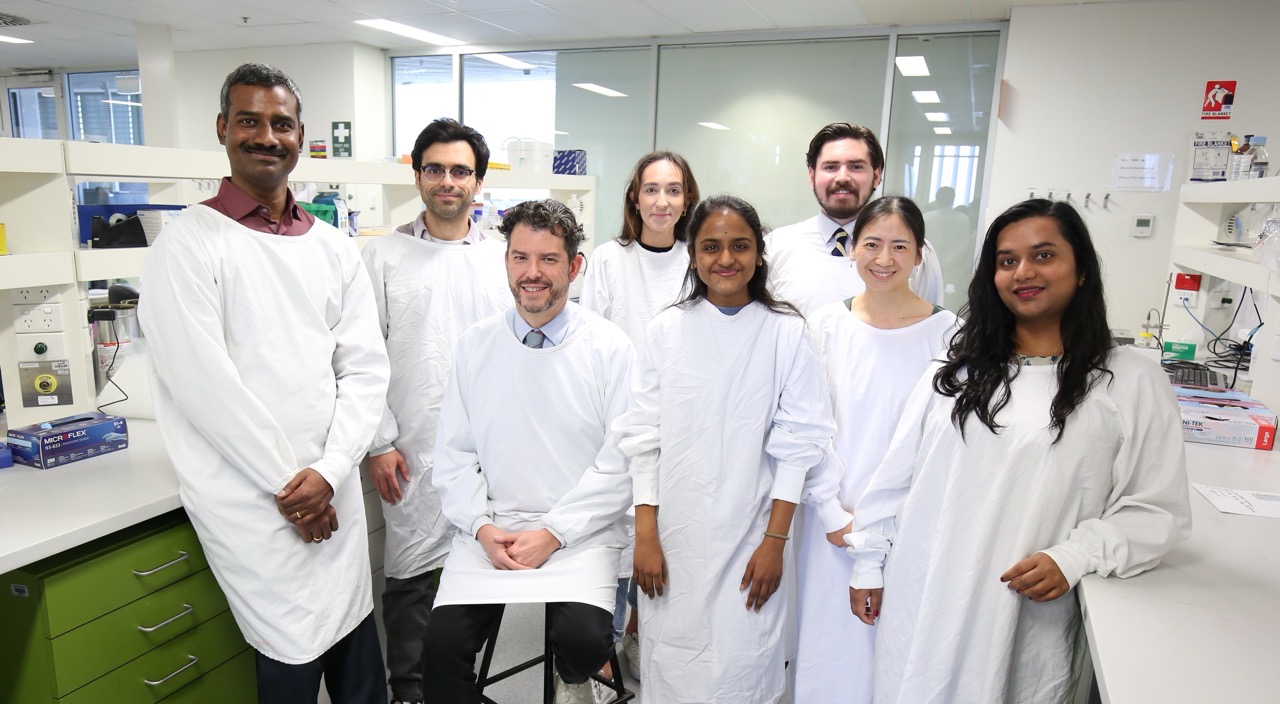
    Our researchers at the Kolling Institute are at the forefront of Meniere’s disease science developing the first humanised model of the disease ahead of gene therapy.

    The specialised team is led by world-leading Meniere’s disease researcher and neuroscientist Professor Jose Antonio Lopez-Escamez who relocated from Spain to the institute to pursue his ground-breaking work.

    His talented team of seven is set to grow to a dozen by 2025.

    Professor Lopez-Escamez said it was an exciting time for research in this area as we move into precision medicine with specific drugs, and develop gene therapy for the next generation of patients with the disease which causes vertigo and hearing loss.

    “We are making encouraging progress as we investigate the genetic basis of the disease, finding that many patients have a recessive inheritance where both parents are carriers of the disease but don’t have any symptoms,” he said.

    “When I was working as an ENT surgeon in Spain more than 10 years ago, the condition was largely neglected and not well understood, and many patients were not doing well.

    “Today, we are learning more about the disease and the broad range of influences, including immune-response inflammation, allergy and migraine.”

    “We are now investigating the genetic mutations involved in the disease in preclinical models in a crucial step towards the development of gene therapy. We believe this game-changing approach will be available within the next 10 years.

    “Importantly, we must consider that people will have different genetic and immune backgrounds, and different associated conditions, like migraine.

    “It is not the same disease for all individuals and will present differently.

    “We don’t have a magic pill that is going to work for everybody with Meniere’s. For some patients some medication will work, one drug will be better. But for others there will be another way.

    “That’s why it’s important we know which subgroup of Meniere’s a patient has.”

    Global database

    Another important part of Antonio’s work is to establish a global website database with genomic information from patients’ blood tests that enable genetic diagnosis in the future.

    The database will help researchers, doctors and ultimately patients.

    “It will be like a reference portal to train researchers and a tool for doctors,” he said.

    “Genetic testing is a very important step to get more knowledge about the basis of many diseases.

    “My idea is that any doctor can upload a file on the website and compare individual patients’ data with the reference data that we have generated. It will be useful and accessible.”

  • Researchers inform next-gen space suit design

    Researchers inform next-gen space suit design

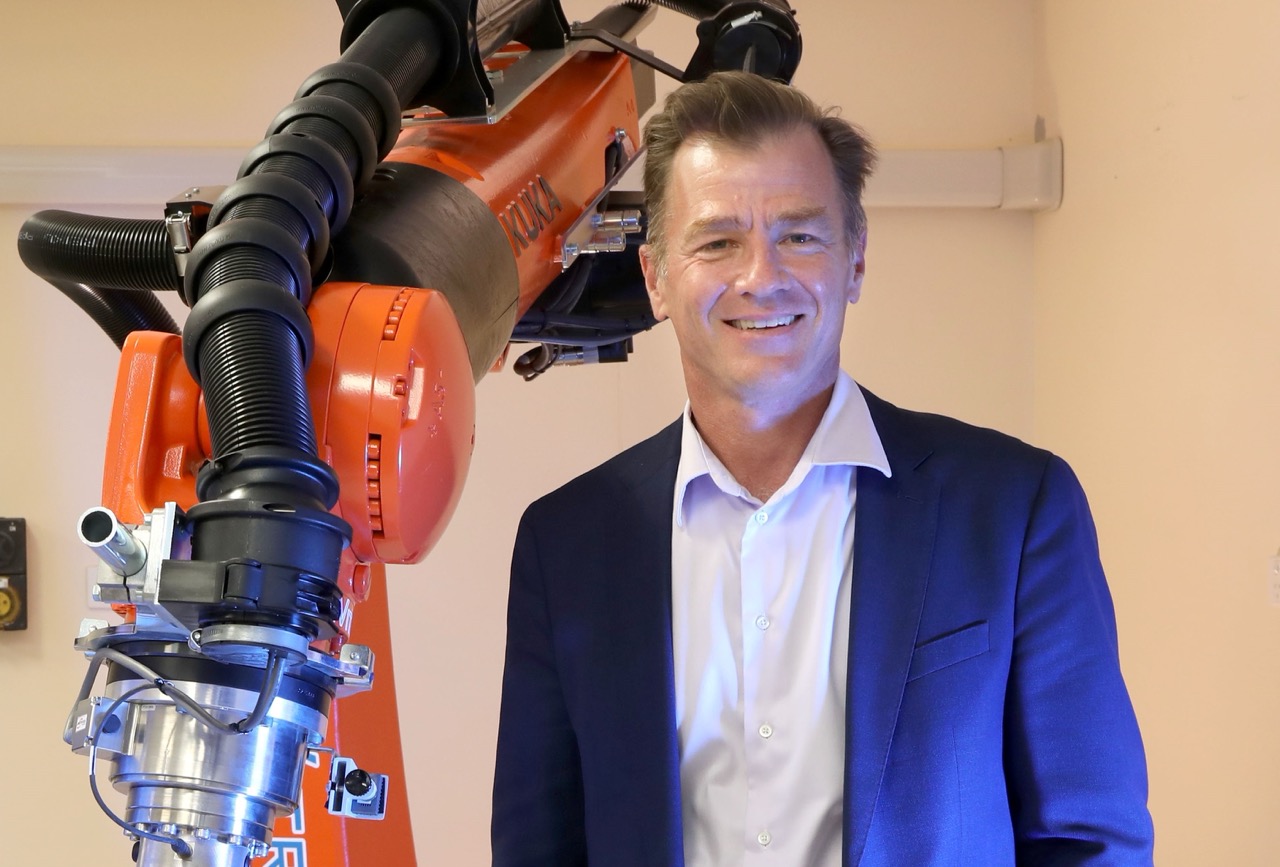
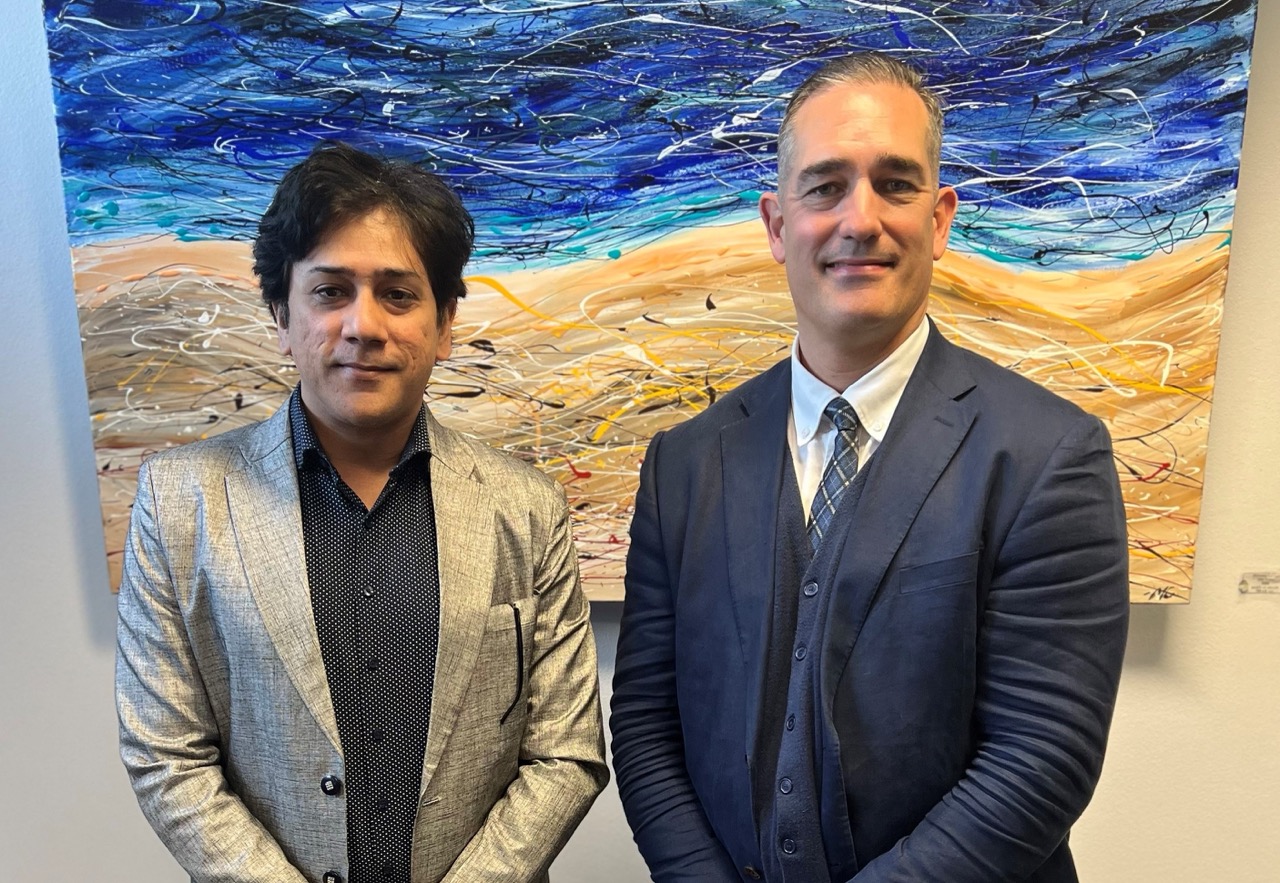
    Leading researchers from the Kolling Institute have welcomed the opportunity to collaborate with Metakosmos as it pioneers the development of a next-generation space suit.

    Led by CEO Kiriti Rambhatla, Metakosmos is working to revolutionise human spaceflight technology. Their Kosmosuit architecture has garnered acclaim and the interest of the Kolling Institute’s Academic Director Professor James Elliott.

    Since 2020, Metakosmos has worked with the CSIRO and the Department of Defence to improve production processes. Their research focuses on three key areas: wearer protection, aesthetic design and mitigating physiological impacts such as space radiation and microgravity.

    Space radiation for example, can have detrimental effects on the musculoskeletal system, including bone density loss, muscle atrophy, joint degeneration, impaired healing and increased injury risk. Astronauts can come back to Earth five to eight centimetres taller.

    There is also a risk of injuries during extra vehicular activity preflight training periods prior to space radiation or microgravity exposure. Metakosmos is working on designing systems that can protect the users from injuries during the entire lifecycle of human spaceflight.

    Metakosmos and colleagues are close to unveiling an application that will redefine the way human spaceflight lifecycles are monitored and managed at scale.

    Incorporating biomarker tracking, Metakosmos’ suits monitor astronauts’ musculoskeletal health, stress levels and radiation exposure in real-time. With a 40 per cent increase in efficiency and 50 per cent reduction in total mass, these suits support performance in extreme conditions.

    Metakosmos’ designs cater to various environments, from deep-sea operations to international space station missions. Their collaboration with the Kolling Institute underscores a commitment to advancing human spaceflight capabilities and terrestrial based health, performance and wellbeing.

    James Elliott first met Kiriti Rambhatla at a space consortium hosted by the Kolling Institute in collaboration with the Australasian Society of Aerospace Medicine.

    “We immediately realised we had synergies,” he said.

    “Kiriti was interested in our collaborative multidisciplinary work towards measuring wellbeing after trauma. Not much is known about long-term post-trauma recovery, and no two recoveries are the same.

    “Kiriti was intrigued by our methodology, which involves collecting comprehensive physiological data, creating pathways that work on simulated models, and addressing modifiable environmental factors, such as trip hazards and fall risks.

    “Our research is continually evolving as we measure and refine our approach. The Kolling Institute’s interest in muscle mapping aligns perfectly with the goals of Metakosmos, and we are integrating our findings to support this area.

    “By leveraging their combined expertise, Metakosmos and the Kolling Institute, among other institutions, are breaking new ground in wearable technology for extreme environments, marking a significant step forward in human health and performance on earth and beyond.” 

  • Australian researchers help astronauts tackle the health challenges of spaceflight

    Australian researchers help astronauts tackle the health challenges of spaceflight

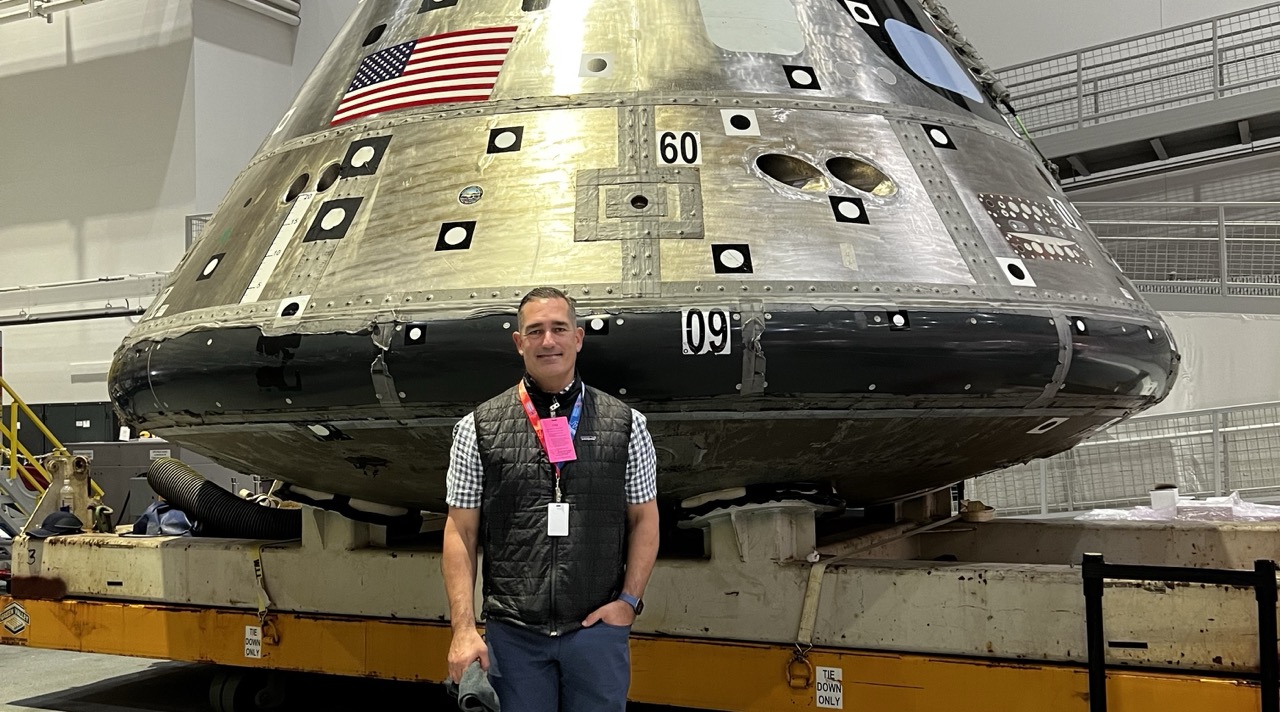
    As the National Aeronautics and Space Administration (NASA) progresses its ambitious Artemis spaceflight program, Australian researchers including the Kolling Institute’s Academic Director Professor James Elliott will tap into their scientific expertise to offer support.

    Professor Elliott attended a recent event at NASA’s Johnson Space Centre in Texas, which brought together leading clinicians and scientists from around the world to discuss ways to reduce the spine injuries experienced by astronauts.

    This group is exposed to a range of musculoskeletal conditions including spinal pain and muscle challenges due to the lack of gravity when in space.

    Professor Elliott said we know that physical changes to the spine during spaceflight predispose astronauts to symptomatic spine pain and nearly 50 per cent of cases presenting to NASA’s musculoskeletal care team involve spine pain.

    “The risk of spine pain during and after spaceflight raises operational issues and concerns for the long-term spine health of astronauts and others going into space,” he said.

    “We are looking forward to sharing our expertise to help reduce injury, and improve the health and performance of astronauts.

    “NASA has expressed an interest in our MuscleMap program, which is a revolutionary technique to assess whole-body skeletal muscle composition using high-resolution MRI.

    “The program is generating a reference dataset of muscle composition across the lifespan to help diagnose pathology, gauge the effectiveness of interventions, and develop new health outcome measures.

    “The normative data sets, developed by the MuscleMap program, could be used to compare data sets from the astronauts, so that when astronauts return from space, and they’ve experienced zero gravity exposure, you will be able to see what’s happened to their muscle system and what has changed to their skeletal muscle composition.

    “The MuscleMap program could be an assessment tool to help improve their pain and performance when they’re in space, when they get home, and in preparation for future missions.

    “We are very excited to be involved with this cutting-edge research which we hope will directly support astronauts and their long-term health.”  

NSWGOV logo