Blog

  • Putting science into practice

    Putting science into practice

    Practical ways to implement scientific research was the theme of this year’s John Walsh Centre for Rehabilitation Research Forum. 

    Around 300 people attended in person and online to hear a full day of presentations.

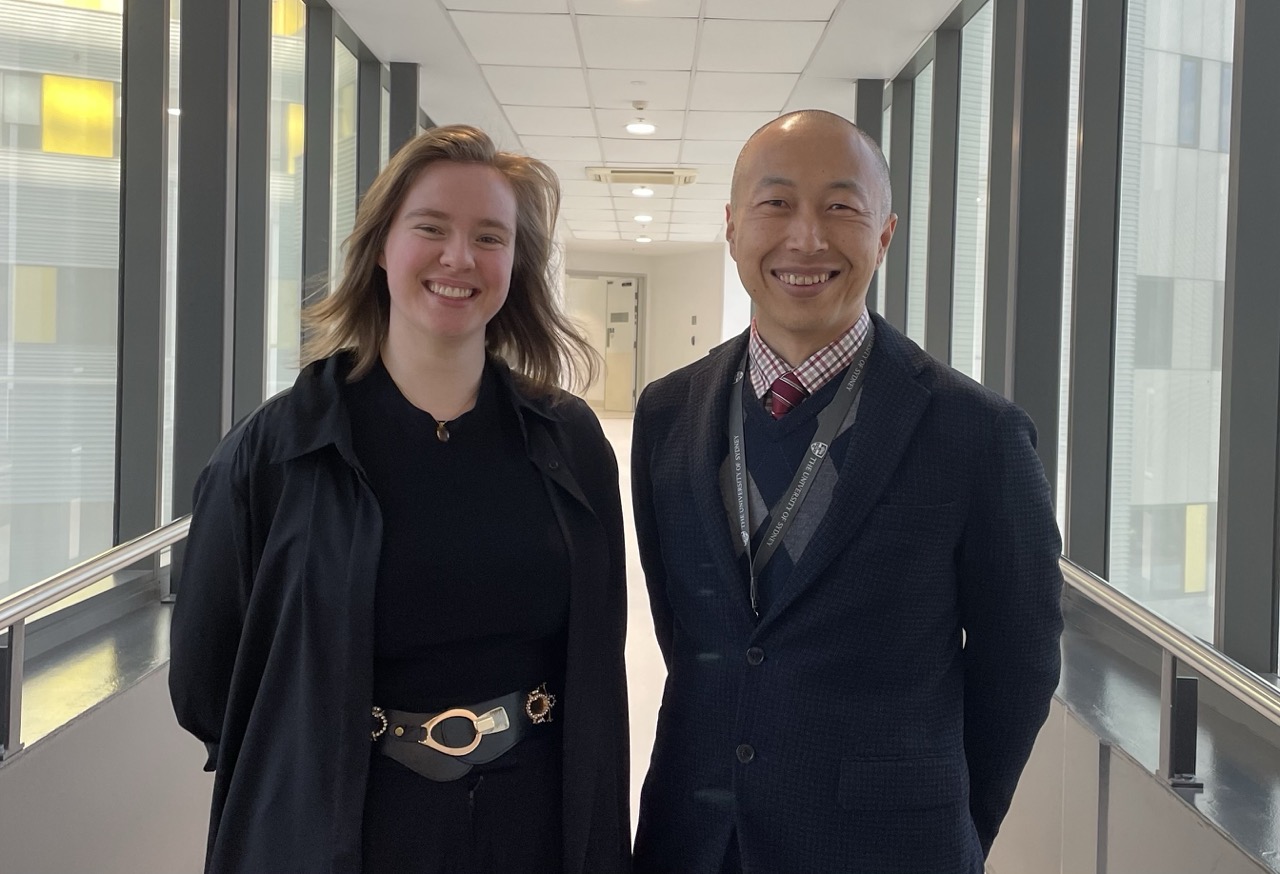
    The event was co-organised by Illaria Pozzato and Johnny Bourke, Research Fellows at the rehabilitation centre.

    Johnny said this year’s event involved getting policymakers, researchers and consumers to dive into how to best implement research.

    “By doing this, we are ensuring the research evidence that we use to inform health and rehabilitation services in New South Wales is built on a really solid foundation of research that’s rigorous and co-designed,” he said.

    “We can then look at how we work to implement that into practice.”

    Johnny is unique in that he comes from a research and consumer perspective and says there are a lot of questions when it comes to implementing science.

    “How do we do it? What does it involve? What are the outcomes? How do evaluate the whole process?”

    Based on the Royal North Shore Hospital campus, John Walsh is an interdisciplinary centre focusing on rehabilitation for people with injuries and disabilities.

    The one-day forum featured a variety of talks, including how to implement evidence-informed models for hip fracture management and revising guidelines for managing people with whiplash-associated disorders.

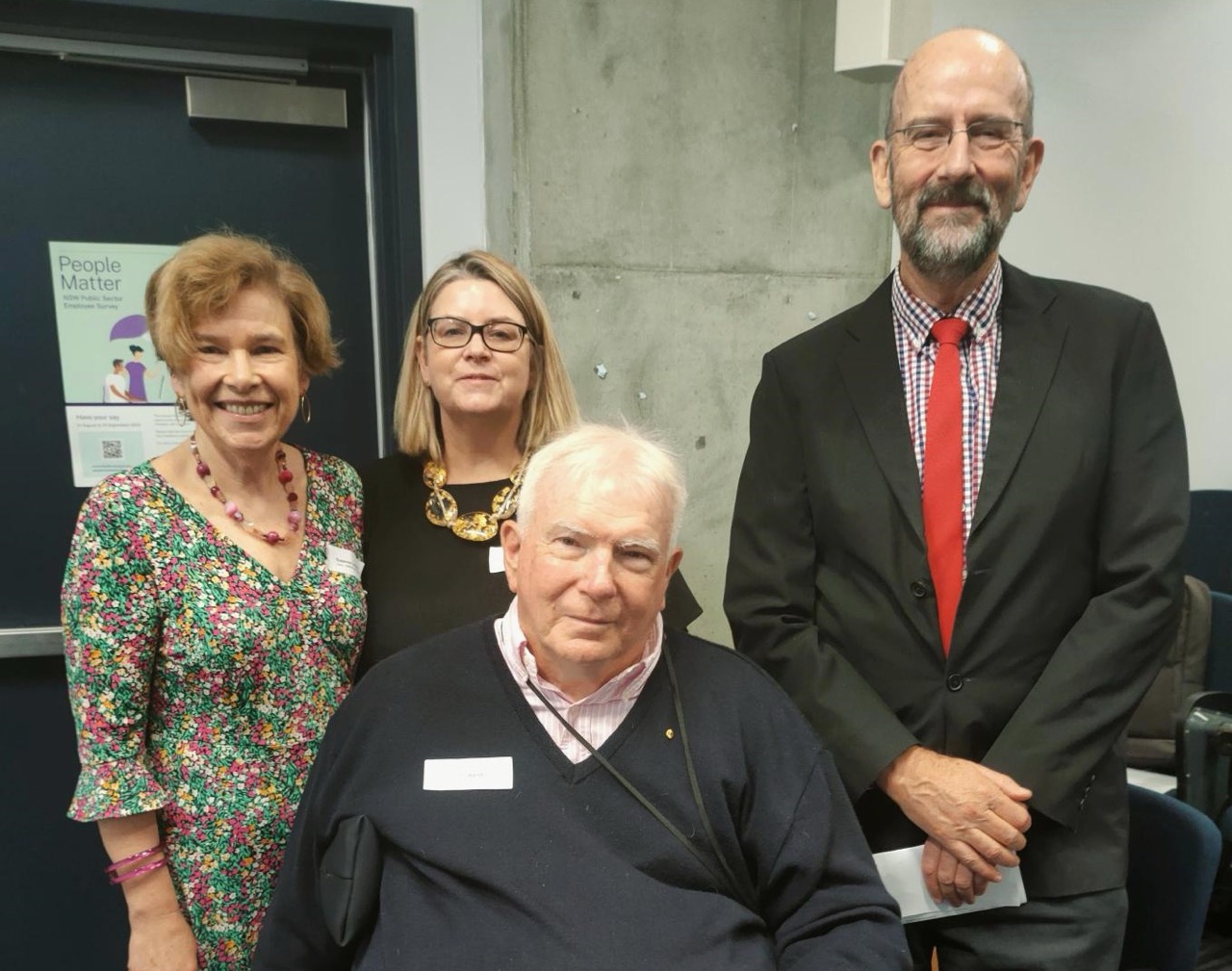
    Johnny led a panel discussion, where researcher Dr Leanne Rees and consumers Dr Steve Peterson, Antonio Vecchio and Elyse Barber explored the realities of engaging with one another, and how to achieve the best outcomes.

    The panellists discussed a range of challenges, including the difficulty some consumers had travelling to meet with researchers, and the need for the impact of the research to be well articulated.

    Dr Rees, a former physiotherapist, noted that her role as a researcher led to her having a much deeper understanding of the lived experience of people with spinal cord injuries.

    Johnny said while there are many ways to implement research, at heart, it’s about making sure scientists engage their audiences, and that they engage the right methods to have their research impact on practice.

    “It’s also about making sure that the research that is conducted, is done not only in rigorous ways with good methodology, but also conducted in partnership with consumers.” 

  • Collaboration driving research impactc

    Collaboration driving research impactc

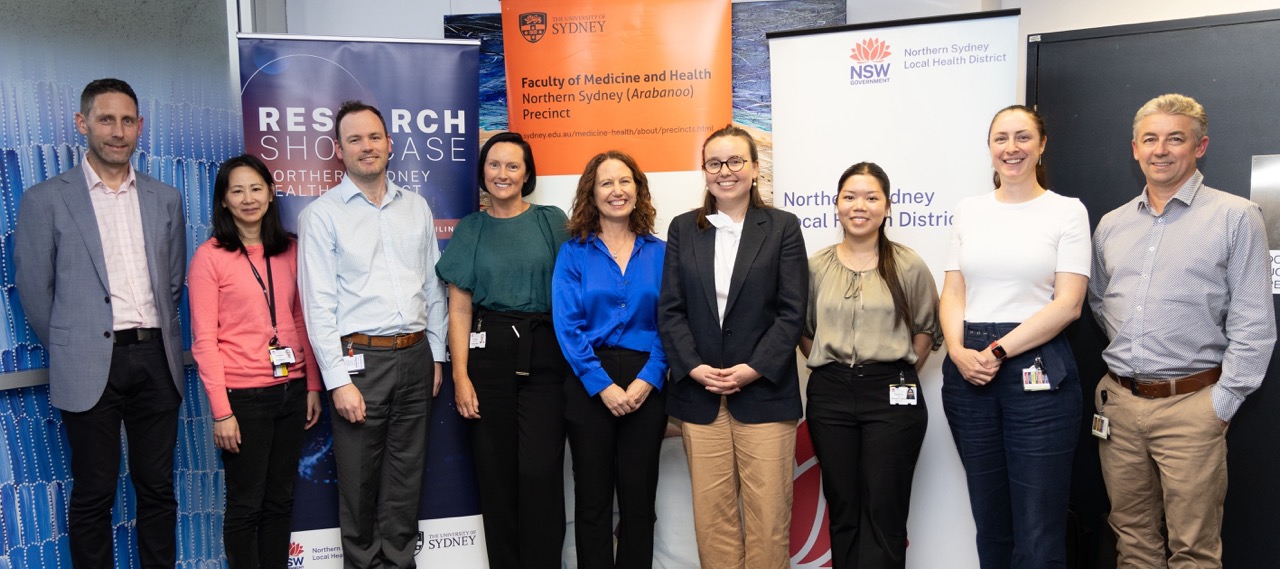
    The strength of interdisciplinary research across the Northern Sydney (Arabanoo) Precinct was highlighted during a dynamic showcase at the Kolling Institute.

    The annual event, which has been steadily lifting its profile, featured the latest research progress across allied health, nursing, medicine, as well as pharmacy, dentistry and public health.

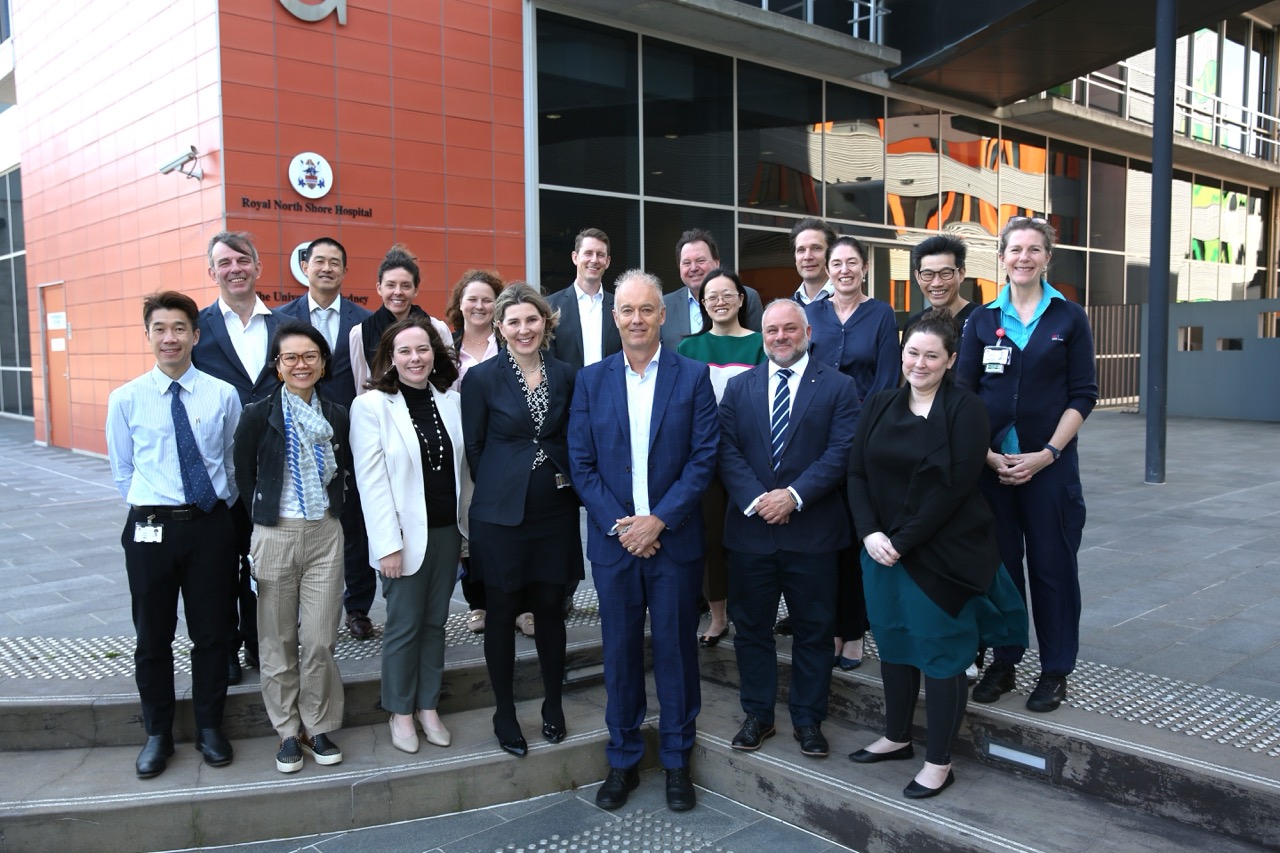
    More than a hundred people attended this year’s event hosted by the Precinct academic directors Professors Jim Elliott and Robyn Gallagher, and Associate Professor Margaret Schnitzler.

    The showcase provided an insight into the successful collaborations between the University of Sydney and the Northern Sydney Local Health District, and their impact on the delivery of care.

    Associate Professor Elizabeth Clarke detailed her interdisciplinary research investigating the use of kangaroo tendons for human ACL reconstructions. This project involved engineers and medical scientists from the Kolling, along with orthopaedic surgeons and an Australian industry partner.

    A/Prof Clarke also discussed the Kolling Orthopaedic Biomechanics Robotic Arm, an exciting collaboration between engineers from the University of Sydney, orthopaedic surgeons from the NSLHD and global industry partners.

    Elizabeth said these two examples highlight how interdisciplinary collaboration can achieve outcomes far greater than the sum of the parts.

    “We would not have achieved the research and innovation goals without any one of the partners and team members on these projects,” she said.

    Exercise physiologist Rosanna Tran delivered her presentation on the FORTRESS trial, which is assessing a frailty intervention in hospitals. Funded by the NHMRC, the trial is using a validated screening tool and an evidence-based intervention.

    Rosanna, who is based at Hornsby Hospital, said the collaborative research will help establish a cost-effective model of care to help manage frailty and its adverse impacts.

    Professor Mark Molloy from the University of Sydney discussed his collaboration with Royal North Shore Hospital colorectal surgeon Professor Alexander Engel to identify molecular markers of disease risk for bowel cancer.

    “This project demonstrates how clinical services can be an important contributor to interdisciplinary research through linking our own strengths,” he said

    “Collaborating with clinicians helps to make my research more impactful by bringing a patient-centric perspective.”

    It’s anticipated there’ll be further interdisciplinary collaboration following the showcase event.

  • Most people with knee pain receive low-value, inappropriate care

    Most people with knee pain receive low-value, inappropriate care

    With knee pain affecting a large share of the community, our researchers at the Kolling Institute are calling for clinicians and GPs to avoid delays in adopting the most up to date, evidenced-based guidelines.

    Investigators from the Kolling’s Osteoarthritis Research Team report that knee pain is particularly disabling, accounting for five per cent of all visits to a GP.

    The most common causes of pain are knee osteoarthritis, patellofemoral pain and meniscal tears.

    Knee osteoarthritis affects an estimated 654 million people worldwide – a tremendous number of people, while meniscal tears affect approximately 12 per cent of the adult population. Meniscal tears can occur following a twisting injury or as a result of a degenerative condition.

    In young people, knee pain is often the result of an acute traumatic injury, such as an ACL injury, meniscal tear or patellofemoral pain, and these conditions typically affect sporting populations under 40.

    Following extensive investigations, our researchers have found that the majority of people with these conditions receive low-value and inappropriate care.

    Dr Vicky Duong said our latest research, published today, indicates that the first-line treatment for these conditions should focus on conservative management, including exercise, education and self-management.

    “Our research demonstrates the importance of initially visiting a GP or physiotherapist to aid diagnosis and management,” she said.

    “Imaging is not required to diagnose these conditions, and importantly, surgery is not indicated for most people.

    “Surgery is only recommended in specific circumstances, for instance where patients have end-stage osteoarthritis with disabling pain.

    “We hope that our work will help inform the clinical community about the optimal, evidence-based care and that those recommendations are adopted as quickly as possible throughout hospitals and the broader community.”

    The research involved national and international collaborators including teams from La Trobe University, the University of Medicine, Mandalay and Southern Medical University, China.

    The paper has been published in the prestigious JAMA journal

  • Combined digital interventions improve recovery following knee replacement surgery

    Combined digital interventions improve recovery following knee replacement surgery

    For the thousands of people who undergo a total knee replacement each year, a new technological approach may hold the key to a better recovery following surgery.

    Researchers from the Kolling Institute conducted a randomized clinical trial, investigating whether a digital technology package delivered remotely was effective in reducing pain and improving mobility after a knee replacement.

    Dr Vicky Duong from the Osteoarthritis Research Team said total knee replacement surgery is an increasingly common surgery for advanced, end-stage osteoarthritis.

    “We know however, that one in 10 people report dissatisfaction two years after surgery,” she said.

    In response to this trend, the team launched a clinical trial involving more than a hundred people, where they measured the impact of a combined digital program involving fortnightly health-coaching sessions, a Fitbit activity tracker and an exercise mobile app.

    Dr Duong said we found this approach aided recovery, and patients had improved pain and greater mobility three months after surgery compared to those who only received usual care.

    “Encouragingly, this positive trend was mirrored at six and 12 months,” she said.

    “We also found improvements in function, activity participation and quality of life as a result of the digital program.

    “For many people there is little post-operative care once a patient leaves rehabilitation, but our research indicates that delivering follow-up care with a combined digital package may give patients the support and encouragement they need to get back on their feet with confidence.

    “This approach could be particularly important for rural and remote communities as the program has the potential to extend access to care and improve equity.

    “We would also like to see future studies consider patient preferences and abilities.

    “Some participants, especially those who were older were hesitant to use unfamiliar devices. Overall however, the approach was well-accepted.”

    The study has been published in the prestigious JAMA Network Open journal. 

  • Philanthropy supporting our emerging leaders

    Philanthropy supporting our emerging leaders

    Funding from the Skipper Jacobs Charitable Trust has helped a group of our young research leaders broaden their experience and establish new collaborations.

    Close to $40,000 was shared amongst five early-to-mid career researchers, allowing them to travel nationally and internationally to progress their research and develop new skills.

    One of those to receive funding is Dr Kenji Fujita, an early-career pharmacist with a PhD working in the Ageing and Pharmacology Research Group at the Kolling Institute.

    Kenji helped develop techniques to calculate the frailty index in older hospitalised patients, while also leading research into the quality of pharmaceutical care.

    During his trip he led a three-day workshop in Denmark, visited collaborators in Norway and delivered a presentation in Japan, a country with the highest proportion of older adults in the world.

    “It was a great opportunity to build international collaborations and promote our translational research at the Kolling. I really appreciate this travel grant,” he said.

    Another researcher to benefit from the travel grant was Samantha Hefferan from the Murray Maxwell Biomechanics Laboratory.

    Sam visited the University of Auckland, where she was able to use the lab’s high-tech imaging methods to explore the ultrastructure of human tendons, and the impact of disease and injury.

    “I valued every moment of my three months in New Zealand. I was challenged every step of the way with both my research and living in an unfamiliar environment,” she said.

    “I gained a lot during my time, not only learning new technical skills but also understanding more about the complexity of independently planning and developing tailored protocols for my research questions.”

    “On top of strengthening our collaboration with research groups at the University of Auckland, I now have the knowledge-base to bring the practical components of planned collaborative projects closer to home for future research students at the Kolling Institute.”

    Academic Director Professor Jim Elliott thanked the Skipper family for their financial backing of the trust, as well as the NORTH Foundation for their support of the travel program.

    “It has been instrumental in helping individual researchers, raising the international profile of the Kolling Institute and contributing to crucial research progress.”

    If you would like to support our researchers, please donate through the NORTH Foundation

  • Significant investment in our research announced

    Significant investment in our research announced

    A large collection of research projects will get off the ground following generous funding through the Ramsay Research and Teaching Fund Scheme.

    The scheme has directed more than $10 million to research on the Royal North Shore Hospital campus over the last 20 years, and this year a further $850,000 will be shared across 17 projects.

    A diverse range of studies will be supported, strengthening investigations into cardiovascular disease, cancer and diabetes as well as osteoarthritis, neonatal care, thyroid function and physiotherapy programs.

    The successful recipients this year are:

    • Professor Dale Bailey
    • Professor Roderick Clifton-Bligh
    • Professor Gemma Figtree
    • Professor David Hunter
    • Associate Professor Sarah Glastras
    • Associate Professor Joanne Glinsky
    • Associate Professor Karl Ng
    • Associate Professor Sean Seeho
    • Dr Sally Baron-Hay
    • Dr Grace Gifford
    • Dr Matti Gild
    • Dr Pierre Janin
    • Dr Barbara Lucas
    • Dr Sharon McCracken
    • Dr Lauren Monds
    • Dr Leo Pang
    • Dr Kathy Willowson     

    NSLHD CE Adjunct Professor Anthony Schembri AM welcomed the investment saying it will help the district maintain its reputation as a hub of research excellence and high value care.

    “We know that districts with an active research culture, where research is embedded as part of clinical care have a higher patient experience, less errors and better health outcomes,” he said.

    “I look forward to following the progress of these projects, as well as their impact on lifting our standard of care and our understanding of a broad range of conditions.

    “Personally, as a fellow allied health worker, it’s great to see our allied health practitioners being recognised with these important research grants.”

    The recipients were congratulated by North Shore Private, Ramsay Healthcare Acting CEO Christian Hoengaard, who said the grants represented a tremendous investment.

    “We look forward to all the good outcomes that will flow as a result of this research and I’m sure it will help us continue to deliver world leading care,” he said.

    “We have a long history of collaboration and I look forward to building on that partnership for another two decades.” 

  • Researchers saving those with silent heart disease

    Researchers saving those with silent heart disease

    For many years we’ve understood that heart disease is linked to unhealthy habits and underlying health issues, but our researchers at the Kolling Institute are pioneering a new approach to identify and treat those with the disease without the traditional risk factors.

    In Australia, a heart attack occurs every nine minutes, often with a tragic outcome or lifelong consequences.

    Many of these attacks are associated with smoking, high blood pressure, diabetes and high cholesterol, where arteries have been damaged and obstructed by plaque.

    But our researchers are turning their focus to a group of patients who have developed silent cardiovascular disease, without any warning signs.

    This group accounts for an alarming 25 per cent of people who have had a heart attack without any of the standard modifiable risk factors.

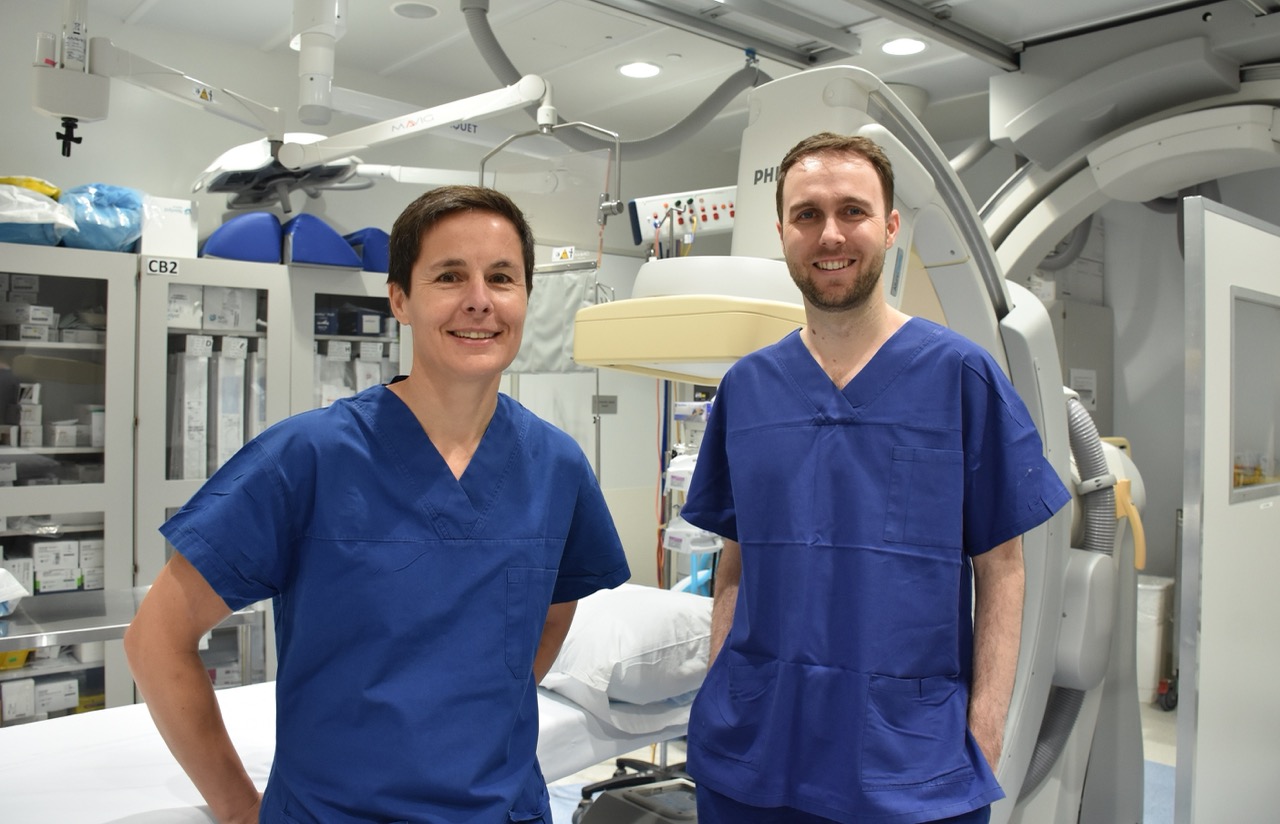
    Internationally recognised researcher and Royal North Shore Hospital interventional cardiologist Professor Gemma Figtree said we’ve seen an increase in patients like this over the last 10 years, and worryingly, many fared poorly after initial hospital treatment.

    “A greater number of them died within 30 days of the initial heart attack compared to patients with traditional risk factors, and women were disproportionately affected,” she said.

    “This group has until now, not been the focus of research or disease management, but we are working to gain a better understanding of how the disease develops in these patients and how we can capture them early and save lives.

    “It’s estimated 1.3 million people worldwide die each year due to heart attacks without the usual risk factors. These patients have no current way of accessing effective treatment for their underlying plaque as it silently develops.”

    In response to these challenges, Professor Figtree is spearheading a new approach and working with physicians, scientists and industry experts to support this group.

    Researchers are developing a series of blood tests to identify biomarkers of the underlying disease itself in its silent phase, and confirm whether they point to potential new therapeutic targets.

    They say if a marker could identify even 50 per cent of people with plaque independently of the risk factor profile, it would allow intervention with effective treatments that stabilise plaque and dramatically reduce the number of heart attacks.

    Professor Figtree said this will be a crucial step forward, revolutionising heart attack prevention.

    “Most current medications for heart disease target the known risk factors like high cholesterol and high blood pressure, however we are working to develop medications which could benefit all those at risk of heart disease, not just those with the obvious risk factors,” she said.

    “It’s important that this cohort, which has been largely invisible until now, is given the focus they need.

    “We know the development of new drugs can take many years, but we’ve seen with the success of the COVID-19 vaccines that progress can be made in a short period of time, and we’re convinced that by bringing together the best minds from across the globe, we’re in a strong position to effect change and reduce preventable deaths.” 

  • Crucial funds strengthening our research expertise

    Crucial funds strengthening our research expertise

    A group of researchers will have the chance to broaden their skills and establish new collaborations following a funding boost from the Royal North Shore Hospital Scientific Staff Council.

    The council has awarded 12 travel grants to scientists working within the district and the Kolling Institute.

    The diverse group of leaders is driving research progress into heart and kidney disease, cancer, musculoskeletal conditions and the quality use of medicines. Their investigations are helping to establish a better understanding of disease and improved models of care.

    RNSH Scientific Staff Council Chair Dr Sumit Sahni said more than $25,000 will be shared amongst the group to allow them to present their research at national and international conferences.

    “I would like to congratulate this impressive group. They are all developing their research expertise and increasing their impact in their individual areas, ultimately improving the care we provide,” he said.

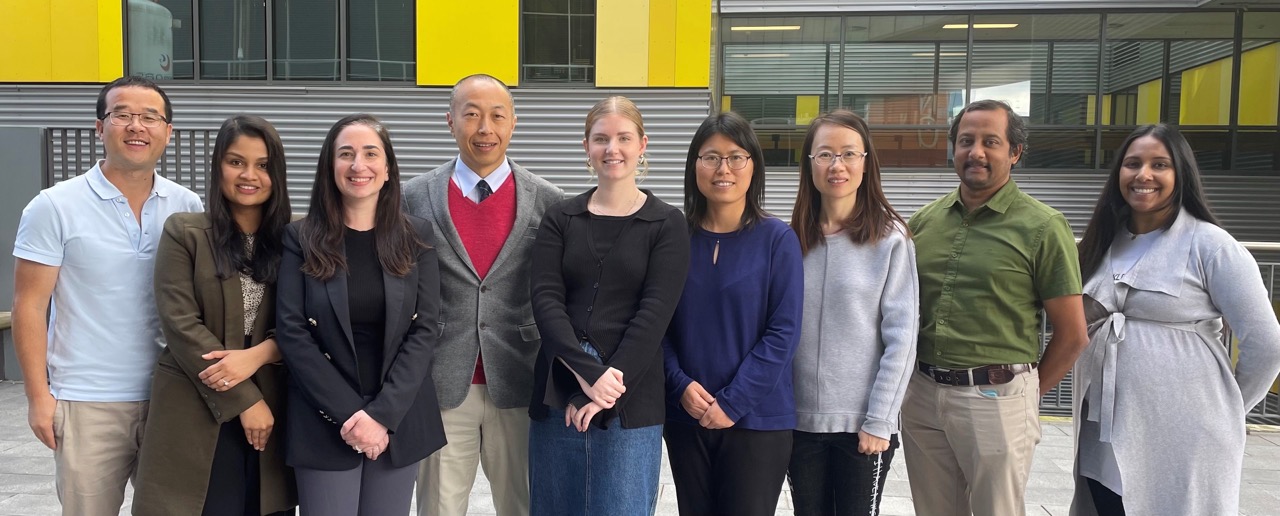
    The successful recipients include cancer researchers Drs Bharat Venkatesh and Nunki Hassan, musculoskeletal investigators Drs Joanne Glinsky and Xiaoqian Liu, and scientists improving the use of medications Drs Lisa Kouladjian, Kenji Fujita and Nashwa Masnoon.

    Funding has also gone to kidney disease researchers Dr Ji Bian, Dr Qinghua Cao and Amanda Purcell, and two cardiology researchers Drs Jonathan Ciofani and Sina Fathieh.

    Dr Sahni said the travel awards program has been supported for many years by Ramsay Heathcare and he would like to thank them for their continued investment in our research. 

  • Researchers offer the latest evidence around supplements for osteoarthritis

    Researchers offer the latest evidence around supplements for osteoarthritis

    With a large number of people relying on supplements to reduce their osteoarthritis pain, our researchers at the Kolling Institute have conducted a much-needed review of the most popular ones.

    The condition is impacting an increasing number of people, with many experiencing joint pain and functional impairment due to the disabling disease.

    Sadly, there is a lack of effective drugs to treat the condition so many people resort to supplements in the hope of achieving some relief.

    Now, researchers at the Kolling Institute have completed a comprehensive review, summarising the best available evidence and detailing the most effective supplements.

    Rheumatology fellow Dr Xiaoqian Liu from the Osteoarthritis Research Team said we have developed a traffic light diagram that provides easily obtainable information for clinicians and patients.

    “There are three colours in the diagram, representing the various recommendation levels,” she said.

    “Green means recommend, orange means probably recommend or probably don’t recommend and red means don’t recommend.

    “Following our review, we conditionally recommend a short period of use of curcumin, Boswellia serrata extract and pine bark extract as the current evidence shows they have a large treatment effect in relieving pain and improving function.

    “Other supplements however, have only demonstrated a minimal treatment effect in pain relief.”

    Researchers say the quality of the current evidence is low and larger studies are needed to confirm the findings, but they hope their review will help those with osteoarthritis make an informed decision.

    “There are a tremendous number of supplements on the market, so it’s crucial the community has access to the latest, reliable information around the impact of these supplements.”

  • Kolling Institute NEWS

    Kolling Institute NEWS

    The latest Kolling Institute NEWS is out … providing a snapshot of the wonderful research activity across our institute from our work into heart disease, pain, diabetes, cancer and musculoskeletal conditions. Check it out.

NSWGOV logo