Blog

  • Our researchers making an impact on the world stage

    Our researchers making an impact on the world stage

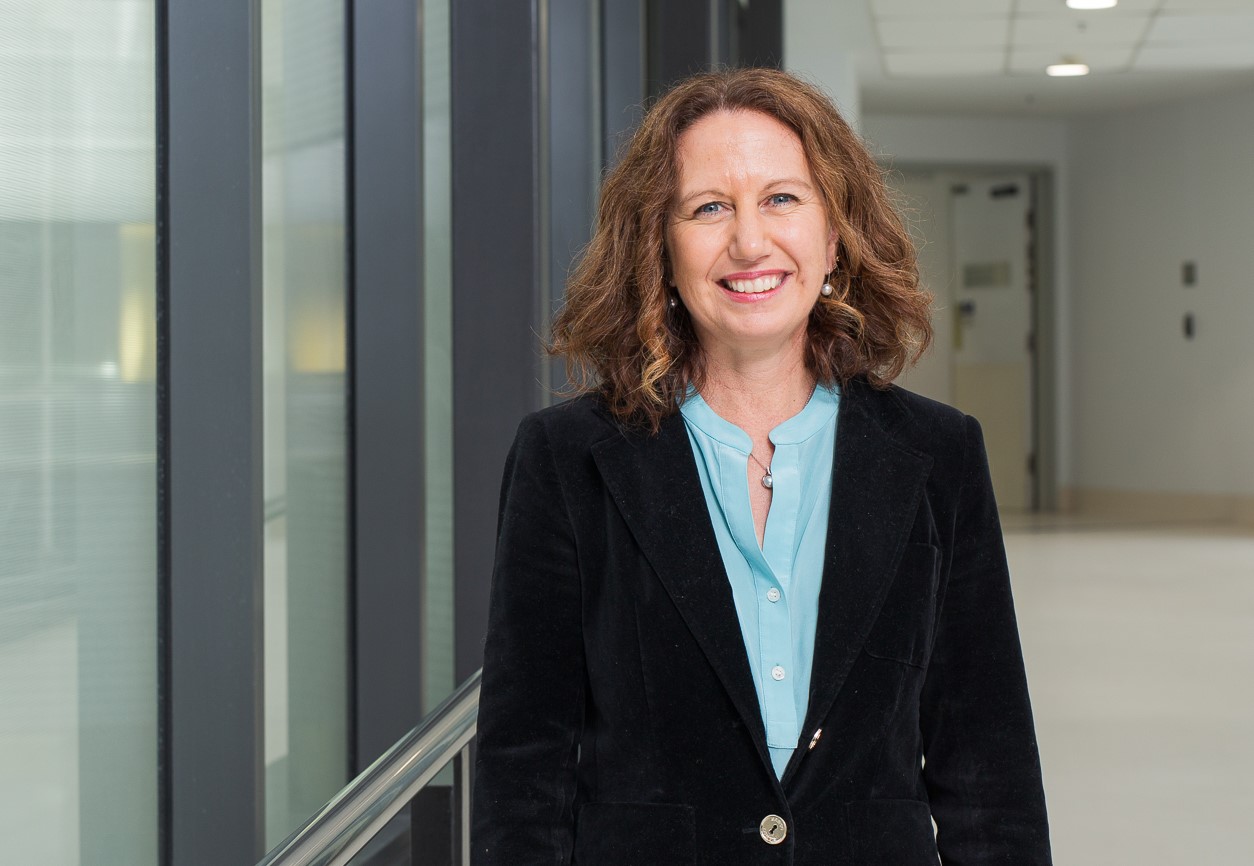
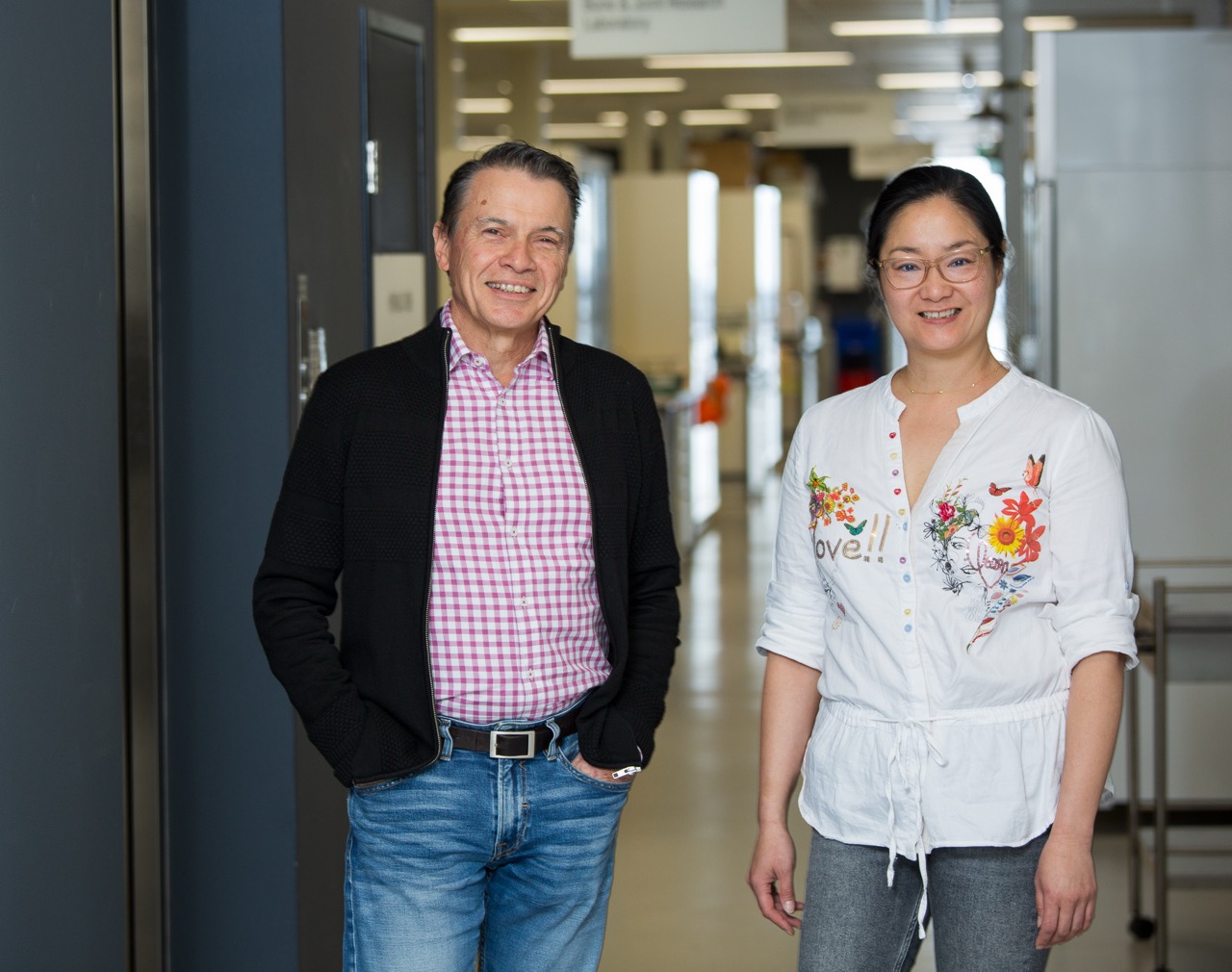
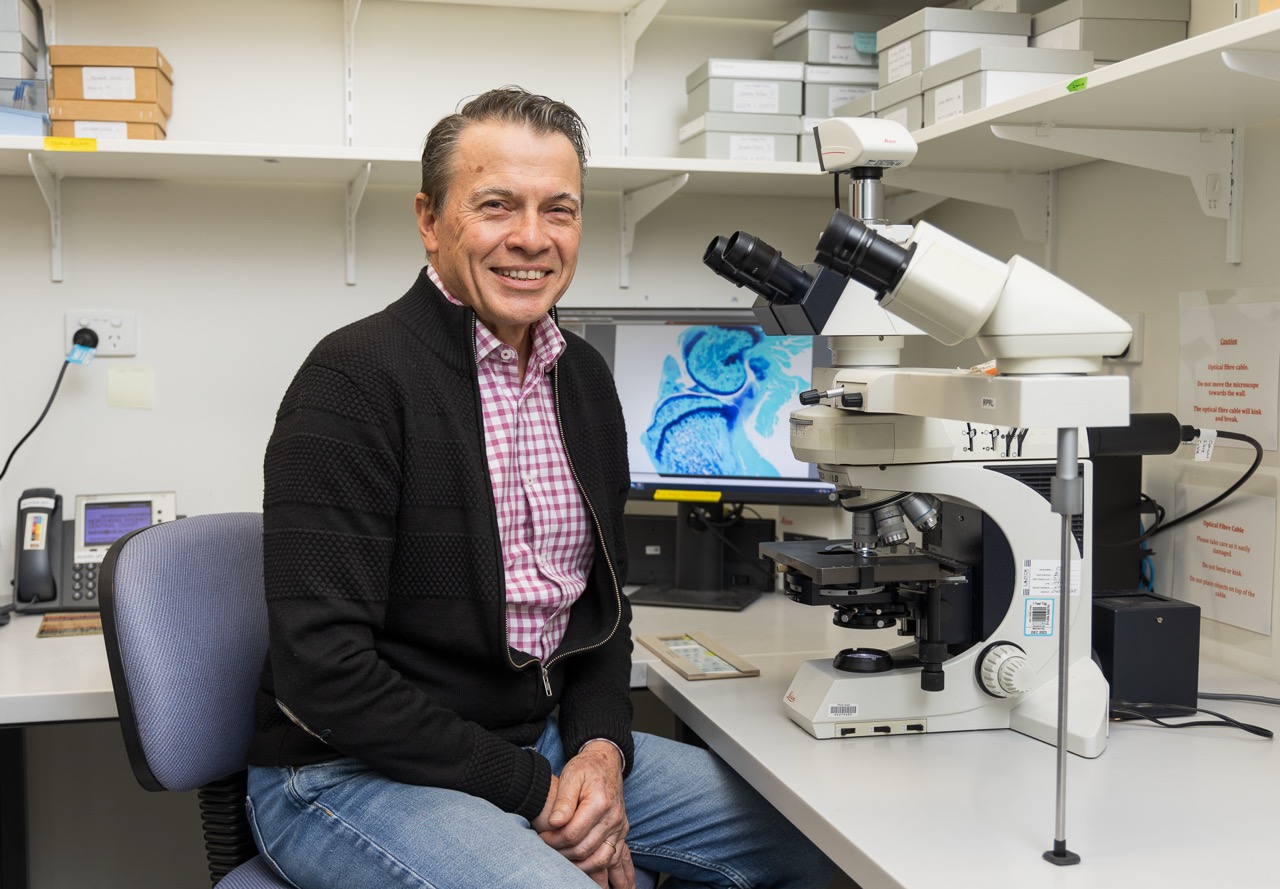
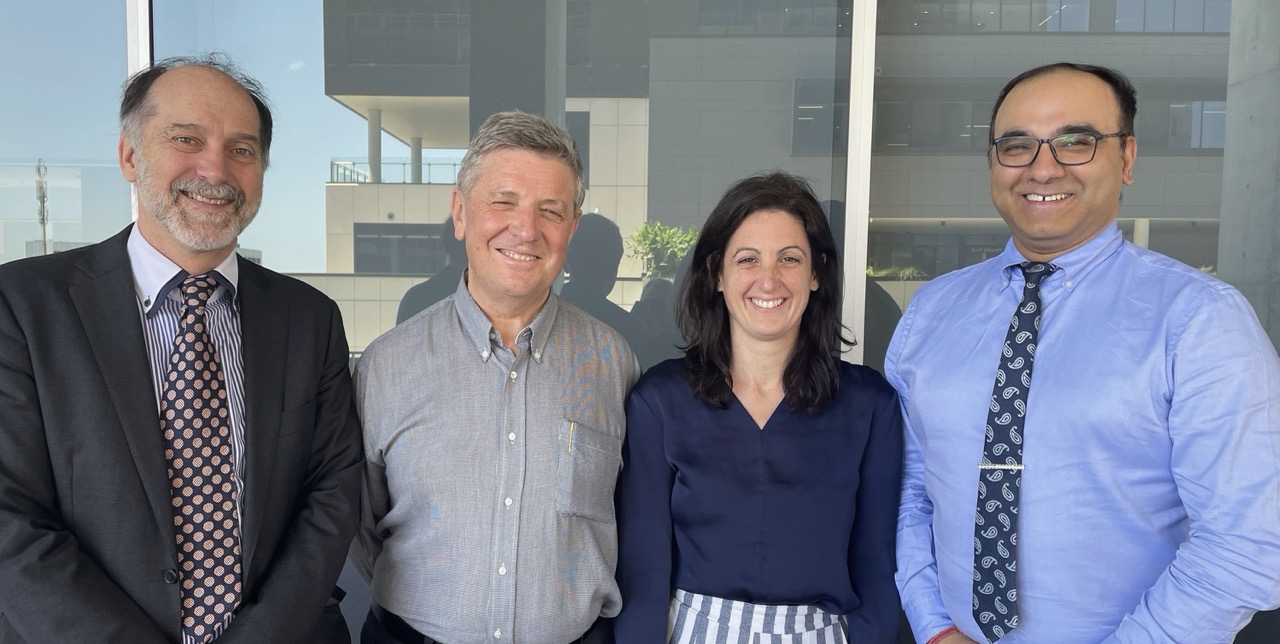
    Internationally respected investigator Professor Chris Little has been recognised for his remarkable contribution to orthopaedic research at an event in Long Beach California.

    Infront of a large international audience, Professor Little was elected a Fellow of the Orthopaedic Research Society for his exemplary service and leadership.

    The accolade acknowledges Chris’ achievement, expert knowledge and contribution to the society and the field of musculoskeletal research over more than 20 years.

    Fellows are recognised as thought leaders and serve as role models for those beginning their research journey.

    Chris has welcomed the honour.

    “Since its inception 70 years ago, the US Orthopaedic Research Society has arguably become the pre-eminent international scientific society dedicated to musculoskeletal research,” he said.

    “I am therefore very honoured and humbled to have been nominated as an Orthopaedic Research Society Fellow.

    “Such personal accolades are really a reflection of the extraordinary members of the Raymond Purves Research Lab team that I’ve have the privilege of leading over the past 20 years.

    “Ultimately, it’s the work that they do to increase knowledge of the mechanisms of musculoskeletal disease to help develop new treatments, that is the most important thing.

    “Societies like the Orthopaedic Research Society enable us to both disseminate what we learn in our research and learn from others around the world, so that together we can hopefully change the lives of patients.”

  • Strong research pipeline flags positive trend

    Strong research pipeline flags positive trend

    With an increasing focus on our research activity, the Royal North Shore Hospital Scientific Staff Council is keen to celebrate the efforts of some of our emerging leaders.

    It has presented four awards recognising an outstanding commitment to research excellence.

    Kolling Institute musculoskeletal researchers Dylan Ashton and Dr Carina Blaker were joint winners of the best publication award for their paper which identified new tendon allograft options for knee injuries. 

    Carina also took out the outstanding early to mid-career researcher award in the basic science category, while fellow Kolling researcher Associate Professor Rebecca Kozor clinched the outstanding clinical researcher award for her work using high resolution imaging to help diagnose and treat heart disease.

    Dr Katherine Bates received the outstanding research student award for her work on the identification of new biomarkers and risk factors for heart disease.

    Chair of the Scientific Staff Council Dr Sumit Sahni said he was pleased to be able to present the awards to this impressive group.

    “A huge amount of important work goes on behind the scenes,” he said.

    “Many of our researchers are quietly making crucial progress with their research, and it’s wonderful to be able to recognise their remarkable efforts extending our understanding of particular conditions and lifting the standard of care we all receive.

    “The quality of nominations we received was particularly high, making the decisions difficult and highlighting the expertise we have on the Royal North Shore Hospital campus.”

    Carina welcomed the announcement.

    “I was really honoured to receive the award recognising our research and I’m very grateful to the Scientific Staff Council for their ongoing support,” she said.

    “Our research is aimed at broadening our understanding of different tissues so that we can personalise treatment options.

    “We are increasingly seeing that a tailored approach will deliver a better individual fit and a better outcome for patients.

    “I hope this award helps to draw attention to the steady progress we’re making in this field.”

  • Philanthropic support building our research expertise

    Philanthropic support building our research expertise

    A collection of researchers will develop their skills and establish crucial new collaborations following generous funding through the Skipper Charitable Trust.

    Six researchers have received a 2024 Beryl and Jack Jacobs Travel Award, enabling them to travel for conferences and work with experts across the globe.

    Academic Director Professor James Elliott was thrilled to announce the successful recipients, saying each researcher demonstrated how their travel opportunity will broaden their research expertise and lead to exciting new progress.

    Dr Karen Bracken from the Osteoarthritis Clinical Research Group will travel to the University of Bristol to work with the team at the renowned Bristol Trials Centre. There she will gain a better understanding of recent advances in clinical trials, directly supporting her role as a clinical trials program lead.

    Dr Barbara Lucas from the John Walsh Centre for Rehabilitation Research will attend the Australasian Academy of Cerebral Palsy and Developmental Medicine Conference in Cairns to present her ground-breaking research from the Best START trial into early intervention in children with Cerebral Palsy.

    Dr Vicky Duong from the Osteoarthritis Clinical Research Group will travel to the United States and Canada to work with researchers at Harvard University, the University of North Carolina and the University of Toronto. This is set to be a valuable opportunity for Vicky to expand her international networks following her successful Category I NHMRC funded project in Australia.

    Brian Kim from the Neuromuscular Imaging Research Laboratory will visit the United States to work with colleagues at the Northwestern University in Chicago. Brian is establishing machine learning methods to automatically quantify the soft tissues of the shoulder in patients needing surgical repairs.

    Dr Vibha Patil from the Meniere’s Disease Neuroscience Lab will travel to Spain to build on her work into the genetics of Meniere’s Disease, a debilitating disorder of the inner ear.

    Amanda Purcell, a PhD student in the Renal Laboratory, will also travel to Spain and the UK to further her studies around predicting gestational diabetes in early pregnancy. Amanda is set to learn cutting-edge techniques, complementing her growing knowledge in this field and strong analytical skills.

    Professor Elliott said these opportunities would not be possible without the financial boost delivered through the Skipper Charitable Trust.

    “I would like to thank the family behind the trust for their wonderful ongoing support of our early and mid-career researchers,” he said.

    “Their help is directly strengthening our research expertise and increasing our long term impact.”

  • Kolling NEWS

    Kolling NEWS

    We’re kicking off the year with plenty of encouraging research news.

    Read on for details about new funding, fascinating research into the link between heart disease and osteoarthritis and promising work into a new diabetes treatment.

    We also unveil the winners of our travel awards program, generously backed by philanthropic funding.

    Click here: Kolling NEWS

  • Bad knees might cause broken hearts

    Bad knees might cause broken hearts

    Exciting research is set to get underway investigating a ground-breaking approach to reduce osteoarthritis associated heart disease.

    Kolling Institute researcher Professor Chris Little will lead the project after receiving a highly competitive National Health and Medical Research Council Ideas grant of close to a million dollars.

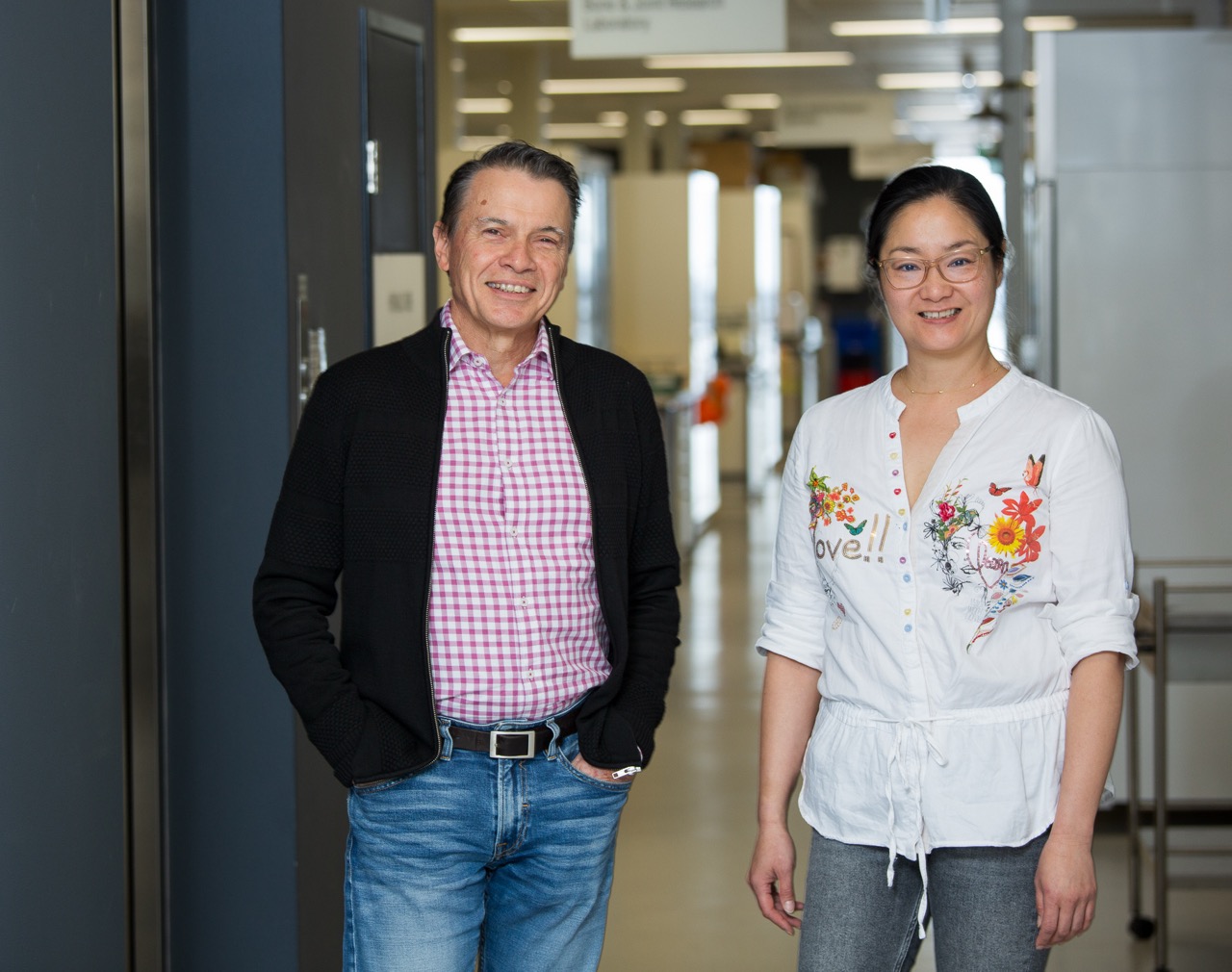
    Professor Little and Dr Cindy Shu from the Raymond Purves Bone and Joint Research Lab will collaborate on the novel study with Kolling heart disease researcher Dr Anastasia Mihailidou and Professor Anthony Ashton from the Lankenau Institute for Medical Research in the USA.

    Professor Little has welcomed the significant funding, saying it follows years of specialised work in this field.

    “We’re very excited about this research and we’re hopeful it may make a big difference,” he said.

    “We have known about the link between osteoarthritis and heart disease for many years, with those experiencing osteoarthritis twice as likely to develop heart disease as those without the painful joint condition.

    “We had thought the conditions were linked because they shared the same risk factors like age, obesity and a lack of exercise, but our recent research has showed for the first time, that there might be a biological connection where the joint disease might actually be causing heart disease.

    “Our team found that if we induced osteoarthritis in one knee of a mouse that was otherwise fit, young and healthy, within 16 weeks that mouse had evidence of heart disease.

    “We then went onto show that if you take serum from these mice or a patient who has diseased joint tissue from a knee injury like a cruciate ligament tear, that serum caused heart cells to become sick.

    “We were able to identify a group of factors (micro-RNAs) that were released into the blood from the joint tissue that were causing this.”

    The new research project funded through the NHMRC will now investigate which specific micro RNAs are contributing to the development of heart disease.

    “If we can define which factors released into the blood are the most important, we may be able to help develop a new diagnostic tool for heart disease and potentially stop osteoarthritis contributing to cardiovascular disease,” Professor Little said.

    “Our research could lead to both a diagnostic test as well as a therapeutic target. It could change the health advice around risk factors for heart disease.

    “Our grant success highlights the breadth of expertise we have at the Kolling and the impact of collaboration, where we have researchers specialising in different fields coming together to identify new avenues to research.

    “It’s certainly one of the great things about working in the Kolling.

    “I would like to acknowledge the crucial preliminary work undertaken by Dr Cindy Shu, and the earlier financial support from the Raymond E. Purves Foundation and the Hillcrest Foundation through Perpetual Philanthropy.”

    There was further good news for the Kolling with musculoskeletal researcher Dr Jillian Eyles receiving a prestigious $660,000 Investigator grant to develop strategies to promote best-practice for osteoarthritis care.

    It’s estimated close to 30 per cent of the population experiences osteoarthritis. 

  • Grant success for our innovative ideas

    Grant success for our innovative ideas

    We’re thrilled to congratulate a collection of our Kolling Institute researchers who have won highly-competitive National Health and Medical Research Council grants for innovative investigations.

    Professor Chris Little has been awarded close to a million dollars for his Ideas grant “Getting to the Heart of Osteoarthritis”, which hopes to reduce osteoarthritis associated cardiovascular disease risk.

    Professor Little and Dr Cindy Shu from the Raymond Purves Bone and Joint Research Lab will collaborate on the novel study with Kolling heart disease researcher Dr Anastasia Mihailidou and Professor Anthony Ashton from the Lankenau Institute for Medical Research in the USA.

    We’d also like to congratulate musculoskeletal researcher Dr Jillian Eyles who has received a prestigious $660,000 Investigator grant to develop strategies to promote best-practice for osteoarthritis care.

    The significant grants reflect the expertise of our Kolling Institute researchers in musculoskeletal and heart disease, and recognise their consistent research impact and influence.

  • Kolling Symposium celebrates life-changing impact of research

    Kolling Symposium celebrates life-changing impact of research

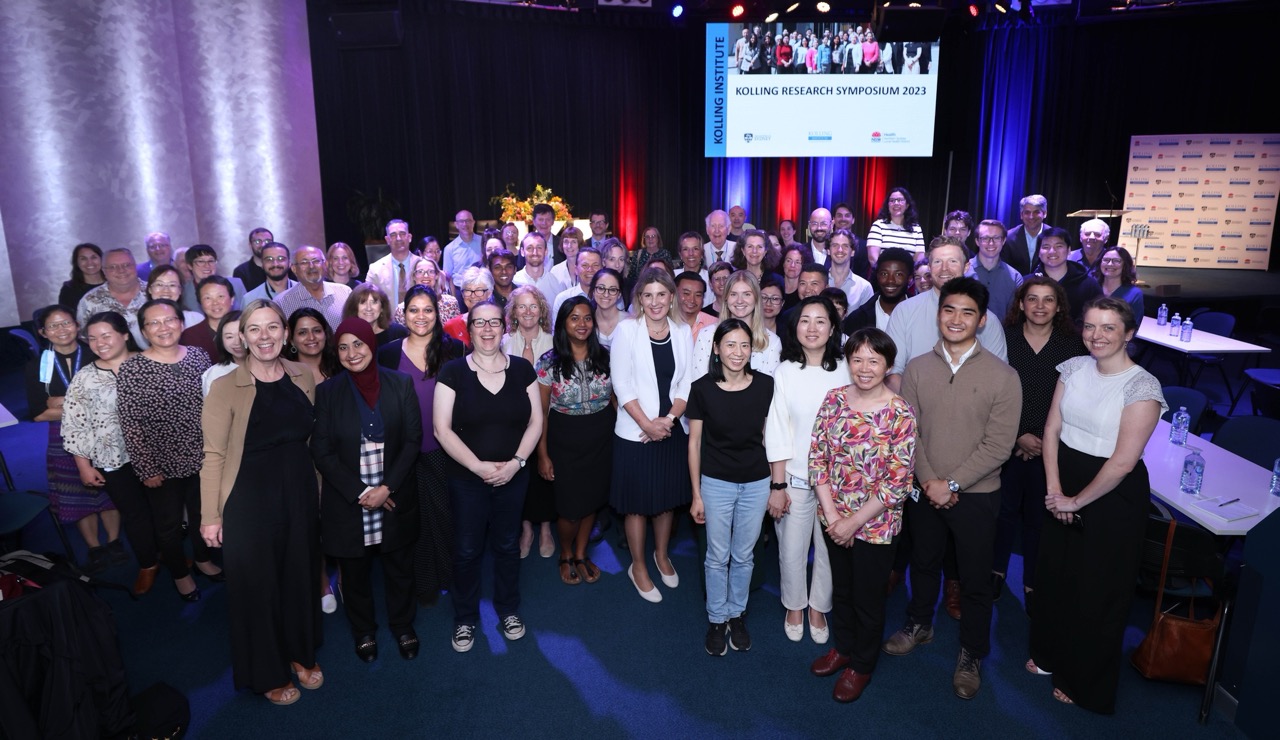
    A large group of inspiring researchers delivered presentations at the inaugural Kolling Institute Symposium, highlighting the strength of research underway at the institute.

    Close to a hundred people attended the event at the Northside Conference Centre focusing on the key themes of collaboration, innovation and wellbeing.

    Senior researchers and up-and-coming investigators took to the stage, outlining the progress being made with the Kolling’s basic science right through to its crucial implementation research.

    Academic Director Professor James Elliott said it was evident that significant achievements are being delivered, and I would like to recognise the considerable efforts by all our researchers from our heart and kidney disease scientists through to our neuroscience and pain, and musculoskeletal investigators.

    “It’s during big events like this one where we gain a much better idea of the ground-breaking work being undertaken at the Kolling and where we have the chance to meet with like-minded investigators from other teams.

    “It was also encouraging to hear from four consumer representatives who generously discussed their personal health experience. They provided crucial feedback on how to further involve consumers in our research community and future strategic initiatives.”

    Professor Elliott said the symposium was part of the overarching research strategy to raise the profile of the Kolling, its impressive researchers and its valuable work.

    “The event complemented the large collection of seminars and events we held throughout the year, and I am sure it went a long way towards broadening awareness of our potentially life-changing research and impact.”

    At the event Professor Elliott announced the successful recipients of the 2023 Kolling Awards. This year eight researchers received an award across the following five categories.

    Clinical Research Dr Vicki Duong and Dr Sumit Sahni

    Discovery Research Professor Jose Antonio Lopez-Escamez

    PhD completion Dr Natassia Rodrigo

    PhD supervision Associate Professor Claire Ashton-James and Dr Ryan Davis

    Professional Staff Quoc Nguyen (non-technical staff) and Shihani Stoner (technical staff)

    Professor Elliott said I would like to thank the Workforce and Culture Research Enabler and the Kolling Executive Committee for their co-ordination and support of the awards. It’s so important we acknowledge both our emerging and established leaders, and those having a remarkable impact with their research.

    “I would also like to acknowledge the researchers and professional staff for their tremendous commitment and contribution towards our research success.

    “Each of these award winners is driving substantial improvements in their individual areas of expertise, and I’m pleased that we’re able to direct the spotlight onto their significant achievements through the Kolling awards program.”

  • Kolling Institute Research Video

    Kolling Institute Research Video

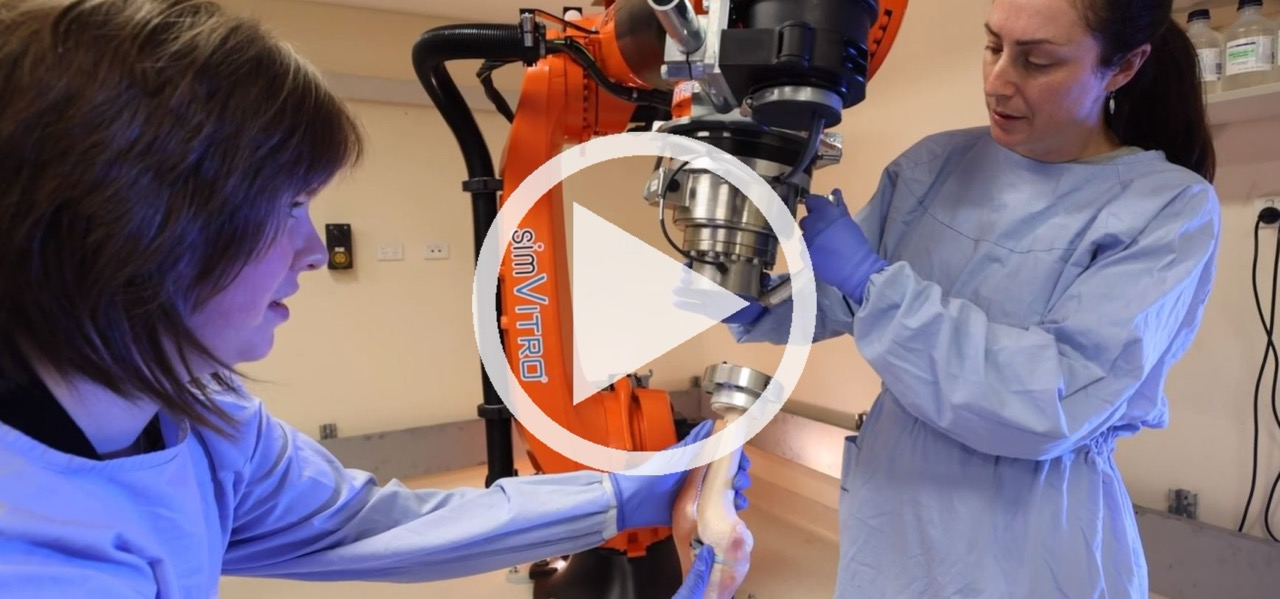
    At the Kolling Institute, we are tremendously fortunate to work with so many skilled and dedicated researchers. Our Kolling video gives you an insight into some of our latest research and our inspirational teams.

  • Kolling researchers to inform best care for those with a spinal cord injury

    Kolling researchers to inform best care for those with a spinal cord injury

    The expertise of our rehabilitation researchers at the Kolling Institute has been recognised with a prestigious international competitive grant to investigate the impact length of stay has on rehabilitation outcomes following a spinal cord injury.

    The National Institute of Health in the US has awarded more than $9 million to the overall project, with more than $750,000 coming to Australia.

    The five-year research project will investigate the impact of length of stay for rehabilitation programs in different countries including the USA, UK, Netherlands, Australia, Brazil and Canada.

    It will assess international approaches to the management of these challenging injuries and associated rehabilitation programs.

    Professor Ashley Craig from the John Walsh Centre for Rehabilitation Research has been appointed the chief investigator lead in Australia, with support from colleagues Dr Ilaria Pozzato, Dr Mohit Arora and Professor James Middleton.

    Australian researchers will assist the chief lead in the USA Dr Allen Heinemann, Professor of Physical Medicine and Rehabilitation, Emergency Medicine and Medical Social Sciences at Feinberg School of Medicine, Northwestern University, Chicago.

    Professor Craig has welcomed this prestigious grant delivered through the National Institute on Disability, Independent Living and Rehabilitation Research scheme.

    “This is a very significant international collaborative grant win and I believe the first National Institute of Heath grant won by the John Walsh Centre for Rehabilitation Research,” he said.

    “It is wonderful to be working with colleagues in Australia and internationally to progress our research to determine the best care for those with a spinal cord injury, and to ensure that everyone who experiences this type of injury, can access the very latest evidenced-based care and support.”

    Spinal cord injuries often have a catastrophic impact, affecting multiple bodily systems and functions. In addition to sensory and motor loss, there is a high chance of secondary conditions including chronic pain, diabetes, cardiovascular and respiratory problems, as well as cognitive impairment and mental health challenges.

    Spinal cord injuries can also lead to reduced social autonomy, difficulties gaining and sustaining employment, weight gain and sleep disturbance.

    Professor Craig said given these complications, it’s crucial patients have access to an evidenced-based, multidisciplinary intensive rehabilitation program.

    “We know that currently there’s a big difference in the length of time patients spend in rehabilitation programs in NSW and around the world,” he said.

    “COVID has also negatively impacted the length of stay in rehabilitation.

    “There is an urgent need to investigate the impact that a short length of stay, say three of four weeks has compared with a longer stay, of up to 12 weeks.

    “We are pleased to be part of this large-scale, international project to determine the optimum length of stay, and deliver the best long-term health outcomes.” 

  • Awards highlight research into the impact of medications

    Awards highlight research into the impact of medications

    One of our up-and-coming researchers within the Kolling’s Ageing and Pharmacology Lab has taken out two prestigious awards.

    Pharmacist and PhD student Mai Duong received the initial award at the International Pharmaceutical Federation World Congress in Brisbane.

    The APSA awarded Mai the Outstanding Oral Presentation in Pharmacy Practice prize for her discussion on the different perspectives of adverse drug events with heart failure medications in frail older people.

    She also took out an award for her presentation at the Cardiovascular Symposium hosted by the Australasian Society of Clinical and Experimental Pharmacologists and Toxicologists.

    Mai’s research has greatly benefitted from a new collaboration within the Kolling Institute involving researchers from the Ageing and Pharmacology Lab including Professor Sarah Hilmer and Dr Lisa Kouladjian O’Donnell and Associate Professor Rebecca Kozor from the Cardiology Department.

    She said her work has highlighted the contrasting consumer and clinician views on clinical outcomes, patient priorities and medication management of frail older people with heart failure.

    “We know that heart failure is becoming more common in the ageing population, leading to frequent hospital visits and claiming lives,” she said.

    “Patients report that the big problem for them is the number of medications they’re on and the possible interactions.

    “We are seeing that some medications for heart failure can cause falls, dizziness, renal impairment and other adverse events.

    “We know that optimising heart failure medication can be complex, but we hope that following our research there will be a greater focus on frailty and quality of life when these medications are prescribed.

    “We found that clinicians recognised that frailty status was important, but it was not routinely measured or included in medication management plans.

    “Backed by our research, we would like to see frailty measures considered when prescribing these medications, so that clinicians can tailor their approach for each patient for the best outcome.”

NSWGOV logo