Blog

  • Practical tool to offer better informed care for people living with dementia

    Practical tool to offer better informed care for people living with dementia

    Our researchers at the Kolling Institute are working to improve the use of medications for dementia with a comprehensive analysis highlighting several concerning trends.

    The latest data indicates more than 420,000 people are living with dementia in Australia, including more women than men. The condition is the second leading cause of death in Australia.

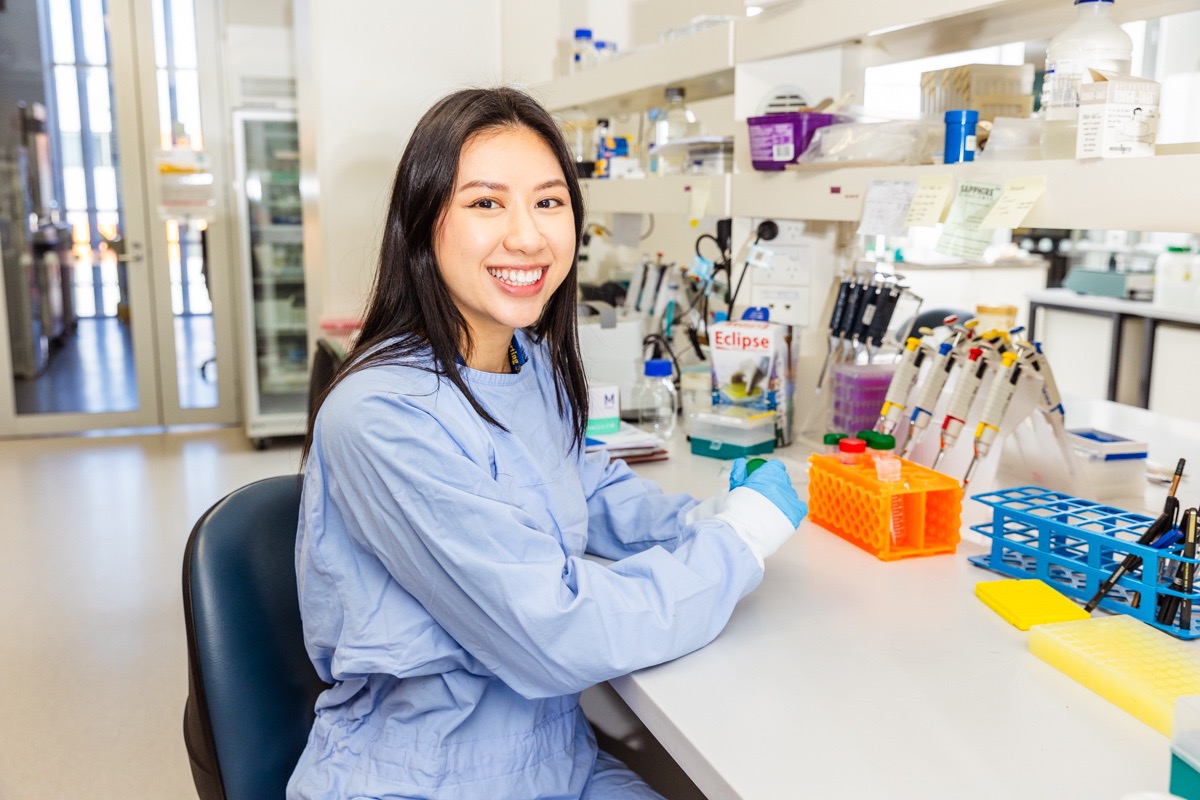
    Leading researcher and member of the Kolling’s Neuroscience and Pain Priority Research Area Dr Edwin Tan said people with dementia are high users of medications due to the challenging symptoms of the condition and the combination of other chronic conditions.

    “We found there was often limited evidence for prescribing medications for people with dementia, and clinicians were left to weigh up the risks and benefits of these medications,” he said.

    “Our analysis of nationwide data found 60 per cent of people with dementia are taking a psychotropic medication like an anti-depressant, antipsychotic or opioid, and 26 per cent are taking an anti-dementia medication like Aricept, Exelon or Reminyl.

    “We were interested to find that when we looked at people’s backgrounds, those from a higher socio-economic group were more likely to take an anti-dementia medication, compared with people from a rural or regional area, or those with limited access to healthcare, who were more likely to take a psychotropic drug, like an antipsychotic.

    “Concerningly, two thirds of people with dementia are taking at least five medications and 23 per cent are taking more than ten medications.”

    Researchers were also concerned to see the number of high-risk combinations of drugs, with 14 per cent of people with dementia taking all four high-risk medication groups, including sedatives.

    The data pointed to an increased risk of medication poisoning, with one in five people experiencing an adverse drug event. Researchers identified 15 per cent of people with dementia experienced drug poisoning, compared with just two per cent of the general older population.

    Dementia increased a person’s risk of poisoning by an alarming 77 per cent.

    Dr Tan is now working to develop a personalised antipsychotic calculator to assist with safer prescribing and shared decision making.

    “Working with patients, clinicians and carers, I am keen to develop a tool which will weigh the risks and benefits of antipsychotic medications to help ensure patients are prescribed the best medication for their individual needs.

    “An evidenced-based tool, which would predict the likelihood of treatment response and adverse events, could greatly assist personal treatment plans and improve patient outcomes.”

  • Award raises profile of early career research at the Kolling Institute

    Award raises profile of early career research at the Kolling Institute

    Two of the Kolling Institute’s emerging leaders are gaining attention after receiving the ATA Scientific Encouragement Award.

    The award, which was launched more than a decade ago, aims to provide young scientists with financial assistance to further their education and attend scientific meetings and conferences.

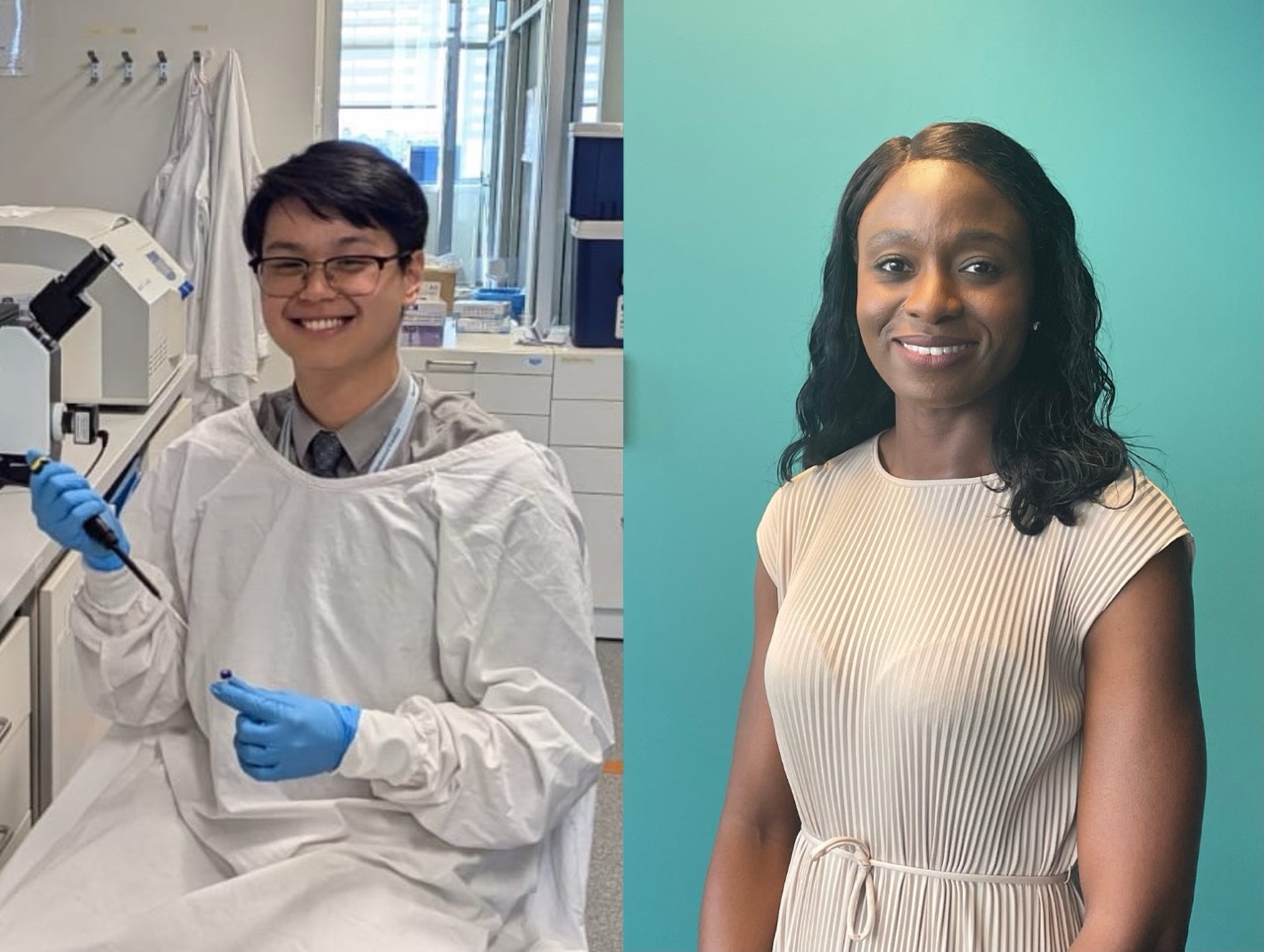
    Scientific officer Kevin Winardi from the Kolling’s Lab of Ageing and Pharmacology will attend two bioinformatics conferences after receiving the award.

    His work focuses on understanding the molecular mechanisms behind drug-related harms in older people, and whether the adverse effects of medications can be reversed once the medications are stopped.

    Kevin’s goal is to expand his research into pharmacology, ageing biology and systems biology to enhance the care of older people.

    Attending the conferences will provide Kevin with a valuable opportunity to explore a new bioinformatics tool and connect with leading national experts.

    His colleague from the Lab of Ageing and Pharmacology PhD student Temitope Esther Afolabi has also taken out an encouragement award, which will help her attend a medications management conference in South Australia in November.

    Esther will deliver a presentation at the event, detailing her work to improve the quality use of medications by older people through an online patient decision support tool.

    Esther believes the tool could be a safe, evidence-based and cost-effective innovation to promote optimal health.

    Kevin and Esther would like to thank ATA Scientific for the important opportunities provided through their encouragement awards.   

  • Philanthropic funds launch crucial research into little-known cancer

    Philanthropic funds launch crucial research into little-known cancer

    Generous community support is strengthening our research into oesophageal cancer, lifting hopes of improved treatments for the aggressive and deadly cancer.

    The Fight for a Cure charity has donated $100,000 towards Dr Colby Stevenson’s research, on top of a $100,000 donation from the Howlett family, in memory of their son Scott who died from the cancer.

    The Howlett family has welcomed the research saying it will help to raise awareness of this little-known cancer, while improving survival rates through earlier detection and treatment

    Oesophageal cancer is the 11th most common cause of cancer death in Australia, accounting for over 1400 deaths each year.

    Sadly, less than 25 per cent of people with this cancer survive more than five years, compared to about 70 per cent for all cancers combined.

    Dr Stevenson, a surgeon and researcher, said he is incredibly grateful for the philanthropic support as it will allow him to conduct research which would otherwise be very difficult to get off the ground.

    “There have been some really significant improvements for some cancers like melanoma and breast cancer in the last 10 years, but concerningly, we have not seen the same kind of improvement in outcomes for those with oesophageal cancer,” he said.

    “Patients will generally undergo chemotherapy and radiotherapy before surgery, with some people responding much better than others. In some cases, the patients’ disease will worsen while on treatment, and occasionally some will not survive it”.

    “My research will analyse oesophageal tumours to look for genes or proteins that may inform a patient’s individual prognosis and if their tumour will respond to a particular treatment”.

    “This is an important body of work which could lead to individualised treatment approaches and avoid harmful treatments for patients who are unlikely to benefit from them.”

    Dr Stevenson said he is grateful for this opportunity and driven to progress this research given the current poor prognosis for people with this deadly form of cancer.

    “I think this type of research could be the key to substantial improvement as it will allow us to further sub-classify oesophageal cancer so we can then develop the best treatment approach for each person.

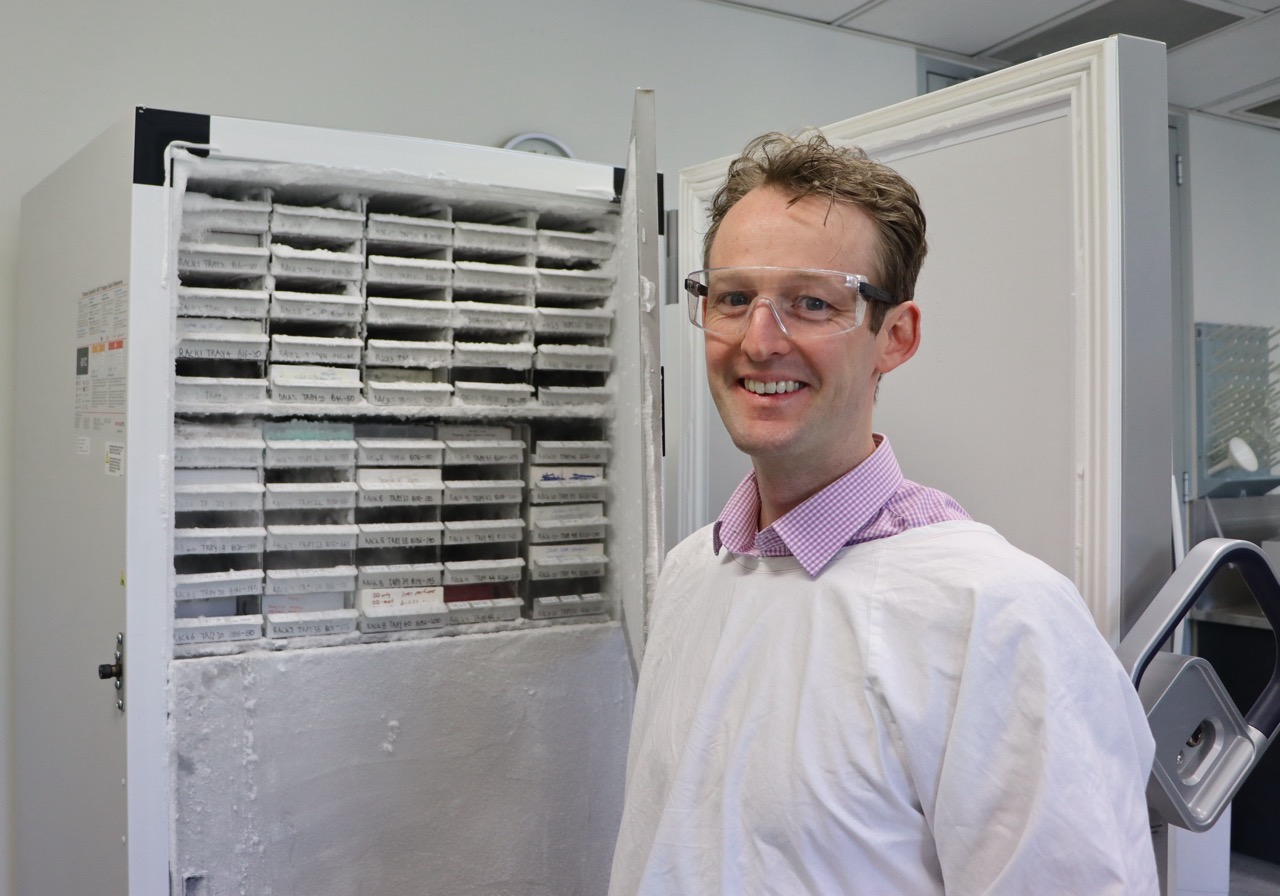
    “We are able to conduct this valuable work as result of efforts over the last 20 years to build and maintain the Kolling Institute Tumour Bank. It means we have tumour specimens from many different patients over a long period of time.”

    If you would like to support this cause please contact the NORTH Foundation at info@northfoundation.org.au or call 9436 0162.

    To learn more about Fight for a Cure visit fightforacure.com.au  

  • Leading new centre to strengthen cancer research and expertise

    Leading new centre to strengthen cancer research and expertise

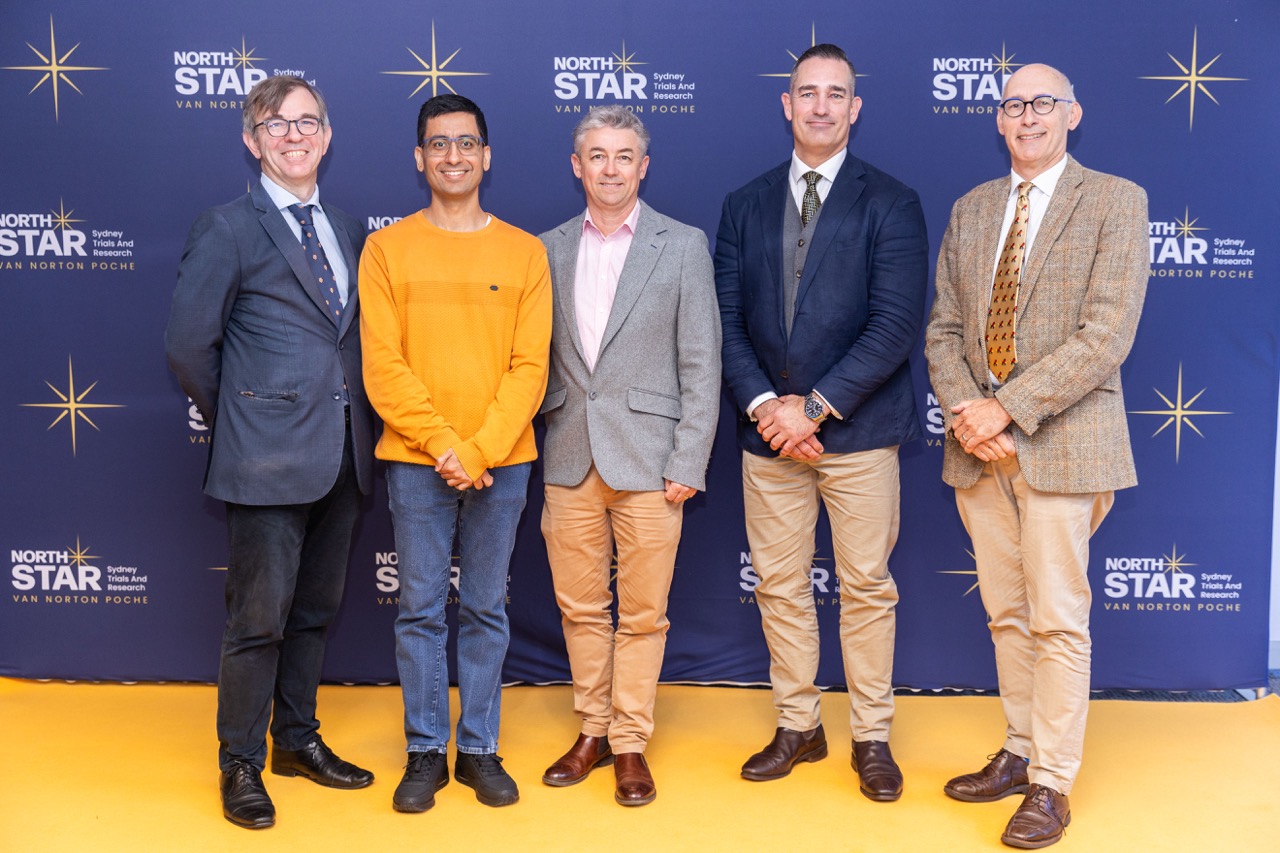
    Researchers at the Kolling Institute have welcomed the launch of Australia’s premier cancer clinical trials centre on the Royal North Shore Hospital campus.

    NORTH Sydney Trials and Research Van Norton Poche or NORTH STAR VNP has been made possible by a $20 million gift from the late Kay Van Norton Poche and her husband Greg.

    The centre is a ground-breaking partnership between Northern Sydney Local Health District and the world-renowned Memorial Sloan Kettering Cancer Centre in New York.

    NSLHD Chair of Research Professor Bruce Robinson said it will significantly expand access to the latest clinical trials for those in Sydney and across New South Wales, and then nationally.

    “We expect this wonderful new centre will offer hope to patients and their families across the country, improving treatments for cancer and even contributing to a cure.

    “It will mean communities, particularly those in rural and regional areas, will have access to the latest treatments and innovation, regardless of where they live.”

    Three initial clinical trials will be underway within months, aiming to improve outcomes for people with head and neck cancers, breast cancers and upper gastric cancers.

    Leading bowel cancer researcher Professor Mark Molloy said cancer researchers at the Kolling Institute are looking forward to collaborating with the NORTH STAR VNP clinical trials.

    “This is an exciting opportunity to work with patient specimens obtained during clinical trials, which will allow us to discover prognostic and drug response biomarkers,” he said.

    “Through these studies we will have a better understanding of the impact and function of new therapies, and how clinicians can optimise patient treatments.

    “It was encouraging to attend the launch of the new centre with so many national and international clinicians and researchers, and to witness the enthusiasm for this new partnership.

    “We look forward to it increasing research activity and the development of new targeted cancer treatments.”

    If you would like to build on this legacy, you can donate to our fundraising partner, the NORTH Foundation.

  • Crucial steps towards gene therapy for debilitating Meniere’s disease

    Crucial steps towards gene therapy for debilitating Meniere’s disease

    Our researchers at the Kolling Institute are at the forefront of Meniere’s disease science developing the first humanised model of the disease ahead of gene therapy.

    The specialised team is led by world-leading Meniere’s disease researcher and neuroscientist Professor Jose Antonio Lopez-Escamez who relocated from Spain to the institute to pursue his ground-breaking work.

    His talented team of seven is set to grow to a dozen by 2025.

    Professor Lopez-Escamez said it was an exciting time for research in this area as we move into precision medicine with specific drugs, and develop gene therapy for the next generation of patients with the disease which causes vertigo and hearing loss.

    “We are making encouraging progress as we investigate the genetic basis of the disease, finding that many patients have a recessive inheritance where both parents are carriers of the disease but don’t have any symptoms,” he said.

    “When I was working as an ENT surgeon in Spain more than 10 years ago, the condition was largely neglected and not well understood, and many patients were not doing well.

    “Today, we are learning more about the disease and the broad range of influences, including immune-response inflammation, allergy and migraine.”

    “We are now investigating the genetic mutations involved in the disease in preclinical models in a crucial step towards the development of gene therapy. We believe this game-changing approach will be available within the next 10 years.

    “Importantly, we must consider that people will have different genetic and immune backgrounds, and different associated conditions, like migraine.

    “It is not the same disease for all individuals and will present differently.

    “We don’t have a magic pill that is going to work for everybody with Meniere’s. For some patients some medication will work, one drug will be better. But for others there will be another way.

    “That’s why it’s important we know which subgroup of Meniere’s a patient has.”

    Global database

    Another important part of Antonio’s work is to establish a global website database with genomic information from patients’ blood tests that enable genetic diagnosis in the future.

    The database will help researchers, doctors and ultimately patients.

    “It will be like a reference portal to train researchers and a tool for doctors,” he said.

    “Genetic testing is a very important step to get more knowledge about the basis of many diseases.

    “My idea is that any doctor can upload a file on the website and compare individual patients’ data with the reference data that we have generated. It will be useful and accessible.”

  • Researchers develop urine test based on kidney cell colour and AI to diagnose chronic kidney disease

    Researchers develop urine test based on kidney cell colour and AI to diagnose chronic kidney disease

    We may soon have a convenient and painless approach to diagnose chronic kidney disease following research by the team from the Kolling Institute’s Renal Research Laboratory.

    Chronic kidney disease is an emerging global health issue, currently affecting more than 11 per cent of Australians and 13 per cent of the worldwide population. By 2032, it’s estimated up to 125 million people will have the condition.

    Chronic kidney disease is a progressive disease which eventually leads to kidney failure. It is fatal without dialysis or a kidney transplant.

    Currently, a kidney biopsy is required to confirm a diagnosis, but this procedure brings inherent risks such as bleeding and pain. A non-invasive approach to diagnose chronic kidney disease is critically needed.

    There are some blood and urine tests available which can detect advanced stages of the disease, but early detection through these means remains challenging.

    Researchers from the Kolling Institute and the Australian Centre of Excellence for Nanoscale Biophotonics at the University of New South Wales have developed and continue to improve a urine test which provides accurate information for early diagnosis.

    This novel test is based on assessing colour properties of kidney cells exfoliated from the kidney into urine. An individual’s disease status is determined by observing colour patterns with artificial intelligence-based analysis.

    Encouragingly, this exciting new technology avoids the risk of an invasive biopsy procedure.

    Head of the Kolling’s Renal Research Laboratory Professor Carol Pollock said this approach provides clear information about kidney pathology by examining kidney cells in urine through a “liquid biopsy”.

    “Having the ability to diagnose chronic kidney disease with a simple urine test represents a major step forward,” she said.

    “It means patients with chronic kidney disease or those who have a high risk of disease can receive timely management.”

    Project co-lead Associate Professor Sonia Saad said the non-invasive test would also provide information on the effectiveness of drugs and other treatments over time.

    “We look forward to applying our test for wider use within the nephrology setting, such as monitoring complications in patients who receive a kidney transplant.”

    PhD student Dr Henry Wu welcomed the chance to apply artificial intelligence to their research.

    “It’s been rewarding to help develop this important diagnostic test and progress the use of AI within the nephrology field.” 

  • Special Research Feature – Year in Review 2023

    Special Research Feature – Year in Review 2023

    Our Kolling Institute Year in Review profiles our innovative and life-changing research across the Kolling Institute.

    Our researchers are driving investigations into some of the most challenging health conditions from heart and kidney disease to musculoskeletal conditions, chronic pain, cancer and neurodegenerative disorders.

    Our teams have continued to increase their research impact, while forging significant new collaborations. They have maintained a commitment to research excellence, while securing large-scale funding, receiving high profile awards and publishing impactful studies.

    We hope this feature will give you a better insight into our impressive and unique teams, and their ground-breaking research. We would like to extend our thanks to our many wonderful donors who help us deliver real improvements to the care we all receive. Click here to read the feature:

  • Valuable new funds support game-changing cancer research

    Valuable new funds support game-changing cancer research

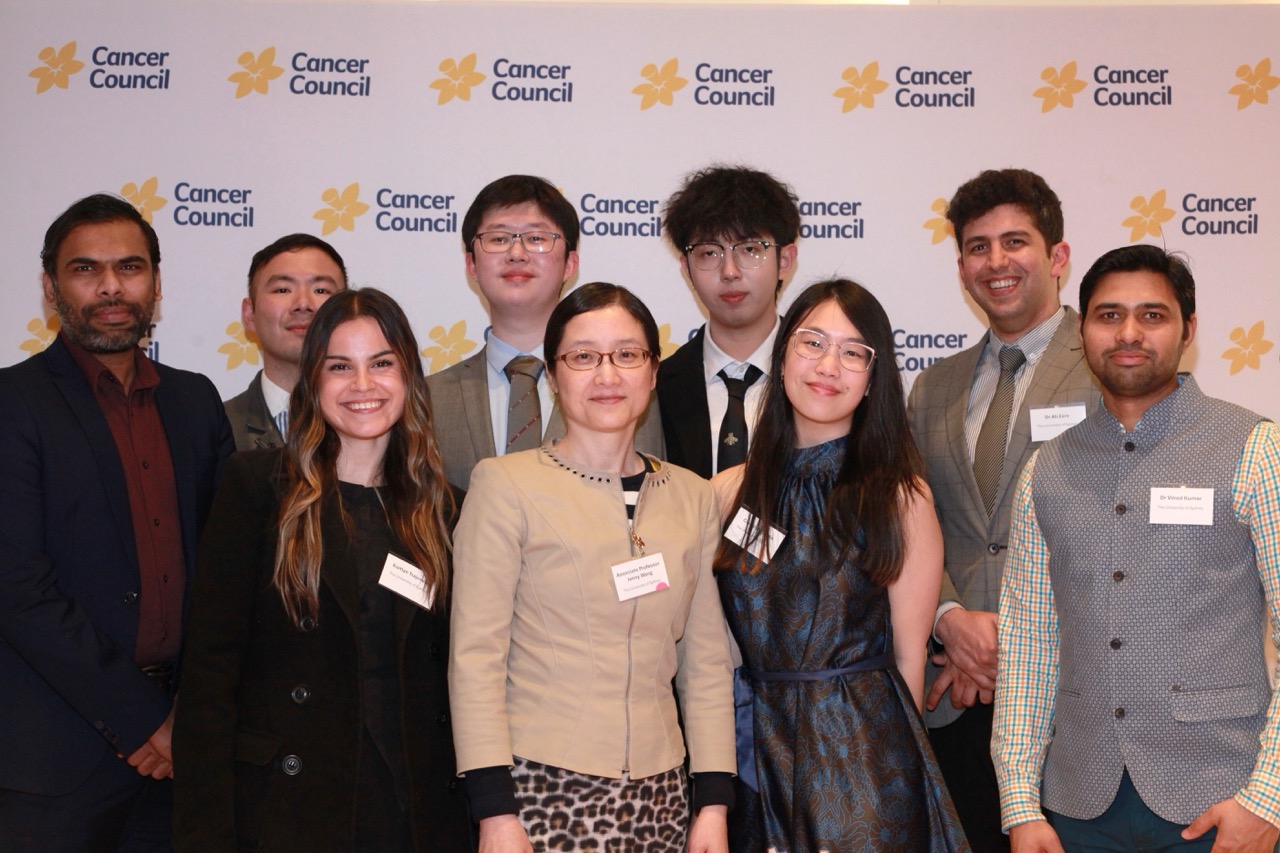
    Our ground-breaking leukaemia research at the Kolling Institute has received an important boost with the Cancer Council NSW announcing a $450,000 grant for Associate Professor Jenny Wang and her research team.

    The funds will help the development of a new therapy to greatly improve survival rates for those with acute myeloid leukaemia.

    This form of blood cancer is particularly aggressive, with less than a third of patients surviving five years after diagnosis.

    In many cases, the leukaemia does not respond well to chemotherapy and often returns.

    Associate Professor Wang welcomed the significant funding saying it will strengthen her research targeting the protective mechanism within the leukaemia stem cells which makes them resistant to chemotherapy.

    “My team has discovered a self-renewal pathway which enables leukaemia stem cells to protect themselves from chemotherapy and reproduce,” she said.

    “There are currently no effective treatments to target these leukaemia-initiating cells but my team is developing a therapy to eliminate them and improve patient outcomes.

    “Encouragingly, we anticipate this approach could help other cancers driven by tumour-initiating cells, such as cancers of the lung, breast, prostate, colon and brain.

    “These cancers may share the same survival mechanism as the leukaemia stem cells so the approach may also effectively target them.”

  • World first research to develop cognitive impairment guidelines after spinal cord injury

    World first research to develop cognitive impairment guidelines after spinal cord injury

    A team of researchers from the Kolling Institute’s John Walsh Centre for Rehabilitation Research has launched a study to develop the first internationally accepted guidelines for assessing cognitive function after a spinal cord injury.

    The latest data indicates that over 15 million people globally live with a spinal cord injury, and in Australia, there are over 20,000 people living with the injury.

    There are around 300-400 new cases of this injury every year in Australia.

    The devastating physical impact of these injuries has been extensively studied from the loss of motor control (such as paralysis) to the pain and sensory issues, and the significant problems with cardiovascular and respiratory function.

    However, the psychological and cognitive impacts of this severe neurological injury have not been as well understood, such as the extent of cognitive impairment and mental health disorders over time.

    There is now a growing body of evidence around the psychosocial consequences of a spinal cord injury, with new studies by the John Walsh Centre for Rehabilitation Research highlighting a concerning trend.

    Professor of Rehabilitation Ashley Craig said we are just completing the first ever study conducted anywhere internationally that has assessed cognitive function and potential cognitive impairment in adults with a spinal cord injury from soon after their injury in the acute stage, until their discharge from rehabilitation up to 12 months post injury.

    “Our research found that at least 30 per cent of adults with a spinal cord injury were assessed as having at least mild cognitive impairment, and that this impairment was identified as a major risk factor for the development of mental health disorders like depressive mood and anxiety after the person is discharged from hospital,” he said.

    “This is very concerning given that this may result, not only in a higher risk of a mental health disorder in those with cognitive impairment, but also an increased risk of secondary health conditions like chronic pain, skin problems like pressure ulcers, and respiratory infections. The person with cognitive impairment may become confused and overwhelmed about how best to self-manage these conditions.

    “Despite the high number of people experiencing these challenges, our research has identified there are currently no internationally-recognised cognitive assessment tests suitable for measuring cognitive function after a spinal cord injury.”

    Our team has now begun research to develop a new framework for cognitive screening, which will involve sensitive and valid cognitive assessment tools.

    “This is an important body of work which will build on our prior research to validate the cognitive domain areas we have previously identified that affect most adults with spinal cord injury. We will then develop alternative ways of assessing day to day cognitive function in conjunction with established neurocognitive tests we currently use that are limited.”

    “We know that there are multiple possible causes of cognitive impairment after spinal cord injury, such as age, polypharmacy, level of lesion, mental health, fatigue, and autonomic function. Our framework must attempt to account for these possible affects”, Professor Craig said.

    The John Walsh team will work with international partners in the UK, Europe and the USA, who are keen to collaborate in the development of a new cognitive assessment framework.

    This research will be informed by another current study that is investigating how best to integrate guidelines for psychosocial health and cognitive care with the multidisciplinary health teams managing spinal cord patients in the units at Royal North Shore Hospital, Prince of Wales Hospital and Royal Rehab.

    The John Walsh team developed these guidelines which are available on the Agency for Clinical Innovation website: 

    The team involved is Prof Ashley Craig and Prof James Middleton, Dr Mohit Arora, Dr Ilaria Pozzato, Dr Candice McBain, Dr Danielle Sandalic, Daniel Myles, Anne Marie Sarandrea, Dr Jazbeer Kaur and Dr Yvonne Tran. 

  • Tapping into our expertise to solve an escalating health challenge

    Tapping into our expertise to solve an escalating health challenge

    A culture of collaboration is a key part of the Kolling Institute’s research impact, and just one example of this is a joint project to reduce the devastating impact of vascular disease linked to diabetes.

    The study has brought together research experts from endocrinology and cardiology to curb the number of lower limb amputations due to peripheral arterial disease.

    Alarmingly, an estimated eight people a day have a lower limb removed because of the disease.

    This trend is expected to continue with an increasing number of people developing diabetes and subsequently a diabetic foot ulcer. It’s estimated more than 530 million people across the globe are living with diabetes.

    Our researchers have launched a study investigating the use of medications to treat diabetic foot ulcers and peripheral arterial disease.

    Mirabegron is one of those medications being tested. It is currently used to treat overactive bladder syndrome, but this research is helping to determine if it could restore dysfunctional blood vessels, improve oxygen and nutrients in the tissue, and help chronic wounds.

    Researcher Cameron Evans, from the Cardiovascular Discovery Group, said Mirabegron works by opening blood vessels and increasing levels of nitric oxide, one of the body’s natural antioxidants.

    “This will help blood vessels and diabetic tissue function normally and heal ulcers,” he said.

    “Importantly, we are testing the medication in a gel form as the concentration of drugs taken orally often isn’t high enough to provide a therapeutic effect.

    “Current treatments include a cocktail of medications or vascular surgery which are costly and carry increased risk.

    “We hope our research will confirm if this medication will reduce amputation, improve quality of life and increase life expectancy.

    “One in five people with diabetes is likely to develop an ulcer, so we could potentially be helping more than 130 million people with our research.”

    The research project has been supported by the Australian Centre for Accelerating Diabetes Innovation PhD grant.

    Cameron said he was tremendously grateful to receive the grant.

    “Working weekends and researching five days is a tough slog, so receiving the grant is an incredible help.

    “It has given me dedicated time to progress our valuable investigations.” 

NSWGOV logo