Blog

  • Partnership to drive innovation in genomic science

    Partnership to drive innovation in genomic science

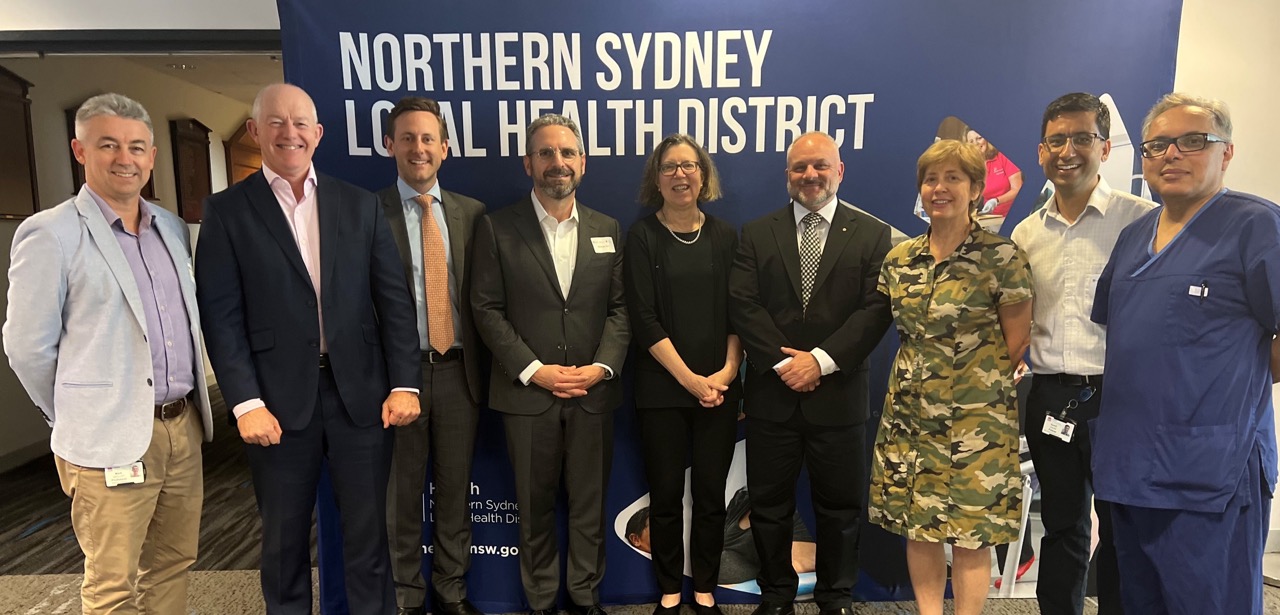
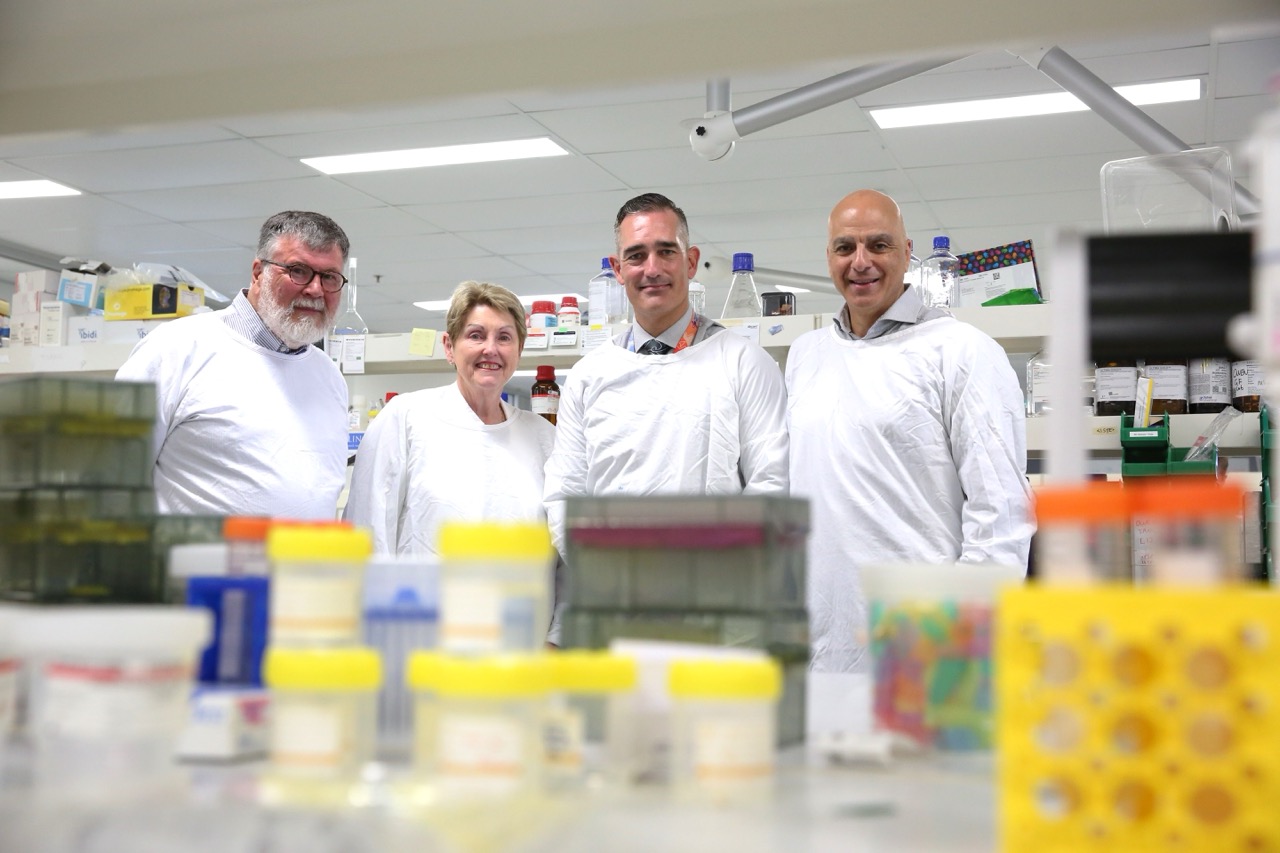
    An exciting partnership between AGRF Ltd (Australian Genome Research Facility) and the University of Sydney and the Kolling Institute will help strengthen genomic capabilities.

    The partnership will see a specialised team and cutting-edge technology located within the institute to progress research in this increasingly crucial field.

    As Australia’s largest provider of genomic services, AGRF supports researchers and organisations to drive discovery across clinical genomics, translational research, agriculture and environmental science.

    AGRF partners with medical and scientific communities to provide world class expertise and high quality genomic data from single-gene analysis to whole genome sequencing and biomarker discovery.

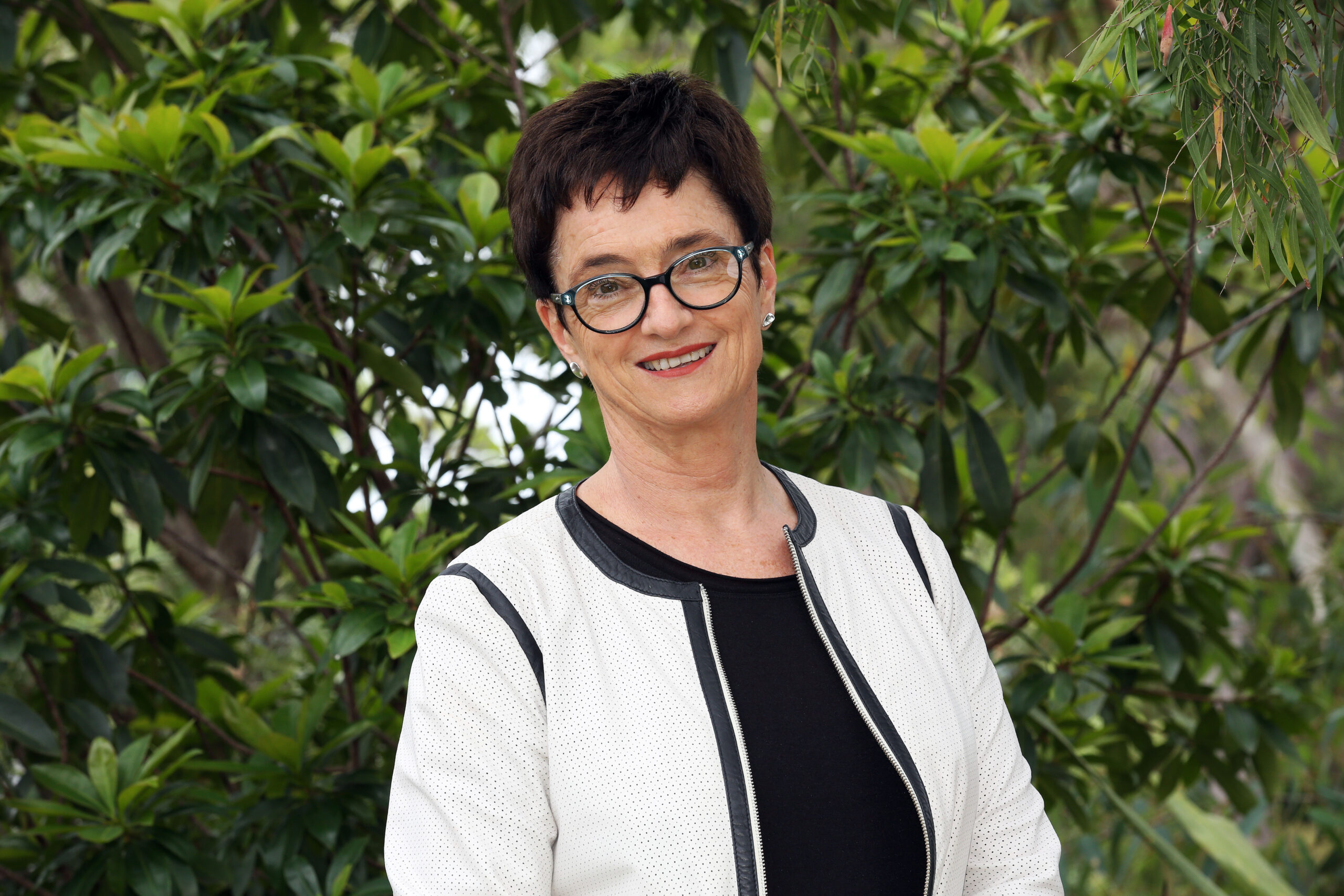
    Professor Robyn Ward, Executive Dean and Pro-Vice Chancellor of the Faculty of Medicine and Health at the University of Sydney welcomed the announcement saying there is a growing awareness of the need for genomics in healthcare.

    “We are proud to partner with AGRF, and we are looking forward to exploring collaborative research and educational opportunities with this leading genomics provider,” she said.

    “By establishing a translational genomics facility within the Kolling Institute, we will be well placed to progress innovative research and directly improve health outcomes.”

    AGRF Chairman Professor Simon Foote said he was pleased the partnership had been forged, saying genomics will increasingly help address some of society’s biggest challenges.

    “As Australia’s premier provider of genomic solutions, AGRF is delighted to partner with the University of Sydney and the Kolling Institute, where our shared strengths and synergies can advance cutting edge translational research,” he said.

    “This collaboration reflects our commitment to enable genomic discoveries to drive innovation, improve lives and build awareness of the transformative potential of genomics.”

    Northern Sydney Local Health District Chief Executive Adjunct Professor Anthony Schembri said it was an important step to establish the genomics facility within the institute which is located alongside Royal North Shore Hospital.

    “This specialised facility will help speed the translation of genomics research with direct input from leading clinicians and health providers,” he said.

    “The partnership will foster discovery science and a pathway to incorporate new knowledge and capabilities into clinical care.

    “We are excited to see the advancements in care by bringing together our collective strengths.”

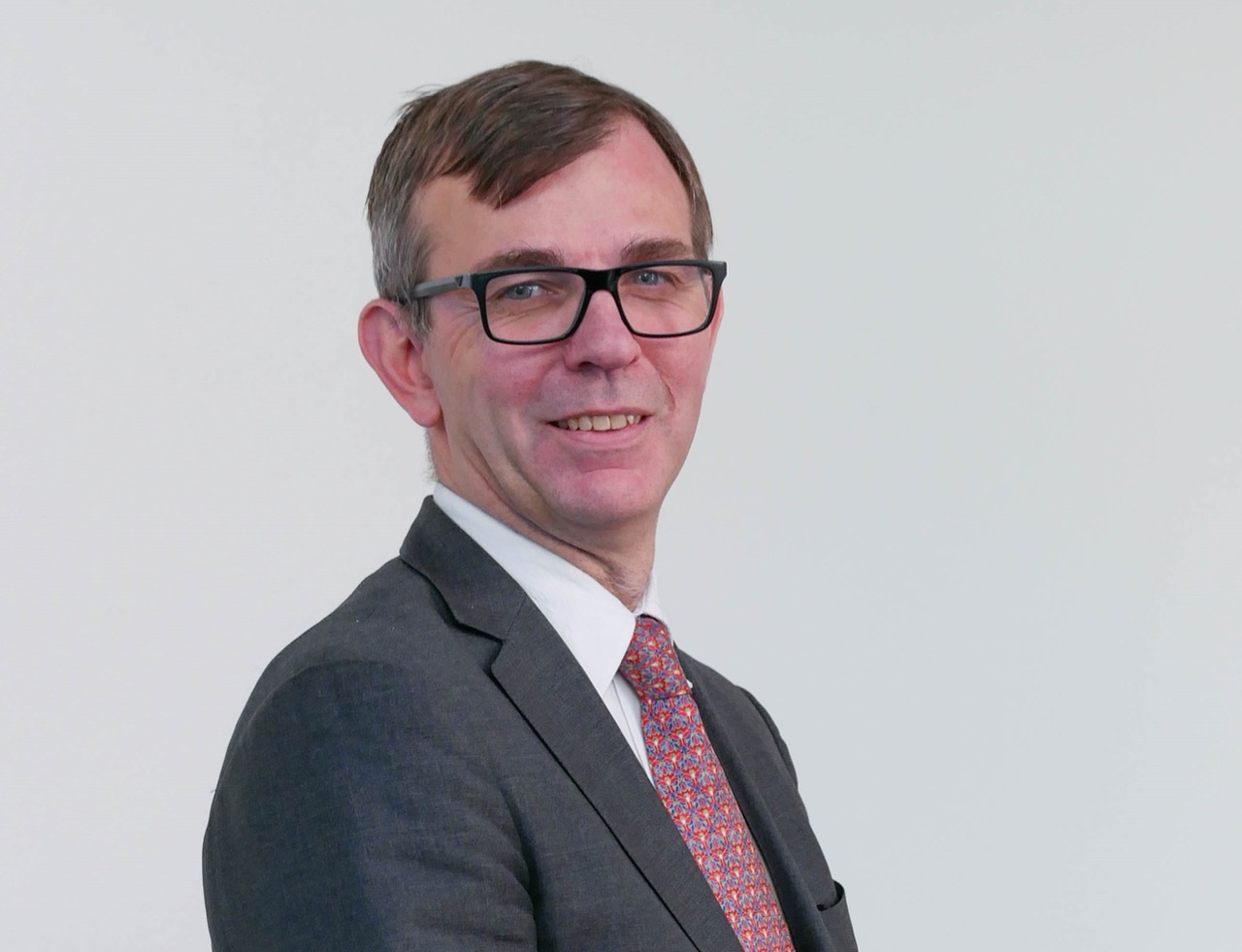
    Professor James Elliott, the Kolling Institute’s Academic Director said a collection of our researchers are already working with experts from AGRF.

    “We are looking forward to strengthening that relationship and the exciting opportunities and innovations to come from this strategic partnership,” he said. 

  • Clinical trials informed by patient care

    Clinical trials informed by patient care

    The Kolling Institute’s Professor Sue Kurrle and her team at the Rehabilitation and Aged Care Network at Hornsby Ku-ring-gai Hospital have been running clinical trials for 25 years, looking at dementia, frailty, and falls to name just some areas.

    “We do trials as it keeps you cutting edge and they are really important for our patients,” she says.

    As a geriatrician on the frontline, Sue is well positioned to identify the critical areas that need attention.

    “You want to do the research that helps answer some of the questions that your clinical practice throws up,” she says.

    Falls research

    Sue says one of the most impactful trials she participated in was during her PhD research on hip protectors for older people.

    Her study found that the underwear with built-in plastic “shields” stopped people from breaking or fracturing their hips when they fell.

    “I got involved in hip protectors because we were looking after so many hip fracture patients in our rehab ward at Hornsby,” she says.

    “It was the same with dementia and with frailty. Everything we’ve done in research has been driven by what you see in clinical practice.”

    Dementia

    With an ageing population in the area, Sue and the team have had a long interest in dementia.

    Since 1999, they have run 56 trials for dementia drugs, some of which are part of global studies. Although most haven’t been especially successful, Sue says a recent tablet is promising, with the results soon to be published.

    “The biggest message is that exercise is much more effective than medication in slowing the decline once you have dementia, or in delaying its onset. It’s one of the 12 modifiable risk factors,” she explains.

    In 2012, the NHMRC awarded her $25 million for the Cognitive Decline Partnership Centre, which funded 32 projects across the country which looked at care for people with dementia.

    “We developed the clinical practice guidelines for management of dementia, which were the first ones ever done in Australia,” she says.

    Frailty

    The frailty intervention trial (2011 to 2013) involved 241 frail Hornsby residents. One group received exercise and nutrition interventions, while other received normal care. The experimental group saw numerous benefits.

    “We turned frailty around,” she says, adding that the research is now being implemented in hospitals throughout Northern Sydney, with another frailty study soon to be published.

    Clinical trials can last up to five years, and older patients often bring a relative along. Sue and her colleagues, including clinical trials research coordinator Roseanne Hogarth and clinical nurse specialist Bronwyn Cook have developed close relationships, knowing their families, pets, and even sharing coffee outings.

    “They are like family,” says Sue. “The advantage of working in a smaller hospital is we really get to know our patients.”  

  • New research to capture those with frailty

    New research to capture those with frailty

    A $3-million research grant will help develop technology to identify frailty in older people in hospital, a crucial step towards improving care and long-term patient outcomes.

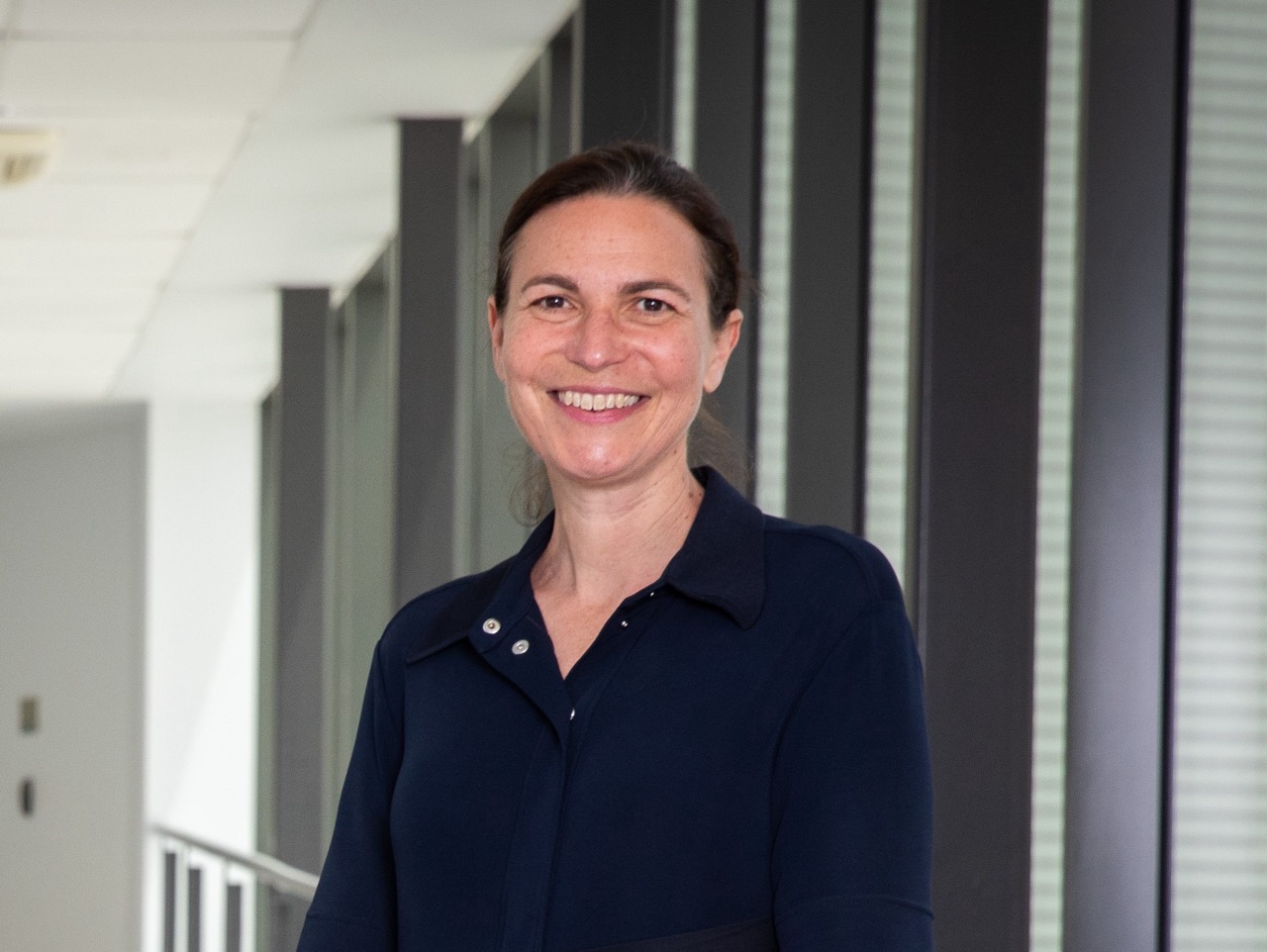
    The Kolling Institute’s Professor Sarah Hilmer will lead the large-scale study involving hospitals and universities across Australia as well as international investigators.

    Professor Hilmer said the five-year project will develop real-time frailty monitoring technology to help tackle one of the biggest challenges facing older people.

    “As we age, our risk of frailty increases, and we know that frail older people in hospital have a high chance of experiencing an adverse event, like confusion or a fall,” she said.

    “The technology that we are researching will use existing data from the electronic medical records to measure the Frailty Index, and this will automatically and efficiently screen hospital patients for frailty.

    “Identification of frailty is the essential first step to providing frailty-informed health care. It will also inform health services about the facilities, resources and staff required to meet the needs of people with frailty.

    “On an individual basis, it means patients will receive specialised, multidisciplinary care, including the Comprehensive Geriatric Assessment model of care, where patients are more likely to continue living at home and less likely to be in a nursing home up to a year after their stay in hospital.”

    The screening may be used for observational research or clinical trials of optimal therapies for people living with frailty.

    Professor Hilmer said the research project will help to bring models of care in line with international guidelines which strongly recommend that all older people are screened for frailty.

    “I am delighted to lead a strong, multidisciplinary, national and international team to develop the crucial technology we need for frailty screening of older people in hospital.

    “By automating frailty screening, health services and health professionals will be able to focus on providing optimal care tailored to the needs of frail older people, rather than spending precious time on manual screening.”

    The introduction of the automatic hospital screening will mark the first time the Frailty Index has been adopted in acute hospital care on such a large scale.

    The project has been developed following support from the Sydney Health Partners Geriatric Medicine Clinical Academic Group.  

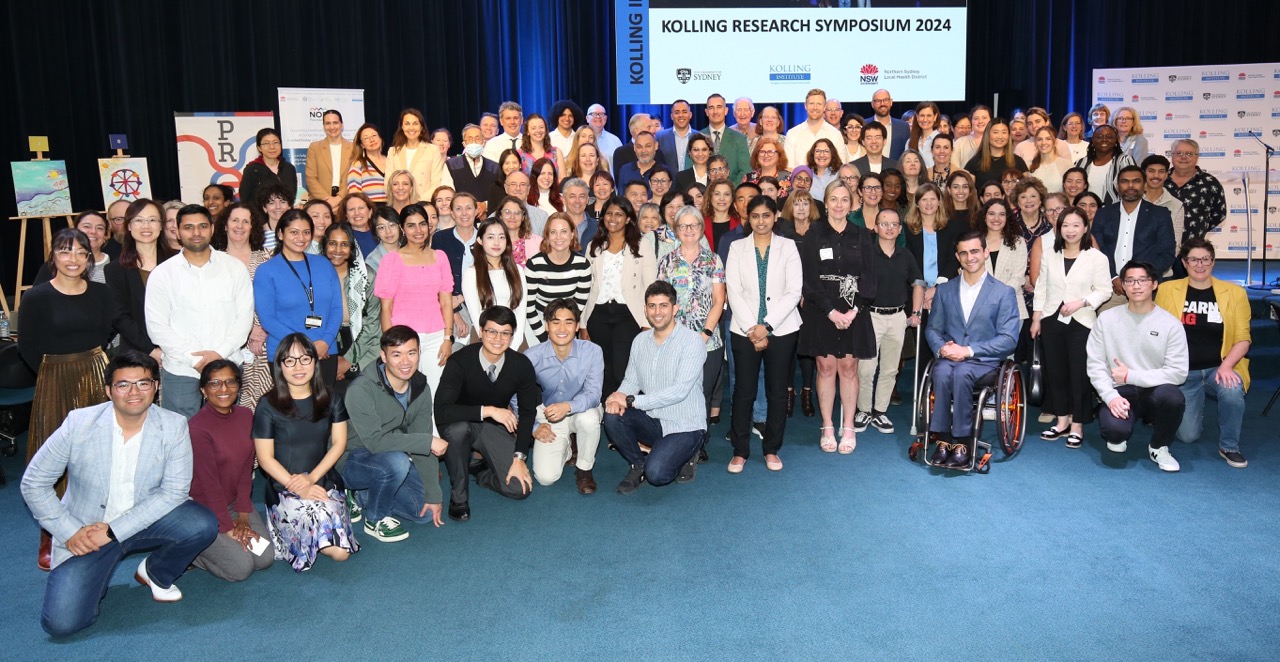
  • Kolling Research Symposium 2024

    Kolling Research Symposium 2024

    We would like to thank everyone involved in the 2024 Kolling Institute Symposium.

    During the event, a diverse collection of researchers detailed the latest progress with their ground-breaking work into kidney and heart disease treatments, bone and muscle conditions, rare cancers, and neurological challenges. There was a focus too on the innovative work to develop a unique wellbeing index.

    Researchers discussed how they’re tapping into technology to deliver care to large numbers of patients, improving outcomes with the latest heart valve devices and investigating the benefits of reducing multiple medications for older patients.

    The symposium brought together researchers, representatives from our joint venture partners (Northern Sydney Local Health District and the University of Sydney) and a growing network of community partners to celebrate our impactful work.

    Academic Director Professor James Elliott said the event featured thoughtful presentations, panel discussions, poster presentations, and an Oxford Debate on the impact of AI on healthcare. 

    “I would like to thank our guest speakers Professor Susan Morton, Director of INSIGHT at the University of Technology and Lifeline Australia ambassador and wellbeing advocate Matt Caruana who shared his personal experience and inspiring perspective,” he said.

    “The symposium provided an opportunity to hear how our researchers are extending our understanding of complex conditions and improving therapies and outcomes.  

    “It also offered the chance to highlight some special awards for a group committed to increasing access to high-quality care, and improving the health and wellbeing of our broader community.

    “I would like to congratulate the 2024 Kolling Institute award recipients for their remarkable commitment to our research success.” They include:

    PhD Supervision Award
    Associate Professor Sonia Saad
    Department of Medicine, Renal Research Laboratory

    HDR Student Award
    Amanda Purcell
    Renal Research Laboratory

    Discovery Science Award Category A
    Dr Nunki Hassan
    Cancer Stem Cell and Biology Laboratory

    Discovery Science Award Category B
    Dr Sumit Sahni
    Bill Walsh Translational Cancer Research Laboratory

    Professional Staff Award Category A
    Susan Smith
    Raymond Purves Bone and Joint Research Laboratory
    Kolling Histology Core Facility

    Professional Staff Award Category B
    Annette McCook
    Research Development Officer 

    Excellence in poster presentation
    Claire Wong

    Excellence in oral presentation 
    Dr Karan Rao

    “Thank you to the many people involved in bringing this large-scale event together to highlight the remarkable and life changing work underway at the Kolling Institute,” said Professor Elliott.

  • Kolling NEWS

    Kolling NEWS

    Our Kolling Institute newsletter brings together a collection of profiles on our impressive researchers. Flip through our flipping book to discover more about our leading research into kidney disease, rare cancers and the use of supplements for osteoarthritis. There’s a focus too on the first steps towards gene therapy for Meniere’s disease, the latest research into treatments for dementia and an innovative program taking musculoskeletal care to the bush.

  • Culturally relevant pain solutions

    Culturally relevant pain solutions

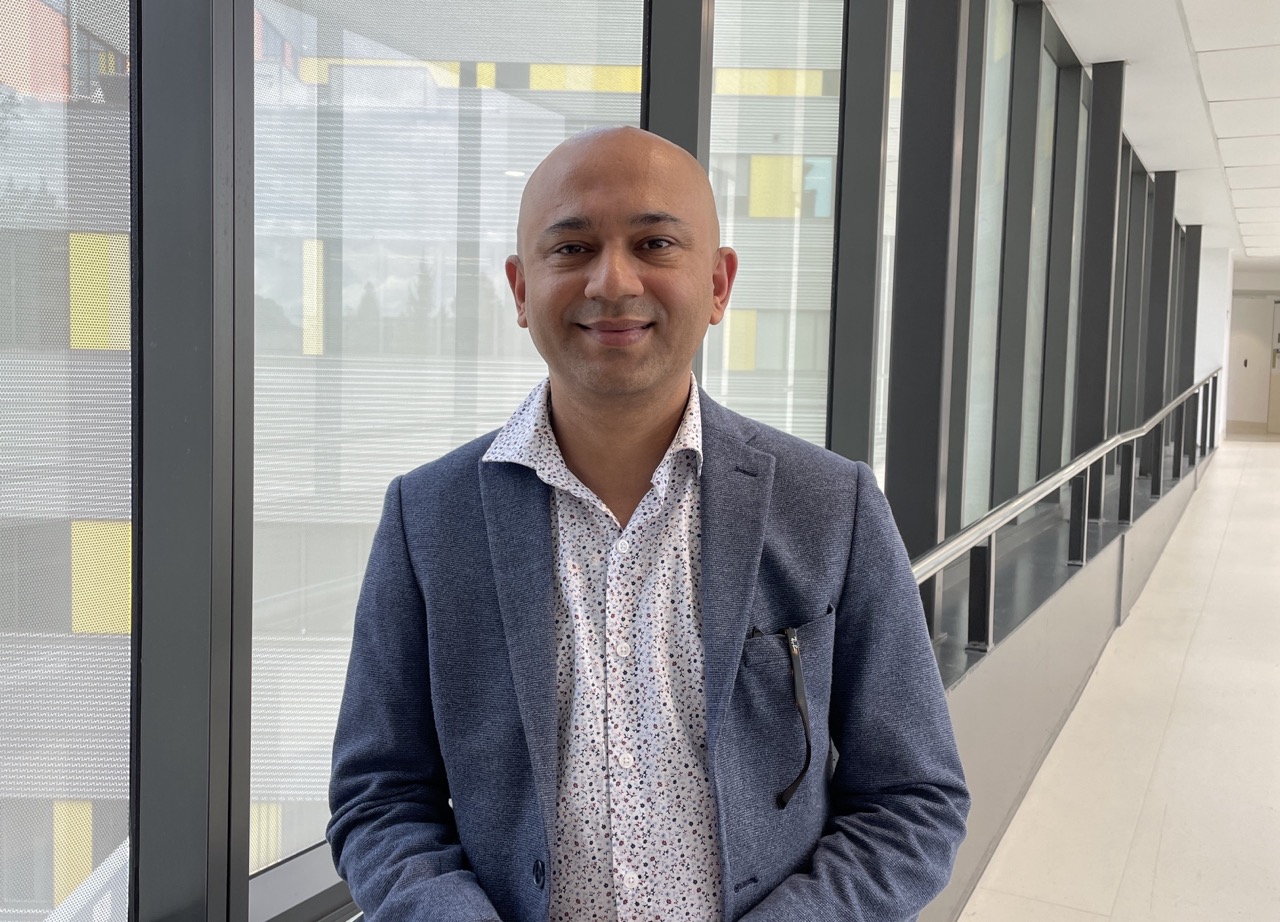
    After training as a musculoskeletal physiotherapist in India, the Kolling Institute’s Dr Saurab Sharma returned to Nepal to treat patients with musculoskeletal pain conditions but quickly found that Western practices to assess and treat pain didn’t translate well to his community. One issue was the internationally-recognised numeric pain rating scale, where zero indicates no pain and 10 is maximum pain.

    “Some people in Nepal struggle with it because they can’t compute numbers in their head,” he explains, making it difficult for them to rate their pain accurately. “Also, not many people take surveys in their day-to-day life. For many, it’s the first time in their life.”

    Saurab also noticed a lack of local research. “There’s no research on musculoskeletal pain in my region, specifically back pain,” he says. To address this, he collaborated with Professor Mark Jensen, a prominent pain researcher, and later completed a PhD in New Zealand.

    Now Chief Scientist for Clinical Research at the Kolling’s Pain Management and Research Centre Saurab emphasises the need for more pain research in low and middle-income countries, as well as culturally relevant interventions for diverse communities in Australia.

    Saurab’s work has focused largely on Nepal. He compared four pain scales and found that the numeric scale had the highest error rate and was disliked by patients.

    The “Faces rating scale,” which uses facial expressions to indicate pain intensity had the best results and was preferred by patients.

    He has translated and validated 29 pain assessment tools for Nepal, but there’s still more work to be done. He also developed educational resources using local language and metaphors to describe pain; they have now been adapted for four countries and languages.

    Importantly, he believes the West can learn from Nepal’s approaches to pain management. In countries with limited access to multidisciplinary teams, peer support groups in communities often play a vital role.

    “We could implement similar models here in Australia,” he suggests, proposing that individuals could be trained for a few days in evidence-based pain management and then support others in their community.

    To boost back pain research, Saurab formed a consortium of researchers, clinicians, and patients from 35 low- and middle-income countries. “In many countries, there’s no local pain research. We don’t even know how back pain is managed.”

    In a recent study, he found that in majority of countries patients have to rely on pharmacotherapy and electrotherapy, neither of which is recommended. Harmful interventions with no evidence of effectiveness such as bloodletting is also used in some countries.

    “Education and self-management are recommended by most global back pain guidelines but are rarely used,” Saurab notes. He’s now developing interventions to treat pain in Australia’s diverse communities, including Nepali, Chinese, Indian, and Vietnamese populations. 

  • Spotlight on clinical trials

    Spotlight on clinical trials

    Kolling Institute researcher and Royal North Shore Hospital endocrinologist Professor Rory Clifton-Bligh has been involved in clinical trials for more than 20 years, focusing on conditions such as osteoporosis, thyroid cancer and diabetes.

    Patients in the endocrinology clinic have sometimes accessed medication 10 years ahead of other Australians.

    Many of these drugs have gone on to be listed on the Pharmaceutical Benefits Scheme.

    “The trials have all been quite transformational in their areas,” he says.

    Addressing rare diseases

    Unfortunately, patients with rare diseases have often faced limited treatment options.

    However, over the past 10 to 15 years, Rory has seen a significant increase in the number of clinical trials for rare diseases, including some involving his department.

    The shift has flowed from the Orphan Drug Act, a US law passed in 1983 that incentivised drug development for rare diseases, making it easier for the US Food and Drug Administration to grant approvals.

    Current trials and recruitment challenges

    Rory and his team are currently enrolling participants for several trials spanning rare bone, thyroid cancer, cholesterol and lipid diseases.

    “It’s a fairly diverse portfolio of clinical trials in the rare disease space,” he says.

    Recruiting patients can be challenging but multi-centre study centres around the world help.

    Rare diseases are defined differently in parts of the world. In Australia, it is considered rare if five in 10,000 people have the condition while in the US, it’s rare if it affects fewer than 200,000 people.

    Paradoxically, rare diseases are not rare.

    Rory points out that rare diseases are more common than people think.

    He emphasises the broader importance of clinical trials for providing access to new therapeutics and enhancing clinical practice.

    “What we call best practice is yesterday’s medicine. Clinical trials are tomorrow’s medicine.” 

  • New collaboration to drive world leading research into osteoarthritis treatment

    New collaboration to drive world leading research into osteoarthritis treatment

    An innovative partnership with industry will see our researchers at the Kolling Institute develop evidence-based strategies to improve osteoarthritis management in Australia and globally.

    Consumer healthcare company Haleon is sponsoring a five-year fellowship to investigate the role of supplements in managing osteoarthritis and digital health technologies to improve mobility.

    Osteoarthritis is a leading cause of disability, impacting more than two million Australians and 595 million people globally. It represents a significant public health burden particularly among older populations.

    The fellowship will fund a postdoctoral researcher to work under the guidance of world leading osteoarthritis expert, rheumatologist and researcher Professor David Hunter. Dr Jocelyn Bowden has been awarded the fellowship and is looking forward to broadening our understanding of the use of supplements and innovative digital technologies.

    Professor Hunter said the research collaboration represents a shared focus and investment in improving osteoarthritis management.

    “This is a painful and disabling disease that has a huge impact on the people affected.”

    “A collaborative effort between researchers and manufacturers will drive innovation and hopefully improve the lives of those affected by this disease.

    “Use of supplements and natural ingredients in managing osteoarthritis is an exciting area with a lot of potential. I’m not aware of any other long-term project like this focusing on osteoarthritis.”

    Dr Bincy Thampi, Medical and Scientific Affairs Lead at Haleon ANZ said they were excited to work with researchers to deliver better management strategies for the disabling disease.  

  • Collaboration driving results

    Collaboration driving results

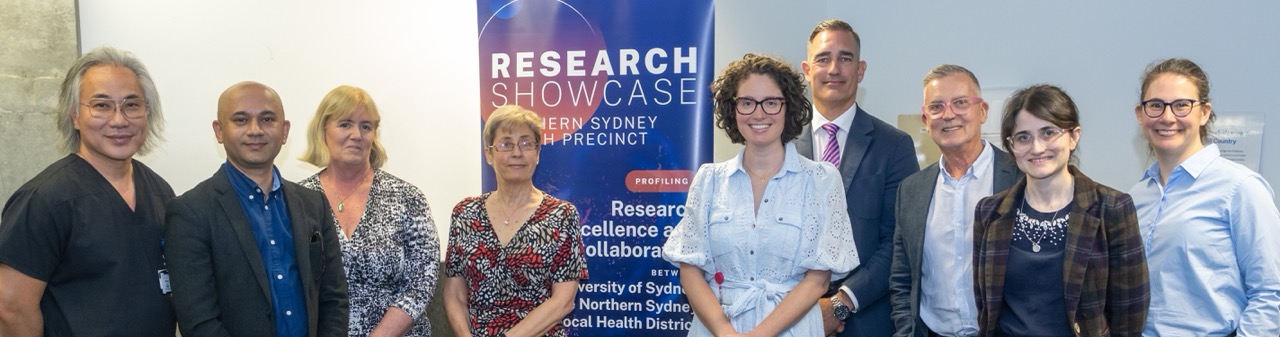
    The Northern Sydney (Arabanoo) Precinct hosted its annual showcase at the Kolling, highlighting the innovative research between the Northern Sydney Local Health District and the University of Sydney.

    Launched in 2022 by Academic Directors Professors James Elliott, Robyn Gallagher and Margaret Schnitzler, the showcase focused on the joint research tackling complex healthcare challenges.

    Eight speakers addressed the event, including Dr Julia Pilowsky who presented her research on the use of advanced algorithms to detect pressure injuries from ICU clinical notes.

    Dr John Atyeo shared his work on developing AI models of pelvic floor anatomy. These models are expected to provide valuable insights for surgeons and physiotherapists.

    Professor Trudy Rebbeck presented the results of the PACE-MSK clinical trial, which involves a stepped care model for musculoskeletal conditions. She discussed how her team plans to adapt this model to better serve rural Australian communities, sparking interest in how healthcare can be tailored to meet regional needs.

    Dr Adrian Lim discussed his interdisciplinary approach to advancing neurofibromatosis care. His work, which integrates genetics, dermatology and AI, has laid the foundation for improved diagnosis and treatment of this rare condition.

    Wrapping up the event, Dr Saurab Sharma discussed the challenges and solutions for providing equitable pain management in low-income settings.

    Academic Director Professor James Elliott said the showcase provided a terrific platform to feature the breadth of high impact clinically relevant research.

    “The work presented spans dermatology to medical oncology, physiotherapy, nursing, psychology and radiation therapy with outcomes and measures impacting terrestrial and extraterrestrial human health and wellbeing,” he said.  

  • Innovation at the Kolling’s core

    Innovation at the Kolling’s core

    In the heart of the Kolling Institute, a world-renowned research centre, a raft of clinical trials is driving the future of healthcare.

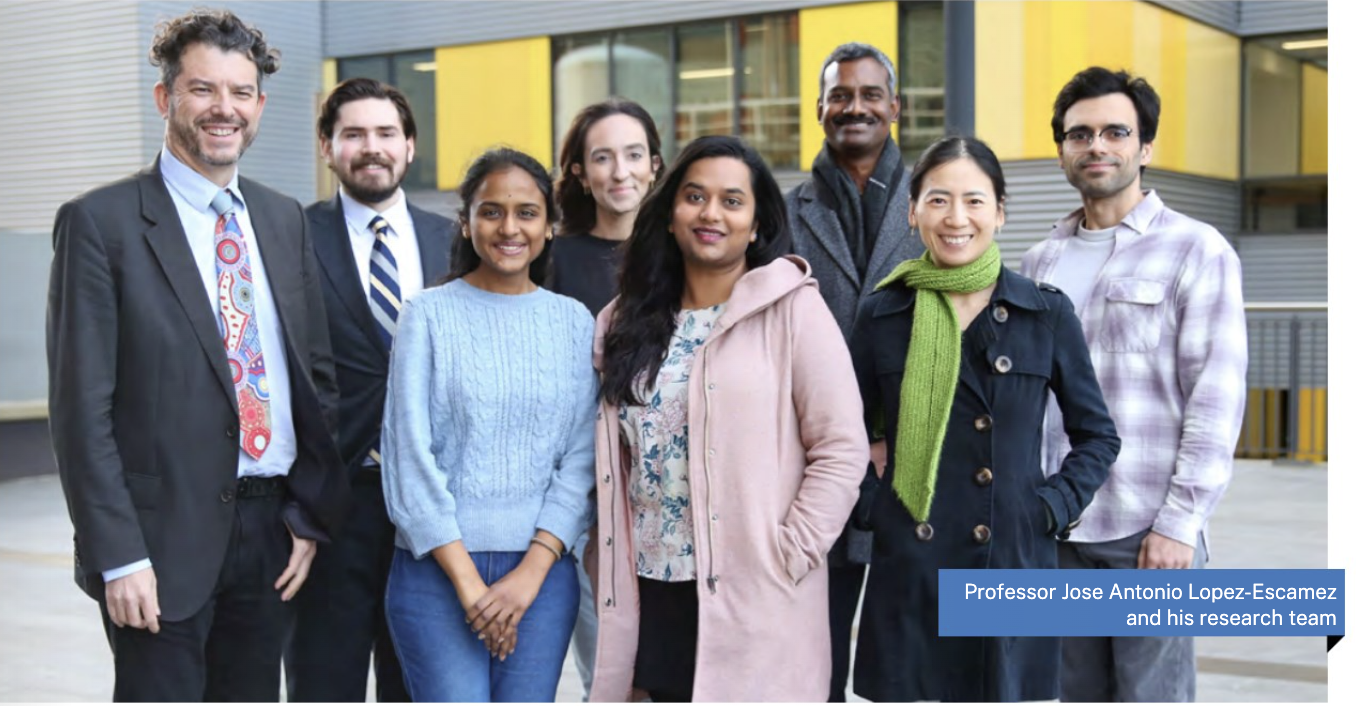
    “Clinical trials are intrinsic to research,” says Professor James Elliott, Academic Director of the institute. “They help us test something so that we can better inform care for patients with various conditions who come to our hospitals for treatment.”

    The Kolling Institute has a strong track record in conducting impactful clinical trials. Notably, it has been involved in running multiple trials for those with heart and kidney disease, musculoskeletal conditions and chronic pain.

    Their cancer trials have made significant contributions across various tumour streams, including pancreatic, haematological, breast, and bowel cancers.

    James emphasises that basic science, discovery and scientific innovation are embedded in the Kolling’s over 100-year history.

    “Often, it is those innovations from our basic science laboratories that ultimately inform the mechanisms by which trials are developed.”

    James adds that understanding the ways diseases work allows researchers to target trials more precisely, leading to better patient outcomes.

    However, the need for trials sometimes outpaces scientific understanding.

    “We can’t always wait for a full understanding of a disease,” James notes. “In some cases, we must move forward with trials to push the needle on patient care, even as we continue to explore the underlying mechanisms.”

    A key advantage for the institute is its proximity to one of Australia’s largest tertiary hospitals, Royal North Shore Hospital. This connection provides access to a vast patient population, which is crucial for conducting large-scale clinical trials.

    “We serve over a million patients,” says James, stressing the importance of their “trial as therapy” culture. “We want patients to expect that they may be invited to participate in a clinical trial or research study as part of their care.”

    The Kolling Institute is a world leader in researching osteoarthritis, musculoskeletal conditions, cancer, neuroscience and pain, and cardiac, cardiovascular and renal disorders. 

NSWGOV logo