Blog

  • Spine Health Focus

    Spine Health Focus

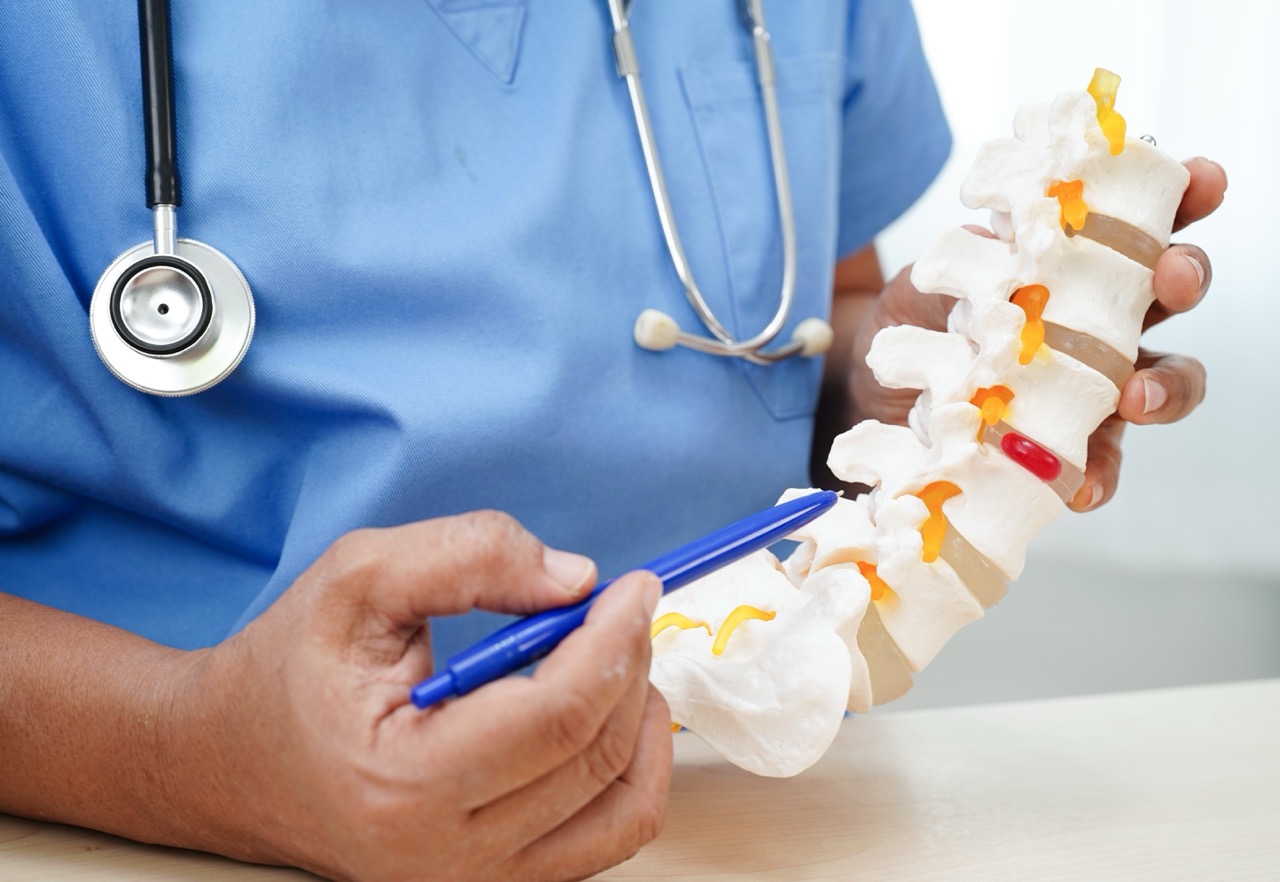
    As we mark Spinal Cord Injuries Awareness week, we would like to highlight the clinicians, researchers and members of the community working to improve outcomes for people living with a spinal cord injury.

    Research improving spinal care

    At the Kolling Institute, we have a large number of people driving innovative and potentially life-changing research, including the expert team at the John Walsh Centre for Rehabilitation Research.

    Here, investigators are using the very latest and promising therapies to reduce the disabling pain often experienced by people with a spinal cord injury. They’ve developed national healthcare guidelines and they’re improving crucial resources. Our researchers are also providing valuable information about the best rehabilitation techniques.

    More than 50 years of spinal care and research at Royal North Shore Hospital

    Royal North Shore has a long history of advancing clinical care and research in spinal injury and spinal disease.

    This was driven by Professor Tom Taylor, who was appointed the inaugural Professor of Orthopaedic and Traumatic Surgery at the University of Sydney in 1969. He was a true clinical scientist, well before the term gained common parlance.

    Tom was a specialist spine surgeon and internationally recognised authority on spinal trauma and paediatric spinal pathology.

    In his position as head of Orthopaedics at RNSH, Professor Taylor not only grew the clinical spine service but also founded the Raymond Purves and the Murray Maxwell Biomechanics Labs. These are now part of the Kolling Institute and continue to conduct research into spine injury and disease.

    Research at the Raymond Purves Lab continues Professor Taylor’s legacy, with over 100 publications related to disc disease. These have made extraordinary contributions to our understanding of the cellular and molecular mechanisms of this condition, and advanced new treatment approaches using stem cells.

    SpineCare Foundation offering strong support

    Professor Taylor’s impact in spinal injury and disease extends beyond RNSH, through the SpineCare Foundation. It cares for children with spinal cord disease or injury, and initiated the schools’ scoliosis testing program for adolescent girls.

    The SpineCare Foundation continues today as part of Northcott, and in 2025, is celebrating 40 years of support for research, new resources and education for children with spinal cord injury and dysfunction.

    SpineCare is currently supporting two PhD projects at Western Sydney University, and every year funds multiple scholarships to support students with a spine associated disability to attend tertiary education and pursue a higher degree.

    This wonderful program reflects Professor Taylor’s firm belief in the importance and power of education.

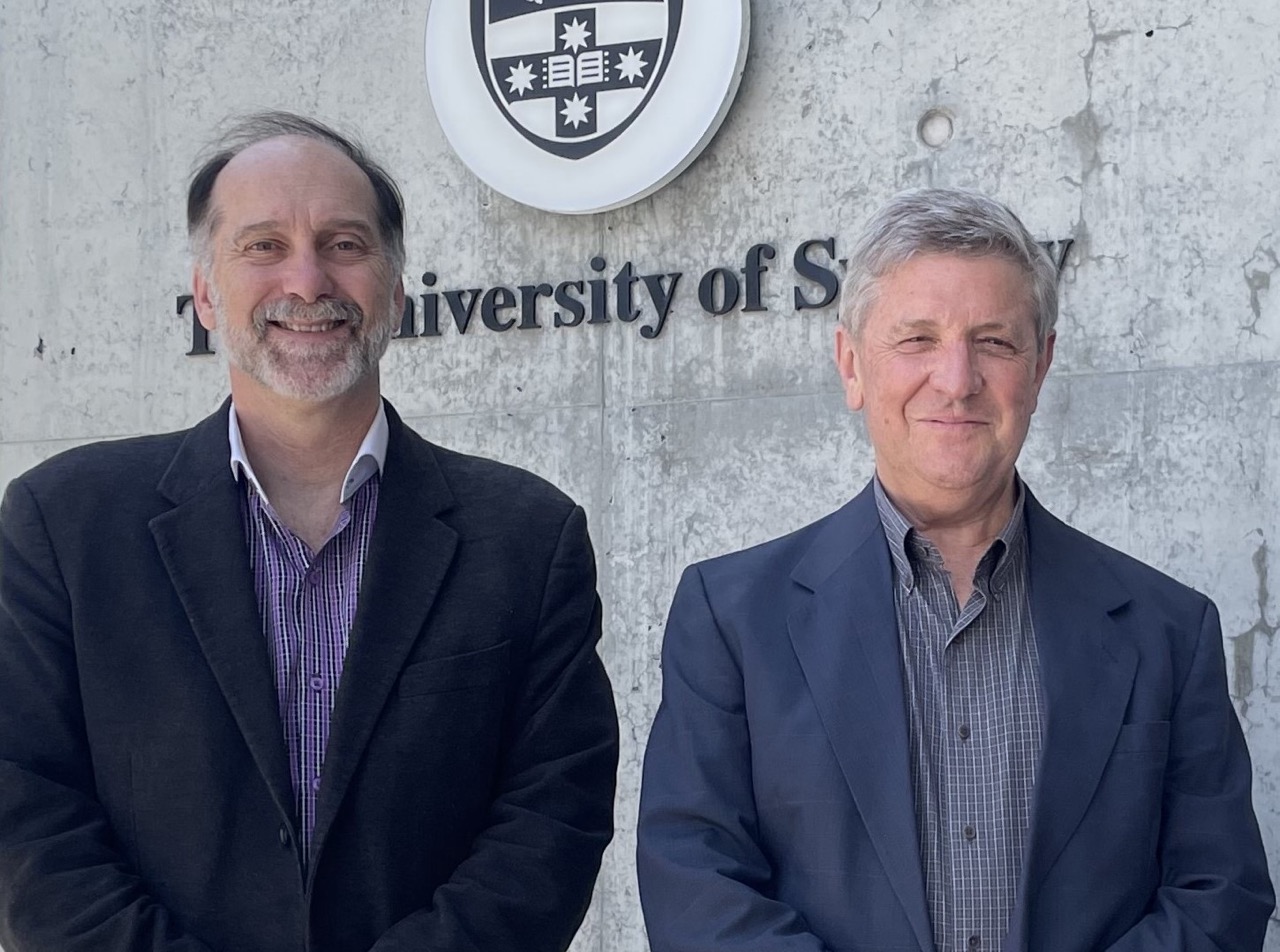
    Continuing the RNSH and Kolling connection, Professor Chris Little, the current director of the Raymond Purves Research Lab, sits on the Board of the SpineCare Foundation.

    “I’m so pleased to be able to support research and education in spinal injury and disease, both through the discovery science we do in the lab and the opportunities made possible through the SpineCare Foundation,” he said.

    “Having even a small part in helping extraordinarily talented people with spinal injuries and conditions achieve their higher education goals through the SpineCare Scholarships is really humbling.”

    “I’m excited to publicise and support Spinal Cord Injuries awareness week this week.

    “Fittingly, on World Spinal Cord Injury Awareness Day (Sept 5), I will be co-hosting with Professor Ashish Diwan (Chair of Spinal Surgery University of Adelaide) and Prof Chris Maher (Director of the Institute for Musculoskeletal Health University of Sydney) the 7th Annual Sydney Spinal Symposium. The symposium aims to foster collaboration and knowledge exchange among professionals dedicated to improving spinal care.”

  • Researchers work to reduce debilitating spinal cord injury pain

    Researchers work to reduce debilitating spinal cord injury pain

    When we think of the impact of a spinal cord injury, we tend to focus on the significant limitations with the loss of mobility, but for a large share of people living with this injury, it’s actually the chronic pain which is one of the most challenging issues to manage long-term.

    Neuropathic pain affects about 60 per cent of people with a spinal cord injury. It’s generally felt at or below the zone of injury and is often described as sharp, burning, unbearable and even terrifying.

    It can lead to a range of challenges like depression, catastrophizing or panic thinking, poor sleep, social isolation and reduced physical activity.

    Professor of Rehabilitation Ashley Craig said medications like antidepressants, antiepileptics and opioids are used to treat neuropathic pain, but they offer limited relief and come with a host of side effects.

    “Most medications provide only a third of patients with up to a 30 per cent reduction in their pain, while other non-medication approaches have failed to have any real impact,” he said.

    However, an exciting clinical trial will shortly get underway as a result of a $2.2 million grant through the Medical Research Future Fund.

    The team from the Kolling Institute’s John Walsh Centre for Rehabilitation Research will work with national and international experts to investigate the impact of an innovative approach targeting pain pathways in the brain.

    This new approach will combine direct brain stimulation with an advanced interactive brain-computer neuromodulation therapy.

    Professor Craig said both these interventions are showing some promising results, and we are looking forward to measuring the impact of their combined approach.

    “Our research will aim to confirm if these therapies will offer significant and consistent improvements in neuropathic pain for people living with a spinal cord injury,” he said. 

    “Chronic pain after a spinal cord injury results in an altered cortical neurochemistry and blood flow resulting in cortical dysrhythmia.

    “This is where brain neuromodulation therapy can really help. It involves a non-invasive approach to correcting the dysrhythmia and improving pain.

    “Interactive brain computer therapy is an extension of established treatments, while direct brain stimulation is a well-tolerated form of non-invasive brain stimulation to promote brain plasticity.

    “We are keen to test these approaches through the clinical trial and help provide evidenced based guidelines to relieve neuropathic pain and improve outcomes for those living with a chronic spinal cord injury.”

    This clinical trial will also help researchers at the John Walsh Centre for Rehabilitation Research pursue other innovative psychological interventions to reduce catastrophizing thinking and subsequently neuropathic pain.

  • Researchers helping those with osteoarthritis weave more exercise into their day

    Researchers helping those with osteoarthritis weave more exercise into their day

    Our researchers at the Kolling Institute are leading a national clinical trial to support people with hip or knee osteoarthritis become more active.

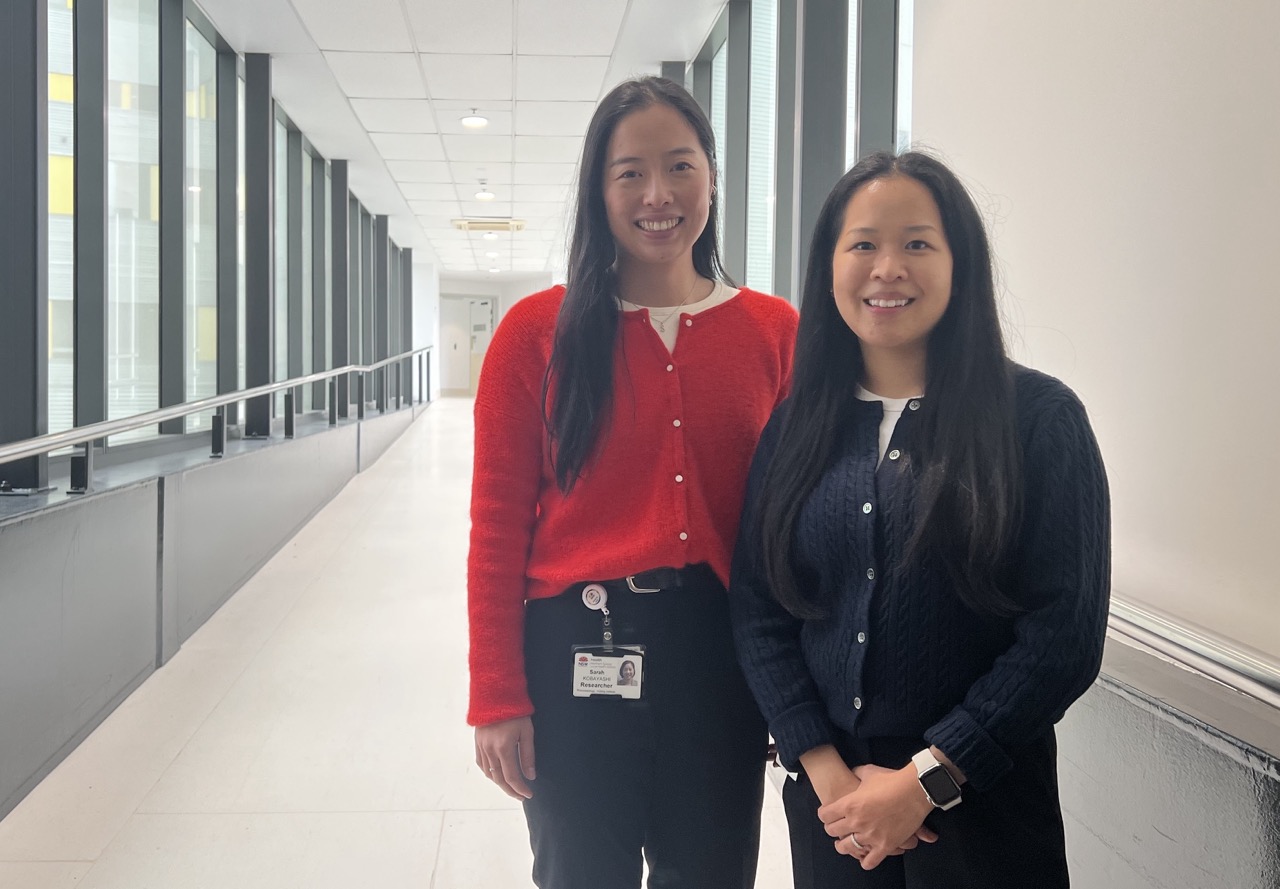
    Study co-lead Dr Vicky Duong said we know that staying active is an important part of managing osteoarthritis symptoms, and yet 90 per cent of people with the condition are not meeting the national physical activity guidelines.

    Our team from Osteoarthritis Clinical Research Group has launched a study to identify the best way to incorporate more activity into each day.

    The trial will involve a 12-week self-guided physical activity program where participants will be offered either a detailed program and a Fitbit activity tracker, or just the assistance of the Fitbit tracker.

    Dr Duong said it was important to involve the community in the design of this trial.

    “Last year, we travelled around Australia to help adapt and design the program to ensure it was relevant for people right across the country,” she said.

    “We hope that by listening to a broad range of communities that we have developed a program which will deliver improved results and better health outcomes.”

    Co-lead Dr Sarah Kobayashi said the guidelines recommend 150 to 300 minutes of moderate physical activity a week or 75 to 150 minutes of vigorous physical activity a week, or an equivalent combination of both.

    “This level of activity directly reduces osteoarthritis symptoms and helps people manage the condition, so we’re looking forward to finding an evidenced-based approach to help the community reach that amount of activity,” she said.

    The study has been funded by the Medical Research Future Fund and supported by Arthritis Australia state groups.

    If you’re interested in joining the trial, further details can be found on the website. 

    The study has been approved by the NSLHD HREC  2024/ETH01898.

  • Combining medication and exercise could greatly reduce osteoporosis risk

    Combining medication and exercise could greatly reduce osteoporosis risk

    Researchers from the Kolling Institute and Royal North Shore Hospital are inviting women aged 50-80 to join a study to assess the effectiveness of combining exercise with medication for better bone and muscle health in postmenopausal women.

    Endocrinologist and researcher Dr Shejil Kumar said we know that exercise has benefits for bone and muscle health, and there are effective treatments available to strengthen bones.

    “However, what we don’t know is whether combining exercise plus medication at the same time can lead to even greater improvements in bone and muscle health than either approach on its own,” he said.

    The study will use a medication which is registered and approved in Australia and has been shown to increase bone density and reduce fracture risk in large international studies.

    The research team will aim to assess how different combinations of treatment improve bone density, muscle strength, body composition, physical function and risk of falls.

    Participants will be randomly assigned to different treatment groups, including a supervised group class focusing on weightbearing exercises and a home-based exercise program concentrating on mobility and balance.

    “We believe this combination will be more effective and could dramatically change the way we treat and prevent osteoporosis going forward,” Dr Kumar said.

    Researchers have recruited 45 women into the study and are hoping to reach a target of 75 by 2026.

    For further information email Shejil.Kumar@health.nsw.gov.au.

    (The study has been approved by the NSLHD Ethics Committee (2022/ETH01794)  

  • Unique online resource launched for Menière disease

    Unique online resource launched for Menière disease

    Researchers from the Kolling Institute and the University of Sydney have joined with international collaborators from Spain, America, South Korea and Brazil to develop a website to improve the genetic diagnosis and management of Menière disease.

    The Menière Disease Atlas of Genes and Cells is a free, open resource which can be used by researchers and clinicians globally as a reference dataset for diagnosis and personalised medicine.

    It can be used by researchers to better understand the molecular basis of hearing loss.

    The web portal hosts the reference multi-omic dataset which includes genomics, epigenomics and transcriptomic information.

    Kiana Bagheri, computer science research associate in the Kolling Institute’s Menière Disease Neuroscience Lab, and several Masters students in data science at Macquarie University designed the web portal.

    World leading researcher and head of the lab, Professor Jose Antonio Lopez Escamez said the resource will provide information for diagnosis and management of triggers for the condition.

    “Our collaboration means it will be possible to generate data from patients from across the world to support the genetic diagnosis of the disease.

    “We are working to incorporate data from more countries so we have a broader representation of the population.”

    Inflammation key indicator

    The genomic dataset lists all variants and genes found in 425 patients with Menière disease.

    “By examining the gene expression data through blood samples, we are able to determine the immune response in Menière disease patients.

    “This is a way to understand if the patient has a persistent inflammation associated with the disease, a finding observed in 50 to 60 per cent of patients.”

    He said researchers and doctors could search for genes and immune dysfunction, comparing data from one patient with the dataset to see if other patients have the same genetic mutations and type of immune response.

    In future, this may assist with tailoring therapy to each patient based on their genetic profile to reduce symptoms or cure the disease.

    “This is our goal, a personalised approach,” said Prof Lopez Escamez.

    “Practice can change quickly once most doctors perform genetic and immunological testing.”

    Patients who would like to have their genetic profile assessed can email meniereaustralia@sydney.edu.au

    The web portal can be accessed here: 

    If you have any questions, feedback, or suggestions about the portal, feel free to reach out at mdnl.atlas@sydney.edu.au 

  • International honour for Kolling researcher after 40-year service to spinal cord injury care

    International honour for Kolling researcher after 40-year service to spinal cord injury care

    A career dedicated to improving the physiotherapy management of people with spinal cord injury has been recognised with the highest honour by the International Spinal Cord Society.

    Leading physiotherapist and researcher Professor Lisa Harvey was presented with the gold medal in front of the world’s best spinal cord injury clinicians and researchers in Belgium.

    Professor Harvey, who works at the John Walsh Centre for Rehabilitation Research in close collaboration with the Spinal Unit at Royal North Shore Hospital, received the award for her outstanding contribution to the field of spinal cord injuries.

    Lisa has held many positions with the international society over the last three decades, including chair of the Education Committee, Editor-in-Chief of the society’s official publication, Spinal Cord, board member and now chair of the Science and Research Committee.

    She has been instrumental in the development of online training for healthcare professionals treating people with spinal cord injuries and has overseen the development of freely available software to support physiotherapists prescribing exercises.

    These resources can be found at www.elearnSCI.org and www.physiotherapyexercises.com

    Lisa has taught physiotherapy management for people with a spinal cord injury in most corners of the world and has authored the leading textbook in the field. Along with colleague, Joanne Glinsky, Lisa runs online courses for up to 25,000 students.

    She is also an active researcher, publishing widely and supervising PhD students. She is currently leading one of the largest international clinical trials to examine the effectiveness of a type of physiotherapy in the early days after injury.

    Lisa said she was very grateful to receive the top honour which brings an invitation to deliver a plenary lecture at the society’s conference in Sweden in November.

    “I feel particularly proud to have received the International Spinal Cord Society gold medal on behalf of allied health professionals, especially physiotherapists everywhere who have never been recognised in this way,” she said.

    “I would like to pay particular tribute to Associate Professor Joanne Glinsky who has been instrumental to my career and who, along with Claire Boswell Ruys, nominated me for this award.”  

  • Podcast offers insight into the future of healthcare

    Podcast offers insight into the future of healthcare

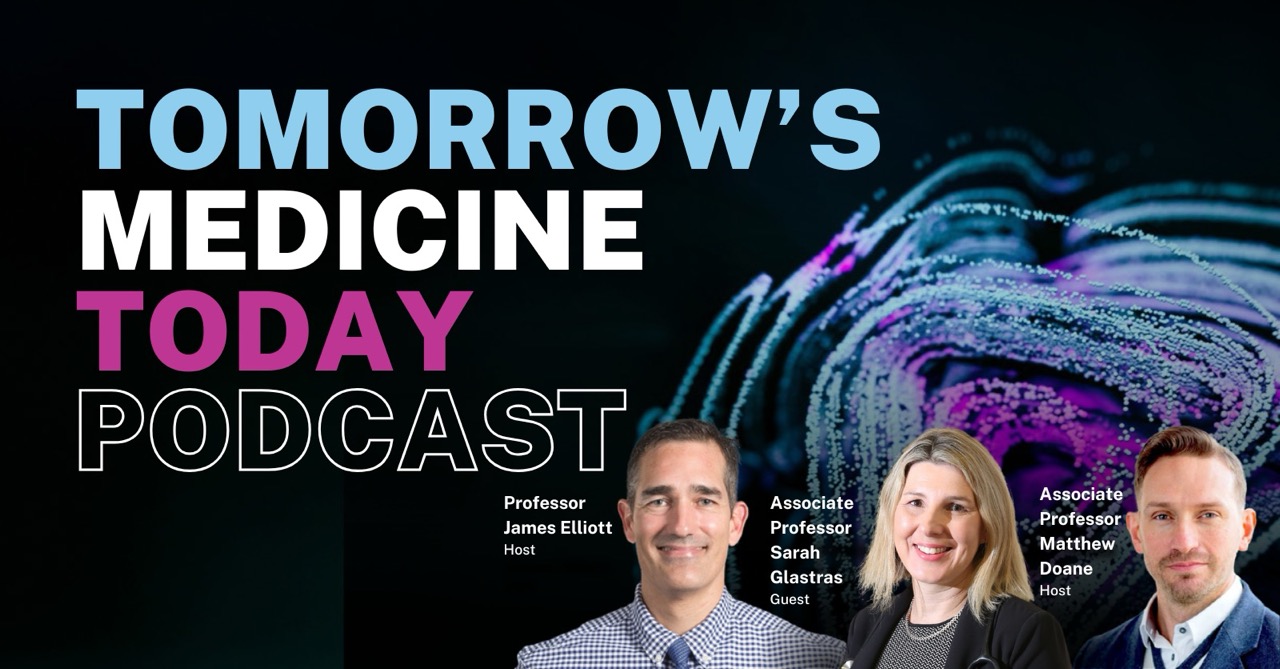
     A fascinating and informative podcast has been launched showcasing groundbreaking research, innovative healthcare, and inspiring stories from across Northern Sydney.

    Tomorrow’s Medicine Today is an initiative of the Northern Sydney Local Health District and the Kolling Institute, New South Wales’ oldest medical research institute.

    Co-hosted by the Kolling Institute’s Academic Director Professor James Elliott and leading Royal North Shore Hospital anaesthetist Dr Matthew Doane, the series offers an insight into the impressive clinicians and researchers driving innovation and life-changing healthcare.

    It’s a behind the scenes look at the latest advances in healthcare, as well as some inspiring stories from clinicians, researchers and their broader teams.

    Anthony Schembri, Chief Executive of the Northern Sydney Local Health District, said the podcast offers a great opportunity to highlight our strength in research and innovation.

    “Our teams are delivering truly outstanding work in healthcare and medical research,” he said.

    “This podcast is a fantastic platform to share that work with our community and direct the spotlight to the people behind the breakthroughs.”

    Co-host Professor James Elliott said the series demonstrates the depth of talent and discovery in Northern Sydney.

    “Each year, Stanford University publishes a list of the top two per cent of researchers globally, and many of those names are my colleagues right here at the Kolling Institute and the local health district,” he said.

    “That’s what inspired this podcast. It’s a chance to share details of the world-class research and healthcare here in Northern Sydney with a wider audience.”

    The first episode is now available featuring Associate Professor Sarah Glastras on the future of diabetes care and prevention.

    Listen here:

    New episodes will be released fortnightly. You can also check them out on Spotify: 

  • Celebrating over 100 years of innovation

    Celebrating over 100 years of innovation


    The inaugural Eva Kolling Research Day was staged within Royal North Shore Hospital, providing the perfect chance to celebrate the vision and generosity of a true pioneer.

    Established in 1920, the Kolling Institute is the oldest medical research institute in New South Wales. It has been at the forefront of cutting-edge research for more than a hundred years, with its founding director Dr W. Wilson Ingram opening the first clinic for diabetes treatment in Australia.

    In 1931, a new two-storey building was officially opened and named the Kolling Institute of Medical Research after businessman Charles Kolling. His widow Eva was a strong supporter of research and made a substantial donation towards the development of the new building.

    The Kolling Institute’s iconic photo features Eva laying a foundation stone. 

    Her vision and the long-standing impact of the Kolling were highlighted at the inaugural research day by Royal North Shore Hospital honorary archivist Catherine Storey OAM, who shared insights into the Kolling’s remarkable journey.

    The institute’s Academic Director Professor James Elliott said the event offered the chance for researchers to engage with visitors, to learn more about the health challenges facing the community, and to share details of their current research.

    “A key part of our research success will depend on the strength of our community ties, including community driven clinical trials and broad community involvement,” he said.

    “I would also like to thank the NORTH Foundation for their unrelenting support, and for raising awareness of the dedicated and skilled clinician researchers within the Kolling Institute.”

    Early-to-mid-career researchers presented a poster display, illustrating their commitment to improving health outcomes, driving new health policy, and realising global reach.

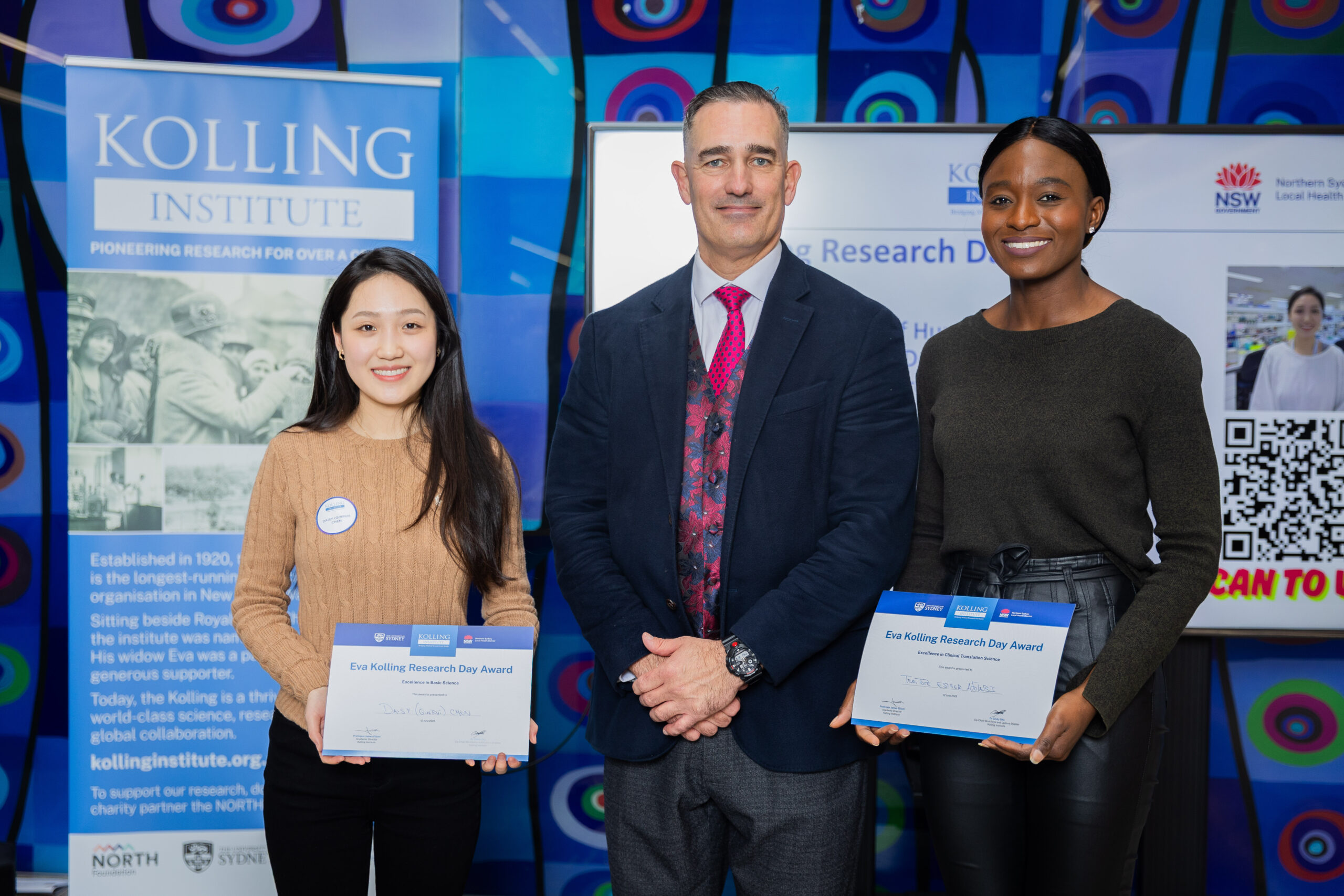
    Two awards were announced on the day, including an Excellence in Clinical Translation Science gong to Temitope Esther Afolabi from the Kolling’s Lab of Ageing and Pharmacology, and an Excellence in Basic Science award to Daisy (Qinrui) Chen from the Renal Research Lab. 

  • Improving cancer detection in young people with neurofibromatosis type 1

    Improving cancer detection in young people with neurofibromatosis type 1

    Researchers from Royal North Shore Hospital and the Kolling Institute will lead Australia’s first study of whole-body screening for young people with neurofibromatosis type 1.

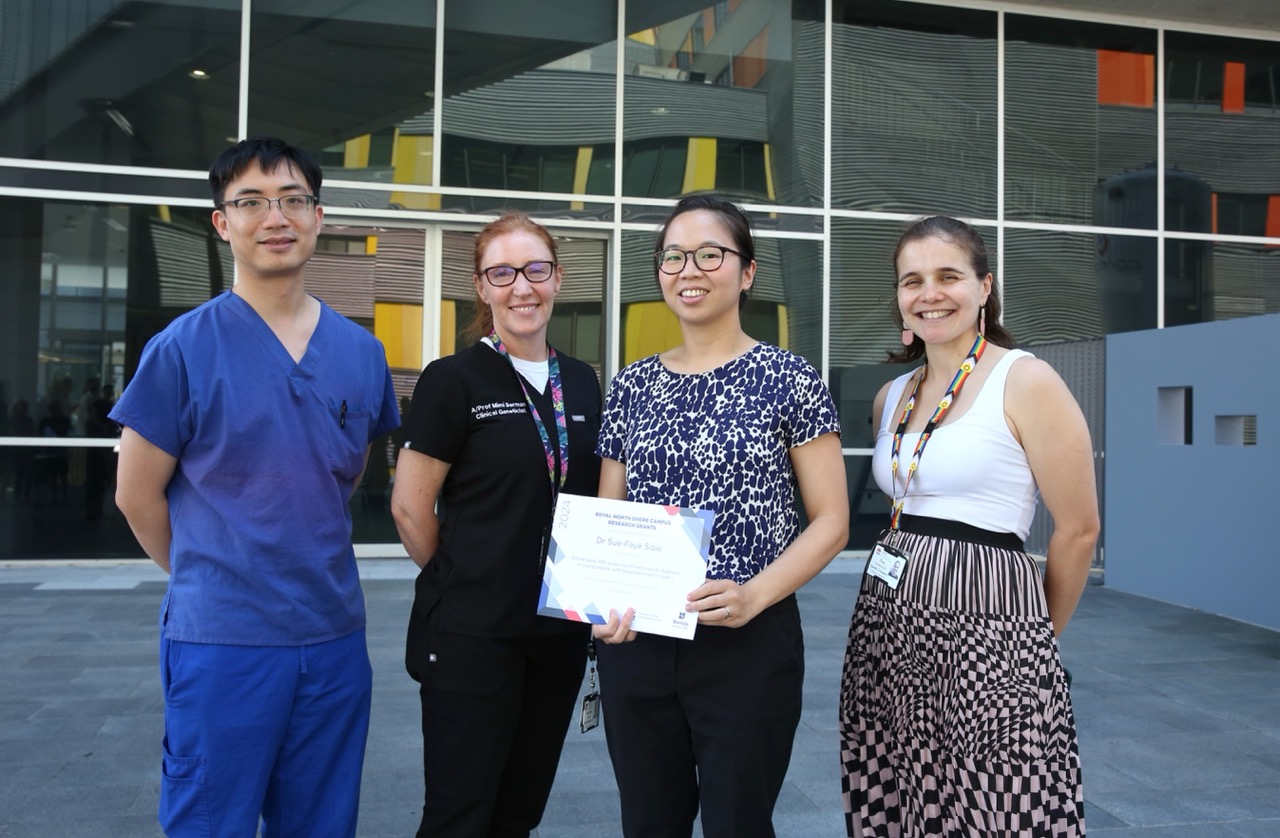
    Led by Dr Sue-Faye Siow from the department of clinical genetics, the study was awarded a grant through the RNSH Campus Research Grants Scheme, and an additional $30,000 in support from the NORTH Foundation.

    Neurofibromatosis type 1 (NF1) is an inherited condition that affects 1 in 2,500 people.

    Young adults with the condition face a 20-fold increase in cancer-related mortality, yet there are currently no routine imaging guidelines in Australia.

    The study will recruit 50 patients aged 18-40 years old to assess the feasibility and psychosocial impacts of the whole-body MRI screening program.

    Dr Siow said their project could be life-changing.

    “This is the first study of whole-body MRI screening of people with neurofibromatosis type 1 in Australia,” she said.

    “We have the opportunity for early detection in this group of young people who have a high cancer risk.”

    The research will be conducted through the Royal North Shore Neurofibromatosis Clinic, a statewide service led by Associate Professor Mimi Berman, in collaboration with national partner Omico.

    The project aims to inform national guidelines and significantly improve outcomes through earlier detection and treatment of cancer. 

    The Royal North Shore Campus Research Grants scheme funds exceptional research to improve standards of care and health outcomes locally and regionally.

    Applications for the 2025 grants are now open, offering grants of up to $150,000.

    Researchers interested in the opportunity can email nslhd-researchgrants@health.nsw.gov.au

  • International spotlight on talented Kolling neuroscience investigator

    International spotlight on talented Kolling neuroscience investigator

    We would like to congratulate one of our emerging leaders at the Kolling Institute who has received a prestigious award at an international conference in Melbourne.

    In her final year of her PhD, Caitlin Fenech has been presented with a President’s Special Commendation award at the 36th World Congress of Neuropsychopharmacology, CINP-AsCNP 2025.

    Caitlin has also taken to the stage today to deliver a presentation and informative poster.

    She has welcomed the experience and her encouragement award.

    “Receiving recognition at an international conference is very exciting, especially as my PhD story is finishing up, and it has come out as an interesting story,” she said.

    “For the award application, I sent in my abstract and a 150-word statement of the reason why I wished to be considered for the encouragement award.

    “In my statement, I described my passion for neuroscience and eagerness to meet other passionate individuals studying the brain.

    “My research is investigating the role of a group of neurons in the midbrain in chronic pain. We have found a novel pain circuit in the brain that controls both sensory and emotional responses and is changed following chronic pain.

    “This is really exciting as these insights increase our knowledge of how pain and chronic pain are processed in the brain, and will help develop effective treatments for pain conditions in the future.

    “Excitingly, the team will be submitting the data for publication in the next few months.”

    Head of the Neurobiology of Pain Laboratory within the Kolling Institute, Associate Professor Karin Aubrey is thrilled Caitlin’s efforts have been recognised.

    “The findings of Caitlin’s PhD project have advanced our understanding of how the brain senses pain and organises our responses to pain in normal conditions and how it changes when chronic pain develops,” she said.

    “This information is essential for developing medications that address chronic pain specific dysfunctions.”

    “It’s been wonderful to see a talented, emerging researcher recognised in this way.”

    The international conference has brought together experts from research and medical institutions, worldwide regulatory authorities and major pharmaceutical companies.

    The theme this year is Advancing Intelligent Horizons Towards Brain Health, with the presentations are focusing on pain, schizophrenia, depression and addiction. 

NSWGOV logo